

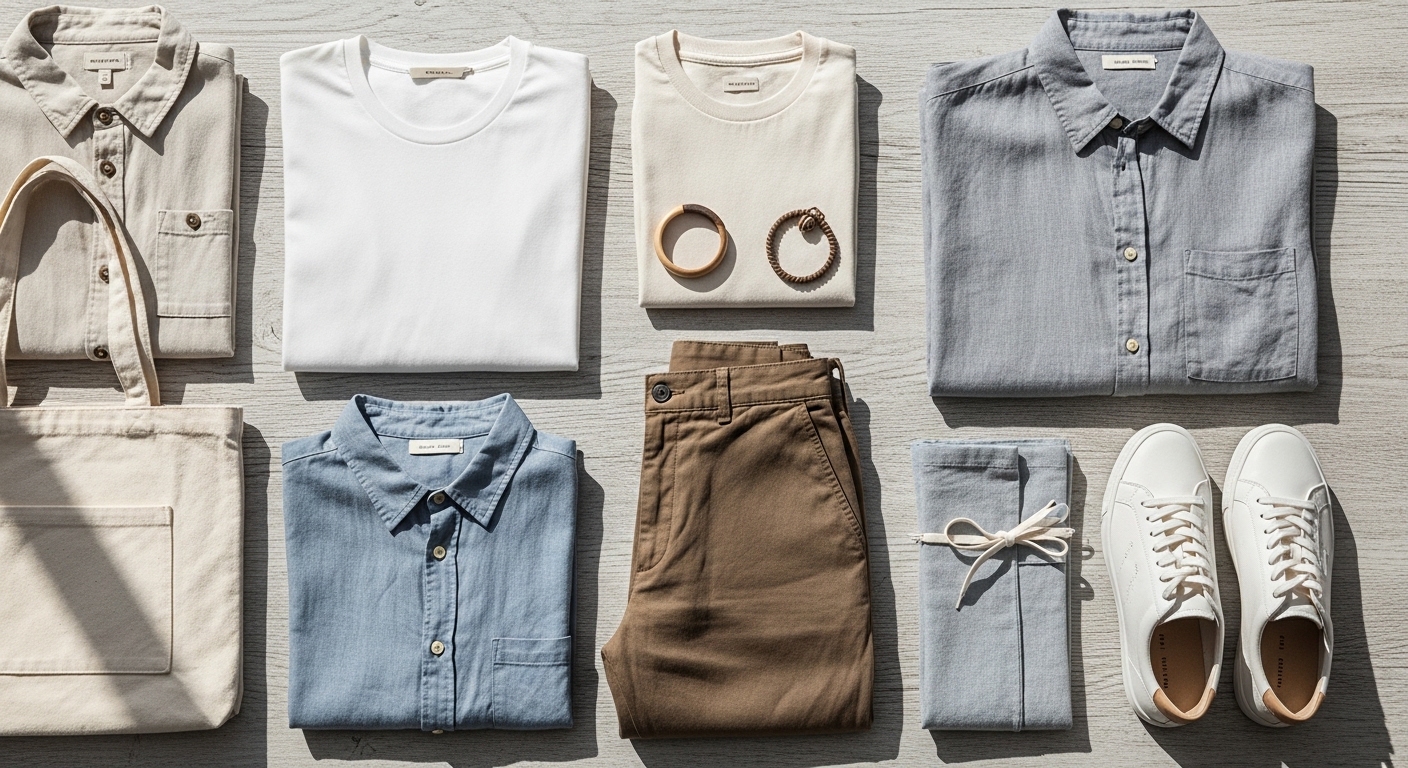
Your skin is your largest organ, and it absorbs up to 60% of what touches it. That includes the chemicals lurking in your clothing. I learned this the hard way after developing unexplained rashes that disappeared only when I switched to non-toxic fashion brands.
The conventional fashion industry uses over 8,000 different chemicals in textile production. Many of these are endocrine disruptors, carcinogens, and skin irritants that remain in fabrics long after manufacturing. From PFAS in waterproof jackets to formaldehyde in wrinkle-free shirts, toxic exposure has become an unavoidable side effect of modern fashion.
This guide will show you exactly what makes clothing non-toxic, which certifications actually matter, and the brands I trust after three years of testing. Whether you have sensitive skin, chemical sensitivities, or simply want to reduce your toxic load, you’ll find practical steps to build a healthier wardrobe. If you’re specifically looking for non-toxic workout clothes, we have a dedicated guide for that too.
Non-toxic fashion refers to clothing made without harmful chemicals that can be absorbed through skin or released into the environment during washing. The definition goes beyond just “natural” materials to include how those materials are processed, dyed, and finished.
Conventional clothing production involves multiple chemical-intensive stages. Cotton crops are sprayed with pesticides. Synthetic fabrics are derived from petroleum. Dyeing uses toxic azo compounds and heavy metals. Finishing treatments add formaldehyde for wrinkle resistance, PFAS for water repellency, and phthalates for plasticizer effects.
Truly non-toxic fashion eliminates or dramatically reduces these chemical inputs. It starts with organic or sustainably harvested fibers grown without synthetic pesticides. Processing uses mechanical rather than chemical methods wherever possible. Dyes are either natural, plant-based, or certified low-impact synthetic formulations. Finishing avoids formaldehyde, flame retardants, and PFAS entirely.
The gold standard requires third-party verification. A brand claiming to be “natural” or “eco-friendly” without certification leaves you taking their word for it. Certifications like GOTS and OEKO-TEX involve regular testing and facility audits to ensure compliance.
Greenwashing runs rampant in the fashion industry. Studies have found that up to 60% of sustainability claims by major brands cannot be substantiated. Without independent verification, terms like “organic,” “natural,” and “non-toxic” have no legal meaning.
Third-party certifications create accountability. Certification bodies conduct unannounced factory inspections, test finished garments for chemical residues, and verify supply chain documentation. When you see a GOTS or OEKO-TEX label, you’re seeing proof that someone has actually checked.
Understanding certification labels is essential for cutting through marketing claims. Here’s what the most important ones actually guarantee:
| Certification | What It Covers | Coverage Level |
|---|---|---|
| GOTS | Organic fiber content, chemical restrictions, social criteria | Most comprehensive – entire supply chain |
| OEKO-TEX 100 | Harmful substance testing in finished garments | End product safety |
| B Corporation | Overall social and environmental performance | Entire business operations |
| Fair Trade Certified | Worker wages and conditions | Manufacturing stage |
| Bluesign | Chemical input management, resource productivity | Chemical processing |
GOTS represents the most comprehensive certification for organic textiles. It requires at least 70% organic fiber content for “made with organic materials” labeling and 95% for full “organic” certification. More importantly, it restricts over 1,000 chemicals commonly used in textile processing.
The standard covers the entire supply chain from farm to finished product. It mandates safe working conditions, fair wages, and environmental protections at every stage. When you buy GOTS-certified clothing, you’re getting verification of both material integrity and ethical production.
OEKO-TEX focuses specifically on human safety. It tests finished garments for over 100 harmful substances including formaldehyde, heavy metals, pesticide residues, and banned azo dyes. The certification has four product classes, with Class I (baby articles) having the strictest requirements.
Unlike GOTS, OEKO-TEX does not require organic materials. A conventional cotton shirt could theoretically pass if chemical residues fall below threshold limits. For this reason, OEKO-TEX works best as a complement to material certifications rather than a standalone guarantee of non-toxicity.
B Corp certification evaluates the entire company’s social and environmental impact, not just individual products. Companies must score at least 80 out of 200 points across governance, workers, community, environment, and customers.
For fashion brands, B Corp status indicates transparency about supply chains, fair treatment of workers, and environmental commitments. However, it does not specifically test garments for chemical content. Use B Corp as a trust signal for brand ethics alongside GOTS or OEKO-TEX for product safety.
Understanding what you’re avoiding makes shopping decisions easier. These are the most concerning chemicals found in conventional clothing and why they matter for your health.
Per- and polyfluoroalkyl substances, known as PFAS, are synthetic chemicals used to make fabrics water-resistant, stain-resistant, and wrinkle-resistant. They’re called “forever chemicals” because they don’t break down in the environment or human body.
Health effects linked to PFAS exposure include hormone disruption, decreased fertility, developmental delays in children, increased cancer risk, and reduced immune function. The CDC has detected PFAS in the blood of nearly all Americans tested. These chemicals migrate from fabric to skin, especially when you sweat.
PFAS appear most commonly in outdoor gear, athletic wear, wrinkle-free dress shirts, and anything marketed as stain-resistant. Even “green” bamboo fabric processing sometimes uses these chemicals, which is why understanding bamboo fabric sustainability matters before assuming it’s safe.
This known carcinogen serves as a fabric finisher to prevent wrinkles, mildew, and shrinkage. It’s particularly common in permanent-press dress shirts, wrinkle-free pants, and any garment labeled “easy care.”
Formaldehyde causes skin irritation, allergic reactions, and respiratory problems. The National Cancer Institute has classified it as a human carcinogen linked to leukemia and nasopharyngeal cancer. While some regulations limit formaldehyde in clothing, enforcement remains inconsistent and testing is infrequent.
Azo dyes are synthetic colorants used in roughly 70% of commercial textiles. Under certain conditions, they break down into aromatic amines, some of which are carcinogenic. These dyes can cause skin irritation and have been linked to bladder cancer in textile workers.
The EU has banned specific azo dyes known to release harmful amines, but these dyes remain legal and widely used in the United States and other regions. Dark colors, especially black and navy, typically require higher concentrations of dye, increasing potential exposure.
These plasticizers make fabrics softer and more flexible. You’ll find them in synthetic leathers, plastic-based prints, and elastic components. Phthalates are endocrine disruptors that interfere with hormone function and have been linked to reproductive issues and developmental problems.
The skin absorbs chemicals through direct contact and friction. Heat and moisture increase absorption rates, meaning workout clothes and undergarments pose particular risks. People with chemical sensitivities, eczema, or multiple chemical sensitivity syndrome often experience immediate symptoms including rashes, headaches, and respiratory issues.
A 2022 study testing Shein products found lead, phthalates, and PFAS in excess of regulatory limits in 20% of items tested. While this made headlines, the reality is that many conventional brands use similar chemical profiles without the same scrutiny.
After researching dozens of brands and personally testing garments over three years, these are the companies I trust for truly non-toxic clothing. Each has verified certifications, transparent supply chains, and commitment to chemical-free production.
Based in Los Angeles, MATE the Label produces exceptionally soft basics using only GOTS-certified organic cotton, linen, and Tencel. Every garment is dyed with low-impact, non-toxic dyes and manufactured within a 17-mile radius to reduce transportation emissions.
The brand is a Certified B Corporation with OEKO-TEX Standard 100 certification for product safety. Their price range runs $38-$148, with size availability from XS to 3X. I particularly recommend their organic cotton jogger sets for loungewear that feels luxurious without chemical treatments. The fabric has a weight and softness that holds up through dozens of washes without pilling.
Pact makes organic cotton accessible without compromising standards. As one of the most affordable GOTS-certified brands, they’ve proven that non-toxic clothing doesn’t require luxury pricing. Their basics start around $20, making them an excellent entry point for building a healthier wardrobe.
All cotton is 100% organic and Fair Trade Certified. The brand uses water-based, non-toxic inks for prints and ships in plastic-free packaging. Their size range spans XS to 3X. I’ve found their t-shirts to be workhorse pieces that maintain shape and softness after years of wear. The $28 classic crew neck offers better value than conventional alternatives when you factor in durability and health benefits.
This Copenhagen-based brand brings Scandinavian minimalism to sustainable fashion. They focus on timeless pieces rather than trends, using GOTS-certified organic cotton, recycled wool, and Tencel lyocell. Their approach prioritizes longevity over volume.
Organic Basics maintains transparent pricing that shows exactly what you’re paying for materials, labor, and transport. Their prices range from $30 for underwear to $200 for outerwear. The size range is XS to XXL. I recommend their organic cotton socks and underwear as foundation pieces – they’re simple, comfortable, and genuinely chemical-free.
Harvest & Mill operates one of the most transparent supply chains in American fashion. They grow their organic cotton in Texas, spin it in North Carolina, and sew garments in California. This domestic production eliminates many opportunities for chemical contamination during international shipping and handling.
Their signature offering is undyed, unbleached organic cotton in natural cream and brown hues. These “color-grown” cotton garments use zero dyes or bleaching agents, making them the safest option for people with severe chemical sensitivities. Prices range from $45 to $180. Their naturally colored sweatshirts have become my weekend uniform – the texture is distinctively soft and the color deepens beautifully with washing.
Paka specializes in alpaca wool apparel produced in Peru using traditional techniques. Alpaca fiber is naturally hypoallergenic, moisture-wicking, and temperature-regulating without chemical treatments. The company works directly with Quechua weavers to preserve artisan methods.
Their PFA-free guarantee means no water-repellent chemical finishes on any product. All dyes are low-impact and OEKO-TEX certified. Prices run $45 to $250 depending on garment complexity. The size range covers XS to XXL. I tested their alpaca crewneck through a New York winter and found it warmer than synthetic performance layers without any chemical odor or skin irritation.
Kotn started with a simple mission: make ethical cotton basics accessible while improving conditions for Egyptian cotton farmers. They work directly with 2,390 farmers in the Nile Delta, paying fair prices and investing in community schools.
All cotton is 100% organic and OEKO-TEX certified. The brand focuses on transparency, publishing detailed information about their supply chain and manufacturing partners. Prices range from $28 to $175. Size availability is XXS to XXL. Their fitted t-shirts have a substantial weight that distinguishes them from flimsy fast-fashion alternatives. After two years of regular wear, mine show minimal wear.
Tentree plants ten trees for every item purchased, but their commitment extends beyond carbon offsetting. They use sustainable materials including organic cotton, recycled polyester, hemp, and Tencel. All manufacturing partners are regularly audited for fair labor practices.
The brand is B Corp certified and Climate Neutral certified. Their price point sits in the mid-range at $35-$150. Size availability spans XS to 3X. I’ve found their hemp-cotton blend t-shirts particularly impressive – the fabric develops character over time while maintaining structural integrity.
Quince has disrupted sustainable fashion by offering certified organic basics at prices comparable to conventional retail. Their direct-to-consumer model eliminates retail markup while maintaining GOTS and OEKO-TEX certifications.
They offer organic cotton, Mongolian cashmere, and silk at surprisingly accessible prices. T-shirts start at $24. Size range is XS to XL. While newer than some brands on this list, their certification documentation is thorough and their customer service responsive about chemical questions. The organic cotton sheets I purchased from them outperformed conventional options three times the price.
Fair Indigo focuses on longevity as the ultimate sustainability. Their organic pima cotton garments are designed to last ten years or more, reducing replacement frequency and overall consumption. They partner with ethical manufacturers in Peru.
All cotton is organic and pre-shrunk without chemical treatments. Prices range from $32 to $150. Size availability is XS to 3X. Their t-shirts maintain shape and color through years of washing. I appreciate their “30 wears guarantee” – they’ll replace any item that doesn’t meet longevity expectations.
This California-based brand does one thing exceptionally well: premium organic cotton t-shirts. Their American-grown organic cotton is spun and sewn entirely in the USA, creating complete supply chain transparency.
They offer both dyed and undyed options, with the natural cotton color being completely chemical-free. Prices run $48-$68 for t-shirts. Size range is XS to 3X. The fabric weight and construction quality justify the premium over fast-fashion alternatives. These are investment basics that actually last.
Boody specializes in bamboo viscose basics produced using the lyocell process, which is significantly less chemical-intensive than standard bamboo rayon production. Their closed-loop manufacturing recycles 99% of water and solvents.
The brand carries both OEKO-TEX and ECOCERT certifications. Prices range from $16 for underwear to $80 for outerwear. Size availability covers XS to 4X. Their bamboo basics are exceptionally soft and breathable, making them ideal for sensitive skin. If you’re interested in organic bamboo clothing options, Boody represents one of the safer processing methods.
Nudie Jeans has been a pioneer in organic denim since 2001. They use 100% organic cotton for all jeans and offer free repairs for life to extend garment longevity. Their transparency reports detail every factory and supplier in their chain.
The brand is a Certified B Corporation with GOTS certification on many products. Prices run $99 to $250 for jeans. Size range is 24-36 for women and 26-40 for men. Their dry (unwashed) denim requires breaking in but develops character without the chemical fading treatments used on conventional jeans.
Understanding fabric properties helps you make informed choices even when shopping outside the recommended brands. These materials offer the best combination of comfort, durability, and safety.
Organic cotton eliminates the pesticides and synthetic fertilizers used in conventional cotton farming, which account for 16% of global insecticide use. GOTS-certified organic cotton also restricts processing chemicals, creating fabric that’s safer for farmers, workers, and wearers.
Look for terms like “undyed,” “natural color,” or “color-grown” for the purest options. These use zero dyes or bleaches. When dyed is necessary, seek low-impact or fiber-reactive dyes that bond molecularly with fabric rather than sitting on top.
Hemp grows without pesticides, requires minimal water, and improves soil health. The resulting fabric is naturally antimicrobial, UV-resistant, and durable. Hemp softens with washing without requiring chemical softeners. It blends well with organic cotton for improved drape.
Made from flax plants, linen requires fewer chemicals than cotton during both cultivation and processing. It’s naturally breathable, moisture-wicking, and gets softer with each wash. European-grown flax generally has stricter chemical regulations than other regions.
Tencel is a branded lyocell made from sustainably harvested eucalyptus trees. The closed-loop production process recycles 99% of the non-toxic solvent used to transform wood pulp into fiber. The result is silky-soft, biodegradable fabric that requires no chemical softening treatments.
Natural animal fibers offer performance properties that synthetics achieve only through chemical treatments. Merino wool regulates temperature, resists odor, and wicks moisture naturally. Alpaca is hypoallergenic and warmer than sheep wool. Look for mulesing-free certification for animal welfare. For quality wool options, explore sustainable wool sweaters made from these natural fibers.
For layering pieces, consider exploring sustainable sweaters and cardigans made from these natural fibers. For sleepwear, organic cotton pajamas provide chemical-free comfort for the hours you spend in closest contact with fabric.
Not every purchase requires deep research. These quick checks help you assess clothing safety in stores and online.
Start with fabric content. Natural fibers (cotton, wool, silk, linen, hemp) generally contain fewer inherent chemicals than synthetics. However, “natural” doesn’t guarantee safety if the garment was chemically processed. Look for certification logos on hangtags or sewn-in labels.
Avoid “wrinkle-free,” “permanent press,” “stain-resistant,” “odor-fighting,” or “performance” claims unless specifically certified non-toxic. These features typically require chemical treatments. Flame-resistant children’s sleepwear often contains concerning chemical treatments.
New clothing should smell like fabric, not chemicals. A strong chemical odor indicates volatile organic compounds (VOCs) off-gassing from dyes, finishes, or formaldehyde treatments. If opening a package triggers a headache or nausea, trust your body’s warning.
Excessively stiff fabric or an artificial slickness suggests chemical finishes. Natural fibers have varied, imperfect textures. Uniform slickness across different fabric types often indicates silicone softeners or other chemical treatments.
Always wash new clothing before first wear. This removes surface chemicals and loose dyes. Use fragrance-free, non-toxic detergent and avoid fabric softeners, which add a new layer of chemicals. Several washes can significantly reduce formaldehyde and other surface treatments.
Consider building a zero waste clothing approach to minimize your overall fashion environmental impact while prioritizing non-toxic materials.
The most trusted non-toxic clothing brands include MATE the Label, Pact, Organic Basics, Harvest & Mill, Paka, Kotn, Tentree, Quince, Fair Indigo, The Classic T-Shirt Company, Boody, and Nudie Jeans. These brands hold third-party certifications like GOTS, OEKO-TEX, or B Corp that verify their commitment to chemical-free production.
Zara does not guarantee PFAS-free clothing. While they have made commitments to eliminate certain chemicals, they do not currently provide comprehensive PFAS testing results for their garments. Fast fashion brands typically use chemical treatments for performance features without full transparency about specific chemical content.
H&M does not guarantee PFAS-free clothing across their product lines. While they participate in the ZDHC (Zero Discharge of Hazardous Chemicals) program and have banned certain chemicals, they continue to use PFAS in performance and waterproof garments. Their Conscious Collection offers better options but still lacks comprehensive third-party certification for non-toxicity.
Some Zara products carry OEKO-TEX certification, particularly in their Join Life collection. However, this applies only to specific items rather than the entire product line. Check individual garment labels for OEKO-TEX Standard 100 certification marks. Most Zara products do not carry this certification.
Check for certifications like GOTS or OEKO-TEX on labels. Perform a smell test – strong chemical odors indicate VOCs off-gassing. Review fabric content, avoiding wrinkle-free or stain-resistant claims that require chemical treatments. Wash new clothes before wearing to remove surface chemicals. When in doubt, contact the brand directly and ask about specific chemical testing.
For sustainable activewear that doesn’t compromise on performance, look for brands combining non-toxic materials with functional design.
Switching to non-toxic fashion brands protects your health while supporting better environmental practices. The twelve brands featured here have demonstrated genuine commitment to chemical-free production through third-party verification. Start with basics from Pact or MATE the Label, then gradually expand your non-toxic wardrobe as budget allows.
Remember that certifications matter more than marketing claims. GOTS and OEKO-TEX provide the verification you need to trust that “non-toxic” means something real. Your skin absorbs what you wear – make sure it’s safe.
Building a healthier wardrobe is a journey, not an overnight transformation. Replace items as they wear out rather than discarding everything at once. Consider the full lifecycle of your clothing choices by exploring cotton biodegradability and investing in quality sustainable base layers that last for years rather than seasons.
Your body will thank you for making the switch. After three months in predominantly organic cotton and natural fiber clothing, I noticed fewer headaches, clearer skin, and the peace of mind that comes from knowing exactly what touches my body every day.
