


Your workout clothes touch your skin for hours at a time. They absorb your sweat, trap heat against your body, and release microscopic fibers with every wash. What if those fabrics were silently exposing you to harmful chemicals? Conventional activewear often contains PFAS, the “forever chemicals” linked to hormone disruption, immune system damage, and environmental contamination that never breaks down. This reality has sparked a growing movement toward zero waste sustainable activewear brands that prioritize both planetary and personal health.
The shift toward eco-friendly workout clothes represents more than a trend. It reflects a deeper understanding of how our clothing choices ripple outward. When you choose pieces made from organic cotton, TENCEL lyocell, or recycled materials from transparent supply chains, you are voting for a cleaner industry. You are also protecting your skin from synthetic toxins and microplastic exposure. For more on building a complete sustainable wardrobe, see our guide to zero waste clothing pieces.
This guide profiles ten leading sustainable activewear brands that have earned trust through third-party certifications like B Corp, GOTS, and Fair Trade. Each company featured here demonstrates measurable commitment to circular fashion, ethical manufacturing, and plastic-free alternatives. Whether you practice yoga, train for marathons, or simply value comfortable athleisure, these brands offer PFAS-free options that perform without compromise.
Our selection process focused on verified sustainability claims rather than marketing language. We required each brand to hold at least one recognized third-party certification such as B Corp, GOTS (Global Organic Textile Standard), Fair Trade Certified, Oeko-Tex Standard 100, or Climate Neutral. These certifications provide independent verification of environmental and social practices, helping consumers avoid greenwashing.
Material composition played a central role in our evaluation. We prioritized brands offering natural fiber activewear including organic cotton, merino wool, TENCEL lyocell, and hemp. We also considered innovative recycled options like regenerated nylon and polyester made from post-consumer waste. Every brand listed uses low-impact or waterless dyeing processes to minimize chemical runoff.
We examined supply chain transparency, end-of-life programs, and size inclusivity. Brands that offer take-back programs, repair services, or compostable packaging scored higher. We also considered price accessibility across different budgets, from affordable sustainable activewear to premium investment pieces. Finally, we analyzed forum discussions, expert reviews, and customer feedback to ensure these brands deliver on both ethics and performance.
Sustainable activewear is a game-changer in minimizing environmental harm. By using eco-friendly materials like organic cotton, recycled polyester, and Tencel, we can make a positive impact. Organic cotton is grown without harmful chemicals, reducing its ecological footprint significantly.
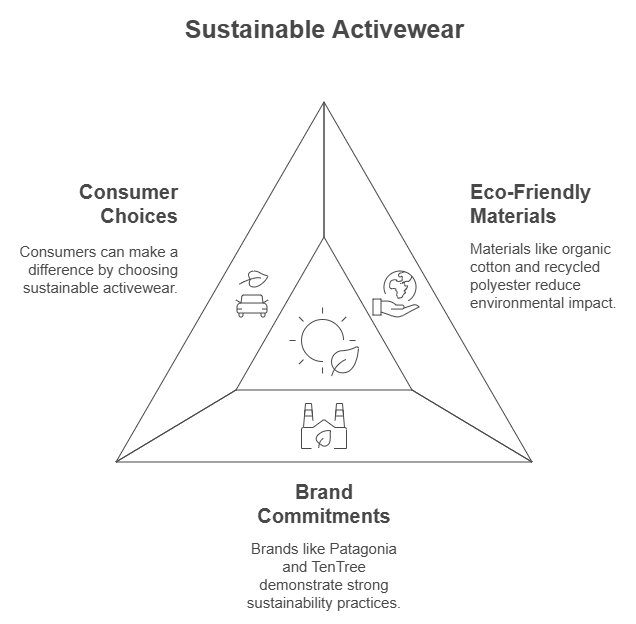
Recycled polyester, crafted from discarded plastic bottles, conserves resources and cuts down on waste, while still offering durability and breathability.
Meanwhile, Tencel—produced from sustainably sourced wood pulp—boasts a closed-loop process that reduces water use and chemical waste. These materials come together to form a sustainable apparel industry that marries athletic performance with environmental responsibility.
Also Read: Can You Compost Poultry?
Sustainable activewear brands are becoming increasingly popular as consumers seek environmentally friendly options for their workout gear. These brands focus on reducing waste, using recycled materials, and ensuring ethical production practices. Below is a list of the top ten zero waste and sustainable activewear brands that are making a significant impact in the industry.
Each brand not only prioritizes sustainability but also offers stylish and functional options for fitness enthusiasts.
Patagonia is a pioneer in sustainable activewear, known for its commitment to environmental responsibility. Since its inception, the brand has championed the use of recycled materials, particularly polyester sourced from plastic bottles. Their range includes everything from jackets to leggings, all designed with durability and performance in mind.
Patagonia’s dedication extends beyond product offerings; they pledge 1% of sales to environmental causes and actively engage in initiatives aimed at reducing textile waste. The company also promotes a repair program, encouraging customers to fix rather than discard their gear, which aligns with their philosophy of reducing consumption.
Furthermore, Patagonia’s fair trade certification ensures that workers are paid fairly and work under safe conditions. This holistic approach makes Patagonia a leader in the sustainable fashion movement.
Girlfriend Collective stands out for its innovative use of recycled materials, particularly plastic bottles and fishing nets, to create stylish and functional activewear. The brand emphasizes inclusivity by offering a wide range of sizes and designs that cater to diverse body types. Each piece is made using eco-friendly processes, with packaging that is entirely recyclable.
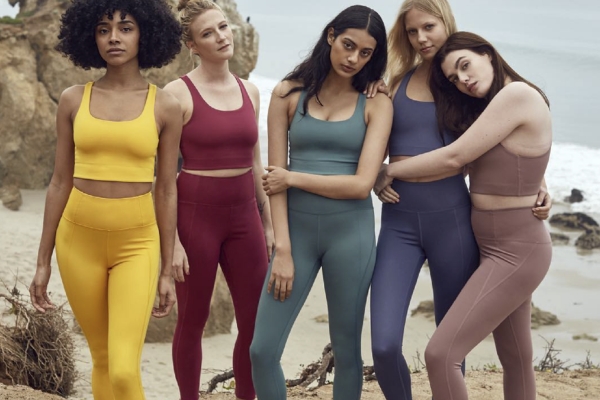
Girlfriend Collective is committed to ethical manufacturing practices, ensuring fair wages and safe working conditions for all workers involved in the production process. Additionally, they have implemented a recycling program that allows customers to return old garments for repurposing, further minimizing waste. This combination of sustainability and social responsibility makes Girlfriend Collective a favorite among eco-conscious consumers.
Organic Basics is dedicated to creating high-quality activewear with minimal environmental impact. The brand focuses on using sustainable materials such as organic cotton, TENCEL™, and recycled nylon in their products. Their commitment to transparency is evident in their supply chain practices; they ensure that all factories meet strict ethical standards regarding labor conditions.
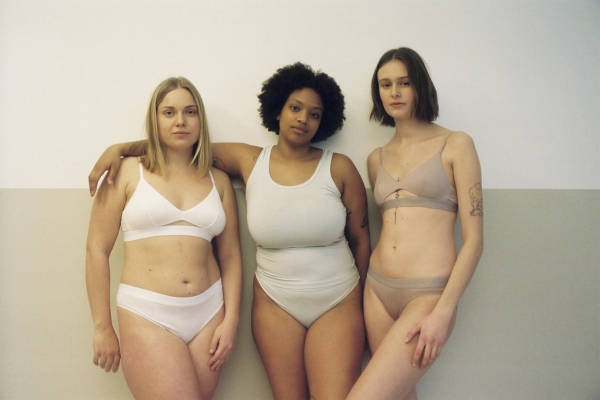
Organic Basics also employs renewable energy sources in their production processes, contributing to lower carbon emissions. Their designs prioritize functionality and comfort without compromising style, making them suitable for both workouts and everyday wear.
By donating a portion of profits to environmental initiatives, Organic Basics reinforces its mission to promote sustainability within the fashion industry.
Wolven is recognized for its vibrant designs and commitment to sustainability through the use of recycled materials. The brand creates activewear made from recycled plastic bottles, ensuring that each garment contributes to reducing ocean waste. Wolven’s products are designed to be multifunctional and reversible, allowing customers to maximize their wardrobe while minimizing consumption.
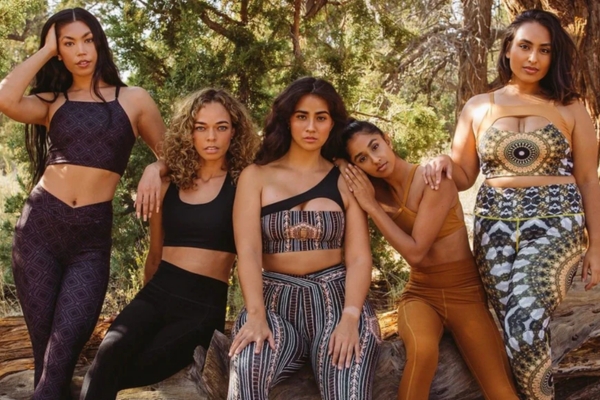
The company is Climate Neutral certified, reflecting its efforts to offset carbon emissions through renewable energy sources and sustainable practices throughout its supply chain. Additionally, Wolven actively engages in community initiatives aimed at promoting environmental awareness, making it a socially responsible choice for activewear.
Tripulse focuses on creating high-performance activewear while adhering to sustainable practices. The brand uses eco-friendly fabrics like TENCEL™ and Roica® V550, which are less harmful alternatives to traditional synthetic materials commonly found in athletic wear. Tripulse emphasizes local manufacturing to reduce transportation emissions and supports fair labor practices throughout its supply chain.
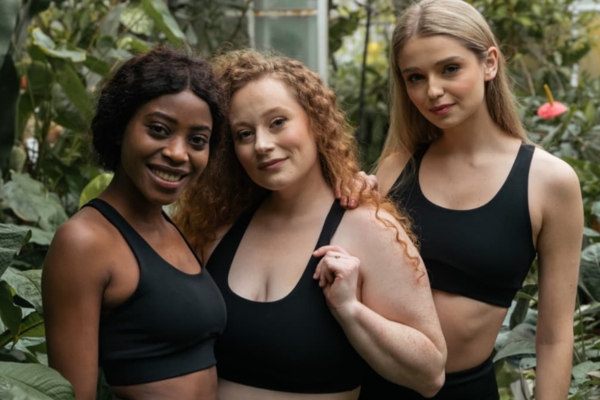
Their commitment to sustainability is reflected not only in material choices but also in their transparent communication about environmental goals and impacts. With an array of stylish options designed for various activities, Tripulse appeals to consumers looking for both performance and eco-friendliness.
Silou combines luxury with sustainability by offering high-end activewear crafted from eco-friendly materials. The brand focuses on timeless designs that prioritize comfort without sacrificing style or performance. Silou’s commitment to sustainability includes using low-impact dyes and limiting water usage during production processes.
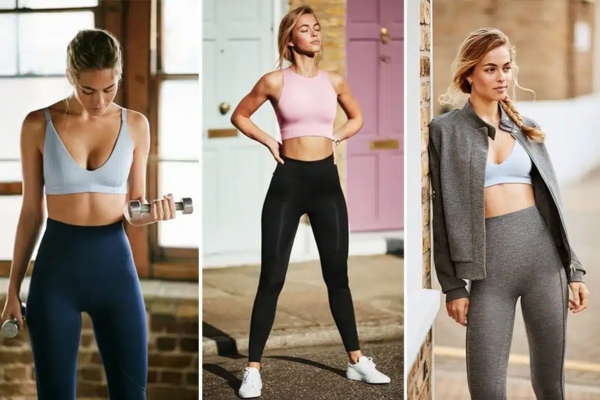
While they continue to improve supply chain transparency, Silou has achieved commendable ratings for their environmental practices from organizations like Good On You. Their stylish pieces are perfect for those who want both elegance and functionality in their workout attire.
TenTree takes an innovative approach by planting ten trees for every item sold, directly contributing to reforestation efforts worldwide. Their activewear collection utilizes sustainable materials such as organic cotton and recycled polyester while maintaining affordability without compromising quality. TenTree’s commitment extends beyond product offerings; they provide transparency about the environmental impact of each purchase through their website, allowing consumers to see the positive effects of their choices on the planet.
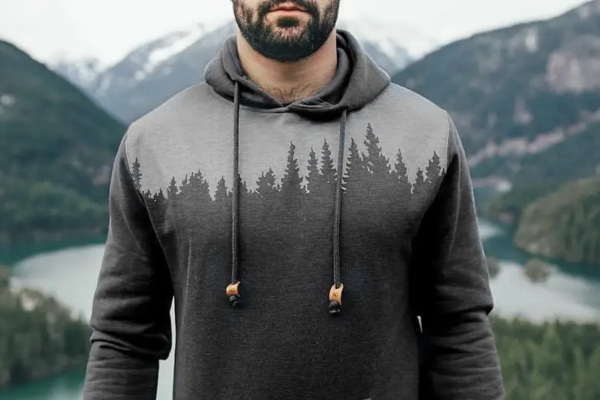
With a focus on community engagement and environmental stewardship, TenTree is an excellent choice for eco-conscious shoppers looking for comfortable activewear.
Also Read: Can You Compost Clothes?
Pact specializes in creating affordable activewear made from GOTS-certified organic cotton, ensuring that products are free from harmful chemicals and produced under fair trade conditions. The brand emphasizes comfort while maintaining a strong commitment to sustainability throughout its production processes.

Pact’s clothing is designed for everyday wear as well as workouts, making it versatile for various lifestyles. They prioritize transparency by sharing information about their manufacturing practices and sourcing materials responsibly. With a focus on ethical standards and environmental consciousness, Pact offers budget-friendly options without compromising quality or values.
Miakoda is a New York-based brand that focuses on creating loungewear and activewear from plant-based fabrics such as bamboo and organic cotton. The company prides itself on being cruelty-free while ensuring that all products are ethically made within the USA. Miakoda’s collections feature unique patterns that make them easy to mix and match with other pieces in your wardrobe.

By utilizing sustainable materials and local manufacturing practices, Miakoda aims to reduce its carbon footprint while providing comfortable clothing options suitable for both workouts and relaxation.
Mandala offers stylish women’s activewear crafted from organic cotton and recycled polyester, emphasizing comfort without compromising on support or functionality. Known particularly for their supportive sports bras integrated into creative designs, Mandala ensures fair wages are paid throughout its supply chain while promoting eco-friendly practices at every stage of production.

The brand’s commitment to sustainability extends beyond materials; they focus on minimizing waste through efficient manufacturing processes and responsible sourcing of textiles. Mandala’s dedication to ethical fashion makes it an appealing choice for consumers seeking both style and sustainability in their workout gear.
These brands exemplify how the fashion industry can evolve towards more sustainable practices while offering consumers stylish options that align with their values.
Navigating sustainable activewear claims requires understanding certifications, materials, and production practices. This guide helps you evaluate brands beyond marketing language to make purchases aligned with your values.
Third-party certifications provide independent verification of sustainability claims. The Global Organic Textile Standard (GOTS) represents the highest standard for organic fibers, covering ecological and social criteria throughout processing. Oeko-Tex Standard 100 certifies that finished garments contain no harmful substances, making them safe for prolonged skin contact. Fair Trade Certified ensures farmers and workers receive living wages and work under safe conditions.
B Corp certification evaluates entire business operations across governance, workers, community, environment, and customers. This comprehensive assessment reveals genuinely committed companies versus those with single-issue sustainability programs. Bluesign approved certification focuses on chemical safety in textile production, while Climate Neutral Certified requires measuring, reducing, and offsetting carbon emissions.
Per- and polyfluoroalkyl substances (PFAS) have earned the nickname “forever chemicals” because they resist environmental degradation for thousands of years. These compounds appear in conventional activewear to provide water and stain resistance. Unfortunately, PFAS accumulate in human bodies over time, correlating with increased cancer risk, immune system disruption, and hormone interference.
Sustainable brands committed to health and safety explicitly avoid PFAS in their production. When shopping, look for brands advertising “PFAS-free” or “forever chemical free” on their websites. Oeko-Tex Standard 100 certification prohibits PFAS among hundreds of restricted substances. Natural fiber activewear made from organic cotton, merino wool, TENCEL, or hemp inherently avoids these synthetic chemicals.
Waterproof or stain-resistant claims often indicate PFAS presence unless explicitly stated otherwise. If a brand offers moisture-wicking or water-repellent properties, investigate whether they achieve these through chemical treatments or natural fiber properties like TENCEL’s inherent breathability.
Different activities demand different materials. For high-intensity workouts requiring compression and stretch, look for blends containing Roica elastane or recycled nylon that provide performance without virgin petroleum derivatives. Natural rubber elastic offers a plastic-free alternative for low-impact activities.
Yoga and Pilates practitioners benefit from TENCEL lyocell’s exceptional softness and moisture management. This wood-pulp fiber processed in closed-loop systems feels luxurious against skin while offering natural breathability. Organic cotton suits gentle activities and lounging, though it lacks the compression synthetic fibers provide for running or HIIT.
Merino wool and alpaca wool provide natural temperature regulation, odor resistance, and moisture-wicking for outdoor activities. These animal fibers require ethical sourcing certifications like Responsible Wool Standard to ensure humane treatment. Hemp offers durability and antibacterial properties that improve with washing, making it ideal for hard-wearing pieces.
Truly sustainable brands consider garment lifecycles beyond purchase. Take-back programs that accept worn clothes for recycling demonstrate end-of-life responsibility. Repair services and tutorials help extend piece usability, while resale platforms for pre-owned items create secondary markets that reduce demand for new production.
Compostable clothing represents emerging innovation in circular fashion. Some brands now create pieces from materials that safely break down in home composting systems, though this requires removing synthetic stitching and elastic first. Biodegradable elastane like Roica V550 enables stretch garments that eventually decompose rather than persisting as environmental pollutants.
When evaluating circular programs, consider whether they genuinely close loops or merely delay disposal. The most advanced brands offer transparency about where returned items go and what percentage actually gets recycled versus downcycled or landfilled.
By considering these factors, you can make informed decisions that align with zero waste principles.
Also Read: Can You Compost Cheesecloth?
Sustainable activewear minimizes environmental impact through material selection, ethical manufacturing, and end-of-life responsibility. Key features include organic or recycled materials, PFAS-free chemical treatments, transparent supply chains, fair labor practices, take-back programs, and third-party certifications like GOTS or B Corp. The most sustainable options use natural fibers like organic cotton, TENCEL, or merino wool rather than virgin petroleum-based synthetics.
Recycled polyester made from post-consumer plastic bottles is generally considered safe for clothing. However, it still sheds microplastics during washing that pollute waterways. Look for brands using GRS (Global Recycled Standard) certified materials that ensure traceability and responsible processing. For minimal environmental impact, choose natural fiber activewear when possible, and use a microfiber-catching laundry bag when washing recycled synthetic pieces.
Pact and TenTree offer the most accessible price points among certified sustainable activewear brands, with leggings starting around $48-58 and basic tops from $24-38. These companies prove that ethical fashion need not be expensive. Girlfriend Collective also provides competitive pricing while maintaining B Corp certification and inclusive sizing. Shopping during sales or using take-back program credits can further reduce costs.
PFAS (per- and polyfluoroalkyl substances) are forever chemicals that accumulate in human bodies and the environment. Research links PFAS exposure to increased cancer risk, immune system damage, hormone disruption, and developmental issues. These chemicals appear in many conventional activewear items to provide water resistance. Choosing PFAS-free brands with Oeko-Tex certification protects your health while supporting cleaner manufacturing practices.
Wash sustainable activewear in cold water on gentle cycles to preserve fiber integrity and reduce microfiber shedding. Hang drying prevents elastic degradation and saves energy. Use microfiber-catching bags when washing recycled synthetic pieces. Avoid fabric softeners that coat natural fibers and reduce breathability. Follow brand-specific care instructions, and utilize repair services or mending techniques to fix small issues before they become major problems. Proper care can double or triple garment lifespan.
The ten zero waste sustainable activewear brands featured in this guide demonstrate that performance and ethics can coexist. From Patagonia’s decades-long environmental leadership to Pact’s affordable accessibility, these companies offer options for every budget, body type, and activity level. By prioritizing certifications like B Corp, GOTS, and Fair Trade, you can avoid greenwashing and support genuine sustainability efforts.
Your choices matter. Every purchase from a PFAS-free, ethically produced brand sends market signals that reward responsible practices. As consumer demand grows, more companies will transition toward circular fashion models that respect both people and planet. The transition away from fast fashion toward durable, transparently produced activewear represents a meaningful step toward personal and environmental health.
Ready to expand your sustainable lifestyle beyond your wardrobe? Explore our zero waste living tips for practical ways to reduce household waste, or browse our recommendations for zero waste gifts that friends and family will treasure. For creative DIY projects, check out our zero waste DIY ideas and projects to transform everyday items into useful treasures. Continue exploring our sustainability content to stay informed and inspired on your eco-conscious journey.
