

Responsible hiking is the practice of enjoying outdoor trails while actively minimizing your environmental impact, protecting wildlife habitats, and preserving natural spaces for future generations. In 2026, with a record 175.8 million Americans participating in outdoor recreation, the cumulative footprint of every boot on every trail has never mattered more. Every hiker who steps off a path, leaves an orange peel behind, or cuts a switchback contributes to a compounding problem that degrades the very landscapes we love to explore.
The reality is that trails are showing real strain. Soil erosion, trail widening, wildlife habituation, and invasive species spread are all accelerated by well-meaning but uninformed visitors. The good news is that small, intentional choices on the trail add up to meaningful protection. When you understand the science behind why certain practices matter, sticking to them becomes second nature rather than a chore.
This guide breaks down everything you need to know about eco-conscious trekking in 2026. From the seven Leave No Trace principles to trail etiquette, gear sustainability, and the often-overlooked carbon footprint of getting to the trailhead, we cover the full picture of what it means to hike responsibly. Whether you are a weekend day-hiker or a seasoned backpacker, these practices will help you become a better steward of the outdoors. If you are also planning an overnight trip, check out our complete eco-friendly camping guide for extending these principles beyond the trail.
At its core, responsible hiking means treating every trail as a privilege, not a resource to be consumed. The Outdoor Industry Association reports that 175.8 million Americans participated in outdoor activities in 2023, a number that has only grown since. That level of participation places enormous pressure on public lands, and land managers from the National Park Service to local trail conservancies are dealing with the consequences: eroded paths, degraded wildlife corridors, and overcrowded trailheads.
The foundational framework for all responsible outdoor recreation is the Leave No Trace Center for Outdoor Ethics. Their seven principles are not arbitrary rules but research-backed guidelines developed in partnership with the National Park Service, the US Forest Service, and decades of field research. When hikers internalize these principles, they protect fragile ecosystems that took thousands of years to form.
Consider biological soil crusts, the dark, bumpy ground coverings found in desert regions. These living crusts prevent erosion, retain moisture, and fix nitrogen in the soil. A single footstep can destroy a crust that took a century to develop. This is why staying on durable surfaces is not just about aesthetics but about protecting the foundational layer of entire ecosystems. The same applies to alpine tundra, where plants growing at high elevations may take decades to recover from a single trampling.
Responsible hiking is not about perfection. Nobody gets every detail right every time. What matters is developing awareness, learning from mistakes, and committing to continuous improvement. The hiking community on forums like Reddit consistently emphasizes that progress and effort matter more than flawlessness. If you are new to outdoor ethics, start with the basics below and build from there. Curious about where to practice these skills? Explore some responsible recreation destinations across the country.
Key Data: The Scale of Outdoor Recreation in 2026
175.8 million Americans participated in outdoor activities in 2023 (Outdoor Industry Association).
85 to 97 percent of wildfires are caused by humans, according to the National Park Service and US Forest Service.
Biological soil crusts in desert environments can take over 100 years to recover from a single footstep.
Orange peels and pistachio shells can persist on trails for up to two years before decomposing.
Catholes for human waste should be dug 6 to 8 inches deep and located at least 200 feet from any water source, trail, or campsite.
Also Read: Food Waste Reduction: Simple Tips for Major Impact
Before getting into specific tips, every hiker should know the seven Leave No Trace principles. These form the backbone of responsible hiking and are recognized by land agencies across the United States. If you only learn one framework, make it this one.
Plan Ahead and Prepare: Research your route, check regulations, obtain permits, and prepare for weather. Poor planning leads to emergencies that can damage trails and require rescue operations that further stress resources.
Travel and Camp on Durable Surfaces: Walk single file on established trails and camp on rock, gravel, sand, or dense vegetation that can withstand use. Avoid fragile areas like cryptobiotic crusts, alpine meadows, and riparian zones.
Dispose of Waste Properly: Pack out all trash, food scraps, and litter. For human waste, dig a cathole 6 to 8 inches deep at least 200 feet from water, trails, and campsites. Pack out toilet paper and hygiene products.
Leave What You Find: Do not pick wildflowers, collect rocks, stack cairns arbitrarily, or carve into trees. Leave cultural and natural features exactly as you encounter them.
Minimize Campfire Impacts: Use a lightweight camp stove instead of building fires. If fires are permitted, use established fire rings, keep them small, and burn only dead and downed wood.
Respect Wildlife: Observe animals from a distance, never feed them, and store food securely. Keep pets under control and away from wildlife at all times.
Be Considerate of Other Visitors: Keep noise levels down, yield appropriately, respect trail etiquette, and preserve the sense of solitude that others came to experience.
These principles are interconnected. Planning ahead reduces the chance you will be forced to make a fire in a no-burn zone. Traveling on durable surfaces prevents erosion that harms wildlife corridors. Disposing of waste properly protects water sources that other visitors depend on. Internalize all seven, and most of the tips below become natural extensions rather than a checklist to memorize.
Building on the Leave No Trace framework, these ten tips translate the principles into specific, actionable practices you can apply on every hike. Some reinforce the basics, while others cover topics that the LNT principles only touch on briefly, like trail etiquette, gear sustainability, and transport emissions.

Walking on established trails is the single most effective way to reduce your physical impact on the land. Trails are engineered to concentrate foot traffic on surfaces that can handle it, funneling thousands of hikers through a narrow corridor rather than spreading damage across a wide area.
When hikers cut switchbacks or walk around muddy sections, they create unauthorized side trails known as social trails. These cause trail widening, destroy vegetation, and accelerate soil erosion. In alpine and desert environments, the damage is especially severe because biological soil crusts and slow-growing alpine plants recover at a glacial pace. A single shortcut can leave a visible scar for decades.
If you encounter mud, walk straight through it. Waterproof boots and gaiters exist for exactly this purpose. Walking around the puddle widens the trail and damages the surrounding plants. If you are not prepared to get your feet dirty, reconsider whether the conditions are right for your hike.
Leave No Trace goes far beyond carrying out your candy wrapper. It is a comprehensive ethic that encompasses every interaction you have with the natural world during a hike. The goal is to leave the environment looking exactly as you found it, with no evidence that a human passed through.

One of the most common misconceptions is that biodegradable food scraps are harmless to leave behind. Forum discussions on Reddit and the Appalachian Trail community consistently highlight this issue. Orange peels can take up to two years to decompose. Banana peels attract wildlife to trail corridors, creating dangerous food conditioning. Pistachio shells and sunflower seeds persist indefinitely in dry climates. Even apple cores, which seem innocent, teach animals to associate trails with human food.
Then there is microtrash, the small items that even conscientious hikers miss. Fruit stickers, cigarette butts, hair ties, dental floss, and twist ties fall out of pockets without anyone noticing. Experienced backpackers recommend carrying a dedicated ziplock bag for packing out found trash, turning every hike into a small cleanup effort. This is the leave-it-better-than-you-found-it philosophy in action.
Leaving what you find also means resisting the urge to stack rocks, build cairns, or take souvenirs. Rock stacking disrupts habitat for insects and small reptiles, and it undermines the visual experience of wildness for hikers who follow. If you want to remember your trip, take a photograph, not a rock.
The gear you bring on a hike has an environmental footprint long before you reach the trailhead. Manufacturing outdoor equipment requires raw materials, energy, and water, and many conventional products contain chemicals that can leach into soil and waterways. Choosing sustainable alternatives reduces both the upstream and downstream impact of your adventures.
Start with the basics. A reusable water bottle eliminates the need for single-use plastics, which are one of the most common items found during trail cleanups. Reef-safe sunscreen prevents chemical contamination of streams and lakes, protecting aquatic ecosystems even at high elevations. Biodegradable soap, used sparingly and at least 200 feet from any water source, breaks down without leaving toxic residues.
Clothing choices matter too. Recycled polyester garments divert plastic from landfills and require significantly less energy to produce than virgin synthetics. Choosing sustainable hiking shoes made from recycled or natural materials is one of the most impactful swaps you can make, since footwear takes a heavy toll in both production and disposal. For more gear decisions, the debate between leather and synthetic hiking boots involves real tradeoffs in environmental impact worth understanding.
Other swaps worth considering include bamboo utensils instead of disposable cutlery, compostable wipes instead of conventional wet wipes, and solar chargers with rechargeable batteries instead of single-use alkaline cells. None of these choices will save the planet on their own, but collectively they reduce the volume of waste and pollution generated by the outdoor recreation industry.
Wildlife encounters are among the most memorable experiences a hiker can have. Watching a deer pick its way through a meadow or spotting a hawk riding a thermal is thrilling. But those moments depend on animals behaving naturally, and human interference disrupts those natural patterns in ways that are often irreversible.
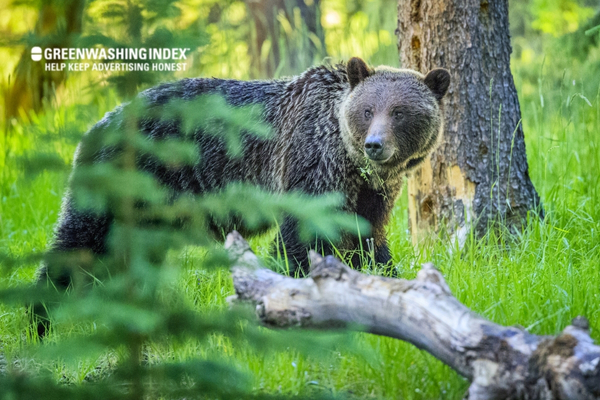
Feeding wild animals, even accidentally by dropping food scraps, triggers a process called food conditioning. Animals that learn to associate humans with food lose their natural foraging behaviors, become aggressive toward hikers, and often have to be euthanized by wildlife managers. The phrase wildlife biologists use is stark: a fed bear is a dead bear.
Keeping your distance matters even when you are not feeding animals. Approaching wildlife for photographs causes stress that can drive animals away from feeding grounds, disrupt breeding, and waste critical energy reserves. The National Park Service recommends staying at least 100 yards from bears and wolves and 25 yards from all other wildlife. If an animal changes its behavior because of your presence, you are too close.
Traveling lightly is not just about saving your knees from a heavy pack. It is an environmental ethic rooted in resisting gear overconsumption. The outdoor industry generates enormous revenue by convincing hikers they need the newest jacket, the lightest tent, or the most advanced GPS watch every season. That cycle of consumption has a real environmental cost.

The most sustainable piece of gear is the one you already own. Repair culture is making a comeback in the outdoor community, with brands offering patch kits, replacement zippers, and resoling services that extend the life of expensive equipment. Before buying new, ask whether your current gear can be fixed. A torn rain jacket can often be patched with adhesive tape. A worn boot sole can be resoled for a fraction of the replacement cost.
When you do need to buy, consider secondhand options first. Used gear stores, online marketplaces, and community gear swaps offer quality equipment at reduced prices and reduced environmental impact. Look for backpacking backpacks that align with responsible hiking practices through durable construction and repairable designs rather than disposable fast-fashion mentality.
Packing only what you truly need also reduces physical impact on the trail. A lighter pack means less fatigue, which means better decision-making and a lower chance of accidents. The 20 percent rule for backpacking, which states that your loaded pack should weigh no more than 20 percent of your body weight, is a good benchmark for keeping your load reasonable.
Campfires are deeply embedded in outdoor culture, but their environmental cost is significant. The National Park Service reports that 85 to 97 percent of wildfires are caused by humans, and escaped campfires are a leading culprit. Even when a fire does not escape its ring, it sterilizes the soil beneath it, kills root systems, and leaves behind charcoal and ash that persist for years.
A lightweight camp stove is the responsible alternative for nearly all backcountry cooking. Stoves are efficient, leave no trace, and work in conditions where fires would be dangerous or illegal. Many public lands now restrict or ban open fires during dry seasons, making a stove not just the eco-friendly choice but the only legal one.
If you do build a fire where it is explicitly permitted, use an existing fire ring, keep the fire small, and burn only dead and downed wood no larger than what you can break by hand. Never leave a fire unattended, and drown it completely with water before leaving. If the ashes are too hot to touch, the fire is not out.
Water sources on trails are ecological lifelines, supporting fish, amphibians, insects, and the animals that feed on them. Contaminating a stream, even with seemingly harmless substances, can ripple through the entire food web of an ecosystem.
Always wash yourself, your dishes, and your clothes at least 200 feet from any water source. Even biodegradable soap can harm aquatic life if it enters a stream directly. Carry water in a collapsible container to your washing spot, scatter grey water broadly, and strain out food particles to pack out with your trash.
Conserving water also matters, especially in arid environments. Filter what you need from reliable sources and avoid depleting scarce seeps or springs that wildlife depend on. For more conservation strategies that apply beyond the trail, see our guide on water conservation tips that translate to everyday life.
Where you pitch your tent has a direct impact on the land. Established campsites, already compacted from previous use, are the best choice because your stay adds no incremental damage. Rock slabs, gravel bars, and sandy areas are also durable surfaces that recover quickly.

Avoid camping on fragile vegetation, especially in alpine zones where plants grow slowly and recover from trampling over decades. If you must camp in a pristine area, disperse your group, move tents daily, and keep your stay to a single night to prevent lasting damage. For a deeper look at minimizing your overnight impact, see our eco-friendly camping guide.
This tip deserves its own emphasis because it is the most frequently violated principle on popular trails. Everything you carry in must come back out with you, with zero exceptions. That includes food wrappers, fruit peels, napkins, and any packaging you brought along.

Go a step further by packing out trash that others left behind. Carry a spare ziplock bag for this purpose and pick up litter you encounter on the trail. This practice, sometimes called the good karma approach, is widely endorsed by the hiking community and turns every outing into an act of environmental stewardship.
Thorough planning is the foundation of every safe and sustainable hike. Research trail conditions, check for fire bans, verify permit requirements, and assess weather forecasts before you leave. Understanding what to expect reduces the likelihood of emergencies that strain rescue resources and damage the environment.
Planning also means knowing the specific regulations of the area you are visiting. Some trails require permits to limit daily visitor numbers and reduce overcrowding. Others restrict dogs, fires, or off-trail travel to protect sensitive habitats. Check the managing agency’s website for current rules before you go, and always have a backup plan if conditions change.
Social media has added a new dimension to trip planning. Geotagging specific locations on platforms like Instagram can lead to sudden overcrowding at fragile sites, overwhelming infrastructure and degrading the environment. Consider sharing your adventures without precise location tags, especially for lesser-known trails that lack the capacity for heavy visitation.
Responsible hiking includes how you interact with other people on the trail. Trail etiquette exists to keep everyone safe, reduce conflicts, and preserve the shared experience of being outdoors. Understanding the basic yielding rules prevents bottlenecks and frustration on busy paths.
The general rule is that downhill hikers yield to uphill hikers. This is because uphill hikers are working harder and often need to maintain momentum. When you encounter someone coming up while you are descending, step to the side of the trail and let them pass. Hikers yield to equestrians, since horses can be startled by backpacks and sudden movements. Bicyclists yield to both hikers and horseback riders.
When passing other hikers from behind, announce yourself politely and pass on the left. Keep your group size reasonable, especially in wilderness areas where large parties create noise and trail congestion. If you are hiking with a dog, keep it leashed where required and always under voice control. Off-leash dogs are a major source of frustration in hiking forums because they chase wildlife, approach strangers aggressively, and damage trail-side vegetation. Always pack out pet waste, which is a significant source of water contamination near trailheads.
Noise is another consideration. Playing music on a Bluetooth speaker is one of the most commonly cited complaints on hiking forums. Many people hike specifically to experience the sounds of nature, and imposed music ruins that experience for everyone within earshot. If you want audio, use headphones and keep the volume low enough that you can still hear approaching wildlife or other hikers.
One of the least visible but most damaging impacts of hiking is the spread of invasive species. Seeds, spores, and microscopic organisms cling to your boots, trekking poles, clothing, and even your dog’s fur. When you move from one trailhead to another, you can inadvertently transport invasive plants and pathogens into ecosystems where they have no natural predators.
The Play Clean Go campaign, developed by the North American Invasive Species Management Association, promotes a simple message: arrive with clean gear and leave with clean gear. Before and after every hike, inspect your boots, remove mud and plant material from your treads, and brush seeds off your clothing. If you hike with a dog, check their paws and coat for hitchhiker seeds.
This is especially important when hiking between different regions or ecosystems. A day hike in a coastal range followed by a weekend trip to alpine lakes can transport seeds that take hold and outcompete native vegetation. Aquatic invasive species, like zebra mussels and didymo, can spread through contaminated wading gear and fishing equipment. Clean, drain, and dry all equipment between bodies of water.
For most hikers, the single largest environmental impact of any trip is not what happens on the trail but how they get there. Driving to a trailhead, especially a remote one hundreds of miles from home, generates emissions that dwarf the combined impact of every other choice you make during the hike. This is an angle that most hiking articles overlook entirely.
The solution is not to stop hiking, but to make smarter transport choices. Prioritize local trails that you can reach without a long drive. When you do travel to a distant trailhead, carpool with other hikers to split the emissions. Some trailheads are accessible by public transit, particularly in regions with strong outdoor recreation infrastructure.
For destination hikes, extend the length of your trip to justify the travel. A single long backpacking trip that replaces several shorter day hikes spreads the transportation emissions across more trail time, reducing your per-mile carbon footprint. Combine multiple trails in the same region into one trip rather than making separate visits throughout the year.
Proper waste disposal is one of the most practical skills a responsible hiker can master, and it is a frequent topic in People Also Ask queries. Improper disposal contaminates water supplies, spreads disease, and creates an unpleasant experience for everyone who follows.
For solid human waste, the standard method in most backcountry environments is the cathole. Using a small trowel, dig a hole 6 to 8 inches deep and at least 200 feet, roughly 70 adult steps, from any water source, trail, or campsite. After use, fill the hole completely and disguise it with natural materials. Never bury toilet paper or hygiene products, as animals dig them up. Pack these items out in a sealed bag.
For urine, the 200-foot rule from water sources also applies. Urinating on rocks or gravel rather than vegetation reduces the chance that animals will be attracted to the salt content and damage plants while digging. In alpine environments, where soil is thin and decomposition is slow, consider packing out all solid waste using a WAG bag or similar system.
In high-use areas, fragile ecosystems, or narrow canyons, land managers may require all waste to be packed out. Always check local regulations before your trip. When in doubt, carry a pack-out system even if it is not required.
Sometimes the clearest way to understand responsible hiking is to see common practices compared side by side. The table below contrasts higher-impact habits with their lower-impact alternatives, showing how simple swaps can dramatically reduce your footprint on the trail.
Driving solo to a distant trailhead vs carpooling or choosing a local trail accessible by transit
Building an open campfire vs using a lightweight camp stove
Walking around muddy trail sections vs walking straight through to prevent trail widening
Tossing orange peels and food scraps vs packing out all organic waste
Using single-use plastic water bottles vs carrying a reusable bottle or hydration bladder
Buying new gear every season vs repairing, buying secondhand, or using what you own
Playing music on a Bluetooth speaker vs using headphones or enjoying natural sounds
Approaching wildlife for photos vs observing from a distance with binoculars or a zoom lens
Camping on fragile alpine vegetation vs using established campsites on durable surfaces
Geotagging fragile locations on social media vs sharing adventures without precise coordinates
None of these swaps require specialized skills or expensive equipment. They are choices available to every hiker on every trip, and collectively they represent the difference between a trail that thrives and one that erodes under pressure.
Here are some best eco-friendly tips that you must know:
20 Earth Day Tips for a Real Transformation Impact
Water Conservation Tips for Home: 40+ Savvy Strategies
Stop Using Paper Towels: Easy Eco-Friendly Swaps!
Eco-Friendly Kitchen: 10 Green Living Tips You Can’t Ignore!
How to Go Green: 6 Quick Ways to Go Green
The seven Leave No Trace principles are: 1) Plan Ahead and Prepare, 2) Travel and Camp on Durable Surfaces, 3) Dispose of Waste Properly, 4) Leave What You Find, 5) Minimize Campfire Impacts, 6) Respect Wildlife, and 7) Be Considerate of Other Visitors. Developed by the Leave No Trace Center for Outdoor Ethics, these principles form the standard framework for minimizing environmental impact during outdoor recreation.
Yes, Leave No Trace applies to urine as well as solid waste. Hikers should urinate at least 200 feet from any water source, trail, or campsite. Urinating on rocks or gravel rather than vegetation is recommended because animals are attracted to the salt in urine and may damage plants while digging. In alpine or fragile environments, additional care is needed to prevent contamination of slow-moving water sources.
The 200 rule refers to maintaining a distance of at least 200 feet, roughly 70 adult steps, from any water source, trail, or campsite when disposing of human waste, washing dishes, or bathing. This distance protects water quality by allowing soil to filter contaminants before they reach streams or lakes. The rule also applies to cathole placement and grey water disposal.
The 20 percent rule states that your loaded backpack should weigh no more than 20 percent of your body weight. For example, a 150-pound hiker should carry a pack weighing 30 pounds or less. This guideline helps prevent injury, reduces fatigue, and improves decision-making on the trail, which indirectly supports responsible hiking by lowering the risk of emergencies.
Responsible hiking means enjoying outdoor trails in a way that minimizes environmental impact, protects wildlife, and preserves natural spaces for future visitors. It involves following Leave No Trace principles, respecting trail etiquette, choosing sustainable gear, and making mindful decisions about everything from waste disposal to transportation. The goal is to leave the trail in the same or better condition than you found it.
Yes, feeding wild animals is extremely harmful and one of the most damaging things a hiker can do. Even small amounts of human food trigger food conditioning, where animals lose their natural foraging instincts and become dependent on handouts. Conditioned animals often become aggressive toward humans and may have to be euthanized by wildlife managers. Food scraps like apple cores and orange peels cause the same problem.
No, biodegradable food scraps should never be left on trails. Orange peels can take up to two years to decompose, banana peels attract wildlife to trail corridors, and pistachio shells persist indefinitely in dry climates. Even natural scraps teach animals to associate trails with human food, leading to dangerous food conditioning. Pack out everything you pack in, including fruit peels, cores, and shells.
Follow the Play Clean Go principle: arrive with clean gear and leave with clean gear. Before and after every hike, inspect your boots, trekking poles, and clothing for mud, seeds, and plant fragments. Clean your dog’s paws and coat as well. When moving between different bodies of water, clean, drain, and dry all equipment to prevent spreading aquatic invasive species like zebra mussels and didymo.
Responsible hiking is not a set of restrictive rules designed to limit your enjoyment of the outdoors. It is a mindset that deepens your connection to the places you visit and ensures those places remain vibrant and healthy for everyone who follows. Every hiker who stays on the trail, packs out their waste, and respects wildlife contributes to a culture of stewardship that protects public lands for the long term.
The principles in this guide are not theoretical. They are grounded in decades of research from the Leave No Trace Center for Outdoor Ethics, the National Park Service, and land management agencies that see the consequences of uninformed recreation every day. With 175.8 million people participating in outdoor activities and 85 to 97 percent of wildfires traced to human causes, the stakes are too high to leave responsible hiking to chance.
Start where you are. Pick one or two habits from this guide and focus on them until they become automatic. Then add another. Talk to your hiking partners about what you are learning. Pick up that piece of trash even though it is not yours. The trail community grows stronger with every hiker who chooses to do the right thing, and every one of those choices helps preserve the wild places that call to us. For your next adventure, explore our guides on eco-friendly camping and everyday environmental tips to extend your impact well beyond the trailhead.
