
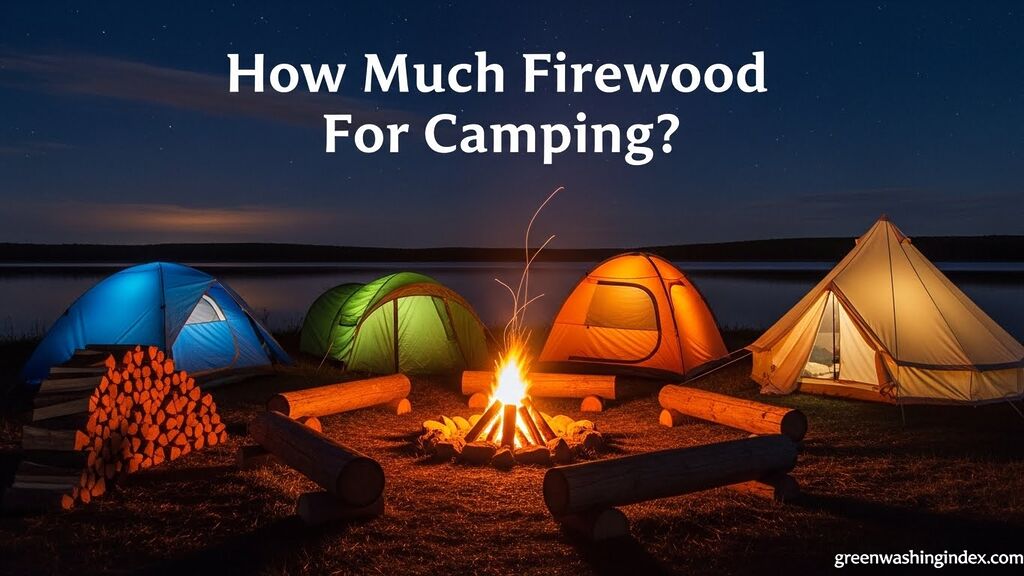
After 15 years of camping trips ranging from quick weekend getaways to week-long wilderness expeditions, I’ve learned that nothing ruins a campout faster than running out of firewood at 9 PM.
Planning your firewood needs doesn’t have to be complicated. Most campers need 1-2 bundles of firewood per night for evening campfires, or about 1 bundle per hour for a sustained fire. Your exact needs depend on trip duration, fire purpose, weather conditions, and group size.
Over the years, I’ve refined my calculations through trial and error. The family trip where we ran out of wood on night two of three taught me to always double my estimates. The expedition where we lugged twice what we needed taught me about efficient fire management.
This guide breaks down exactly how much firewood you need for any camping scenario, along with the sustainability considerations that most other guides overlook.
Here’s your quick reference guide for estimating firewood needs. These figures assume dry hardwood and typical camping conditions.
| Duration | Purpose | Bundles Needed | Approx. Logs |
|---|---|---|---|
| 1 hour | Quick evening fire | 1-2 bundles | 8-12 logs |
| 2 hours | Social/warmth | 1-3 bundles | 12-20 logs |
| 2 hours | Cooking dinner | 2-3 bundles | 15-25 logs |
| 4 hours | Extended gathering | 2-4 bundles | 20-35 logs |
| 4+ hours | Cooking + social | 3-5 bundles | 25-40 logs |
| Overnight | Until bedtime | 4-5 bundles | 35-50 logs |
These estimates are starting points. I always add a 25-50% buffer for unexpected weather changes or longer-than-planned fires.
Pro Tip: The golden rule from experienced campers: estimate what you think you’ll need, then double it. Running out beats carrying extra every time.
For multi-night trips, multiply your nightly estimate by the number of nights, then add your buffer. A two-night trip with evening fires only? Plan for 4-6 bundles minimum.
Understanding the factors that affect firewood consumption helps you plan more accurately. After tracking my firewood use across dozens of trips, seven factors stand out.
This is the biggest variable. A quick ambiance fire for s’mores consumes far less than a cooking fire that needs sustained heat.
I’ve found that cooking fires typically use 50-75% more wood than social fires. The ember bed required for proper cooking demands consistent fueling.
Warmth fires in cool weather fall somewhere in between. You’re maintaining heat output but not necessarily the intense flames needed for cooking.
Longer fires need more wood. But the relationship isn’t perfectly linear. The first hour of any fire requires the most wood as you build your ember base.
Once established, a well-maintained fire can often coast on less fuel. I’ve measured 30-40% less consumption per hour after the second hour of burning.
Wind, rain, and temperature dramatically affect consumption. A windy night can easily double your firewood needs.
From my camping logs, windy conditions (15+ mph) increased my wood consumption by about 60%. Rain added another 25-40% depending on how wet the wood became during the trip.
Cold camping trips (below 40degF) also increase consumption as you tend to build larger fires for warmth and spend more time tending them.
Larger groups generally mean longer fires and more frequent fires throughout the day.
Solo trips or couples might enjoy a 2-3 hour fire in the evening. Families with kids often want morning fires, afternoon cooking fires, and extended evening gatherings.
I’ve documented that groups of 4-6 typically consume about 40% more wood per night than couples, even when trip duration is identical.
Dry, seasoned firewood burns efficiently. Wet or green wood burns poorly, requiring more volume to achieve the same heat output.
Properly seasoned firewood contains less than 20% moisture content. Green wood can contain 50% or more water, meaning you’re literally boiling off water before you get heat.
I’ve measured 2-3x higher consumption when using poorly seasoned wood. It smokes more, burns cooler, and requires constant attention.
Your fire-building technique affects consumption. An experienced fire tender can maintain a pleasant fire with significantly less wood than a beginner.
Key efficiency techniques I’ve learned include building a proper ember bed, using hardwood for sustained burns, and avoiding the tendency to constantly feed the fire.
Summer camping typically requires less wood than spring or fall trips. Winter camping is in a category of its own.
Winter camping firewood needs can be 3-4x higher than summer trips. The fire becomes your primary heat source and evening entertainment when darkness arrives early.
Confusion about firewood measurements leads to purchasing mistakes. Let’s clarify what you’re actually buying.
Bundle: A bundle typically contains 4-6 pieces of firewood, weighs 5-10 pounds, and occupies about 0.75 to 1 cubic foot. This is the standard unit sold at campgrounds and convenience stores.
Cord: A full cord measures 4 feet high x 4 feet wide x 8 feet long, totaling 128 cubic feet. This contains approximately 700-800 pieces of split firewood and weighs 2-3 tons depending on species.
Face Cord: A face cord is a single stack 4 feet high x 8 feet long, with the length of the pieces determining depth. For standard 16-inch pieces, a face cord equals roughly one-third of a full cord (about 42 cubic feet).
For most camping trips, you’re dealing in bundles. A typical weekend camping trip (2-3 nights) needs 4-8 bundles depending on your fire habits.
Bulk purchasing makes sense for frequent campers or seasonal hosts. A full cord contains approximately 128-150 bundles equivalent. At campground pricing ($5-8 per bundle), that cord would cost $640-1200 if purchased in bundles.
Not all firewood burns equally. Understanding wood characteristics helps you select the right fuel and calculate accurate needs.
| Wood Type | Burn Time | Heat Output | Best For |
|---|---|---|---|
| Oak | Very Long | Very High | All-night warmth |
| Hickory | Very Long | Very High | Cooking + warmth |
| Maple | Long | High | Evening fires |
| Ash | Long | High | General use |
| Beech | Long | High | Sustained heat |
| Apple | Medium-Long | Medium | Cooking (aroma) |
| Pine | Short | Medium | Kindling, quick fires |
Hardwoods like oak, hickory, and maple are denser and contain more potential energy per volume. They burn longer and hotter than softwoods.
For camping, hardwood is generally superior. A bundle of quality hardwood can provide 2-3 hours of sustained fire, while softwood might last only 60-90 minutes.
Softwoods like pine aren’t worthless, however. They’re excellent for kindling and starting fires. The resins that make them burn quickly and hot are perfect for getting your fire going.
I’ve found the best approach: use softwood or kindling to start your fire, then switch to hardwood once you have a good ember base established.
Seasoned firewood is critical for efficient burning. Here’s how to identify properly dried wood:
When purchasing firewood, don’t be afraid to ask when it was cut. Properly seasoned firewood typically needs 6-12 months of drying time depending on species and stacking conditions.
Sourcing firewood requires consideration of regulations, availability, and environmental impact. The days of bringing firewood from home are largely over.
The most reliable option is purchasing firewood at or near your campsite. Most campgrounds sell firewood, though pricing is typically premium.
Campground firewood usually costs $5-8 per bundle. Convenience stores near popular camping areas often sell bundles at similar prices.
For longer trips or cost savings, look for local firewood suppliers. Many sell by the cord or half-cord at significantly lower per-bundle costs.
Transporting firewood across distances is restricted in many areas due to invasive species like the emerald ash borer, Asian long-horned beetle, and spotted lanternfly.
These pests devastate forests and can hitchhike in firewood. Moving firewood just 50 miles can introduce pests to new areas with devastating consequences.
Important: Many states now have firewood transport restrictions. Some prohibit bringing firewood from out-of-state. Others restrict movement beyond certain distances. Check local regulations before your trip.
Visit DontMoveFirewood.org to check regulations for your camping destination. The site provides state-by-state guidance on transport restrictions and approved sources.
The general rule: buy firewood within 10-50 miles of where you’ll burn it. This simple practice protects forests while ensuring you have appropriate local species.
Gathering downed wood is sometimes permitted, but rules vary significantly between public lands, state parks, and private campgrounds.
When gathering is allowed, follow the Leave No Trace 4 Ds:
Never cut standing trees, living or dead. Standing deadwood provides critical habitat for wildlife and slowly releases nutrients as it decomposes.
When purchasing firewood, look for suppliers practicing sustainable harvesting. Some indicators of responsible sourcing include:
These options may cost slightly more but support forest health while reducing your environmental impact.
Most camping guides overlook the environmental impact of campfires, but as an eco-conscious camping resource, we believe this discussion is essential.
Firewood is often considered carbon-neutral because trees absorb CO2 while growing, offsetting emissions when burned. However, this equation changes when you factor in transport.
Firewood transported 100 miles by truck adds approximately 5-10 pounds of CO2 emissions per cord before you even strike a match. Transported 500 miles? That jumps to 25-50 pounds of additional emissions.
Local firewood sourced within 10-20 miles has minimal transport footprint. This is one reason transport regulations benefit both forests and the climate.
Not all firewood harvesting is equal. Sustainable practices include:
Certified sustainable firewood sources undergo third-party verification to ensure these practices are followed. While more expensive, they support forest health rather than contributing to deforestation.
For campers seeking to minimize environmental impact, several alternatives to traditional firewood exist:
For more on sustainable camping practices, check out our comprehensive guide to environmentally friendly camping.
Beyond sustainable sourcing, how you build your fire matters. Leave No Trace recommends:
Nothing frustrates me more than discovering my carefully planned firewood has soaked from dew or rain. After multiple lessons learned, here’s my system for keeping wood dry.
Transport firewood inside your vehicle if possible. The roof rack might seem convenient, but exposed wood absorbs moisture from highway spray and rain.
If roof-rack transport is necessary, wrap the wood completely in a tarp and secure it tightly. I’ve seen too many campers lose their firewood on the highway from inadequate tie-downs.
Once at camp, establish a three-tier system:
I’ve found that even covered firewood absorbs moisture from morning dew. The under-vehicle storage method has saved more than one camping trip.
Despite best efforts, sometimes wood gets wet. Here’s how to salvage it:
For insurance, I always carry a small supply of commercial fire starters. They can compensate for less-than-ideal firewood and prevent the frustration of failed fire starts.
Sometimes weather or fire bans make campfires impossible. Always have a backup cooking plan. A quality camping stove ensures you can cook regardless of conditions.
I view my camping stove not as a replacement for campfires, but as essential backup that allows flexibility. When fire bans are in effect or wood is unavailable, the trip continues without interruption.
For a typical weekend trip (2 nights), plan for 4-6 bundles of firewood. This assumes evening fires lasting 2-3 hours each night with dry hardwood. If you plan to cook over the fire or have longer fires, increase to 6-8 bundles. Always add a 25% buffer for unexpected needs.
The average camper uses 1-2 bundles per night for evening campfires lasting 2-3 hours. Small ambiance fires may use only 1 bundle. Large social fires or cooking fires can consume 3-4 bundles per night. Weather conditions significantly affect consumption – wind and rain can easily double your needs.
A standard bundle of firewood (4-6 pieces, 1 cubic foot) burns for approximately 2 hours in a typical campfire setting. With quality hardwood, you might get 2.5-3 hours. Softwood or poorly seasoned wood may last only 1-1.5 hours. Your fire management style also affects burn time.
Dry hardwood is best for camping. Oak, hickory, maple, and ash provide the longest burn times and highest heat output. Hickory is particularly excellent for cooking fires due to its hot, sustained burn. Avoid softwood like pine for main fuel – use it only for kindling. Always choose properly seasoned wood with moisture content below 20%.
Bringing your own firewood is increasingly restricted due to invasive species concerns. Many states prohibit transporting firewood across state lines. Some regions restrict transport beyond 10-50 miles. The safest approach is buying firewood near your destination. Check DontMoveFirewood.org for specific regulations affecting your trip.
Winter camping requires significantly more firewood – typically 3-4 times your summer needs. Plan for 3-5 bundles per night, depending on how you use your fire. Winter campers often rely on fires for warmth as well as ambiance, extending burn times. Also account for shorter days – you’ll likely start fires earlier in the evening.
Store firewood under your vehicle or under a canopy. Keep only tonight’s wood near the fire pit. Wrap any stored wood in a tarp, ensuring air can circulate. For travel, transport wood inside your vehicle rather than on the roof. Always keep a small emergency supply sealed in a waterproof bag as backup.
Cooking fires require 50-75% more firewood than social fires. Plan for 2-3 bundles per meal for group cooking, or 1-2 bundles for smaller meals. Cooking requires a good ember bed and sustained heat, which consumes more wood than casual fires. Factor in both preparation time and the actual cooking duration.
After hundreds of nights around campfires, my advice comes down to a simple framework: calculate your baseline needs using the cheat sheet, adjust for your specific situation, add a healthy buffer, and source your wood locally.
The campers I see having the best experiences aren’t necessarily the ones with the most impressive setups. They’re the ones who planned appropriately, sourced responsibly, and can relax knowing they’re prepared for whatever the trip brings.
Whether you’re planning a quick overnighter or a week-long expedition, proper firewood planning ensures your campfire memories are about connection and relaxation rather than logistics and frustration.
For more sustainable camping practices and camping essentials, explore our comprehensive guides to elevate your outdoor experience while minimizing environmental impact.
