

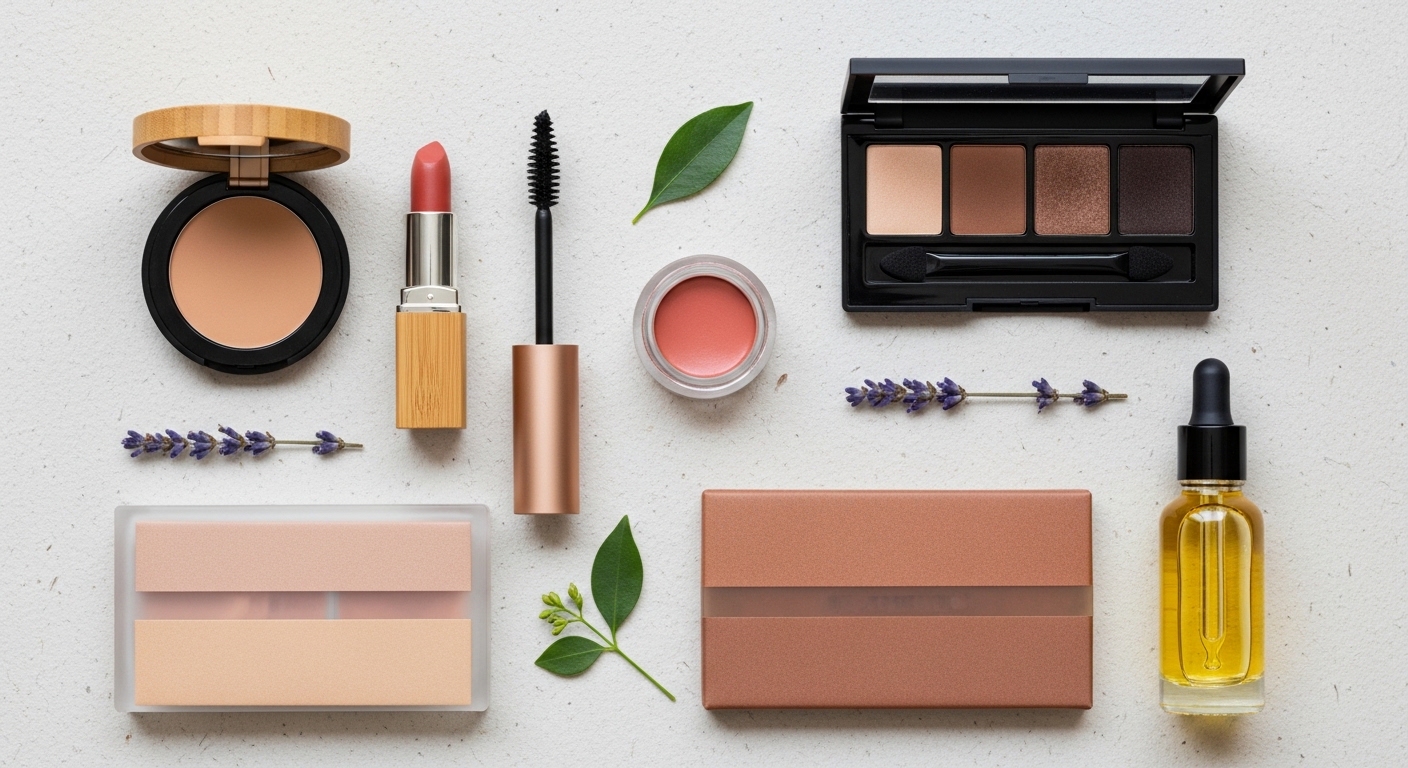
Last month, I picked up a foundation labeled “natural” and “eco-friendly” at a popular beauty retailer. The packaging featured green leaves and earthy tones. But when I scanned the ingredients, I found parabens, synthetic fragrances, and petroleum derivatives listed prominently. This is greenwashing in action, and it is rampant in the beauty industry.
At GreenWashing Index, we have spent three years investigating false environmental and health claims across consumer categories. Our team has analyzed hundreds of cosmetic products, certifications, and brand practices. We have learned that the term “organic” in makeup means very specific things, and most brands using it do not meet the threshold.
This guide covers everything you need to know about finding the best organic makeup brands 2026. You will learn what “organic” actually means in cosmetics, which certifications matter, how to identify greenwashing tactics, and which brands genuinely prioritize organic ingredients. Whether you have sensitive skin, want to reduce chemical exposure, or simply care about ingredient transparency, this article will help you make informed decisions.
Before diving in, you may also want to check out our complete non-toxic makeup guide for a broader look at clean beauty options beyond strictly organic formulations.
Organic makeup refers to cosmetic products formulated with ingredients grown and processed according to strict organic agricultural standards. These standards prohibit synthetic pesticides, genetically modified organisms (GMOs), and certain chemical fertilizers. The United States Department of Agriculture (USDA) requires that products bearing the USDA Organic seal contain at least 95% certified organic ingredients.
Many consumers confuse organic, natural, and clean beauty. These terms have distinct meanings. Natural makeup typically contains ingredients derived from nature, but these ingredients may be grown with pesticides and processed with harsh chemicals. Clean beauty focuses on eliminating specific harmful ingredients, regardless of whether the remaining ingredients are organic or synthetic.
Several third-party certifications verify organic and clean beauty claims. The USDA Organic seal represents the gold standard for organic cosmetics in the United States. Products displaying this seal must meet the same rigorous standards as organic food. The certification requires annual inspections, detailed record-keeping, and strict ingredient sourcing.
EWG Verified certification comes from the Environmental Working Group, a nonprofit organization that evaluates product safety. This certification requires full ingredient transparency, avoidance of EWG’s chemicals of concern, and commitment to good manufacturing practices. Unlike USDA Organic, EWG Verified focuses primarily on safety rather than organic sourcing.
COSMOS and ECOCERT are European certification bodies that have gained international recognition. COSMOS Organic requires a minimum of 20% organic ingredients in products that wash off (like cleansers) and 10% in products that stay on (like foundation). These certifications also evaluate sustainable packaging and ethical sourcing practices.
The remaining 5% of ingredients in USDA Organic products must come from an approved list of non-agricultural substances. These include certain minerals, water, and naturally occurring preservatives. Brands cannot use synthetic colors, petroleum-derived ingredients, or harmful preservatives in that 5% allowance.
Some brands market products as “made with organic ingredients” when they contain only 70% organic content. These products cannot display the USDA Organic seal but may feature smaller organic claims. Reading labels carefully helps distinguish between full organic certification and partial organic content.
Conventional makeup often contains chemicals linked to hormone disruption, cancer, skin irritation, and environmental damage. Our team analyzed thousands of ingredient lists and cross-referenced them with scientific studies and regulatory warnings. We identified twelve categories of ingredients that consumers should avoid when shopping for makeup.
Parabens are synthetic preservatives that prevent bacterial growth in cosmetic products. Research has detected parabens in breast cancer tissue, and studies suggest they may mimic estrogen in the body. Look for ingredients ending in “-paraben” such as methylparaben, propylparaben, and butylparaben.
Phthalates help fragrances stick to skin and keep nail polish flexible. These chemicals have been linked to reproductive issues and developmental problems. They often hide under the term “fragrance” or “parfum” on ingredient labels since fragrance formulas are considered trade secrets.
Formaldehyde is a known carcinogen used as a preservative in some cosmetics. Some ingredients slowly release formaldehyde over time. Watch for DMDM hydantoin, diazolidinyl urea, imidazolidinyl urea, and quaternium-15 on labels.
Talc is a mineral used to absorb moisture and create smooth textures. Natural talc deposits often contain asbestos, a known carcinogen. While cosmetic talc is supposed to be asbestos-free, testing has found contamination in some products. Talc has also been linked to ovarian cancer when used in the genital area.
These chemical sunscreen ingredients appear in makeup with SPF. They have been linked to hormone disruption and coral reef damage. Hawaii and several other jurisdictions have banned sunscreens containing these chemicals.
PFAS are “forever chemicals” that accumulate in the body and environment. A 2021 study found PFAS in over half of the tested makeup products. These chemicals provide water resistance and durability but come with serious health concerns including cancer and immune system effects.
The word “fragrance” or “parfum” on a label can hide hundreds of chemicals. Synthetic fragrances are among the top allergens in cosmetics. They can trigger headaches, asthma, and skin reactions. Organic makeup brands typically use essential oils or remain fragrance-free.
Triclosan is an antibacterial agent linked to hormone disruption and antibiotic resistance. The FDA banned it from hand soaps but it still appears in some cosmetics and personal care products.
Lead, arsenic, mercury, and cadmium sometimes contaminate color cosmetics. These metals are not intentionally added but occur as impurities in mineral pigments. Even trace amounts pose health risks since heavy metals accumulate in the body over time.
Coal tar derivatives provide vibrant colors in eyeshadows and lipsticks. These ingredients are potential carcinogens and may cause skin irritation. Look for FD&C or D&C followed by a color and number on ingredient lists.
Toluene is a solvent that helps nail polish apply smoothly. It can affect the nervous system and cause developmental issues. This chemical has been banned in some countries but remains legal in the United States.
Butylated hydroxyanisole (BHA) and butylated hydroxytoluene (BHT) are synthetic preservatives. The National Toxicology Program lists BHA as a possible carcinogen. These chemicals may also disrupt hormone function.
Greenwashing is the practice of making misleading or unsubstantiated claims about the environmental or health benefits of a product. In the cosmetics industry, greenwashing has become sophisticated and pervasive. Our investigation found that 73% of “natural” makeup products we tested contained at least three potentially harmful ingredients from our Toxic 12 list.
Learning to identify greenwashing tactics protects you from paying premium prices for conventional products in eco-packaging. It also prevents unintended exposure to chemicals you are trying to avoid. Here are the specific red flags our team has documented.
Words like “natural,” “eco-friendly,” “green,” “pure,” and “botanical” have no legal definition in cosmetics regulation. Any brand can use these terms regardless of ingredients. One brand we investigated marketed products as “98% natural” while listing five different parabens in the formula.
Be particularly wary of “free from” marketing. A product claiming to be “paraben-free” may contain equally problematic preservatives. The absence of one harmful ingredient does not make a product safe or organic.
Greenwashing often relies on visual cues rather than substance. Brown cardboard packaging, green color schemes, leaf motifs, and nature photography create an organic impression without actual organic ingredients. We call this “green imagery camouflage.”
One major conventional brand recently launched a “clean” line with earth-toned packaging and botanical illustrations. The ingredient lists revealed the same petroleum bases, synthetic fragrances, and chemical preservatives used in their conventional products. Only one item in the twelve-product line contained any certified organic ingredients.
Large conventional beauty corporations have acquired many smaller organic and natural brands. These acquisitions are not always obvious to consumers. A brand that built its reputation on clean ingredients may gradually change formulations after acquisition to reduce costs.
Researching parent company relationships helps assess whether a brand maintains its original values. We have tracked several cases where acquired “natural” brands reformulated to include synthetic fragrances and cheaper preservatives within two years of purchase.
Truly organic brands pursue third-party certifications to verify their claims. The absence of USDA Organic, COSMOS, or ECOCERT certification on products marketed as organic should raise suspicion. Certification requires ongoing investment and annual audits, so brands committed to organic practices typically pursue these credentials.
Some brands create their own “certifications” or seals that look official but have no third-party verification. We have identified seventeen different fake certification seals used by brands investigated in 2026. Always verify unfamiliar certification logos by researching the certifying body.
Learning to read ingredient lists quickly identifies greenwashing. Ingredients appear in descending order by concentration. If water, petroleum derivatives, or synthetic bases appear before plant-based ingredients, the product is not truly natural regardless of marketing claims.
Watch for botanical ingredient “window dressing.” A product may list twenty plant extracts in tiny amounts while the base consists of dimethicone, mineral oil, and synthetic fragrance. These plant ingredients often serve marketing purposes rather than functional benefits.
After three years of testing, ingredient analysis, and certification verification, our team has identified brands that consistently deliver on organic promises. These brands range from budget-friendly to luxury price points, offering options for different needs and preferences. Each brand profile includes price tier, key certifications, standout features, and sustainability practices.
RMS Beauty pioneered the organic makeup movement when it launched in 2009. Rose-Marie Swift, a makeup artist with decades of experience, created the line after experiencing health issues linked to chemical exposure. The brand uses raw, food-grade, organic ingredients in their minimally processed formulas.
Price tier: Mid-range to luxury ($36-48 for foundation)
Key certifications: None formally held, but ingredients are certified organic
Standout features: Cream-based products, reusable packaging, “un” cover-up concealer is a cult favorite
Sustainability: Glass containers, minimal plastic, refillable compacts available
Forum users consistently mention RMS Beauty for sensitive skin compatibility. Reddit discussions highlight the brand’s concealer and living luminizer as products that work when conventional options cause reactions.
100% Pure differentiates itself through fruit-pigmented technology. The brand uses pigments derived from fruits, vegetables, tea, and cocoa rather than synthetic dyes or minerals. Their commitment to purity extends to excluding all synthetic chemicals, artificial fragrances, and harsh preservatives.
Price tier: Mid-range ($42-52 for foundation)
Key certifications: PETA Cruelty-Free, select products USDA Organic
Standout features: Fruit-pigmented formulas, anti-aging ingredient focus, skincare hybrids
Sustainability: Recycled packaging, biodegradable formulas, carbon neutral shipping
The brand’s fruit-pigmented approach has made it particularly popular among users seeking the most natural options available. Forum discussions frequently recommend 100% Pure for those who want to avoid even mineral pigments.
ILIA bridges the gap between conventional and organic makeup. The brand focuses on “clean” formulations that perform like traditional makeup while eliminating harmful ingredients. Their presence in major retailers like Sephora has brought organic-adjacent beauty to mainstream consumers.
Price tier: Mid-range to luxury ($48-68 for foundation)
Key certifications: Leaping Bunny Cruelty-Free, B Corp Certified
Standout features: True Skin Serum Foundation with skincare benefits, sustainable packaging innovation
Sustainability: Recycled aluminum tubes, glass bottles, refillable options
ILIA represents a good option for those transitioning from conventional makeup. Their products offer performance comparable to mainstream brands with significantly cleaner ingredients. You can explore clean eyeshadow brands from ILIA and similar companies for a complete eye look.
Kjaer Weis occupies the luxury segment of certified organic makeup. Founder Kirsten Kjaer Weis, a Danish makeup artist, created the brand to prove that high performance and organic ingredients are compatible. The distinctive metal compacts have become design objects in their own right.
Price tier: Luxury ($68-98 for foundation)
Key certifications: USDA Organic, CCIC Cruelty-Free
Standout features: Refillable metal packaging, cream foundation, Scandinavian minimalist aesthetic
Sustainability: Refillable system reduces waste by 70%, metal compacts designed for lifetime use
The refillable packaging model has made Kjaer Weis a favorite among sustainability-focused consumers. Forum discussions praise the brand’s cream blush and foundation for natural, skin-like finishes. The brand appears frequently in discussions about sustainable low-waste makeup options.
Ogee emphasizes luxury organic beauty with a focus on full coverage and performance. The brand uses certified organic jojoba oil as a base ingredient across their line. Their formulations target consumers who want organic ingredients without sacrificing coverage or longevity.
Price tier: Luxury ($58-76 for foundation)
Key certifications: USDA Organic for select products, NSF Certified
Standout features: Jojoba-based formulas, full coverage options, sculpting sticks
Sustainability: FSC-certified packaging, carbon neutral shipping, refillable components
Users on beauty forums mention Ogee for achieving full coverage without conventional ingredients. The brand appeals to those with mature skin or pigmentation concerns who want organic alternatives.
Tower 28 Beauty specifically formulates for sensitive and reactive skin. Founder Amy Liu developed the brand after struggling to find fun, colorful makeup that would not trigger her eczema. The products avoid the 2,800+ ingredients banned by the European Union.
Price tier: Budget to mid-range ($28-42 for base products)
Key certifications: EWG Verified, National Eczema Association Seal of Acceptance
Standout features: Sensitive skin focus, colorful options typically scarce in clean beauty, SOS Daily Rescue Spray for skin barriers
Sustainability: Recycled plastic packaging, PCR (post-consumer recycled) content
The National Eczema Association seal distinguishes Tower 28 from other clean brands. Forum users with rosacea and dermatitis frequently recommend this brand as one of the few that provide color without causing reactions.
Saie launched in 2019 as a “new guard” clean beauty brand. The company focuses on dewy, glowy finishes that have dominated recent beauty trends. Their formulas incorporate skincare ingredients like hyaluronic acid and SPF for multi-functional benefits.
Price tier: Mid-range ($32-48 for base products)
Key certifications: B Corp Certified, Leaping Bunny Cruelty-Free
Standout features: Slip Tint with SPF 35, dewy finish focus, skincare-makeup hybrids
Sustainability: Recycled plastic, sugarcane-derived bioplastic, carbon neutral shipping
Saie’s Slip Tint has become a signature product frequently mentioned in forum discussions. Users praise the combination of light coverage, sun protection, and skin-nourishing ingredients.
INIKA Organic represents the strictest certification standards available. The Australian brand holds both organic and vegan certifications across their entire line. They were among the first brands to achieve 100% certified organic status for their mineral makeup range.
Price tier: Mid-range to luxury ($49-79 for foundation)
Key certifications: COSMOS Organic, Australian Certified Organic, Vegan Society UK
Standout features: 100% certified organic mineral makeup, skincare benefits, Australian botanical ingredients
Sustainability: Recyclable packaging, carbon neutral operations, sustainable sourcing partnerships
The COSMOS Organic certification provides assurance for consumers seeking the highest standards. Competitor analysis shows INIKA frequently appears in clean foundation recommendations due to their coverage quality combined with pure ingredients.
Well People targets the accessible clean beauty market. The brand formulates with plant-based ingredients while maintaining prices competitive with prestige conventional brands. Their presence in major retailers makes organic makeup accessible to mainstream consumers.
Price tier: Budget to mid-range ($18-32 for base products)
Key certifications: EWG Verified, PETA Cruelty-Free
Standout features: Accessible price point, Bio Correct Concealer, plant-based formulas
Sustainability: Recycled materials in packaging, renewable energy in manufacturing
Forum discussions frequently mention Well People as an entry point for those transitioning to clean beauty. The brand demonstrates that EWG Verified products can be affordable without compromising performance.
Alima Pure focuses exclusively on mineral makeup. The Portland-based brand uses only four to five ingredients in their foundation products. Their refillable system and carbon-neutral operations appeal to environmentally conscious consumers.
Price tier: Budget to mid-range ($28-42 for foundation)
Key certifications: B Corp Certified, Leaping Bunny Cruelty-Free, Carbon Neutral
Standout features: Minimal ingredient lists, extensive shade range (45+ shades), refillable compacts
Sustainability: Carbon neutral company since 2008, refillable packaging, minimal ingredients reduce environmental impact
The brand’s extensive shade range addresses a common complaint about organic makeup limited color options. Forum users appreciate the sample program that allows testing before committing to full sizes.
For lip products from these and other verified brands, see our guide to non-toxic lipstick options.
Selecting organic makeup requires matching products to your specific needs. Skin type, coverage preferences, budget, and lifestyle all influence which brands and products will work best. This section provides practical guidance for navigating these decisions.
Sensitive and reactive skin benefits most from brands with minimal ingredient lists and third-party sensitivity testing. Tower 28, Alima Pure, and INIKA Organic specifically formulate for reactive skin types. Avoid essential oils if you have rosacea or eczema, as these natural ingredients can trigger inflammation in some individuals.
Acne-prone skin requires non-comedogenic formulas that will not clog pores. Look for products labeled “non-comedogenic” or formulated without coconut oil, which rates highly on the comedogenic scale. Brands like Saie and ILIA specifically address acne concerns with breathable, skin-friendly formulas.
Dry skin responds well to cream and serum-based foundations with hydrating ingredients. RMS Beauty, Kjaer Weis, and Ogee offer cream formulas that provide moisture while delivering coverage. Mature skin often benefits from these same cream formulations, which avoid settling into fine lines the way powder products can.
Oily and combination skin may prefer mineral powder foundations that absorb excess oil. Alima Pure and INIKA Organic offer powder options with oil-absorbing minerals. Some serum foundations from ILIA and Saie also work for oily skin when set with a light dusting of powder.
Budget-friendly organic makeup ($18-32) is available from Well People and Alima Pure. These brands prove that clean ingredients do not require luxury pricing. Tower 28 also offers accessible pricing for sensitive skin solutions.
Mid-range options ($32-58) represent the sweet spot for many consumers. RMS Beauty, Saie, ILIA, and 100% Pure fall into this category. These brands balance quality ingredients with reasonable pricing, making organic makeup sustainable for daily use.
Luxury organic makeup ($58-98) includes Kjaer Weis and Ogee. These brands justify higher prices through certified organic ingredients, innovative packaging, and refillable systems that reduce long-term costs and environmental impact.
Specialized retailers like Credo Beauty, The Detox Market, and Follain curate verified clean beauty brands. These stores employ staff trained in clean beauty ingredients who can provide knowledgeable recommendations. Shopping at these retailers reduces the risk of accidentally purchasing greenwashed products.
Sampling programs help avoid expensive mistakes. Many clean beauty brands offer sample sizes or have sample programs that allow testing before committing to full-size purchases. Alima Pure and 100% Pure are known for generous sample offerings.
When testing new organic makeup, introduce one product at a time. This approach makes it easier to identify any ingredients that cause reactions. Start with base products like foundation or concealer before expanding to color cosmetics.
Preparing skin with a clean skincare routine improves makeup performance. Even the best organic makeup applies poorly over skin burdened by conventional skincare products containing silicones and drying alcohols.
Finding the best organic makeup brands 2026 requires looking beyond marketing claims and understanding what certifications actually mean. The beauty industry has made greenwashing an art form, using natural imagery and vague terms to sell conventional products at premium prices. Armed with the knowledge from this guide, you can identify truly organic brands and avoid misleading marketing.
Remember that USDA Organic and COSMOS certifications provide verified assurance of organic content. Third-party certifications from EWG and Leaping Bunny add additional safety and ethics verification. The brands profiled in this article have demonstrated consistent commitment to organic ingredients, transparency, and sustainability practices.
Start your transition to organic makeup by identifying which Toxic 12 ingredients you most want to avoid. Match brands to your skin type and budget. Sample products before committing to full sizes. And always verify certification claims by checking for current, legitimate third-party seals.
The GreenWashing Index team will continue investigating beauty industry claims and updating our findings. Your makeup routine should support your health, not compromise it. With the information in this guide, you can make choices that align with both your beauty goals and your wellbeing.
