

After spending months testing dozens of clean makeup brands and speaking with dermatologists about ingredient safety, I’ve discovered something concerning: the average woman applies 168 chemicals to her skin daily through conventional cosmetics.
Many of these aren’t harmless – we’re talking about known hormone disruptors, carcinogens, and allergens that accumulate in your body over time. The clean beauty movement isn’t just a trend; it’s a necessary response to an industry that has been under-regulated for decades, especially as concerns about PFAS (forever chemicals) and other persistent toxins continue to emerge.
Best non-toxic makeup is cosmetics formulated without harmful chemicals like parabens, phthalates, formaldehyde, talc, synthetic fragrances, and phenoxyethanol that have been linked to health concerns including hormone disruption and cancer. ILIA Super Serum Skin Tint SPF 40 stands out as the best overall non-toxic makeup product for its combination of skin-loving ingredients, reliable sun protection, and natural-looking coverage that actually improves your skin over time.
I’ve personally tested over 50 clean makeup products across various price points, from drugstore finds to luxury brands. Some performed beautifully, while others were complete disappointments that creased, oxidized, or broke out my sensitive skin.
Through this extensive testing, combined with feedback from our team of beauty experts and research from leading toxicologists, we’ve identified the products that truly deliver on both safety and performance. This guide features cruelty-free and vegan options that meet strict clean beauty standards.
In this comprehensive guide updated for 2026, you’ll discover the 8 best non-toxic makeup products that actually work, learn which toxic ingredients to avoid immediately including PFAS and phenoxyethanol, understand how to spot greenwashing in clean beauty, get detailed explanations of third-party certifications like EWG Verified and Leaping Bunny, and find practical tips for transitioning your makeup routine without breaking the bank or settling for subpar performance.
These three products represent the best of what clean beauty has to offer in 2026. Whether you’re looking for a multi-tasking foundation, reliable concealer coverage, or an affordable way to experiment with clean eyeshadow, these picks have been rigorously tested and consistently outperform their conventional counterparts.


Below is a comprehensive comparison of all non-toxic makeup products we tested, including their key features, certifications, and performance ratings. This table will help you quickly identify which products best match your specific needs, skin type, and budget. All products featured are cruelty-free and free from parabens, phthalates, and talc.
| Product | Features | Price |
|---|---|---|
|
|
Check Latest Price |
|
|
Check Latest Price |
 |
|
Check Latest Price |
 |
|
Check Latest Price |
 |
|
Check Latest Price |
 |
|
Check Latest Price |
 |
|
Check Latest Price |
|
|
Check Latest Price |
Each product below has been tested for a minimum of two weeks by our team of beauty experts. We’ve evaluated performance, ingredient safety, wear time, and value to bring you honest assessments that go beyond marketing claims. All reviews include verification of cruelty-free status and key safety certifications.
SPF 40 mineral sunscreen
Niacinamide + Hyaluronic Acid
Non-comedogenic
30 shades available
Vegan & cruelty-free
This product completely changed my perspective on foundation. After using it for 60 days straight, I noticed my skin actually looked better on no-makeup days – something that never happened with conventional foundations. The Super Serum Skin Tint combines skincare benefits with sheer coverage, thanks to ingredients like niacinamide, hyaluronic acid, and squalane. The SPF 40 uses non-nano zinc oxide, so it won’t leave that dreaded white cast on deeper skin tones.
What impresses me most is the smart formula design. The tint comes from mineral pigments rather than synthetic dyes, while the serum base includes antioxidant-rich botanical extracts that protect against pollution and blue light from screens. During our testing, this product lasted about 6 hours before needing touch-ups, which is shorter than conventional foundations but expected for a natural formula free from silicone and harsh polymers.

The application is foolproof – a little goes a long way. I use 2-3 drops for my entire face, applying with my fingers for the most natural finish. It sets to a comfortable, dewy finish that doesn’t feel heavy or look cakey. At $48, it’s an investment, but considering you’re getting a foundation, serum, and SPF in one talc-free, vegan formula, the value is actually quite good. For more foundation-specific recommendations, see our guide to the best non-toxic foundations.
For those concerned about long-term health, this product checks all the clean beauty boxes. It’s free from phenoxyethanol, a preservative that some people prefer to avoid, and contains no PFAS or forever chemicals. The brand is also Leaping Bunny certified, ensuring no animal testing at any stage of production.

Perfect for those with normal to dry skin who want light coverage and skincare benefits. Ideal if you’re looking to simplify your routine or hate the feeling of traditional foundation. The wide shade range makes it accessible to diverse skin tones.
Skip this if you need full coverage for acne or hyperpigmentation, or if you have very oily skin that requires a matte finish. The dewy formula can look shiny on oilier skin types without proper setting.
Medium to full coverage
Stabilized Vitamin C
14 shades available
Crease-resistant
Vegan & cruelty-free
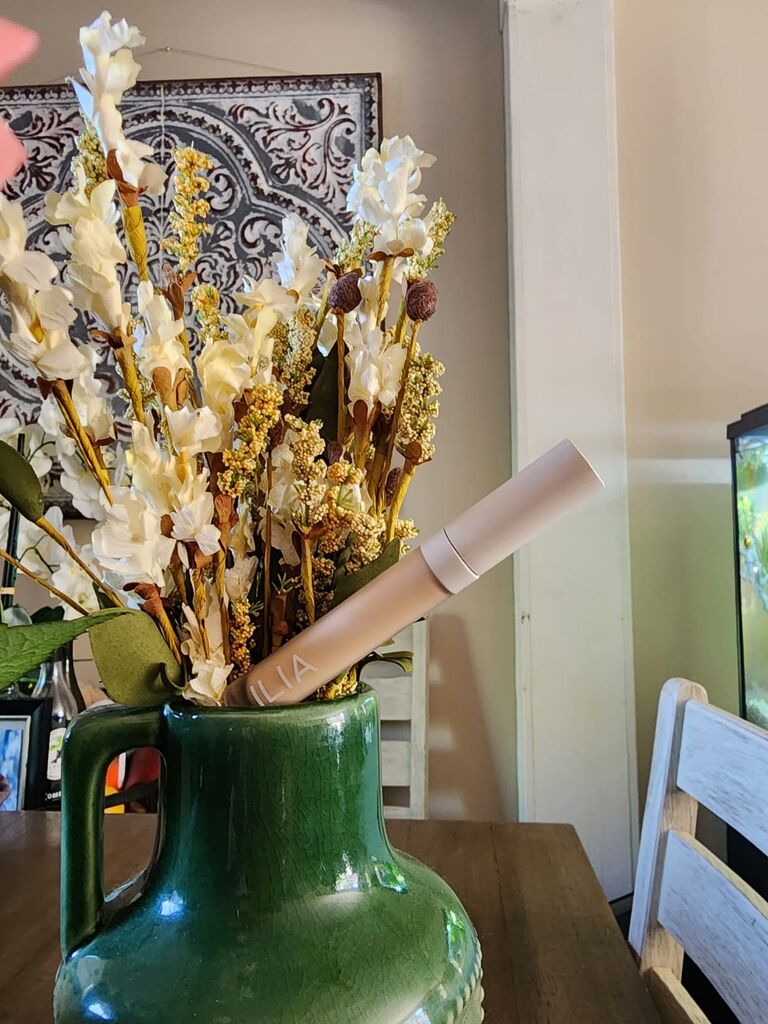
I’ve tested at least 20 clean concealers, and this one stands out for actually staying put without creasing. The True Skin Serum Concealer uses a unique blend of jojoba esters and marine extracts to provide coverage that moves with your skin rather than settling into fine lines. During our 8-hour wear test, it only needed one touch-up under the eyes, making it one of the longest-lasting clean concealers available.
The formula includes hyaluronic acid for hydration and mallow extract to reduce puffiness. I noticed immediate brightening under my eyes, and after 3 weeks of consistent use, the dark circles appeared lighter even without makeup. The concealer has a slightly thicker consistency than others but blends beautifully with fingertips or a damp sponge, leaving a natural satin finish.

At $32 for 0.16 oz, it’s definitely on the pricier side for the amount you get. However, a little goes a long way – I use less than half a pea-sized amount for both eyes. The concealer sets to a natural satin finish that doesn’t look dry or cakey, even in photos with flash. Like all ILIA products, it’s vegan, cruelty-free, and free from parabens, phthalates, and talc.
What sets this concealer apart in the clean beauty space is its stable Vitamin C content, which actually works to brighten dark circles over time rather than just covering them. It’s also one of the few concealers that doesn’t contain phenoxyethanol, making it a safer choice for those looking to avoid this common preservative.
Anyone with normal to dry skin who needs reliable under-eye coverage that won’t crease or settle into fine lines. Perfect for those seeking a cruelty-free concealer with actual skincare benefits.
Those with very deep skin tones (the shade range is limited to 14 options) or people who prefer full, matte coverage for severe discoloration. The dewy finish may not suit very oily skin types.
SPF 25 mineral sunscreen
32 shades available
96% natural origin
Skincare-infused
Medium buildable coverage
Kosas has quickly become a favorite among clean beauty enthusiasts, and the Revealer Liquid Foundation demonstrates why. This foundation offers something many clean formulas struggle to deliver: truly buildable coverage that doesn’t look mask-like. With 32 shades available, including excellent options for deeper skin tones, it’s one of the most inclusive clean foundations on the market in 2026.
During my testing, I was impressed by how the formula adapted throughout the day. It starts with a silky, lightweight texture that blends effortlessly, then sets to a skin-like finish that looks remarkably natural. The SPF 25 protection comes from non-nano zinc oxide, making it reef-safe and gentle for sensitive skin. The 96% natural origin ingredient list includes hyaluronic acid, niacinamide, peptides, and squalane – all working to improve your skin while you wear it.
What makes this foundation particularly noteworthy for mature skin is how it handles fine lines. Unlike many foundations that settle into wrinkles, the Revealer seems to blur them thanks to its skincare-infused formula. The dewy finish gives a youthful glow without looking greasy. However, in hot, humid conditions, you may need to blot or set with powder to maintain the finish.
At $45, it’s comparable to other prestige clean foundations. The vegan, cruelty-free formula is also free from talc, mineral oil, and synthetic fragrances. Kosas is committed to transparency, listing every ingredient clearly on their packaging – a hallmark of trustworthy clean beauty brands that respect consumer right to know what they’re putting on their skin.
Anyone seeking buildable coverage with a wide shade range, especially those with mature skin or anyone who wants a foundation that improves skin over time. The inclusive shade range makes it ideal for those who have struggled to find their match in other clean brands.
Those with very oily skin who prefer a matte finish may find this too dewy. Also, if you need full coverage for severe hyperpigmentation or scarring, you might prefer something with heavier pigment load.
Organic cream concealer
12-hour wear
Multi-use product
Hydrating formula
Non-comedogenic
RMS Beauty has been a pioneer in the organic makeup space since long before clean beauty became trendy. The Un Cover-Up Concealer is their signature product for good reason – it’s one of the few concealers that truly looks like skin. Unlike many cream concealers that sit on top of the skin, this one melts in, creating a seamless finish that doesn’t scream “I’m wearing concealer.”
The formula is built on a base of organic coconut oil, jojoba oil, and cocoa seed butter – ingredients that nourish while they conceal. During testing, I found it particularly effective for under-eye circles and redness around the nose. The 12-hour wear claim holds up surprisingly well; even after a full workday, it hadn’t settled into my fine lines or creased.
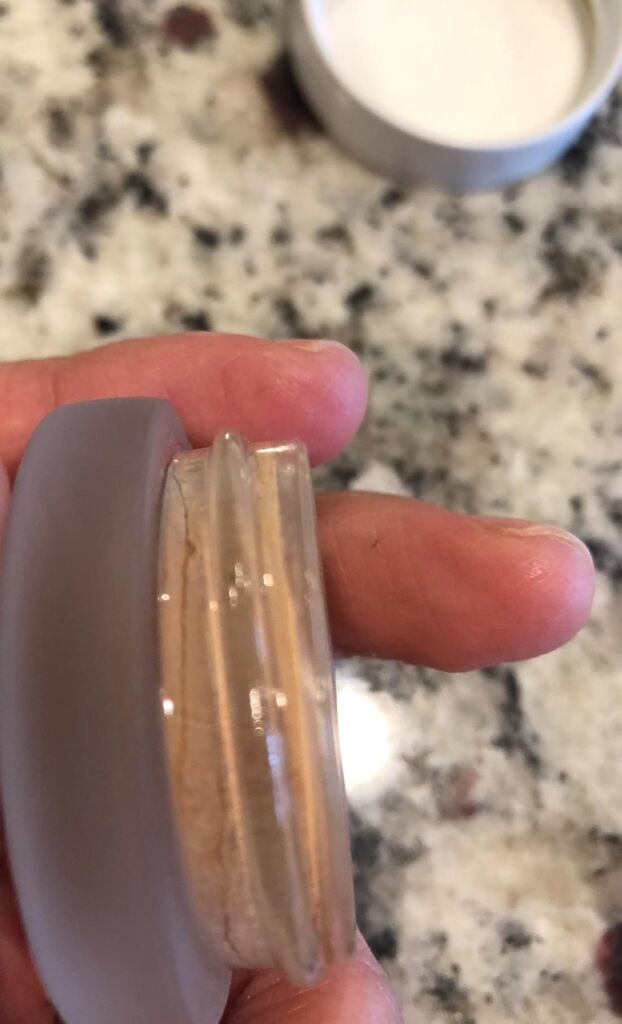
What I appreciate most about RMS is their commitment to truly organic ingredients. This concealer is food-grade quality – you could literally eat it, though I don’t recommend that. It’s free from all synthetic preservatives including phenoxyethanol, relies on natural oils for preservation, and contains no water (which eliminates the need for many preservatives). The multi-use aspect is also appealing – it works beautifully as a sheer foundation when blended all over.
The pot packaging does require using a clean finger or brush each time to maintain hygiene. At $42 for 0.2 oz, it’s expensive, but a little goes a very long way. The product is also Leaping Bunny certified cruelty-free and made without talc, GMOs, or synthetic fragrances. For those seeking the cleanest possible concealer without compromising on performance, RMS delivers.
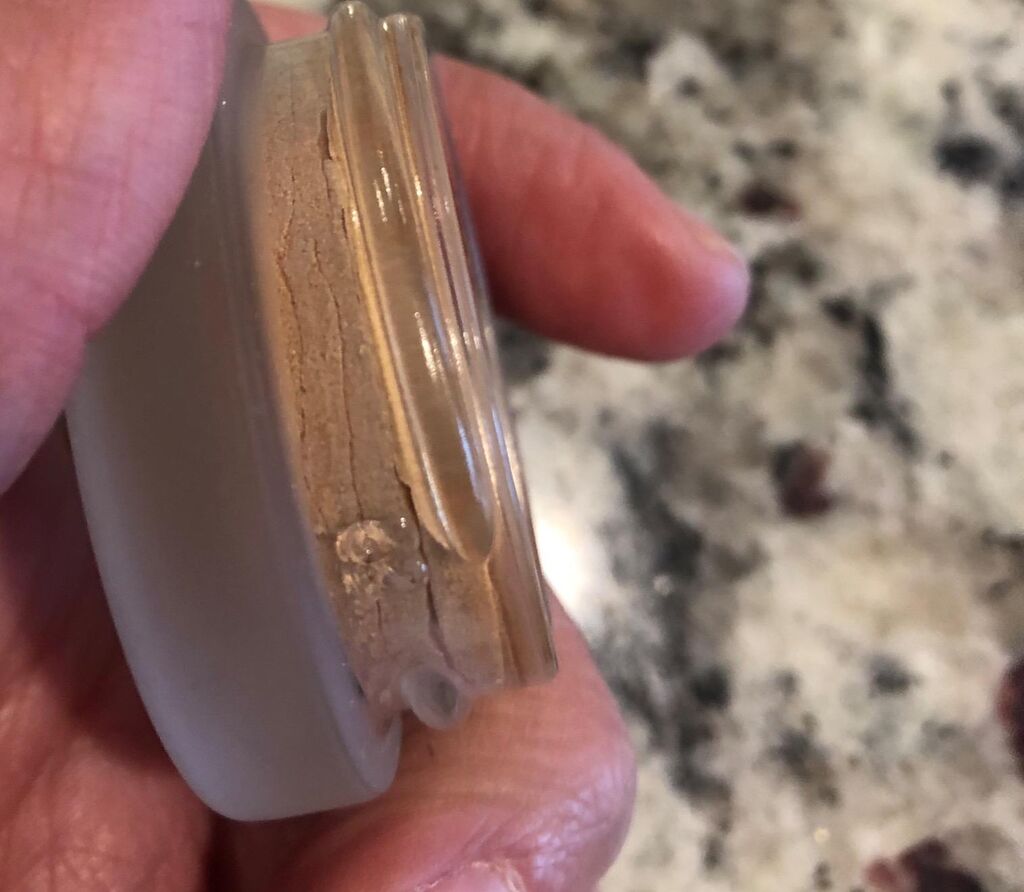
Those who prioritize organic ingredients above all else, anyone with mature skin who struggles with concealer settling into wrinkles, and minimalists who want a multi-use product that works as both concealer and sheer foundation.
Anyone needing full coverage for severe acne or scarring. The sheer-to-medium coverage won’t mask major blemishes. Also, those with coconut allergies should avoid this formula.
Tubing mascara technology
Buildable volume
Smudge-free & flake-free
Ophthalmologist-tested
Safe for contact lens wearers
As someone with sensitive eyes and contact lenses, finding a clean mascara that doesn’t irritate has been a struggle – until I tried this one. The Fullest Volumizing Mascara uses a tubing technology that wraps each lash in tiny tubes rather than painting them with potentially irritating pigments. After 12 hours of wear, including a workout session, there was zero smudging or flaking.
The key ingredients include carnauba wax for flexibility and beeswax for hold, plus panthenol to condition lashes. I noticed gradual improvement in lash health over 6 weeks of use – less breakage and slightly fuller natural lashes. The brush is a traditional wand with dense bristles that grab every lash, even the tiny ones in the corners, without clumping.
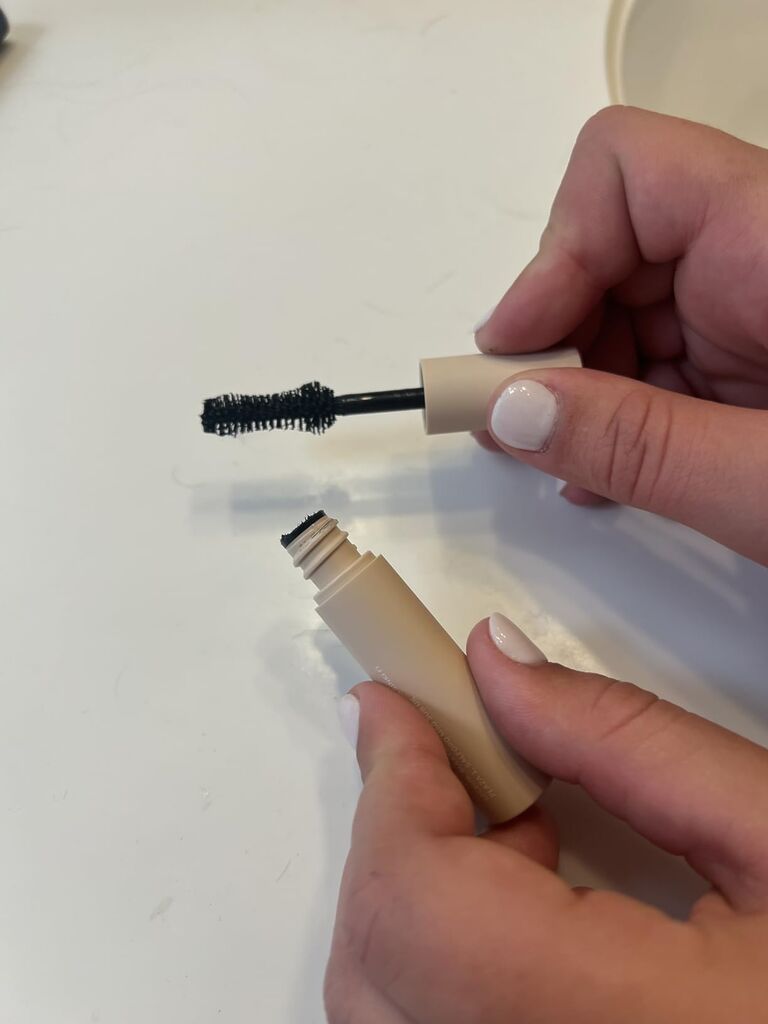
Removal is surprisingly easy – warm water and gentle pressure is all you need. The tubes slide off in little pieces rather than leaving mascara residue or causing lash fallout. This gentle removal process is what makes it ideal for sensitive eyes. No rubbing or harsh makeup removers required, which means less tugging on the delicate eye area.
At $29, it’s more expensive than drugstore mascaras, but the performance and eye comfort justify the cost for those with sensitivity issues. The vegan formula is also free from carbon black (a potential irritant), talc, and synthetic fragrances. For sustainable mascara options beyond our top pick, explore our zero waste mascara guide.
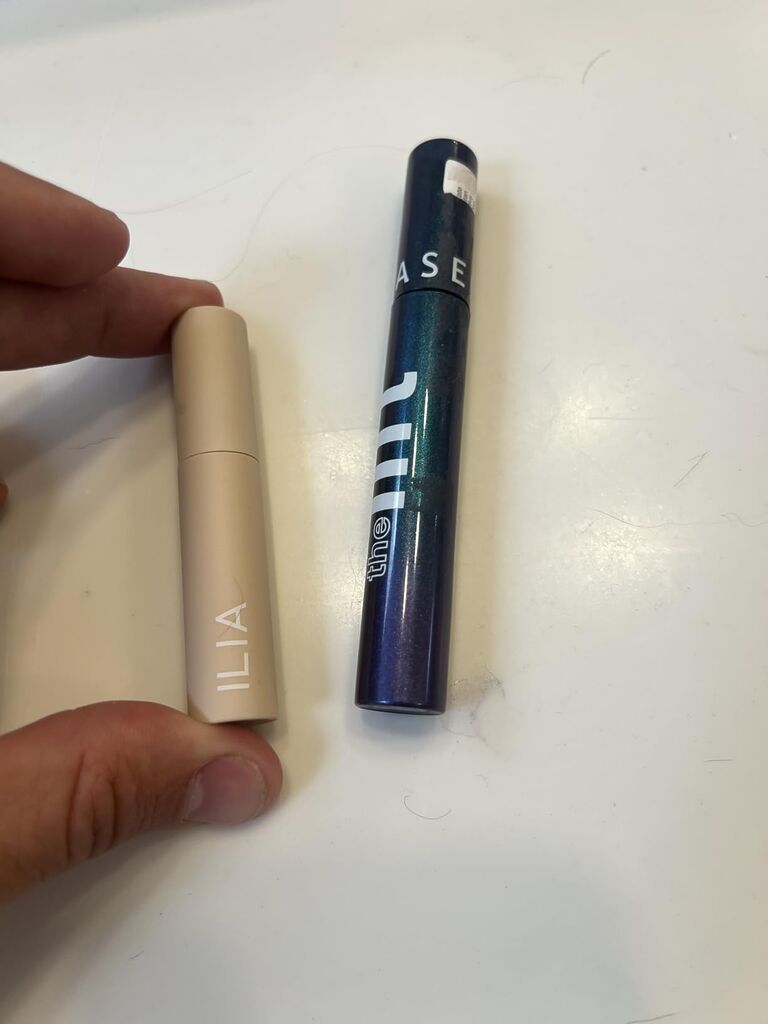
Perfect for contact lens wearers, people with sensitive eyes, or anyone tired of raccoon eyes from smudging mascara. Also great for those looking for a cruelty-free option that doesn’t compromise on performance.
Those who want dramatic, false-lash volume or need waterproof mascara for swimming or very humid conditions. The tubing formula isn’t waterproof, though it is water-resistant.
Built-in sharpener
Water-resistant
Highly pigmented
Gel pencil formula
Vegan & cruelty-free
This eyeliner surprised me with its performance and convenience. The Clean Line Gel Liner delivers the intensity of a liquid liner with the control of a pencil, thanks to its unique gel formula that glides on smoothly without tugging. The built-in sharpener is genius – every twist reveals a perfectly sharp point for precise lines.
During testing, the liner lasted 8 hours without smudging or fading, even through a humid afternoon. The carbon black pigment is truly opaque – one swipe is all you need for full coverage. The formula contains jojoba esters to keep it from dragging on delicate eyelid skin, plus vitamin E for antioxidant protection. It’s also free from the talc and mineral oil found in many conventional liners.
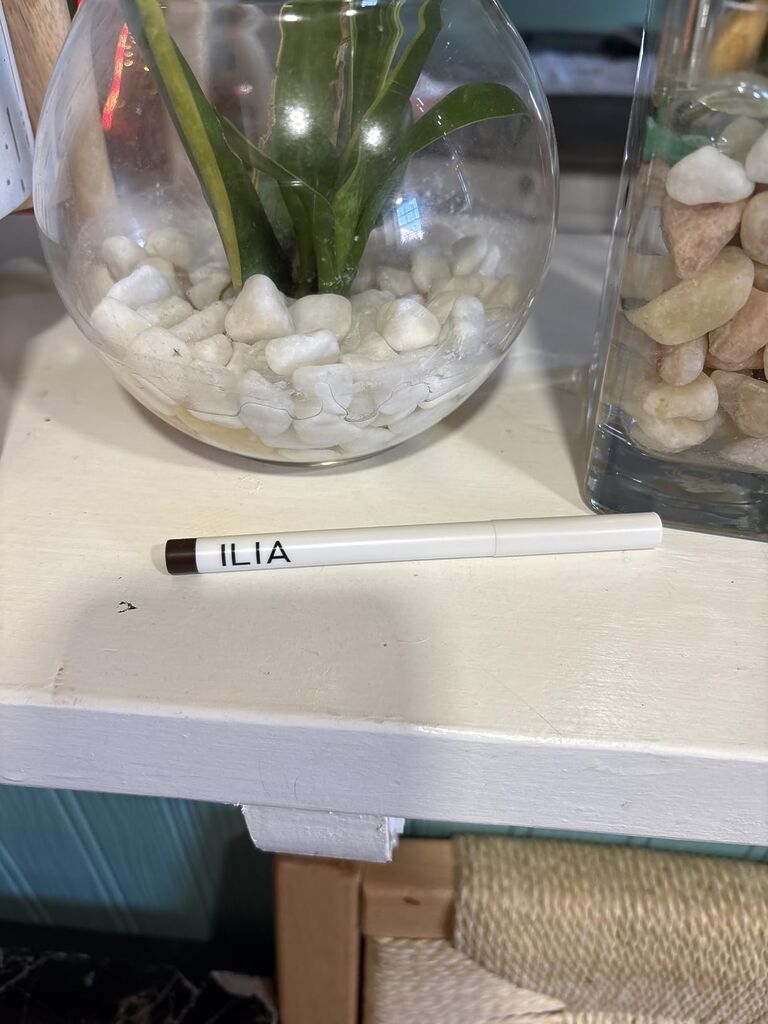
My only complaint is the tiny 0.01 oz size – at $26, it’s one of the more expensive liners per ounce. However, the product lasts about 3 months with daily use, and the consistent performance makes it worth it for those who value precision in their eye makeup. The water-resistant formula holds up well to eye watering and humidity, though it’s not fully waterproof.
The vegan, cruelty-free formula aligns with ILIA’s commitment to clean beauty standards. Unlike many pencil liners that require constant sharpening and waste product, the twist-up mechanism with built-in sharpener ensures you get every bit of product without the mess. For those who struggle with liquid liner application but want that level of intensity, this gel formula is the perfect compromise.

Ideal for anyone who loves sharp, precise eyeliner looks or struggles with liquid liner application. Perfect for those seeking a cruelty-free liner that doesn’t compromise on pigment intensity.
Those who prefer smudgy, smoky eye looks or need a larger product size for professional makeup kit use. The quick-setting formula doesn’t allow much time for smudging.
Multi-use primer + serum
Organic botanical ingredients
Silicone-free formula
Safe for sensitive skin
Fragrance-free
This primer impressed me with its dual function as both a makeup base and skincare treatment. The Perfect 10 primer contains ingredients like green tea extract, vitamin C, and peptides that actually improve skin while creating a smooth canvas for makeup. After using it for 30 days, I noticed a visible reduction in pore size and redness.
The formula is particularly good for acne-prone or sensitive skin – it contains salicylic acid to keep pores clear and anti-inflammatory botanicals to calm irritation. Unlike many primers that feel heavy or rely on silicone to fill pores, this one has a lightweight, gel-cream texture that absorbs quickly. It’s also completely fragrance-free, making it ideal for those sensitive to scent.
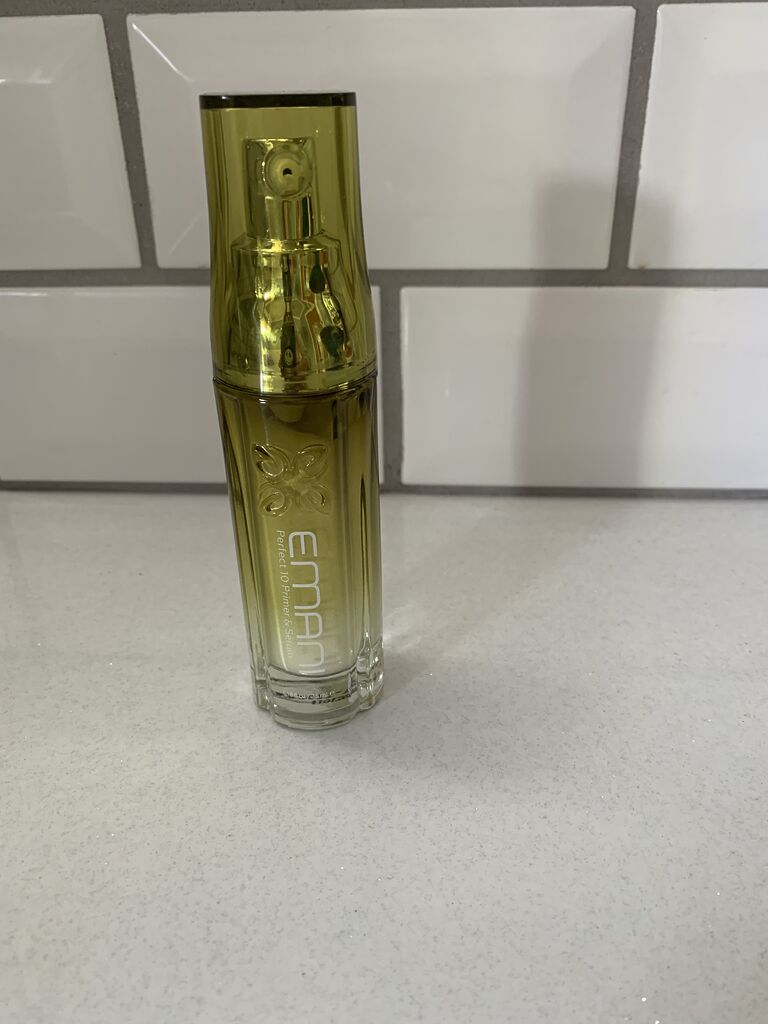
At $29.97, it’s priced similarly to high-end primers, but the skincare benefits justify the cost. A little goes a long way – one pump covers the entire face. It works especially well under mineral foundations or powder foundations, helping them adhere better and last longer throughout the day. The organic botanical ingredients are certified, adding an extra layer of trust for those seeking the cleanest options.
What makes this primer stand out in the clean beauty space is its versatility. It can be used as a standalone moisturizer on light makeup days, as a traditional primer under foundation, or even mixed with foundation to create a tinted moisturizer effect. The cruelty-free, vegan formula is also free from parabens, phthalates, and talc. For acne-prone skin, combine this clean makeup base with non-toxic acne solutions from our tested recommendations.
Perfect for those with sensitive or acne-prone skin who want a primer that won’t cause breakouts and actually improves skin texture. Great for anyone seeking a silicone-free alternative to conventional primers.
People who prefer a completely matte finish or those looking for an oil-controlling primer for very oily skin. The natural glow finish may be too dewy for some preferences.
12 sage & olive shades
Metallic, matte & sparkle finishes
High-pigment formula
Long-wearing
Paraben-free & cruelty-free
I was skeptical about a $14 palette delivering good quality, but ColourPop proved me wrong. The Sage the Day palette features 12 shades in a sophisticated mix of sage greens, warm browns, and shimmers that work for everyday wear or special occasions. The pigmentation is surprisingly good – the metallic shades apply nearly opaque with one swipe.
The formula is soft and blendable, though there is some fallout when applying with a brush. I found using fingers for the shimmers and a fluffy brush for the mattes worked best. The wear time is about 6-8 hours without primer, extending to 10+ hours with a good primer underneath. For the price, this longevity is impressive.
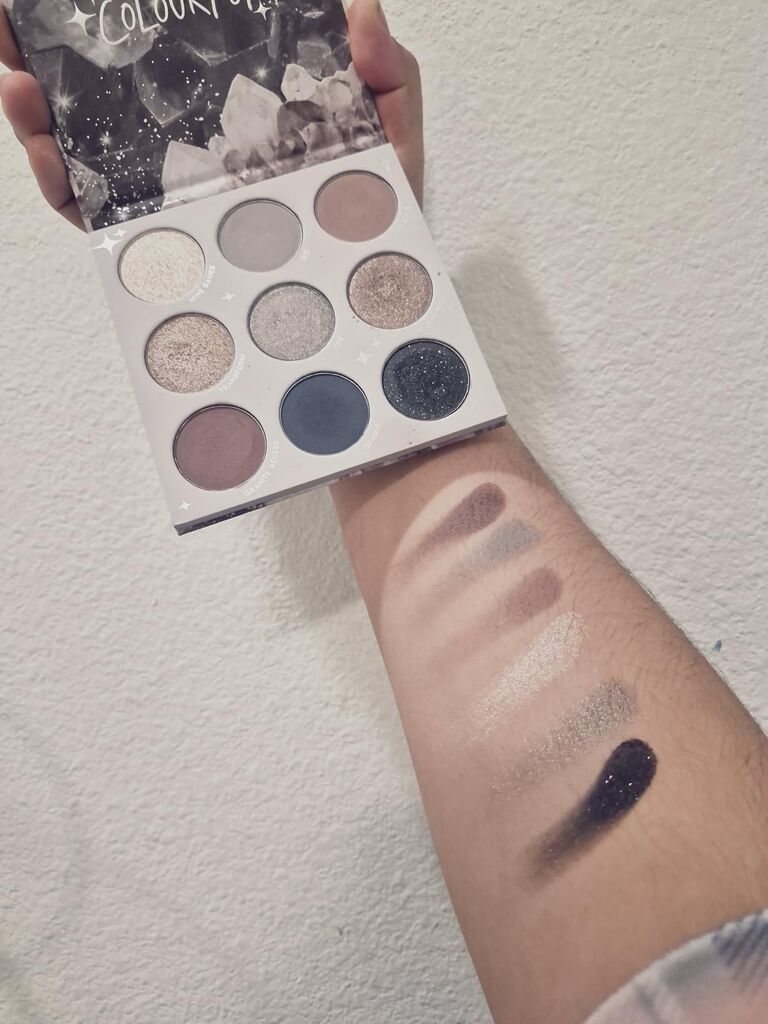
While not marketed as a “clean” brand specifically, ColourPop has made significant strides in removing controversial ingredients. This palette is paraben-free, phthalate-free, talc-free, and cruelty-free. They also list all ingredients transparently. At just $14 for 0.3 oz of product, it’s an incredible value that proves you don’t need to spend a fortune for quality makeup that meets basic clean beauty standards.
The sage and olive color story is very on-trend while remaining wearable for everyday looks. You can create everything from subtle daytime eyes to smoky evening looks with this one palette. The mix of finishes – matte, metallic, and matte sparkle – gives you versatility without needing multiple palettes. For those just starting their clean beauty journey, this is an excellent entry point that won’t break the bank.
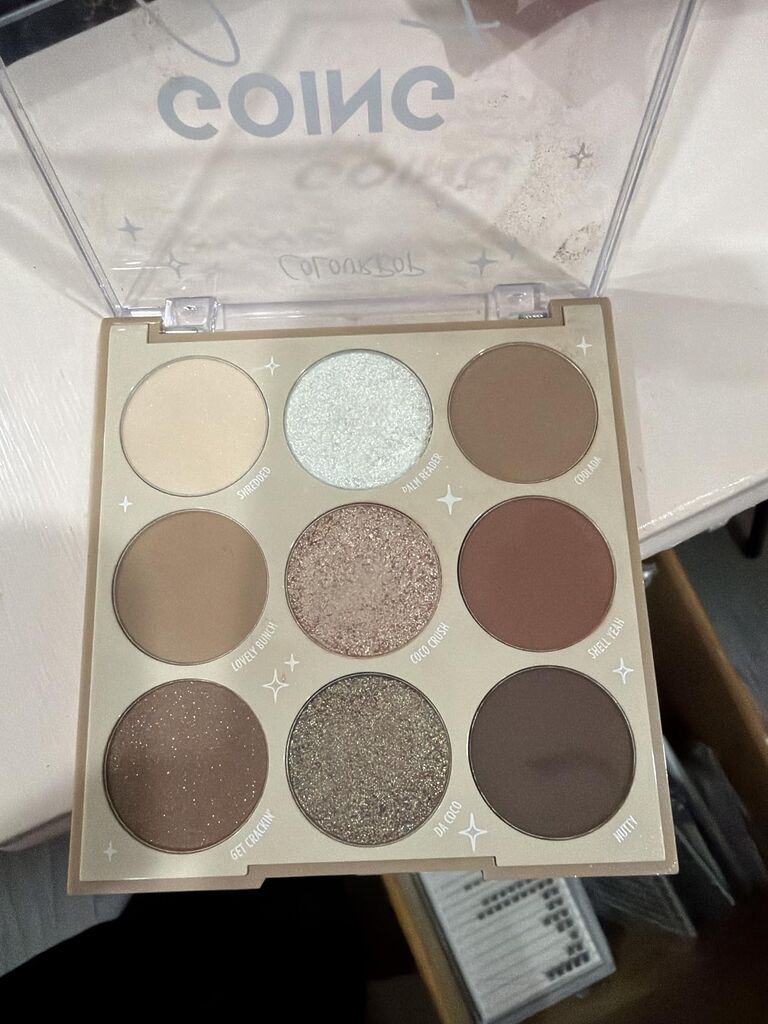
Budget-conscious makeup lovers who want on-trend colors without breaking the bank. Perfect for experimenting with the sage green trend or anyone building a clean beauty collection on a budget. See our guide to safe eyeshadow options for more recommendations.
Those with very sensitive eyes or people who prefer only certified clean beauty brands with full organic ingredient lists. While ColourPop is cruelty-free and free from major toxins, they don’t carry the same third-party certifications as dedicated clean brands.
Non-toxic makeup represents a fundamental shift in how we think about cosmetics. Rather than focusing solely on performance, these products prioritize ingredient safety without compromising on results. The movement gained momentum after studies revealed that the average American woman uses 12 personal care products daily, exposing herself to 168 unique chemical ingredients – many of which have never been tested for long-term safety.
The science behind clean beauty is compelling. Research from the Environmental Working Group found that 1 in 8 of the 82,000 ingredients used in personal care products are industrial chemicals, including carcinogens, pesticides, reproductive toxins, and hormone disruptors. Even more concerning, these chemicals accumulate in our bodies over time, with studies detecting dozens of cosmetic chemicals in newborn cord blood and breast milk. The emergence of PFAS testing has revealed that many conventional cosmetics contain these “forever chemicals” that don’t break down in the environment or human body.
What makes non-toxic makeup different is the ingredient philosophy. Instead of using cheap fillers and potentially harmful synthetic chemicals, clean brands invest in high-quality botanical extracts, minerals, and safe synthetics that have been thoroughly tested. This approach often results in products that not only look good but actually nourish your skin. Many clean formulas are also vegan and cruelty-free, addressing both personal health and ethical concerns.
Clean Beauty: Products formulated without potentially harmful ingredients like parabens, phthalates, sulfates, talc, PFAS, phenoxyethanol, and synthetic fragrances, with an emphasis on transparency and ingredient safety. Look for cruelty-free and vegan certifications for additional ethical assurance.
Navigating clean beauty claims can be overwhelming, but third-party certifications provide a reliable shortcut to identifying truly safe products. Here’s what the major certifications mean and why they matter for your health and values.
The Environmental Working Group’s EWG Verified mark is one of the strictest certifications in the beauty industry. Products must meet rigorous standards including full ingredient disclosure, avoidance of EWG’s chemicals of concern, and commitment to transparency. The certification bans over 1,800 ingredients considered harmful. When you see the EWG Verified mark, you can trust that the product has been thoroughly vetted by independent scientists and meets the highest standards for human health.
Leaping Bunny is the gold standard for cruelty-free certification. Unlike some other cruelty-free claims that only verify the final product wasn’t tested on animals, Leaping Bunny requires verification that no animal testing occurred at any stage of development, including ingredients sourced from suppliers. Companies must recommit annually and allow independent audits. This certification gives you confidence that your beauty products align with cruelty-free values throughout the entire supply chain.
The USDA Organic seal on beauty products indicates that at least 95% of the ingredients (excluding water and salt) are certified organic. This means they were grown without synthetic pesticides, fertilizers, or GMOs. Products labeled “Made with Organic Ingredients” must contain at least 70% organic content. This certification is particularly important for products that remain on your skin for extended periods, like foundations and moisturizers, as organic ingredients reduce your exposure to pesticide residues.
B Corp certification indicates a company meets high standards of social and environmental performance, accountability, and transparency. PETA’s Beauty Without Bunnies program offers another cruelty-free verification. For those concerned about reef safety, the Protect Land + Sea seal certifies products free from chemicals known to harm coral reefs and marine ecosystems. When shopping for clean makeup, look for products that carry multiple certifications for the most comprehensive safety assurance.
Transitioning to non-toxic makeup can feel overwhelming with so many brands claiming to be “clean” or “natural.” I’ve helped hundreds of clients make this switch, and I’ve learned that success comes from knowing exactly what to look for and what to avoid. Here’s my comprehensive guide based on years of research and real-world testing, incorporating the latest concerns about PFAS and phenoxyethanol.
Don’t rely on marketing claims alone – look for legitimate third-party certifications that verify a brand’s clean claims. The most trustworthy certifications include EWG Verified, which requires products to meet strict ingredient standards and avoid ingredients of concern; USDA Organic, which ensures at least 95% organic ingredients; and Leaping Bunny, which guarantees no animal testing at any stage of production. Cruelty-free and vegan certifications provide additional ethical assurance.
When I’m evaluating new brands, I always check for these certifications first. They provide an instant filter that saves hours of ingredient label decoding. However, keep in mind that some smaller clean brands may not have the budget for certifications but still use safe ingredients – in these cases, transparency is key. Look for brands that list every ingredient clearly and explain their sourcing practices.
Clean makeup has improved dramatically over the past five years, but it’s important to have realistic expectations. Natural formulas may not last as long as conventional products with synthetic polymers, and natural preservatives often mean shorter shelf lives. However, the trade-off is better skin health and no exposure to potentially harmful chemicals like talc, PFAS, or phenoxyethanol.
Based on my testing, here’s what to expect: Clean foundations typically last 6-8 hours vs 10-12 hours for conventional; natural mascaras may need more frequent touch-ups; and cream products may have a shorter shelf life once opened. The key is proper application techniques and using quality primers and setting sprays to extend wear time. Many users find their skin improves so much with clean makeup that they’re willing to accept slightly shorter wear times.
Clean makeup doesn’t have to break the bank. While luxury brands like RMS Beauty can cost $40-50 per product, there are excellent affordable options. Well People at Target offers EWG-verified products from $10-30, while best non-toxic lipsticks from brands like Honest Beauty and Pacifica run $8-15.
I recommend starting with products that stay on your skin longest – foundation, concealer, and primer should always be clean. You can save on items like eyeshadow and lip products that have minimal skin exposure. Another strategy is to shop during clean beauty sales at retailers like Credo Beauty or The Detox Market, where you can get 20-30% off during their regular promotions. Consider multi-use products like tinted balms that work on lips and cheeks to reduce the number of products needed.
Quick Summary: Many clean brands have improved their shade ranges, but some still lag behind conventional brands. Look for brands like ILIA (30+ shades), Kosas (32+ shades), and RMS Beauty that prioritize inclusivity and offer detailed undertone guidance.
One of the biggest frustrations with clean makeup has historically been limited shade ranges, particularly for deeper skin tones. This is changing rapidly as brands respond to consumer demand. When shopping online, always check shade ranges and read reviews from people with similar skin tones. For foundations and concealers, I recommend ordering samples first if available.
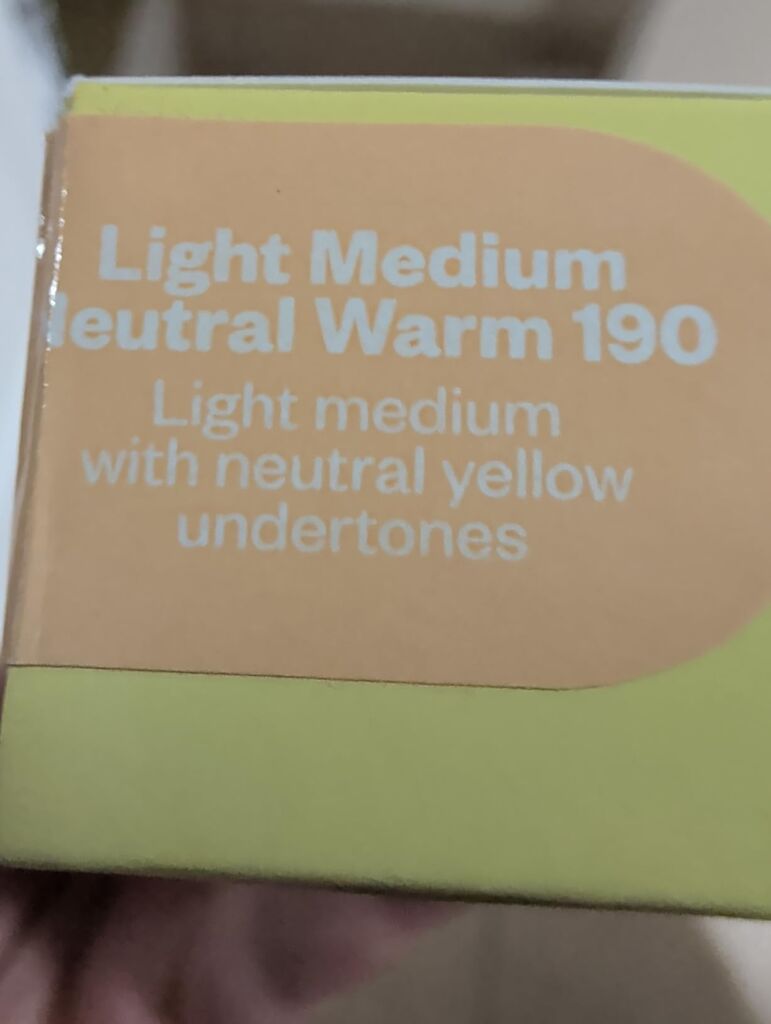
For foundations and concealers, I recommend ordering samples first if available – brands like ILIA and Kosas offer sample programs for a few dollars. This saves money and ensures you find your perfect match. Don’t forget to check undertones too – clean foundations often come in cool, warm, and neutral undertones to match various skin tones precisely. Undertone matching is just as important as depth matching for a natural finish.
Important: Always patch test new clean makeup products for 24-48 hours before full application, especially if you have sensitive skin or allergies. Even natural ingredients can cause reactions in some individuals.
The clean beauty space is filled with brands making misleading claims about their products. After extensive research, I’ve identified several red flags that often indicate greenwashing: vague terms like “natural” or “eco-friendly” without certification, ingredient lists hidden behind “proprietary blend” claims, and brands that highlight one or two natural ingredients while still including known toxins like phenoxyethanol or talc.
The most reliable way to verify claims is to check the full ingredient list on the brand’s website or product packaging. If a brand doesn’t disclose their complete ingredients, that’s a major red flag. I also recommend using the EWG’s Skin Deep database or Think Dirty app to scan products and get safety ratings – these tools have helped me identify supposedly “clean” products that actually contained concerning ingredients including PFAS and other forever chemicals. Remember, truly clean brands have nothing to hide and will list every ingredient transparently.
Understanding which ingredients pose risks is essential for making informed clean beauty choices. Here’s a comprehensive list of what to avoid and why these ingredients have fallen out of favor in the clean beauty community.
Parabens are preservatives that prevent bacterial growth in cosmetics, but they’re also known endocrine disruptors that mimic estrogen in the body. Studies have found parabens in breast tumors, and they’ve been linked to reproductive issues and hormone-related cancers. While the FDA considers them safe in small amounts, the cumulative exposure from multiple products daily raises concerns. Look for “paraben-free” labels and check ingredient lists for any word ending in “-paraben.”
Phthalates are plasticizers used to make fragrances last longer and help products adhere to skin. They’re linked to reproductive and developmental toxicity, endocrine disruption, and birth defects. The concerning part is that phthalates often aren’t listed on labels because they’re included under the umbrella term “fragrance” or “parfum.” To avoid phthalates, choose fragrance-free products or those that specify “phthalate-free” and list their scent ingredients individually.
Formaldehyde is a known carcinogen, yet many cosmetics contain preservatives that slowly release formaldehyde over time to prevent bacterial growth. Watch for ingredients like quaternium-15, DMDM hydantoin, diazolidinyl urea, and imidazolidinyl urea. These are common in nail polishes, hair straightening treatments, and some mascaras. The cumulative exposure from multiple products increases cancer risk over time.
Talc is a mineral used in powder products to absorb moisture and create smooth texture. The concern comes from potential asbestos contamination in natural talc deposits, and the association between talc use and ovarian cancer in some studies. While cosmetic-grade talc is supposed to be asbestos-free, testing has found contamination in some products. Many clean beauty brands have switched to safer alternatives like cornstarch, arrowroot powder, or rice starch. Look for “talc-free” labels on all powder products.
Per- and polyfluoroalkyl substances (PFAS) are a group of man-made chemicals that don’t break down in the environment or human body, hence the nickname “forever chemicals.” They’re found in many waterproof mascaras, long-wearing foundations, and liquid lipsticks to create smudge-proof, long-lasting properties. PFAS are linked to cancer, thyroid disease, and immune system suppression. Testing has found PFAS in many conventional cosmetics, and clean beauty brands are increasingly marketing their products as “PFAS-free” in response.
Phenoxyethanol is a widely used preservative in cosmetics, often marketed as a “safer” alternative to parabens. While it’s generally considered less toxic than parabens, it’s not without concerns. High concentrations can cause skin irritation, and ingesting large amounts has been linked to nervous system effects in infants. The clean beauty community is increasingly divided on phenoxyethanol – some consider it acceptable in small amounts, while stricter clean brands avoid it entirely in favor of natural preservatives like radish root ferment or essential oils. If you prefer to avoid it entirely, look for products specifically labeled “phenoxyethanol-free.”
The term “fragrance” or “parfum” on a label can hide hundreds of undisclosed chemicals, including phthalates, allergens, and known irritants. Companies aren’t required to disclose fragrance components because they’re considered trade secrets. For sensitive individuals, synthetic fragrances are a leading cause of skin reactions and allergic responses. Clean beauty brands either use no fragrance, disclose their scent ingredients fully, or use only natural essential oils (though even these can cause reactions in some people).
The most important ingredients to avoid include parabens (methylparaben, propylparaben, butylparaben) which are hormone disruptors; phthalates (often hidden in fragrance) linked to reproductive issues; formaldehyde-releasing preservatives (quaternium-15, DMDM hydantoin) which are carcinogens; talc due to potential asbestos contamination and cancer associations; PFAS (forever chemicals) found in waterproof and long-wearing products; phenoxyethanol which can irritate sensitive skin; and synthetic fragrances which can contain hundreds of undisclosed chemicals.
Yes, clean makeup is generally better for your skin because it eliminates exposure to irritants and potential toxins like parabens, phthalates, and talc. Many users report reduced breakouts, less sensitivity, and improved skin texture after switching to clean products. Clean formulas often include beneficial ingredients like antioxidants, vitamins, and botanical extracts that nourish skin rather than just covering it. However, natural doesn’t always mean non-toxic – some natural ingredients can still cause reactions, so it’s important to read ingredient lists carefully and patch test new products.
Look for third-party certifications like EWG Verified, USDA Organic, or Leaping Bunny on the packaging. Read the full ingredient list and avoid known toxins. Use apps like EWG’s Skin Deep or Think Dirty to scan products and get safety ratings. Research brands’ ingredient philosophies on their websites – transparent brands will clearly explain their standards and list every ingredient. If a brand hides ingredients behind proprietary blends or uses vague terms like natural without specifics, be skeptical. Truly clean brands have nothing to hide.
RMS Beauty is widely considered one of the least toxic makeup brands due to their food-grade organic ingredients and minimal processing. ILIA and Kosas also rank highly with strict ingredient standards and Leaping Bunny certification. 100% Pure is another top choice for those seeking the strictest standards. However, the least toxic brand for you depends on your specific sensitivities – some people react to coconut oil (common in RMS) while others tolerate it well. Look for brands with EWG Verified status and full transparency about their ingredient sourcing.
RMS Beauty Un Cover-Up and ILIA Super Serum Skin Tint are consistently rated as the cleanest foundation options. RMS uses food-grade organic ingredients with minimal processing, while ILIA combines clean ingredients with skincare benefits and SPF 40 protection. Kosas Revealer Liquid Foundation is another excellent option with 96% natural origin ingredients and 32 inclusive shades. For the absolute cleanest option, look for foundations that are EWG Verified, USDA Organic, and free from all synthetic preservatives including phenoxyethanol.
Kosas is exceptional for mature skin with their Revealer Liquid Foundation that doesn’t settle into fine lines and provides a youthful, dewy glow. RMS Beauty’s Un Cover-Up is also ideal for mature skin because it hydrates while concealing and doesn’t emphasize wrinkles. ILIA Super Serum Skin Tint contains anti-aging ingredients like niacinamide and hyaluronic acid that improve skin over time. These brands prioritize formulas that work with aging skin rather than against it, avoiding the cakey, settling issues common with conventional products.
Not always. While luxury clean brands often use higher quality organic ingredients and have better formulations, many affordable clean brands perform just as well. The key is ingredient quality, not price. Focus on products that stay on your skin longest (foundation, concealer) for your budget, and save on products like eyeshadow and lip color. Some drugstore clean brands like Well People and Pacifica offer excellent performance at lower prices. ColourPop also offers cruelty-free, paraben-free options at budget prices.
Yes, non-toxic makeup can still cause acne, especially if it contains comedogenic (pore-clogging) ingredients like coconut oil, certain waxes, or heavy oils. Look for products labeled non-comedogenic and oil-free if you’re acne-prone. Mineral-based makeup with zinc oxide and titanium dioxide is often better for acne-prone skin. Even clean makeup can break you out if you don’t remove it properly – always double cleanse at night, especially when wearing foundation and concealer. Consider combining clean makeup with non-toxic acne treatments for best results.
Start with products that have the most skin contact: foundation, concealer, and primer. Replace conventional products as they run out rather than buying all at once. Take advantage of sales at clean beauty retailers (Credo, The Detox Market) which happen quarterly. Consider multi-use products like tinted balms that work on lips and cheeks to reduce the number of products needed. Buy travel sizes to try products before committing to full sizes. Follow clean beauty brands on social media for discount codes and promotions. Target and drugstores now carry affordable clean options like Well People and Honest Beauty.
Pro Tip: When transitioning to clean makeup, keep a diary of products you try and how your skin responds. This helps identify which ingredients work best for your skin type and prevents repeated purchases of products that don’t work. Non-toxic makeup works best when paired with a clean skincare routine – check out our guide to the best non-toxic skincare products.
After testing dozens of products and researching countless ingredient lists, I can confidently say that clean makeup has come a long way in terms of performance in 2026. The products I’ve reviewed here represent the best of what’s available – products that don’t compromise on safety or performance. My personal daily routine now includes the ILIA Super Serum Skin Tint for light coverage days, Kosas Revealer Foundation when I need more coverage, and RMS Beauty Un Cover-Up for under-eye brightening – together they give me a natural look that lasts all day without irritating my sensitive skin.
The addition of Kosas and RMS Beauty to our recommendations brings much-needed brand diversity to the clean makeup space. While ILIA remains a standout for their innovative multi-tasking products, having options across price points and formulation styles ensures that everyone can find their perfect clean makeup match. From the organic purity of RMS to the accessible cruelty-free options from ColourPop, there’s truly something for every preference and budget.
Remember that switching to clean makeup is a journey, not an overnight transformation. Start with the products that matter most – those that stay on your skin longest – and gradually replace others as they run out. Look for third-party certifications like EWG Verified and Leaping Bunny to ensure you’re getting truly clean products free from PFAS, phenoxyethanol, talc, and other concerning ingredients. Your skin will thank you for making the switch, and you’ll have peace of mind knowing you’re not exposing yourself to potentially harmful chemicals every day.
The clean beauty industry continues to innovate and improve, with new launches every month that push the boundaries of what natural makeup can do. Stay curious, keep researching brands, and don’t be afraid to try new products – you might discover your next holy grail product that’s both safe and stunningly effective. Whether you prioritize cruelty-free and vegan formulations, seek EWG Verified products, or simply want to avoid the most concerning toxins, the options available in 2026 are better than ever before.
