


According to the EPA’s landmark TEAM (Total Exposure Assessment Methodology) studies, concentrations of volatile organic compounds in indoor air are consistently 2 to 5 times higher than outdoor levels, and in some cases up to 10 times higher. This finding reshapes how we think about air pollution, because the air inside our homes, offices, and schools often poses a greater chemical exposure risk than the air outside.
Volatile organic compounds, commonly called VOCs, are a large group of carbon-based chemicals that evaporate easily at room temperature. They are released by an enormous range of everyday products, from paint and cleaning supplies to furniture, cosmetics, and building materials. Once airborne, many of these chemicals linger for hours, days, or even months.
This guide explains what VOCs are, where they come from, how they affect human health and the environment, and what practical steps you can take to reduce your exposure at home. Whether you are dealing with new construction, renovating a room, or simply want cleaner indoor air, the information below will help you make informed decisions.
Key Takeaways: VOCs are chemicals that turn into gas at room temperature and are found in paints, furniture, cleaning products, and building materials. Indoor VOC levels are typically 2 to 5 times higher than outdoor levels. Short-term exposure causes headaches, dizziness, and throat irritation, while long-term exposure is linked to cancer and organ damage. You can reduce exposure by choosing low-VOC products, ventilating your home, using activated carbon air purifiers, and properly storing or disposing of chemical products.
The U.S. Environmental Protection Agency defines volatile organic compounds as compounds that have a high vapor pressure and low water solubility. In simpler terms, VOCs are carbon-based chemicals that readily evaporate at ordinary room temperatures. This property, known as volatility, is what allows them to escape from solid and liquid products and enter the air we breathe.
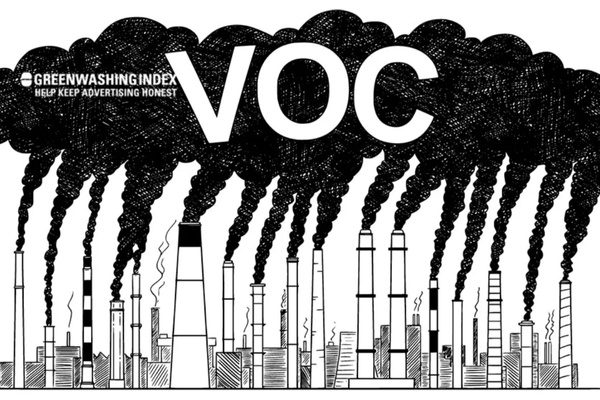
Breaking down the name helps clarify the science. “Volatile” refers to the tendency of these substances to vaporize, meaning they transition from a liquid or solid state into a gas. “Organic” indicates that the molecules contain carbon atoms, the fundamental building block of all organic chemistry. “Compounds” simply means these substances are made from two or more different elements bonded together.
Hundreds of different VOCs exist, and they vary widely in their chemical structure, toxicity, and persistence in the air. Some, like acetone, are relatively mild and short-lived. Others, like benzene and formaldehyde, are classified as known or probable human carcinogens by agencies including the International Agency for Research on Cancer.
The most commonly encountered VOCs in residential settings include the following chemicals. This list reflects data from the EPA, CDC, and the Minnesota Department of Health:
These chemicals rarely occur in isolation. In a typical home, the combined effect of multiple VOCs from different sources creates a cumulative exposure that scientists refer to as total VOC load or TVOC. Understanding this cumulative effect is important because even low-level emissions from several products can add up to a significant indoor air quality problem.
The primary mechanism by which VOCs enter indoor air is a process called off-gassing. Off-gassing occurs when chemical compounds gradually release from materials over time, sometimes continuing for weeks, months, or even years after a product is manufactured. This is why a new mattress, a fresh coat of paint, or newly installed carpeting carries that distinctive chemical smell, and why that smell fades slowly rather than disappearing instantly.
The EPA’s TEAM studies, conducted in the 1980s and refined in subsequent decades, measured personal exposure to VOCs across thousands of participants. The studies found that indoor environments consistently harbor far higher VOC concentrations than outdoor air. Even more striking, the research showed that elevated VOC levels can persist long after the activity that released them has ended.
Several factors influence how VOCs behave indoors. Temperature plays a major role: warmer air accelerates off-gassing, which is why VOC concentrations tend to spike during summer months or in homes with high thermostat settings. Humidity also matters, because moisture in the air can slow the dispersion of some volatile compounds and allow them to linger at higher concentrations.
Ventilation is perhaps the single most important variable. In tightly sealed, energy-efficient homes with limited air exchange, VOCs accumulate to levels far exceeding what you would encounter outdoors. Older, draftier homes tend to have lower indoor VOC concentrations because natural air infiltration dilutes the chemicals, though at the cost of higher heating and cooling expenses.
It is worth noting that VOC emissions behave differently outdoors. Sunlight breaks down many volatile compounds through a photochemical reaction process, though this breakdown itself produces secondary pollutants, including ground-level ozone. Indoors, without direct sunlight, VOCs persist much longer and can accumulate to levels that would be impossible in an open outdoor environment.
Important: Smelling a chemical odor is NOT a reliable indicator of health risk. Some highly toxic VOCs, including certain chlorinated solvents, have almost no detectable smell at dangerous concentrations. Conversely, some strong-smelling compounds may be relatively harmless. Never assume that the absence of odor means safe air quality.
Also Read: Compost Flies Uncovered: Solve Your Organic Waste Riddle!
VOCs are virtually ubiquitous in modern residential environments. The EPA’s research demonstrates that most homes contain measurable levels of multiple volatile organic compounds at any given time. The same TEAM studies referenced earlier found that average indoor concentrations of common VOCs like benzene and formaldehyde frequently exceed outdoor levels by a factor of 2 to 5, and in poorly ventilated or newly renovated spaces, concentrations can reach 10 times outdoor levels or more.
This indoor-outdoor disparity exists because homes act as collection chambers for chemical emissions. Products inside the home continuously release VOCs, while limited ventilation traps them. Outdoors, wind disperses pollutants and sunlight degrades many VOC compounds. The result is that indoor air, which most people assume is cleaner than outdoor air, is often the more contaminated of the two.

Understanding where VOCs originate is the first step toward controlling them. The Minnesota Department of Health and the American Lung Association categorize household VOC sources into three main groups. The table below organizes the most common sources by category so you can identify potential trouble spots in your own home.
| Category | Common Sources | Key VOCs Released |
|---|---|---|
| Building Materials | Pressed wood (particleboard, MDF), plywood, vinyl flooring, caulks, sealants, adhesives, insulation, new carpeting | Formaldehyde, benzene, xylene |
| Home and Personal Care Products | Paint, varnish, paint strippers, cleaning supplies, air fresheners, cosmetics, nail polish, hair spray, moth repellents | Toluene, acetone, methylene chloride, formaldehyde |
| Activities and Combustion | Tobacco smoke, cooking with gas stoves, vehicle exhaust from attached garages, dry-cleaned clothing, wood burning | Benzene, 1,3-butadiene, tetrachloroethylene |
| Emerging Sources | 3D printers (especially filament-based), e-cigarette vapor, photocopiers and laser printers, craft resin and epoxy kits | Styrene, caprolactam, propylene glycol, ultrafine particles |
Several sources deserve special attention because they surprise most homeowners. New furniture and mattresses, particularly those made with polyurethane foam, can off-gas VOCs for weeks or even months after purchase. Polyurethane foam pillows, for example, release compounds like benzene and styrene as they break down, which is why many health-conscious consumers switch to organic pillows that avoid VOC off-gassing.
Air fresheners are another underappreciated source. Despite their pleasant scents, most commercial air fresheners release significant quantities of volatile organic compounds continuously. For households looking to freshen indoor air without adding chemical load, non-toxic odor eliminators offer a safer alternative. Similarly, aerosol personal care products like hair spray contribute measurable VOC emissions, and switching to non-toxic hair sprays without VOCs can reduce daily exposure.
Photocopiers, laser printers, and especially 3D printers release VOCs during operation. Research has shown that filament-based 3D printers, in particular, can cause significant indoor VOC spikes, especially in poorly ventilated rooms. Forum users on Reddit’s air quality communities frequently report discovering unexpectedly high VOC readings after running a 3D printer indoors, often without realizing the connection until a monitor flagged the issue.
Detecting VOCs presents a genuine challenge because many of these chemicals are invisible, and as noted above, odor is not a dependable indicator of concentration or danger. Some highly toxic compounds have very weak smells, while others with strong odors may be relatively benign. For these reasons, relying on your nose alone will not give you an accurate picture of your indoor air quality.
Several detection methods are available, ranging from inexpensive consumer gadgets to professional laboratory analysis. Here is a breakdown of the most practical options:
It is important to understand that no federal standards currently exist for residential VOC levels in non-industrial settings. However, many indoor air quality professionals reference a guideline of keeping total VOC concentrations below 500 nanograms per liter (ng/L) for residential comfort and safety. Levels above 1,000 ng/L warrant attention, and readings above 3,000 ng/L indicate a significant source that should be identified and addressed.
Forum discussions reveal that many people are shocked when they first install a VOC monitor. Users on Reddit frequently report discovering readings well above recommended levels, often spiking during activities like cooking with gas stoves, using cleaning sprays, or running a 3D printer. Opening windows almost always produces an immediate, measurable drop in VOC concentrations, which confirms that ventilation is one of the fastest and most effective short-term interventions available.
Seasonal variation also affects indoor VOC levels. Winter months typically bring higher concentrations because windows stay closed and heating systems warm the air, accelerating off-gassing from furniture and building materials. If you use a VOC monitor year-round, expect to see your worst readings during colder months when natural ventilation is limited.
Also Read: Maggots in Compost: Why They’re Actually Good!
The health effects of volatile organic compounds depend on several factors: which specific chemicals are involved, the concentration in the air, the duration of exposure, and the individual’s overall health. Research from the EPA, CDC, and peer-reviewed medical studies has established clear links between VOC exposure and a range of acute and chronic health conditions.
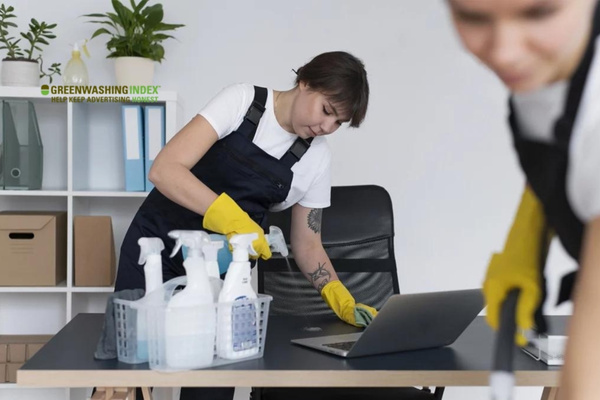
Acute symptoms typically appear within minutes to hours of exposure and tend to resolve once the person moves to fresh air. The following table summarizes the most commonly reported short-term effects:
| Symptom Category | Specific Effects | Common Triggers |
|---|---|---|
| Eye and Respiratory | Eye irritation and watering, nasal congestion, sore throat, coughing | Paint fumes, cleaning sprays, air fresheners |
| Neurological | Headaches, dizziness, fatigue, difficulty concentrating, mild confusion | High VOC concentrations, poor ventilation |
| Gastrointestinal | Nausea, vomiting, loss of appetite | Solvent exposure, paint strippers, strong chemical odors |
| Respiratory (Asthma and COPD) | Wheezing, shortness of breath, aggravated asthma symptoms, COPD flare-ups | Any VOC source in sensitive individuals |
| Skin | Skin irritation, mild rash from direct contact with VOC-containing liquids | Cleaning products, solvents, adhesives |
Chronic exposure to volatile organic compounds is where the most serious health concerns lie. Long-term effects may take years or even decades to manifest, which makes them difficult to connect to specific exposures after the fact. However, epidemiological and occupational studies have established strong links between sustained VOC exposure and several major health conditions:
| Health Outcome | Associated VOCs | Evidence Level |
|---|---|---|
| Cancer | Benzene (leukemia), formaldehyde (nasal and throat cancer), 1,3-butadiene (lymphoma), tetrachloroethylene (bladder cancer) | Strong evidence; several VOCs classified as known or probable carcinogens |
| Liver damage | Carbon tetrachloride, ethylene glycol, chlorinated solvents | Well documented in occupational studies |
| Kidney damage | Trichloroethylene, tetrachloroethylene, petroleum fuels | Confirmed in long-term exposure scenarios |
| Central nervous system damage | Toluene, xylene, hexane, styrene | Strong evidence of cognitive and motor function impairment |
| Reproductive and developmental harm | Toluene, glycol ethers, formaldehyde | Emerging evidence; particularly concerning during pregnancy |
These chronic conditions develop gradually, which is what makes long-term VOC exposure so insidious. A person may not experience any acute symptoms while damage slowly accumulates in the liver, kidneys, or respiratory system. By the time a diagnosis is made, linking it back to years of low-level VOC exposure is often difficult.
While everyone should be mindful of volatile organic compounds, certain populations face substantially higher risks from exposure. Understanding these vulnerabilities helps prioritize protective measures for the people who need them most.
If anyone in your household falls into one of these categories, taking proactive steps to reduce indoor VOC levels becomes even more important. Even modest improvements in ventilation and product choices can make a meaningful difference for vulnerable individuals.
Also Read: Cotton Biodegradability: Eco-Friendly or Ecological Burden?
Reducing indoor VOC levels requires a combination of source control, ventilation, and air cleaning. The most effective approach addresses all three areas rather than relying on any single strategy. Below are practical steps organized from simplest to most involved.
For households dealing with persistent VOC issues or with vulnerable occupants, several technology-based solutions can provide an additional layer of protection beyond basic source control and ventilation.
Combining these advanced methods with the everyday strategies above creates a comprehensive defense against indoor volatile organic compounds. No single approach will eliminate VOCs entirely, but layered strategies can reduce concentrations to levels that protect health and comfort.
Also Read: Compost Bugs: Deciphering the Good from the Bad
Volatile organic compounds are not just an indoor air quality concern. When released outdoors, they contribute to a range of environmental problems that extend from neighborhood air pollution to global climate dynamics. Understanding these environmental connections helps explain why reducing VOC emissions matters beyond personal health.
One of the most significant environmental impacts of volatile organic compounds is their role in forming ground-level ozone. This process involves a photochemical reaction between VOCs and nitrogen oxides (NOx) in the presence of sunlight. When VOCs and NOx interact under solar radiation, they produce tropospheric ozone, which is the primary component of urban smog.
This is not the same as the stratospheric ozone layer that protects Earth from ultraviolet radiation. Ground-level ozone is a harmful pollutant that damages lung tissue, reduces crop yields, and harms forest ecosystems. The American Lung Association identifies ozone pollution as a leading cause of respiratory disease in urban areas, particularly during summer months when sunlight is most intense and VOC emissions from vehicles and industry are at their peak.
Outdoor VOC emissions come from a mix of natural and human-made sources. While trees and other vegetation naturally emit VOCs (which is why forests have a distinctive scent), anthropogenic sources dominate in populated areas and include:
The cumulative effect of these sources is significant. In many urban areas, VOC emissions contribute to air quality that regularly exceeds health-based standards during warmer months. This pollution does not respect property lines or political boundaries, meaning emissions from one region affect air quality in communities many miles away.
The connection between volatile organic compounds and climate change operates through several mechanisms. Some VOCs, particularly methane and certain chlorofluorocarbons, are potent greenhouse gases that trap heat in the atmosphere. While most common household VOCs are relatively short-lived in the atmosphere compared to carbon dioxide, their indirect effects through ozone formation contribute to warming.
The smog produced by VOC and NOx reactions creates a visible haze that reduces air quality and visibility. This smog contains not only ozone but also fine particulate matter formed when VOCs undergo further chemical reactions. These secondary organic aerosols contribute to the PM2.5 pollution that health agencies link to cardiovascular disease, respiratory illness, and premature death.
Additionally, ground-level ozone damages vegetation by interfering with photosynthesis. Crops exposed to elevated ozone levels show reduced growth and yield, while forest ecosystems experience long-term decline. The agricultural and ecological costs of ozone pollution represent a significant but often overlooked consequence of VOC emissions.
Making informed purchasing decisions is one of the most effective ways to reduce both personal and environmental VOC exposure. Several certification programs help consumers identify products that meet established low-emission standards:
For larger projects like home construction or renovation, consider working with professionals who specialize in building an eco-friendly home with low-VOC materials. Similarly, upgrading your bedroom with organic bedding to reduce VOC exposure can make a meaningful difference, since the bedroom is where most people spend the most continuous hours indoors.
Individual household changes matter, but the most meaningful reductions in VOC emissions come from collective action. Communities that organize around air quality improvements achieve results that no single household can accomplish alone.
When communities work together to reduce VOC emissions, the benefits extend beyond individual households to the shared air that surrounds all of us. Cleaner air means fewer respiratory illnesses, reduced healthcare costs, healthier ecosystems, and a more livable environment for future generations.
Common examples of VOCs include formaldehyde, benzene, toluene, xylene, ethylene glycol, methylene chloride, tetrachloroethylene, 1,3-butadiene, and acetone. These chemicals are found in products ranging from paint and cleaning supplies to furniture, dry-cleaned clothing, and vehicle exhaust.
The most effective ways to reduce indoor VOCs are increasing ventilation by opening windows, choosing low-VOC or zero-VOC products, using air purifiers with activated carbon filters, storing chemicals outside living areas, and avoiding products known to off-gas like pressed wood furniture and synthetic air fresheners.
Yes, VOCs can be harmful. Short-term exposure causes headaches, dizziness, throat irritation, and nausea. Long-term exposure is linked to cancer, liver damage, kidney damage, and central nervous system effects. Some VOCs like benzene and formaldehyde are classified as known or probable human carcinogens.
There is no single federal standard for residential VOC levels, but many indoor air quality professionals recommend keeping total VOCs below 500 ng/L. Levels above 1,000 ng/L warrant investigation, and readings above 3,000 ng/L indicate a significant source that should be identified and addressed.
You can test for VOCs using consumer air quality monitors (such as Airthings devices) for real-time total VOC readings, passive sampling kits that are mailed to a lab for specific chemical identification, or by hiring a professional indoor air quality assessor. Consumer monitors are the most affordable starting point, typically costing under $200.
Off-gassing duration varies by product. New furniture and mattresses typically off-gas most intensely for the first few weeks, with noticeable emissions continuing for 1 to 6 months. Pressed wood products can continue releasing formaldehyde for years. Increasing ventilation and allowing products to air out before bringing them indoors can shorten the off-gassing period.
Some VOCs have strong odors, such as the smell of fresh paint or nail polish remover. However, smell is not a reliable indicator of VOC concentration or safety. Some dangerous VOCs like carbon tetrachloride have little to no odor at harmful levels, while other strong-smelling compounds may be less hazardous. Never rely on smell alone to judge air quality.
Only air purifiers with activated carbon or charcoal filters can remove VOCs. Standard HEPA filters capture particles like dust and pollen but do not trap gaseous chemicals. When choosing an air purifier for VOC removal, look for one with a substantial activated carbon filter and verify that it is rated for chemical filtration, not just particle removal.
Yes, several VOCs are classified as known or probable carcinogens. Benzene is a known cause of leukemia. Formaldehyde is linked to nasal and throat cancers. 1,3-Butadiene is associated with lymphoma, and tetrachloroethylene has been connected to bladder cancer. The risk depends on the specific chemical, concentration, and duration of exposure.
Acute VOC exposure symptoms include eye, nose, and throat irritation, headaches, dizziness, nausea, fatigue, and difficulty concentrating. In severe cases of high-level exposure, symptoms can include loss of coordination, vomiting, and respiratory distress. If you experience these symptoms and suspect chemical exposure, move to fresh air immediately and seek medical attention if symptoms persist.
Volatile organic compounds are an unavoidable part of modern life, present in everything from the paint on our walls to the furniture we relax on. The EPA’s TEAM studies confirmed that indoor VOC concentrations routinely run 2 to 5 times higher than outdoor levels, and sometimes up to 10 times higher, meaning the air inside our homes often demands more attention than the air outside.
The health stakes are real. Short-term exposure triggers headaches, dizziness, and respiratory irritation, while chronic exposure is linked to cancer, organ damage, and neurological harm. Children, older adults, people with asthma or COPD, and those with chemical sensitivity face the greatest risks, making proactive VOC reduction especially important in households with vulnerable occupants.
The good news is that meaningful reduction is achievable with practical steps. Choosing non-toxic furniture, switching to organic bedding and pillows, using air purifiers with activated carbon, increasing ventilation, and properly disposing of chemical products all contribute to cleaner indoor air. Every product swap and every opened window makes a measurable difference.
Beyond the home, VOCs play a significant role in environmental challenges including ground-level ozone formation, smog production, and climate change. By reducing our personal VOC footprint and advocating for cleaner air policies in our communities, we contribute to a healthier planet for everyone. Clean air is not just a personal health issue but a shared environmental responsibility, and every step toward lower VOC emissions benefits us all.
If you found this guide helpful, consider sharing it with friends and family who may be unaware of the chemicals hiding in their indoor air. For more practical advice on creating a healthier, non-toxic home, explore our related guides on air purification, eco-friendly living, and non-toxic product recommendations throughout this site.
