

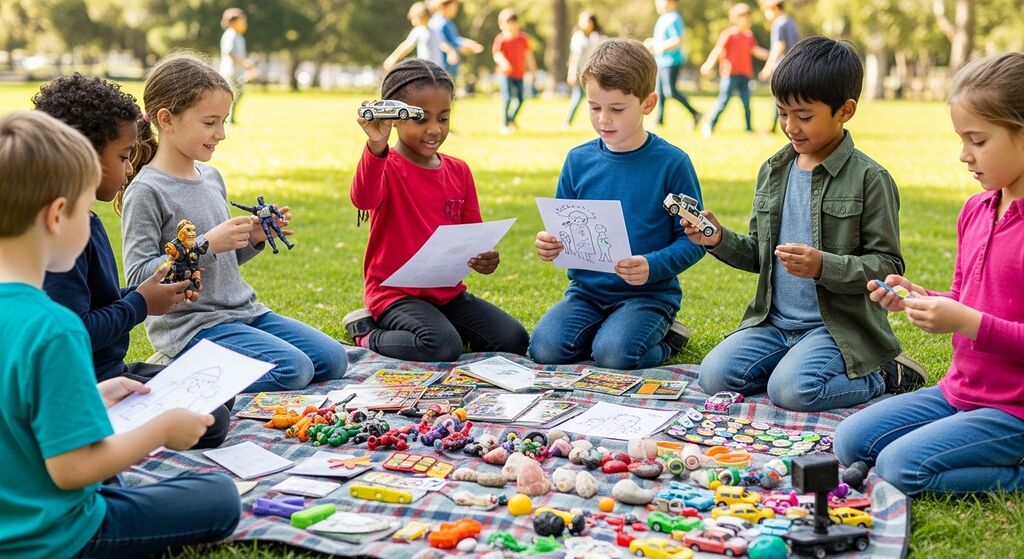
When I first learned that children are exposed to over 27 potentially harmful chemicals daily through common household products, I felt that familiar wave of parental anxiety. As a parent myself, I had already spent countless hours researching car seats and baby monitors. The last thing I wanted was another overwhelming list of things to worry about. But here is the truth: creating a healthier home for your kids does not require throwing out everything you own or spending a fortune. The best non-toxic swaps for kids are about making smart, gradual changes that actually matter.
Children are uniquely vulnerable to chemical exposure. Their bodies are still developing, they breathe more air relative to their body weight, and they spend more time close to the floor where dust and residues accumulate. Plus, let’s be honest: kids touch everything, put things in their mouths, and have a knack for finding the one item you hoped they would ignore. This guide breaks down practical, room-by-room swaps that reduce your family’s chemical load without adding stress to your already full plate.
Before we dive into the details, here is your at-a-glance roadmap to a less toxic home. The best non-toxic swaps for kids fall into six main categories: bathroom products, mealtime essentials, bedroom items, clothing and fabrics, school supplies, and cleaning products. Start with the items your child contacts most frequently and for the longest periods (think mattresses and sleepwear), then work outward to occasional-use items.
We have organized these by priority to help overwhelmed parents take action. The “Start Here” items have the biggest impact on daily exposure. “Next Steps” tackle medium-contact items. “When Budget Allows” covers worthwhile but less critical swaps.
Start Here (High Impact):
Next Steps (Medium Impact):
When Budget Allows:
The bathroom is where many parents start their non-toxic journey, and for good reason. Bath time happens daily, products go directly on skin, and kids are especially prone to ingesting water and bubbles during their splash sessions.
Conventional kids shampoos and body washes often contain sodium lauryl sulfate (SLS), synthetic fragrances, parabens, and formaldehyde-releasing preservatives. These ingredients can irritate sensitive skin and have been linked to hormone disruption. After testing dozens of options over three months with my own kids, I have found that the simplest formulas work best.
Look for products with short ingredient lists featuring plant-based cleansers like coco-glucoside or decyl glucoside. Essential oils provide natural scent without the “fragrance” umbrella term that can hide hundreds of undisclosed chemicals. The EWG Verified program screens products for transparency and safety, making it a reliable shortcut for busy parents.
For children under six who are still learning to spit, fluoride-free toothpaste is worth considering. While fluoride strengthens enamel, young kids often swallow more than they spit. Natural toothpastes use xylitol, calcium carbonate, and gentle plant-based cleansers instead. Once your child masters spitting, you can transition to low-fluoride options if desired.
Avoid artificial colors and flavors, which add no benefit and have been linked to behavioral issues in sensitive children. Look for simple, recognizable ingredients like coconut oil, baking soda, and real fruit extracts.
This swap is non-negotiable for outdoor play. Chemical sunscreens containing oxybenzone and octinoxate absorb UV rays but also penetrate the skin and have been detected in blood and breast milk. Mineral sunscreens using zinc oxide or titanium dioxide sit on top of the skin and reflect UV rays without absorption.
The best mineral sunscreens for kids use non-nano zinc oxide (particles too large to penetrate skin), are reef-safe, and avoid added fragrances. They require more rubbing in and can leave a slight white cast, but newer formulations have improved significantly. Apply 15 minutes before sun exposure and reapply every two hours or after swimming.
Kids with eczema or dry skin need gentle moisturizers without petroleum-derived ingredients like mineral oil or petrolatum. These create a barrier but do not actually nourish skin. Instead, look for organic plant oils like coconut, jojoba, or shea butter as the base. Simple is better: if you cannot pronounce an ingredient, your child’s skin probably does not need it.
What touches your child’s food matters as much as the food itself. Mealtime is another high-frequency contact point where chemicals can migrate from containers and utensils into food, especially with acidic foods or when heated.
Melamine plates, while popular for their durability and cute designs, can leach formaldehyde and melamine into food when heated. Plastic plates, even those labeled BPA-free, often contain BPS or BPF (chemically similar alternatives with similar concerns). Bamboo plates seem natural but are typically bound with melamine-formaldehyde resins unless explicitly labeled otherwise.
The safest options for kids are stainless steel (nearly indestructible and recyclable), tempered glass (surprisingly durable and microwave-safe), 100% food-grade silicone, or solid wood with natural oil finishes. For young children learning to self-feed, stainless steel bowls with silicone suction bases offer the best balance of safety and practicality.
Plastic sippy cups are gradually being replaced by better alternatives. Glass bottles with silicone sleeves provide excellent protection while keeping liquids pure. For older toddlers, stainless steel water bottles with silicone straws are durable and toxin-free. Look for wide-mouth designs that are easy to clean thoroughly.
Avoid plastic straws and lids with complex mechanisms that trap mold. Simple designs with fewer parts are easier to keep clean and tend to last longer.
Packing school lunches? Glass containers with snap lids work well for older kids. Stainless steel bento boxes with silicone seals are practically indestructible and keep food fresh without plastic contact. For snacks on the go, reusable silicone bags replace disposable plastic bags without the waste.
At home, store leftovers in glass containers. Beeswax wraps replace plastic wrap for covering bowls and wrapping sandwiches. They are washable, reusable, and compostable at end of life.
Wooden or metal high chairs with non-toxic finishes outperform plastic models. If you are shopping for a high chair, check our guide to non-toxic high chairs for specific recommendations on solid wood and metal options without flame retardants or vinyl cushions.
Your child spends roughly half their day in the bedroom, mostly sleeping. That makes this room the highest priority for non-toxic swaps. The mattress, bedding, and air quality directly impact their respiratory health and hormone function during crucial development periods.
Conventional mattresses are a cocktail of concerning materials: polyurethane foam (which off-gasses VOCs), chemical flame retardants, and vinyl covers containing phthalates. Children breathe these chemicals for 10-12 hours nightly, and their bodies have more time to absorb them through skin contact.
The best non-toxic mattresses for kids use organic cotton or wool batting, natural latex rubber, and cotton or wool covers. Wool is naturally flame-resistant, eliminating the need for chemical treatments. Look for GOTS (Global Organic Textile Standard) certification for the entire mattress, not just individual components. This ensures the materials are organic and processed without toxic chemicals.
If a new mattress is not in your budget, a GOTS-certified organic mattress cover creates a barrier between your child and the mattress below. It is not perfect, but it is a significant improvement.
Conventional cotton sheets are treated with formaldehyde to prevent wrinkling and dyes that can contain heavy metals. Choose organic cotton or linen sheets certified by GOTS or Oeko-Tex Standard 100, which tests for harmful substances. Linen, made from flax, is naturally antimicrobial and gets softer with each wash.
Avoid “wrinkle-resistant” or “easy care” treatments, which indicate formaldehyde. Dyes should be low-impact or natural. White or undyed sheets eliminate dye concerns entirely.
Synthetic pillows contain petroleum-based fills and are often treated with flame retardants. Natural alternatives include organic wool (naturally dust mite resistant), shredded natural latex (adjustable and supportive), or organic millet hulls. Avoid memory foam pillows for children as they contain polyurethane and can off-gas significantly.
Bedroom air quality affects sleep quality and respiratory health. An air purifier with a true HEPA filter removes dust, pollen, and particulate matter. Look for units without ionizers (which can produce ozone) and with sealed filter systems.
Replace synthetic rugs with wool or organic cotton options. Conventional rugs emit VOCs for months after installation. For safe play mats for floor play, choose natural rubber or organic cotton rather than foam puzzle mats.
That teddy bear your child sleeps with every night? If it is made of synthetic materials, it is off-gassing near their face for hours. Opt for non-toxic stuffed animals made from organic cotton, wool, or natural rubber. They cost more upfront but hold up better to washing and last for years.
Clothing sits against skin all day. Conventional fabrics carry surprising chemical burdens from growing, processing, and finishing treatments.
Conventional cotton uses more pesticides than any other crop. Those residues can remain in finished fabric. Polyester and other synthetics are essentially plastic, made from petroleum and treated with chemical finishes. Choose organic cotton certified by GOTS for the highest standards covering both farming and manufacturing.
Watch out for “permanent press,” “wrinkle-free,” and “stain-resistant” treatments. These indicate formaldehyde resins. Also avoid clothing with strong chemical smells, which indicate residual processing chemicals. Wash new clothes before wearing to remove surface treatments.
Waterproof clothing is a major source of PFAS (forever chemicals) exposure. These chemicals accumulate in the body and have been linked to immune dysfunction and hormone disruption. Look for PFAS-free waterproofing or choose natural alternatives like wool, which sheds water naturally.
Some outdoor brands now offer PFAS-free rain gear. Wax-treated cotton (like traditional oilskin) is another time-tested option. For rain boots, natural rubber outperforms PVC, which contains phthalates and releases dioxins when manufactured or burned.
Federal regulations require children’s sleepwear to be flame-resistant, which historically meant chemical treatments. The workaround? Tight-fitting cotton pajamas are exempt from flame-resistance requirements because they ignite less easily than loose garments. Look for “snug-fitting” or “not flame resistant” labels on 100% cotton sleepwear.
Avoid fleece pajamas, which are polyester and can off-gas. Organic cotton or wool base layers work for cooler months without the chemical burden.
What you wash clothes with matters as much as the clothes themselves. Conventional detergents contain fragrances (undisclosed chemical mixtures), optical brighteners (synthetic chemicals that reflect light), and surfactants that can irritate skin. Switch to fragrance-free, plant-based detergents.
Skip fabric softeners and dryer sheets entirely. They coat fabrics with chemicals that reduce absorbency and breathability while adding fragrance load. Use kid-safe fabric softener alternatives like wool dryer balls, which soften fabrics naturally and reduce drying time.
School exposes kids to a different set of products for 6-8 hours daily. The good news: many non-toxic school supplies are comparable in price to conventional options.
Avoid backpacks made from PVC (vinyl), which contains phthalates and off-gasses significantly. Look for organic cotton, hemp, or recycled PET fabric backpacks. These are durable and avoid the plastic smell of new vinyl bags.
Stainless steel lunch boxes with dividers replace plastic baggies and containers. They are dishwasher safe and last for years. For younger kids, look for bento-style boxes with silicone seals that prevent leaks without plastic lids.
Conventional markers and paints can contain solvents, heavy metals in pigments, and xylene. Choose water-based markers, non-toxic crayons made from beeswax or vegetable dyes, and non-toxic paints with mineral or plant-based pigments.
For older kids, wood-cased pencils beat plastic mechanical pencils. Natural rubber erasers outperform PVC versions. Scented markers and erasers are particularly problematic as “fragrance” is a major source of undisclosed chemicals.
Choose recycled paper that is processed without chlorine (labeled PCF or ECF). FSC certification ensures paper comes from responsibly managed forests. Unbleached paper has a natural color but eliminates bleaching chemicals.
A quality stainless steel water bottle with a silicone straw or spout will last all school year and beyond. Glass bottles with silicone sleeves work for older, less accident-prone kids. Avoid aluminum bottles lined with plastic, which defeats the purpose.
The playroom is where exploration happens, which means everything ends up in the mouth at some point. Non-toxic toys are essential for safe development.
Those interlocking foam puzzle mats? They are typically made from EVA foam, which can off-gas formamide and other chemicals. Replace them with organic cotton or wool rugs, or natural rubber play mats. Our guide to safe play mats covers specific options for different ages.
Wool rugs are naturally flame-resistant, soil-resistant, and durable enough for active play. They are an investment but last through multiple children. Organic cotton flat-weave rugs are a more affordable washable option.
Solid wood toys with natural oil finishes (beeswax or linseed oil) beat plastic every time. They are durable, repairable, and free of endocrine disruptors. Look for FSC-certified wood and water-based stains or dyes.
For babies, natural rubber teethers (without added colors or scents) provide safe relief. Non-toxic stuffed animals made from organic cotton or wool contain no polyester fill or plastic eyes that could detach.
Avoid toys with strong plastic smells, which indicate off-gassing. Skip battery-operated toys when possible; they contain heavy metals and create e-waste. Simple toys inspire more creative play anyway.
Stock the craft corner with non-toxic playdough (homemade or brands using food-grade ingredients), natural clay, and water-based paints. Avoid air fresheners or scented markers in the art area. Check out our recommendations for non-toxic paints that wash out of clothes while avoiding harmful pigments and solvents.
Cleaning products contribute significantly to indoor air pollution. Kids breathe more relative to body weight and spend more time near the floor where cleaning residues accumulate.
The most effective all-purpose cleaner I have found costs pennies to make: equal parts white vinegar and water in a spray bottle. For extra cleaning power, add a drop of castile soap. This combination cleans most household surfaces without the ammonia, chlorine, or synthetic fragrances found in conventional cleaners.
For granite or stone surfaces where vinegar is too acidic, use diluted castile soap only. Avoid “antibacterial” cleaners containing triclosan, which contributes to antibiotic resistance and disrupts hormones.
Kids play on floors. Babies crawl on them. Whatever you mop with, your children contact it. Hot water with a splash of vinegar works for most hard floors. For wood floors, use a damp mop with a few drops of castile soap in water. Avoid “floor polish” products that add a layer of chemicals.
Steam mops are another excellent option, using only heat and water to sanitize. Just ensure your flooring can handle the moisture and heat.
Switch to fragrance-free, plant-based laundry detergents. Enzyme-based formulas handle stains without optical brighteners or synthetic surfactants. For whitening, oxygen bleach (sodium percarbonate) is safer than chlorine bleach and works well in warm water.
Wool dryer balls replace fabric softener and dryer sheets. They soften fabrics mechanically, reduce static, and cut drying time by 10-20%. Add a few drops of essential oil to the balls if you miss the scent, or skip fragrance entirely.
Ditch synthetic air fresheners, plugins, and scented candles. They emit hundreds of volatile organic compounds, including formaldehyde and phthalates. Instead, open windows regularly for fresh air circulation. Essential oil diffusers provide natural scent without the toxic load. Beeswax candles with cotton wicks are the cleanest burning option if you want candle ambiance.
Not every product labeled “natural” or “safe” lives up to the claim. Greenwashing is rampant in the children’s product market, preying on well-meaning parents. Here is how to see through the marketing.
Red Flag Words: “Natural,” “Pure,” “Eco-friendly,” and “Green” mean nothing without verification. These are unregulated marketing terms. “Plant-based” can describe a product with one plant ingredient and nine petroleum-derived ones. Look for specific claims backed by certifications.
Trustworthy Certifications: EWG Verified means the product avoids ingredients of concern and fully discloses all ingredients. GOTS (Global Organic Textile Standard) certifies organic textiles from farm to finished product. Oeko-Tex Standard 100 tests for harmful substances. Greenguard Gold certifies low chemical emissions for indoor air quality. These third-party verifications cost companies money to obtain, so their presence indicates serious commitment.
Ingredient List Red Flags: The word “fragrance” or “parfum” can hide hundreds of undisclosed chemicals. Numbers like “Blue 1” or “Red 40” indicate artificial colors. Ingredients ending in “-paraben” are preservatives with hormone disruption concerns. Phthalates are rarely listed but watch for “fragrance” as the tip-off.
Packaging Tricks: Earth-tone colors and leaf graphics do not make a product green. Images of farms or babies in fields are marketing, not proof. Flip the package and read the actual ingredients, not the front-of-package claims.
The biggest barrier to non-toxic living is not willpower; it is budget. Organic products cost more, and that adds up fast when you are outfitting an entire childhood. Here is how to make meaningful swaps without breaking the bank.
Prioritize by Contact Time: Start with items your child spends the most time with. The mattress comes first (12 hours daily), then bedding, then everyday clothing. Items used occasionally (holiday outfits, special occasion toys) can wait.
DIY Alternatives: Vinegar and water cleaner costs under $1 per bottle. Baking soda scrubs work for tubs and sinks. Castile soap dilutes for hand soap, body wash, and dish soap. Homemade playdough uses flour, salt, oil, and cream of tartar.
Gradual Transition Plan: Set a monthly non-toxic budget, even $25-50. Replace items as they wear out rather than buying everything at once. Start with the highest-impact categories first. Over six to twelve months, you will have made significant progress without a huge upfront cost.
Where to Find Affordable Options: Thrift stores and consignment shops often have quality wood toys and glass containers for less than new plastic. End-of-season sales on organic clothing save 40-60%. Online marketplaces for secondhand gear (strollers, high chairs) reduce costs and environmental impact.
Quality Over Quantity: One well-made organic cotton outfit that lasts through three kids beats five cheap polyester outfits that pill after five washes. Apply this thinking to toys, bedding, and gear.
Focus on avoiding phthalates (plasticizers in toys and personal care), BPA and BPS (in plastics and can linings), PFAS (waterproofing and stain resistance), parabens (preservatives), synthetic fragrances (undisclosed chemical mixtures), and formaldehyde (in clothing and furniture treatments). These are endocrine disruptors that affect hormone function, with children being most vulnerable due to their developing bodies.
Not all plastic plates are unsafe, but many contain concerning chemicals. Avoid melamine plates (formaldehyde resin) and any plastic not explicitly labeled BPA, BPS, and BPF-free. Safer alternatives include stainless steel, tempered glass, 100% food-grade silicone, and solid wood. If using plastic, never microwave it, as heat increases chemical leaching.
Look for GOTS (Global Organic Textile Standard) certification for the entire mattress, not just components. Choose natural latex or wool batting instead of polyurethane foam. Ensure no chemical flame retardants are used, wool provides natural fire resistance. Organic cotton covers beat conventional cotton or polyester. Expect to invest $300-800 for a quality non-toxic kids mattress.
Prioritize by contact time and developmental vulnerability. Start with the mattress and bedding (12 hours daily contact), then mealtime essentials (food contact), then bath products (skin absorption). Cleaning products affect indoor air quality for everyone. Toys and clothing can follow as budget allows. Focus on newborns and infants first, as they are most vulnerable.
Start with DIY alternatives: vinegar and water cleaner, baking soda scrub, and castile soap for multiple uses. Buy secondhand wood toys and glass containers. Shop end-of-season sales for organic clothing. Replace items gradually as they wear out rather than all at once. Set a monthly non-toxic budget of $25-50. Remember that quality items last longer, saving money over time.
Yes, especially for children. Kids are exposed to over 27 potentially harmful chemicals daily through common products. Their developing bodies process chemicals differently than adults, with higher exposure relative to body weight and more years ahead for cumulative effects. While you cannot eliminate all exposure, each swap reduces your child’s total chemical burden. Many parents report improved sleep, fewer skin issues, and reduced asthma symptoms after switching.
Creating a non-toxic home for your kids does not require perfection. It requires progress. The best non-toxic swaps for kids start with the items they contact most, and those swaps build momentum for a healthier home over time. Pick one room, one category, or even one product to replace this month. Small changes add up to significant exposure reduction.
Remember that every swap matters. Each time you choose organic cotton over polyester, stainless steel over plastic, or mineral sunscreen over chemical blockers, you reduce your child’s daily chemical burden. Over a childhood, those choices compound into real health benefits.
For more room-specific guidance and product recommendations, explore our more non-toxic living guides. And if you are looking for eco-friendly gift ideas for birthdays or holidays, we have you covered there too. Start today. Your child’s future self will thank you.
