

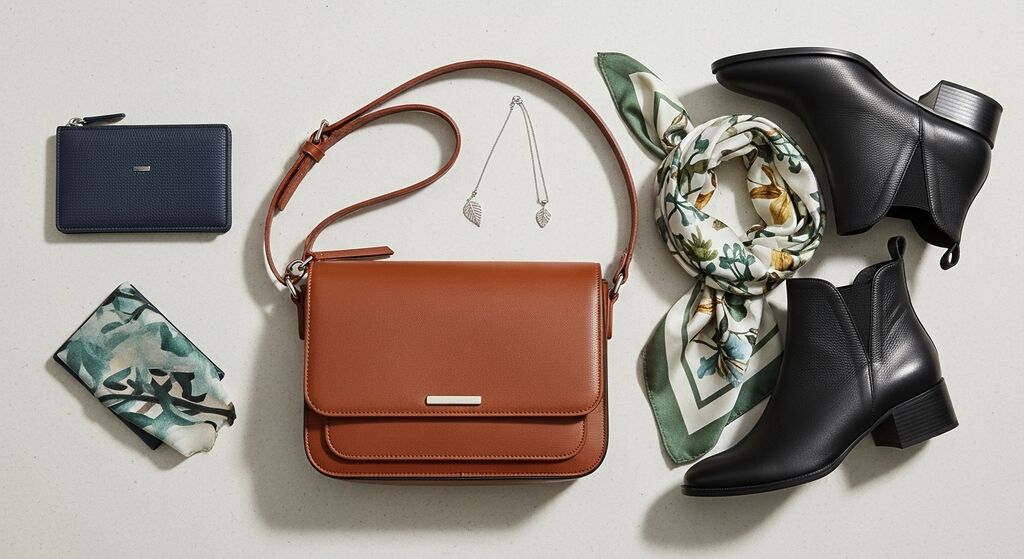
Finding the best vegan fashion brands isn’t just about avoiding leather and wool anymore. It is about building a wardrobe that aligns with your values without sacrificing style, quality, or comfort. Whether you have been vegan for years or are just starting to explore cruelty-free clothing options, navigating this space can feel overwhelming.
Our team has spent months researching materials, analyzing certifications, and testing garments from dozens of brands. We have talked to industry experts, scoured forum discussions, and identified the red flags that separate truly ethical brands from those simply cashing in on the vegan trend. This guide cuts through the noise to give you practical, actionable information you can trust.
In this comprehensive guide, you will learn what makes fashion truly vegan, which brands lead the way in each category, how to spot greenwashing, and practical tips for building a wardrobe you can feel good about wearing every single day.
Vegan fashion means clothing, shoes, and accessories made without any animal-derived materials. This includes the obvious culprits like leather and fur, but also extends to wool, silk, cashmere, down, and even certain glues and dyes that use animal products.
The best vegan fashion brands do not simply remove animal materials. They replace them with thoughtfully chosen alternatives that minimize environmental impact while maximizing durability and comfort. Understanding these materials is your first step toward making informed purchasing decisions.
Leather remains the most obvious material to avoid. Beyond the animal welfare concerns, conventional leather tanning uses chromium and other toxic chemicals that harm workers and pollute waterways. Wool production raises ethical concerns about sheep treatment, and silk production involves boiling silkworms alive.
Other materials to watch for include down feathers (used in jackets and bedding), angora (rabbit fur), and exotic skins like snakeskin or crocodile. Even pearl buttons and certain shell accessories fall under the animal-derived category.
Organic cotton tops the list of vegan-friendly materials. Unlike conventional cotton, organic varieties grow without synthetic pesticides and use significantly less water. Hemp deserves more attention than it gets. This fast-growing crop requires minimal water, no pesticides, and actually improves soil health. It creates durable fabric that softens beautifully with each wash.
Linen made from flax plants offers incredible breathability and becomes more comfortable over time. Tencel and lyocell, derived from sustainably harvested wood pulp, feel silky smooth while remaining fully biodegradable. For outerwear, look for alternatives to wool sweaters that use organic cotton blends, hemp, or innovative recycled materials.
PETA-approved vegan certification provides the most straightforward assurance that a brand contains no animal ingredients. The Vegan Society trademark offers similar verification. For environmental credentials, look for GOTS (Global Organic Textile Standard) certification for organic fibers, OEKO-TEX for chemical safety, and B Corp certification for overall social and environmental performance.
Fair Trade certification ensures workers throughout the supply chain receive fair wages and safe working conditions. While not specifically vegan, these certifications often align with the ethical values driving most vegan fashion choices.
The vegan fashion landscape has exploded in recent years. What started as a niche market limited to hemp sacks and plastic shoes now includes luxury designers, performance activewear, and everything in between. Here are the standout brands in each category based on our research and community feedback.
Stella McCartney stands as the undisputed pioneer of luxury vegan fashion. As a lifelong vegetarian, McCartney has never used leather or fur in her collections since launching her brand in 2001. Her designs prove that ethical fashion can compete at the highest levels of the industry. The brand continues to innovate with materials like recycled polyester, organic cotton, and regenerated cashmere alternatives. Prices reflect the luxury positioning, but the quality and timeless designs justify the investment for many shoppers.
Reformation has become a favorite among fashion-forward consumers seeking vegan options. While not exclusively vegan (they do use some wool and silk), they clearly label vegan-friendly items and maintain transparent supply chain information. Their flattering cuts and on-trend styles make them accessible to shoppers who want ethical fashion without looking like they are wearing “vegan clothes.” The brand publishes detailed environmental impact reports for each garment, setting a transparency standard others should follow.
Sydney Brown represents the emerging wave of vegan luxury shoe designers. Her handmade shoes use sustainable materials like cork, organic cotton, and recycled rubber while maintaining the craftsmanship expected in high-end footwear. Based in Los Angeles, the brand exemplifies how local production and ethical materials can coexist with luxury aesthetics.
Pangaia has captured attention for good reason. This materials science company turned fashion brand creates basics from innovative plant-based and recycled materials. Their signature products include hoodies and t-shirts made from seaweed fiber, organic cotton, and recycled plastic bottles. The brand offsets all carbon emissions and uses natural dyes. While prices run higher than fast fashion, the quality and innovative materials justify the cost for building a minimalist wardrobe.
Kotn focuses on creating premium basics from ethically sourced Egyptian cotton. While not exclusively vegan, their transparency about materials makes it easy to identify suitable pieces. They partner directly with cotton farming communities in Egypt’s Nile Delta, ensuring fair wages and investment in local infrastructure. The result is incredibly soft, durable basics that improve with age.
Patagonia deserves mention despite not being a fully vegan brand. Their commitment to repair, resale, and responsible materials makes them a practical choice for outdoor gear. Many of their synthetic insulation options provide excellent alternatives to down jackets. Their Worn Wear program, which resells used gear, extends the life of garments and reduces overall consumption.
Girlfriend Collective has revolutionized the activewear space with their commitment to transparency and recycled materials. They make leggings, sports bras, and tops from recycled water bottles and fishing nets recovered from the ocean. Every product page shows exactly how many bottles were diverted from landfills. Their inclusive sizing and range of colors have earned them a devoted following among yoga practitioners, runners, and casual gym-goers.
Harvest & Mill specializes in organic cotton essentials grown and sewn entirely in the United States. Their completely domestic supply chain reduces transportation emissions while supporting American farming communities. The undyed and naturally dyed options showcase the beauty of organic cotton in its purest form. For those seeking simple, versatile pieces that work for both lounging and light activity, this brand delivers exceptional quality.
If you are building a complete ethical workout wardrobe, explore our guide to sustainable activewear brands for additional options that prioritize both performance and planet. For base layers and underwear, our recommendations for sustainable vegan underwear include brands using hemp and organic cotton.
Matt & Nat has been creating vegan handbags and accessories since 1995, long before vegan fashion became trendy. Based in Montreal, they use materials including recycled nylon, cork, and rubber. Their bags offer accessible entry points into vegan accessories, with most styles priced between $80 and $150. The quality holds up well for daily use, and their classic designs avoid the seasonal turnover that creates waste.
Veja produces sneakers that have achieved cult status far beyond the vegan community. Their transparent production model reveals exactly who made your shoes and what materials went into them. They use organic cotton, wild rubber from the Amazon, and recycled plastic bottles. The minimalist designs work with virtually any outfit, making them a staple for conscious consumers who do not want to compromise on style.
Native Shoes creates lightweight, comfortable footwear from vegan materials. Their injection-molded EVA shoes are completely animal-free and surprisingly durable. The brand has committed to making all their shoes lifecycle-managed by 2023, offering recycling programs for worn-out pairs. Their slip-on styles have become favorites for travel and casual wear.
The most exciting developments in vegan fashion come from material innovation. Scientists and designers are creating alternatives that outperform animal materials while reducing environmental impact. Understanding these materials helps you identify quality pieces and support brands pushing the industry forward.
Apple leather transforms waste from the apple juice industry into a leather-like material. The process combines apple peels and cores with polyurethane to create a durable, flexible fabric. Italian company Frumat pioneered this technology, and brands like Samara and Good Guys Don’t Wear Leather now use it for bags and shoes. While not perfect (the polyurethane component is petroleum-derived), it represents a significant improvement over conventional leather in terms of animal welfare and chemical use.
Piñatex, developed by Ananas Anam, uses pineapple leaf fibers that would otherwise be burned as agricultural waste. The material has a distinctive texture similar to animal leather and has been adopted by major brands including Hugo Boss and Altiir. Unlike apple leather, Piñatex uses a bio-based coating rather than petroleum-derived polyurethane. It is biodegradable and creates additional income streams for pineapple farming communities in the Philippines.
Mylo, developed by Bolt Threads, grows from mycelium, the root structure of mushrooms. In just two weeks, agricultural waste and mycelium transform into a material indistinguishable from high-quality leather. Adidas, Stella McCartney, and lululemon have all released products using Mylo. The material requires minimal water and no harmful chemicals during production. When it becomes more widely available, mushroom leather could fundamentally change how we think about leather alternatives.
Desserto, created by Mexican company Adriano Di Marti, makes cactus leather from organically grown nopal cactus. The plants require no irrigation beyond natural rainfall and no pesticides. The resulting material is soft, durable, and partially biodegradable. Several automotive companies have begun testing cactus leather for car interiors, suggesting mainstream adoption may follow.
Cork has emerged as an excellent material for bags, wallets, and even shoes. Harvested from cork oak trees without cutting them down, cork production actually supports forest ecosystems and carbon sequestration. The material is naturally water-resistant, antimicrobial, and incredibly lightweight. Portuguese cork has gained particular recognition for quality, with brands like Corkor specializing exclusively in cork accessories.
For plant-based clothing options beyond these innovative materials, explore our recommendations for bamboo clothing brands. Bamboo offers many of the same sustainability benefits with a soft, luxurious feel.
Not every brand claiming to be vegan or ethical lives up to those promises. Greenwashing, the practice of making misleading environmental claims, runs rampant in fashion. The vegan category faces unique challenges because simply being animal-free does not automatically make something environmentally friendly.
The synthetic versus natural debate creates particular confusion. Traditional vegan leather made from PVC or polyurethane does avoid animal harm but introduces microplastic concerns and petroleum dependence. The best brands acknowledge this trade-off and work toward bio-based alternatives or closed-loop recycling systems.
Transparency serves as your best defense against greenwashing. Brands with nothing to hide typically publish detailed information about their factories, material sources, and environmental impact. Look for specific data rather than marketing language. A brand claiming carbon neutrality should explain how they measure emissions and what offsets they purchase.
Be wary of brands that suddenly pivot to vegan messaging without changing their core business practices. True commitment to ethical fashion shows in consistent policies across product lines, not just in marketing campaigns for specific collections.
Finding vegan fashion requires knowing where to look. While mainstream retailers increasingly carry vegan options, specialized retailers offer curated selections that save time and reduce the risk of accidental non-vegan purchases.
Immaculate Vegan operates as a premium marketplace featuring exclusively vegan and ethical brands. Their careful curation includes both established names and emerging designers. The site organizes products by category and values, making it easy to find pieces aligned with your specific priorities.
Project Cece aggregates products from hundreds of ethical brands, including many vegan options. Their filtering system allows you to search specifically for vegan materials while also filtering by sustainability certifications and price range. Based in Europe, they offer excellent options for international shoppers.
The Veganuary Shop supports the annual vegan challenge with year-round sales of vegan-friendly fashion. Proceeds support Veganuary’s education work, and their selections emphasize accessible price points suitable for those experimenting with vegan fashion.
Many vegan brands sell exclusively through their own websites. This direct-to-consumer model reduces costs and allows brands to maintain closer relationships with customers. Sign up for newsletters from your favorite brands to learn about sales and new releases. Most offer first-time buyer discounts between 10% and 20%.
Shopping directly also ensures you receive authentic products with full warranty coverage. Counterfeit vegan fashion has become increasingly common on third-party marketplaces, particularly for popular shoe brands like Veja.
The most sustainable vegan wardrobe incorporates secondhand pieces. Thrift shopping extends the life of existing garments and prevents additional resource use. Apps like Depop, Poshmark, and ThredUp offer extensive selections where you can search specifically for vegan materials.
When thrifting, bring a list of materials to avoid and check all labels carefully. Vintage wool and silk pieces are common in thrift stores, so vigilance matters. Focus on finding cotton, linen, and synthetic pieces that align with vegan values.
For building a sustainable wardrobe on any budget, consider combining our zero waste clothing options with strategic thrift shopping.
Transitioning to a fully vegan wardrobe does not happen overnight. Our community research shows that successful transitions follow specific patterns that minimize waste while maximizing satisfaction with your new pieces.
You do not need to discard your existing wardrobe. The most sustainable approach uses what you already own while ensuring future purchases align with vegan values. When an item wears out or no longer fits, replace it with a vegan alternative. This gradual approach spreads costs over time and prevents unnecessary waste.
Create a list of your most-worn items. These represent your best investment opportunities. A high-quality vegan coat, pair of shoes, or work bag that you use daily delivers more value than occasional wear pieces.
The vegan fashion community consistently emphasizes buying less but better. Fast fashion’s environmental impact undermines the ethical goals driving most vegan choices. Instead of buying five cheap items, invest in one well-made piece that lasts years.
Look for reinforced stitching, quality hardware, and timeless designs. Check care labels before purchasing. If an item requires dry cleaning or special maintenance you will not actually perform, it will not last regardless of initial quality.
Vegan materials often require different care than their animal-derived counterparts. Synthetic leathers clean easily with mild soap and water but can crack if exposed to excessive heat. Plant-based leathers like Piñatex benefit from occasional conditioning with approved products.
Organic cotton and hemp actually improve with proper washing. Avoid fabric softeners, which coat fibers and reduce breathability. Wash in cold water and line dry when possible to extend garment life and reduce energy use.
Store bags stuffed with paper to maintain shape. Keep vegan leather away from direct sunlight, which can cause fading and brittleness. With proper care, quality vegan pieces often outlast conventional alternatives.
The best vegan fashion brands include Stella McCartney for luxury, Pangaia for innovative basics, Girlfriend Collective for activewear, Matt & Nat for accessories, and Veja for sneakers. These brands combine cruelty-free materials with ethical production practices and transparency about their supply chains.
Look for organic cotton, hemp, linen, Tencel/lyocell, and innovative alternatives like Piñatex (pineapple leather), apple leather, mushroom leather (Mylo), and cork. Avoid leather, wool, silk, fur, down, and angora. Check for certifications like PETA-approved vegan, GOTS, and Fair Trade.
Shop at multi-brand retailers like Immaculate Vegan and Project Cece for curated selections. Many brands including Stella McCartney, Pangaia, and Matt & Nat sell directly through their websites. Secondhand apps like Depop and ThredUp offer sustainable vegan options at lower prices.
Vegan leather comes from various sources. Traditional options use polyurethane or PVC. Plant-based alternatives include Piñatex (pineapple leaves), apple leather (apple waste), mushroom leather/Mylo (mycelium), cactus leather (nopal), and cork. Emerging technologies continue improving sustainability and performance.
Yes, several luxury vegan fashion brands exist. Stella McCartney leads with high-end ready-to-wear that has never used leather or fur. Sydney Brown creates handmade vegan luxury shoes. Reformation offers designer-quality vegan-friendly pieces with transparent production. These brands prove ethical fashion can achieve luxury standards.
The best vegan fashion brands prove that style and ethics can coexist beautifully. From Stella McCartney’s luxury designs to innovative materials like mushroom leather and Piñatex, options now exist for every aesthetic and budget. The key lies in making informed choices based on verified information rather than marketing claims.
Remember that building a vegan wardrobe is a journey, not an overnight transformation. Start with your next purchase. Choose quality over quantity. Care for your pieces properly. And always look beyond the “vegan” label to understand the full impact of what you wear.
Whether you are motivated by animal welfare, environmental concerns, or personal health, the brands and materials covered in this guide offer a solid foundation for cruelty-free style. Share this guide with friends exploring vegan fashion, and visit us at GreenWashing Index for more resources on making truly sustainable choices.
Your wardrobe can reflect your values. The best vegan fashion brands make that reflection something you will be proud to wear every day.
