


After testing waterproof gear for over a decade, I’ve seen fabrics fail dramatically in the field and others exceed expectations completely. The difference often comes down to understanding which type of waterproof fabric matches your specific needs.
Waterproof fabrics are categorized into membrane laminates, coated textiles, tightly woven synthetics, and naturally resistant materials, each using different methods to block water penetration.
This guide breaks down every major waterproof fabric type, how they work, and which ones actually perform in real-world conditions.
Our rain jacket testing revealed that fabric choice matters more than most marketing suggests.
Understanding these three categories prevents disappointment when you’re caught in actual rain.
| Type | Water Protection | Typical Rating | Best For |
|---|---|---|---|
| Water-Repellent | Light rain, drizzle | None specified | Commuting, light activities |
| Water-Resistant | Short rain exposure | 1,000-5,000mm | Light hiking, urban use |
| Waterproof | Heavy rain, prolonged | 10,000mm+ | serious outdoor activities |
Water-repellent fabrics feature treatments that cause water to bead up on the surface. They handle light moisture but soak through eventually.
Water-resistant fabrics use tighter weaves or light coatings to shed water temporarily. They buy you time to find shelter but won’t protect you in a downpour.
Only waterproof fabrics provide reliable protection in sustained rain through membranes or heavy coatings that completely block liquid water penetration.
Waterproof fabrics fall into five main categories based on how they block water.
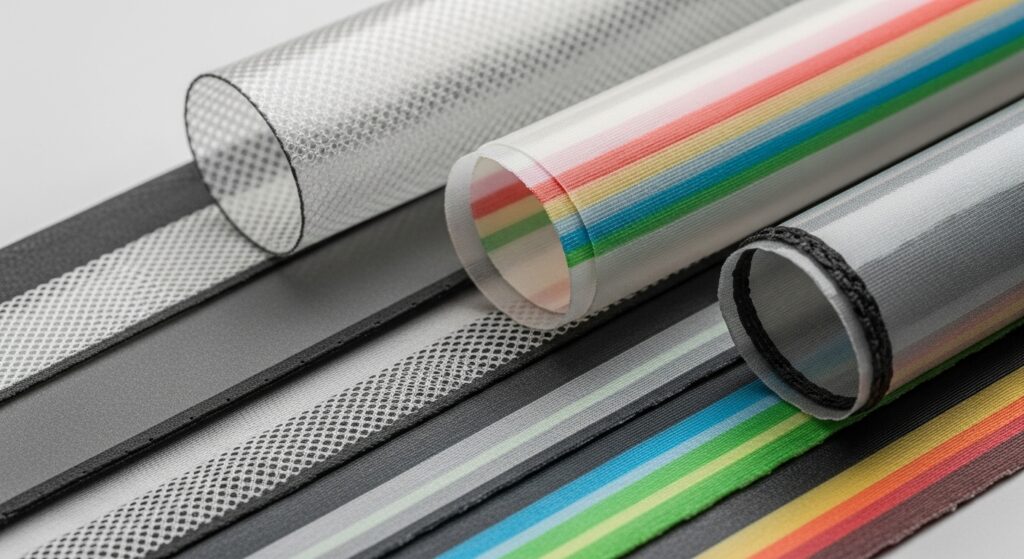
Membrane fabrics represent the gold standard for breathable waterproofing. A microporous layer gets sandwiched between face fabric and backing material.
Gore-Tex and ePTFE membranes use expanded polytetrafluoroethylene with pores 20,000 times smaller than water droplets but large enough for vapor to escape.
I’ve spent hundreds of hours testing Gore-Tex jackets in blizzard conditions. The membrane keeps wind and snow out while sweat evaporates, preventing that clammy feeling.
ePTFE: Expanded polytetrafluoroethylene, a microporous membrane with 1.4 billion pores per square centimeter that blocks liquid water but allows water vapor to pass through.
Proprietary membranes from brands like eVent, NeoShell, and Pertex use similar technology with different chemical formulations. Some are more breathable, others more durable.
Membrane fabrics cost more but deliver the best combination of waterproofing and breathability for active pursuits.
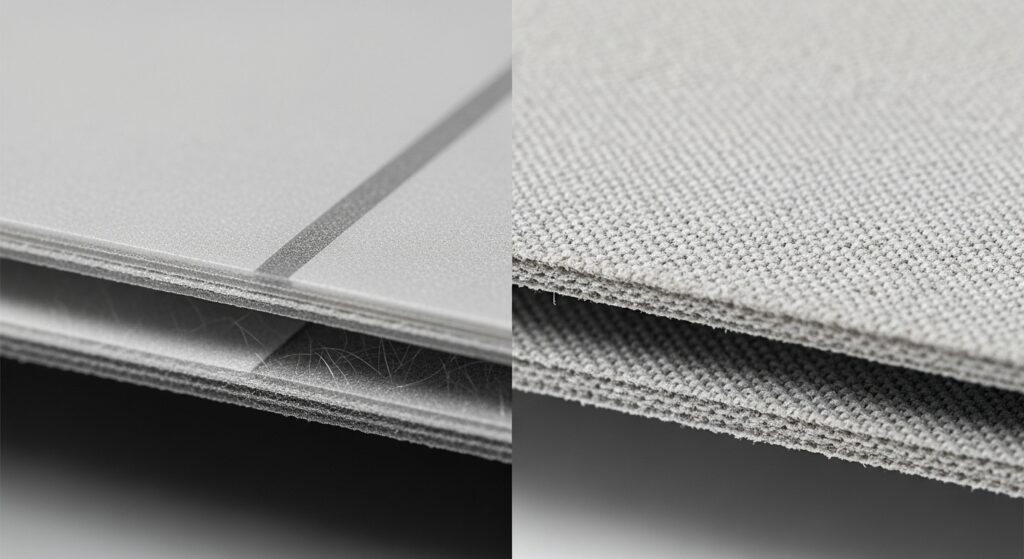
Coated fabrics apply waterproof materials directly to textile surfaces. simpler construction means lower cost but reduced breathability.
Polyurethane (PU) coating covers fabric with a polymer layer that completely blocks water. PU coatings vary from thin, flexible applications to thick, rubbery coatings.
PU-coated polyester costs a fraction of membrane fabrics and works well for stationary applications like tents or tarps where breathability matters less.
PVC (Polyvinyl Chloride) creates heavy-duty waterproofing for marine covers, truck tarps, and industrial applications. It’s essentially plastic sheeting bonded to fabric.
I use PVC covers for boat storage. They last years in sun and salt but would be miserable to wear hiking.
TPU (Thermoplastic Polyurethane) offers a middle ground with better flexibility and environmental profile than PVC. It’s common in technical rain pants and dry bags.
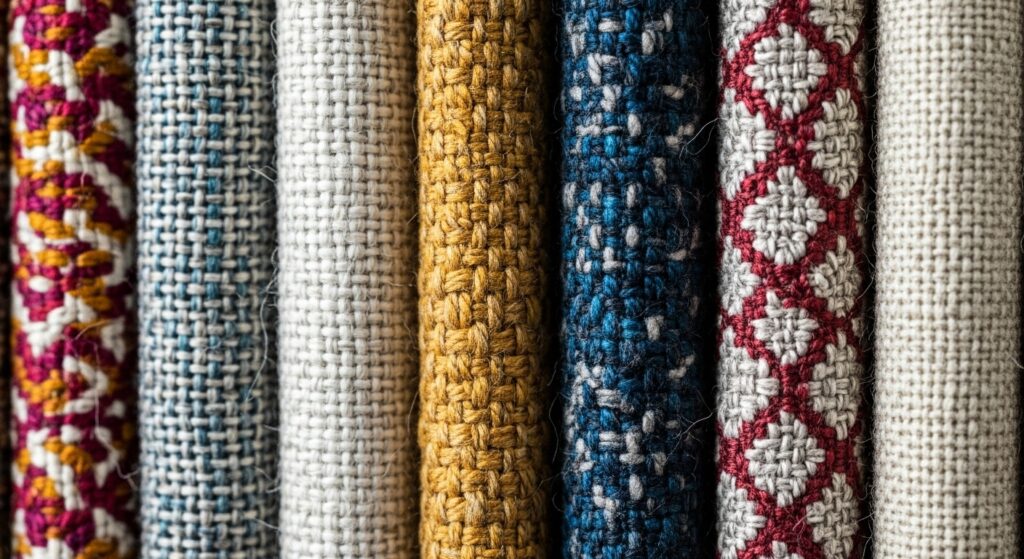
Some fabrics achieve water resistance through construction alone, without coatings or membranes.
Ripstop nylon uses a grid pattern of thicker threads woven into lightweight nylon. The tight weave combined with silicone or polyurethane coating sheds water effectively.
Ultralight tents use silnylon (silicone-impregnated nylon) that weighs almost nothing but keeps rain out. I’ve weathered thunderstorms in sub-two-pound shelters made from this material.
High-density woven polyester with thread counts above 300 threads per inch resists water penetration naturally. Add a DWR treatment and you get light waterproofing without a separate membrane.

Some fibers resist water naturally, enhanced by traditional treatments.
Wool fibers have a waxy coating called lanolin that sheds water. Heavy wool sweaters keep you warm even when wet because wool insulates while damp.
Wax-coated cotton (oilcloth) dates back centuries. Fabric gets impregnated with paraffin or beeswax, creating water-resistant canvas used in jackets and bags.
I own a waxed cotton field coat that’s patinaed beautifully over five years. It handles light rain well but needs annual re-waxing.
Densely woven cotton canvas swells when wet, closing gaps in the weave. Heavy canvas duck cloth resists water reasonably, though prolonged soaking eventually penetrates.

Specific applications spawned purpose-built waterproof materials.
PUL (Polyurethane Laminate) combines knit fabric with a thin PU layer. Originally for medical use, it’s now popular for cloth diapers and waterproof bags.
Oilcloth traditionally meant linen coated with boiled linseed oil. Modern versions use vinyl-printed designs for tablecloths and outdoor cushions.
Vinyl laminated fabrics bond PVC to polyester or cotton backing. You’ll find this on restaurant booth upholstery, shower curtains, and waterproof camping blankets.
Waterproof fabrics block water through three main mechanisms.
Physical barriers like membranes and coatings have pores too small for water droplets to pass. Water molecules measure about 0.3 nanometers while liquid droplets are 100-3,000 micrometers—a massive size difference that membranes exploit.
Chemical repellency comes from DWR (Durable Water Repellent) treatments applied to fabric surfaces. Fluorocarbon or hydrocarbon polymers lower surface tension, causing water to bead and roll off rather than wet out the fabric.
Note: DWR doesn’t make fabric waterproof—it protects the outer layer from saturation (wetting out), which would compromise breathability.
Hydrophilic membranes work differently than microporous types. They absorb moisture vapor on the inner surface and drive it through the membrane via pressure differences, releasing it on the outside. This maintains breathability even in cold conditions when pores might freeze.
Hydrophobic membranes like ePTFE have physical pores that block liquid water but allow vapor through. They’re more breathable but susceptible to contamination from oils and sweat.
Waterproof ratings use water column tests measuring how many millimeters of water pressure fabric withstands before leaking.
| Rating | Protection Level | Conditions |
|---|---|---|
| 0-5,000mm | Water-resistant | Light rain, short exposure |
| 5,000-10,000mm | Waterproof | Moderate rain, active use |
| 10,000-20,000mm | Highly waterproof | Heavy rain, all-day use |
| 20,000mm+ | Extreme waterproof | Downpours, expedition use |
Water Column Rating: The height of a water column (in millimeters) fabric can withstand before water penetrates. 10,000mm equals roughly 10 meters of water pressure—enough to handle most rain conditions.
For context, a heavy rainstorm exerts about 2,000mm of pressure. Quality hardshell jackets rated at 20,000mm+ can withstand torrential downpours and wind-driven rain.
Breathability ratings (MVTR – Moisture Vapor Transmission Rate) measure how much vapor passes through fabric in 24 hours. Higher numbers mean more breathable: 5,000-10,000g is decent, 15,000-20,000g is excellent.
Waterproof fabrics face legitimate environmental criticism, but the picture is more nuanced than many acknowledge.
PFAS concerns dominate the conversation. Traditional DWR treatments used perfluorocarbons (PFCs) that persist indefinitely in the environment. These “forever chemicals” accumulate in waterways and organisms.
The industry shifted to C6 fluorocarbons (shorter-chain), but concerns remain. Leading outdoor brands now offer PFAS-free alternatives using hydrocarbon DWR or proprietary non-fluorinated treatments.
Microplastic shedding affects all synthetic fabrics. Polyester and nylon shed microfibers during washing, eventually reaching oceans. Higher-quality laminates shed less, and some brands use mechanical filtration in production.
PVC problems include chlorine content, plasticizers that can leach, and difficulty recycling. TPU and PU alternatives have better environmental profiles.
Eco-friendly developments gaining traction include PFC-free DWR, recycled polyester membranes, bio-based polyurethanes, and single-polymer constructions designed for easier recycling.
Looking Forward: PFAS-free membranes from companies like Showers Pass and Hwa Fune prove performance doesn’t require forever chemicals. Expect rapid innovation in 2026 as regulations tighten.
Certifications to look for include bluesign (approved fabrics with reduced environmental impact), OEKO-TEX (tested for harmful substances), and GRS (Global Recycled Standard for recycled content).
Natural options like waxed cotton and wool have lower environmental impact but limited applications. They’re excellent for casual use but can’t match membrane fabrics for extreme conditions.
Match fabric to your specific use case rather than chasing the highest rating.
For active outdoor pursuits—hiking, skiing, running—breathable membranes like Gore-Tex or eVent prevent sweat buildup. The best waterproof gloves and jackets balance protection with vapor transmission.
For stationary protection—tents, tarps, covers—PU coatings or PVC work fine. Breathability matters less, and cost savings are substantial.
For urban commuting—short rides, walking to work—water-resistant fabrics with 5,000-10,000mm ratings handle typical conditions without the expense of expedition-grade gear.
For medical use—mattress protectors, hospital curtains—PUL provides liquid barrier protection with flexibility and washability.
For upholstery and marine—vinyl and heavy PVC withstand abrasion, UV exposure, and cleaning better than delicate membranes.
Waterproof fabrics completely block water penetration with ratings above 10,000mm, while water-resistant fabrics only handle light rain temporarily and typically range from 1,000-5,000mm. Waterproof fabrics use membranes or heavy coatings, whereas water-resistant fabrics rely on tight weaves and light treatments.
DWR (Durable Water Repellent) is a chemical treatment applied to fabric surfaces that causes water to bead up and roll off. It protects the outer fabric from saturation (wetting out) but doesn’t make fabric waterproof on its own. DWR works with waterproof membranes to maintain breathability.
PVC-coated fabrics and heavy-duty vinyl offer the longest waterproof lifespan with 5-10 years of outdoor use. For breathable options, Gore-Tex Pro and similar premium membranes provide 3-5 years of regular use before breathability declines. Durability depends on abrasion, UV exposure, and maintenance.
Most waterproof fabrics have environmental concerns, including PFAS in DWR treatments and microplastic shedding from synthetics. However, PFAS-free alternatives, recycled polyester membranes, and bio-based polyurethanes are improving the picture. Natural options like waxed cotton have lower impact but limited performance.
Quality membrane fabrics like Gore-Tex last 3-5 years with regular use before breathability declines significantly. Coated fabrics like PU and PVC last 5-10 years but are less breathable. DWR coatings wear off after 6-12 months of use and need reapplication for optimal performance.
Yes, but use technical detergents free of perfumes, softeners, and bleach. Wash on gentle cycle with warm water, rinse thoroughly, and hang dry. Avoid fabric softeners which clog membrane pores. Reapply DWR after washing by tumble drying on low or using a spray treatment.
Gore-Tex is made of expanded polytetrafluoroethylene (ePTFE), a membrane containing 1.4 billion microscopic pores per square inch. These pores are 20,000 times smaller than water droplets but 700 times larger than water vapor molecules, blocking liquid water while allowing perspiration to escape.
Water column rating measures waterproofness by determining how many millimeters of water pressure fabric can withstand before leaking. A 10,000mm rating equals supporting a 10-meter column of water—enough to handle heavy rain. Ratings above 20,000mm provide extreme waterproofing for expedition use.
After years testing gear in every condition from drizzly commutes to Sierra storms, I’ve learned that the “best” waterproof fabric depends entirely on your specific needs. Membrane fabrics excel for active pursuits, coatings work for stationary protection, and natural options suit casual use.
The most honest advice I can give: buy based on your actual use cases, not marketing claims about extreme ratings you’ll never need. And consider PFAS-free options—performance has caught up, and your environmental footprint matters.
