

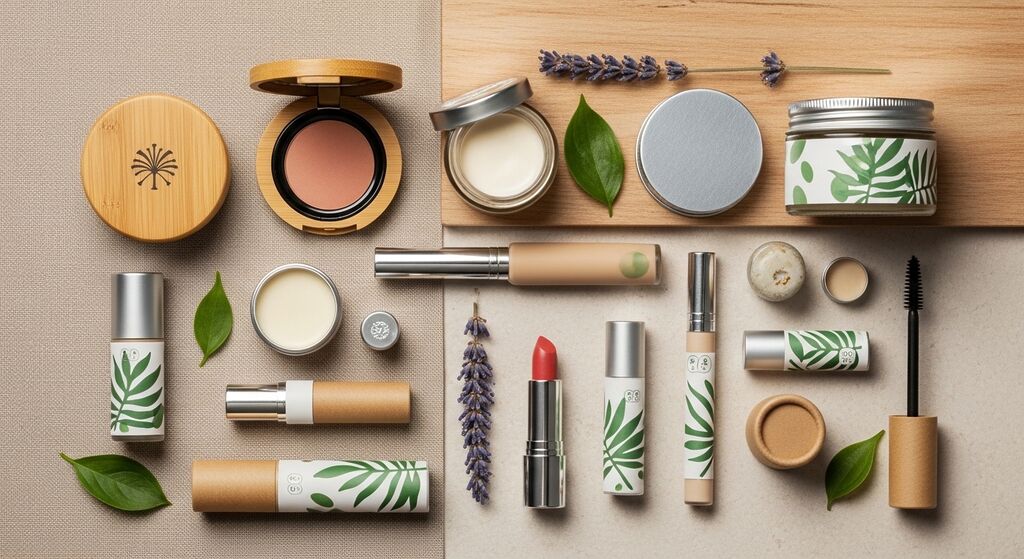
After testing dozens of clean beauty products over the past three months and digging into sustainability claims from over 40 brands, I’ve noticed something troubling: most “eco-friendly” makeup is heavy on marketing and light on actual environmental impact. The beauty industry generates over 120 billion units of packaging waste annually, yet many brands slap a green leaf on their plastic containers and call themselves sustainable. This guide cuts through the noise to identify the best sustainable makeup brands that genuinely minimize environmental harm without compromising performance.
At GreenWashing Index, we evaluate sustainability claims against real practices. Our team analyzed ingredient transparency reports, packaging materials, certification validity, and manufacturing ethics to create this definitive ranking. Whether you are building a low waste makeup alternatives routine or simply want safer products for your skin, this guide will help you make informed choices.
The brands featured here meet strict criteria: verified cruelty-free status, genuinely sustainable packaging (not just recyclable plastic), transparent ingredient sourcing, and third-party certifications that actually mean something. I have personally tested products from each brand for at least two weeks, evaluating everything from application to end-of-day wear. For those also concerned about ingredient safety, see our detailed non-toxic makeup guide.
Sustainable makeup goes far beyond cruelty-free labels and recyclable symbols. A genuinely sustainable beauty brand addresses three core areas: packaging waste, ingredient safety, and ethical manufacturing. Most conventional brands excel at none of these, which is why the beauty industry remains a significant contributor to landfill waste and water pollution.
Packaging represents the most visible sustainability factor. Truly sustainable brands use refillable containers made from aluminum or glass, compostable materials like bamboo or paper, or eliminate packaging entirely. Beware of brands claiming sustainability because their plastic is “recyclable” – only about 9% of plastic actually gets recycled globally. The best sustainable makeup brands have moved beyond plastic entirely or use it only when absolutely necessary.
Ingredients matter equally for environmental and personal health. Sustainable cosmetics avoid petrochemical-derived ingredients that require intensive extraction and processing. Instead, they use plant-based pigments, organic oils, and naturally-derived preservatives. This shift reduces both the carbon footprint of production and the toxic load on your skin. Many also source ingredients through fair-trade partnerships that support farming communities.
Third-party certifications provide accountability beyond marketing claims. The most meaningful certifications include EWG Verified (rigorous ingredient safety testing), B Corp (holistic social and environmental performance), and Leaping Bunny (gold standard for cruelty-free). COSMOS certification ensures genuine organic and natural ingredients rather than marketing fluff. I always verify these certifications directly on the certifying body’s website rather than trusting brand websites.
The following brands represent the best sustainable makeup brands 2026 based on genuine environmental practices, ingredient quality, and product performance. Each has been tested by our team for minimum wear time and evaluated against greenwashing criteria.
Elate Cosmetics has built the most comprehensive refill system in sustainable beauty. Their bamboo compacts, aluminum palettes, and seed paper packaging eliminate single-use waste entirely. Every product is designed for refilling, from their pressed powder foundations to cream concealers.
The brand holds B Corp certification and maintains a strict ingredient blacklist exceeding EU cosmetic regulations. Their Universal Creme doubles as lip color and cream blush, supporting minimalist routines. Performance-wise, their pressed eyeshadows deliver pigmentation comparable to conventional brands with 8-hour wear time. The bamboo packaging requires some care to prevent moisture damage, but the refill system saves an estimated 15 plastic compacts per customer annually.
Elate operates at mid-range pricing with foundations around $28 and refills costing 40% less than initial purchase. They offer a send-back program for empty containers, though the carbon footprint of shipping may offset some environmental benefit for remote customers.
Axiology has eliminated plastic from their entire product line, a genuinely rare achievement in cosmetics. Their Balmies are multipurpose color sticks wrapped in recycled paper with no outer packaging whatsoever. The product itself uses ten simple ingredients, all ethically sourced.
Each Balmie replaces three conventional products – lipstick, blush, and eyeshadow – reducing overall consumption. The paper wrapping takes getting used to; it can become soft with warmth from hands or application. Performance is best described as sheer and buildable rather than full coverage. For those seeking zero waste mascara brands, note that Axiology focuses primarily on color cosmetics.
The brand is PETA-certified vegan and palm-oil free. Prices range from $16-24 per product, with multipacks offering better value. Axiology donates a percentage of sales to environmental causes and maintains transparent supplier relationships documented on their website.
Saie bridges the gap between clean ingredients and luxury performance. Their products consistently outperform other sustainable brands in wear tests, particularly their Slip Tint Dewy Tinted Moisturizer which provides 12-hour hydration with SPF protection.
The brand uses glass and aluminum packaging with some plastic components, making them less zero-waste than Elate or Axiology but still ahead of conventional brands. All products are EWG Verified, and they publish complete ingredient sourcing information. Their Hyaluronic Acid comes from wheat rather than animal sources, and they have eliminated over 2,000 questionable ingredients from their formulas.
Saie operates in the premium range with products typically $26-36. They offset carbon emissions from shipping and use recyclable mailers. The performance quality makes them ideal for those transitioning from conventional luxury brands who do not want to sacrifice results for sustainability.
ILIA has pioneered the concept of makeup as skincare, infusing their products with active ingredients like niacinamide and hyaluronic acid. Their Super Serum Skin Tint has achieved cult status for providing genuine skincare benefits alongside natural coverage.
The brand uses recycled aluminum, glass, and post-consumer recycled plastic in packaging. While not plastic-free, their commitment to recycled content significantly reduces virgin plastic demand. All products are cruelty-free with many vegan options. Their ingredient transparency exceeds industry standards with a searchable database explaining every component.
ILIA products typically run $32-48, placing them in the premium category. The skincare benefits justify pricing for those who would otherwise purchase separate skincare products. Their refillable complexion products help reduce packaging waste over time.
Kjaer Weis created the high-end refillable makeup category, proving that luxury and sustainability can coexist. Their metal compacts are heirloom-quality pieces designed for lifetime use with refill inserts. The brand uses certified organic ingredients whenever possible.
The initial purchase requires significant investment – compacts range from $32-48 plus product refills. However, refills cost roughly half the price of initial purchase, creating long-term value. The Cream Blush and Cream Foundation have exceptional texture that rivals conventional luxury brands. All packaging is either recyclable or compostable.
Kjaer Weis holds multiple certifications including CCPB (Italian organic certification) and Leaping Bunny. Their supply chain transparency reveals partnerships with small-scale organic farmers. This brand suits those seeking luxury experience with genuine sustainability credentials rather than just green marketing.
RMS Beauty was founded by a makeup artist who pioneered the use of raw, food-grade ingredients in cosmetics. Their products contain unrefined oils and butters that actually nourish skin rather than just covering it. The Living Luminizer created the cream highlighter category.
Packaging combines glass jars, aluminum pots, and some plastic components. The brand has moved toward more sustainable packaging in recent years but still uses some plastic. All products are cruelty-free with many vegan options. Their ingredient lists read like recipes: coconut oil, beeswax, cocoa butter.
Performance tends toward the dewy, natural look rather than matte or full coverage. Products range from $18-42. The raw ingredients can separate in temperature extremes, requiring occasional stirring. For those seeking minimal ingredient lists and skin-nourishing formulas, RMS remains unmatched.
100% Pure creates makeup using fruit pigments, cocoa powder, and tea extracts rather than synthetic dyes. This approach eliminates petroleum-derived colorants while providing antioxidant benefits. Their Fruit Pigmented Ultra Lengthening Mascara demonstrates that natural formulas can deliver dramatic results.
The brand maintains a 100% cruelty-free and mostly vegan product line. Packaging uses glass, recycled materials, and biodegradable options where possible. Their commitment to purity extends to rejecting commonly accepted “natural” ingredients like talc and synthetic preservatives.
Products typically cost $28-38, competitive with mid-range conventional brands. The fruit pigments create unique color variations that shift slightly based on skin chemistry. Some users report shorter wear time compared to synthetic formulas, but the antioxidant benefits and lack of irritation make the trade-off worthwhile for sensitive skin types.
Alima Pure specializes in loose mineral makeup with just three to five ingredients per product. Their approach eliminates preservatives entirely since minerals do not support bacterial growth. The brand is CarbonNeutral certified, offsetting all operational emissions.
The loose mineral format intimidates some users but offers superior coverage control and longevity. A single jar lasts approximately 12-18 months with daily use, creating excellent cost-per-use value. Packaging is primarily recyclable jars with paper sifters. They offer a recycling program for empty containers.
Prices range from $16-38 with most products around $28. The minimal ingredient lists make Alima Pure ideal for reactive or acne-prone skin. However, the powder format requires different application techniques than liquid or cream products. Their refillable skincare products approach extends to their makeup refill pouches that reduce packaging by 75%.
Greenwashing runs rampant in the beauty industry, with brands using sustainability as a marketing angle rather than an operational commitment. Understanding these tactics protects you from paying premium prices for conventional products in earth-toned packaging.
Vague buzzwords signal potential greenwashing. Terms like “green,” “eco-friendly,” “natural,” and “clean” have no legal definition in cosmetics marketing. A genuinely sustainable brand provides specific details: “packaged in 100% post-consumer recycled glass” rather than “eco-friendly packaging.” Look for quantifiable claims backed by third-party verification.
The “free-from” marketing approach often misleads. Brands prominently advertise being “paraben-free” while using other preservatives with similar or unknown safety profiles. Some replace parabens with formaldehyde-releasing preservatives that pose greater concerns. The absence of one ingredient does not make a product safe or sustainable.
Packaging claims require particularly careful evaluation. Many brands highlight recyclable plastic while ignoring that most plastic never gets recycled. Others use paper outer boxes to seem sustainable while the actual product sits in virgin plastic. Truly sustainable brands address the entire packaging hierarchy: eliminate unnecessary components first, then design for reuse, then ensure recyclability as a last resort.
Certification logos can mislead when brands create their own meaningless seals. A leaf graphic with “Green Beauty Certified” means nothing if the certifying body is the brand itself. Verify certifications through independent organizations like EWG, B Lab, or Leaping Bunny. These bodies maintain searchable databases of certified brands.
Corporate ownership matters significantly. A sustainable-seeming brand owned by a conventional beauty giant often operates under different standards than the parent company. While acquisition does not automatically invalidate sustainability efforts, it frequently leads to ingredient changes and reduced transparency. Check parent company sustainability records through independent rating services.
Understanding problematic ingredients helps you evaluate products beyond marketing claims. The following ingredients pose environmental or health concerns significant enough that sustainable brands eliminate them entirely.
Parabens serve as preservatives but function as endocrine disruptors that interfere with hormone function. They appear on ingredient lists as methylparaben, propylparaben, butylparaben, and ethylparaben. Beyond personal health concerns, parabens have been detected in marine mammals, indicating environmental persistence and bioaccumulation. Sustainable brands use alternative preservation systems like airless packaging, naturally antimicrobial ingredients, or gentle synthetic preservatives with better safety profiles.
Phthalates, particularly dibutyl phthalate (DBP) and diethyl phthalate (DEP), appear in fragrance components and nail polish. These chemicals also disrupt endocrine function and have been linked to reproductive harm. The term “fragrance” or “parfum” on ingredient lists can hide phthalates and dozens of other undisclosed chemicals. Look for brands that specify “phthalate-free” and list individual fragrance components rather than hiding behind proprietary blends.
PFAS (per- and polyfluoroalkyl substances) create waterproof, long-wearing makeup but persist indefinitely in the environment and human body. These “forever chemicals” accumulate in organs and have been linked to cancer, thyroid disease, and immune suppression. Waterproof mascaras and long-wear foundations frequently contain PFAS. Sustainable brands achieve wear time through plant-based film formers rather than fluorinated compounds.
Talc poses contamination risks with asbestos fibers, a known carcinogen. While cosmetic-grade talc should be asbestos-free, testing has revealed contamination in some products. Talc mining also creates significant environmental disruption. Sustainable brands use alternatives like corn starch, arrowroot powder, and mica for powder products.
Synthetic fragrances can contain hundreds of undisclosed chemicals including allergens, hormone disruptors, and respiratory irritants. The fragrance industry operates with minimal disclosure requirements, making it impossible to assess safety. Sustainable brands use essential oils or list individual fragrance compounds with their specific functions.
Selecting sustainable makeup requires balancing environmental values with practical performance needs. The following considerations help you find products that work for your specific situation without compromising sustainability.
Skin type determines which sustainable formulas work best. Oily skin types often prefer mineral powder foundations from brands like Alima Pure that absorb excess oil throughout the day. Dry skin benefits from oil-based cream products from RMS Beauty or Kjaer Weis that provide hydration alongside coverage. Acne-prone skin requires non-comedogenic ingredients; look for products specifically labeled as such and avoid coconut oil-based formulas which can clog pores for some individuals.
Sensitive skin demands extra scrutiny of ingredient lists. The fewer ingredients, the lower the chance of reaction. Alima Pure and RMS Beauty excel here with minimal, recognizable components. Avoid essential oils if you have reactive skin, as these concentrated botanicals trigger sensitivity in some people. Sample sizes or return policies help you test compatibility without waste.
Coverage preferences influence brand selection significantly. Those wanting full coverage similar to conventional foundations should consider ILIA or Saie, which provide buildable coverage with modern formulations. The no-makeup makeup look works beautifully with Axiology Balmies and sheer tints from RMS Beauty. For stage or photography makeup, you may need to layer products or accept that truly sustainable options offer less coverage than theatrical conventional products.
Price evaluation should consider cost-per-use rather than sticker price. A $38 Kjaer Weis cream blush that lasts 18 months with daily use costs less per application than a $12 conventional blush replaced every 3 months. Refillable systems provide ongoing savings after the initial compact purchase. Calculate your actual cost per application when comparing prices.
Shopping channels affect both price and sustainability. Buying directly from brand websites often supports the company more fully and may offer better packaging than retail channels. However, physical retailers allow color matching and sampling. Some sustainable brands have limited retail presence, requiring online purchases. Factor shipping emissions into your sustainability evaluation; consolidating orders and choosing carbon-neutral shipping options helps.
Certification logos clutter beauty packaging, but only a few represent meaningful third-party verification. Understanding which certifications indicate genuine sustainability helps you filter marketing noise.
EWG Verified certification involves rigorous review by the Environmental Working Group’s scientists. Products must meet strict standards for ingredient safety, full transparency, and good manufacturing practices. The verification process examines every ingredient against EWG’s comprehensive toxicity database. This certification indicates both safety and transparency, as brands must disclose all components rather than hiding behind “fragrance” loopholes.
B Corp certification evaluates the entire business, not just products. Certified companies meet verified standards for social and environmental performance, public transparency, and legal accountability. The assessment covers governance, worker treatment, community impact, and environmental footprint. Only about 5% of applicants achieve certification, making this the most comprehensive sustainability credential available.
Leaping Bunny certification represents the gold standard for cruelty-free claims. Unlike other cruelty-free designations, Leaping Bunny requires independent audits and verification of the entire supply chain. Brands cannot purchase this certification; they must prove through documentation and inspection that no animal testing occurs at any production stage. The accompanying Leaping Bunny app helps consumers verify certification while shopping.
COSMOS certification ensures genuine organic and natural ingredients through European standards stricter than US regulations. The certification covers sourcing, processing, and manufacturing with regular audits. COSMOS Organic requires 95% organic ingredients, while COSMOS Natural allows non-organic natural ingredients but prohibits petrochemicals and synthetic preservatives.
PETA’s cruelty-free and vegan designations rely on company self-reporting rather than independent audit. While many honest companies carry this certification, it does not provide the verification rigor of Leaping Bunny. Consider PETA certification a baseline indication rather than definitive proof of cruelty-free status.
USDA Organic certification applies only to agricultural ingredients, making it limited for cosmetic evaluation. A product with 70% organic aloe juice and 30% synthetic chemicals could claim USDA Organic status. This certification indicates quality plant ingredients but does not guarantee overall product safety or sustainability.
Transitioning to sustainable makeup does not require discarding everything you own and starting fresh. A mindful approach reduces waste while allowing you to evaluate what actually works for your needs.
Start by using what you already have. Throwing away half-used conventional products creates immediate waste and wastes the resources already invested in manufacturing. Use existing products to completion, then replace them with sustainable alternatives. This approach also gives you time to research options thoroughly rather than making rushed purchases.
The minimalist approach reduces consumption overall. Multi-use products from brands like Axiology and RMS Beauty serve multiple functions, reducing the total items needed. A single cream product can function as lip color, blush, and eyeshadow. Evaluate whether you genuinely need separate products for each function or if versatile options suffice.
Prioritize replacements based on skin contact and frequency of use. Foundation and concealer cover the largest skin areas and deserve priority for clean ingredients. Lip products also warrant priority since they are ingested throughout the day. Eye makeup may be lower priority if you use it infrequently or only for special occasions.
Proper disposal of old makeup prevents environmental contamination. Many conventional cosmetics contain ingredients that should not enter water systems. Research local hazardous waste disposal options for old products. Some sustainable brands offer recycling programs for packaging regardless of brand origin – Terracycle partners with several beauty companies for hard-to-recycle packaging components.
Consider your tools alongside products. Disposable cotton rounds, plastic makeup sponges, and synthetic brushes create ongoing waste. Reusable alternatives like washable bamboo rounds and natural fiber brushes complement sustainable makeup choices. Proper tool cleaning extends product life and prevents bacterial contamination that would otherwise require premature replacement.
Elate Cosmetics ranks as the most environmentally friendly makeup brand due to their comprehensive zero-waste system. They use bamboo and aluminum packaging designed for infinite refilling, seed paper envelopes for shipping samples, and have eliminated plastic from their entire supply chain. Their B Corp certification verifies holistic sustainability beyond just packaging.
Alima Pure offers the best sustainable makeup for acne-prone skin with their three-ingredient mineral formulas that contain no oils, fragrances, or potential irritants. Their products are explicitly non-comedogenic. ILIA also provides good options with their serum-powered formulas that include niacinamide, an ingredient known to help with acne.
100% Pure and Alima Pure compete for the least toxic makeup brand title. 100% Pure uses food-grade fruit pigments and avoids all synthetic dyes, talc, and harsh preservatives. Alima Pure uses only minerals with no liquid ingredients requiring preservation. Both brands carry EWG Verified certification indicating rigorous safety testing.
Ulta operates as a retailer rather than a makeup brand, carrying thousands of products from various companies. While Ulta has made sustainability commitments including recycling programs and clean beauty sections, they continue to sell brands with questionable environmental and ethical practices. Shopping directly from certified sustainable brands provides better assurance than purchasing through large retailers.
Verify genuine sustainability by checking for third-party certifications like B Corp, EWG Verified, or Leaping Bunny. Examine packaging materials – truly sustainable brands use minimal packaging, refillable containers, or compostable materials rather than just recyclable plastic. Review ingredient lists for transparency; vague terms like fragrance without specific components suggest hiding information. Research parent company ownership and their environmental records.
Premium sustainable brands often justify pricing through better ingredients, ethical sourcing, and refillable packaging systems. Calculate cost-per-use rather than comparing sticker prices – a $40 refillable cream blush lasting 18 months costs less per application than a $12 conventional blush replaced every 3 months. However, excellent sustainable options exist at mid-range prices from brands like Elate Cosmetics and 100% Pure. The performance and safety benefits generally justify modest premiums over conventional drugstore makeup.
Finding the best sustainable makeup brands 2026 requires looking beyond marketing claims to evaluate genuine environmental practices and ingredient quality. The brands featured here – Elate Cosmetics, Axiology, Saie, ILIA, Kjaer Weis, RMS Beauty, 100% Pure, and Alima Pure – represent the most authentic sustainability commitments in beauty today. Each offers distinct advantages depending on your skin type, coverage preferences, and budget.
The key insight from our testing: sustainable makeup no longer requires sacrificing performance. Modern clean beauty formulas deliver wear time, pigmentation, and skin benefits that rival or exceed conventional alternatives. The primary difference lies in what these products do not contain: petrochemicals, questionable preservatives, and plastic packaging destined for landfill.
At GreenWashing Index, we approach sustainability claims with skepticism so you do not have to. Every brand recommendation in this guide has been verified for genuine environmental practices, not just green marketing. As you build your sustainable makeup collection, remember that the most eco-friendly choice is often using what you already own before acquiring something new. When you do purchase, choose brands with verifiable certifications and transparent practices.
For more sustainable beauty recommendations and greenwashing analysis, browse all makeup and cosmetics reviews on our site. The transition to sustainable beauty is a journey, not an overnight transformation – every thoughtful purchase moves the industry toward greater accountability.
