


There’s a certain confidence that comes with a green label. It signals responsibility, forward thinking, and a willingness to do better. But once you move past the packaging and the press releases, things get less tidy. Companies across industries have learned that sustainability sells, yet many are still figuring out how to actually deliver on it in ways that hold up under scrutiny.
The gap between messaging and reality has become harder to ignore. Regulators are paying attention, consumers are asking sharper questions, and internal teams are being pushed to back up claims with something more substantial than a recycled slogan. The conversation is shifting, and not gently.
A lot of sustainability language sounds impressive until you try to define it. Terms like eco friendly, carbon neutral, and responsibly sourced get used so often that they start to lose meaning. That doesn’t always come from bad intent. Sometimes it’s just marketing moving faster than operations can keep up.
Still, vague language creates room for misinterpretation. A company might highlight a small improvement while ignoring a much larger environmental footprint elsewhere. Or it might rely on offsets instead of reducing emissions directly. The result is a story that feels complete on the surface but falls apart when you look at the full picture.
That disconnect has consequences. Once trust is shaken, it’s hard to rebuild, and consumers are getting better at spotting inconsistencies.
Sustainability often gets framed around what customers see, packaging, materials, and branding. What happens behind the scenes tells a different story. Industrial waste, chemical spills, and improper disposal practices rarely make it into marketing copy, but they’re where a company’s environmental impact really shows.
In sectors like manufacturing and logistics, cleanup isn’t optional, it’s a constant. Handling hazardous materials requires strict protocols, specialized training, and real accountability. That’s where professional spill cleanup services come into play. These services don’t just remove visible damage, they manage contamination risks that could otherwise linger in soil, water, or air.
Companies that invest in proper cleanup and reporting tend to have fewer surprises down the line. It’s not glamorous work, but it’s one of the clearest indicators that a business is serious about reducing harm rather than just talking about it.
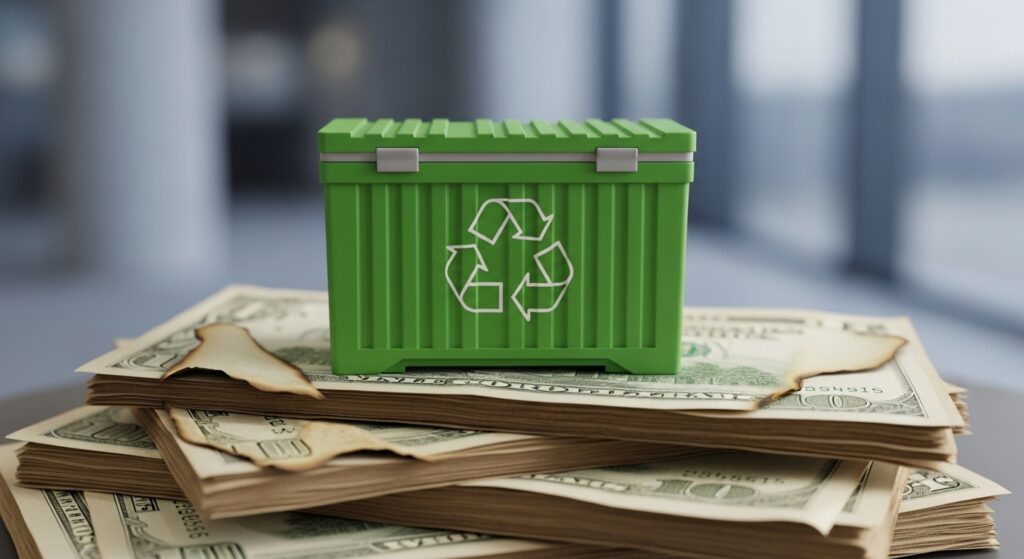
Recycling has been positioned as a kind of safety net, a way to offset consumption without changing behavior too much. In reality, it’s far more complicated. Not everything that goes into a recycling bin actually gets recycled, and the process itself requires energy, infrastructure, and coordination that isn’t always in place.
Electronics are a good example. People assume that dropping off an old device means it will be responsibly handled. But even disposing of old televisions can involve materials that are difficult to process safely, including heavy metals and components that don’t break down easily. Without proper systems, those items can end up in landfills or exported to regions with less oversight.
This doesn’t mean recycling is pointless. It means it can’t carry the entire weight of sustainability efforts. Reduction and reuse still matter, even if they’re harder to market.
If you follow a product back far enough, you’ll usually find a trail that spans multiple countries, regulations, and labor conditions. That’s where many green claims start to unravel. A company might improve its own operations while relying on suppliers that operate under very different standards.
Transparency is improving, but it’s uneven. Some businesses now publish detailed reports about sourcing, emissions, and labor practices. Others offer broad assurances without much detail. The difference is becoming more visible, especially as third party audits and independent investigations gain traction.
Supply chains are complicated by nature, and no system is perfect. But acknowledging that complexity tends to build more trust than pretending it doesn’t exist.
For a long time, sustainability claims operated in a kind of gray area. That’s starting to change. Governments and regulatory bodies are introducing stricter guidelines around environmental marketing, requiring companies to substantiate their claims with data.
This shift isn’t just about penalties, it’s about standardization. When everyone plays by the same rules, it becomes easier to compare companies and hold them accountable. It also pushes businesses to invest in real improvements rather than surface level changes.
Some companies are adapting quickly, integrating sustainability into their core operations. Others are finding that retrofitting credibility is harder than it looks.
Real progress tends to look less polished than a marketing campaign. It shows up in incremental changes, better waste management systems, more efficient processes, and long term planning that doesn’t always deliver immediate headlines.
It also requires a willingness to admit where things fall short. That kind of honesty doesn’t always align with traditional branding strategies, but it resonates with audiences who are paying attention.
Consumers are part of this equation too. Demand shapes behavior, and more informed choices can push companies to raise their standards. It’s not about perfection, it’s about direction and consistency.
The conversation around sustainability isn’t going away. If anything, it’s becoming more detailed, more technical, and less forgiving of shortcuts. Companies that embrace that shift, even when it’s uncomfortable, tend to come out ahead.
Green claims can still mean something, but only if they’re backed by actions that hold up beyond the label.
Sustainability is no longer a branding exercise you can finesse your way through. The closer you look, the more the details matter, and those details are starting to carry real weight.
