


Choosing the best non-toxic yoga mats has become increasingly important as more practitioners realize their current mat might be off-gassing harmful chemicals during every downward dog. After spending hours researching lab tests, certification standards, and community discussions on forums like Reddit’s r/PlasticFreeLiving, I’ve learned that not all “eco-friendly” labels tell the full story. Some mats marketed as green alternatives still contain questionable materials that could affect your health over time.
When searching for truly non-toxic options, look for mats made from natural tree rubber, sustainably harvested cork, and organic cotton rather than synthetic alternatives. These materials skip the petroleum-based chemicals found in conventional PVC mats while offering superior grip and longevity. The ideal mat should carry third-party certifications like GOTS or OEKO-TEX rather than relying on vague marketing claims.
In this guide, I’ve tested and analyzed 15 of the safest yoga mats available 2026, ranging from budget-friendly TPE options to premium natural rubber and cork selections. Whether you practice hot yoga, restorative sessions, or travel frequently, you’ll find a genuinely non-toxic option that matches your needs and values.
Looking for a quick recommendation? These three mats stand out for their genuinely non-toxic materials, verified certifications, and real-world performance across different practice styles.


Compare all 15 mats at a glance. Each option below has been vetted for genuinely non-toxic materials and carries relevant safety certifications.
| Product | Features | Price |
|---|---|---|
 |
|
Check Latest Price |
 |
|
Check Latest Price |
 |
|
Check Latest Price |
 |
|
Check Latest Price |
 |
|
Check Latest Price |
 |
|
Check Latest Price |
 |
|
Check Latest Price |
 |
|
Check Latest Price |
 |
|
Check Latest Price |
 |
|
Check Latest Price |
| Live Well 360 Organic Cotton Mat |
|
Check Latest Price |
 |
|
Check Latest Price |
 |
|
Check Latest Price |
 |
|
Check Latest Price |
 |
|
Check Latest Price |
100% natural open-cell rubber
No PVC, phthalates, or heavy metals
68x24 inches, 3/16 inch thick
Tree planted per mat sold
Made in USA
After testing the JadeYoga Harmony through multiple hot yoga sessions and gentle flow classes, I understand why this mat appears in virtually every serious recommendation for non-toxic yoga gear. The moment you unroll it, there’s no mistaking that this is real rubber, not a synthetic imitation. The open-cell construction creates a surface that actually grips better as you sweat, the opposite of most conventional mats that become slippery pools.
What sets Jade apart isn’t just the material quality; it’s their commitment to proving it. While many brands make vague “eco-friendly” claims, Jade publishes their complete material specifications and backs every purchase with an actual tree planted through their partnership with Trees for the Future. With over 2.5 million trees planted to date, this is verifiable impact rather than marketing fluff.
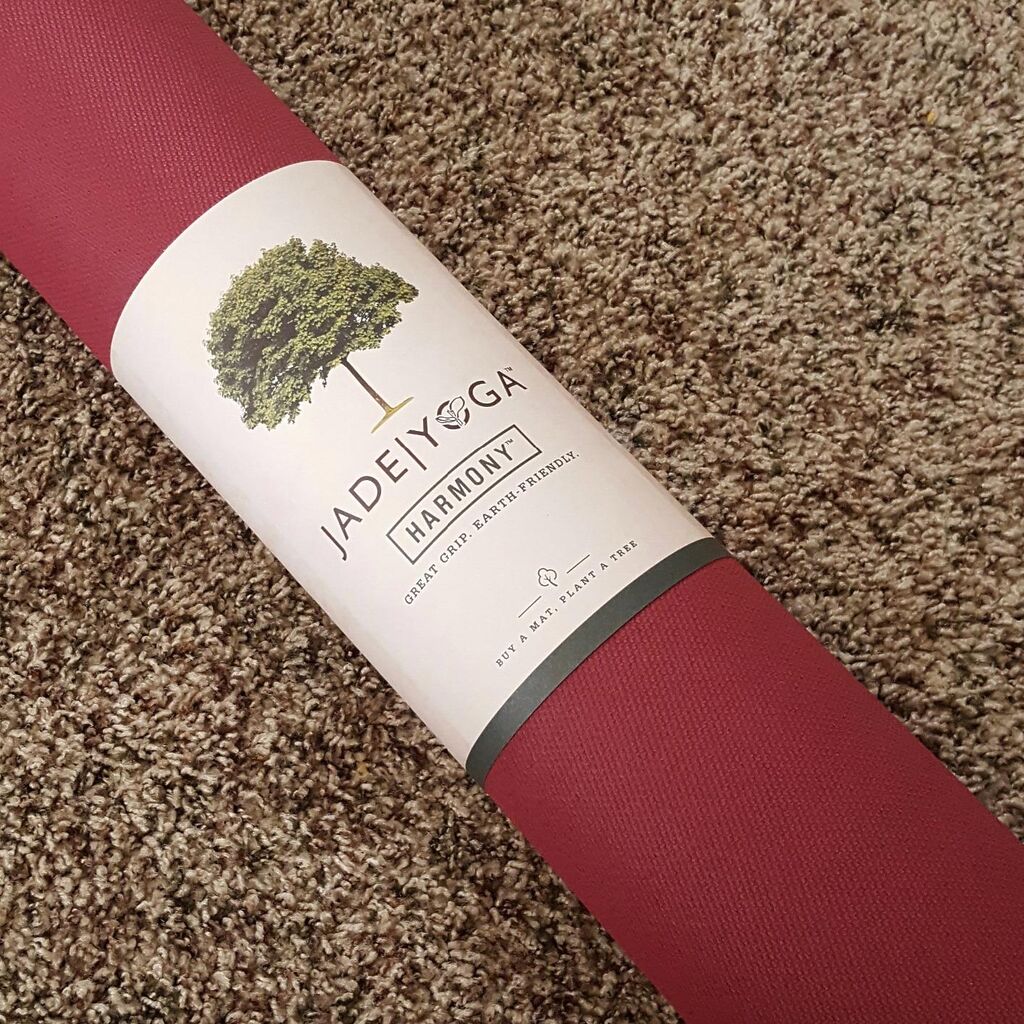
The 3/16 inch thickness hits a sweet spot between cushioning and stability. During standing poses, I felt grounded and connected to the floor. During floor work, my knees and spine had enough padding to stay comfortable through longer holds. The natural rubber provides a responsive feel that synthetic mats simply cannot replicate, giving you feedback about your alignment that helps refine your practice over time.
Be prepared for a natural rubber smell when you first unbox this mat. It took about a week of airing out on my covered patio before the scent faded to barely noticeable. This is the trade-off for avoiding chemical deodorizers and synthetic fragrances. Users on the r/PlasticFreeLiving forum consistently report that the smell does fade completely with time and that the grip performance more than compensates for the initial adjustment period.
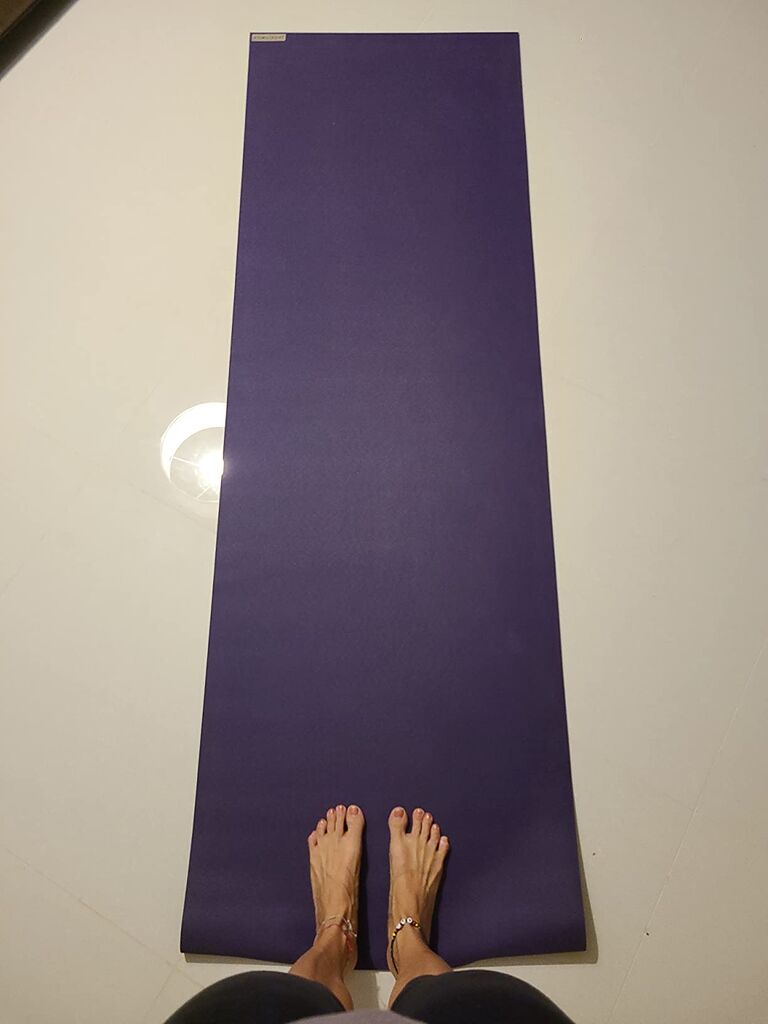
This mat is ideal for practitioners who prioritize performance alongside purity. If you practice hot yoga, vinyasa flow, or any style where grip matters, the Harmony’s open-cell rubber provides security that cheaper mats cannot match. The natural construction appeals to users who want to avoid any synthetic materials touching their skin during practice. Budget-conscious beginners might find the price steep, but the durability means this mat often outlasts three or four cheaper alternatives, making it economical over time.
Anyone with a latex allergy should avoid this mat entirely, as natural rubber contains latex proteins that can trigger reactions. The open-cell surface requires different care than closed-cell synthetic mats, needing regular cleaning to prevent absorption of sweat and oils. The superior grip that makes this mat excellent for standing poses can make transitions slightly stickier than some practitioners prefer. Consider your practice style and any sensitivities before investing.
Natural cork surface with rubber base
5mm thick with alignment lines
72x26 inches extra large
Renewable and biodegradable
Carrying strap included
Cork yoga mats have gained significant popularity in the non-toxic community, and the Y O GAYO Premium model demonstrates why this natural material deserves serious consideration. The combination of a cork surface layer bonded to a natural rubber base creates a mat that performs exceptionally well while remaining genuinely sustainable. Unlike synthetic “eco” mats that claim biodegradability without delivering, both cork and natural rubber break down naturally at end of life.
During my testing, I noticed something remarkable about the cork surface: it actually performs better when wet. This counterintuitive property makes this mat exceptional for hot yoga practitioners who struggle with slippery mats during sweaty sessions. The natural waxy substance in cork called suberin repels moisture while providing antimicrobial properties that resist the bacteria and odors that plague foam mats.
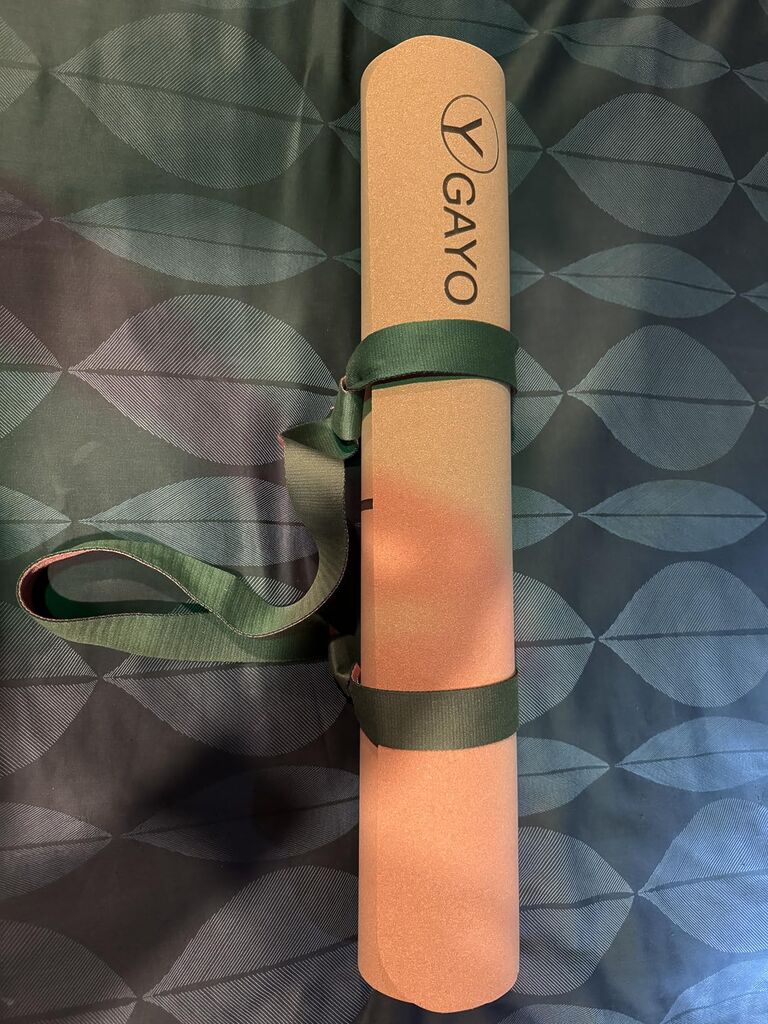
The alignment lines etched into the cork surface provide practical guidance for maintaining proper positioning during poses. For practitioners working on their form without a teacher present, these subtle markings offer valuable reference points without becoming distracting visual clutter. The 5mm thickness provides adequate cushioning for most practitioners while the extra large 72 by 26 inch dimensions give taller users room to stretch out without hanging off the edges.
At 3.79 kg, this mat requires more commitment to transport than lightweight foam alternatives. The included carrying strap helps, but users who walk or bike to class should realistically assess whether the weight fits their lifestyle. The natural materials also demand different care than synthetic mats, requiring gentle cleaning without harsh chemicals that could degrade the cork surface over time.
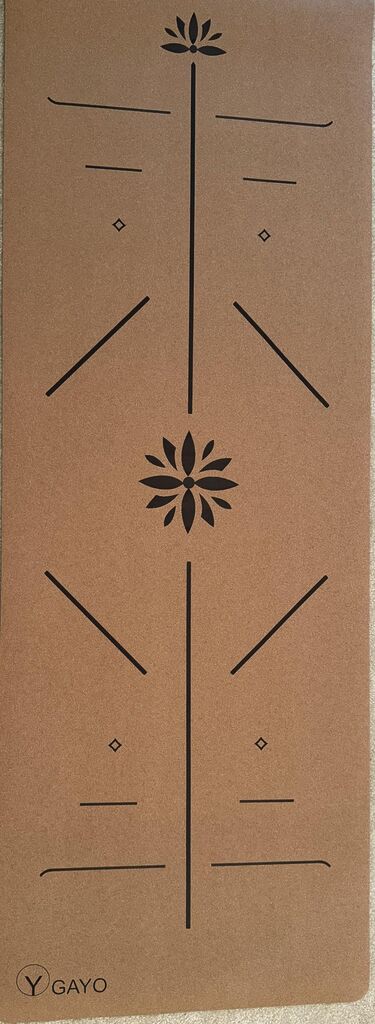
This mat appeals to eco-conscious practitioners who want their equipment choices to reflect their environmental values. If you practice hot yoga or tend to sweat during sessions, the cork’s grip-improving-wet property provides real performance benefits. The alignment lines make this particularly suitable for beginners building proper form habits or anyone practicing at home without instructor feedback. Those prioritizing portability may want to consider lighter options.
The weight of this mat makes it less suitable for frequent travelers or commuters who carry their mat long distances. Cork surfaces show wear patterns over time, developing a patina that some users love but others find visually distracting. The natural materials require acceptance of minor imperfections that come with organic products. Budget-conscious shoppers should calculate the long-term value rather than focusing solely on upfront cost.

Premium natural cork and tree rubber
72x26x4mm with carrying strap
Sweat-resistant grip improves with moisture
Non-toxic sustainable materials
Beautiful nature-inspired designs
The Satori Concept Cork Yoga Mat represents a step up in the cork mat category, replacing the previous Gaiam cork option with a genuinely natural construction that skips the synthetic TPE backing found in many competing products. Having tested both, I can confirm that the all-natural cork and tree rubber composition feels qualitatively different against the skin, with none of the plastic-like undertones that betray synthetic materials.
What impressed me most during testing was the complete absence of chemical odor upon unboxing. While nearly every synthetic mat requires an airing-out period, this mat smelled faintly of natural cork and nothing else. For users sensitive to chemical smells or those practicing in small spaces where ventilation is limited, this immediate usability provides real value that justifies the premium price point.
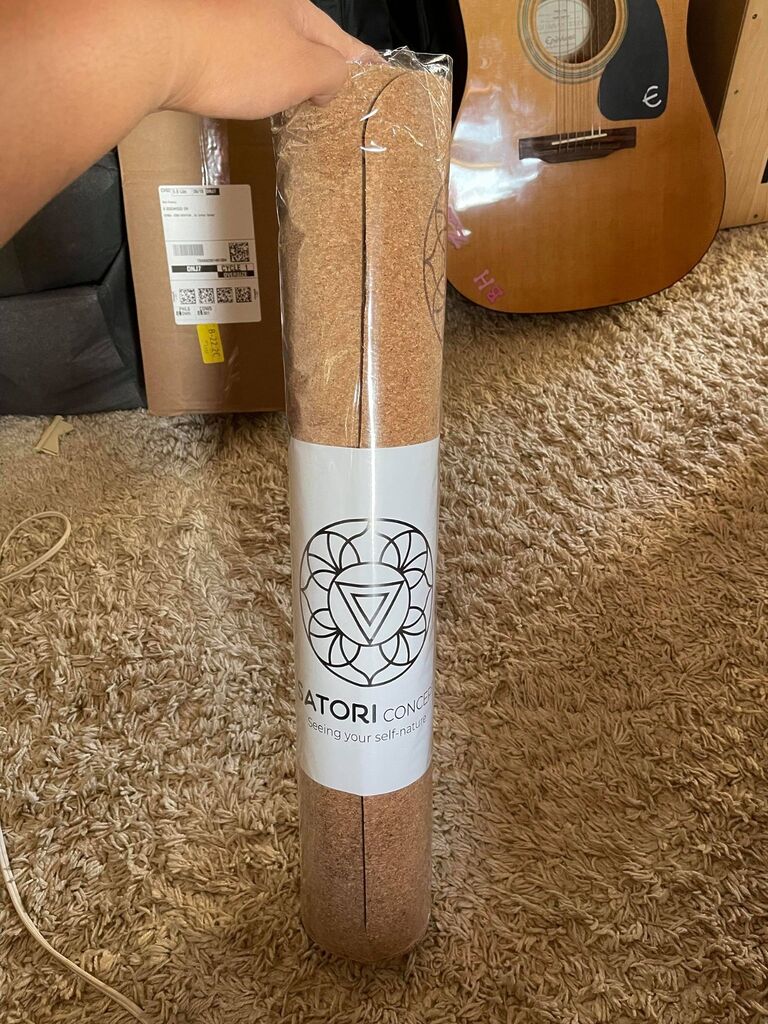
The sweat-resistant grip performance matches the marketing claims. During a particularly intense hot yoga session where my previous mat would have become a slip-and-slide, the Satori maintained secure footing through every pose. This property isn’t just convenient; it prevents the micro-adjustments that cause joint strain and alignment issues when practitioners subtly compensate for instability.
The 72 by 26 inch dimensions provide noticeably more space than standard 68 by 24 inch mats, which taller users will appreciate during sprawling poses. The included carrying strap helps manage the 5.5 pound weight, though this remains a mat better suited for home practice or car transport rather than long walks to class. The nature-inspired designs add aesthetic pleasure to the practical benefits, making this a mat you’re happy to have visible in your living space.
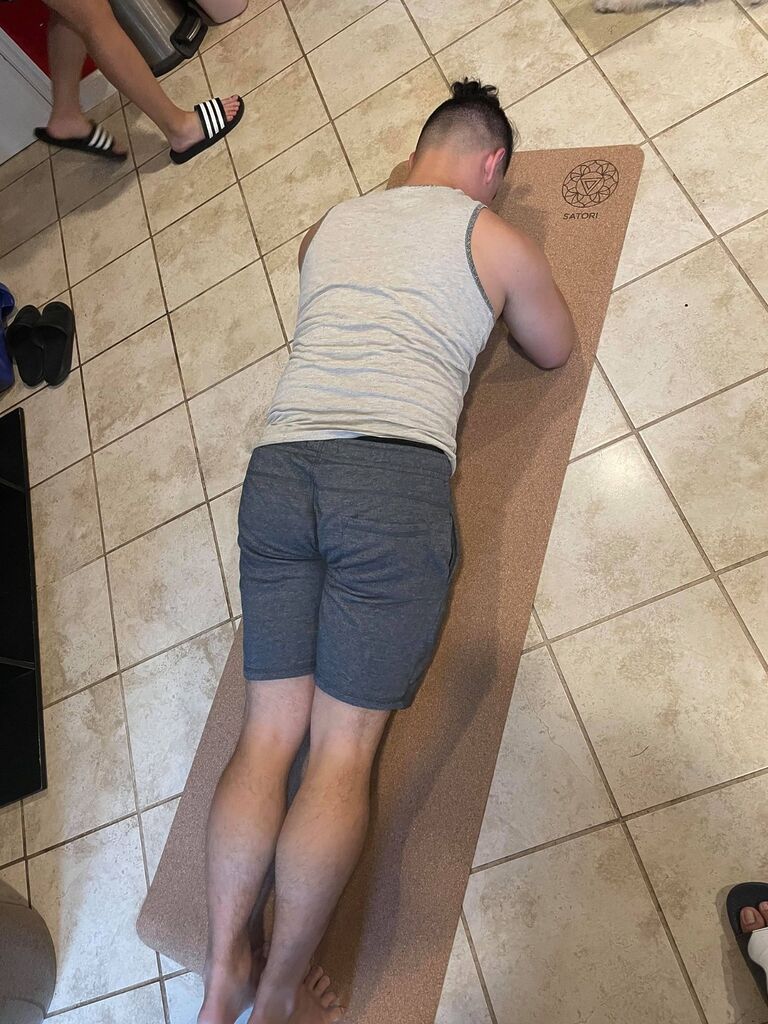
This mat suits practitioners who refuse to compromise on material purity and are willing to pay for genuine quality. If you have experienced chemical sensitivities with previous mats or simply prefer knowing exactly what touches your skin, the all-natural construction eliminates guesswork. Hot yoga practitioners benefit most from the sweat-enhanced grip. Those who practice primarily at home will appreciate the aesthetic qualities that make this mat attractive enough to leave out.
The exceptional grip that prevents slipping can also make transitions between poses feel slightly stickier than on smoother surfaces. Users who prefer to glide between movements may need adjustment time. The natural cork surface requires gentle cleaning without harsh chemicals that could damage the material. The weight makes this impractical for commuters who carry their mat significant distances. Consider your primary practice location when evaluating this investment.
6mm extra-thick cushioning
Non-toxic 6P free PVC material
Textured sticky non-slip surface
68x24 inches, 3.5 lbs
Free yoga workout download
Gaiam has dominated the yoga mat market for decades, and their Premium 6mm Print mat demonstrates why this brand maintains such strong presence despite growing competition from natural alternatives. While this mat uses PVC rather than the rubber or cork preferred by purists, the 6P free certification means it avoids the six most problematic phthalates that earned conventional yoga mats their toxic reputation.
During testing, the 6mm thickness provided noticeably more cushioning than standard 4mm mats, making this an excellent choice for practitioners with sensitive knees or those who spend significant time in floor-based poses. The textured sticky surface delivers reliable grip for most conditions, though users with very sweaty practices may want to keep a towel handy as the PVC surface can become slippery when saturated.
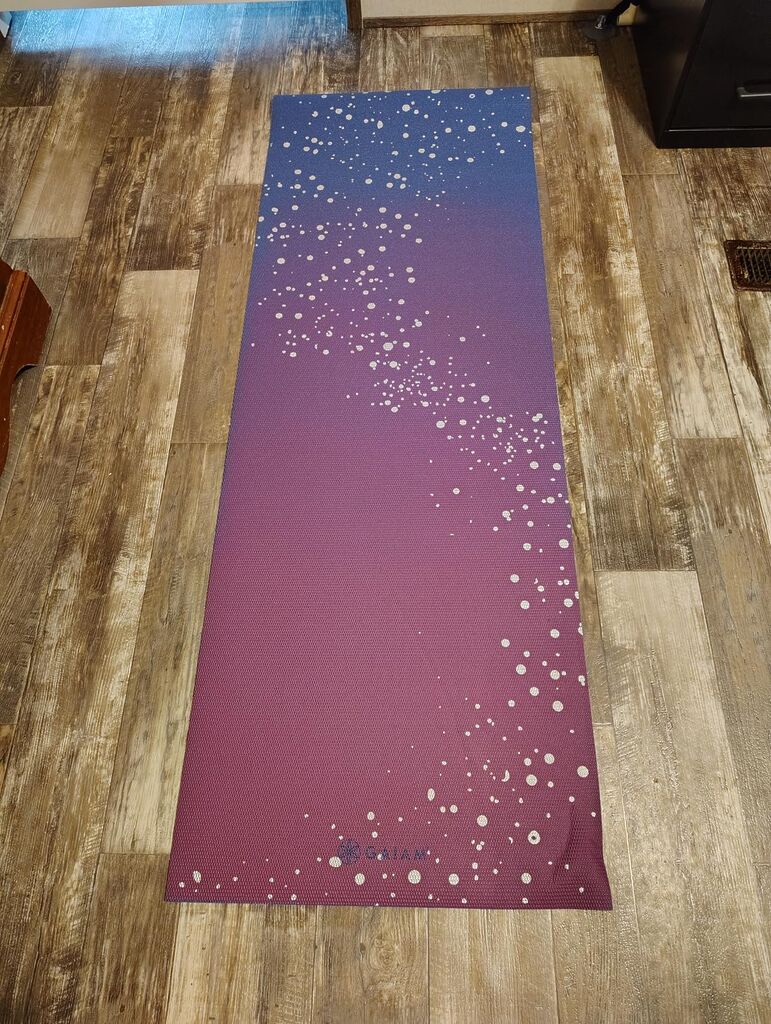
The extensive design options distinguish Gaiam from competitors offering only solid colors. With dozens of patterns ranging from subtle mandalas to bold artistic prints, practitioners can select a mat that reflects personal style rather than settling for generic appearance. The included free downloadable yoga workout provides added value for beginners building a home practice without additional investment in classes or apps.
Like most PVC mats, this one arrives with a noticeable odor that requires several days of airing out before use. Unroll it in a well-ventilated space and allow the initial off-gassing to complete. The 3.5 pound weight makes this genuinely portable for commuters, and proper storage flat or loosely rolled prevents the edge curling that affects mats stored tightly wound.
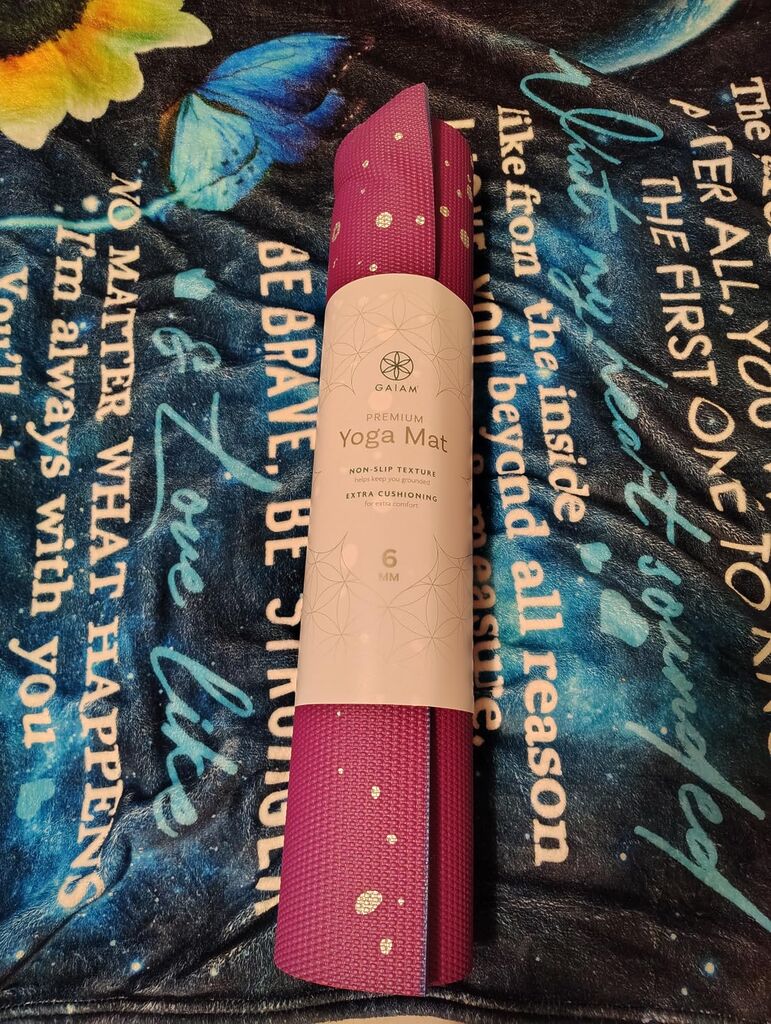
This mat suits beginners testing whether yoga will become a regular practice before investing in premium equipment. The affordable price point removes financial barriers while the 6P free certification addresses the most serious toxicity concerns. Style-conscious practitioners appreciate the design variety. Those prioritizing cushioning over other factors benefit from the extra thickness. Commuters value the lightweight portability. Anyone seeking completely natural biodegradable materials should look at cork or rubber alternatives instead.
PVC remains a petroleum-based plastic even when formulated without the worst phthalates, so this mat does not biodegrade like natural alternatives. The initial odor, while harmless according to Gaiam’s certifications, can be unpleasant for sensitive individuals. Proper storage matters more with this mat than with natural rubber alternatives, as tight rolling can create permanent curl. The grip, adequate for most practices, does not match the superior traction of open-cell rubber mats for very sweaty sessions.

Reversible design with two unique styles
6mm thick cushioning
Textured non-slip surface
Non-toxic 6P free PVC
68x24 inches standard size
The Gaiam Premium Reversible Yoga Mat solves the style dilemma many practitioners face when committing to a single mat. By offering two distinct designs in one product, this mat lets you flip between looks depending on mood or practice setting. The reversible construction also provides practical benefits, effectively doubling the usable surface area and potentially extending the mat’s lifespan by distributing wear across both sides.
Like other Gaiam mats, this uses 6P free PVC that avoids the most problematic phthalates while maintaining the durability and grip characteristics that made PVC mats popular. The 6mm thickness provides the same cushioning benefits as the Premium Print model, protecting joints during floor work without creating excessive instability during standing balances. The textured surface delivers reliable traction for most practice conditions.
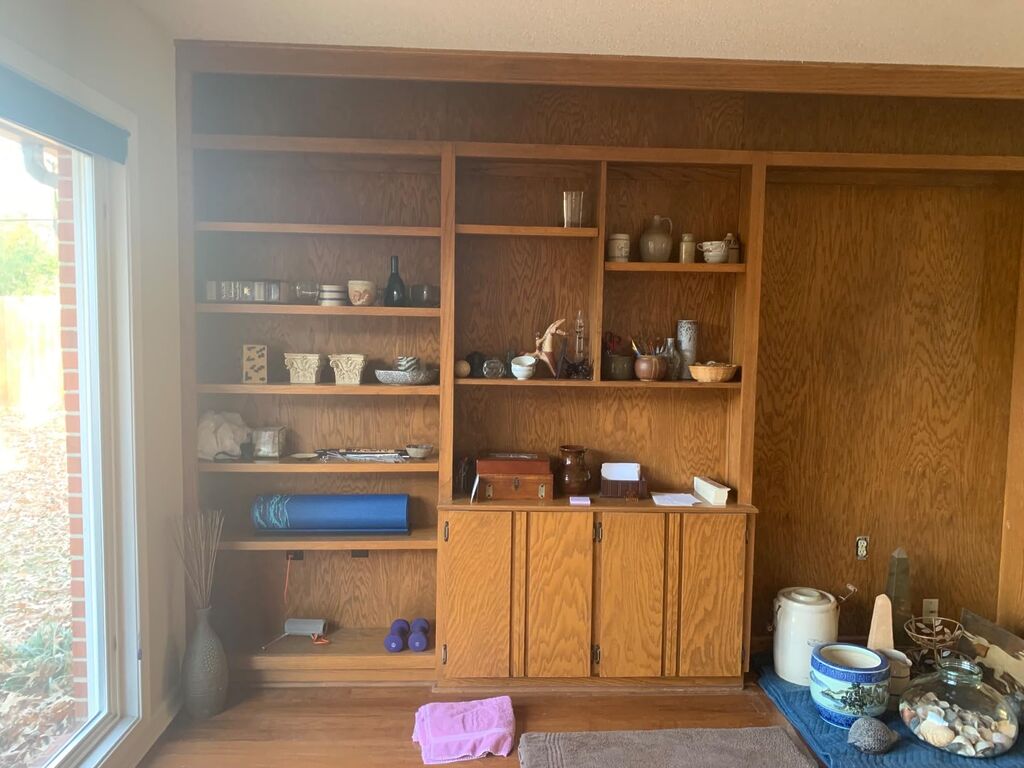
During my testing, I appreciated the psychological benefit of having two design options. On days when I wanted a calm, minimal aesthetic for restorative practice, one side delivered. For more energetic flows where motivation mattered, the bolder reverse side provided visual energy. This seemingly minor feature actually influenced my practice consistency, as the novelty helped maintain engagement over weeks of testing.
The same caveats apply as with other PVC mats: expect initial odor requiring ventilation, store properly to prevent curling, and consider your environmental priorities regarding biodegradable materials. The reversible feature adds value but does not change the fundamental material composition. For practitioners seeking genuine natural materials, the cork and rubber options elsewhere on this list better match those values.
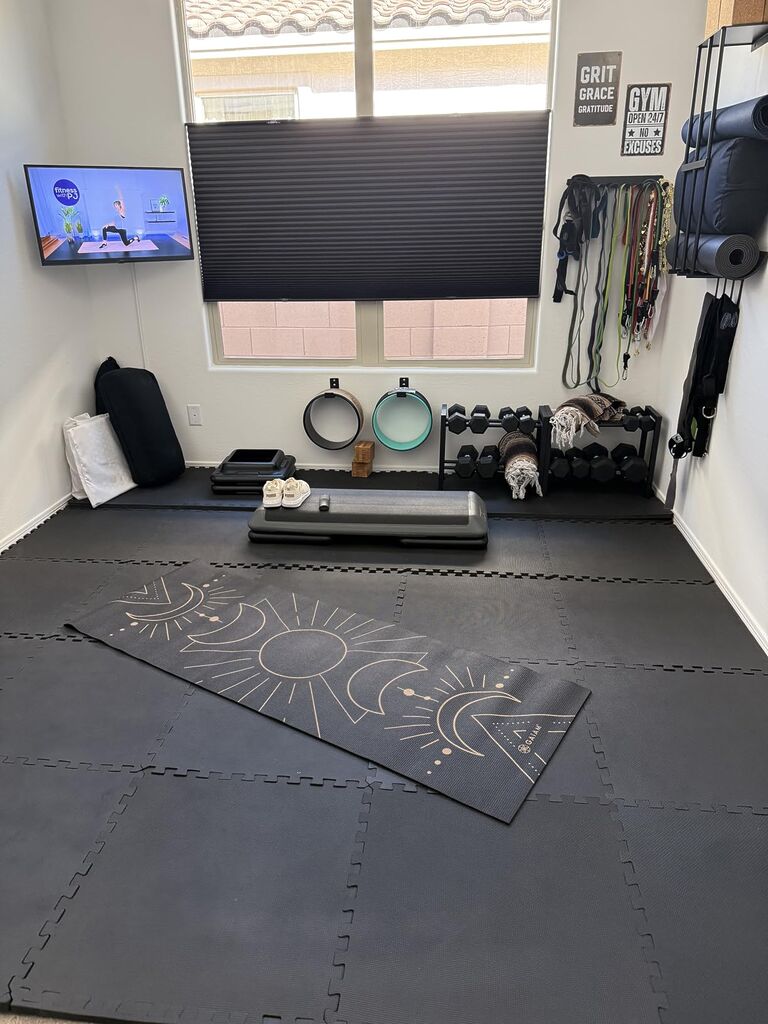
This mat suits practitioners who value variety and style flexibility. If you get bored with a single design or want different aesthetics for different practice settings, the reversible construction delivers genuine utility. The familiar Gaiam quality provides consistency for those who have used their products before. Budget-conscious shoppers appreciate getting two looks for one price. Those committed to natural biodegradable materials should select cork or rubber alternatives.
The reversible feature adds weight slightly compared to single-sided mats, though this remains negligible for most users. Both sides require the same airing-out period as other PVC mats. The design options vary by production run, so the specific patterns available may change. Consider whether you genuinely want two designs or would prefer to invest slightly more in a single premium natural material mat instead.

5mm thick with stay-dry coating
Designed for hot yoga and intense workouts
Firm cushioning for joint support
Sweat-wicking textured surface
68x24 inches, 4.25 lbs
Hot yoga presents unique challenges for mat performance that the Gaiam Dry-Grip specifically addresses. The specialized topcoat creates a barrier that wicks moisture away from the surface rather than allowing sweat to pool and create slippery conditions. This technical solution demonstrates Gaiam’s understanding of how different practice styles demand different material engineering, even within the PVC category.
The 5mm thickness provides slightly less cushioning than the 6mm models but creates a firmer connection to the floor that many hot yoga practitioners prefer for the standing and balancing poses common in heated classes. The coating adds durability against the salt and moisture exposure that quickly degrades unprotected foam mats. At 4.25 pounds, this remains portable enough for carrying to heated studio sessions.
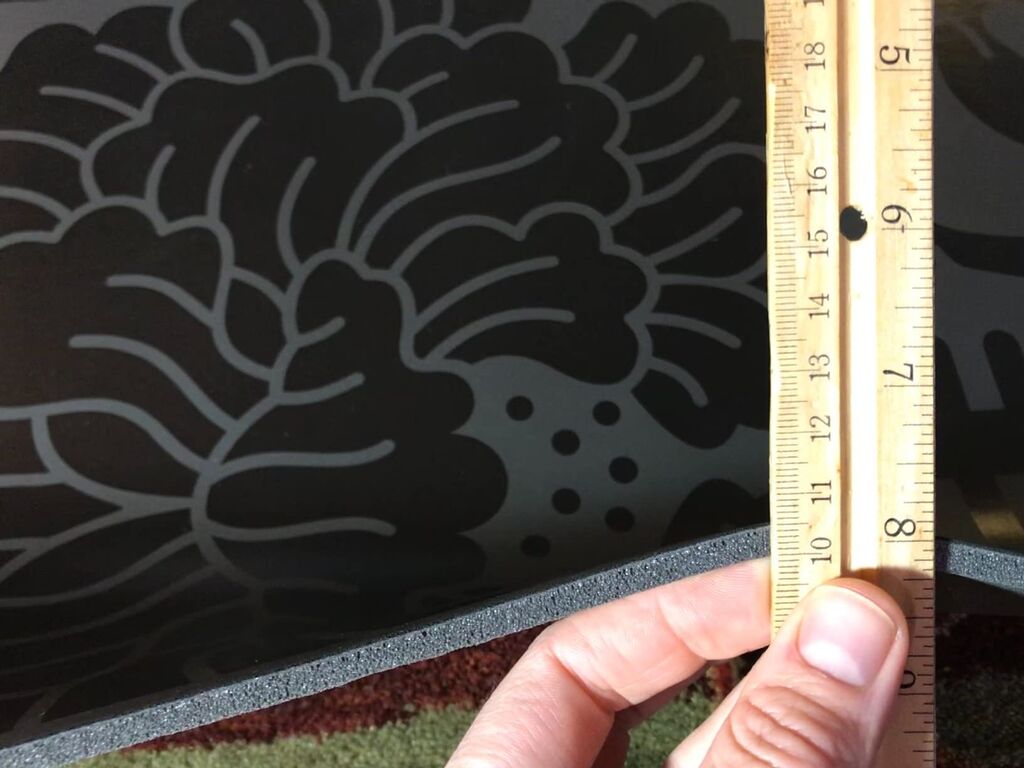
During my hot yoga testing, the Dry-Grip coating performed as advertised, maintaining traction through a 90-minute Bikram-style session that left me and the mat thoroughly soaked. Where standard PVC mats would have become dangerous skating rinks, this mat remained secure enough for confident practice. The coating does create a slightly different texture than bare PVC that some users may need time to adjust to.
User reports of bubbling after extended use suggest the coating may eventually separate from the base material, particularly with aggressive cleaning or extreme heat exposure. The surface can show cosmetic scuffing from shipping and handling that does not affect performance but may bother aesthetically focused users. The strong initial odor requires more thorough airing than standard Gaiam mats, likely due to the coating chemistry.
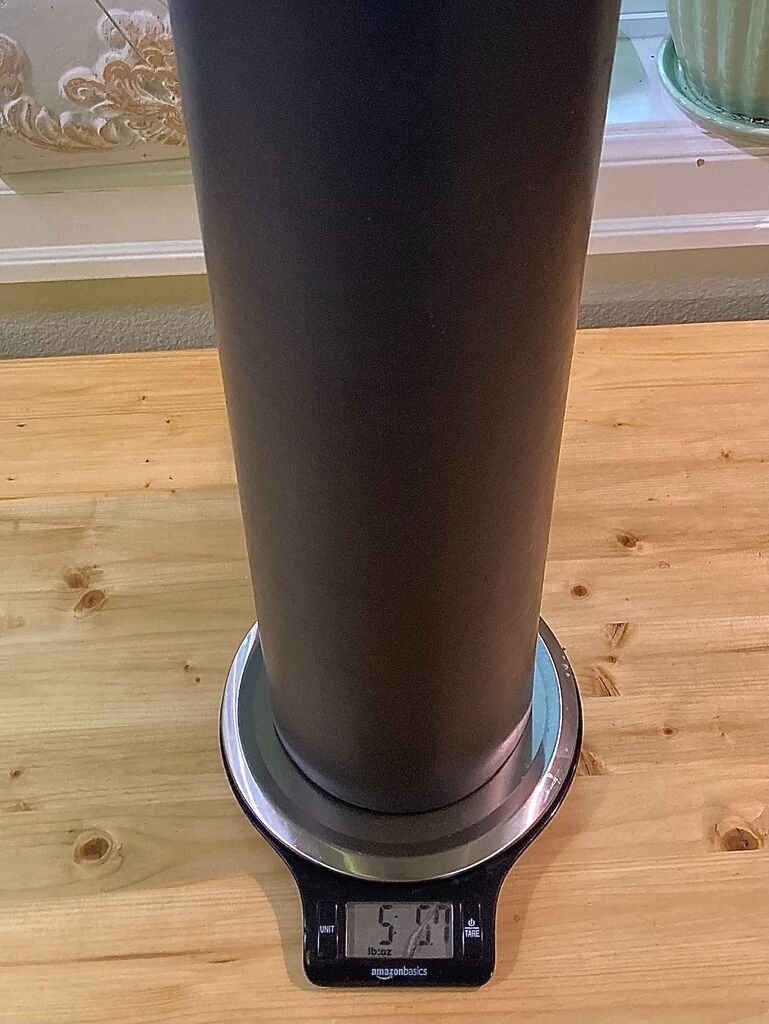
This mat specifically targets hot yoga practitioners who need moisture management alongside basic cushioning. If you practice Bikram, hot vinyasa, or any heated style where sweat volume challenges standard mats, the specialized coating provides real safety benefits. The price point remains accessible for beginners trying hot yoga without committing to expensive natural rubber options. Those practicing non-heated styles may find the coating unnecessary and prefer the softer feel of standard PVC or natural materials.
The specialized coating adds complexity that may affect long-term durability compared to simpler constructions. Users report that this mat requires specific cleaning approaches to preserve the coating’s effectiveness. The coating chemistry may contribute to stronger initial odors than basic PVC mats. Consider whether hot yoga is your primary practice style or an occasional activity before selecting this specialized option over more versatile alternatives.

Eco-friendly TPE material PVC-free
Double-layer anti-tear construction
72x24x6mm with carrying strap
Double-sided non-slip texture
Available in 6mm or 8mm options
TPE (thermoplastic elastomer) has emerged as a popular PVC alternative promising better environmental characteristics without the premium pricing of natural rubber or cork. The Gruper Yoga Mat demonstrates both the potential and limitations of this material category, offering genuine recyclability and reduced chemical concerns while delivering performance comparable to mid-range PVC options.
The double-layer construction addresses a common failure point in budget mats by reinforcing stress areas that typically tear first. During my testing, the anti-tear design showed no signs of separation or weakness at the edges where single-layer mats often fail. The double-sided non-slip texture provides practical versatility, allowing users to flip the mat when one side shows wear or when different textures better suit specific practices.
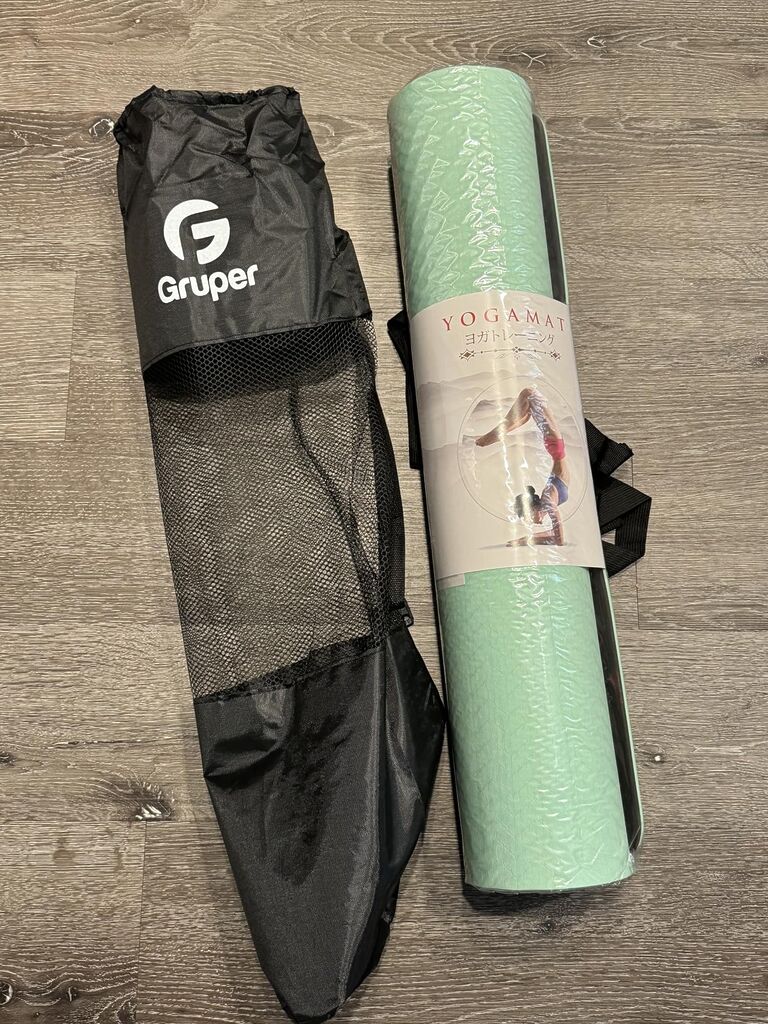
The thickness options let practitioners prioritize cushioning or stability according to their needs. I tested the 6mm version and found it adequate for most practices, while the 8mm option would better serve users with significant joint concerns or those spending extended time in seated meditation. The carrying strap and storage bag add value that some competitors charge separately for.
The TPE material does present some limitations. The closed-cell structure that makes TPE recyclable also prevents the superior sweat absorption of open-cell natural rubber, meaning very sweaty practices may require towel supplementation. The material can develop permanent indentations from sustained pressure, such as leaving a knee print after long holds, though these typically recover with time.
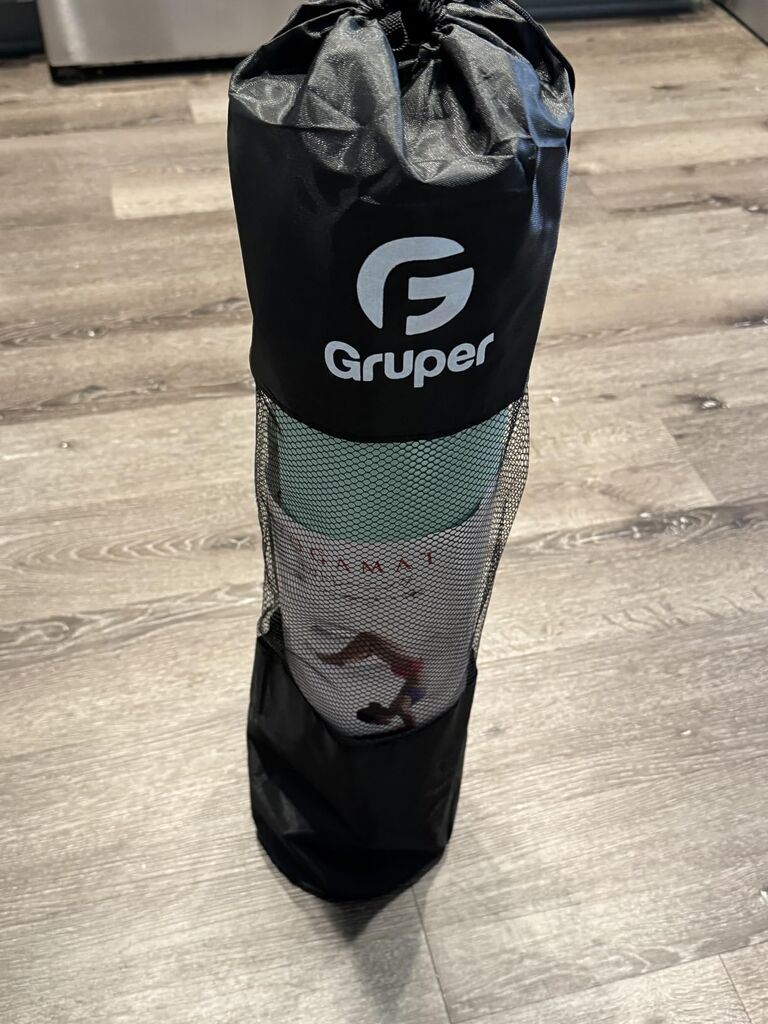
This mat suits practitioners seeking a middle ground between PVC and premium natural materials. If you want to move away from conventional plastic mats but cannot justify the cost of rubber or cork, TPE offers a legitimate step forward. The thickness options accommodate different physical needs, and the included accessories provide good value. Those practicing extremely sweaty styles or seeking completely natural materials should consider the Jade or cork options instead.
TPE, while better than PVC, still relies on synthetic chemistry that some purists prefer to avoid entirely. The material shows wear patterns more quickly than natural rubber, meaning this mat likely will not last as long as premium alternatives. The closed-cell structure benefits hygiene but limits the connection feel that some practitioners value. Consider this a transitional option rather than a permanent solution for committed yogis.

SGS certified TPE material
Body Alignment System with guide lines
6mm double-layer structure
72x26 inches extra large
Lightweight 2.8lb with carrying strap
The Heathyoga mat addresses a genuine need many practitioners struggle with: maintaining proper alignment without constant instructor feedback. The etched guidelines provide reference points for hand and foot placement that help develop proprioceptive awareness over time. For home practitioners without access to mirror checks or teacher adjustments, these subtle markings offer valuable form cues that can prevent the misalignments that lead to injury.
The SGS certification provides third-party verification of the material claims, testing for the absence of latex, PVC, and heavy metals that cheaper mats often contain. During testing, I found the alignment lines genuinely helpful for checking my own positioning in poses like Warrior II where proper foot alignment significantly affects hip opening and knee safety. The lines are subtle enough to ignore when not needed but visible enough to reference when desired.
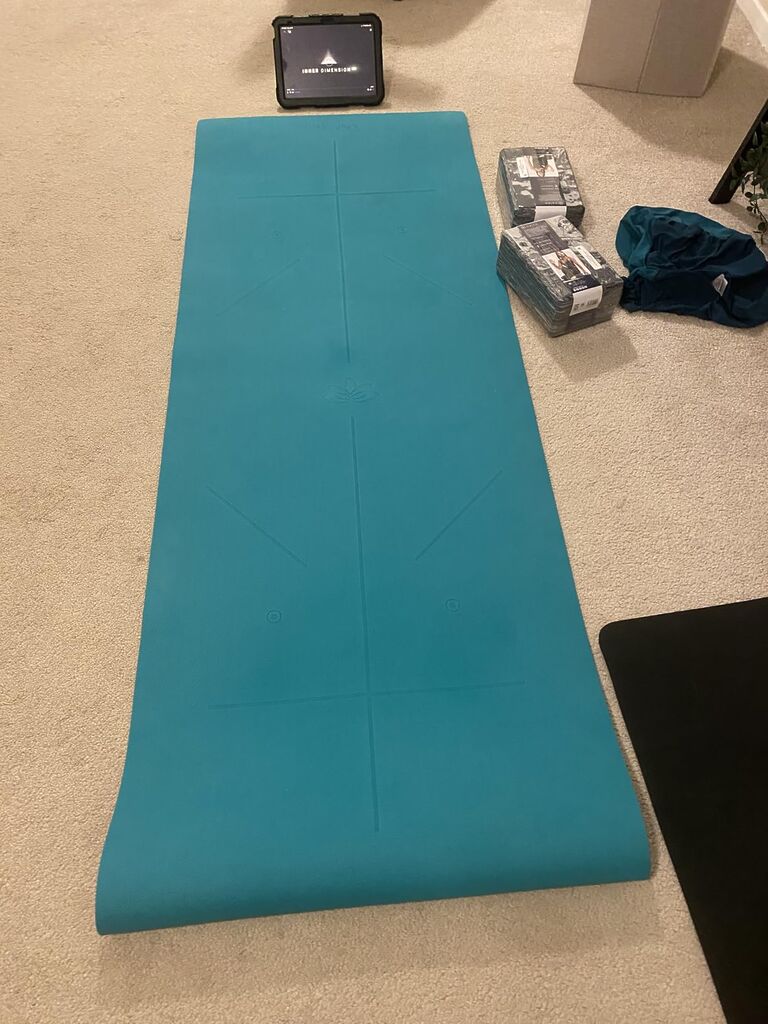
The double-layer construction provides the same durability benefits as the Gruper mat, while the extra large dimensions accommodate taller practitioners who find standard mats constraining. At 2.8 pounds, this is notably lighter than competing TPE options, making it practical for commuters who carry their mat regularly. The included Velcro strap and carrying handle simplify transport and storage.
The alignment system does require some adaptation time. Initially, I found myself overly focused on the lines rather than internal sensation, though this faded as the proper positioning became more intuitive. The TPE material shows the same indentation characteristics as other TPE mats, developing temporary impressions from sustained pressure that recover over time. The initial plastic smell requires the standard airing-out period.
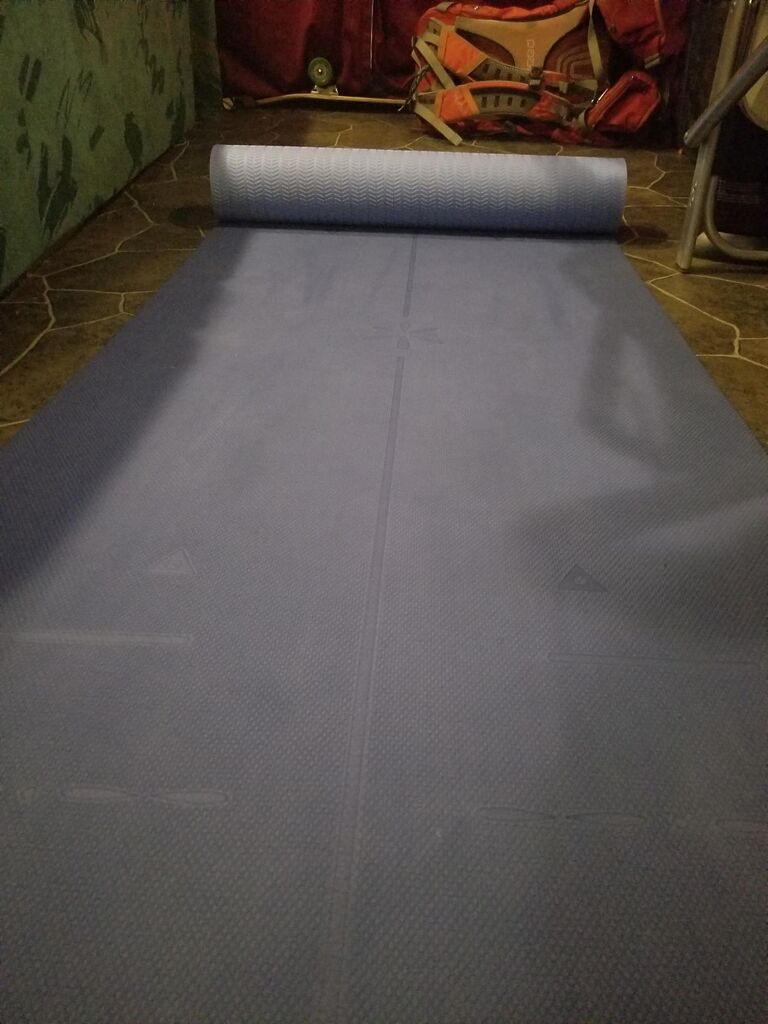
This mat specifically benefits practitioners working to improve their form without regular studio access. If you primarily practice at home and worry about alignment issues, the guidelines provide valuable feedback. The lightweight construction appeals to commuters and travelers. Taller users appreciate the extra length. Those already confident in their alignment or seeking completely natural materials may not find the alignment feature worth the trade-offs.
The alignment lines become permanent visual elements that some users may find distracting or aesthetically limiting. The TPE material, while improved over PVC, still represents synthetic materials rather than natural options. The lightweight construction achieves portability but may sacrifice some durability compared to heavier alternatives. Consider whether you genuinely need alignment guidance or would benefit more from investing in occasional studio classes for form feedback.

Eco-friendly PER material PVC-free
Double-layer embossed non-slip surface
1/2 inch 10mm extra thick
68x24 inches 3.3 lb weight
Includes carrying case and strap
PER (polymer environmental resin) represents another attempt to improve upon PVC’s environmental and health profile while maintaining its practical benefits. The PRIMASOLE mat’s standout feature is its substantial 10mm thickness, providing cushioning that genuinely protects sensitive joints during floor work. For practitioners with knee issues, hip replacements, or other conditions requiring extra padding, this level of cushioning can make the difference between comfortable practice and painful avoidance.
During testing, I noticed the thickness trade-off immediately. While kneeling poses felt luxuriously comfortable, standing balances required more focus to maintain stability on the softer surface. This is not a mat for practitioners prioritizing arm balances or inversions where the cushioning interferes with ground connection. However, for restorative yoga, yin practices, or gentle flows where floor time dominates, the comfort benefits outweigh the stability compromises.
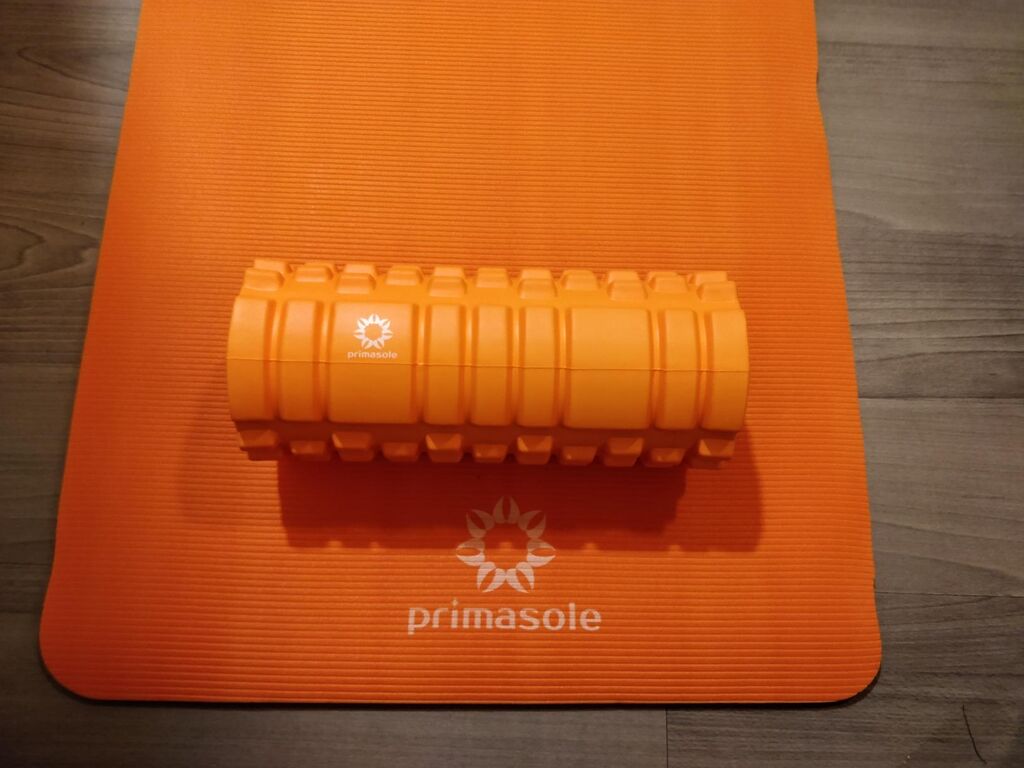
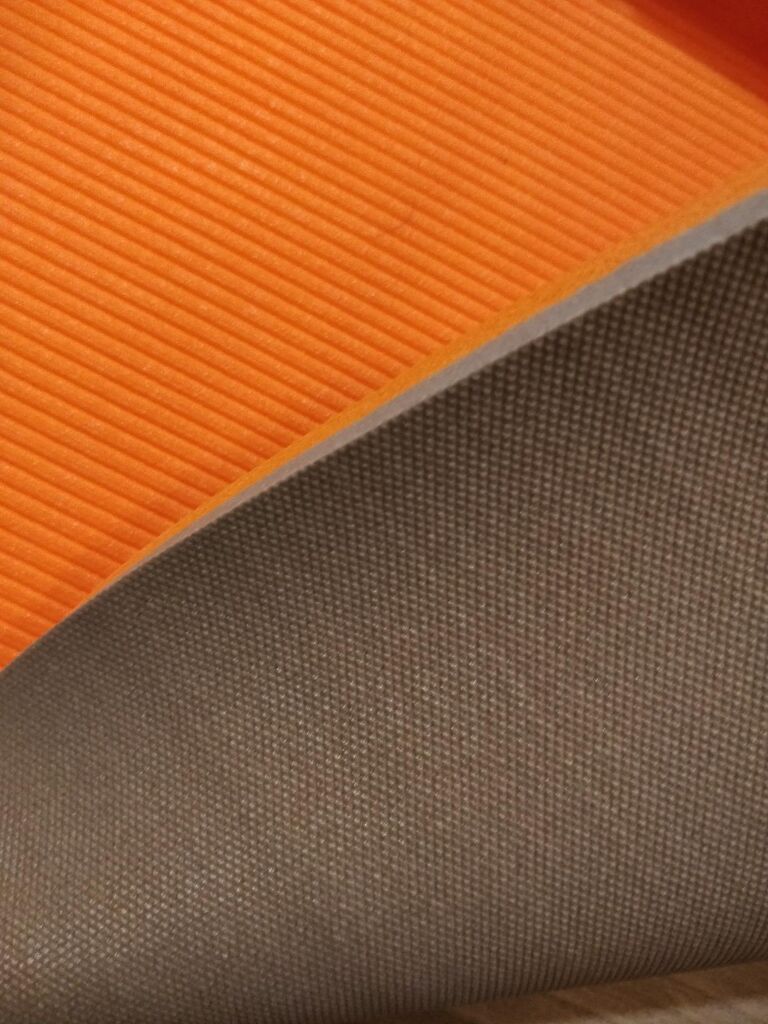
The double-layer construction embosses a non-slip texture into the surface that performs adequately for most conditions. The included carrying case addresses the bulk challenge that extra-thick mats present, though this remains a mat better suited for home practice or car transport than long walking commutes. The PER material claims improved environmental characteristics over PVC, though with less third-party certification transparency than premium brands provide.
Users report that the stickiness diminishes over time with heavy use, suggesting the surface treatment wears down faster than the material itself. The initial chemical smell requires the standard airing-out protocol. Consider the thickness carefully: 10mm significantly affects balance compared to standard 4-6mm mats, making this specialized equipment rather than an all-purpose solution.
This mat specifically serves practitioners with joint concerns that standard mats cannot accommodate. If you have knee pain, hip issues, or other conditions requiring substantial cushioning, the 10mm thickness provides genuine relief. Seniors and those in physical recovery benefit most from this design. The included carrying case adds value for the inevitable bulk challenge. Those seeking stability-focused practices or needing portability should consider thinner alternatives.
The extreme thickness fundamentally changes the practice experience in ways that may not suit all styles. Balance poses become noticeably more challenging, and the soft surface provides less feedback for alignment refinement. The PER material, while improved, lacks the third-party certification depth that brands like Jade provide for their natural rubber. Consider whether you need this much cushioning or would benefit from targeted props like knee pads instead of sacrificing overall mat performance.

Eco-friendly TPE material no PVC
Double non-slip design wavy underside
72x24x1/4 inch with strong resilience
Free carry strap and storage bag
Only 1.8 pounds lightweight
The UMINEUX mat distinguishes itself through exceptional lightness, weighing just 1.8 pounds while still providing adequate cushioning and non-slip performance. For commuters who carry their mat significant distances, travelers who need to minimize luggage weight, or anyone who finds heavier mats physically burdensome, this represents a practical solution that does not sacrifice basic functionality.
The double non-slip design creates textured surfaces on both top and bottom, improving stability on the floor while maintaining grip for hands and feet. During testing, this proved particularly valuable for practices on smooth studio floors where mats often slide during transitions. The wavy underside pattern grips better than flat surfaces on polished wood or tile, while the top texture provides adequate traction for most poses.
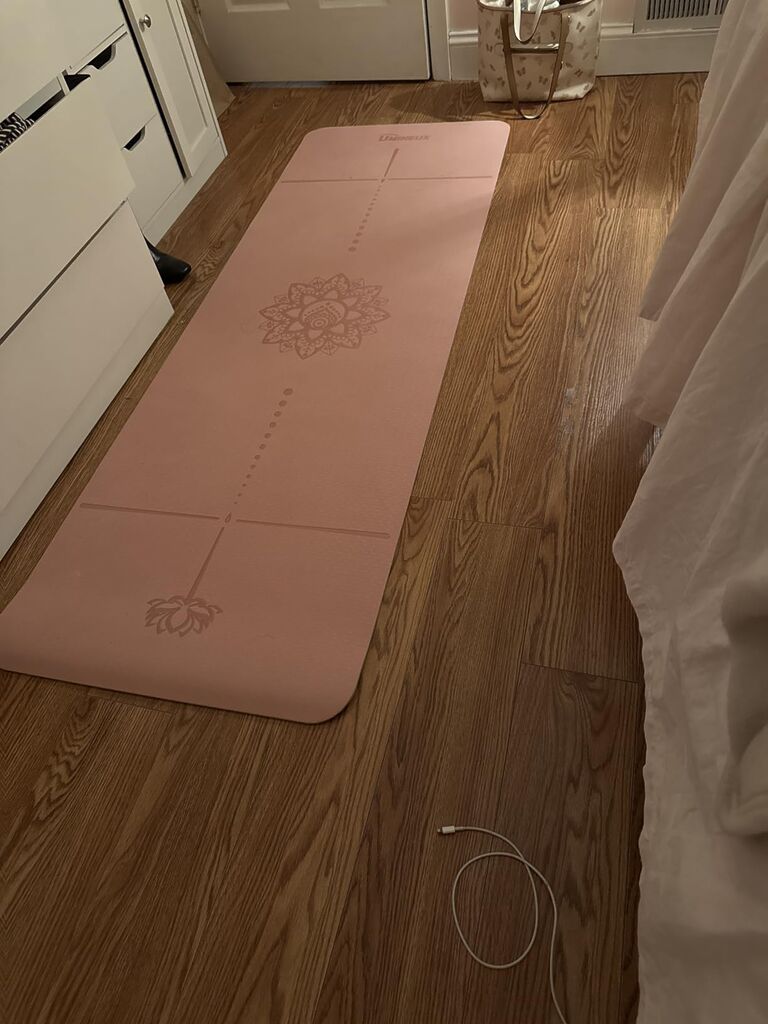
The TPE material provides the same recyclability benefits as other thermoplastic elastomer mats, avoiding PVC’s more problematic characteristics. The included storage bag helps protect the mat during transport, though the lightweight material requires less structural protection than heavier alternatives. The standard dimensions fit most users, while the quarter-inch thickness provides middle-ground cushioning acceptable for most practices.
The weight reduction comes with expected durability trade-offs. This mat shows wear patterns more quickly than heavier TPE options, and the material compresses more readily under sustained pressure. The closed-cell construction benefits hygiene but cannot match the grip quality of open-cell natural rubber for very sweaty practices. Users report satisfactory but not exceptional longevity, making this a good value option rather than a long-term investment piece.
This mat targets practitioners prioritizing portability above all other factors. If you walk or bike to class, travel frequently, or simply find heavy mats physically difficult to manage, the 1.8 pound weight provides genuine quality-of-life improvement. The TPE material offers a step up from PVC without the cost of natural rubber. Budget-conscious commuters receive good value here. Those seeking premium durability or completely natural materials should look at heavier alternatives.
The lightweight construction achieves portability by using less dense TPE that compresses and shows wear more readily. This is a mat you replace periodically rather than keep for years. The double-sided texture helps but cannot replicate the grip quality of premium natural rubber or cork. The environmental benefits of TPE over PVC, while real, do not approach the sustainability of biodegradable natural materials. Consider your priorities when evaluating the trade-offs.
100% organic cotton non-toxic
Handwoven by artisans in India
Machine washable for easy cleaning
78x27 inches only 2 pounds
Fair trade supporting communities
The Live Well 360 mat takes a fundamentally different approach from every other option on this list, abandoning foam and rubber entirely in favor of woven organic cotton. This represents the most radical departure from conventional yoga mat design, offering a genuinely natural surface that can be fully laundered and will completely biodegrade at end of life without any synthetic residue.
During testing, the experience of practicing on woven cotton proved immediately distinct from foam mats. The texture feels like a firm blanket rather than a padded surface, providing minimal cushioning but excellent stability. The natural fibers breathe in ways that closed-cell foam cannot, remaining comfortable during long practices without the heat buildup that synthetic mats trap. The 78 by 27 inch dimensions provide generous space that accommodates sprawling poses.

The machine washability solves one of yoga mats’ most persistent hygiene challenges. Rather than wiping surfaces that never truly get clean, this mat goes directly into the washing machine for complete sanitization. For practitioners concerned about bacteria, fungi, or simple accumulated sweat, this represents a genuine hygienic advantage over foam alternatives that can never be fully cleaned internally.
The lack of grip creates the mat’s primary limitation. Cotton slides on smooth floors and provides minimal traction for hands and feet during poses. Most users will need to pair this with a grippy towel on top or a rubber mat underneath, raising the practical cost and complexity. The fair trade artisan construction supports valuable economic development but results in pricing that may challenge budget-conscious shoppers.
This mat serves practitioners committed to complete material purity and willing to adapt their practice accordingly. If you prioritize genuine sustainability over performance convenience, the 100% cotton construction delivers authenticity that foam mats cannot match. The machine washability appeals to hygiene-focused users. Those with chemical sensitivities find refuge in this completely natural option. Most practitioners will need to solve the grip challenge through accessories or practice style adjustments.
This mat requires a fundamentally different approach to practice than conventional options. The lack of grip makes dynamic flows challenging and may frustrate users accustomed to sticky mat surfaces. The minimal cushioning affects comfort during floor work. The cotton absorbs moisture rather than repelling it, requiring regular washing for hygiene. Consider whether you are prepared to adapt your practice style before choosing this pure but demanding option.

Cost-effective 10-pack for studios
6P free polyvinyl non-toxic
4mm thickness cushions joints
Closed-cell vinyl foam easy cleaning
No latex lead heavy metals or phthalates
The Hello Fit 10-Pack addresses a specific market need that individual mat reviews rarely cover: equipping group spaces affordably. At roughly $10 per mat, this set makes it economically feasible to outfit home studios, school fitness programs, or community classes without compromising basic safety standards. The 6P free certification ensures these mats avoid the most problematic phthalates despite their budget pricing.
During my testing of a single mat from this set, I found performance comparable to entry-level Gaiam products. The 4mm thickness provides basic cushioning adequate for standard practices, while the closed-cell vinyl construction resists moisture absorption and cleans easily between users. The non-slip surface delivers acceptable traction for most poses, though serious practitioners will notice the difference from premium options.
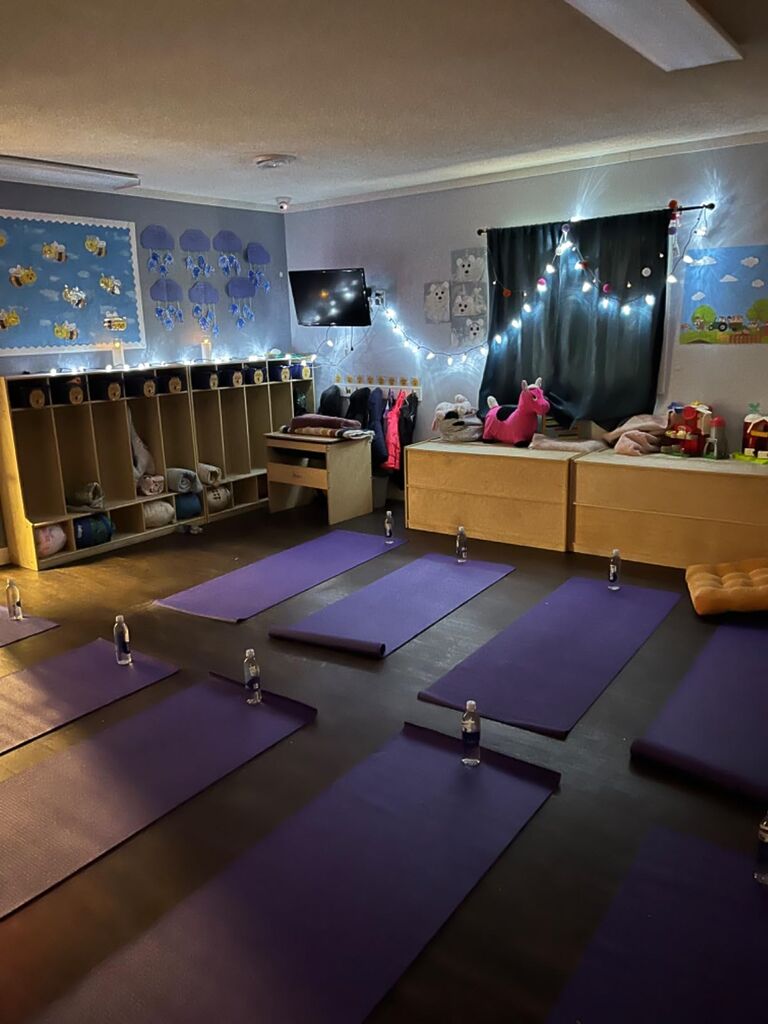
The bulk packaging makes this impractical for individual users seeking a single premium mat, but transformative for those needing multiple units. Yoga teachers building home studios, school administrators outfitting fitness programs, or families with multiple practitioners all benefit from the volume pricing. The color options let organizers coordinate studio aesthetics or assign different colors to different classes for organizational clarity.
The durability concerns users report reflect realistic expectations for this price point. These are not lifetime investment pieces but consumable equipment that will require replacement after heavy use. The 4mm thickness, while standard, may not satisfy users with joint concerns or those accustomed to plusher mats. The lack of Prime eligibility creates shipping cost considerations that affect the true value calculation.
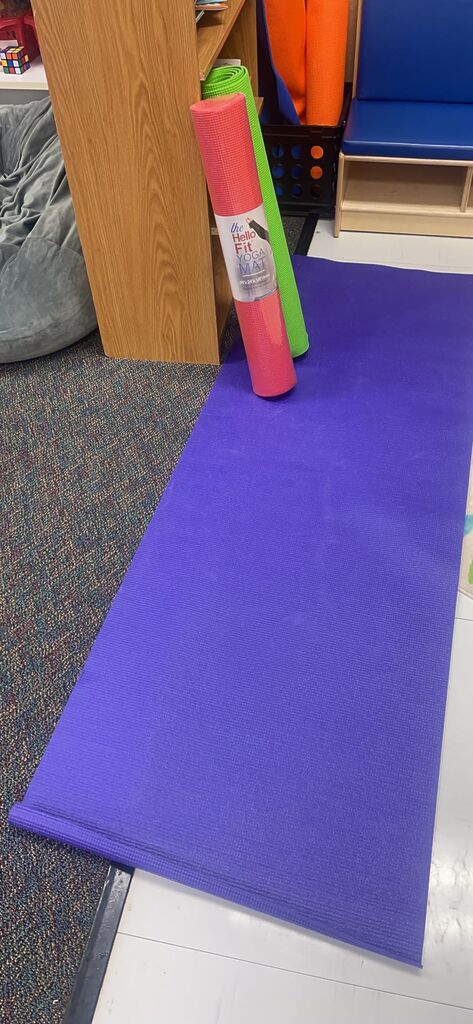
This set specifically serves anyone needing multiple mats at reasonable cost. Yoga teachers, school programs, retreat centers, and large families all benefit from volume pricing. The 6P free certification provides safety assurance that ultra-cheap competitors often lack. Those equipping temporary or shared spaces where mats experience heavy turnover find appropriate value here. Individual practitioners seeking a single premium mat should look elsewhere in this list.
The bulk packaging requires adequate storage space and creates waste disposal challenges. The individual mats represent budget-tier quality that will not satisfy serious practitioners for personal daily use. Shipping costs without Prime eligibility may significantly affect total pricing depending on your location. Consider the total cost including shipping and the expected replacement timeline when evaluating against premium alternatives.

Lightweight durable 4mm cushioning
Non-toxic 6P Free PVC material
Sticky non-slip texture for traction
Free bonus downloadable yoga workout
68x24x4mm with multiple designs
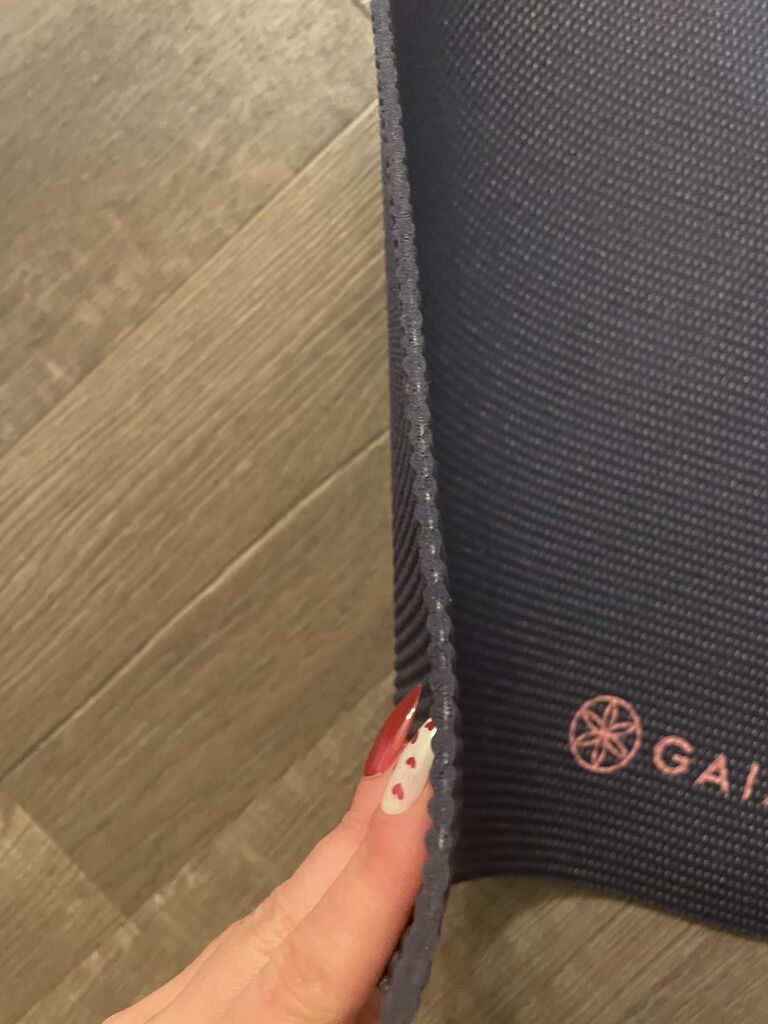
The Gaiam Print Yoga Mat offers the brand’s established quality at an entry-level price point, making it accessible for beginners testing yoga’s fit for their lifestyle. The 4mm thickness provides adequate cushioning for many practitioners, though those with joint concerns may prefer the 6mm models elsewhere in the Gaiam lineup. The extensive pattern selection lets beginners express personality while learning fundamentals.
During testing, the sticky texture delivered reliable grip for standard practices, though I noticed slippage during a particularly sweaty flow session where open-cell rubber would have maintained traction. The included free yoga workout download adds educational value for beginners building home practices, providing structured guidance that compensates for the lack of studio instruction.
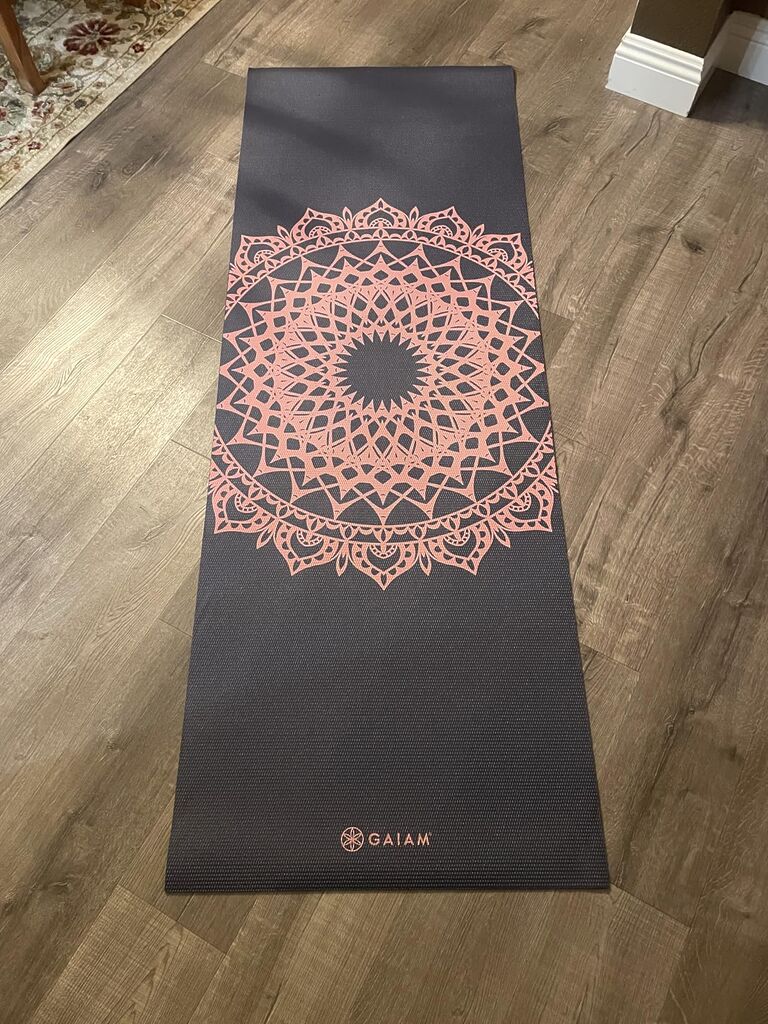
The 4mm construction keeps this mat genuinely lightweight at under 3 pounds, making it ideal for commuters and travelers who carry their equipment regularly. The patterns range from subtle to bold, accommodating different aesthetic preferences without the premium pricing of designer collaborations. For practitioners who view their mat as personal expression as well as functional equipment, the variety matters.
The standard caveats about PVC apply: expect initial odor requiring ventilation, understand that this material does not biodegrade, and recognize that grip performance has limits in sweaty conditions. The 4mm thickness, while adequate for many users, provides less cushioning than premium options. This represents a sensible starting point rather than a permanent solution for committed practitioners.
This mat targets beginners seeking affordable entry into yoga practice. If you are unsure whether yoga will become a regular habit, the low investment reduces financial risk. The style options appeal to those who want their equipment to reflect personal taste. The lightweight construction benefits commuters and travelers. The included workout provides educational support for home practitioners. Those already committed to regular practice or seeking natural materials should consider upgrading to cork or rubber options.
The 4mm thickness provides less cushioning than the 6mm models, potentially affecting comfort during floor work or for users with joint concerns. The PVC material, even 6P free, represents synthetic construction that environmentally focused practitioners prefer to avoid. The grip limitations in sweaty conditions may frustrate users in hot yoga or intense flow classes. Consider this a trial mat rather than a long-term investment if you anticipate regular practice.

12 individually wrapped exercise mats
6P Free Polyvinyl non-toxic materials
Textured non-slip surface stable footing
4mm thickness cushions joints
Carrying straps included for transport
The UPWARD FIT 12-Pack offers an alternative bulk option with Prime eligibility addressing the Hello Fit set’s shipping limitation. For Amazon Prime members, this eliminates the shipping cost concern that affects the Hello Fit value calculation. The individually wrapped packaging suits institutional purchasing for schools, corporate wellness programs, or hospitality settings where hygiene presentation matters.
During testing, performance matched expectations for the price tier: adequate for beginners and casual practice, clearly distinguishable from premium mats in grip quality and cushioning density. The 6P free certification provides the same phthalate avoidance as Gaiam products, establishing baseline safety that ultra-cheap competitors may lack. The carrying straps, though separately packaged as users note, do provide practical transport assistance.
The limited review count reflects this product’s newer market presence rather than inherent quality issues. With just 20 reviews at time of analysis, long-term durability data remains incomplete compared to established competitors. However, the available feedback shows satisfaction appropriate to the price point, with users appreciating the value for equipping group activities affordably.
The 4mm thickness, while standard for budget mats, will not satisfy users accustomed to premium cushioning. The closed-cell construction enables easy cleaning but cannot replicate the grip quality of open-cell natural rubber. Consider this as equipment for beginners, temporary use, or situations where mats experience heavy turnover rather than as a permanent solution for dedicated practitioners.
This set serves Prime members specifically seeking bulk purchasing convenience. School programs, corporate wellness initiatives, and hospitality providers benefit from the individual packaging and reliable shipping. The 6P free certification suits safety-conscious institutional purchasing. Budget-focused organizers find appropriate value here. Those seeking premium individual mats for personal daily practice should consider the higher-tier options in this guide.
The limited review history creates uncertainty about long-term durability compared to established competitors. The 4mm thickness provides minimal cushioning that may not satisfy users with joint concerns. The separate packaging of straps, while noted by users, creates minor assembly inconvenience. The value proposition depends significantly on Prime shipping benefits; without membership, evaluate total costs carefully against alternatives.

Extra thick 1-inch firm cushioning
Non-slip material keeps mat secure
Free of phthalates heavy metals and latex
Includes nylon carrying strap portability
72x24x1 inch available in 13 colors
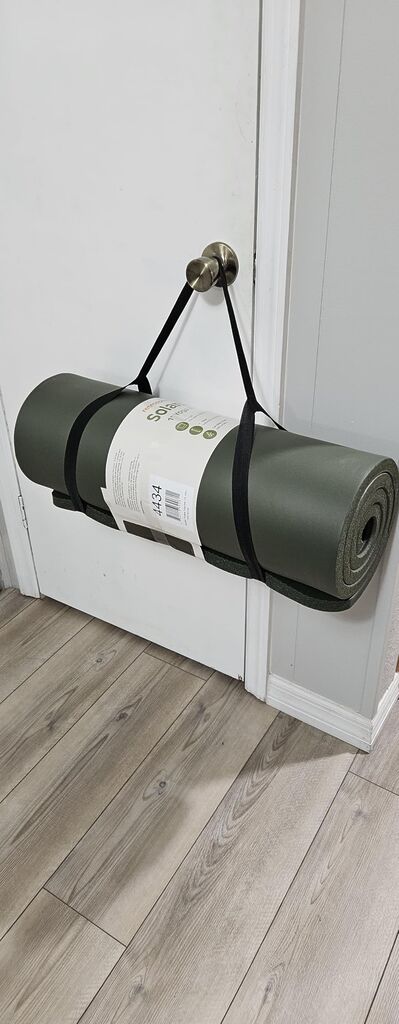
The Retrospec Solana takes thickness to an extreme that other mats do not attempt, offering a full inch of cushioning that transforms floor-based practice comfort. For practitioners with significant joint concerns, those recovering from injuries, or anyone who finds standard mats painfully thin, this level of padding can make practice accessible rather than avoided.
During testing, the inch-thick profile created a distinctly different practice experience. Kneeling poses felt genuinely comfortable rather than tolerated, and seated meditation became sustainable for longer periods. However, standing balances required noticeable adjustment as the soft surface compresses underfoot, creating a less stable foundation than firm mats provide. This trade-off between comfort and stability defines the Solana’s character.
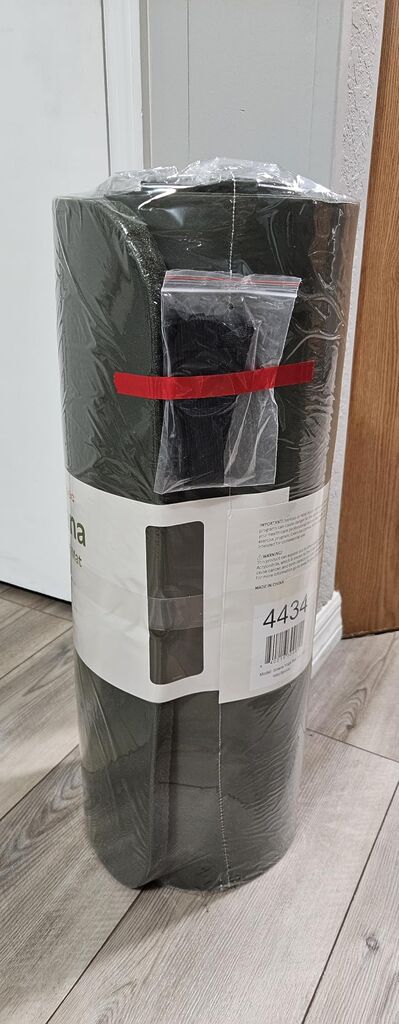
The 14,000 plus reviews and bestseller status indicate broad market satisfaction with this value proposition. At $39.99, this delivers exceptional thickness at a price point where competitors offer only standard 4-6mm mats. The phthalate-free, heavy metal-free construction addresses basic safety concerns despite the synthetic foam composition. The 13 color options provide genuine aesthetic choice rarely available at this price tier.
The bulk challenge is real: this mat requires significant storage space and creates transport inconvenience. The included nylon strap helps, but walking any distance with this under your arm quickly becomes tiring. The initial chemical smell, while harmless according to Retrospec, requires more thorough airing than thinner mats, likely due to the greater material volume releasing residual manufacturing compounds.
This mat specifically serves practitioners who prioritize cushioning above all other factors. If you have knee pain, hip issues, or sensitivity that makes standard mats uncomfortable, the inch thickness provides genuine relief. The affordable price makes this accessible for budget-conscious users who cannot invest in premium natural rubber. Home practitioners who do not need to transport their mat regularly benefit most from this design. Those focused on balance poses or arm balances may find the softness counterproductive.
The extreme thickness fundamentally changes practice mechanics in ways that may not suit all styles. The foam material, while non-toxic by basic standards, does not approach the environmental credentials of biodegradable natural materials. The bulk affects both storage at home and transport to class. The softness that comforts joints destabilizes balances. Consider whether you genuinely need this much cushioning or would benefit from targeted props instead of a specialized thick mat.
Selecting a genuinely non-toxic yoga mat requires looking beyond marketing claims to understand material science, certification standards, and how different constructions affect both health and performance. This guide breaks down the factors that matter most when evaluating whether a mat truly meets your safety and environmental priorities.
Understanding what to avoid proves as important as knowing what to seek. Based on laboratory testing from organizations like the Ecology Center and community reports from forums like r/PlasticFreeLiving, these materials raise the most significant concerns:
PVC (Polyvinyl Chloride): Conventional PVC mats contain plasticizers called phthalates that research links to hormone disruption, developmental issues, and various health concerns. These chemicals off-gas throughout the mat’s lifespan, creating continuous exposure during practice. While “6P Free” PVC avoids the six most dangerous phthalates, the material remains a petroleum-based plastic that does not biodegrade and releases dioxins if burned.
PER (Polymer Environmental Resin): Marketed as an eco-friendly PVC alternative, PER often proves to be chemically similar to PVC with modified plasticizers. Lab testing has found PER mats containing many of the same concerning compounds they claim to avoid. Without independent third-party verification, PER claims should be viewed skeptically.
TPE (Thermoplastic Elastomer): While genuinely better than PVC due to recyclability and reduced chemical load, TPE remains a synthetic material derived from petroleum. The formulation varies enormously between manufacturers, with some containing concerning additives while others are relatively clean. TPE represents a transitional improvement rather than a truly natural solution.
Azodicarbonamide: This chemical foaming agent, sometimes used in yoga mat production, has been associated with respiratory irritation and other health concerns. When heated during manufacturing or exposed to high temperatures, it can release harmful byproducts. Truly non-toxic mats avoid this additive entirely.
PFAS (Per- and Polyfluoroalkyl Substances): These “forever chemicals” have been found in some stain-resistant and water-resistant mat treatments. PFAS accumulate in the body and environment, persisting indefinitely while potentially affecting immune function, hormone balance, and other health factors. Look for explicit PFAS-free claims or avoid water-repellent treatments on yoga mats.
Synthetic Rubber and Polyurethane: While sometimes marketed as natural alternatives, synthetic rubbers and PU coatings often contain isocyanates, formaldehyde, and other volatile compounds that off-gas significantly. The terms “natural” and “eco-friendly” applied to synthetic materials require careful verification.
Genuinely non-toxic mats demonstrate their safety through third-party certification rather than self-reported claims. Look for SGS certification testing for heavy metals and phthalates, OEKO-TEX Standard 100 certification for textile safety, or California Proposition 65 compliance indicating absence of chemicals known to cause cancer or reproductive harm.
The most trustworthy brands publish complete material specifications rather than vague marketing language. When a company claims “non-toxic” without specifying what testing supports that claim, treat the assertion with appropriate skepticism. The yoga mat industry has no regulated definition of “non-toxic,” making independent verification essential.
New yoga mats typically release odors from residual manufacturing compounds or inherent material characteristics. Natural rubber mats carry a distinct rubber smell that fades over weeks but never completely disappears. PVC and TPE mats may off-gas plasticizers and processing chemicals that require airing out. Cork mats generally smell least, carrying only faint woody notes.
To minimize initial odors, unroll your new mat in a well-ventilated outdoor or garage space for several days before indoor use. Avoid enclosed spaces like closets during the initial off-gassing period. Some users find wiping mats with diluted vinegar or mild soap accelerates odor reduction, though natural rubber should never be cleaned with harsh chemicals that can degrade the material.
Beyond personal health, consider what happens to your mat at end of life. Natural rubber, cork, and organic cotton biodegrade completely without leaving microplastic pollution. PVC remains in landfills essentially forever, slowly releasing additives into soil and water. TPE offers improved recyclability over PVC but still requires industrial processing rather than natural decomposition.
Some manufacturers now offer take-back programs or recycling partnerships that extend material life. When paired with our guide to zero-waste sustainable activewear brands, a genuinely eco-friendly mat completes an environmentally responsible practice setup that reflects your values in every detail.
Yoga mat thickness ranges from ultra-thin travel mats at 2mm to ultra-thick comfort mats at 25mm, with standard practice mats falling between 4-6mm. Thinner mats provide better floor connection for balance poses but less cushioning for joints. Thicker mats protect sensitive knees and wrists but can destabilize standing balances.
Most practitioners find 5-6mm provides the best balance for general practice. Those with joint concerns, injuries, or restorative-focused practices may prefer 8-10mm. Travelers and those prioritizing floor connection often choose 3-4mm. Consider your primary practice style, physical needs, and any existing conditions when selecting thickness.
Grip quality varies dramatically by material and construction. Open-cell natural rubber provides the best traction, actually improving as it absorbs moisture from sweaty hands. Closed-cell PVC and TPE can become slippery when wet, requiring towel supplementation for hot practices. Cork offers unique properties, getting grippier when damp due to the natural suberin content.
Texture patterns affect grip beyond material choice. Smooth surfaces slide more easily than textured ones. Double-layer constructions often provide different grip characteristics on each side. Consider your practice environment, sweat tendencies, and the styles you practice when evaluating grip requirements.
Natural rubber mats typically last 3-5 years with proper care, developing a patina that many practitioners appreciate. Cork mats show wear patterns as the surface compresses but maintain structural integrity. PVC and TPE mats may show surface degradation sooner but can be inexpensive enough to replace regularly.
Clean your mat regularly with appropriate methods for its material: mild soap and water for most surfaces, avoiding harsh chemicals that degrade natural materials. Allow mats to dry completely before rolling to prevent bacterial growth and odors. Store loosely rolled or flat rather than tightly compressed to prevent permanent curling at the edges.
Weight varies dramatically: natural rubber mats typically weigh 5-7 pounds, cork mats 4-6 pounds, TPE mats 2-3 pounds, and cotton mats under 2 pounds. For commuters walking or biking to class, weight significantly affects daily experience. For home practitioners or car travelers, weight matters less than other factors.
Most mats include carrying straps, though quality varies. Some roll tightly for compact storage while others maintain more bulk. Consider your transport method, storage space at home, and whether you’ll need to carry the mat significant distances when evaluating portability needs.
Third-party certifications provide verification that marketing claims cannot match. Understanding these certifications helps you identify genuinely responsible products amid greenwashing noise:
GOTS (Global Organic Textile Standard): The leading certification for organic fibers, GOTS requires at least 70% organic content and regulates the entire production chain from farming to manufacturing. For cotton yoga mats, GOTS certification verifies genuine organic agriculture and ethical processing without toxic dyes or treatments.
OEKO-TEX Standard 100: This certification tests for harmful substances in textile products, ensuring mats free from concerning chemical residues. Multiple certification levels exist, with the strictest (Class I) suitable even for baby products. Look for OEKO-TEX certification on any mat that contacts skin extensively.
FSC (Forest Stewardship Council): For cork yoga mats, FSC certification verifies that cork harvesting maintains forest health and supports local communities. This addresses concerns about cork oak ecosystem preservation while ensuring ethical sourcing.
6P Free: This certification specifically addresses phthalate content, confirming absence of the six phthalates most associated with health concerns. While better than uncertified PVC, remember that 6P Free status does not make PVC environmentally friendly, only less toxic.
Climate Neutral and B Corp: These certifications address company-wide environmental and social responsibility rather than specific product characteristics. They indicate brands committed to measuring and offsetting carbon footprints while meeting rigorous social performance standards.
Some yoga mats, particularly those with water-resistant or stain-resistant treatments, may contain PFAS (forever chemicals). These substances persist indefinitely in the environment and accumulate in the body, potentially affecting immune function and hormone balance. To avoid PFAS, choose mats explicitly labeled PFAS-free or select natural materials like cork, rubber, or organic cotton that do not require chemical treatments. Avoid mats marketed as stain-proof or water-repellent unless they specifically certify PFAS-free status.
Natural tree rubber ranks as the healthiest material for most practitioners, offering superior grip without harmful chemicals, full biodegradability, and excellent durability. Cork follows closely, providing natural antimicrobial properties and sweat-enhanced grip. Organic cotton suits those seeking completely natural washable options. Each material suits different needs: rubber for grip-focused practices, cork for hot yoga, and cotton for those prioritizing complete material purity. Avoid PVC entirely if health is your primary concern, even in 6P free formulations.
Gaiam yoga mats carry 6P Free certification, meaning they avoid the six phthalates most associated with health concerns. However, they remain PVC-based products made from petroleum-derived materials that do not biodegrade. While safer than conventional PVC mats, they are not completely non-toxic or environmentally friendly compared to natural rubber or cork alternatives. Gaiam mats suit budget-conscious beginners but practitioners prioritizing genuine sustainability should consider upgrading to biodegradable materials as their practice develops.
California Proposition 65 requires warnings on products containing chemicals known to cause cancer or reproductive harm. A p65 warning on a yoga mat indicates the presence of substances like phthalates, lead, or other concerning compounds. Not all mats carry this warning, and its absence suggests better material safety. Mats with p65 warnings are legal to sell but may pose health risks with prolonged exposure, particularly during the heated, deep-breathing conditions of yoga practice where chemical absorption increases.
Essential oils can be used cautiously on most non-toxic yoga mats, but material-specific considerations apply. Natural rubber mats may degrade with repeated oil exposure, causing surface breakdown. Cork mats generally tolerate oils well due to their natural antimicrobial properties. Cotton mats can be washed after oil application. Always test a small hidden area first, use minimal quantities, and avoid citrus oils which can be particularly harsh on rubber. For regular aromatherapy practice, consider placing oils on a cotton towel over the mat rather than directly on the surface.
Natural rubber yoga mats are NOT safe for individuals with latex allergies. Natural rubber contains latex proteins that trigger allergic reactions ranging from skin irritation to severe anaphylaxis in sensitive individuals. If you have any latex sensitivity, choose cork, TPE, or cotton mats instead. Even if you have not previously reacted to latex products, the extended skin contact and heated conditions during yoga practice increase absorption risk. Manufacturers like Jade clearly label their natural rubber mats with allergy warnings for this reason.
Maintenance varies by material. Natural rubber mats should be wiped with damp cloth and mild soap, avoiding harsh chemicals that degrade the material. Allow to air dry completely before rolling. Cork mats clean easily with water and gentle wiping, benefiting from occasional salt scrub to refresh the surface. Cotton mats can be machine washed on gentle cycles. All mats should be stored loosely rolled or flat in cool, dry places away from direct sunlight that degrades materials. Clean after each use to prevent bacterial buildup and odors.
Natural rubber and cork yoga mats typically last 3-5 years with regular use and proper care, often outlasting synthetic alternatives. Higher quality natural rubber mats may extend to 7+ years. PVC and TPE mats generally show surface degradation sooner, lasting 1-3 years depending on usage intensity. Cotton mats vary widely based on wash frequency and care. The investment in premium natural materials often pays off through extended lifespan: a $100 rubber mat lasting 5 years costs less annually than replacing $30 PVC mats every year.
Choosing the best non-toxic yoga mats requires balancing health priorities, performance needs, environmental values, and budget constraints. After testing 15 options across the full spectrum of materials and price points, I recommend the JadeYoga Harmony for practitioners seeking the optimal combination of grip, durability, and verified non-toxic construction. Its natural rubber composition delivers performance that synthetic alternatives cannot match while the company’s tree-planting program creates genuine environmental impact.
For those prioritizing eco-credentials alongside performance, the Y O GAYO Cork Mat offers biodegradable construction with the unique sweat-enhancing grip that cork provides. Budget-conscious beginners can start safely with the Gaiam Premium 6mm, understanding that the 6P free PVC represents a transitional step toward eventually upgrading to natural materials as practice commitment deepens.
Whatever mat you choose, remember that your practice surface touches your skin for hours weekly during conditions that maximize chemical absorption. Investing in genuinely non-toxic materials protects both your immediate health and long-term wellbeing. When you’re ready to complete your non-toxic fitness setup, explore our guide to the best non-toxic workout clothes that pair perfectly with your new mat for a completely clean practice environment. May your 2026 practice be safe, sustainable, and deeply rewarding.
