

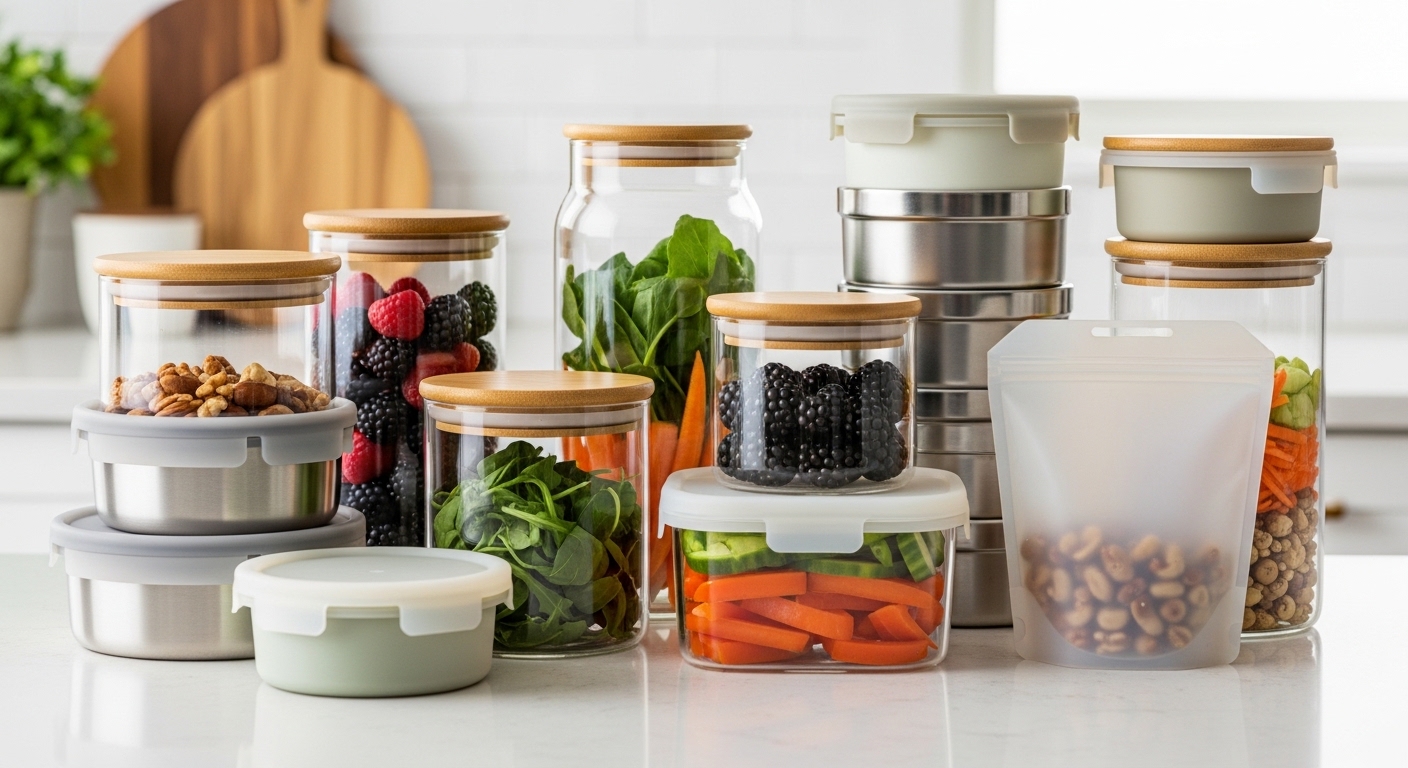
I started paying attention to food storage containers after reading about microplastics showing up in human blood samples. That discovery changed how I look at every plastic container in my kitchen. If you are searching for the Best Non-Toxic Food Storage Brands, you are likely concerned about the same thing: keeping harmful chemicals away from your food and family.
Traditional plastic containers can leach endocrine-disrupting chemicals into your meals, especially when heated. BPA-free labels do not tell the whole story, as manufacturers often replace BPA with similar chemicals that may pose identical risks. This guide examines safe alternatives including glass, stainless steel, and silicone options from trusted manufacturers.
Our team spent months researching materials, reading lab reports, and gathering real user experiences from communities like BuyItForLife and ZeroWaste. We also reference our comprehensive guide to non-toxic food storage containers for readers who want specific product recommendations. Whether you need containers for meal prep, freezer storage, or daily commuting, this guide will help you make informed choices.
Most people know to avoid BPA, but that is just one piece of a larger puzzle. Food storage containers can harbor multiple chemicals that migrate into food, especially when exposed to heat, acidic foods, or long storage periods. Understanding these risks helps you evaluate brands and marketing claims more critically.
Bisphenol A (BPA) is a chemical used to harden plastics and create epoxy resin linings. Research links BPA exposure to hormonal disruption, fertility issues, and certain cancers. When consumers demanded BPA-free products, manufacturers switched to alternatives like BPS and BPF. These substitutes show similar endocrine-disrupting effects in studies, yet products labeled BPA-free often contain them.
Glass, stainless steel, and high-quality silicone do not require these chemical additives. This makes them inherently safer options for long-term food storage. When evaluating brands, look beyond the BPA-free label and investigate what materials the company actually uses.
Per- and polyfluoroalkyl substances (PFAS) are synthetic chemicals used to make products water-resistant and non-stick. They accumulate in the human body and environment, earning the nickname forever chemicals. Some food container lids, especially those claiming superior leakproofing, may contain PFAS coatings.
Health concerns linked to PFAS include immune system suppression, thyroid disease, and certain cancers. Brands committed to non-toxic storage should explicitly state they are PFAS-free. If a brand does not mention PFAS status, consider it a red flag.
Not all glass is created equal. Decorative glass containers, particularly those with painted designs or colored glass, may contain lead, cadmium, or other heavy metals. These toxins can leach into food, especially when storing acidic items like tomatoes or citrus.
Clear glass containers from reputable brands typically test negative for lead. However, vintage glassware and imported decorative pieces pose higher risks. We discuss how to identify safe glass types in the next section.
Microplastics are tiny plastic particles that shed from containers during normal use, washing, and heating. These particles end up in your food and ultimately in your body. Studies have detected microplastics in human blood, lungs, and even placentas.
Plastic containers shed the most particles, but even some silicone products may release microplastics under certain conditions. The only way to completely avoid microplastic contamination is to use non-plastic materials like glass, stainless steel, or ceramic.
The Non-Toxic Kitchen category includes several safe material options, each with unique benefits and limitations. Understanding these differences helps you choose the right containers for your specific needs.
Glass remains the most inert food storage material available. It does not absorb odors, stain, or leach chemicals at any temperature. High-quality glass containers can last decades with proper care, making them an economical long-term choice.
However, glass has drawbacks. It is heavy, breakable, and incompatible with certain lids. Not all glass withstands thermal shock equally, which matters if you move containers between freezer, refrigerator, and microwave frequently.
Food-grade stainless steel offers a lightweight, unbreakable alternative to glass. It resists corrosion, does not leach chemicals, and handles temperature extremes well. Many users in the BuyItForLife community recommend stainless steel for commuters who find glass too heavy.
The main limitation is that you cannot microwave stainless steel. You also cannot see contents without opening the container. Some lower-quality stainless steel may contain nickel, which concerns people with nickel sensitivities.
Food-grade silicone has gained popularity as a plastic alternative. It is lightweight, flexible, freezer-safe, and withstands temperature extremes. Brands like Stasher have created reusable silicone bags that replace disposable plastic bags entirely.
Questions remain about silicone safety. While generally considered stable, some studies suggest silicone may release siloxanes, especially when exposed to fatty foods or high heat. The research is less extensive than for glass or stainless steel. We recommend using silicone for cold or room-temperature storage rather than heating.
Lead-free ceramic containers offer another safe option, particularly for pantry storage. They are heavy like glass but provide excellent moisture barriers. Beeswax wraps provide a natural alternative for covering bowls and wrapping foods, though they require more maintenance and have limited reusability.
Understanding glass composition helps you choose containers that last longer and resist thermal shock. The two main types used in food storage are borosilicate and soda-lime glass, each with distinct properties.
Borosilicate glass contains boron trioxide, which gives it exceptional thermal shock resistance. You can move borosilicate containers directly from freezer to oven without cracking. This makes it ideal for versatile food storage and baking.
Brands using borosilicate glass include Pyrex (European formulations), Simax, and some premium container lines. It is more expensive than soda-lime glass but offers superior durability. The clarity remains excellent over years of use.
Soda-lime glass is the most common type used in containers, bottles, and windows. It is cheaper to produce and works fine for most storage needs. However, it has lower thermal shock resistance. Rapid temperature changes can cause soda-lime glass to crack or shatter.
Most American Pyrex products now use tempered soda-lime glass rather than borosilicate. While still durable for normal use, these containers cannot handle extreme temperature swings. Let soda-lime glass containers come to room temperature before moving between hot and cold environments.
Lead content varies significantly by brand and manufacturing location. Tamara Rubin of Lead Safe Mama has tested numerous glass food storage containers, finding that many decorative pieces and some clear containers contain detectable lead. Plain, clear glass from major brands like Pyrex, Anchor Hocking, and Glasslock typically tests clean.
Avoid vintage glassware and decorative containers with painted designs unless you can verify lead-free status through independent testing. When in doubt, choose plain, clear glass from established manufacturers.
The container body gets most attention, but lids pose significant safety and practical concerns. Lid materials affect airtightness, durability, and chemical safety. Many container failures actually stem from lid problems rather than body issues.
Silicone provides the most popular material for airtight seals and flexible lids. It creates excellent barriers against air and moisture, keeping food fresh longer. Most high-quality glass containers use silicone gaskets in their lids for leakproof performance.
Silicone lid concerns center on longevity and heat exposure. Seals can degrade over time, losing their airtight properties. Some users report silicone taking on food odors. While generally safe, avoid putting silicone lids in ovens or exposing them to high heat, as this may accelerate degradation.
Bamboo lids have become popular for their aesthetic appeal and sustainability credentials. Brands like Ikea offer glass containers with bamboo lids at attractive prices. However, forum discussions reveal consistent durability problems.
Bamboo is organic material that absorbs moisture and can crack, warp, or mold over time. It requires careful drying and occasional oiling to maintain condition. Many users report bamboo lids becoming ill-fitting after months of use, compromising airtightness. While eco-friendly, bamboo may not provide the longevity of synthetic alternatives.
Many glass containers come with plastic lids for cost and weight reasons. Even BPA-free plastic may contain other problematic chemicals or release microplastics. Plastic lids also degrade faster than glass bodies, creating a mismatch in container lifespan.
If you choose containers with plastic lids, ensure they are labeled PFAS-free and phthalate-free. Hand-wash plastic lids rather than using dishwashers, as heat accelerates chemical leaching and material degradation. Consider replacing plastic lids separately when they wear out.
Some premium brands offer stainless steel lids that match the durability and safety of glass bodies. These lids resist staining, odors, and degradation. However, they are heavier and more expensive than other options.
Stainless steel lids work best for pantry storage and dry goods. They may not create the same airtight seal as silicone-gasketed lids for liquids. Check whether steel lids have silicone gaskets for improved sealing performance.
After analyzing materials, certifications, user reviews, and expert recommendations, we have identified the leading brands in non-toxic food storage. These companies prioritize material safety, durability, and transparency about their manufacturing processes.
Pyrex has been synonymous with glass food storage for generations. Their containers use tempered soda-lime glass that resists breaking and handles normal kitchen temperature changes. The brand offers extensive size options and replacement lids, making it easy to build a coordinated set.
Users particularly praise Pyrex Snapware available at Costco, which features more durable lids than standard Pyrex lines. The glass is lead-free and meets FDA safety standards. Pyrex containers work in microwave, freezer, and dishwasher, providing versatile storage solutions.
Glasslock containers feature snap-locking lids that create genuinely airtight seals. The borosilicate glass bodies handle thermal shock better than soda-lime alternatives. This Korean brand has gained strong following among meal prep enthusiasts.
The locking lids use silicone seals that remain effective over years of use. Glasslock containers are oven-safe without lids, adding cooking versatility. The brand offers various shapes and sizes, including specialized options for pantry organization.
Stasher created the reusable silicone bag category and remains the quality leader. Their platinum silicone bags replace disposable plastic bags for sandwiches, snacks, and freezer storage. The material is free from BPA, PVC, and latex.
Stasher bags withstand thousands of uses and can go from freezer to boiling water for sous vide cooking. While expensive upfront, cost-per-use makes them economical over time. Users in ZeroWaste communities consistently recommend Stasher as the best silicone storage option.
Weck jars represent German engineering applied to food storage. These molded glass jars use rubber gaskets and metal clips rather than screw-on lids. The design creates excellent seals for canning, pantry storage, and refrigerator use.
Forum users frequently mention Weck jars as their most durable storage investment. The glass is thick and resistant to chipping. The modular design means you can replace gaskets and clips separately if needed. Weck jars work beautifully for pantry organization and dry goods storage.
Anchor Hocking manufactures glass food storage in the United States. Their containers use tempered glass that resists breaking and thermal shock. The brand offers both basic storage containers and specialized bakeware with storage lids.
Users appreciate the consistent quality and reasonable pricing. Anchor Hocking glass tests free from lead and heavy metals. The company provides replacement lids for most products, extending container lifespan.
Caraway has expanded from cookware into food storage with ceramic-coated options. Their containers feature aluminum cores with non-toxic ceramic coatings. The design is lightweight compared to glass while offering chemical-free storage.
These containers are not microwave-safe due to the aluminum core, limiting versatility. However, they excel for pantry storage, packed lunches, and refrigerator organization. The aesthetic appeal matches Caraway’s cookware line for coordinated kitchen design.
For commuters seeking lightweight alternatives to glass, Black + Blum offers premium stainless steel containers. Their designs prioritize portability with leakproof seals and compact shapes perfect for lunch bags.
The stainless steel construction handles drops and impacts that would shatter glass. These containers work well for office lunches, school meals, and travel. While more expensive than plastic alternatives, they last indefinitely with proper care.
Ikea’s 365+ glass containers provide accessible entry points into non-toxic food storage. The rectangular and round containers use tempered glass with bamboo or plastic lid options. Pricing makes it affordable to build a complete set.
Forum discussions reveal mixed experiences with Ikea glass storage. The containers themselves perform well, but bamboo lids show the durability issues common to organic materials. Consider buying containers without lids and sourcing silicone alternatives separately.
Different storage needs favor different brands and materials. Here is how leading options compare for specific scenarios based on community feedback and testing.
Meal prep requires containers that handle repeated heating, cooling, and washing. Glasslock and Pyrex excel here due to their durability and microwave safety. Glasslock’s superior airtight seals keep prepared meals fresh longer.
Stasher bags work well for freezer meal prep and sous vide cooking. Their flexibility allows compact freezer storage. Consider a combination of glass containers for refrigerator storage and Stasher bags for freezer portions.
Freezer storage demands materials that handle extreme cold without cracking. Borosilicate glass from Glasslock and Pyrex European lines resists thermal shock best. Leave headspace in glass containers, as food expands when frozen.
Stasher bags excel for freezer use because they conform to available space and prevent freezer burn. Their silicone material remains flexible even when frozen, unlike rigid containers. For liquid storage, freeze in open containers and seal after contents solidify.
Carrying food to work or school requires lightweight, leakproof containers. Black + Blum stainless steel containers offer the best combination of weight, durability, and leakproofing. They withstand commuting bumps without breaking.
If you prefer glass for commuting, choose smaller containers and protect them with insulated bags. Some users report success with Pyrex containers in padded lunch bags, though this adds bulk and weight compared to stainless steel.
Pantry storage prioritizes airtight seals and visibility. Weck jars lead this category with their excellent sealing mechanism and clear glass. The decorative appearance also enhances pantry aesthetics.
Anchor Hocking and Pyrex square containers stack efficiently for pantry use. Their flat sides maximize shelf space utilization. Choose uniform brands for easier stacking and organization.
Storing baby food demands the highest safety standards. Small glass containers from Weck or Glasslock work well for homemade purees. Avoid any plastic lids that might contact food directly.
Stasher bags in small sizes provide convenient storage for frozen baby food portions. The silicone is easy to clean thoroughly between uses. Always verify any container is free from lead, BPA, and phthalates when storing food for infants.
When evaluating non-toxic food storage brands, certain features indicate quality and safety. Understanding these helps you compare products beyond marketing claims.
True airtight seals prevent food spoilage and odor transfer. Look for silicone gaskets and locking mechanisms rather than simple press-on lids. Test seals by filling containers with water and inverting them.
Leakproof performance matters for packed lunches and liquid storage. Glasslock’s locking lids and Weck’s rubber gasket systems provide the most reliable seals. Stasher bags seal effectively when pressed properly.
Versatile containers work across freezer, refrigerator, microwave, and oven. Glass offers the widest temperature range. Check whether lids are oven-safe, as many are not.
Stainless steel cannot go in microwaves but handles other temperatures well. Ceramic-coated containers from Caraway are limited by their aluminum cores. Consider your cooking habits when choosing materials.
Square and rectangular containers use space more efficiently than round ones. Nesting sets save cabinet space when not in use. Interchangeable lids across container sizes add convenience.
Weck jars stack securely due to their uniform sizing. Pyrex offers many lid sizes that fit multiple containers. Before buying, measure your storage spaces to ensure containers will fit.
True non-toxic storage should last years, not months. Glass bodies outlast lids by decades, so check replacement lid availability. Stainless steel containers can last indefinitely with proper care.
Forum users consistently report glass containers lasting ten years or more. Plastic containers, even high-end ones, typically need replacement within two to three years. Factor replacement costs into your price comparisons.
The non-toxic and eco-friendly product space attracts marketing claims that do not hold up to scrutiny. Learning to identify greenwashing helps you choose genuinely safe products.
Brands claiming non-toxic status without specifying what they exclude should raise suspicion. True non-toxic brands explicitly state they are free from BPA, PFAS, phthalates, lead, and other specific chemicals. Request test reports if claims seem unsubstantiated.
BPA-free labels mean little when manufacturers use BPS, BPF, or other bisphenol compounds. These alternatives show similar health effects in research. Look for bisphenol-free claims rather than just BPA-free.
Plastic containers marketed as safe alternatives often still pose microplastic contamination risks. The only way to avoid microplastics completely is choosing non-plastic materials. Our non-toxic Tupperware alternatives guide helps identify truly plastic-free options.
Some brands emphasize recyclable packaging while selling products that require frequent replacement. True sustainability involves durability first. A glass container that lasts twenty years is more eco-friendly than recyclable plastic replaced annually.
Bamboo lids exemplify this issue. While bamboo is renewable, lids that warp and need replacement within a year create more waste than durable synthetic alternatives. Consider total lifecycle impact, not just material origin.
Look for third-party certifications like FDA compliance, LFGB testing (European standard), or independent lab reports. Transparent brands publish testing results. Be wary of companies that resist questions about material composition.
Communities like BuyItForLife and ZeroWaste provide valuable user experiences that reveal long-term performance issues. Real durability reports matter more than marketing promises. Combine community feedback with material research for best results.
The least toxic food storage uses borosilicate glass with silicone or stainless steel lids. Borosilicate glass is inert, lead-free, and does not leach any chemicals. It resists thermal shock better than other glass types and lasts indefinitely without degrading.
The best brand depends on your needs. Pyrex offers the best balance of availability, price, and durability for general use. Glasslock provides superior airtight sealing for meal prep. Weck excels for pantry storage and longevity. Stasher leads for silicone bag alternatives.
Food-grade silicone is generally safer than plastic for food storage. It does not contain BPA, phthalates, or other plastic additives. However, silicone may release siloxanes when exposed to high heat or fatty foods. Use silicone for cold and room-temperature storage rather than heating for maximum safety.
Glass, stainless steel, and ceramic containers do not contain or release microplastics. These materials are inert and do not shed particles into food. Avoid all plastic containers, including those marketed as BPA-free or eco-friendly, if you want to eliminate microplastic exposure completely.
Choosing the Best Non-Toxic Food Storage Brands requires understanding both materials and marketing claims. Glass remains the safest option, with borosilicate glass offering superior thermal performance. Pyrex, Glasslock, and Weck provide excellent glass options for different needs. Stainless steel from brands like Black + Blum serves commuters well, while Stasher leads the silicone category.
Your specific storage needs should guide brand selection. Meal prep enthusiasts benefit from Glasslock’s airtight seals. Commuters need the lightweight durability of stainless steel. Pantry organizers appreciate Weck’s classic design and reliability. Whatever your situation, prioritize materials over marketing and invest in containers that will last years.
Switching to non-toxic food storage is one of the most impactful steps you can take for a healthier kitchen. Combined with eco-friendly kitchen practices, these choices reduce chemical exposure and environmental impact simultaneously. Start by replacing your most-used containers, then gradually transition your entire collection to safer alternatives.
