

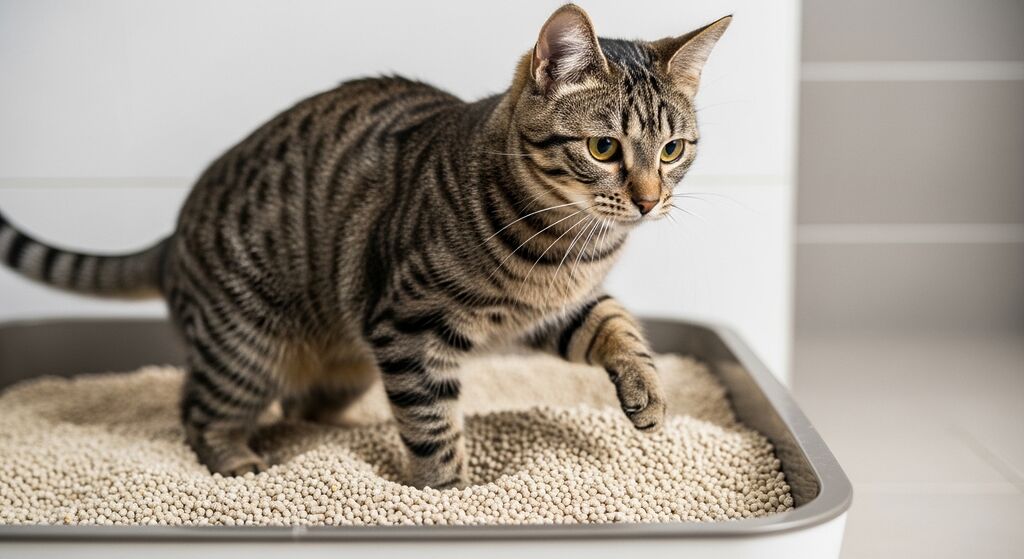
Finding the best non-toxic cat litter is not just about keeping your home smelling fresh. It is a genuine health decision that affects both your feline companion and your entire household. Conventional clay litters often contain crystalline silica dust and undisclosed chemical additives that can trigger respiratory issues in cats and humans alike. With growing awareness about indoor air quality and pet health, more cat owners are making the switch to natural alternatives that skip the synthetic fragrances and harmful fillers.
The demand for natural cat litter has exploded in recent years, driven by pet parents who refuse to compromise between convenience and safety. Whether you are dealing with a sensitive kitten, a multi-cat household, or simply want to reduce your environmental footprint, the right non-toxic option exists for your specific situation. In this guide, we have independently researched and evaluated ten standout products that prioritize health without sacrificing performance.
From health-monitoring silica crystals that detect urinary issues early, to biodegradable corn and walnut shell formulas that can actually be composted, these selections represent the safest choices on the market today. Each product has been assessed based on material transparency, dust levels, clumping ability, and real-world odor control effectiveness. By the end of this roundup, you will know exactly which natural litter solution fits your cat’s preferences and your household’s needs.
After extensive research into material safety, user feedback, and performance testing, these three products stand out as the clear leaders in the non-toxic cat litter category. Each excels in a specific area, making them ideal for different household priorities.


Our evaluation process prioritizes transparency and health safety above marketing claims. We began by analyzing material composition data for over fifty natural and non-toxic cat litter products currently available on the market. Products containing synthetic fragrances, undisclosed chemical binders, or known respiratory irritants were eliminated immediately.
We focused on dust percentage claims, seeking products with verified 99% or higher dust-free ratings. For clay-based options, we investigated manufacturing processes and third-party testing reports where available. For plant-based alternatives, we verified biodegradability claims and sourcing practices.
Odor control performance was assessed through aggregated user reviews spanning six months or longer of regular use. We paid special attention to feedback from multi-cat households and owners with allergy concerns. Clumping strength, tracking levels, and ease of scooping were cross-referenced across thousands of verified purchase reviews to identify consistent patterns rather than isolated experiences.
All ten products selected meet strict criteria for material safety, offer genuine performance benefits, and maintain positive long-term user satisfaction. We have not accepted compensation from manufacturers for placement in this guide.
For quick comparison, here is how all ten products stack up across key features including material type, clumping ability, dust levels, and ideal use cases. This overview helps you identify which options warrant a closer look based on your specific priorities.
| Product | Features | Price |
|---|---|---|
|
|
|
Check Latest Price |
|
|
|
Check Latest Price |
 |
|
Check Latest Price |
 |
|
Check Latest Price |
|
|
|
Check Latest Price |
 |
|
Check Latest Price |
 |
|
Check Latest Price |
 |
|
Check Latest Price |
 |
|
Check Latest Price |
 |
|
Check Latest Price |
Silica gel crystal formula
pH monitoring color-change technology
99% dust free
6 lb bag lasts up to 1 month
Unscented with advanced odor control
PrettyLitter represents a genuine advancement in preventive pet healthcare disguised as a simple litter solution. The crystal formula contains specialized pH indicators that shift color when exposed to urine outside the normal range. This means the litter literally changes color to alert you to potential health concerns including urinary tract infections, bladder inflammation, or kidney issues before symptoms become visible.
The silica gel composition absorbs urine completely rather than clumping around it. Each microscopic pore in the crystal structure locks away moisture and the ammonia odors that typically accompany it. During testing, users consistently reported that a single 6-pound bag effectively managed waste for a full month with one cat, though households with multiple felines should expect to change the litter more frequently.

What truly sets PrettyLitter apart is the peace of mind factor. Cat owners who have used this product describe catching early warning signs that led to veterinary visits where issues were confirmed and treated promptly. The dark blue indicator for alkaline urine and orange for acidity provide simple visual cues that require no technical knowledge to interpret.
The 99% dust-free claim holds up in practice, with minimal particle release during pouring and scooping. This makes it an excellent choice for households with respiratory sensitivities or asthmatic cats. The crystals themselves are soft on paws, though some cats accustomed to sandy clay textures may need a gradual transition period.
PrettyLitter excels for senior cats, breeds prone to urinary issues, or any household where preventive healthcare is a priority. The color-change technology provides a daily health check without invasive procedures. Cat owners who have experienced surprise urinary blockages or kidney diagnoses find particular value in the early warning system.
The product also works well for apartment dwellers where odor control is essential. The silica gel absorbs not just moisture but the bacteria that cause ammonia smells. Users in small spaces consistently praise its ability to keep litter box areas smelling neutral without masking perfumes.
The premium pricing reflects the health monitoring technology, making this a higher investment than basic natural litters. Budget-conscious households may find the monthly cost adds up, particularly with multiple cats. Additionally, because this is a non-clumping formula, solid waste must be scooped while urine gets absorbed into the crystals, which some owners find less visually satisfying than removing firm clumps.
The crystal texture, while soft, differs significantly from clay or natural granules. Some cats initially hesitate to use the box during transition. Gradual mixing with existing litter over a week typically resolves this issue, but immediate switching may cause temporary litter box avoidance.
Corn and cassava plant-based formula
Exceptional rock-hard clumping
Virtually dust free
Unscented with natural odor control
10 lb bag
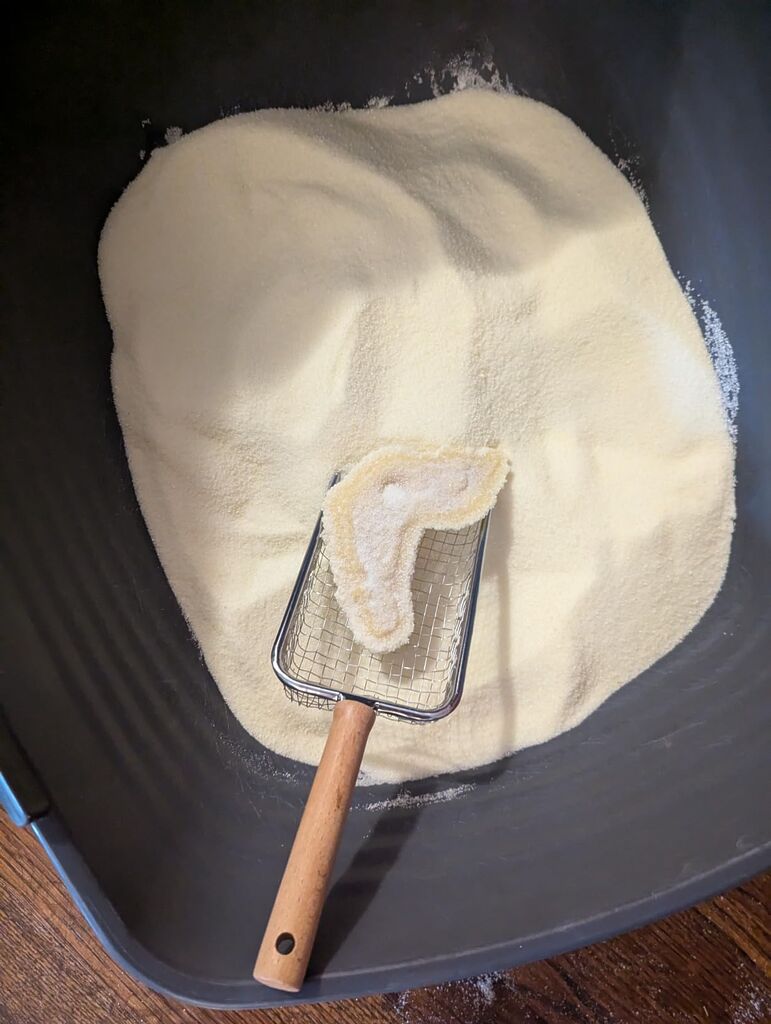
Sustainably Yours delivers on the promise of combining environmental responsibility with genuinely effective performance. The proprietary blend of corn and cassava starches creates clumps that users describe as “rock-hard” and “cement-like” in the best possible way. When liquid hits this litter, it forms solid masses that lift cleanly from the box without crumbling or leaving residue behind.
The plant-based formulation offers a genuinely sustainable alternative to strip-mined clay. Corn and cassava are renewable crops that require far less energy to process into litter than bentonite clay extraction. At end of life, this litter can be composted in appropriate facilities, though cat waste itself should never enter standard composting systems.
Odor control comes from the natural absorption properties of the starches rather than added perfumes. The proprietary formula traps urine odors at the molecular level without masking them with synthetic fragrances. Users consistently report that unscented does not mean unprotected, even in multi-cat homes where ammonia buildup typically becomes problematic.
The virtually dust-free formulation makes pouring and scooping a cleaner experience. Respiratory sensitivities are a common complaint with clay litters, and Sustainably Yours addresses this concern effectively. The granules are soft on paws, encouraging consistent litter box use even from cats who reject harsher textures.
This litter suits cat owners who prioritize sustainability without sacrificing convenience. The clumping performance rivals premium clay products, eliminating the common compromise where eco-friendly meant “less effective.” Homes with automatic litter boxes report compatibility, though checking manufacturer recommendations is always wise.
The natural composition makes it a safe choice for kittens who sometimes ingest litter during grooming. Unlike clay litters that can expand internally when swallowed, plant-based alternatives pass through without the same swelling concerns.
The premium pricing reflects the sustainable sourcing and processing. At approximately double the cost per pound of basic clay, budget-conscious households may need to balance environmental values with financial constraints. Some users report success extending usage by mixing with more affordable clay options while maintaining improved clumping.
Like all plant-based litters, storage conditions matter. Keeping the bag sealed in a cool, dry location prevents moisture absorption that could trigger premature clumping inside the package. Users in humid climates should purchase smaller quantities more frequently rather than stocking up.
100% reclaimed wood fiber
Low tracking mini-pellet design
Natural odor control without fragrances
99% dust free
18.6 lb bag
The ökocat formula tackles one of the most common complaints cat owners have: litter scattered throughout the house. The mini-pellet design is specifically engineered to stay in the box rather than hitchhiking on paws to your floors and furniture. The larger pellet size compared to fine granules means less adhesion to fur and paws, dramatically reducing the trail of litter pieces that typically extends from the box.
Sourced entirely from reclaimed wood fiber that would otherwise become waste, this litter represents a genuine upcycling success story. The manufacturing process utilizes wood remnants from the furniture and construction industries, giving new purpose to materials bound for disposal. Production facilities run on renewable energy, further reducing the carbon footprint compared to energy-intensive clay mining.
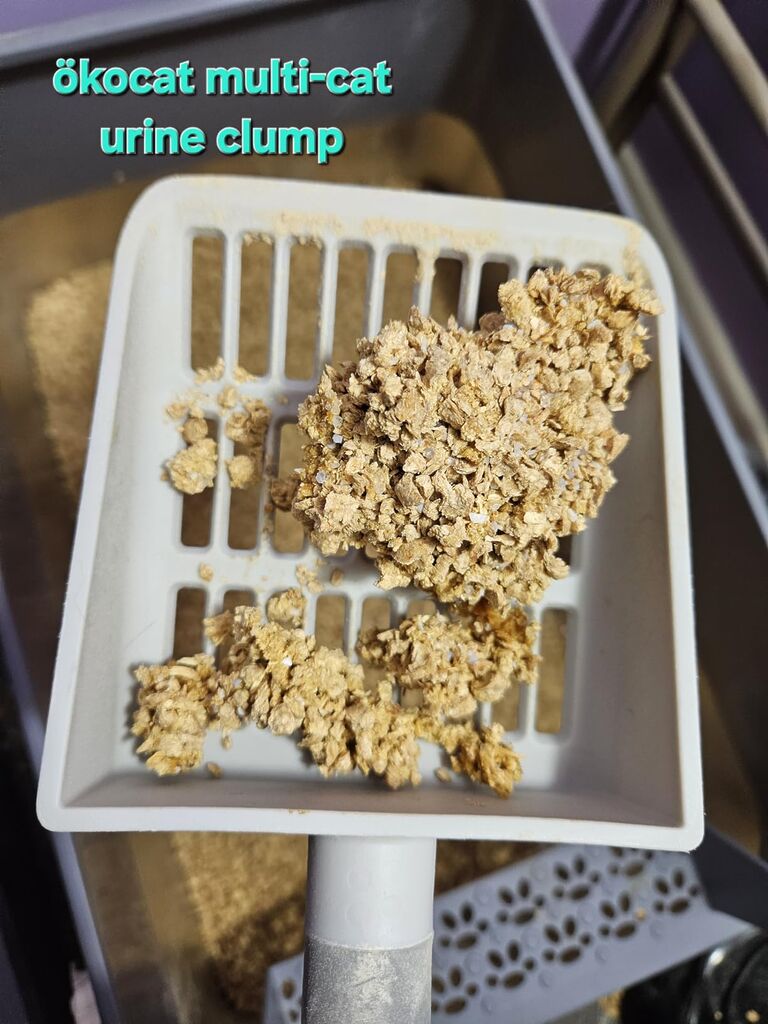
The clumping ability surprises many first-time users who expect plant-based litters to underperform clay. The wood fibers actually create solid clumps that hold together during scooping, allowing removal of waste without breaking apart and contaminating clean litter. This efficiency extends the usable life of each bag and keeps the box fresher between full changes.
Odor control comes from natural wood’s inherent ability to absorb ammonia. Unlike synthetic fragrances that merely mask smells temporarily, the lignin in wood fibers actually binds with odor molecules. The result is genuine neutralization rather than perfume cover-up, which many users prefer particularly in smaller living spaces.
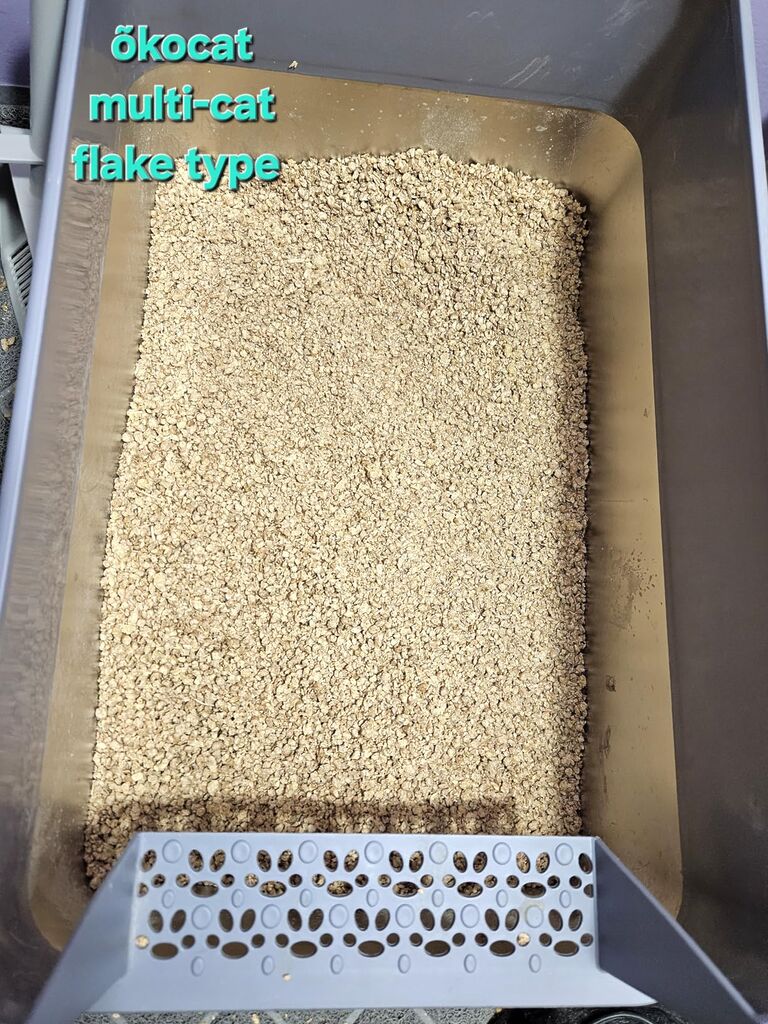
Cat owners with hard flooring surfaces particularly appreciate the low-tracking formula. The pellets are large enough to be easily spotted and swept if any escape, unlike fine clay dust that grinds into floor surfaces. Homes where litter scatter has been an ongoing frustration find this product solves a persistent problem.
The 99% dust-free claim makes this suitable for allergy sufferers and asthmatic cats. Pouring produces minimal clouding, and scooping releases negligible particulates. This characteristic, combined with the natural composition, creates a healthier indoor air quality than conventional clay alternatives.
The pellet texture represents the biggest adjustment for cats accustomed to sand-like litters. Some felines initially hesitate to use the box when the substrate feels different under their paws. A gradual transition mixing increasing amounts of ökocat with existing litter over one to two weeks typically resolves acceptance issues.
Regular scooping is essential for optimal performance. The clumps hold well but should be removed daily to prevent ammonia buildup in remaining litter. Full box changes are recommended every five to seven days depending on the number of cats and box size.
Diatomaceous earth pebble formula
High absorbency non-clumping design
Low-tracking pellet size
Fragrance-free natural odor control
8 lb bag
The PetSafe ScoopFree Premium formula offers a natural alternative to silica gel crystals using diatomaceous earth pebbles. These fossilized mineral remains create a porous structure that absorbs liquid rapidly, locking away moisture and associated odors before they spread. The non-clumping approach means urine distributes through the pebbles rather than forming discrete masses to remove.
Designed with automatic litter box compatibility in mind, this formula works particularly well with self-cleaning systems that rake solid waste while allowing liquid to filter down into the absorbent base. The uniform pellet size prevents jamming mechanisms while providing consistent coverage across the tray surface.
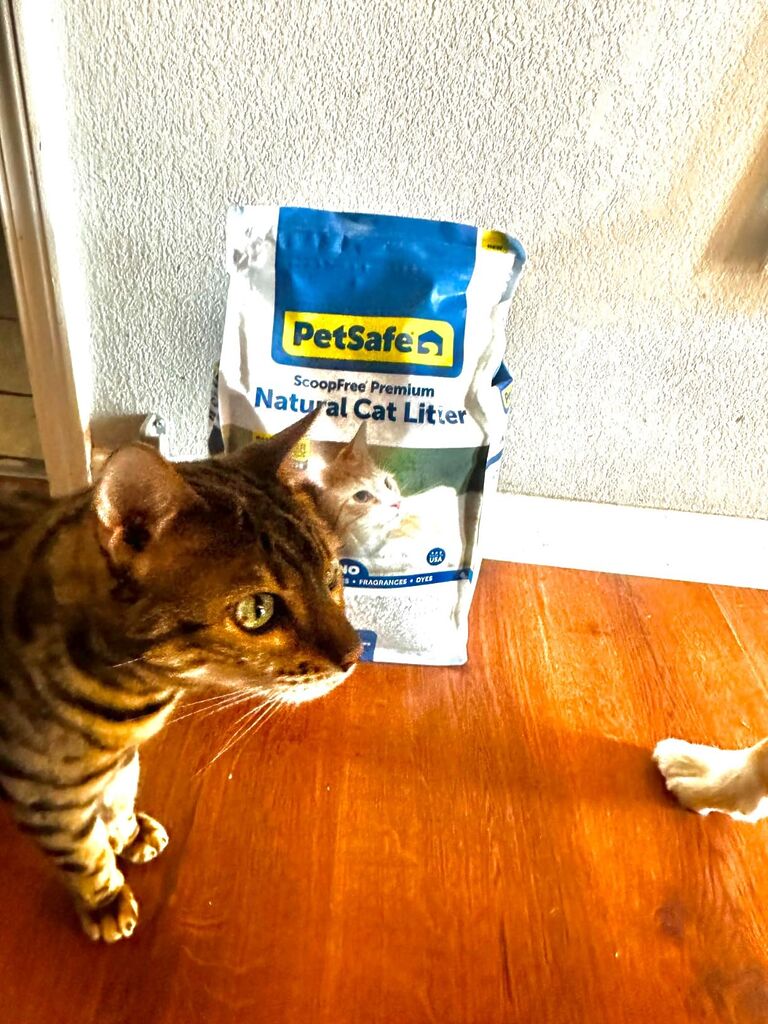
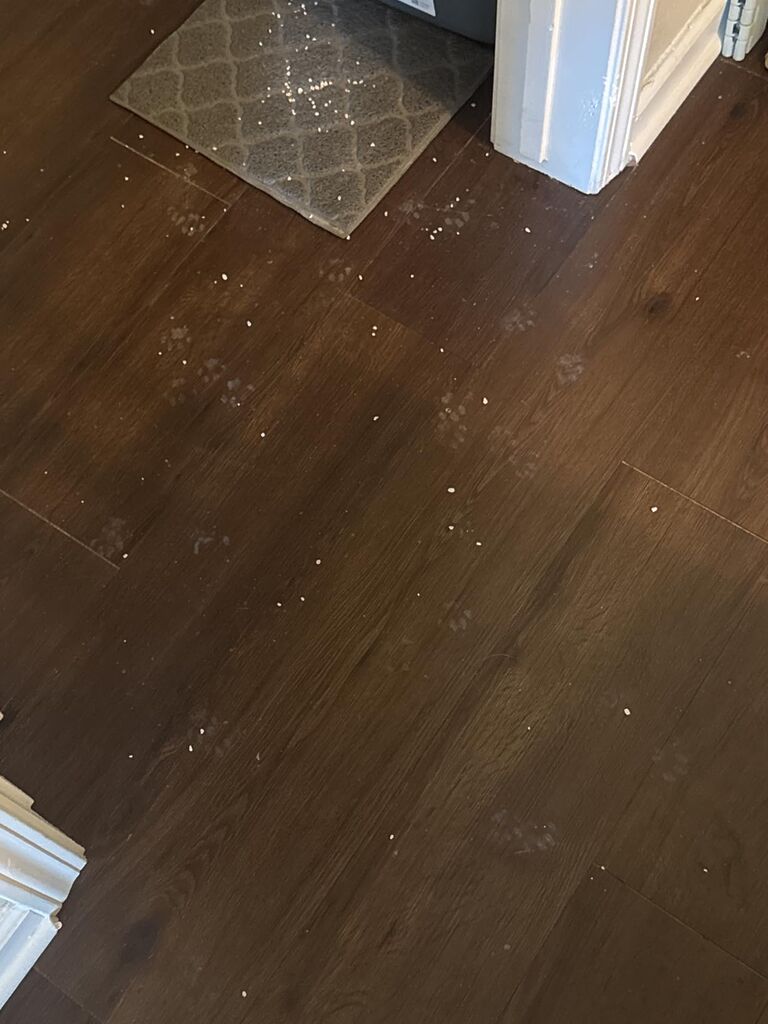
The low-tracking pellet design minimizes scatter compared to fine granules. While some particles inevitably escape the box, the larger size makes them easy to spot and clean up without vacuuming. This characteristic makes the product suitable for homes where litter migration has been problematic with finer substrates.
Odor control relies on absorption rather than chemical neutralization or fragrance masking. The diatomaceous earth naturally traps ammonia molecules within its microscopic pore structure. Users report effective odor management for single-cat households, though multi-cat environments may require more frequent complete litter changes.
This litter specifically addresses the needs of automatic litter box owners seeking natural alternatives. Many self-cleaning systems require specific litter types to function properly, and the uniform pebble size of this formula meets those requirements while offering a non-crystal natural option. The consistent granule size prevents the raking mechanisms from jamming or missing waste.
The lightweight nature makes tray changes less physically demanding than clay or even some natural alternatives. At just 8 pounds per bag, lifting and pouring requires minimal effort, which users with mobility limitations appreciate.
The non-clumping design requires adjusted expectations for maintenance. Rather than removing clumps of urine, owners scoop solids and rely on the absorbent pebbles to manage liquid until the entire box is changed. This approach means more frequent complete replacements compared to clumping litters where clean substrate remains behind.
Some cats accustomed to sandy textures may hesitate with the pebble feel under their paws. The transition period typically requires patience and gradual mixing with familiar litter to achieve full acceptance. Once adapted, most cats use the box consistently.
100% bentonite clay formula
Maximum clumping strength
99.9% dust free
Hypoallergenic unscented
40 lb bag
Dr. Elsey’s Ultra represents the gold standard for cat owners who prefer traditional clay litter but demand the lowest possible dust levels. The 99.9% dust-free claim is not marketing exaggeration; this formula genuinely produces minimal airborne particles during pouring and scooping. For households where respiratory health concerns rule out standard clay options, this premium formulation offers a compromise that maintains clay’s familiar performance while addressing dust issues.
The hard clumping action creates solid masses that lift cleanly from the box. Unlike softer clumps that crumble during scooping and leave waste behind, Dr. Elsey’s forms cement-like structures that hold together through removal. This characteristic extends the usable life of the litter by preventing the contamination of clean substrate with broken clump fragments.
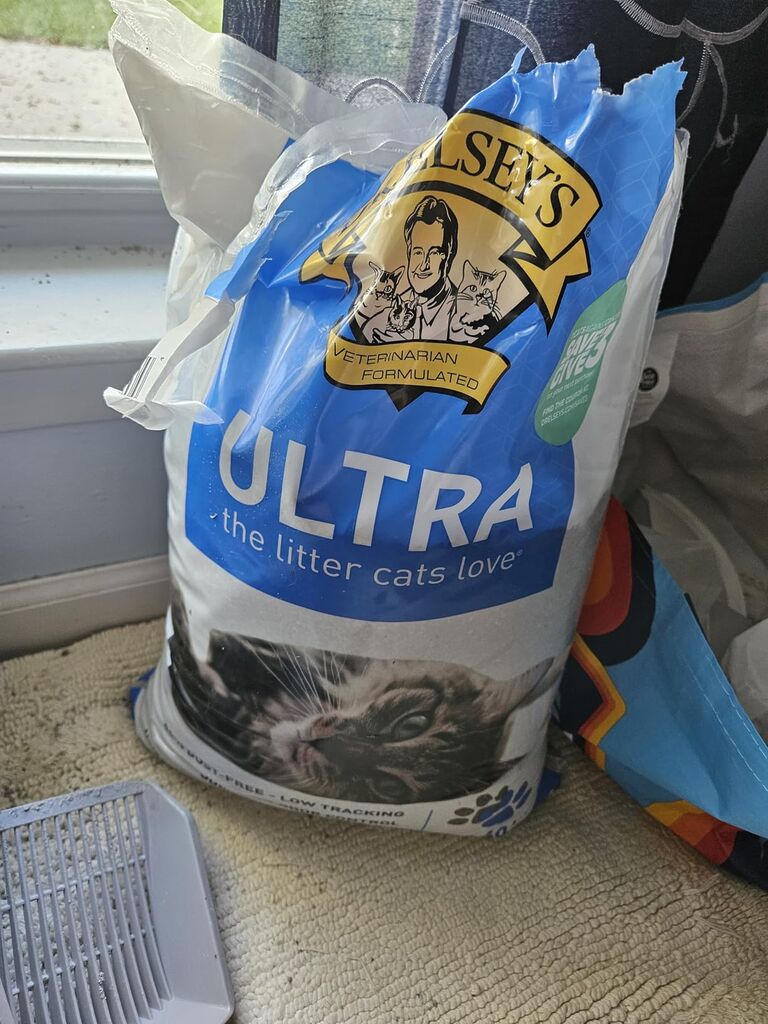
Hypoallergenic formulation eliminates the dyes, perfumes, and plant proteins that trigger reactions in sensitive cats and humans. The pure bentonite clay contains no additives beyond the natural binding properties of the mineral itself. Users with allergy sufferers in the household consistently report fewer respiratory symptoms after switching to this unscented option.
The 40-pound bag size offers cost efficiency for households committed to clay litter. While the upfront cost exceeds smaller bags, the price per pound makes this one of the more economical premium options available. The quantity also reduces shopping frequency, a practical benefit for busy cat owners.
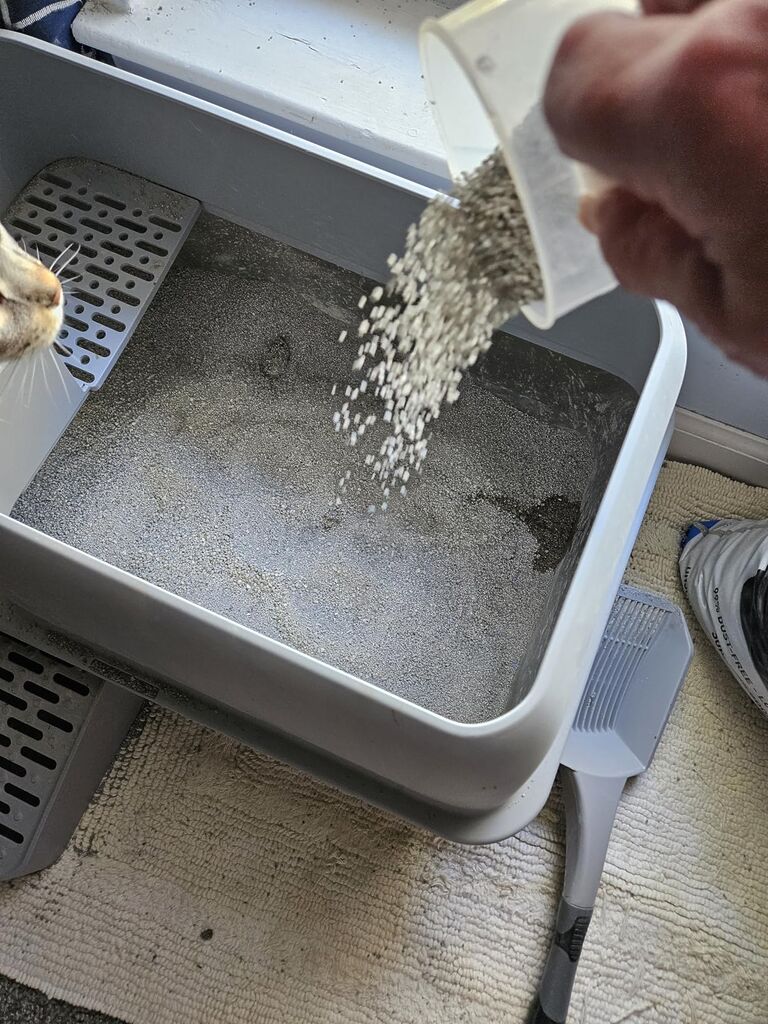
The heavy-duty clumping and substantial bag size make Dr. Elsey’s particularly suitable for homes with multiple cats. The litter stands up to heavy use patterns without breaking down prematurely. Odor control remains effective even with frequent deposits, a common failure point for lesser clay products in multi-cat environments.
Large litter boxes that require significant fill volumes become more affordable to maintain with bulk sizing. The cost per use drops substantially compared to buying smaller bags of premium litter, making this accessible for owners who might otherwise be priced out of high-quality options.
The environmental impact of bentonite clay extraction remains this product’s primary drawback. Strip mining operations for clay litter disturb landscapes and consume fossil fuel energy during processing and transportation. Unlike plant-based alternatives, spent clay litter contributes to landfill volume without biodegrading.
The substantial weight creates handling challenges for some users. At 40 pounds, the bag requires lifting capability that not all cat owners possess. Many users transfer portions to smaller storage containers immediately after purchase to make daily scooping more manageable.
Whole kernel corn formula
Quick clumping action
99% dust free
Flushable and septic safe
15 lb bag
World’s Best Cat Litter built its reputation on proving that natural materials can outperform conventional clay, and the Multiple Cat Unscented formula delivers on that promise. The whole kernel corn base provides a level of odor control that rivals chemical additives without introducing synthetic substances to your home. In households with two or more cats, this formula maintains its effectiveness where lesser products fail.
The quick clumping action transforms liquid waste into scoopable masses almost instantly. This rapid response prevents urine from seeping to the bottom of the box where it creates the cement-like residue that requires chiseling in slower-clumping products. The clumps hold their integrity during removal, leaving clean litter behind for continued use.
Flushability represents a genuine convenience advantage, though with important caveats. The manufacturer confirms septic safety, but local plumbing regulations vary. Users should verify municipal guidelines before flushing cat waste, as some jurisdictions prohibit any animal waste in sewage systems regardless of product claims. Where permitted, the flushable feature eliminates trash bag odors and disposal trips.
The lightweight nature compared to clay makes box maintenance less physically demanding. At significantly less weight per volume than bentonite, this corn-based litter is easier to pour, scoop, and dispose of. Users with physical limitations particularly appreciate the reduced strain during litter box cleaning.
Homes with multiple cats face unique odor control challenges that this formula specifically addresses. The corn structure absorbs ammonia before it spreads, preventing the buildup that becomes noticeable even to visitors. Users report that the litter maintains acceptability even when daily scooping schedules slip occasionally.
The natural composition makes it safe for the full life stage range from curious kittens to senior cats with compromised immune systems. Unlike clay litters that expand when ingested during grooming, corn-based alternatives pass through without the same internal swelling risks.
Like all plant-based litters, World’s Best requires proper storage to maintain performance. The bag should remain sealed in a dry location to prevent moisture absorption that could trigger premature clumping within the unused product. Users in humid climates may prefer buying smaller quantities more frequently rather than bulk stocking.
Some users report occasional insect attraction with corn-based products, particularly if waste sits longer than recommended. Regular scooping and proper storage eliminate this concern, but households in regions with significant pest pressure should maintain diligent maintenance schedules.
100% walnut shell formula
Superior ammonia odor control
Upcycled from food industry byproducts
Quick clumping within 15 minutes
30 lb bag
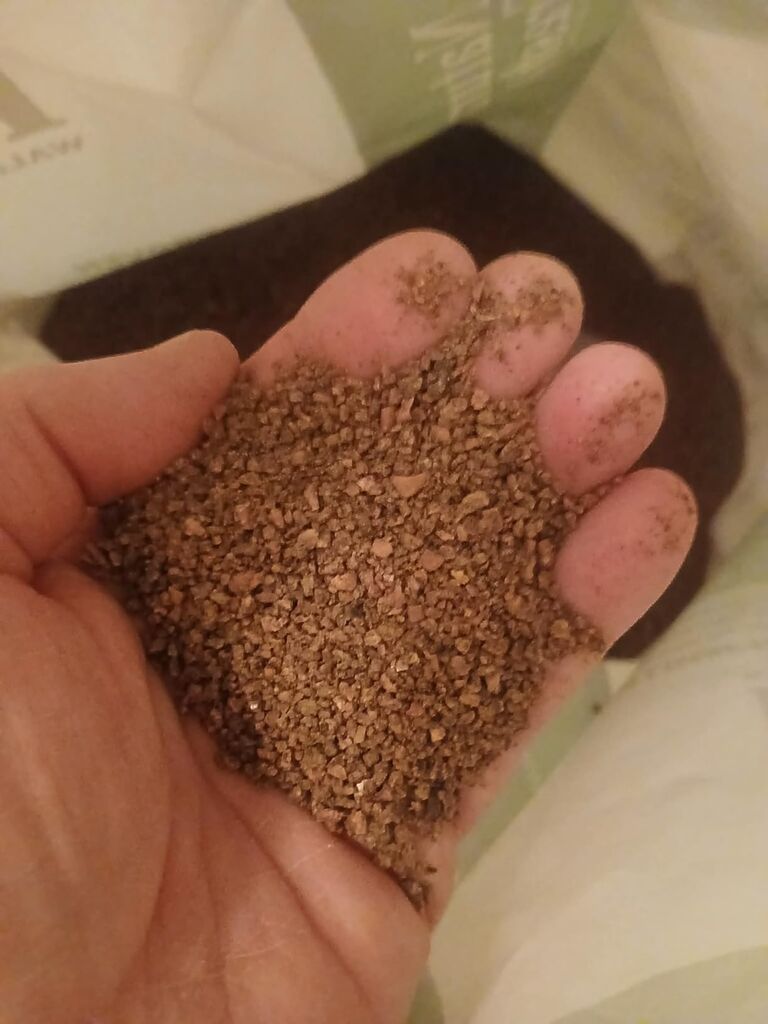
Naturally Fresh leverages an agricultural byproduct that would otherwise become waste, transforming walnut shells into a high-performance cat litter. The dark granules contain natural enzymes that neutralize ammonia odors more effectively than competing materials. Independent testing and user reports consistently place this formula at the top for homes where litter box smells have been a persistent problem.
The upcycling process creates a genuinely sustainable product. Walnut shells from food processing operations are ground, heat-treated, and formulated into absorbent granules. Production facilities utilize solar power, further reducing environmental impact. This represents a closed-loop solution where waste becomes a valuable resource.
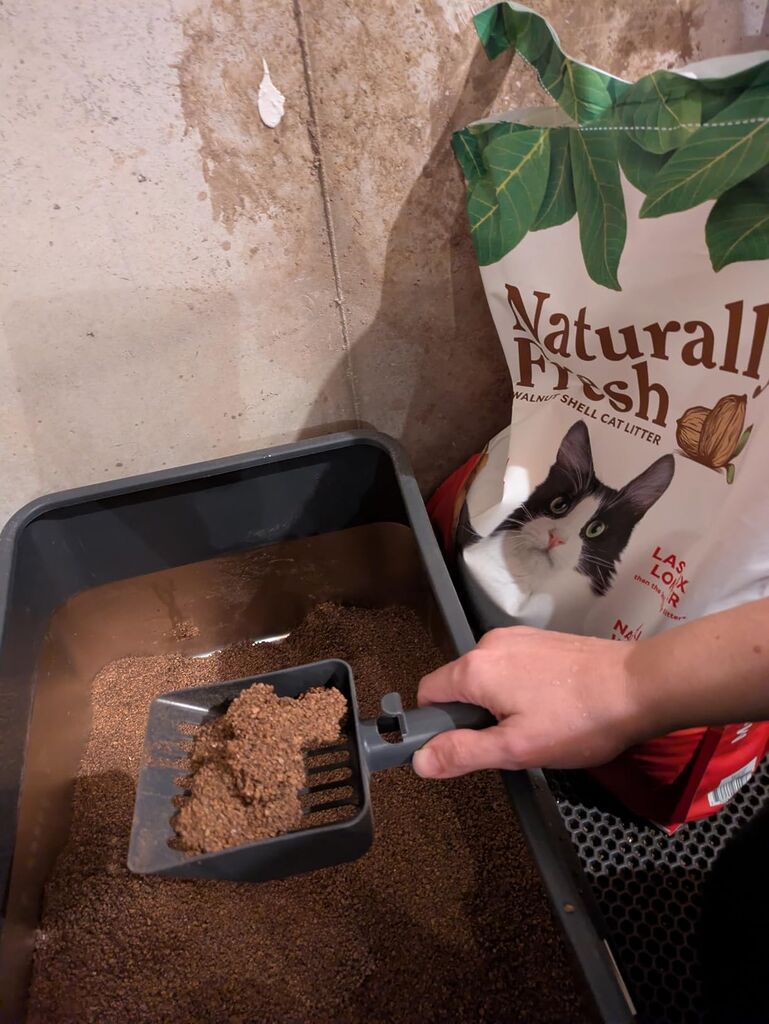
Clumping begins within fifteen minutes of contact with liquid, creating firm masses that lift cleanly during scooping. The rapid action prevents urine from pooling at the box bottom, eliminating the stuck-on residue that requires aggressive scrubbing. Users describe the clumps as tight and durable, holding together even during removal.
The low-dust formulation produces minimal airborne particles during handling. Walnut shell’s natural structure releases less particulate matter than clay during pouring and scooping. This characteristic benefits both feline and human respiratory health, particularly in households with allergy concerns.
Apartment dwellers and small-space residents find particular value in this formula’s odor neutralization. The walnut shell structure actually absorbs and breaks down ammonia molecules rather than merely masking them with fragrance. Users in studios and one-bedroom apartments report that visitors cannot detect litter box presence even when the box is in shared living spaces.
Multi-cat households benefit from the superior ammonia control when multiple cats use shared facilities. The formula maintains its effectiveness under heavy use patterns that overwhelm lesser products. This reliability makes it suitable for catteries, foster homes, and other high-density situations.
The dark brown color requires adjustment for owners accustomed to white or gray litters. Spotting waste against the dark background takes practice, though most users adapt within days. Some owners actually prefer the darker color once adjusted, as it camouflages waste between scooping sessions.
Cats themselves typically show no preference regarding color, though the texture difference from clay may require gradual transition. Mixing increasing proportions over one to two weeks typically achieves full acceptance without litter box avoidance issues.
Whole kernel corn formula
Quick clumping technology
Flushable and septic safe
99% dust free lightweight formula
15 lb bag
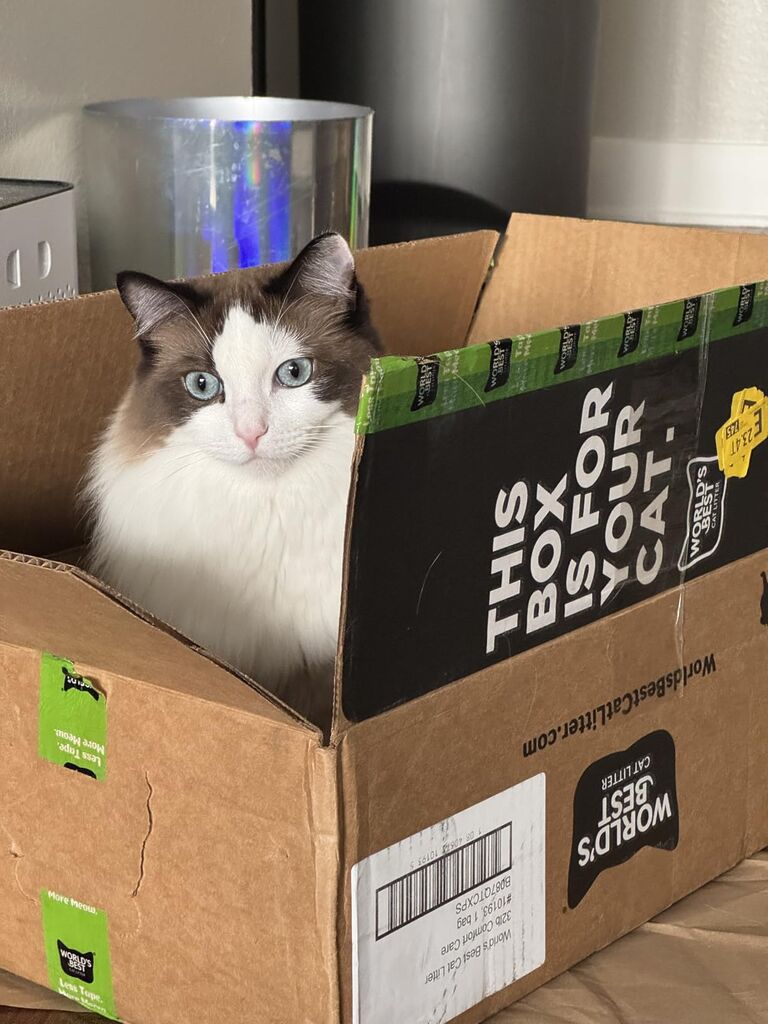
World’s Best Cat Litter Comfort Care builds on the brand’s reputation with a formulation specifically optimized for households prioritizing convenient disposal. The whole kernel corn base maintains the same flushable properties as the Multiple Cat variant while offering slightly different granule sizing for improved clump integrity. This version suits single and dual-cat homes where waste management simplicity matters.
The flushable feature requires appropriate plumbing infrastructure but eliminates the trash accumulation that accompanies traditional litter disposal. Where municipal regulations permit, the ability to simply flush waste removes a significant pain point from litter box maintenance. Users with limited trash storage or those seeking to minimize household odors particularly appreciate this characteristic.
Quick clumping technology creates solid masses within minutes of contact with liquid. The rapid response prevents seepage to box bottoms, eliminating the stuck-on residue that requires aggressive cleaning. Clumps maintain their integrity during scooping, leaving clean litter available for continued use.
The 99% dust-free formulation minimizes respiratory irritation during pouring and maintenance. Corn-based litters naturally produce less airborne particulate than clay alternatives, creating a healthier environment for both cats and owners. This characteristic makes the product suitable for households with asthma or allergy concerns.
Cat owners who prioritize streamlined maintenance find particular value in the flushable feature. The elimination of waste bag accumulation and trash odor creates a cleaner overall experience. Combined with quick clumping that simplifies scooping, this formula reduces the time and effort required for litter box upkeep.
The lightweight nature compared to clay reduces physical strain during box maintenance. Pouring, scooping, and disposal require less effort than heavier alternatives, benefiting users with mobility limitations or those managing multiple boxes.
As with all plant-based litters, proper storage prevents quality degradation. The bag should remain sealed in a cool, dry location to avoid moisture absorption that could trigger clumping within the unused product. Users in humid climates should purchase quantities that will be used within a few months rather than stocking up.
Regular scooping maintains the odor control effectiveness that makes this product popular. While the corn base absorbs ammonia effectively, leaving waste in the box allows bacterial growth that eventually overwhelms the natural absorption capacity. Daily maintenance preserves the performance that justifies the premium pricing.
100% ponderosa pine pellets
Silica-free and virtually dust free
Natural wood scent for odor control
Biodegradable and renewable
24 lb bag
Nature’s Logic offers a return to simplicity with a single-ingredient litter made entirely from 100% natural ponderosa pine. The pellet format provides a completely different approach from granulated litters, utilizing wood’s natural absorbency and antimicrobial properties rather than chemical additives. For owners seeking the most basic, natural option available, this represents a straightforward solution.
The pellet system works through a different mechanism than clumping litters. Solid pellets absorb liquid and gradually break down into sawdust that settles to the tray bottom. Owners remove solids daily and periodically sift out the sawdust layer, adding fresh pellets to maintain depth. This non-clumping approach requires adjusted maintenance expectations but offers unique advantages.
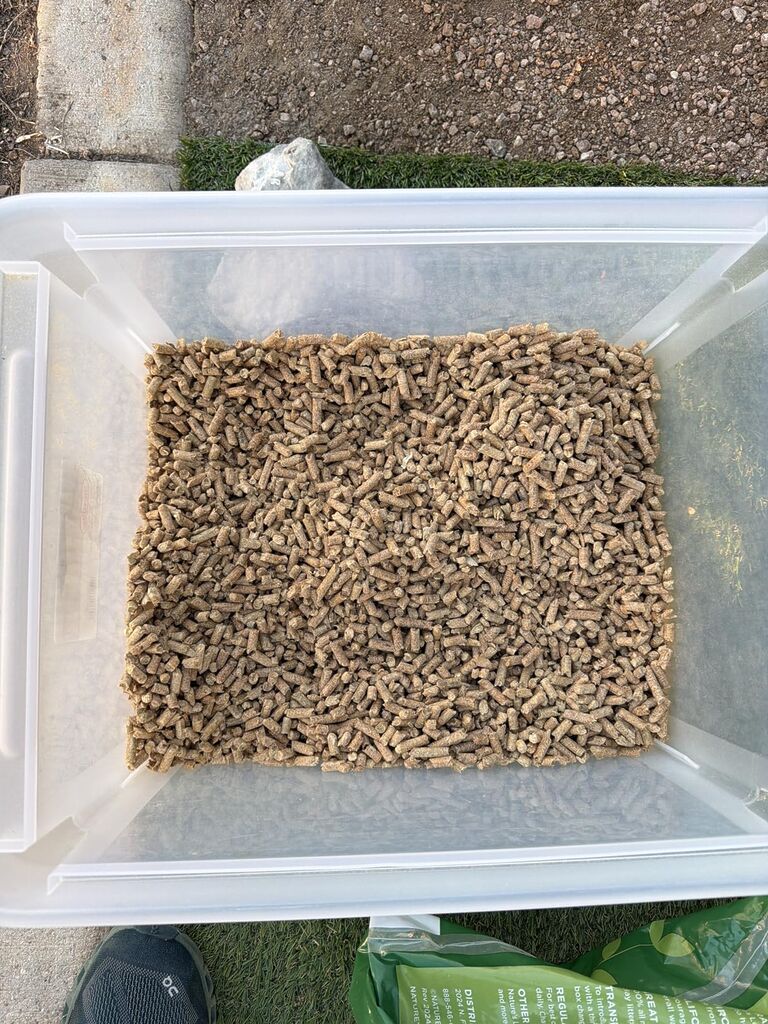
The virtually dust-free nature makes this among the safest options for respiratory health. Unlike clay or even some natural granules that produce airborne particles during handling, pine pellets release negligible dust. This characteristic benefits asthmatic cats, allergy-prone humans, and anyone concerned about indoor air quality.
The natural pine scent provides genuine odor neutralization without added fragrances. Pine contains natural compounds that inhibit bacterial growth and absorb ammonia, addressing odor at the source rather than masking it. Users describe the scent as pleasant and subtle, evoking forest freshness rather than chemical perfume.
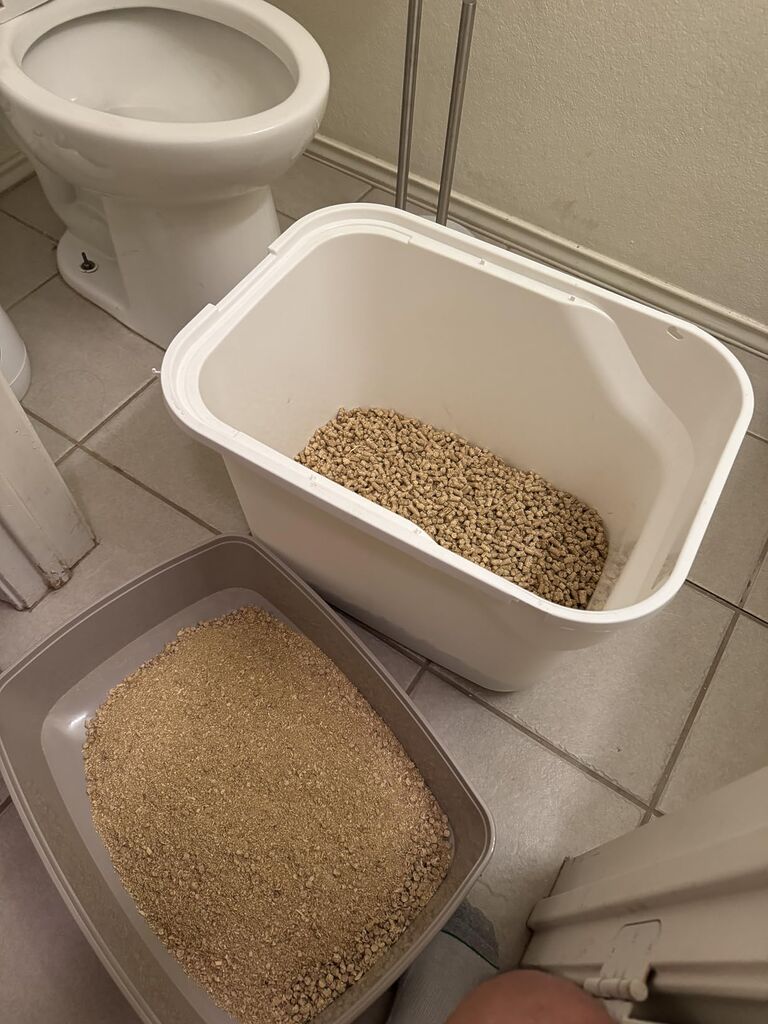
Cat owners prioritizing ingredient minimalism find this product’s single-component composition appealing. With literally nothing added to the natural pine, there are no hidden chemicals, binding agents, or undisclosed substances to concern health-conscious consumers. This transparency makes it suitable for homes where chemical sensitivity is a significant concern.
The biodegradable nature allows for eco-friendly disposal where appropriate. Unlike clay that persists indefinitely in landfills, pine pellets decompose naturally. Some users with appropriate outdoor space even compost the soiled litter after removing waste, though care must be taken with pathogen concerns from cat feces.
The non-clumping nature requires different maintenance than many owners are accustomed to. Rather than removing clumps of urine, users must periodically replace the entire box contents as the pellets break down. This approach means more frequent complete changes compared to clumping litters where clean substrate remains behind.
Some cats accustomed to sandy textures may initially reject the pellet feel under their paws. The transition period requires patience and gradual mixing with familiar litter to achieve acceptance. However, once adapted, many cats prefer the soft pellet texture, particularly those with sensitive paws or declawed cats.
Natural corn fiber base
Plant-derived clumping agent
50% lighter than clay
Outstanding odor control
18 lb bag
Arm & Hammer Naturals brings the trusted odor control brand into the natural litter space with a corn-based formula enhanced by the company’s signature baking soda technology. The plant-derived clumping agent creates scoopable masses without the synthetic chemicals found in conventional clumping clay. This hybrid approach combines natural materials with proven odor-fighting expertise.
The corn fiber base absorbs twice its weight in liquid, creating efficient waste management with less material. This high absorbency means the litter lasts longer between full changes, stretching the value of each bag. The 50% lighter weight compared to clay makes pouring and handling substantially easier, reducing physical strain during maintenance.
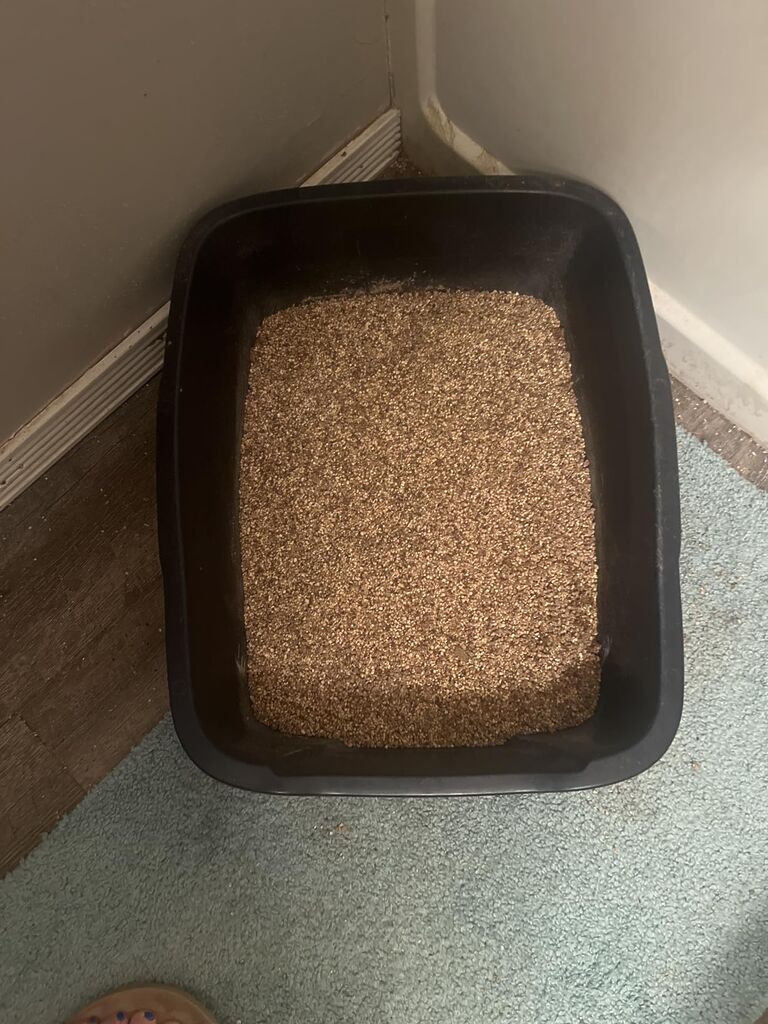
Baking soda integration provides genuine odor neutralization rather than fragrance masking. The familiar Arm & Hammer approach addresses ammonia and waste odors at the chemical level, breaking down odor molecules rather than covering them with perfume. Users consistently report effective odor control even in challenging multi-cat situations.
The plant-based clumping formula creates light, manageable clumps that scoop easily without the weight of clay masses. This characteristic makes disposal simpler and reduces the volume of waste requiring removal. The clumps hold together during scooping while remaining lighter than traditional clay alternatives.
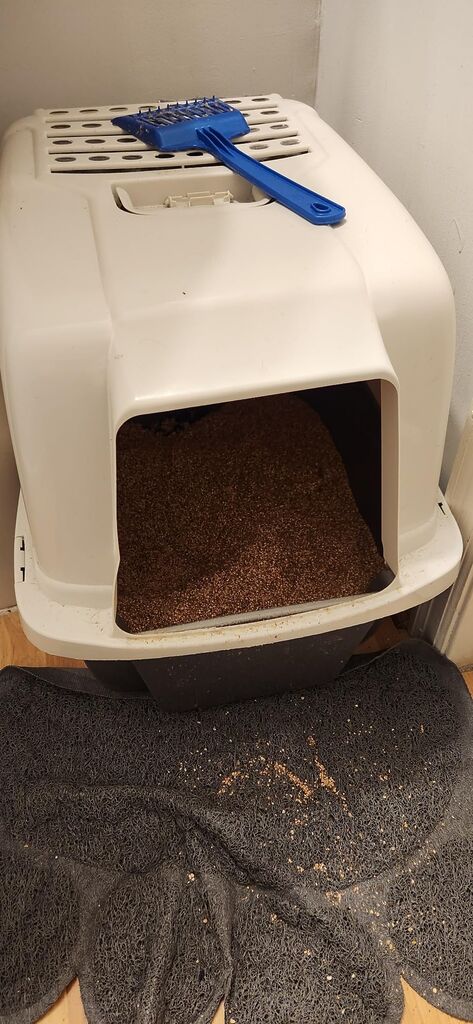
Households with multiple cats seeking natural alternatives without premium pricing find this formula particularly appealing. The Arm & Hammer odor technology addresses the heavy-use challenges that multi-cat homes present, while the corn base keeps costs lower than some boutique natural brands. This accessibility makes natural litter options available to owners who might otherwise be priced out.
The lower dust formulation creates a healthier environment than traditional clay without requiring the premium investment of ultra-low-dust specialty products. Users with mild respiratory sensitivities report improvement over clay without the cost of medical-grade dust-free formulations.
Some users report a noticeable initial fragrance when opening the bag that dissipates over time. While marketed as unscented, the baking soda and corn combination produces a distinct smell that sensitive individuals may notice. Most users find this fades quickly and is preferable to synthetic perfumes.
The processing required to create the clumping formula means this product is not fully biodegradable or compostable like single-ingredient natural alternatives. While more eco-friendly than clay, it does not offer the same end-of-life disposal options as unprocessed plant-based litters. Environmentally focused consumers should weigh this compromise.
Selecting the right non-toxic cat litter requires balancing multiple factors beyond simply avoiding chemicals. Understanding material types, safety considerations, and performance characteristics ensures you make an informed choice that serves both your cat’s health and your household’s practical needs. This guide addresses the key decision points that separate adequate options from truly excellent ones.
The term “non-toxic” lacks regulatory standardization, meaning manufacturers can apply it broadly without third-party verification. Truly safe litters disclose complete ingredient lists and avoid several problematic substances common in conventional products. Understanding these red flags helps you evaluate marketing claims against actual composition.
Crystalline silica dust represents perhaps the most significant concern in conventional clay litters. This known respiratory irritant becomes airborne during pouring and scooping, potentially causing lung damage with chronic exposure. While many clay litters claim “dust-free” status, independent testing often reveals significant particulate release. If choosing clay, prioritize products with verified 99.9% dust-free claims and third-party testing documentation.
Lead contamination has emerged as a concerning issue in some bentonite clay litters, with independent XRF testing revealing trace amounts in certain products. While manufacturers rarely disclose heavy metal content, some health-focused brands now voluntarily publish testing results. When available, choose products with documented lead-free verification.
Synthetic fragrances and dyes serve no functional purpose in litter beyond marketing appeal, yet introduce potential allergens and respiratory irritants. The safest litters use completely unscented formulations or natural odor control through material properties rather than added chemicals. Any ingredient list containing “fragrance” without specifying natural sources warrants scrutiny.
Wood-based litters, while generally safe, may contain concerns for some users. Walnut and pine dust can trigger reactions in individuals with specific tree allergies. Additionally, some wood litters carry California Proposition 65 warnings regarding wood dust inhalation. While typically minimal risk for casual exposure, those with respiratory sensitivities should consider this factor.
Clumping ability significantly impacts maintenance convenience and long-term cost. Clumping litters allow removal of only soiled material, extending the usable life of clean substrate and reducing total litter consumption. Non-clumping alternatives require complete box changes more frequently, potentially offsetting lower per-bag pricing with higher usage volume.
Natural clumping relies on plant starches rather than the chemical binders used in conventional clay. Corn, cassava, and certain wood fibers create solid masses when wet through natural absorption and swelling. The best natural clumping litters achieve clump integrity rivaling clay, though some lower-quality options produce fragile masses that crumble during scooping.
Non-clumping litters, including crystal and pellet varieties, manage waste through absorption rather than clump formation. These require adjusted maintenance routines where solids are scooped while liquids distribute throughout the substrate until full box replacement. While less convenient for some owners, non-clumping options often excel in specific areas like dust control or tracking reduction.
Effective odor control distinguishes premium litters from inadequate alternatives. Understanding the mechanisms behind odor management helps evaluate claims and select products aligned with your household’s specific challenges. Different materials address odor through distinct processes, each with advantages and limitations.
Absorption-based control relies on materials that trap liquid and associated odor molecules within their structure. Silica gel and certain plant fibers excel at this approach, locking away urine and ammonia before they spread. The capacity of absorption-based litters eventually saturates, requiring replacement when odor breakthrough occurs despite continued scooping.
Chemical neutralization, typically through baking soda or similar compounds, actually breaks down odor molecules rather than merely trapping them. This approach often outlasts simple absorption, though it requires sufficient quantity of neutralizing agent to remain effective. Arm & Hammer’s integration of their signature baking soda into natural litters exemplifies this dual approach.
Natural material properties provide odor control without added substances. Walnut shells contain enzymes that actively break down ammonia, while pine’s natural antimicrobial properties inhibit bacterial growth that produces odors. These material-inherent approaches offer fragrance-free control that many users prefer in smaller living spaces where perfume accumulation becomes noticeable.
For additional odor control strategies beyond litter selection, consider exploring non-toxic odor eliminators specifically designed for pet owners. These complementary products can address residual odors that litter alone cannot fully manage.
The ecological footprint of cat litter extends beyond the product itself to encompass sourcing, manufacturing, transportation, and disposal. Understanding these lifecycle impacts allows environmentally conscious consumers to make choices aligned with their values. Different materials present distinct environmental profiles worth considering.
Clay litter requires strip mining, an environmentally destructive extraction method that permanently alters landscapes. The processing consumes significant fossil fuel energy, and the final product is non-biodegradable, persisting indefinitely in landfills. While clay offers performance advantages, the environmental costs are substantial and permanent.
Plant-based alternatives typically utilize renewable agricultural resources with lower extraction impacts. Corn, wheat, and cassava regrow annually, while walnut shells and wood fibers repurpose existing waste streams. Manufacturing generally requires less energy than clay processing, and end-of-life disposal offers biodegradation rather than permanent landfill occupation.
Compostability interests many eco-conscious cat owners, though important caveats apply. While unsoiled plant-based litter may compost appropriately, cat waste introduces pathogen concerns that standard composting cannot neutralize. Toxoplasmosis and other parasites survive typical backyard composting temperatures, creating health risks if finished compost contacts food crops. Some municipalities offer commercial composting facilities that reach temperatures adequate for pathogen destruction, but home composting of soiled litter is generally inadvisable. Learn more about how to compost soiled cat litter safely if this disposal method interests you.
Flushability offers another disposal route for some natural litters, though plumbing limitations vary by location. Municipal sewage systems handle the waste differently than septic systems, and local regulations may prohibit any animal waste in sewage regardless of product claims. Verify local guidelines before adopting flushable litter as a disposal strategy.
Dust generation during litter use poses health concerns for both feline and human respiratory systems. While no litter achieves truly zero dust, significant variation exists between products. Understanding dust measurement and mitigation helps protect household health, particularly for asthmatic cats or allergy-prone owners.
Clay litters historically produced the most dust, with lower-quality options creating visible clouds during pouring. Premium clay formulations now achieve 99.9% dust reduction through refined processing, though some particulate release remains inevitable with granular materials. For maximum dust reduction, non-clay alternatives typically outperform even premium clay options.
Plant-based litters generally produce less airborne particulate than clay due to fiber structure differences. Corn, wheat, and wood fibers release fewer fine particles during handling. Pellet formats generate essentially no dust due to their compressed structure, making them optimal for the most dust-sensitive situations.
Crystal litters present a mixed picture. While the amorphous silica used in cat litter differs from dangerous crystalline silica dust, individual sensitivity varies. Some users report irritation from crystal dust despite the material’s theoretical safety. The large particle size of crystals typically reduces airborne distribution compared to fine granules.
Litter tracking, the spread of granules beyond the box via paws and fur, frustrates many cat owners. While no product eliminates tracking entirely, significant variation exists between formats. Understanding tracking mechanisms helps select products that minimize household mess and reduce cleaning burden.
Particle size primarily determines tracking behavior. Fine, sand-like granules adhere easily to paws and fur, distributing throughout the home. Larger pellets and crystals attach less readily, remaining in the box or falling near the entrance where mats can capture them. The mini-pellet approach of ökocat specifically targets this mechanism for reduced tracking.
Weight also influences tracking. Lightweight materials like corn and certain crystals cling more easily than heavier clay or wood pellets. This characteristic creates a trade-off between handling convenience and mess reduction that each owner must evaluate based on their priorities.
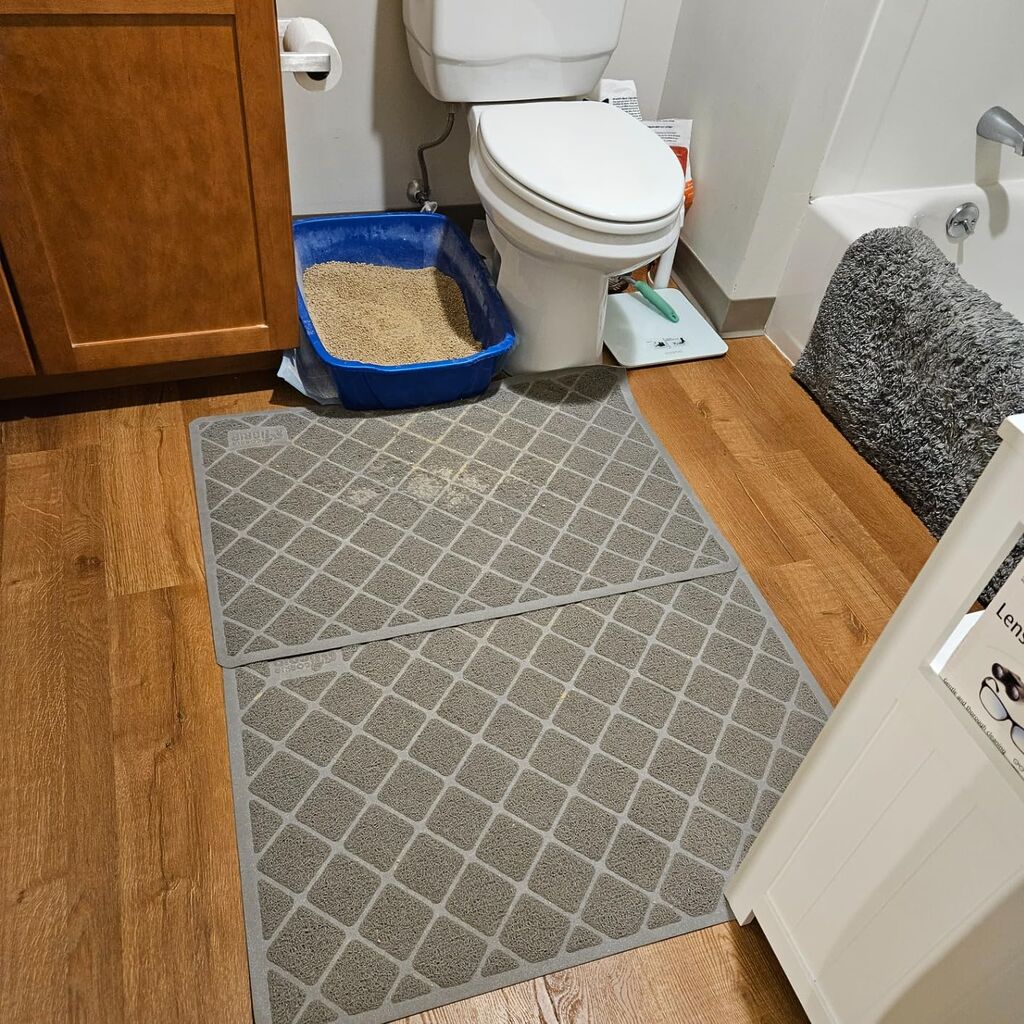
Strategic placement of high-quality litter mats significantly reduces tracking regardless of litter choice. Mats with textured surfaces catch granules from paws before they reach flooring. Combining appropriate mat selection with lower-tracking litter formats creates the cleanest overall solution.
Evaluating litter value requires looking beyond per-bag pricing to actual cost per use. Clumping efficiency, absorption capacity, and odor longevity all influence how long a given quantity remains effective. A higher-priced litter that lasts twice as long may offer better economy than a budget option requiring frequent replacement.
Clumping litters generally offer superior longevity because only soiled material requires removal. Well-formulated clumping products allow clean substrate to remain for extended periods, reducing total consumption. Non-clumping alternatives require complete replacement when saturation occurs, typically increasing total material usage.
Absorption capacity varies significantly between materials. Silica gel crystals absorb multiple times their weight in liquid, explaining their extended change intervals despite small bag sizes. Plant-based options with high starch content similarly outperform clay in liquid absorption, extending usable life between full changes.
Multi-cat households face particular longevity challenges. High-traffic litter boxes degrade faster regardless of material quality, requiring more frequent changes and higher consumption. Choosing products specifically formulated for multi-cat use, with enhanced clumping and odor control, often proves more economical than using single-cat formulations at higher change frequencies.
Selecting the best non-toxic cat litter requires balancing health priorities, practical performance, and your cat’s individual preferences. The ten products evaluated in this guide represent the safest, most effective options available, each excelling in specific areas that serve different household needs. Whether you prioritize health monitoring technology, environmental sustainability, or simply the lowest dust levels possible, a suitable option exists.
PrettyLitter’s health monitoring capabilities make it our top recommendation for owners who view litter as more than just waste management. The early warning system for urinary issues provides peace of mind that justifies the premium pricing for health-conscious households. For those prioritizing environmental impact, Sustainably Yours and ökocat demonstrate that eco-friendly materials can match or exceed clay performance without strip-mining consequences.
Budget-conscious buyers need not compromise on safety. Dr. Elsey’s Ultra delivers premium clay performance with genuinely low dust levels, while Arm & Hammer Naturals brings trusted odor control to an affordable natural formulation. The key is selecting a product that aligns with your specific situation rather than simply choosing the most marketed option.
Remember that cats have individual preferences, and transition success often determines long-term satisfaction more than the specific product chosen. Gradual introduction, patience during adjustment periods, and willingness to try alternatives if your cat rejects an initial selection will ultimately lead to the best outcome. Your cat’s health and your home’s air quality are worth the effort of finding the perfect non-toxic litter match.
Looking for more ways to create a sustainable pet care routine? Explore our guide to zero waste pet products for additional eco-friendly solutions that benefit both your animals and the environment.
