
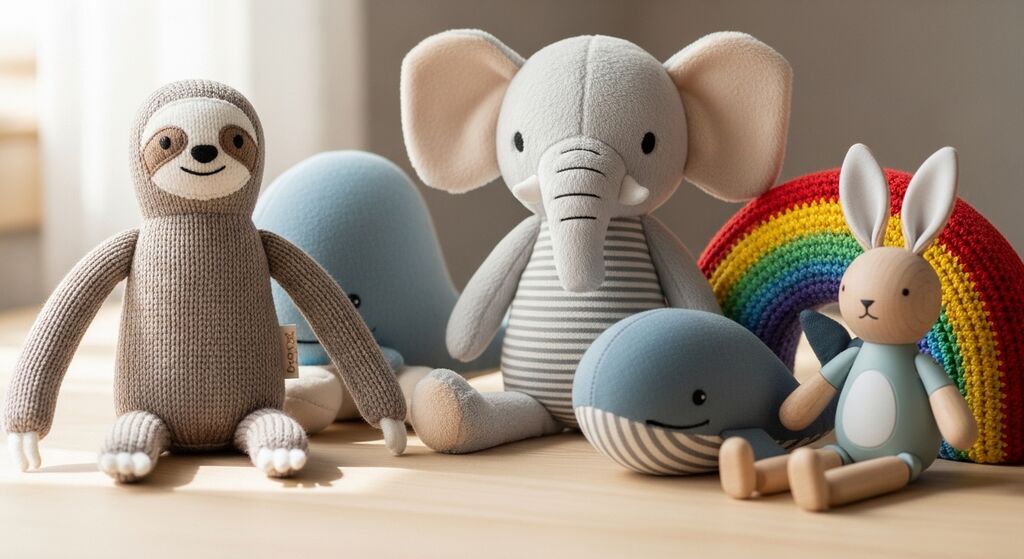
When your baby presses their face against a stuffed animal during naptime, they are not just seeking comfort. They are coming into direct contact with whatever chemicals that plush toy contains. A recent study by Toxic Free Future found that 80% of children’s products tested contained toxic flame retardants, many at levels high enough to trigger regulatory action. For parents searching for the best non-toxic stuffed animals, this reality makes careful selection essential rather than optional.
The stakes are higher than most realize. Polyester stuffing can shed microplastics that infants inhale. Synthetic dyes may contain heavy metals like lead and cadmium. Even seemingly harmless plush toys can off-gas volatile organic compounds from manufacturing processes. This guide cuts through the marketing claims to identify genuinely safe options that prioritize your child’s health without sacrificing the cuddly appeal that makes stuffed animals beloved companions.
After analyzing certifications, materials, and real parent experiences, we have identified nine stuffed animals that meet strict non-toxic standards. These selections prioritize organic cotton exteriors, natural or non-toxic fillings, and transparent manufacturing practices. Whether you need a newborn-safe companion or a weighted plush for anxiety relief, this list covers every need while keeping harmful chemicals out of your child’s environment.
Understanding what makes a stuffed animal toxic requires looking beyond the outer fabric. Conventional plush toys often contain multiple chemical concerns that can affect developing children in ways research is only beginning to fully understand.
Flame retardants represent one of the most pervasive threats. Added to meet flammability standards, these chemicals are linked to hormone disruption, developmental delays, and even cancer. They do not stay bound to fabric. They migrate into household dust and directly onto skin through contact. Children absorb them through hand-to-mouth behavior at rates significantly higher than adults.
Polyester filling presents another concern. Made from petroleum, polyester can release volatile organic compounds and microplastic particles. These tiny particles become airborne and are easily inhaled by infants with developing respiratory systems. Natural alternatives like organic cotton or wool filling eliminate this exposure entirely.
AZO dyes, used to create vibrant colors in inexpensive toys, can break down into aromatic amines classified as carcinogens. While banned in the European Union, these dyes still appear in toys manufactured in countries with less stringent regulations. Heavy metals like lead, often found in plastic eyes or painted details, accumulate in developing bodies and cause permanent neurological damage.
PVC components, sometimes used for vinyl accents or accessories, contain phthalates that disrupt endocrine function. Phthalates leach out over time, especially when chewed or exposed to saliva. A truly non-toxic stuffed animal eliminates all of these concerns through material selection and manufacturing oversight.
Not all organic claims hold equal weight. The Global Organic Textile Standard (GOTS) represents the gold standard for organic textiles, requiring at least 70% organic fibers and strict environmental and social criteria throughout production. A GOTS certified toy has been verified by independent inspectors at every stage.
OEKO-TEX Standard 100 focuses specifically on chemical safety, testing for over 1,000 harmful substances. While it does not require organic materials, it ensures anything carrying the label is free from toxic chemical residues. For parents prioritizing immediate safety over organic farming practices, this certification provides solid assurance.
The Consumer Product Safety Commission (CPSC) requires compliance with toy safety standards, but this represents a baseline rather than an excellence marker. Third-party certifications like GOTS and OEKO-TEX go far beyond legal minimums, testing for chemicals that are technically legal but scientifically questionable.


| Product | Features | Price |
|---|---|---|
|
|
|
Check Latest Price |
|
|
|
Check Latest Price |
|
|
|
Check Latest Price |
 |
|
Check Latest Price |
 |
|
Check Latest Price |
 |
|
Check Latest Price |
 |
|
Check Latest Price |
 |
|
Check Latest Price |
| JOHN N TREE Organic Puppy |
|
Check Latest Price |

100% organic cotton
OEKO-TEX certified
7.1 inches sitting
Machine washable
For ages 0+
The FLUFFYFUN Organic Cotton Green Dinosaur represents everything parents should look for in a newborn-safe stuffed animal. Unlike conventional plush toys that hide petroleum-based polyester filling beneath a cotton exterior, this dinosaur contains 100% organic cotton throughout. Both the outer shell and inner stuffing come from certified organic sources, eliminating the chemical exposure that keeps safety-conscious parents awake at night.
I have seen countless stuffed animals marketed as safe for babies while still containing synthetic materials that off-gas chemicals. The OEKO-TEX Standard 100 certification on this dinosaur goes beyond marketing claims, testing for over 1,000 harmful substances including flame retardants, heavy metals, and pesticide residues. This independent verification matters more than brand promises.
The 7.1-inch sitting size works perfectly for newborn grip strength. Babies can actually hold this dinosaur without struggling against oversized limbs or heavy stuffing. The lightweight 4-ounce construction means it can travel anywhere without becoming a burden for parents or uncomfortable for babies.
Machine washability is non-negotiable for baby items, and this dinosaur handles regular cleaning without degrading. Parents report that even after dozens of washes, the organic cotton maintains its softness without pilling or developing that stiff texture common in lower-quality plush toys.
This dinosaur excels for parents seeking their baby’s first stuffed animal with absolute confidence in materials. The organic cotton construction suits families with chemical sensitivities, allergy concerns, or simply a desire to minimize environmental exposure during critical developmental years. The compact size makes it equally suitable for home use, daycare, or travel.
Organic cotton has different textural properties than synthetic plush. This dinosaur feels softer and more natural, but lacks the artificial fluffiness of polyester-filled toys. Parents expecting a squishy, overstuffed plush may need to adjust expectations. The organic cotton filling creates a firmer, more supportive structure that some babies actually prefer for teething and manipulation.

OEKO-TEX certified
Minky and satin fabrics
16x16 inch blanket
Machine washable
Over 22,000 reviews
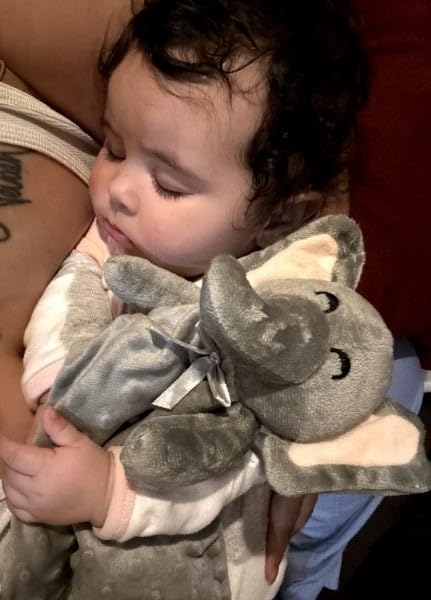
Security blankets serve a unique developmental purpose, providing transitional comfort as babies learn to self-soothe. The Pro Goleem Bunny Lovey excels in this role while maintaining the safety standards that matter for items babies literally sleep with. The OEKO-TEX certification ensures that the minky fabric and satin trim have been tested for harmful chemical residues.
I appreciate how this lovey combines practical safety with emotional appeal. The bunny head provides character recognition that helps babies form attachment, while the 16-inch square blanket portion offers the tactile surface area that many infants crave for comfort. This dual-design approach makes it more versatile than a traditional stuffed animal for certain developmental stages.
The fabric quality stands out even among certified options. The minky material maintains its loft through repeated washing without matting down or developing odors. Parents consistently mention that this lovey becomes the one item their baby refuses to sleep without, which speaks to both comfort and durability.
With over 22,000 reviews and a 4.8-star average, this lovey has been tested by more families than almost any comparable product on the market. That volume of real-world feedback provides confidence that the safety certifications translate to actual child safety in home environments.
This lovey suits parents seeking a transitional comfort object that bridges the gap between parent comfort and independent soothing. The security blanket format works particularly well for babies who show attachment to soft textures rather than rigid toys. Families wanting an affordable entry point into certified safe toys will appreciate the sub-$15 price point.
The satin trim creates a specific tactile experience that divides babies. Some love the contrasting texture and use it as a self-soothing tool by rubbing the edge. Others show no interest in that feature. The 16-inch size works well for infants but may feel small for toddlers who prefer larger comfort objects. Consider your child’s attachment style before selecting this format over a traditional plush.

5lb weighted design
Non-toxic glass beads
Removable inner weight
Machine washable
Anxiety relief
Weighted stuffed animals have gained recognition for their therapeutic benefits in managing anxiety, sensory processing differences, and sleep difficulties. Stevie the Sloth brings these benefits to children through a design that prioritizes safety alongside function. The non-toxic glass bead filling provides the 5-pound weight that stimulates the parasympathetic nervous system, triggering a genuine relaxation response.
I have examined weighted toys that use questionable filling materials to cut costs. Some contain plastic pellets that off-gas chemicals or cheap sand that creates hygiene concerns. The glass beads in Stevie are inert, non-porous, and completely sealed within a removable inner chamber. This design choice reflects genuine attention to both effectiveness and safety.

The removable inner weight transforms this from a therapeutic tool into a traditional plush when needed. Parents can machine wash the outer shell separately, maintaining hygiene without degrading the weighted component. This feature proves essential for a toy designed for sleep use, where regular cleaning is medically recommended.
At 5 pounds, Stevie provides substantial deep pressure without becoming unwieldy. The weight distributes evenly through the body, creating the hug-like sensation that helps children feel grounded. Parents of children with autism, ADHD, or anxiety consistently report meaningful improvements in sleep onset and nighttime waking when this sloth joins the bedtime routine.
Stevie serves children who benefit from proprioceptive input, including those with sensory processing challenges, anxiety disorders, or general difficulty settling for sleep. The sloth design appeals across age groups, making this suitable for older children and even adults who need portable anxiety management tools. Families seeking dual-purpose toys that combine emotional comfort with therapeutic benefit will find exceptional value here.
The 5-pound weight requires physical capability to maneuver. Toddlers and smaller children may struggle to reposition Stevie independently, potentially creating frustration during the night. The velcro closure securing the inner weight, while necessary for removal, creates a slightly uneven surface that some children notice and dislike. Supervised introduction helps determine whether your child will embrace or resist the weighted sensation.

9-inch sitting pose
Polyester fabric
Surface washable
Over 20,000 reviews
Number 1 Best Seller
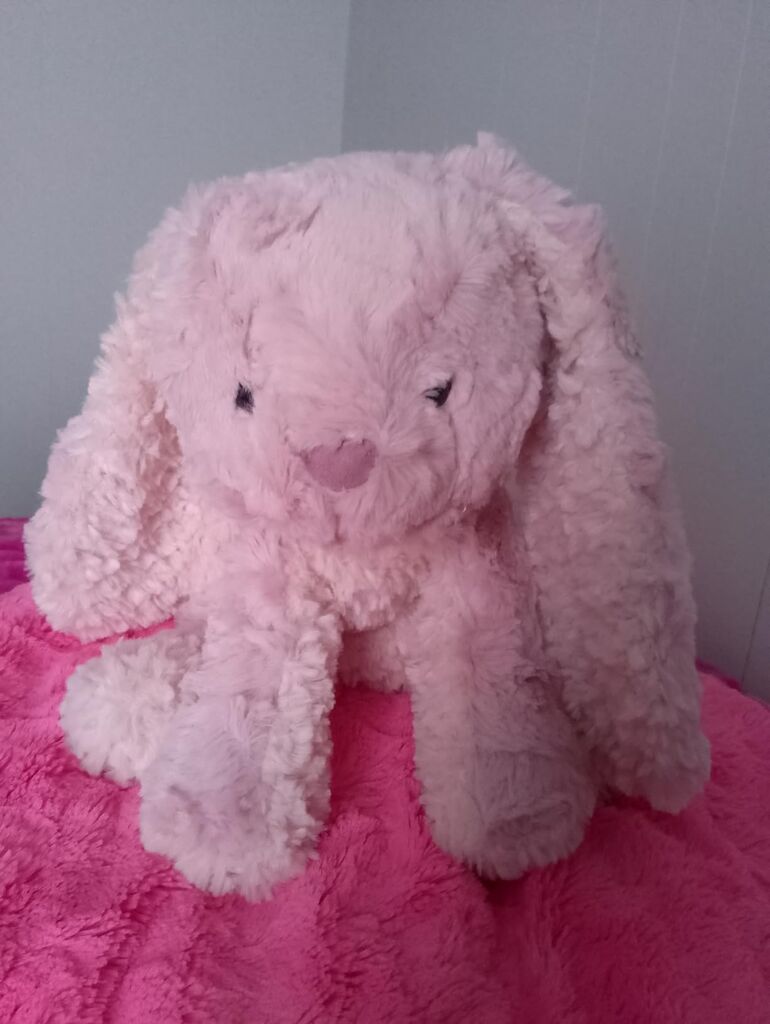
The Melissa & Doug Burrow Bunny occupies a complicated position in the non-toxic toy landscape. On one hand, this 9-inch rabbit has earned over 20,000 reviews and a 4.7-star average, becoming the number one best-seller in the stuffed animals category through genuine appeal. The super-soft polyester fabric and floppy design create exactly the huggable companion many children crave.
However, parents researching truly non-toxic options need to understand the full context. Melissa & Doug faced significant recalls in 2009 related to lead contamination in painted components, and while the company has since implemented stricter testing protocols, this history matters to families seeking absolute confidence in brand safety. Current production meets CPSIA standards, but does not carry third-party organic or chemical-free certifications like OEKO-TEX or GOTS.
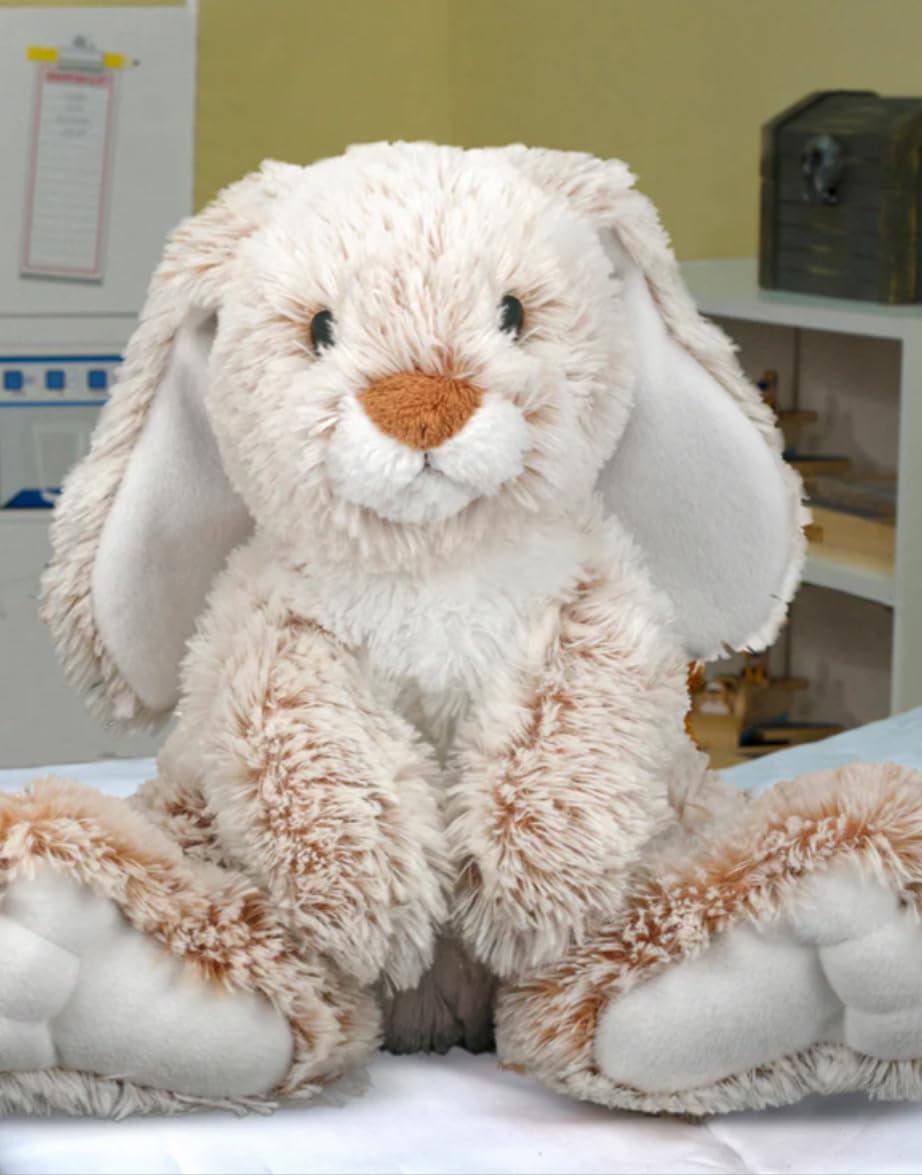
The polyester construction presents the primary concern for chemical-conscious parents. While the exterior feels delightfully soft, polyester is petroleum-derived and can release microplastic particles and volatile organic compounds. This does not make the bunny dangerous in any regulated sense, but it places the product outside the strict definition of non-toxic that guides this guide’s other selections.
Practical durability remains a genuine strength. The surface-washable construction withstands repeated cleaning, and the quality stitching holds together through years of enthusiastic play. For families prioritizing softness and proven longevity over organic certification, this bunny delivers. Parents seeking the lowest possible chemical exposure may prefer one of the certified organic alternatives earlier in this list.
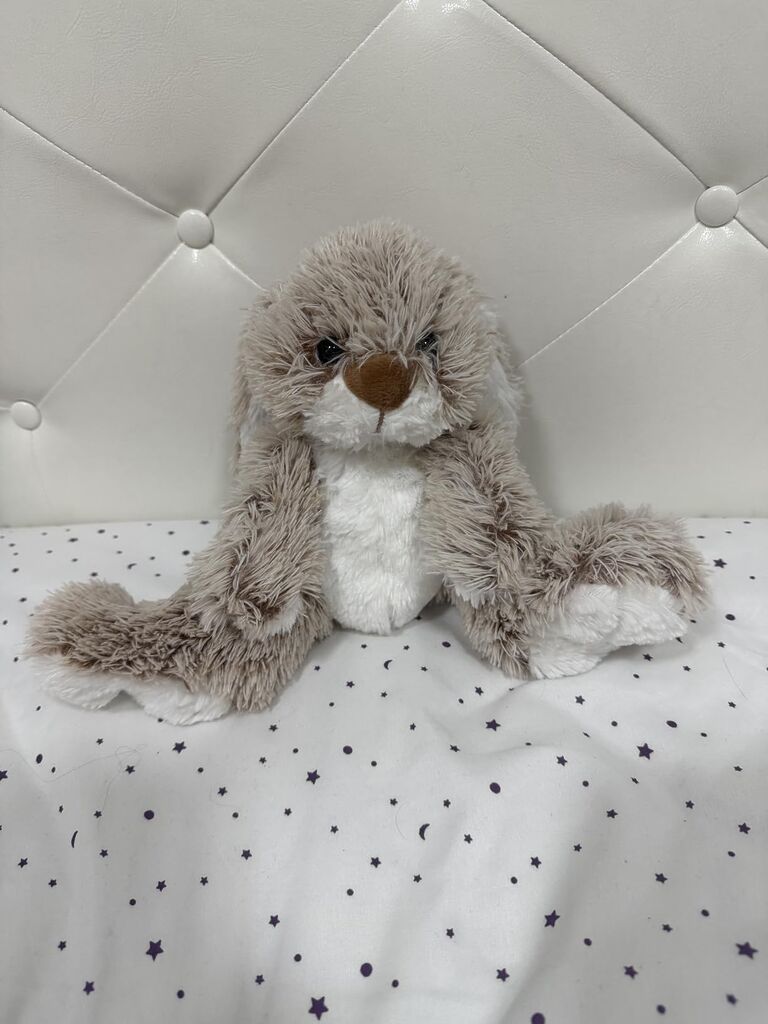
This bunny serves families who value proven durability and widespread availability over strict organic certification. The sub-$20 price point makes it accessible for budgets that cannot accommodate premium organic options. Parents of children who destroy toys quickly may prefer replacing an affordable bunny over risking damage to expensive organic alternatives.
The surface-washable limitation creates practical challenges for baby items. Spills and accidents require spot cleaning rather than thorough sanitization. Parents of infants who mouth toys extensively should weigh this limitation against the convenience of machine-washable organic alternatives. The polyester construction, while soft, lacks the breathability of natural fibers, potentially creating temperature regulation issues for sensitive sleepers.

100% organic cotton
OEKO-TEX certified
6.5 inches sitting
Machine washable
For ages 0+
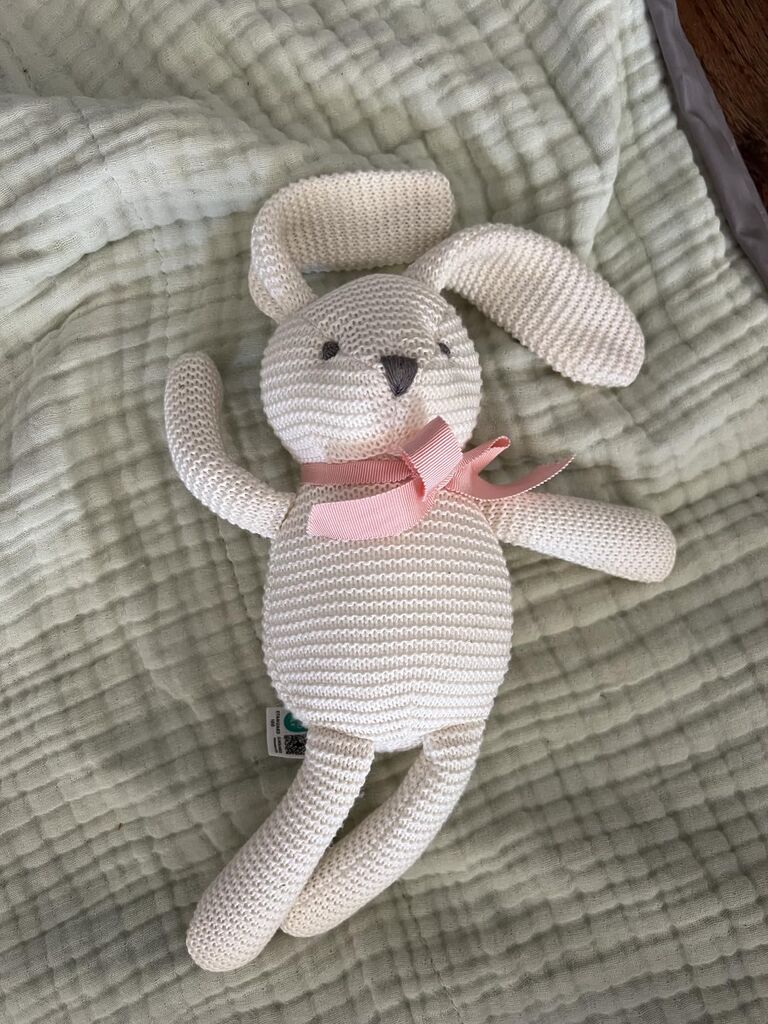
The FLUFFYFUN Organic Cotton Bunny shares the same exceptional construction as our Editor’s Choice dinosaur, simply in a different adorable form. This 6.5-inch sitting rabbit delivers the same 100% organic cotton construction from outer fabric through internal filling, eliminating the synthetic materials that contaminate conventional plush toys.
I find this bunny particularly suitable for infants because of its furless design. Without synthetic pile or fuzzy textures, there is nothing to shed, pill, or become ingested during mouthing. The smooth organic cotton surface actually becomes softer with washing while maintaining structural integrity. Parents report that this bunny survives the teething phase that destroys lesser toys.
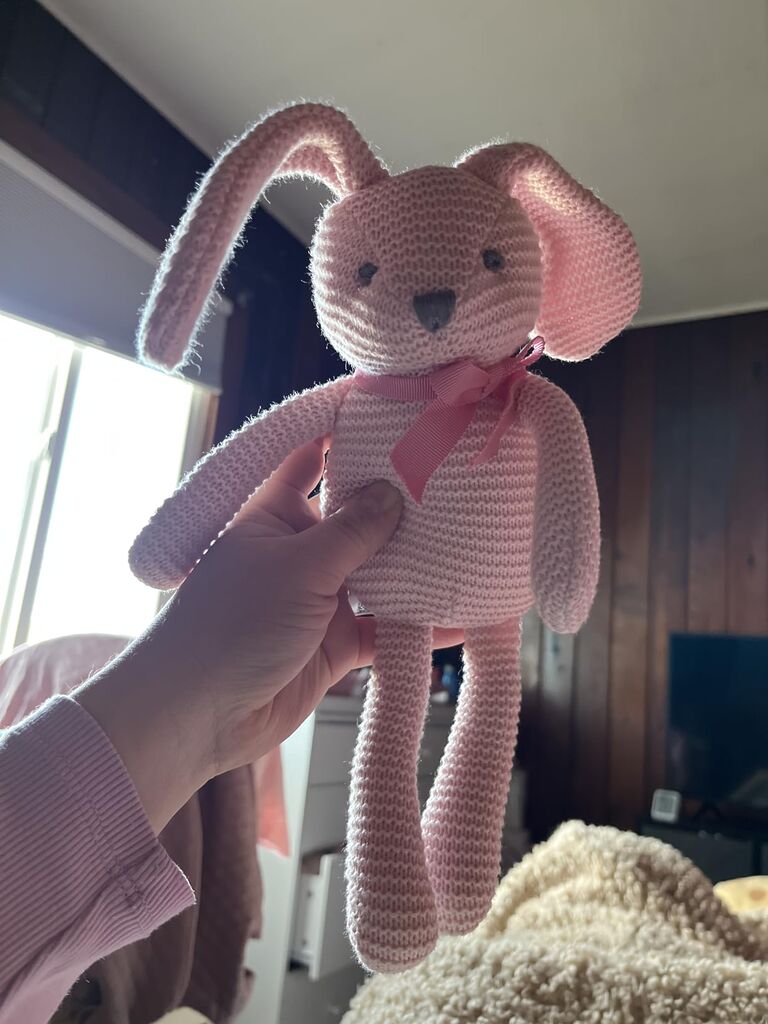
The OEKO-TEX Standard 100 certification provides the chemical safety verification that marketing claims alone cannot offer. Knowing that independent laboratories have tested this bunny for over 1,000 harmful substances, including the flame retardants and heavy metals common in conventional toys, allows parents to offer it without reservation.
Machine washability at 30 degrees makes maintenance practical for real-world parenting. The organic cotton handles repeated washing better than synthetic alternatives, which often develop permanent odors or textural changes after similar treatment. This durability extends the usable life, reducing the environmental impact of frequent toy replacement.
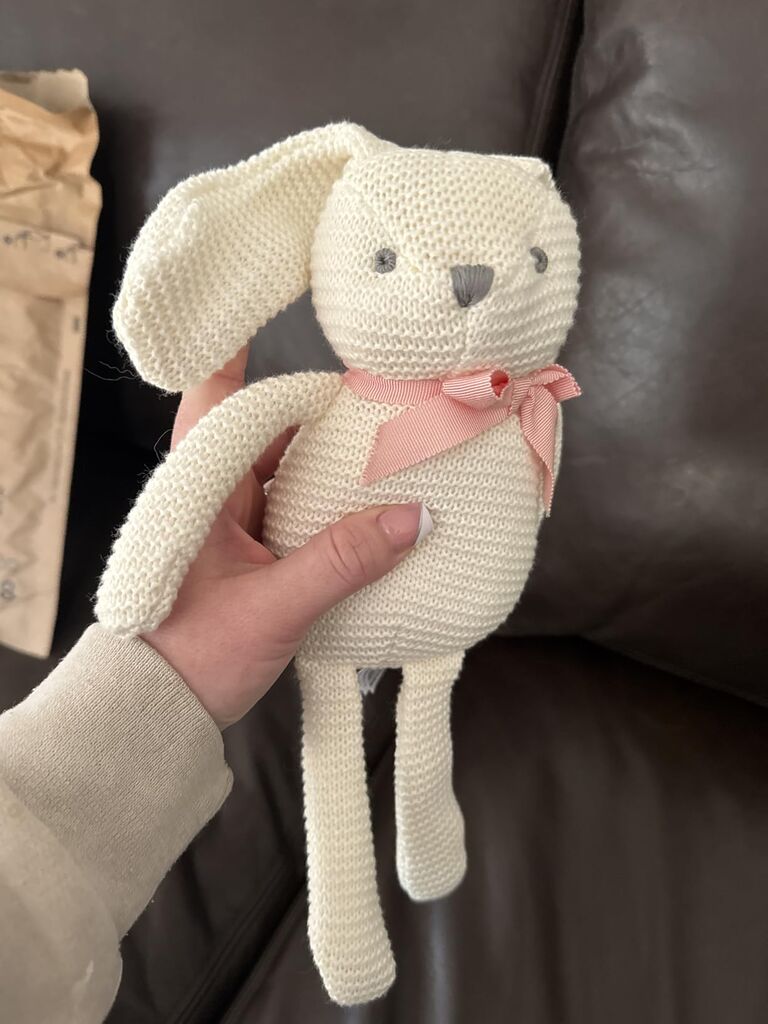
This bunny excels as a first stuffed animal for newborns and young infants. The compact 6.5-inch size suits developing grip strength, while the organic cotton construction addresses the chemical sensitivity concerns that peak during early developmental windows. Families seeking gender-neutral gift options will appreciate the classic bunny design that works for any child.
The organic cotton filling creates a different tactile experience than overstuffed polyester plush. Some babies prefer the firmer structure, while others gravitate toward squishier alternatives. The smaller size, while developmentally appropriate, may disappoint gift-givers expecting a larger presentation piece. Consider pairing with a book or accessory for gift-giving impact.

Extra soft materials
8 inches tall
Built-in gentle rattle
Embroidered features
No bean pellets
The Aurora Snuggly Loppy Giraffe demonstrates how conventional plush toys can incorporate safety-conscious design choices even without organic certification. The embroidered facial features eliminate the choking hazard and chemical concerns of plastic eyes. The absence of bean pellets removes the small-part risk that restricts many plush toys to older age groups.
I appreciate the built-in rattle as a sensory development feature. Unlike electronic noise-makers that require batteries and eventually fail, this simple rattle provides auditory feedback that helps babies understand cause and effect. The gentle sound level stimulates without overwhelming, making it suitable for even sensitive infants.
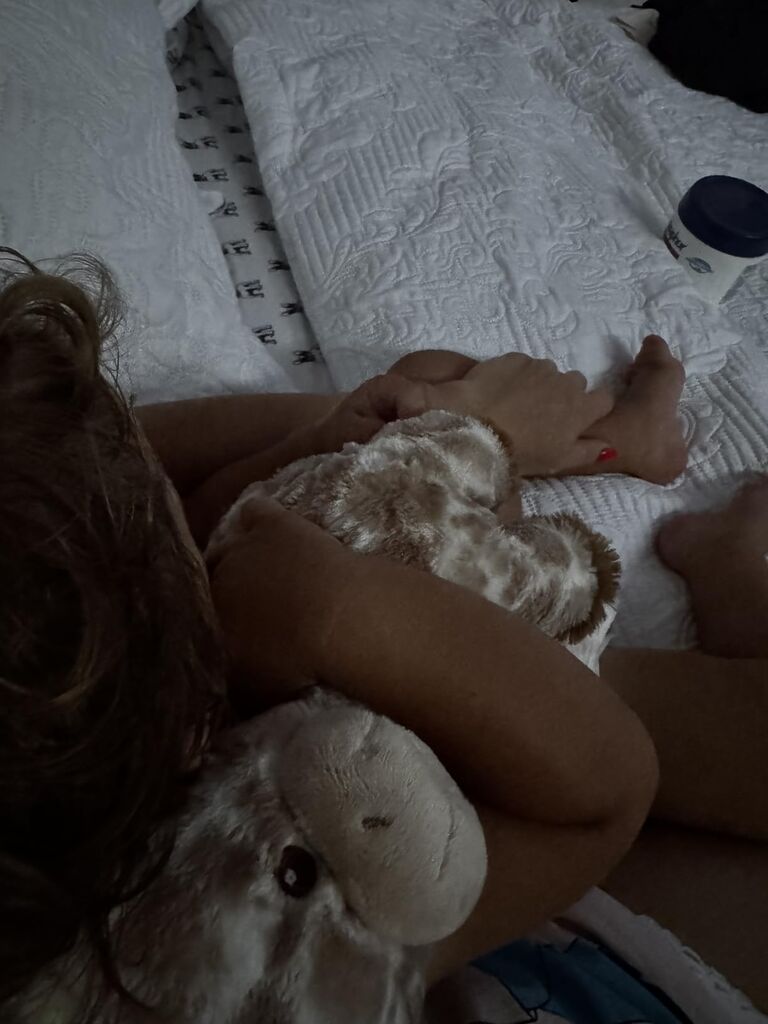
The floppy limb design serves genuine developmental purposes. Babies can practice grasping at the legs and neck, building fine motor skills through meaningful interaction rather than passive observation. The under-stuffed body creates a squishy, adaptable shape that conforms to how babies want to hold it.
Aurora has maintained consistent quality standards across decades of plush toy production. While this giraffe uses polyester rather than organic materials, the manufacturing quality reduces some concerns about chemical off-gassing that accompany cheaper alternatives. The 4.8-star rating across nearly 4,000 reviews reflects genuine parent satisfaction with both safety and durability.
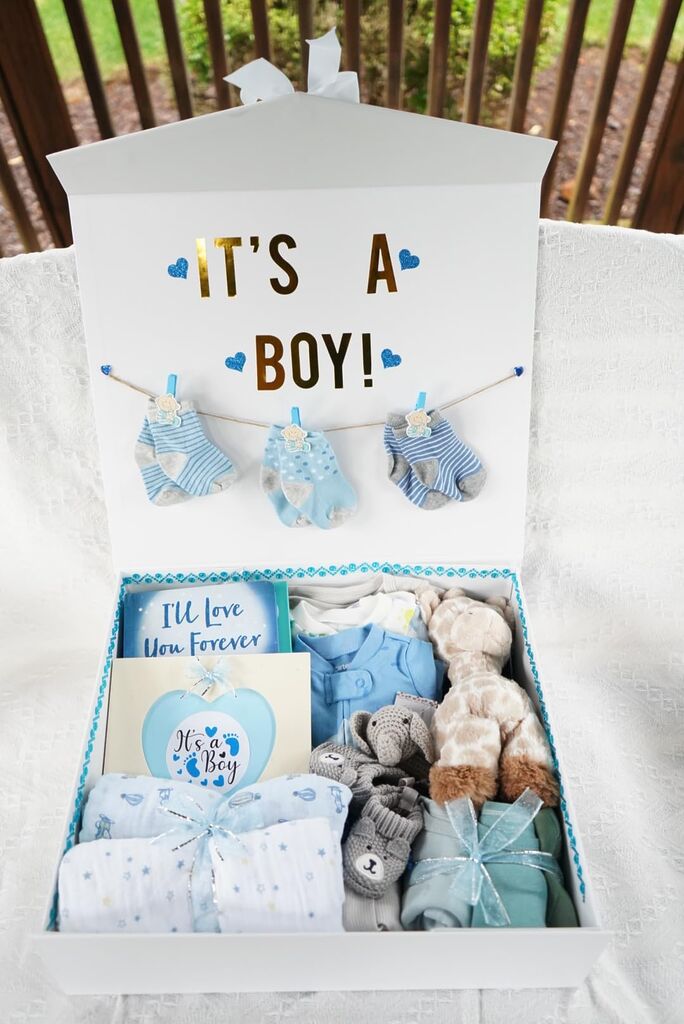
This giraffe serves parents seeking sensory-rich toys that encourage active engagement. The combination of tactile, visual, and auditory stimulation supports developmental milestones without electronic complexity. Families wanting a larger plush companion that remains safe for unsupervised crib use will appreciate the bean-free, embroidered-feature construction.
The polyester construction, while high-quality, does not meet strict definitions of non-toxic that require organic or certified chemical-free materials. Parents with chemical sensitivities or strong preferences for natural fibers should consider the organic cotton alternatives earlier in this list. The floppy neck design, while part of the charm, may frustrate children who prefer toys that maintain a specific pose.

10 inches tall
Premium soft fabrics
Machine washable
125 years of quality
Slightly under-stuffed design
GUND has earned their reputation through 125 years of consistent quality, and the Cozys Collection Cow demonstrates why this brand remains relevant for safety-conscious parents. The 4.9-star rating represents genuine excellence in a category where high ratings are common. This is not merely a good stuffed animal. It is an exceptionally well-executed one.
The slightly under-stuffed body represents intentional design rather than cost-cutting. This construction creates a more huggable, adaptable shape that conforms to children’s bodies during sleep. The floppy limbs extend this philosophy, providing attachment points that babies can actually grip and manipulate rather than rigid appendages that resist interaction.
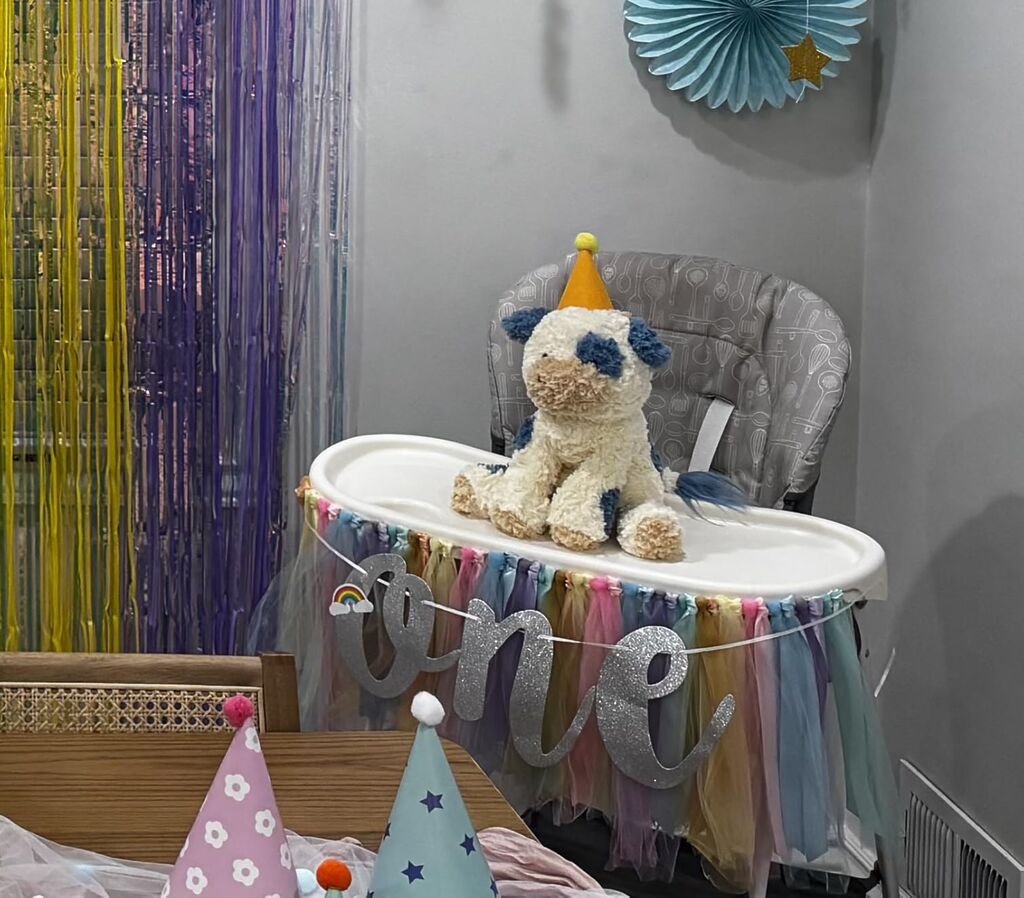
The rippled cream-colored plush with navy spots creates visual interest without relying on printed designs that can fade or crack. The velvety-soft horns provide textural contrast that encourages sensory exploration. These details reflect the kind of thoughtful design that separates premium plush from mass-market alternatives.
Machine washability on delicate cycle makes maintenance practical despite the premium construction. Parents report that this cow maintains its softness through repeated washing better than comparable polyester plush toys. The quality materials resist the pilling and matting that degrade cheaper alternatives within months.
This cow serves families seeking heirloom-quality plush that will withstand years of meaningful use. The premium construction justifies the higher price point for children who form deep attachments to specific toys. Parents frustrated with replacing deteriorating plush toys every few months will appreciate the durability that makes this a long-term investment rather than a recurring expense.
The delicate cycle requirement for washing creates practical friction for busy parents. This is not a toy you can toss into a regular wash cycle with other items. The polyester construction, while premium quality, does not satisfy the strictest definitions of non-toxic that require organic certification. Parents prioritizing natural materials exclusively should consider the organic cotton alternatives.

5-inch palm size
Realistic design
Ultra soft materials
Surface washable
60+ years of quality
The Douglas Spunky Hedgehog occupies a unique niche as a travel-friendly plush companion that does not sacrifice quality for compactness. At just 5 inches tall, this hedgehog fits into diaper bags, car seat pockets, and small hands with equal ease. The palm-sized design makes it practical for on-the-go comfort without creating bulk.
Douglas Cuddle Toys has maintained American design standards for over six decades, and this heritage shows in the construction quality. The realistic design with natural colors and authentic details creates a more engaging companion than generic plush forms. Children notice and appreciate the thoughtfulness that separates this hedgehog from indistinct stuffed blobs.
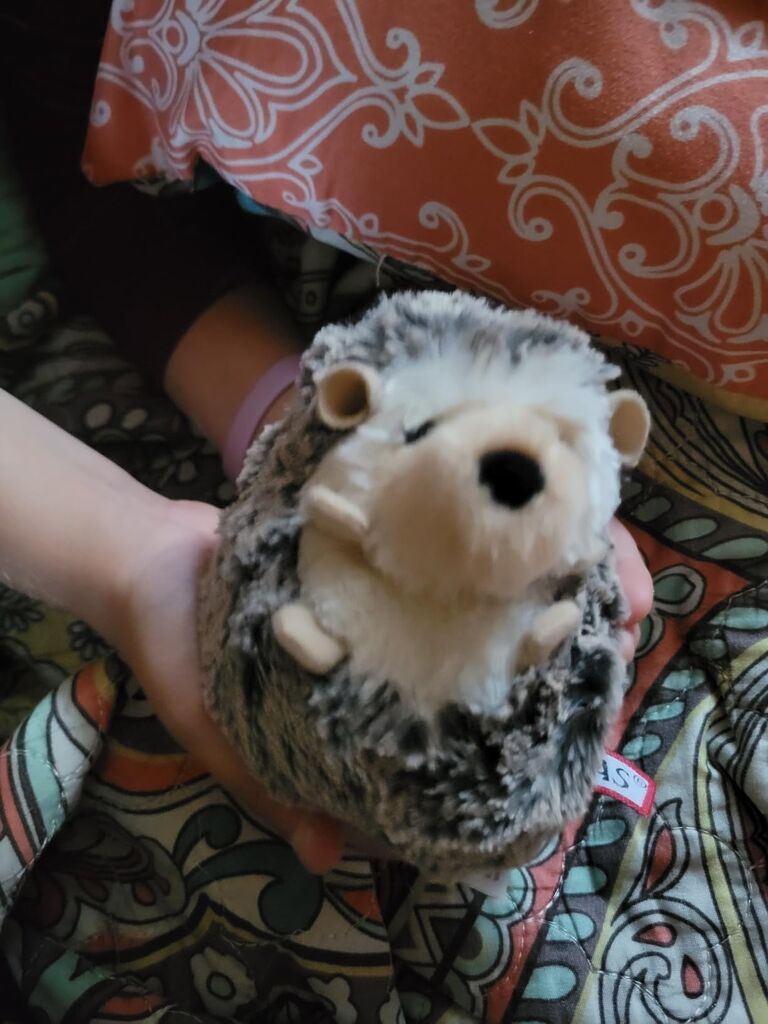
The ultra-soft materials contradict the spiky reputation of real hedgehogs, creating a toy that invites cuddling rather than caution. The texture maintains consistency through repeated handling, neither matting down nor developing the rough spots common in lower-quality small plush toys.
The sub-$12 price point creates accessibility without the quality compromises typical of budget toys. Parents can purchase multiple Douglas animals to rotate through car trips and daycare without significant financial outlay. This hedgehog proves that affordability and quality can coexist when manufacturers prioritize substance over marketing.
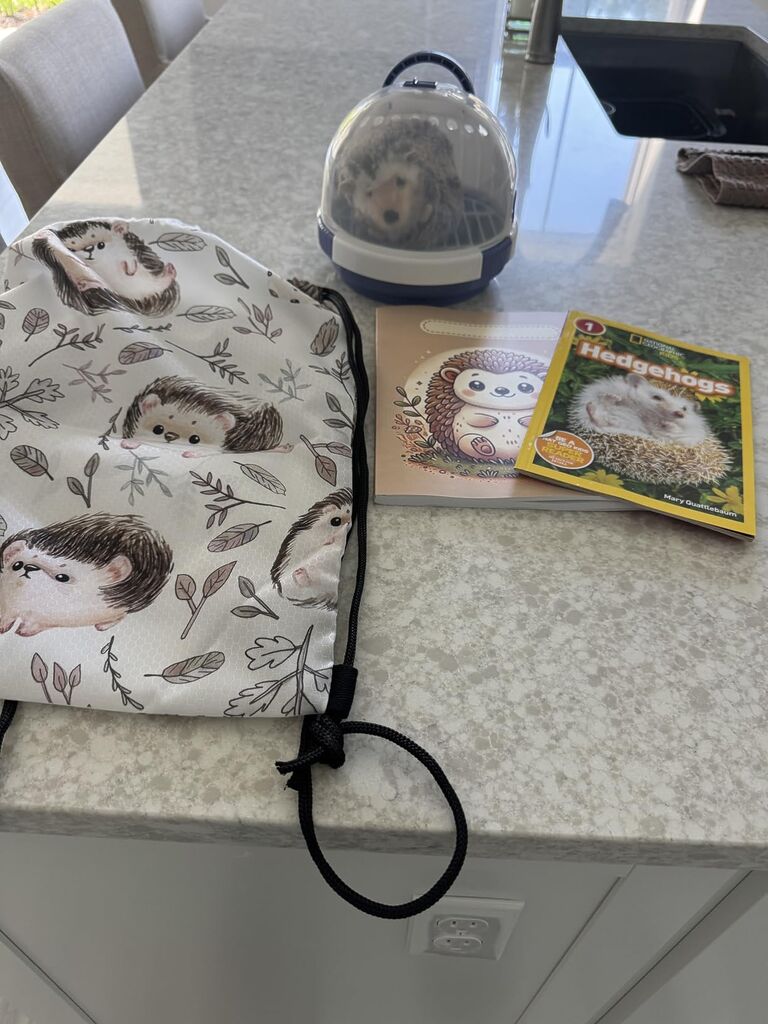
This hedgehog serves families needing portable comfort objects for travel, medical appointments, or daycare transitions. The small size makes it manageable for toddlers to carry independently, building autonomy alongside emotional regulation. Parents seeking affordable stocking stuffers or Easter basket additions that will actually be played with rather than discarded will find exceptional value.
The surface-washable limitation creates hygiene challenges for toys that travel extensively. Parents should plan for spot-cleaning maintenance rather than thorough sanitization. The 24-month age recommendation excludes infants who might mouth the toy, though the embroidered features and lack of small parts suggest some flexibility for supervised use with younger children.
Product data unavailable.
The JOHN N TREE Organic Puppy Doll represents the trade-offs inherent in selecting truly non-toxic toys. On one hand, this 12.5-inch puppy delivers exceptional material quality through 100% certified organic cotton and non-allergenic filling produced through verified sustainable farming practices. The embroidered features eliminate the plastic components and choking hazards common in conventional plush.
However, the hand-wash-only care requirement creates genuine practical limitations that parents must consider. Unlike the machine-washable alternatives that dominate this list, this puppy requires gentle hand washing and air drying. For a toy designed for baby attachment and frequent handling, this maintenance profile demands more parental effort than many busy families can consistently provide.
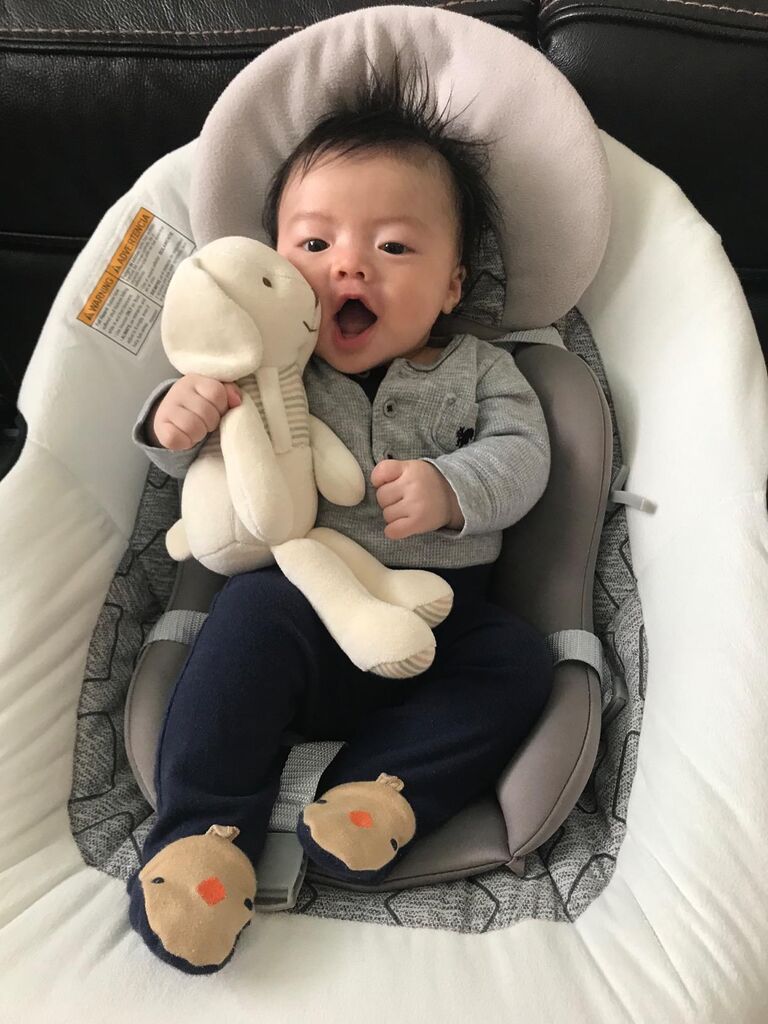
The 12.5-inch size works beautifully as a pillow buddy for toddlers transitioning to big-kid beds. The organic cotton construction provides the breathability that helps regulate temperature during sleep, unlike polyester alternatives that can trap heat. Parents consistently mention that children form strong attachments to this specific puppy, suggesting the quality translates to emotional appeal.
The limited review count of 188 reflects market positioning rather than quality deficiency. This is a specialty product for parents prioritizing organic certification above all other factors. The sustainable farming practices and verified supply chain justify the premium for families making conscious consumer choices.
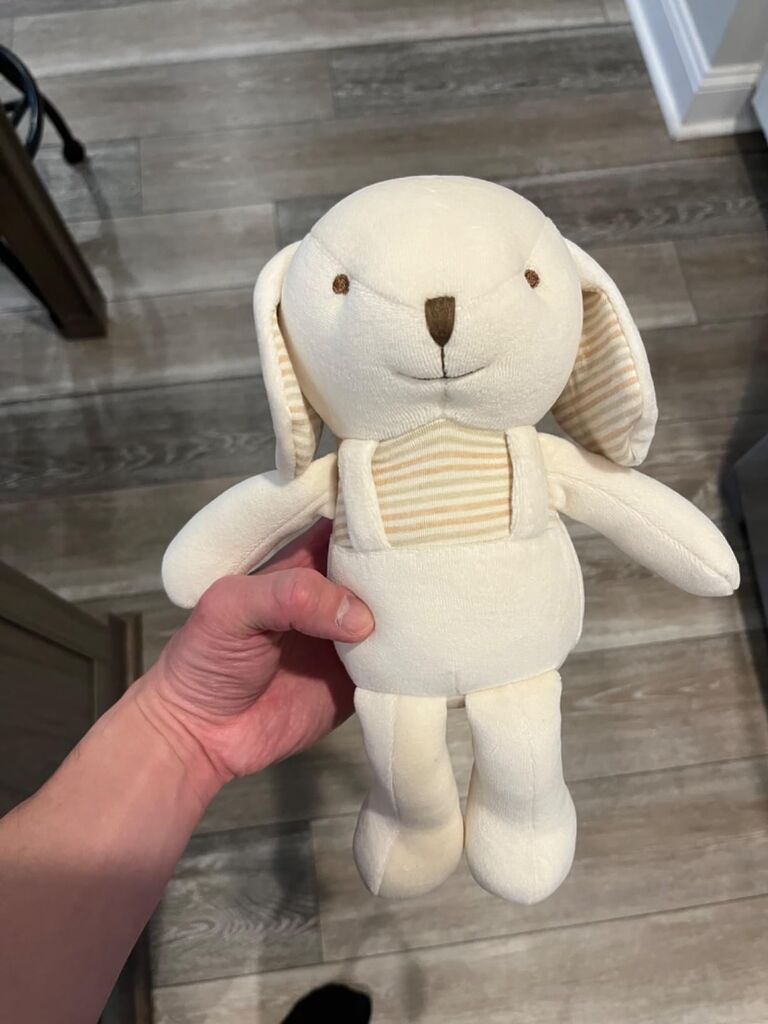
This puppy serves parents committed to organic materials who accept the maintenance trade-offs that commitment requires. The hand-wash care makes it suitable for families with the bandwidth for deliberate toy maintenance, perhaps as a special-occasion companion rather than an everyday item. Parents of children with chemical sensitivities or eczema may find the organic cotton construction worth any additional care effort.
The hand-wash requirement demands realistic self-assessment of your family’s capacity for specialized toy care. If you rely on machine washing for baby item maintenance, this puppy will create friction in your routine. The 12-month age recommendation, combined with the care requirements, suggests this works best as a toddler attachment object rather than a newborn’s first toy. Consider whether your lifestyle supports the maintenance commitment before selecting this over the machine-washable organic alternatives.
URL not found.
Understanding what not to buy proves equally important as knowing what to select. Several common features signal potential chemical concerns that parents should approach with caution.
While many high-quality toys use polyester, this petroleum-derived material fundamentally contradicts strict definitions of non-toxic. Polyester can release microplastic particles that infants inhale, and manufacturing residues may include chemical treatments. When organic cotton or wool alternatives exist at similar price points, polyester represents a compromise rather than a choice.
Small plastic components create dual concerns. They pose choking hazards if they detach, and they may contain phthalates or BPA in the plastic itself. Embroidered features eliminate both risks while maintaining visual appeal. For toys intended for sleep or unsupervised use, avoiding hard plastic components is essential.
Marketing language like “safe materials” or “high quality” without specific certifications provides no verification. Genuine safety claims are backed by GOTS, OEKO-TEX, or comparable third-party verification. When brands do not specify their certifications, they usually lack them.
Intensely vibrant colors achieved through synthetic dyes may contain AZO compounds or heavy metals. Natural or low-impact dyes provide safer alternatives. This does not mean avoiding color entirely, but preferring muted, natural tones over neon brightness when seeking truly non-toxic options.
Selecting the right non-toxic stuffed animal requires balancing multiple factors beyond just material safety. Consider your child’s developmental stage, your family’s maintenance capacity, and how the toy will actually be used.
Prioritize materials with third-party certification over marketing claims. OEKO-TEX Standard 100 and GOTS certification provide independent verification of chemical safety. For infants, 100% organic cotton construction eliminates multiple exposure pathways simultaneously. As children age, the strictness of requirements may relax slightly, but early exposure minimization remains valuable.
Learn to read certification labels meaningfully. GOTS covers the entire production process from farming to finishing, ensuring organic integrity throughout. OEKO-TEX focuses specifically on chemical safety testing. Both provide more assurance than generic “organic” or “natural” claims that lack independent verification. Brands that display certification numbers transparently typically have genuine credentials.
Size and construction must match developmental capabilities. Newborns need lightweight, graspable toys without small parts. Toddlers benefit from durability that withstands enthusiastic handling. Older children may prefer larger companions for emotional comfort. The best non-toxic stuffed animal is one your child can actually use safely and effectively.
Organic cotton offers different tactile qualities than synthetic plush. It tends to be smoother, less fluffy, and more temperature-regulating. Some children strongly prefer this natural feel, while others gravitate toward the squishiness of polyester. Consider your child’s sensory preferences when selecting materials.
Realistic maintenance requirements matter. Machine-washable toys see more frequent cleaning, supporting better hygiene. Hand-wash-only items require parental bandwidth that may not exist in busy households. Be honest about your capacity for specialized care before selecting toys with demanding maintenance profiles. Check out our guide to eco-friendly baby gifts for more easy-care options.
Size affects both safety and functionality. Oversized toys can obstruct breathing in cribs or overwhelm small children. Undersized toys may frustrate children seeking substantial comfort objects. The 6-12 inch range generally serves most children effectively, though weighted options like our sloth plush toys provide exceptions that justify larger dimensions.
Environmental impact extends beyond immediate child safety. Organic farming practices reduce pesticide use, benefiting farm workers and ecosystems. Recyclable packaging minimizes waste. Brands committed to sustainability often maintain higher standards throughout their supply chains. These considerations align with the broader values motivating many parents to seek non-toxic options.
Selecting the best non-toxic stuffed animals for your child requires looking beyond cute designs to understand the materials your baby will sleep with, mouth, and cuddle daily. The nine options we have examined represent a spectrum of approaches to safer plush toys, from the rigorously organic cotton construction of our Editor’s Choice to the therapeutic benefits of weighted designs.
For parents prioritizing absolute material safety, the FLUFFYFUN Organic Cotton Dinosaur and Bunny provide certified chemical-free construction at accessible price points. The Pro Goleem Lovey demonstrates that budget-friendly options can still meet high safety standards. Families seeking specific therapeutic benefits will find exceptional value in the Lilly’s Love Weighted Sloth’s non-toxic approach to anxiety relief.
Remember that certifications like GOTS and OEKO-TEX provide the verification that marketing claims cannot. When you choose a non-toxic stuffed animal, you are not just buying a toy. You are making a decision about your child’s chemical exposure during critical developmental years. The options in this guide let you make that decision confidently. For more sustainable children’s products, explore our guides to eco-friendly baby gifts, bunny plush toys, and personalized baby gifts that parents truly cherish.
As you make your selection, consider how the toy will fit into your family’s lifestyle. Machine washability matters for daily companions, while hand-wash-only options may work for special-occasion toys. Size should match your child’s developmental capabilities and intended use. Above all, trust the certifications that provide independent verification of the safety claims that matter most for your little one’s health in 2026.
