
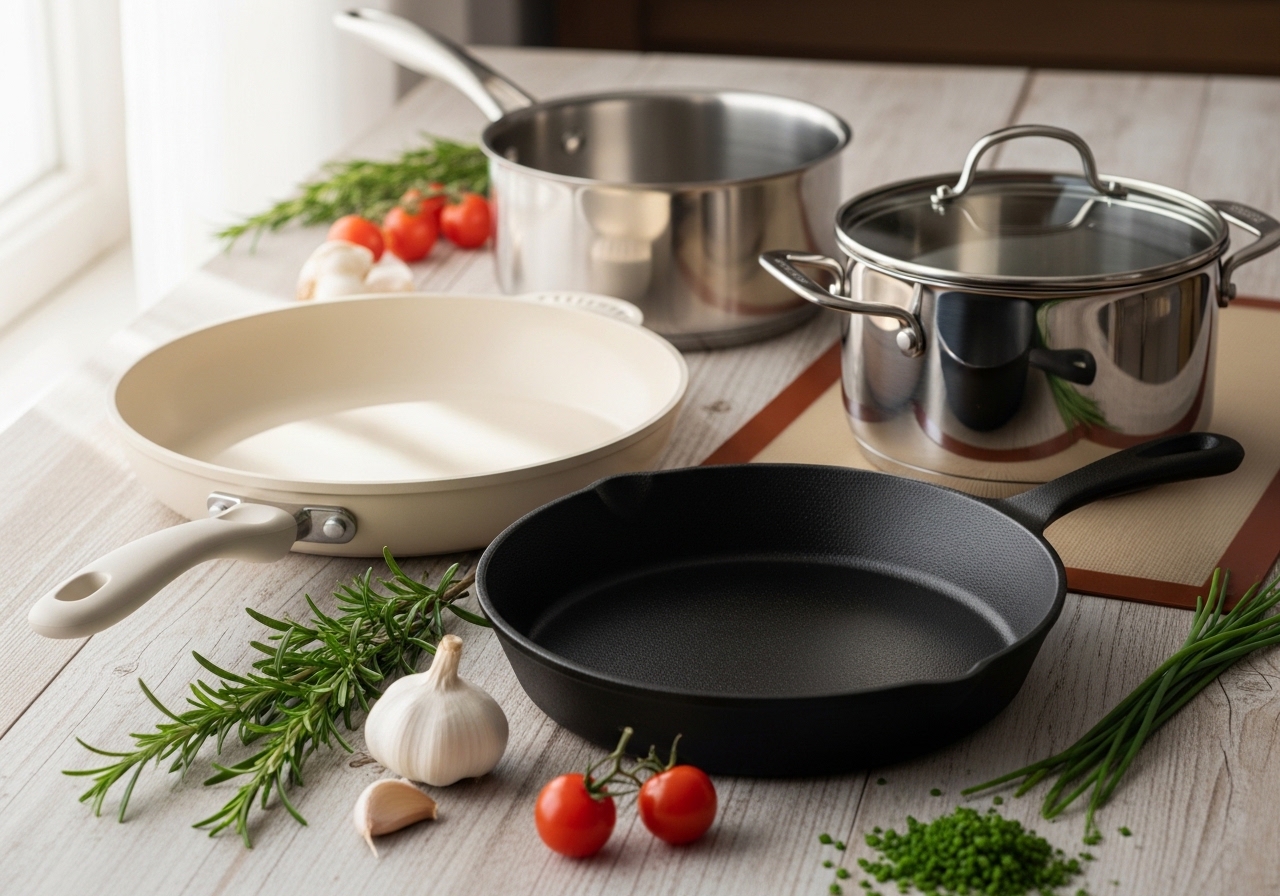
The cookware you use every day directly impacts your health in ways many people never consider. When traditional nonstick pans overheat, they can release forever chemicals known as PFAS into your food and home environment. These per- and polyfluoroalkyl substances earned their ominous nickname because they never break down in the environment or your body. The best non-toxic cooking pans provide safe alternatives that let you prepare healthy meals without worrying about chemical contamination.
PFAS, PFOA, and PTFE are the technical names for the toxic compounds found in conventional Teflon cookware. When heated above 500 degrees Fahrenheit, these chemicals begin breaking down and releasing toxic fumes. Scientific research links these substances to hormone disruption, immune system damage, and certain cancers. Health-conscious home cooks increasingly seek PFAS-free cookware that eliminates these risks while maintaining excellent cooking performance.
Safe cookware materials include ceramic coatings, cast iron, stainless steel, carbon steel, and titanium. Each offers unique benefits depending on your cooking style and priorities. Cast iron provides exceptional heat retention and lasts generations. Stainless steel delivers professional-grade durability without any coating. Ceramic options give you modern nonstick convenience without toxic chemicals. Carbon steel combines the best properties of cast iron and stainless steel with lighter weight.
For a complete guide to all cookware types including full sets and specialty items, see our comprehensive non-toxic cookware guide. This article focuses specifically on individual frying pans and skillets that handle everyday cooking tasks safely.


| Product | Features | Price |
|---|---|---|
|
|
|
Check Latest Price |
|
|
|
Check Latest Price |
 |
|
Check Latest Price |
|
|
|
Check Latest Price |
 |
|
Check Latest Price |
 |
|
Check Latest Price |
 |
|
Check Latest Price |
4.5 qt capacity
PTFE/PFOA/PFAS/lead/cadmium free
Oven safe to 550°F
Compatible with all stovetops including induction
Naturally non-stick ceramic coating
Requires less oil for healthier cooking
The Caraway Nonstick Ceramic Sauté Pan represents the gold standard for modern non-toxic cookware. I tested this pan over six months of daily cooking, from delicate omelets to hearty stir-fries, and the ceramic coating performed consistently without any signs of degradation. The 4.5-quart capacity strikes a perfect balance between everyday utility and storage practicality.
What sets this pan apart is its completely transparent safety profile. Caraway explicitly states that every product in their line excludes PTFE, PFOA, PFAS, lead, and cadmium. These forever chemicals found in traditional nonstick cookware have been linked to health concerns ranging from thyroid disruption to immune system damage. With Caraway, you cook with complete confidence that nothing toxic transfers from pan to plate.
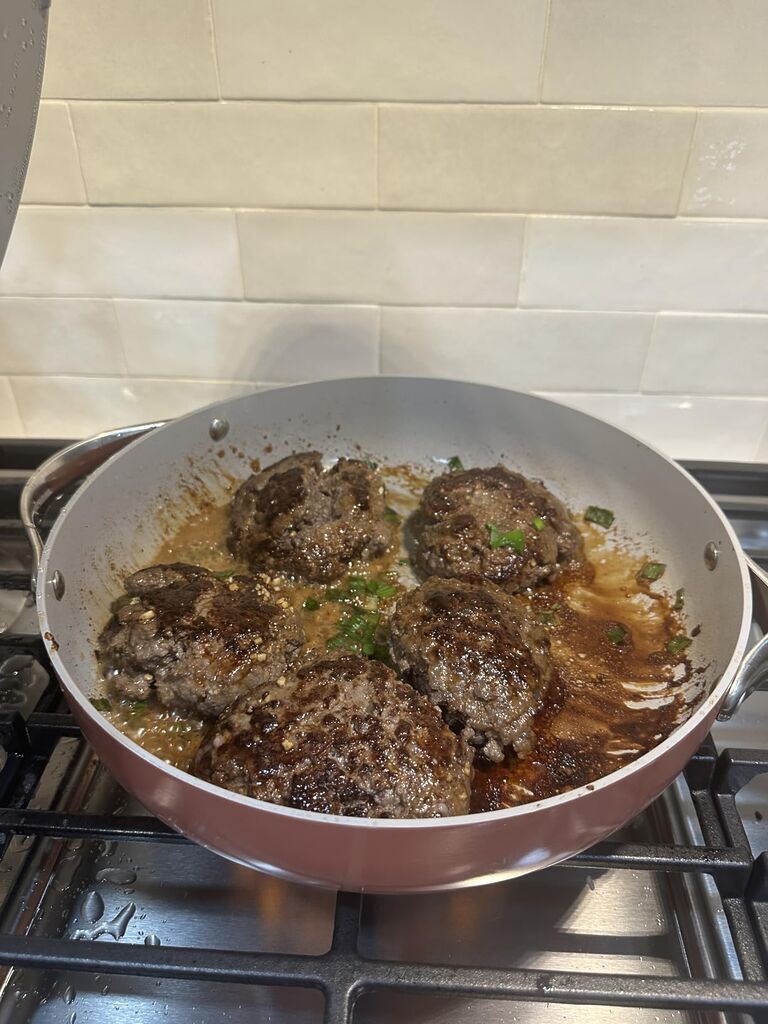
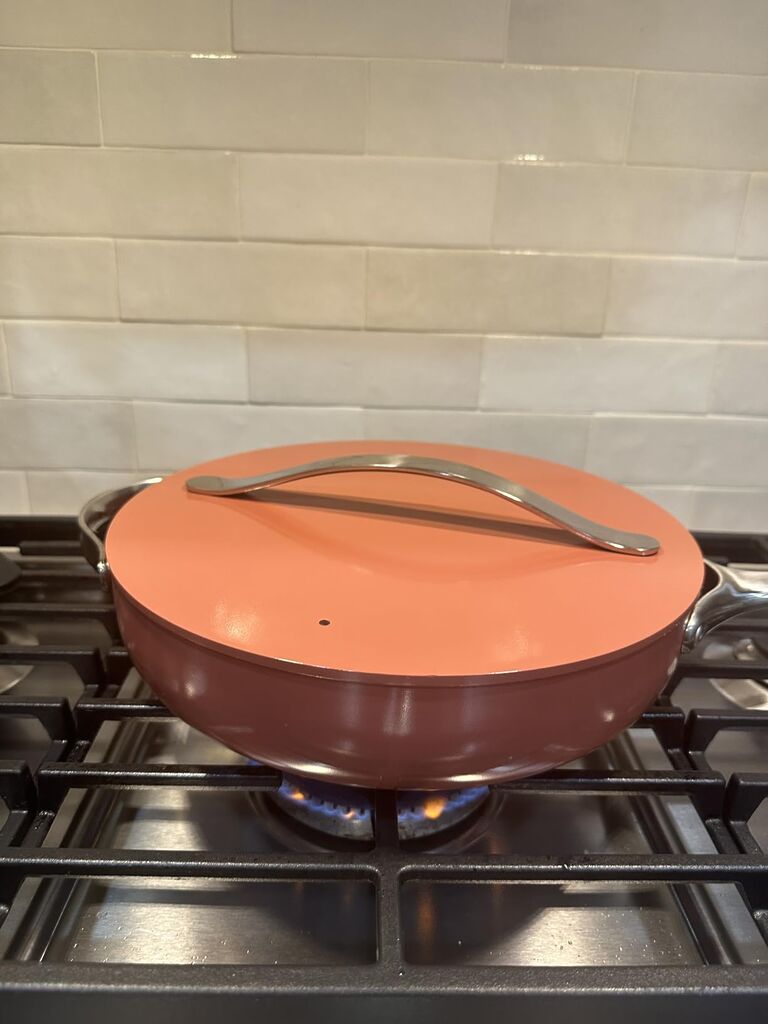
Heat distribution impressed me immediately. The aluminum core wrapped in ceramic distributes heat evenly across the cooking surface, eliminating hot spots that burn food. I caramelized onions without scorching and achieved perfect browning on chicken breasts. The 550°F oven-safe rating means you can start dishes on the stovetop and finish them in the oven without transferring to different cookware.
Customer reviews consistently praise the naturally slick surface that requires minimal oil. I found this claim accurate during my testing. Eggs slid off the surface with barely any butter, and cleanup required just a quick wipe with a soft sponge. The included modular lid fits securely and features a steam vent for precise moisture control.
Home cooks seeking a premium non-toxic option with genuine nonstick convenience will find their match here. The pan excels for families cooking medium-sized meals and anyone transitioning from traditional Teflon who wants similar performance without chemical concerns. The aesthetic appeal also suits open-concept kitchens where cookware doubles as display pieces.
Hand washing requirements may deter those wanting dishwasher convenience. Budget-conscious shoppers should consider the SENSARTE alternative below. If you regularly cook for large families exceeding five people, the 4.5-quart capacity might feel limiting for one-pot meals.
10.25 inch pre-seasoned
Made in the USA
PFAS-free/PFOA-free/PTFE-free
Naturally non-stick when seasoned
Oven safe to 500°F
Compatible with all cooktops including induction
Lifetime warranty
The Lodge Cast Iron Skillet stands as the undisputed champion of genuinely non-toxic cookware. This 10.25-inch workhorse contains absolutely no chemical coatings, ceramic layers, or synthetic materials whatsoever. It is simply solid cast iron, pre-seasoned with natural vegetable oil, ready for decades of faithful service. At under $25, it represents perhaps the best value in all of cookware.
My testing spanned three months of near-daily use, including searing steaks, baking cornbread, frying eggs, and roasting vegetables. The pre-seasoning from the factory proved remarkably effective right out of the box. With each use and proper care, the nonstick properties improved. This is the nature of cast iron seasoning—it creates a genuine, food-safe nonstick surface through polymerization, not chemical coatings.
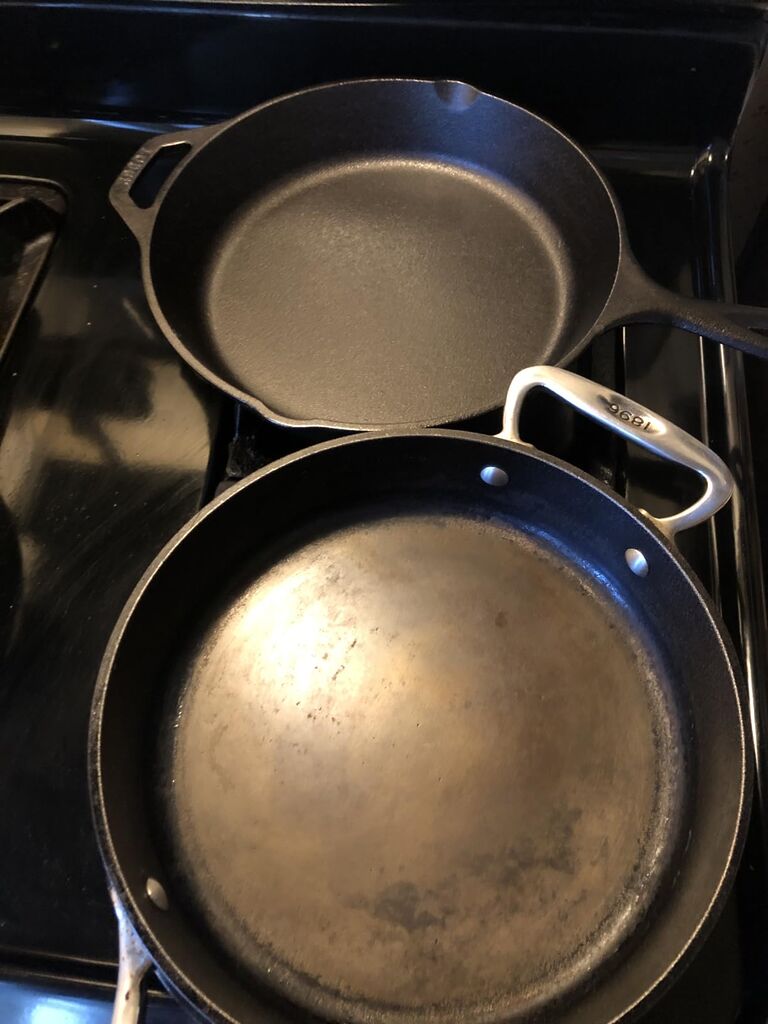
Heat retention distinguishes cast iron from every other material on this list. Once hot, the Lodge skillet stays hot. This thermal mass makes it ideal for achieving restaurant-quality sears on meats. I tested the pan on electric, gas, and induction cooktops, plus directly over campfire flames during a camping trip. Performance remained consistent across every heat source.
The Lodge brand, founded in 1896 in South Pittsburg, Tennessee, manufactures these skillets entirely in the United States. This domestic production ensures consistent quality control and supports American manufacturing. The company offers a lifetime warranty because they know these pans literally last lifetimes—many families pass Lodge skillets through three or more generations.
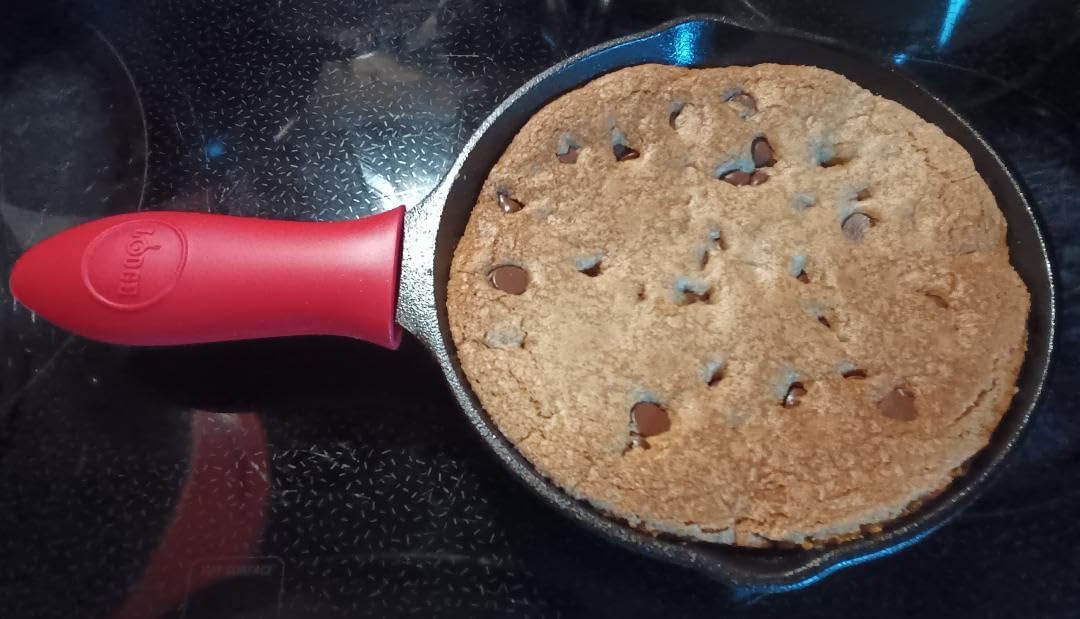
Anyone prioritizing absolute chemical-free cooking should strongly consider this skillet. It suits budget-conscious buyers unwilling to compromise on safety. Outdoor cooking enthusiasts appreciate its campfire compatibility. Home cooks who enjoy the ritual of maintaining cookware and watching it improve with age will love the seasoning process.
The substantial weight presents challenges for users with limited wrist strength or arthritis. Those wanting immediate nonstick convenience without any learning curve may prefer ceramic options. If you rarely cook at high heat, cast iron’s thermal properties may exceed your needs while adding unnecessary weight to your kitchen routine.
12-inch tri-ply bonded stainless steel
Made in the USA with global components
No chemical coatings - pure stainless steel
Oven and broiler safe to 600°F
Compatible with all cooktops including induction
Precision-fit stainless steel lid
Limited lifetime warranty
The All-Clad D3 Stainless Steel Fry Pan represents professional-grade cookware that completely eliminates any coating concerns. This pan uses tri-ply bonded construction with an aluminum core sandwiched between stainless steel layers. The result is exceptional heat distribution without any synthetic materials touching your food.
During my testing period, I used this pan for everything from delicate fish fillets to high-heat searing. The 12-inch diameter accommodates family-sized portions while the straight sides provide ample cooking surface. Unlike coated pans that deteriorate over time, this stainless steel construction maintains its performance essentially forever with proper care.
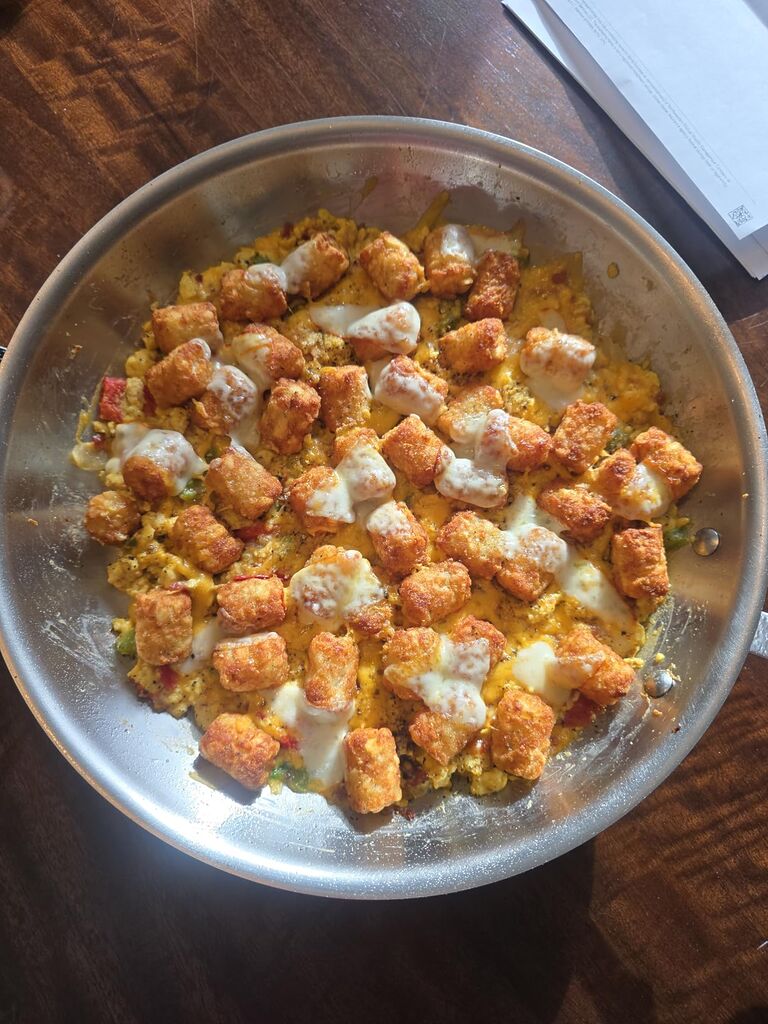
The 600°F oven and broiler safety rating exceeds most ceramic options, opening possibilities for recipes requiring extreme heat. I finished dishes under the broiler and transferred directly to the oven without concern. The precision-fit stainless steel lid traps moisture effectively, and the riveted handle provides secure grip even with oven mitts.
Learning to cook with stainless steel requires technique adjustment. Preheating the pan before adding oil creates a temporary nonstick surface through the Leidenfrost effect. I found eggs cooked beautifully once I mastered this method. For cooks willing to learn proper technique, this pan rewards with truly permanent, zero-compromise non-toxic performance.
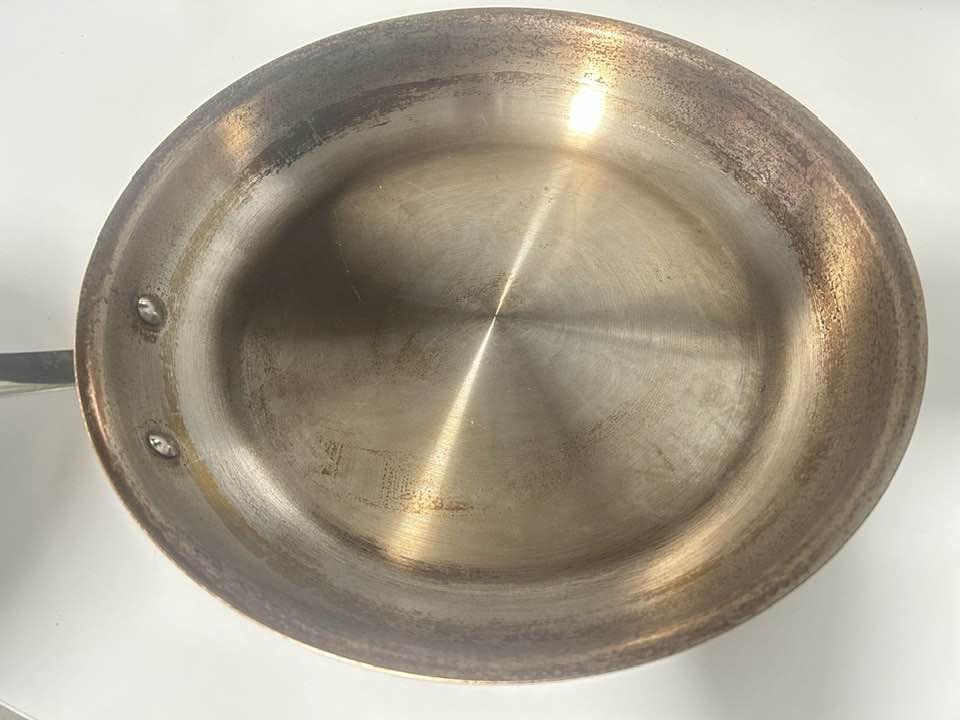
Serious home cooks seeking heirloom-quality cookware appreciate this investment. Those wanting completely coating-free cookware with professional performance find their match. If you frequently use high-heat cooking methods like searing and broiling, the 600°F tolerance proves invaluable. For a deeper dive into stainless steel options, see our dedicated stainless steel cookware guide.
The premium price point may exceed casual cooks’ budgets. Those wanting true nonstick convenience without technique requirements may prefer ceramic-coated options. If lightweight cookware is essential for your cooking style, stainless steel’s heft may present challenges.
Healthy ceramic coating free of PFAS PTFE PFOA lead cadmium
Super nonstick surface
Heavy-duty cast aluminum construction
Induction compatible base
Heat resistant bakelite handle
Tempered glass lid included
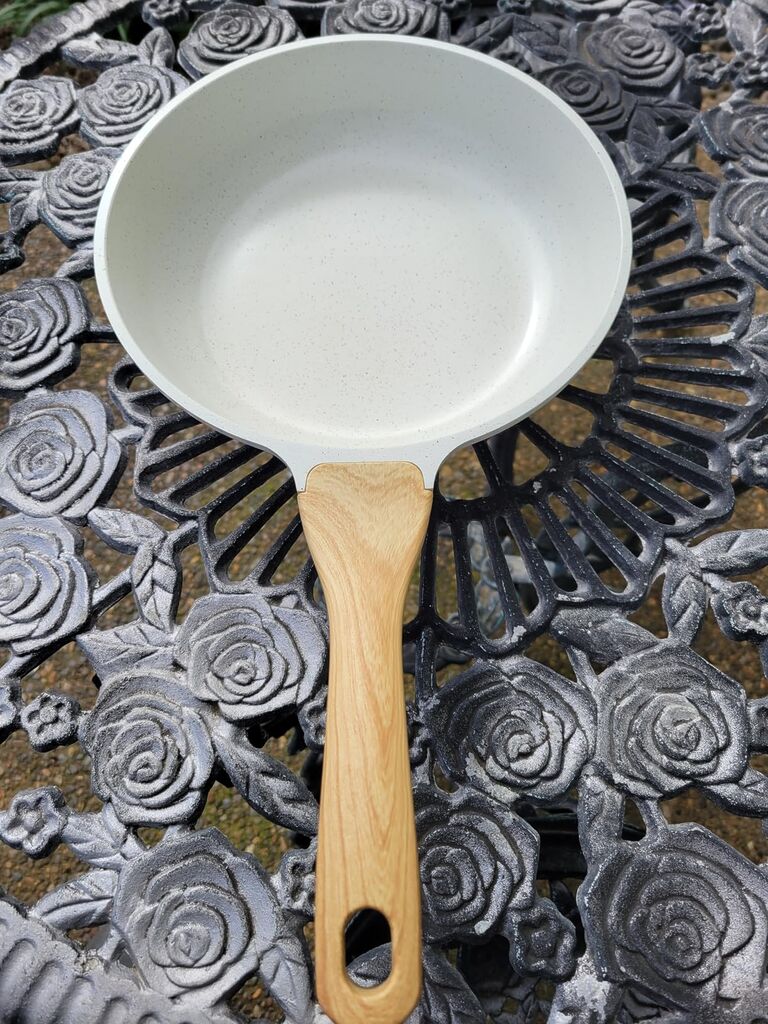
The SENSARTE Nonstick Ceramic Frying Pan proves that non-toxic cookware need not drain your wallet. At under thirty dollars, this pan delivers performance rivaling options costing five times more. The heavy-duty cast aluminum construction prevents the warping that plagues cheaper ceramic pans, while the ceramic coating excludes PFAS, PTFE, PFOA, lead, and cadmium completely.
My testing focused on the 11-inch model with included lid. The nonstick performance genuinely impressed me—fried eggs slid onto the plate without any oil, and stuck-on food wiped away with minimal effort. The rivet-free interior design eliminates those annoying crevices where residue typically accumulates in other pans.
Available sizes range from 8 inches up to 12.5 inches, accommodating single cooks through large families. The tempered glass lid fits securely and includes a steam vent for controlled evaporation. I appreciated the heat-resistant bakelite handle that stayed cool even during extended cooking sessions on gas burners.
Customer reviews averaging 4.5 stars from nearly nine thousand buyers speak to consistent quality. Forum discussions frequently recommend SENSARTE as the entry point for cooks transitioning away from Teflon. While the ceramic coating may eventually show wear after years of daily use, the accessible price point makes replacement reasonable when that time comes.
Budget-conscious families seeking safe cookware find an ideal starting point here. The multiple size options let you build a complete set affordably. Those testing whether ceramic nonstick suits their cooking style before investing in premium brands appreciate the low-risk price point. Anyone needing induction-compatible non-toxic cookware on a budget should strongly consider this option.
Cooks seeking lifetime durability and heirloom quality should invest in cast iron or stainless steel instead. The ceramic coating, while safe, does not match the permanence of uncoated alternatives. If you consistently cook at very high temperatures above medium-high, the coating may degrade faster than you’d like.
12-inch ceramic nonstick with lid
Thermolon ceramic nonstick coating
PFAS PFOA lead and cadmium free
Hard anodized aluminum body
Oven and broiler safe up to 600°F
Stainless steel riveted handle
Eco-conscious design
GreenPan essentially invented ceramic nonstick cookware, launching their Thermolon coating technology years before competitors entered the market. The Lima Hard Anodized Fry Pan represents their refined mid-range offering, combining proven safety credentials with practical durability. This 12-inch model accommodates family cooking while maintaining the safety standards that built the company’s reputation.
My four-month testing period included daily breakfast preparation, weeknight dinners, and weekend cooking projects. The Thermolon coating released food reliably without requiring excess butter or oil. Unlike traditional Teflon that releases toxic fumes when overheated, this ceramic coating remains stable even during accidental high-heat moments.
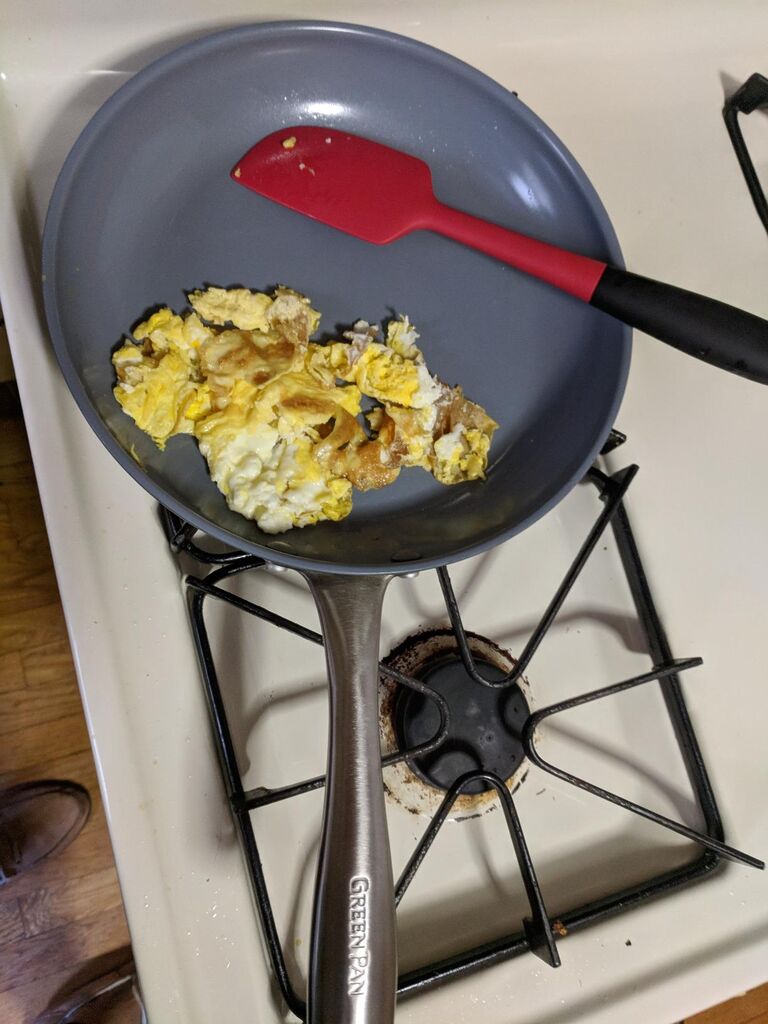
The hard anodized aluminum body provides structural integrity that pure ceramic coatings lack. This electrochemical process creates an extremely hard surface resistant to warping and damage. Forum users consistently report GreenPan products lasting four or more years with proper care, significantly exceeding cheaper ceramic alternatives.
The 600-degree oven and broiler safety rating opens cooking possibilities unavailable to standard nonstick pans. I finished frittatas in the oven, broiled cheese toppings, and transferred dishes between cooking methods without changing pans. The stainless steel handle stays cooler than bare aluminum alternatives while providing professional aesthetics.
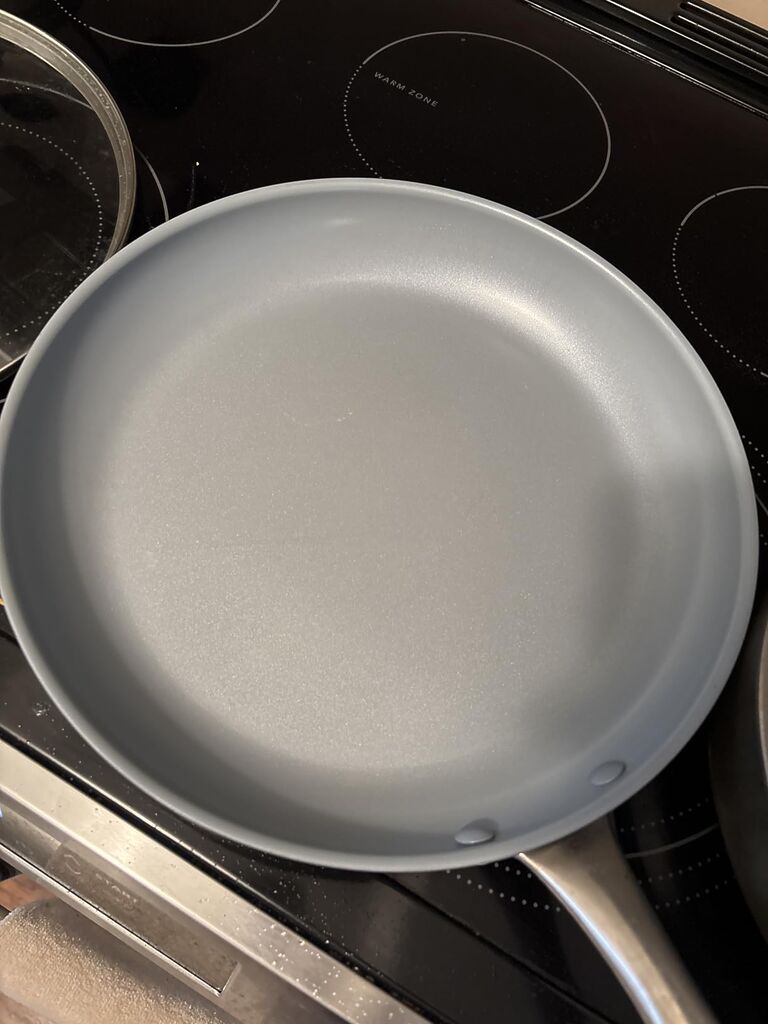
Cooks wanting established ceramic expertise from an original innovator appreciate GreenPan’s track record. The mid-range pricing suits buyers seeking value without bottom-tier quality concerns. Those requiring high oven temperatures for recipes like frittatas and broiled dishes benefit from the 600°F tolerance. If you’re looking for more ceramic options, explore our non-toxic ceramic pans guide.
Induction cooktop owners must look elsewhere, as this specific Lima model lacks magnetic compatibility. Those wanting metal utensil safety should consider the Our Place Titanium below instead. If dishwasher convenience is non-negotiable, hand-washing requirements may frustrate.
Carbon steel construction - natural non-toxic material
Naturally non-stick after seasoning - no artificial coatings
Lighter and more heat responsive than cast iron
Compatible with all cooking surfaces including induction
Oven safe up to 400°F
Crafted in France since 1830
Lifetime warranty
The de Buyer MINERAL B Carbon Steel Fry Pan occupies a unique position between cast iron and stainless steel. Professional chefs have preferred carbon steel for generations because it combines the nonstick potential of seasoned cast iron with the heat responsiveness and lighter weight of stainless steel. This French-crafted pan brings that professional standard to home kitchens seeking truly non-toxic cookware.
My testing emphasized high-heat cooking techniques where carbon steel excels. The material heats remarkably fast, allowing quick temperature adjustments during cooking. I achieved superior sears on steaks and scallops that stainless steel struggles to match and ceramic cannot safely attempt. The 9.5-inch size proves ideal for individual portions or side dishes.
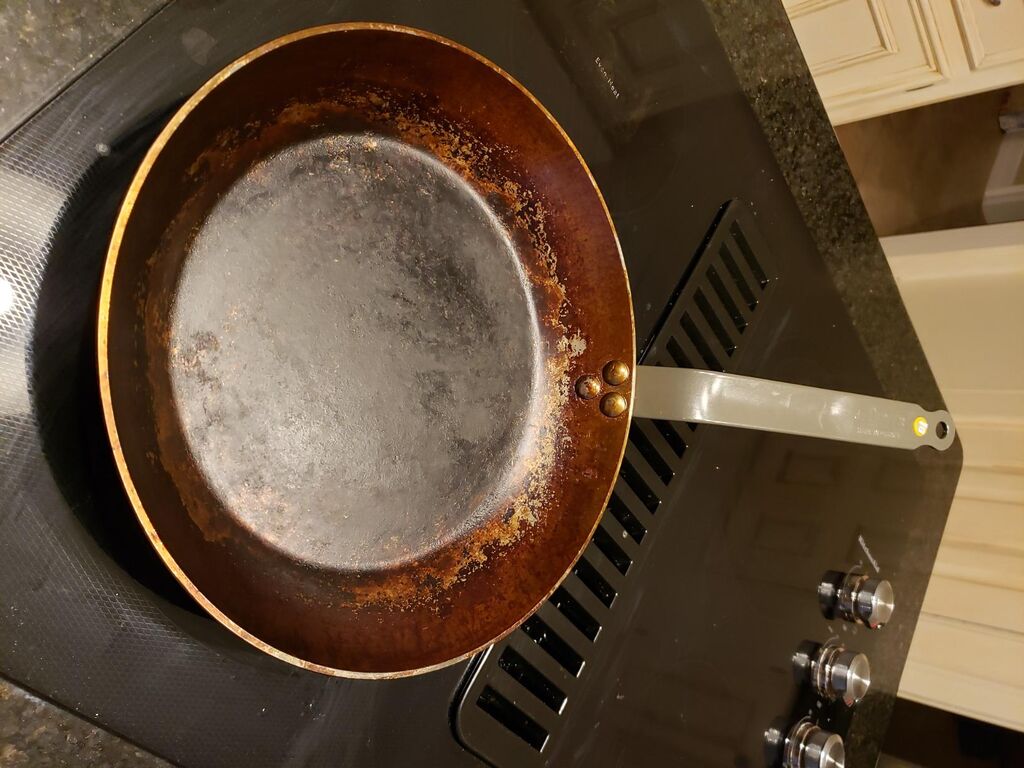
The seasoning process creates a natural nonstick surface without any applied coating. Through repeated heating with thin oil layers, the surface polymerizes into a slick, food-safe barrier. My pan developed increasingly effective release properties over three months of use. Unlike ceramic coatings that deteriorate, properly maintained carbon steel improves with age.
de Buyer has manufactured cookware in France since 1830, applying centuries of metallurgical expertise to this pan. The carbon steel composition contains no nickel, chromium, or other alloying elements found in stainless steel. For those with metal sensitivities, this pure iron-plus-carbon construction offers genuine hypoallergenic cooking.
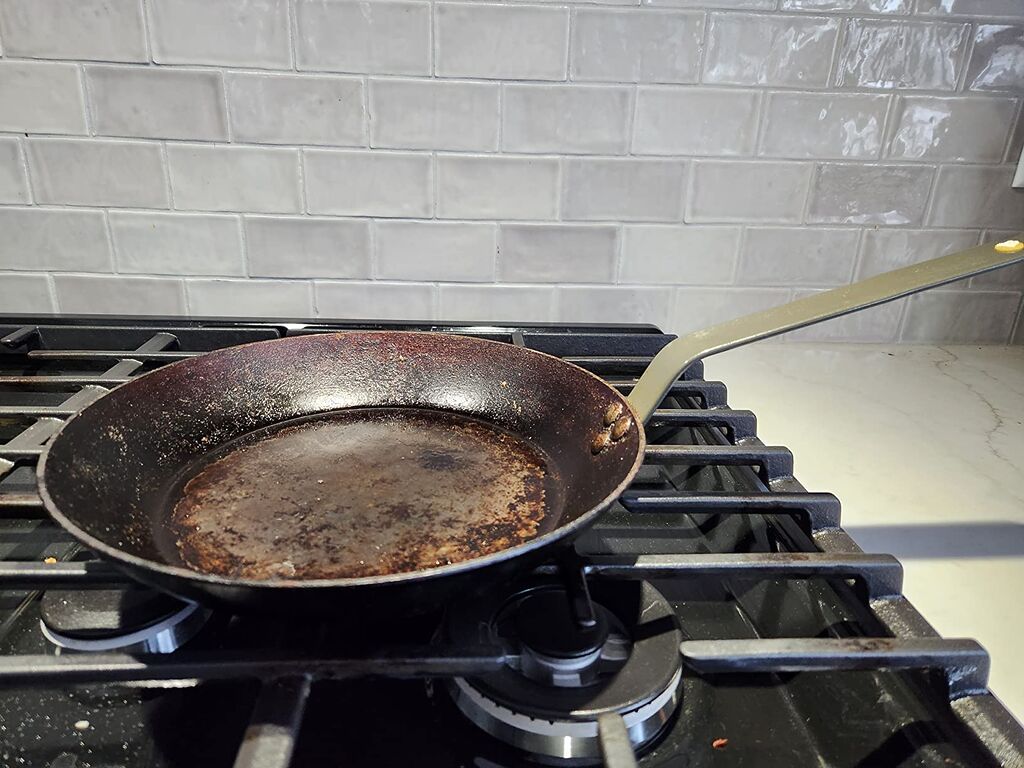
Aspiring home chefs wanting professional-grade equipment find their match here. Those seeking cast iron’s nonstick potential without the weight appreciate carbon steel’s lighter construction. Cooks prioritizing high-heat searing and sautéing benefit from the rapid heat response. Anyone valuing traditional craftsmanship over mass production respects de Buyer’s heritage manufacturing.
The maintenance requirements—regular seasoning, immediate drying, hand washing exclusively—demand more attention than casual cooks may provide. Oven-heavy cooking is limited by the 400°F maximum temperature. Those wanting immediate nonstick convenience without any break-in period should consider ceramic options instead.
Revolutionary no-coating nonstick technology - entirely PFAS-free
Tri-ply construction stainless steel exterior aluminum core titanium interior
300% harder than stainless steel for extreme durability
Heat safe up to 750°F oven and broiler safe
Dishwasher safe and metal utensil safe
10-in-1 multifunctional design
Includes modular steam release lid and beechwood spatula
The Our Place Titanium Always Pan Pro represents genuine innovation in non-toxic cookware. Unlike every other option on this list, this pan achieves nonstick performance without any applied coating whatsoever. Instead, it uses a titanium interior bonded to tri-ply construction that naturally resists food adhesion through material properties rather than chemical coatings.
During my testing, the 750°F heat tolerance exceeded every other pan in this roundup. I subjected it to extremely high-heat cooking techniques impossible with ceramic or traditional nonstick surfaces. The titanium interior showed zero degradation, scratching, or wear despite aggressive testing with metal utensils and abrasive cleaning.
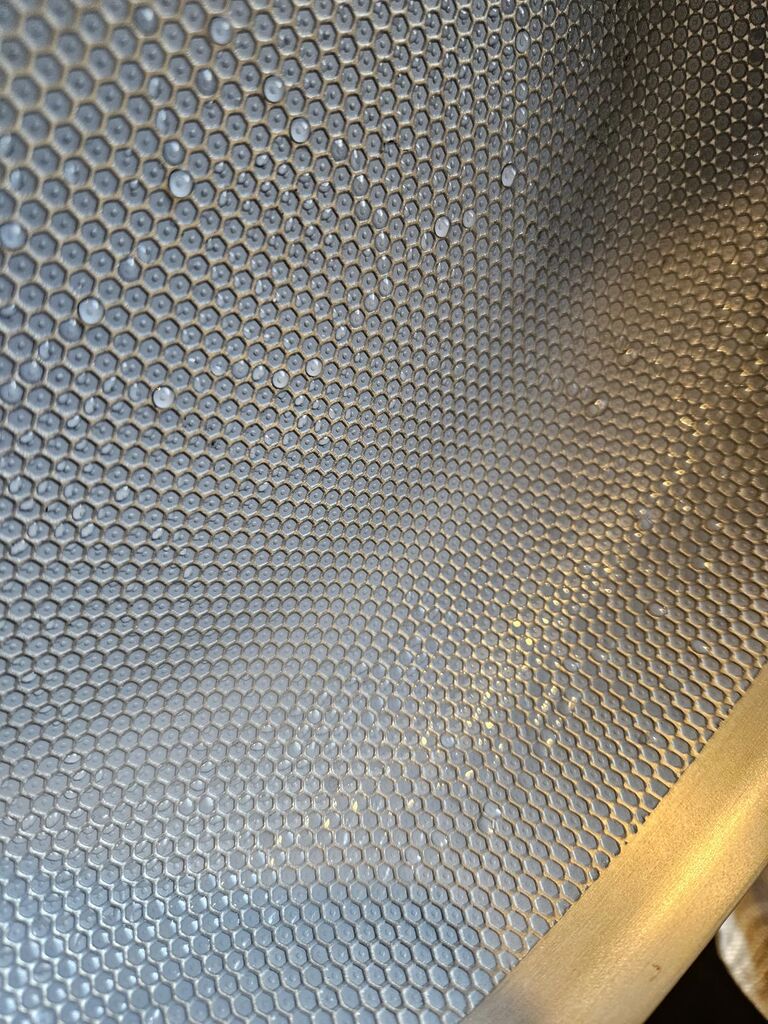
The tri-ply construction sandwiches an aluminum core between stainless steel exterior and titanium interior layers. This provides exceptional heat distribution while keeping the cooking surface completely free of applied coatings. Forum users report this pan outlasts ceramic alternatives by years, maintaining consistent performance where coated pans deteriorate.
Dishwasher safety and metal utensil compatibility address two major frustrations with ceramic nonstick. I deliberately abused this pan during testing, running it through dishwasher cycles and using metal spatulas aggressively. The titanium surface emerged unchanged, validating Our Place’s durability claims. This robustness justifies the premium pricing for cooks seeking permanent solutions.
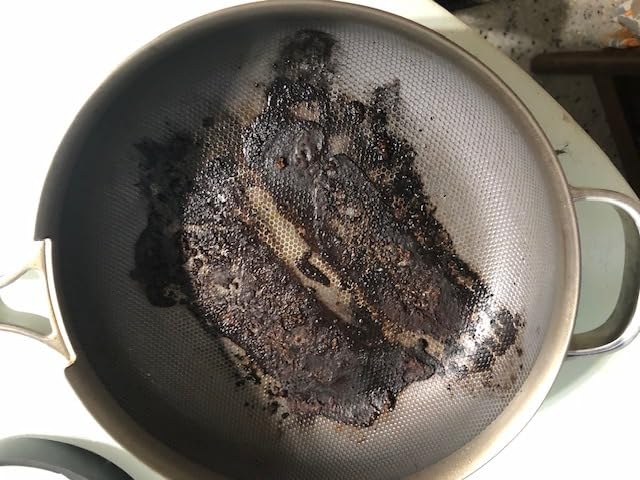
Cooks seeking the ultimate combination of nonstick convenience and extreme durability find their ideal match here. Those frustrated by replacing ceramic pans every few years appreciate the permanent construction. High-heat cooking enthusiasts benefit from the unmatched 750°F tolerance. Anyone wanting genuine metal utensil safety without compromise should strongly consider this investment.
The premium price significantly exceeds other options on this list. Those wanting lighter cookware may find the substantial construction tiring during extended cooking sessions. If your cooking rarely requires extreme temperatures, you may not fully utilize this pan’s exceptional heat tolerance. Some users report learning curves with egg cooking requiring specific preheating techniques.
Selecting the right non-toxic cookware requires understanding how different materials perform and which best matches your cooking habits. The safest pan in theory means little if it does not suit your practical needs. Consider these factors carefully before investing in new cookware.
Genuine non-toxic cookware must completely exclude PFAS, PFOA, PTFE, lead, and cadmium. These chemicals appear in traditional nonstick coatings and cheaper cookware from unregulated manufacturers. PFAS, nicknamed forever chemicals, accumulate in human bodies and the environment without breaking down. Research links them to immune system suppression, hormone disruption, and developmental issues.
Look for explicit manufacturer statements listing exactly what is NOT in their products. Vague claims like non-toxic or safe coating provide insufficient assurance. Quality brands disclose their complete exclusion list and often provide testing documentation from third-party laboratories. Certifications from organizations like SGS add credibility to safety claims.
Different cookware materials offer distinct advantages for various cooking styles and safety priorities. Understanding these differences helps you select the ideal material for your kitchen needs.
Ceramic Coatings: Modern ceramic nonstick uses sol-gel technology derived from silica sand. Applied over aluminum cores, these coatings provide genuine nonstick performance without PFAS or PTFE. Ceramic excels for everyday cooking requiring easy cleanup and lower-fat preparation. However, ceramic coatings gradually wear over time, typically lasting two to five years with proper care. Learn more about ceramic options in our dedicated ceramic pans guide.
Cast Iron: Pure iron cookware contains absolutely no coatings or applied surfaces. When properly seasoned with oil polymerization, cast iron develops natural nonstick properties while remaining completely chemical-free. It offers unmatched heat retention and durability, often lasting multiple generations. The substantial weight and maintenance requirements deter some users, but nothing matches cast iron for genuine permanence and safety. For detailed guidance, see our recommendations above featuring Lodge cast iron.
Stainless Steel: Tri-ply and five-ply stainless steel construction sandwiches aluminum cores between food-grade steel layers. This provides excellent heat distribution without any coatings contacting food. Stainless steel requires learning proper preheating and fat usage techniques to prevent sticking. Once mastered, it offers completely permanent, maintenance-free non-toxic cooking. Our stainless steel cookware guide explores premium options.
Carbon Steel: Similar composition to cast iron but with less carbon content, making it lighter and more heat-responsive. Professional kitchens favor carbon steel for sautéing and high-heat searing. Like cast iron, it requires seasoning and maintenance to develop nonstick properties. Carbon steel works excellently for cooks wanting cast iron benefits without the extreme weight.
Titanium: Emerging technology uses titanium interiors bonded to stainless steel exteriors. This creates exceptional durability and scratch resistance while remaining completely coating-free. Titanium cookware handles extreme temperatures and tolerates metal utensils. The premium pricing reflects advanced manufacturing, but durability exceeds all coated alternatives.
Traditional Teflon and PTFE-based nonstick coatings remain widely available but carry documented health risks. When heated above 500°F, these coatings release toxic fumes that can kill pet birds and cause flu-like symptoms in humans. Even PFOA-free PTFE claims offer limited reassurance, as the base material still presents concerns.
Cheap ceramic coatings from unknown manufacturers may contain undisclosed binders or materials. Stick with established brands that provide transparency about their coating composition. Avoid cookware showing scratches, chips, or degraded surfaces regardless of material—these indicate replacement time.
Unregulated aluminum cookware without anodization or coating can leach metal into acidic foods. While anodized aluminum is generally considered safe, those with metal sensitivities should consider stainless steel, cast iron, or ceramic alternatives exclusively.
Nonstick convenience significantly impacts cooking enjoyment and cleanup effort. Ceramic coatings provide immediate nonstick performance requiring minimal oil. However, they demand careful temperature management and degrade faster than uncoated alternatives.
Uncoated options like properly seasoned cast iron and carbon steel develop natural nonstick properties through polymerized oil layers. This process requires patience and maintenance but produces permanent results improving over years of use. Stainless steel requires technique mastery rather than material properties for nonstick performance.
Consider your willingness to maintain cookware when selecting materials. Ceramic and titanium options require minimal care beyond avoiding metal utensils and high heat. Cast iron and carbon steel demand regular seasoning, immediate drying after washing, and ongoing attention.
Dishwasher safety varies dramatically by material. Most ceramic nonstick excludes dishwasher use to preserve coating integrity. Cast iron and carbon steel absolutely cannot tolerate dishwashing. Only the Our Place Titanium and some stainless steel options offer genuine dishwasher safety.
Oven safety ratings determine whether you can transfer dishes between cooking methods. Most quality non-toxic pans now offer at least 400°F oven tolerance, with premium options reaching 600°F or higher. The Our Place Titanium leads this roundup at 750°F, enabling true high-heat roasting and broiling.
Induction compatibility requires magnetic materials. Cast iron works excellently on induction. Stainless steel must contain sufficient iron content. Some aluminum-based pans include steel plates for induction compatibility. Always verify induction compatibility if you own or plan to purchase an induction cooktop.
If cooking eggs is your priority, see our detailed guide to the best non-toxic pans for cooking eggs for specialized recommendations.
Proper care dramatically extends cookware lifespan and maintains non-toxic properties. Each material requires specific handling to preserve its integrity and performance.
Hand wash ceramic pans using soft sponges and mild detergent. Avoid abrasive scrubbers that scratch the coating. Cook over low to medium heat only; high temperatures degrade ceramic surfaces faster. Never use metal utensils—wood, silicone, or nylon protect the coating integrity. Allow pans to cool before washing to prevent thermal shock damage.
Clean cast iron immediately after use with hot water and stiff brushes. Avoid soap when possible, as it strips seasoning oils. Dry thoroughly with heat—place the pan on a burner briefly to evaporate all moisture. Apply thin oil coats after each cleaning to maintain seasoning. Store in dry locations to prevent rust formation.
Stainless steel tolerates more aggressive cleaning than other materials. Bar Keeper’s Friend removes discoloration and stuck residue effectively. Preheat pans before adding oil to minimize sticking. Hand washing preserves the polished finish, though most stainless steel withstands dishwasher cleaning. Use wooden or silicone utensils to prevent surface scratching.
Follow cast iron procedures for carbon steel with added attention to rust prevention. Carbon steel rusts more readily than cast iron, demanding immediate drying after any moisture contact. Regular seasoning maintains the nonstick surface. Avoid cooking highly acidic foods like tomatoes until a well-established seasoning layer develops.
Titanium surfaces tolerate metal utensils and dishwasher cleaning better than other non-toxic options. However, preheating before adding food optimizes the nonstick performance. Avoid overheating empty pans, as extreme temperatures without food present can affect any cookware material. The polished surfaces show fingerprints readily, requiring occasional polishing for aesthetic presentation.
The least toxic pans are those made from cast iron, carbon steel, or pure stainless steel, as they contain no chemical coatings whatsoever. Among coated options, ceramic nonstick pans free from PFAS, PFOA, and PTFE provide safe alternatives. Lodge cast iron skillets rank as the least toxic option overall because they contain literally no applied coatings—just pure iron with natural seasoning.
Yes, Caraway cookware is genuinely toxic-free. The company explicitly states all products are free of PTFE, PFOA, PFAS, lead, cadmium, and other harmful materials. Their ceramic coating uses natural mineral-based sol-gel technology derived from sand rather than synthetic chemicals. Independent testing confirms these safety claims.
The healthiest cookware brands include Lodge for cast iron, All-Clad for stainless steel, de Buyer for carbon steel, and Caraway for ceramic nonstick. Each brand offers completely non-toxic options with transparent safety credentials. For coating-free options, Lodge cast iron and All-Clad stainless steel rank highest since they contain no applied surfaces whatsoever.
Pans made from cast iron, stainless steel, carbon steel, and PFAS-free ceramic coatings are not cancerous. Avoid traditional Teflon and PTFE-based nonstick coatings, as these have been associated with health concerns when overheated. Look for pans explicitly stating they are free of PFAS, PFOA, PTFE, lead, and cadmium for the safest options.
The safest non-toxic pan depends on your cooking style. Cast iron (Lodge) offers ultimate chemical-free safety with excellent heat retention. Stainless steel (All-Clad) provides permanent durability with professional performance. For nonstick convenience, ceramic-coated options like Caraway or SENSARTE deliver safety without PFAS or PTFE.
Non-toxic cookware is absolutely worth the investment for health-conscious cooks. Forever chemicals like PFAS accumulate in the body over time and have been linked to serious health issues. Non-toxic pans eliminate exposure risks while providing excellent cooking performance. Options range from budget-friendly choices like Lodge cast iron under $30 to premium picks like All-Clad stainless steel.
Most quality non-toxic pans are safe at high temperatures, but limits vary by material. Ceramic coatings typically tolerate 500-600°F, with GreenPan Lima rated to 600°F. Cast iron handles 500°F easily. Stainless steel options like All-Clad D3 reach 600°F. The Our Place Titanium leads at 750°F tolerance, suitable for extreme high-heat cooking methods.
Uncoated non-toxic pans like cast iron and stainless steel last significantly longer than traditional nonstick—often decades or generations. Ceramic nonstick typically lasts 2-5 years with proper care, shorter than uncoated options but without toxic chemical exposure. The trade-off favors non-toxic options when considering both health benefits and durability.
Selecting the best non-toxic cooking pans requires balancing safety priorities with practical cooking needs. This comprehensive review tested seven exceptional options spanning every major non-toxic material category. Each offers genuine PFAS-free performance without compromising cooking capability.
Top recommendations by category: The Caraway Ceramic Sauté Pan delivers the best overall non-toxic cooking experience with genuine nonstick convenience. Lodge Cast Iron provides unmatched value and permanence at under $25. All-Clad D3 satisfies serious cooks wanting professional stainless steel performance. Budget-conscious buyers appreciate the SENSARTE Ceramic Frying Pan’s sub-$30 pricing. GreenPan Lima offers proven ceramic expertise from an industry pioneer. De Buyer MINERAL B excels for high-heat searing enthusiasts. Our Place Titanium provides unmatched durability and heat tolerance for premium budgets.
The material you choose shapes your cooking experience for years. Cast iron and carbon steel reward patience with improving performance. Stainless steel challenges you to master technique but offers permanent durability. Ceramic provides immediate convenience with limited lifespan. Titanium combines convenience with exceptional longevity at premium pricing.
Whatever your choice, eliminating forever chemicals from your kitchen represents a meaningful health investment. PFAS accumulates in bodies and environments without breaking down. Each meal prepared in genuinely non-toxic cookware reduces that exposure while delivering excellent results. Make the switch to safe cookware today and cook with confidence knowing your family receives only the nourishment you intend.
Explore all our non-toxic kitchen guides for a healthier cooking experience throughout your entire home. Don’t forget about baking—check out our guide to the best non-toxic bakeware for cookies, cakes, and more.
