

The clean energy transition has become one of the most powerful engines of global job creation. According to the International Renewable Energy Agency (IRENA), the renewable energy sector employed over 13.7 million people worldwide in 2023, up from 12.7 million the previous year. That figure represents a 28 percent increase in just five years, and the trajectory shows no signs of slowing. For anyone weighing career options, renewable energy jobs offer a rare combination of rapid growth, competitive salaries, and meaningful environmental impact.
The International Energy Agency (IEA) reports that global clean energy investment now exceeds $2 trillion annually, surpassing fossil fuel spending for the first time in history. In the United States alone, the Bureau of Labor Statistics (BLS) projects that solar photovoltaic installer employment will grow by 22 percent through 2032, ranking it among the fastest-growing occupations in the country. Wind turbine service technician roles are growing at an even faster 45 percent clip over the same period.
This guide covers 14 of the best renewable energy jobs available today, complete with salary ranges, required skills, growth outlook, and education requirements for each role. Whether seeking an entry-level position as a solar panel installer or aiming for a leadership role like Director of Sustainability Initiatives, readers will find actionable career guidance here. A dedicated section on breaking into the industry, professional certifications, and emerging fields like green hydrogen and EV engineering rounds out the coverage.
What This Guide Covers:
For those also exploring broader sustainability career paths, our guide to entry-level environmental jobs covers additional green career options that require no prior experience. And if everyday sustainability matters on a personal level, these practical sustainability tips complement a career-focused approach to environmental action.
The renewable energy workforce has expanded at an unprecedented pace over the past decade. IRENA’s 2024 Renewable Energy and Jobs Annual Review documented 13.7 million renewable energy jobs globally, with solar photovoltaic representing the largest segment at 7.1 million positions. China leads in total renewable employment with 7.4 million jobs, followed by the European Union at 1.8 million, Brazil at 1.6 million, and the United States at approximately 1 million clean energy workers.

Global investment in clean energy technologies reached $2.1 trillion in 2024 according to IEA data, a figure that dwarfs the $1.1 trillion directed toward fossil fuels. This massive capital flow has translated directly into employment growth across solar, wind, battery storage, hydrogen, and grid modernization projects. The United States Inflation Reduction Act alone is projected to create over 9 million clean energy jobs over the next decade, while the European Green Deal targets millions of additional positions across EU member states.
Beyond raw job creation numbers, the sector has matured significantly. Renewable energy is no longer a niche industry dominated by small startups. Major corporations like NextEra Energy, Iberdrola, Enel, and Vestas employ tens of thousands of workers across engineering, project management, operations, sales, and software development roles. The industry now offers structured career progression paths, competitive benefits packages, and opportunities for international work that simply did not exist a decade ago.
Technological breakthroughs have also expanded the range of available positions. The emergence of utility-scale battery storage, green hydrogen electrolysis, floating offshore wind platforms, and AI-driven grid management software has created entirely new job categories. These roles demand specialized skills that are in critically short supply, driving salaries upward and creating opportunities for career changers who can acquire the right training.
Also Read: Entry-Level Environmental Jobs: 25+ Green Careers
Several interconnected forces are fueling the expansion of renewable energy employment. Understanding these drivers helps prospective workers identify which segments of the industry will offer the most opportunities in the coming years.
These drivers reinforce one another. Policy support attracts investment, investment accelerates technology deployment, technology deployment creates economies of scale, and lower costs drive further adoption. The result is a compounding job creation effect that shows no signs of plateauing in the foreseeable future.
The renewable energy sector encompasses a remarkably diverse range of roles spanning hands-on installation work, advanced engineering, policy advocacy, software development, and executive leadership. The 14 positions detailed below represent some of the strongest career opportunities in the field, chosen based on growth projections, salary potential, and long-term stability. Each profile includes salary ranges based on BLS data and industry surveys, key skills, growth outlook, and education requirements.
Salary figures reflect the U.S. market as of 2026 and vary based on geographic location, experience level, and employer type. Workers in states with aggressive renewable energy targets like California, Texas, New York, and Massachusetts typically earn at the higher end of these ranges.
Solar panel installers, also called solar photovoltaic installers, assemble, install, and maintain rooftop and ground-mounted solar panel systems. The BLS ranks this as one of the fastest-growing occupations in the United States, projecting 22 percent employment growth through 2032. This growth rate is roughly six times the average across all occupations.

Most installers work for solar installation companies, though some are employed directly by large-scale solar farm operators. The work is physically demanding and involves significant outdoor time, but entry barriers are relatively low. Many installers enter the field with just a high school diploma and learn through on-the-job training or short technical programs.
The NABCEP (North American Board of Certified Energy Practitioners) certification is widely regarded as the gold standard for solar professionals. While not legally required, earning NABCEP credentials significantly improves job prospects and earning potential. For anyone seeking a deeper dive into this career path, our complete guide to solar installer careers covers training programs, certification requirements, and job search strategies in detail.
Experienced installers often advance into lead installer roles, project management positions, or system design engineering. The solar industry also offers parallel career paths in sales and consulting. Those interested in the commercial side of residential solar can explore solar sales jobs, which can be highly lucrative for individuals with strong communication skills.
Energy transition technical specialists help organizations navigate the complex process of shifting operations from fossil fuel dependence to renewable energy sources. This role has emerged as a distinct career path over the past five years as corporations face mounting pressure from regulators, investors, and customers to reduce their carbon footprints.
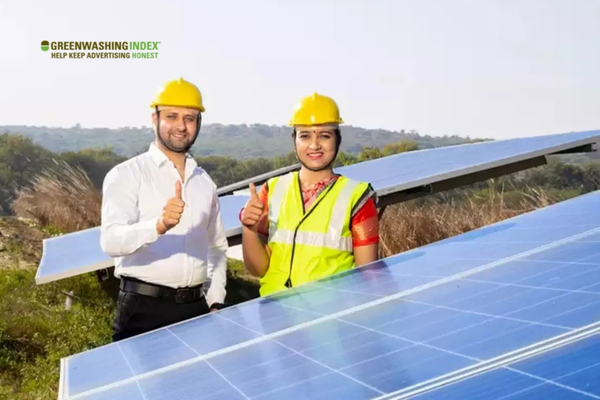
Specialists in this role conduct detailed energy audits of facilities, identify opportunities for renewable energy integration, and develop multi-year transition roadmaps. They evaluate options including on-site solar generation, wind power procurement, battery storage installation, and green hydrogen adoption. The work requires balancing technical feasibility with financial viability, ensuring that recommended changes make economic sense while delivering meaningful emissions reductions.
Another core responsibility involves regulatory navigation. Energy transition specialists must understand incentive programs, tax credit structures, renewable portfolio standards, and reporting frameworks like the Task Force on Climate-related Financial Disclosures (TCFD) and the Global Reporting Initiative (GRI). They serve as translators between engineering teams, finance departments, and executive leadership.
This role suits professionals with backgrounds in mechanical or electrical engineering who want to apply their technical knowledge to sustainability challenges. Many energy transition specialists previously worked in oil and gas, manufacturing, or utilities before pivoting to clean energy. The transferability of engineering fundamentals makes this an accessible career change for experienced technical professionals.
Renewable energy consultants advise commercial, industrial, and government clients on strategies for adopting clean energy solutions. This advisory role demands a broad knowledge base spanning solar, wind, energy storage, efficiency, and emerging technologies, along with strong analytical and communication skills.

Consultants evaluate how buildings and industrial facilities currently use energy, compare that against best practices, and develop improvement plans. This involves analyzing solar panel placement options, assessing wind resource potential, evaluating building envelope efficiency, and recommending heating and cooling system upgrades. Cost-benefit analysis is central to the work, as recommendations must deliver both environmental and financial returns.
Many consultants work for specialized advisory firms, while others operate independently or as part of larger engineering and architecture companies. The role often involves managing projects from initial assessment through implementation, coordinating with installers, engineers, and regulatory agencies. Strong knowledge of government incentive programs and energy regulations is essential for delivering accurate advice.
Also Read: 21 Climate Change Jobs You Should Apply to Today!
Bioenergy project managers oversee the development and operation of facilities that convert organic materials into usable energy. These materials include agricultural residues, forestry waste, dedicated energy crops, and municipal organic waste. The role combines technical knowledge of biomass conversion processes with project management expertise.

Responsibilities span the full project lifecycle, from feedstock sourcing and facility design through construction oversight and operational commissioning. Project managers coordinate engineers who design conversion systems, construction crews who build facilities, and technicians who operate the equipment. They manage timelines, budgets, safety protocols, and regulatory approvals simultaneously.
Bioenergy encompasses several distinct technologies including direct combustion, anaerobic digestion, gasification, and biofuel production. Project managers often specialize in one technology area while maintaining working knowledge of the broader field. The biogas sector has seen particularly strong growth as agricultural operations and municipalities seek to convert waste streams into revenue-generating energy.
Wind farm site managers oversee daily operations at wind energy facilities, ensuring safe and efficient power generation. This leadership role demands a combination of technical knowledge, operational experience, and people management skills. With wind energy capacity expanding rapidly, qualified site managers are in high demand.

Core responsibilities include supervising maintenance teams, scheduling turbine inspections and repairs, monitoring power output performance, and managing safety programs. Site managers must ensure that turbines operate at maximum capacity while maintaining strict compliance with occupational safety regulations. The work involves significant coordination with remote monitoring centers, parts suppliers, and grid operators.
Challenges inherent to wind farm management include variable weather conditions, remote facility locations, and the technical complexity of modern turbines that can exceed 250 feet in height. Managers must be comfortable with data-driven decision making, as SCADA (Supervisory Control and Data Acquisition) systems provide real-time performance metrics that drive maintenance priorities and operational adjustments.
Also Read: How to Go Green: 6 Quick Ways to Go Green
Solar farm systems engineers design, deploy, and optimize utility-scale solar photovoltaic installations. These large projects can cover hundreds of acres and generate tens or hundreds of megawatts of electricity, requiring sophisticated engineering to maximize energy production and grid integration efficiency.

The design process begins with detailed site assessment, including solar resource evaluation, shading analysis, soil testing, and environmental impact studies. Engineers create electrical layouts, specify inverter and racking systems, design grounding and lightning protection, and develop interconnection plans that comply with utility requirements. Every design decision impacts energy yield, project cost, and long-term reliability.
During construction, engineers supervise installation teams, verify compliance with design specifications, and resolve field issues. After commissioning, they monitor system performance, diagnose underperformance issues, and recommend optimization measures. Software tools like PVsyst for production modeling, AutoCAD for layout design, and ETAP for electrical analysis are standard in the field.
Energy efficiency analysts evaluate how buildings, industrial processes, and transportation systems consume energy, then recommend strategies to reduce waste. This analytical role bridges technical assessment with practical implementation, making it accessible to professionals from diverse educational backgrounds.

Analysts begin by reviewing utility bills, equipment inventories, and operational schedules to establish baseline energy consumption. They conduct on-site inspections of HVAC systems, lighting, insulation, building envelopes, and industrial equipment. Using tools like infrared thermography and blower door testing, they identify specific areas where energy is being wasted.
Recommendations may include equipment upgrades, behavioral changes, operational scheduling adjustments, or renewable energy integration. Analysts quantify expected savings, calculate payback periods, and prioritize recommendations by impact. After implementations, they verify results through follow-up monitoring and measurement. This cycle of assessment, recommendation, and verification makes the role both analytical and rewarding.
Renewable energy policy analysts research, evaluate, and help shape the regulations and incentive programs that govern clean energy deployment. This role sits at the intersection of energy, economics, and public policy, requiring strong analytical capabilities and a deep understanding of regulatory frameworks.

Analysts examine existing energy policies to determine what is working, what needs improvement, and what gaps remain. They track legislative developments, court rulings, and regulatory changes at federal, state, and local levels. Key policy frameworks they work with include the Inflation Reduction Act, state renewable portfolio standards, the EU Green Deal, and international climate agreements.
The role involves preparing policy briefs, economic impact analyses, and recommendations for lawmakers, government agencies, industry associations, and advocacy groups. Analysts must translate complex technical and economic information into accessible formats that non-specialists can understand. Building relationships with policymakers, industry representatives, and community organizations is central to effective policy work.
Also Read: 10 Essential Eco-Friendly Products For Green Living
Clean energy lobbyists advocate for policies and legislation that support renewable energy development. They work for environmental organizations, trade associations, clean energy companies, and consulting firms, building relationships with legislators and regulatory officials to advance favorable policy outcomes.

Day-to-day work involves meeting with legislators and their staff, presenting research on the economic and environmental benefits of proposed policies, and building coalitions of supportive organizations. Lobbyists draft talking points, prepare testimony for legislative hearings, organize grassroots advocacy campaigns, and coordinate media outreach. Success depends on credibility, persistence, and the ability to present compelling evidence.
This career path suits individuals who are passionate about environmental policy and skilled at building professional relationships. Many clean energy lobbyists begin their careers as legislative aides, policy researchers, or government affairs staff at energy companies before transitioning into dedicated advocacy roles. Legal training, while not required, can be a significant advantage for navigating regulatory proceedings.
Microgrid engineers design and implement small-scale power generation systems that can operate independently or in coordination with the main electrical grid. These systems serve hospitals, university campuses, military bases, remote communities, and industrial facilities that require reliable power even when the larger grid experiences disruptions.

Engineers in this field integrate multiple energy sources including solar panels, wind turbines, battery storage, and backup generators into cohesive systems. They design control logic that automatically manages power flow, switches between grid-connected and island modes, and optimizes energy costs. Every microgrid presents unique challenges based on the site’s load profile, available energy resources, and reliability requirements.
The U.S. Department of Energy has identified microgrid development as a critical component of grid modernization efforts. Climate-driven extreme weather events have highlighted the vulnerability of centralized power infrastructure, driving demand for resilient distributed energy systems. This makes microgrid engineering one of the fastest-growing specializations within the broader renewable energy engineering field.
Offshore wind operations managers oversee the operation and maintenance of wind turbine installations located in ocean and large lake environments. This specialized role demands expertise in both wind energy technology and marine operations, making it one of the more unique and challenging positions in the renewable energy sector.

Responsibilities include scheduling maintenance activities around weather windows, managing vessel logistics for crew transfers, overseeing safety programs for offshore work, and monitoring turbine performance data. The marine environment introduces challenges including saltwater corrosion, wave and wind constraints on maintenance access, and the logistical complexity of moving personnel and equipment to installations that can be 20 or more miles from shore.
The offshore wind sector is experiencing explosive growth, particularly in Europe, the U.S. East Coast, and East Asia. The Biden Administration set a target of 30 gigawatts of offshore wind capacity by 2030, which alone will require thousands of skilled workers. Operations managers with experience in both wind energy and marine operations are in extremely short supply, driving premium compensation.
Also Read: EV Buying Guide: Make Smart, Eco-Friendly Choices
Renewable energy software developers create the digital tools that optimize clean energy generation, distribution, and consumption. As the energy sector becomes increasingly data-driven, software development has become one of the highest-paying and most in-demand career paths within renewable energy.

Developers build energy management systems that monitor and control electricity generation from renewable sources, optimizing storage and distribution to minimize waste. They create data analysis platforms that process massive volumes of sensor data from solar arrays, wind turbines, and grid infrastructure to identify performance issues and predict maintenance needs. Machine learning algorithms increasingly drive automated decision-making in these systems.
Other common projects include consumer-facing applications that help homeowners track their solar energy production and consumption, electric vehicle charging management platforms, and trading algorithms for energy markets. The intersection of energy expertise and software development skills is rare, making developers who understand both domains extremely valuable to employers.
Directors of sustainability initiatives lead organizational strategies for reducing environmental impact and achieving corporate sustainability goals. This senior leadership role has become standard at large corporations, universities, and government agencies as institutional commitments to environmental responsibility have deepened.

Directors set corporate sustainability targets covering energy use, waste reduction, water conservation, supply chain emissions, and social responsibility metrics. They lead cross-functional teams that implement sustainability programs across operations, procurement, facilities, and product development. The role requires translating ambitious environmental commitments into practical business strategies that deliver measurable results.
Knowledge of ESG (Environmental, Social, and Governance) reporting frameworks including GRI, SASB, TCFD, and CDP is increasingly important as regulatory bodies mandate sustainability disclosures. Directors must also stay current on emerging carbon accounting standards and climate risk assessment methodologies. The position typically reports to C-suite executives and involves regular board-level presentations.
Biomass plant technicians operate and maintain facilities that convert organic materials into electricity, heat, or biofuels. These facilities play a role in the broader renewable energy mix by providing dispatchable power that complements the intermittent output of solar and wind installations.
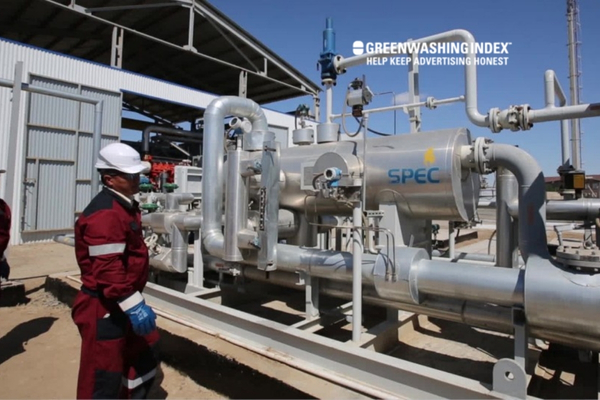
Technicians monitor automated systems that control combustion, gasification, or anaerobic digestion processes. They perform routine equipment inspections, conduct preventive maintenance on boilers, conveyors, and emission control systems, and respond to operational alarms. Safety is paramount, as biomass facilities involve high temperatures, pressure vessels, and combustible materials.
When equipment malfunctions or processes deviate from optimal parameters, technicians must diagnose problems quickly and implement corrective actions. The role requires comfort with both mechanical systems and computerized control interfaces. Experienced technicians can advance to shift supervisor or plant operator positions, which offer higher compensation and greater responsibility.
Salary expectations vary widely across renewable energy roles depending on required education, technical specialization, and experience level. The table below summarizes salary ranges and growth outlook for the 14 positions covered in this guide, providing a quick reference for career planning.
The highest-paying roles tend to require specialized engineering degrees, software development expertise, or senior leadership experience. However, entry-level positions like solar panel installer and biomass plant technician offer accessible entry points with strong growth potential and relatively low educational barriers. Many professionals begin in these roles and advance into higher-paying technical or management positions over time.
Beyond the 14 established roles detailed above, several emerging career paths are gaining traction as new clean energy technologies mature. These positions represent the next wave of renewable energy employment growth and may offer early-career advantages for professionals who enter these fields before competition intensifies.
Green hydrogen produced through renewable-powered electrolysis has attracted massive investment as a potential decarbonization solution for heavy industry, shipping, and aviation. Hydrogen specialists design, operate, and optimize electrolyzer systems, manage hydrogen storage and transportation infrastructure, and develop commercial applications for hydrogen as a fuel and industrial feedstock. Salary expectations range from $90,000 to $160,000, with demand expected to surge as government hydrogen strategies in the EU, U.S., Australia, and Japan drive project development.
Electric vehicle engineers design and optimize the powertrains, battery systems, charging infrastructure, and software that enable the transition from combustion engines to electric mobility. The EV industry intersects directly with renewable energy, as the environmental benefits of electric vehicles depend on charging them with clean electricity. Engineers in this field earn $85,000 to $150,000, with battery management system specialists and charging infrastructure engineers in particularly high demand. To understand the consumer side of this rapidly growing market, see our EV buying guide.
Geothermal energy provides constant baseload renewable power, making it increasingly valuable as grid operators seek to balance intermittent solar and wind generation. Geothermal engineers design wells, manage reservoirs, and optimize power plant operations for both conventional hydrothermal and enhanced geothermal systems. Advances in deep drilling and reservoir stimulation technology are expanding the geographic range of viable geothermal projects. Salary ranges from $80,000 to $140,000, with experienced reservoir engineers commanding premium compensation.
Energy storage specialists focus on battery systems, pumped hydro storage, thermal storage, and emerging technologies like flow batteries and compressed air storage. These professionals design, deploy, and optimize storage systems that enable grid operators to store excess renewable energy for use during periods of low generation. Battery energy storage system (BESS) deployment has grown exponentially, creating strong demand for engineers, project developers, and system integrators. Salary expectations range from $85,000 to $145,000 depending on specialization.
Certain skills and professional credentials consistently appear in renewable energy job postings regardless of the specific role. Acquiring these qualifications can significantly improve employment prospects and salary potential across the industry.
Beyond certifications, specific technical competencies are consistently sought by renewable energy employers. Software proficiency in tools like AutoCAD, PVsyst, ETAP, and SCADA control systems is valuable for engineering roles. Power systems design knowledge, including grid integration and interconnection standards, is critical as renewable energy penetration increases.
For software developers entering the energy sector, cloud platform expertise (AWS and Azure), IoT integration skills, and experience with energy data analytics are particularly marketable. Machine learning and artificial intelligence capabilities are increasingly valued for predictive maintenance and energy optimization applications. Familiarity with power purchase agreement (PPA) modeling and regulatory compliance processes also differentiates candidates for commercial and policy-oriented roles.
Breaking into renewable energy requires a strategic approach, particularly for career changers or recent graduates who lack direct industry experience. The following steps provide a structured path into the sector, applicable whether targeting a technical role, a policy position, or a management career.
Renewable energy is a broad field encompassing solar, wind, bioenergy, geothermal, hydrogen, energy storage, and grid modernization. Research which subsector aligns with existing skills and interests. Mechanical engineers often gravitate toward wind turbine design or bioenergy systems. Electrical engineers fit naturally into solar, microgrid, or grid integration roles. Software developers can apply their skills across virtually every renewable energy segment. Those without technical backgrounds can find entry points through sales, policy, operations, or sustainability management.
Entry-level installation and technician roles typically require only a high school diploma plus technical training, which can be obtained through community colleges, trade schools, or employer-sponsored programs. Engineering positions require at least a bachelor’s degree in a relevant discipline. Several universities now offer specialized renewable energy degree programs and certificates. For career changers, bootcamp-style training programs focused on solar installation or energy auditing can provide quick entry points. Online courses through platforms like Coursera and edX cover energy fundamentals, solar PV design, and wind energy technology.
If exploring broader green career options beyond renewable energy, our guide to entry-level environmental jobs covers positions that require minimal prior experience and offer pathways into sustainability-focused work.
Certifications provide verifiable proof of expertise and can differentiate candidates in a competitive job market. The specific credential to pursue depends on the target role: NABCEP for solar positions, PMP for project management, PE licensure for engineering design, CEM for energy management, and GWO training for wind roles. Many certifications require a combination of education, experience, and examination, so planning ahead is important. Some employers will sponsor certification costs for employees, making this an attractive option for those already working in adjacent industries.
Professional organizations offer networking opportunities, industry intelligence, and job boards. The Solar Energy Industries Association (SEIA), American Clean Power Association (formerly AWEA), American Solar Energy Society (ASES), and International Solar Energy Society (ISES) all host conferences, publish research, and maintain career resources. Attending industry events, joining local chapters, and participating in online communities can reveal opportunities that are never posted on public job boards.
LinkedIn is particularly valuable for renewable energy networking, as many recruiters and hiring managers actively source candidates through the platform. Following industry leaders, engaging with company content, and joining relevant professional groups increases visibility to recruiters. Reddit communities like r/RenewableEnergy and r/solar also provide peer advice, salary discussions, and job leads.
Renewable energy jobs exist across several employer categories, each with distinct characteristics. Large utility companies and independent power producers offer stability, comprehensive benefits, and structured career progression, though they may involve more bureaucratic environments. Project development companies provide fast-paced work with significant project variety but less predictable long-term stability. Equipment manufacturers offer engineering and operations roles tied to specific technologies. Consulting firms and advisory companies expose professionals to diverse client projects. Government agencies and national laboratories offer research-oriented and policy positions with strong job security.
Forum discussions and industry surveys consistently indicate that professionals value smaller, locally-owned solar companies over large national chains for workplace satisfaction and career development. Utilities are frequently recommended as good entry points for training, particularly for those interested in eventually transitioning to renewable energy specialty roles. Startups can offer accelerated career growth and equity participation but carry higher risk.
When applying for renewable energy positions, emphasize transferable skills even if previous experience was in other industries. Project management experience translates directly. Data analysis capabilities apply across energy efficiency, policy, and software roles. Sales and customer service backgrounds are valued in residential solar and energy consulting positions. Highlight any sustainability-related coursework, volunteer work, or personal projects that demonstrate genuine interest in the field.
Job boards specifically focused on clean energy include SolarPowerJobs, RenewableEnergyJobs.com, and CleanTech Recruiting. General platforms like LinkedIn, Indeed, and Glassdoor also list thousands of renewable energy positions. Setting up keyword alerts for target roles ensures timely application submissions. Many positions in this fast-growing sector fill quickly, so applying early and following up proactively can improve outcomes.
Education requirements in renewable energy span the full spectrum from high school diplomas to doctoral degrees. Understanding what level of education each career path requires helps prospective workers plan their investment in training and credentials.
Installation, maintenance, and technician roles generally require a high school diploma or associate’s degree. Trade schools and community colleges offer solar installation, wind technology, and electrical technician programs that typically take six months to two years to complete. These programs combine classroom instruction with hands-on laboratory work and often include internship placements with local employers.
Engineering positions require a bachelor’s degree in electrical, mechanical, chemical, or civil engineering. Some universities now offer specialized renewable energy engineering degrees or concentrations within traditional engineering programs. Relevant coursework includes power systems, thermodynamics, fluid mechanics, control systems, and sustainable energy technologies. ABET-accredited programs are preferred by many employers.
Policy, consulting, and management roles may accept bachelor’s degrees in various fields including environmental science, public policy, economics, business, or law. Advanced positions often require master’s degrees, particularly MBAs with sustainability concentrations, Master of Public Policy degrees, or Master of Science in Sustainability programs. Doctoral degrees are typically required only for research positions at national laboratories or academic institutions.
Yes, renewable energy is an excellent career choice. The sector employs over 13.7 million people globally according to IRENA, with the BLS projecting 22 percent growth for solar installers and 45 percent growth for wind technicians through 2032. Salaries range from $45K for entry-level installation roles to over $180K for senior leadership positions. The industry offers job security, meaningful environmental impact, and opportunities for advancement as the clean energy transition accelerates.
Solar PV installers, wind turbine service technicians, renewable energy software developers, and energy storage specialists are among the most in-demand roles. The BLS ranks solar installer and wind technician among the fastest-growing occupations in the United States. Energy transition specialists, offshore wind operations managers, and microgrid engineers are also seeing surging demand as infrastructure investments expand.
Start by choosing a specialization (solar, wind, storage, policy, etc.), then acquire relevant education or training. Entry-level technician roles require a high school diploma plus technical training, while engineering positions need a bachelor’s degree. Earn certifications like NABCEP for solar roles or PMP for project management. Network through organizations like SEIA and AWEA, and target employers ranging from utilities to startups. Many career changers enter through installation, sales, or analyst positions.
A renewable energy degree opens doors to roles including solar farm systems engineer, wind energy engineer, energy analyst, renewable energy consultant, project manager, sustainability coordinator, and energy policy analyst. Specialized degrees also qualify graduates for emerging roles like green hydrogen specialist, energy storage engineer, and microgrid designer. The specific roles available depend on whether the degree focuses on engineering, policy, or business.
Director of Sustainability Initiatives at large corporations can earn over $200,000, while senior renewable energy software developers earn $150,000 to $200,000 or more. Offshore wind operations managers, energy transition technical specialists, and solar farm systems engineers with PE licenses also represent some of the higher-paying roles. Generally, positions requiring advanced engineering degrees, software development expertise, or senior leadership experience command the highest salaries.
Yes, renewable energy employment is growing rapidly. IRENA reports the global workforce expanded from 10.7 million in 2017 to 13.7 million in 2023, a 28 percent increase. The BLS projects solar PV installer employment to grow 22 percent and wind turbine technician employment to grow 45 percent through 2032, far exceeding the average growth rate across all occupations. Global clean energy investment exceeding $2 trillion annually continues to drive new job creation.
The renewable energy sector represents one of the most significant employment opportunities of the coming decade. With 13.7 million jobs globally and counting, clean energy careers span every discipline from hands-on installation work to software development, engineering, policy advocacy, and executive leadership. The combination of strong growth projections, competitive salaries, and meaningful environmental impact makes renewable energy jobs an attractive proposition for career starters and experienced professionals alike.
The 14 roles detailed in this guide offer multiple entry points regardless of educational background. Solar panel installation and biomass plant operation provide accessible paths with minimal educational requirements. Engineering, software development, and consulting roles offer higher earning potential for those with relevant degrees. Emerging fields like green hydrogen, energy storage, and EV engineering represent frontier opportunities with significant growth potential for early entrants.
Success in renewable energy jobs requires a combination of technical skills, professional certifications, and strategic networking. Earning credentials like NABCEP, PMP, or PE licensure validates expertise and improves employability. Connecting with professional organizations such as SEIA, AWEA, and ASES opens doors to opportunities and industry intelligence. The investment in training and networking pays dividends as the sector continues its rapid expansion.
For anyone considering how to start a career in renewable energy, the most important step is simply to begin. Explore training programs, pursue certifications, attend industry events, and apply for entry-level positions. The clean energy transition will continue for decades, creating sustained demand for skilled workers across every specialization. Those who enter the field now will benefit from the compounding advantages of early experience in a fast-growing industry.
Beyond renewable energy specifically, the broader green economy offers additional career paths worth exploring. Discover opportunities in climate change jobs, learn more about solar panel investment as an industry participant, or explore solar panel recycling as an emerging sustainability niche. The clean energy future offers rewarding careers for those ready to seize them.
