

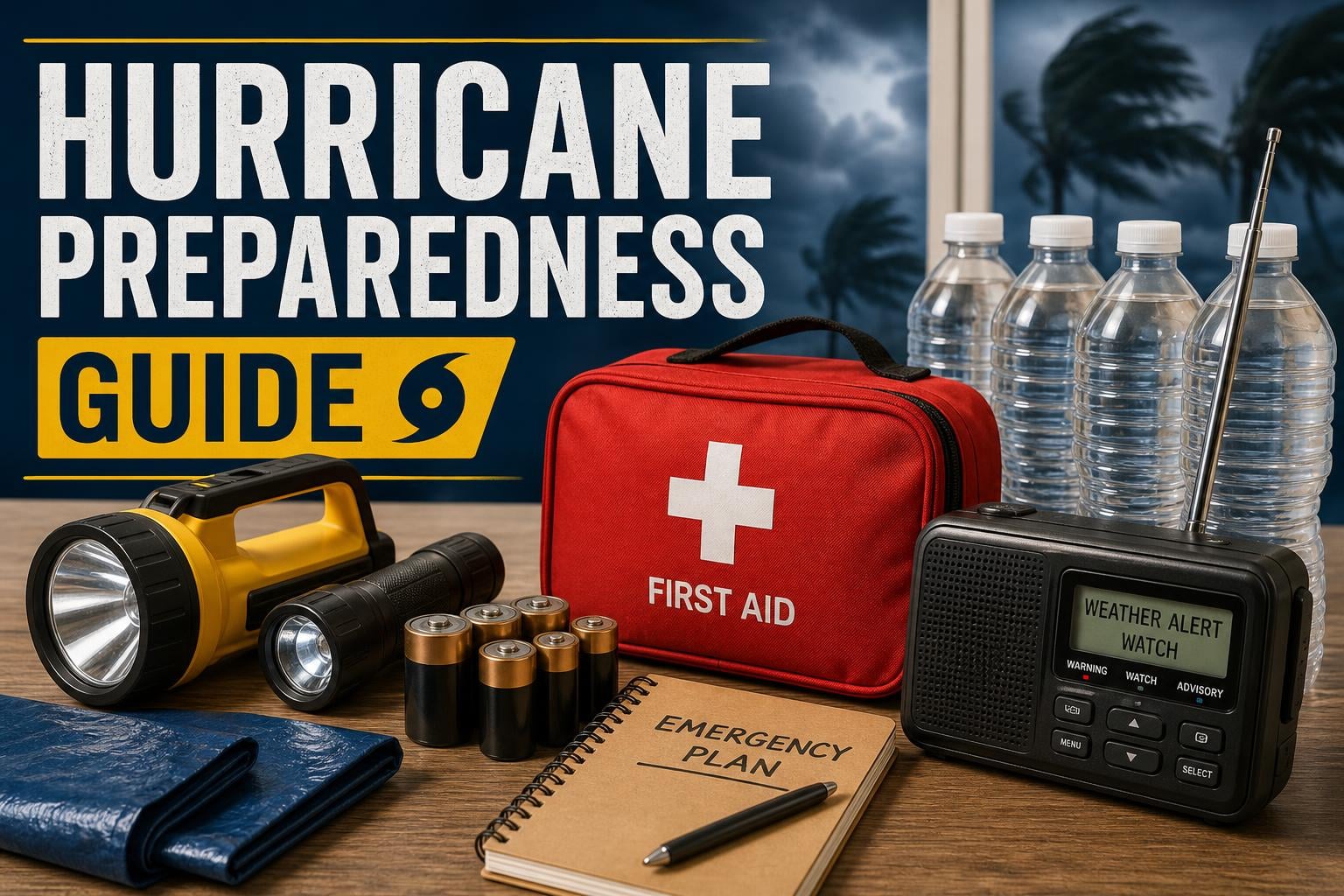
Every Atlantic hurricane season, millions of coastal residents face the same urgent question: are we truly ready? The 2026 hurricane season is already underway, running from June 1 through November 30, and forecasters at NOAA have predicted another above-average period of tropical cyclone activity. Recent storms like Helene and Milton served as harsh reminders that hurricane preparedness is not optional. Communities that planned ahead recovered faster, suffered fewer losses, and kept their families safe.
Hurricane preparedness means taking deliberate action before a storm threatens your area. It covers everything from building an emergency supply kit and hardening your home against wind and water, to mapping out evacuation routes and establishing a family communication plan. The goal is simple but serious: protect lives first, property second.
This guide walks through every phase of hurricane preparedness, organized around the three timeframes that matter most. We will cover what to do before hurricane season begins, how to handle yourself while a storm is making landfall, and the steps to take during the often-overlooked aftermath. We will also address critical safety topics that many guides miss, including carbon monoxide poisoning prevention, flood insurance realities, and mental health recovery resources.
One important note before we begin: traditional advice used to call for a three-day supply of food and water. Emergency management agencies, particularly in Florida, now recommend stockpiling at least seven days of supplies. Power outages from major hurricanes frequently last well over a week, and supply chains take time to recover. Plan for the worst, and you will be positioned to handle whatever comes.
At its core, hurricane preparedness is about reducing the chaos that storms create. When a hurricane approaches, panic and confusion lead to poor decisions. A well-practiced plan replaces uncertainty with a clear set of actions that everyone in your household understands.
Hurricanes bring three primary threats: extreme wind, torrential rainfall causing inland flooding, and storm surge. Storm surge, the wall of ocean water pushed ashore by a hurricane’s winds, is the deadliest of the three. According to the National Hurricane Center, storm surge has historically been responsible for nearly half of all direct hurricane deaths in the United States. Understanding these risks shapes every preparedness decision you make.
Effective preparation spans five key areas. You need to stay informed about approaching threats, assemble emergency supplies, protect your physical home, plan for possible evacuation, and maintain adequate insurance coverage. Each piece reinforces the others, creating layers of protection that multiply your safety margin when a storm arrives.
It is also worth understanding the scope of hurricane season itself. The Atlantic hurricane season runs from June 1 to November 30 each year, with peak activity typically occurring between mid-August and late October. The Eastern Pacific hurricane season runs slightly longer, from May 15 to November 30. Regardless of where you live along the Gulf Coast, Atlantic seaboard, or Pacific coastline, the time to prepare is long before the first named storm forms.
The Saffir-Simpson Hurricane Wind Scale ranks hurricanes from Category 1 through Category 5 based on sustained wind speeds. This scale gives you a quick way to gauge potential damage, though it is important to remember that wind speed alone does not capture the full danger. Lower-category storms can produce catastrophic flooding and storm surge.
Even tropical storms that never reach hurricane strength can be deadly. Slow-moving tropical systems dump enormous amounts of rain and cause severe inland flooding hundreds of miles from the coast. Never underestimate a storm simply because it has not been upgraded to a named hurricane.
The impact of a major hurricane ripples through every layer of a community. Beyond the immediate physical destruction, storms disrupt the systems that make daily life function. Power grids fail, water treatment plants go offline, communications networks collapse, and supply chains for food and fuel break down.
Communities in the path of storms like Helene and Milton in 2024 experienced this firsthand. Roads washed out entirely, leaving neighborhoods cut off for days. Gas stations ran dry. Cell towers lost power, severing communication between families and emergency responders. Recovery took months in the hardest-hit zones.
These experiences teach a hard lesson. Individual household preparation matters, but community-level resilience is equally important. Knowing your neighbors, especially elderly or disabled residents who may need extra help, strengthens everyone’s safety. Neighborhoods that organized mutual aid networks before storms hit recovered measurably faster than those that did not.
Also Read: How to Start a Compost Pile: A Beginner’s Guide
A solid preparedness gameplan removes guesswork from an already stressful situation. When a hurricane warning is issued, you should already know your evacuation zone, where your supplies are stored, and how to reach everyone in your household. Building that plan takes a few focused hours upfront, and it pays off enormously when minutes count.
Understanding the difference between a hurricane watch and a hurricane warning can prevent dangerous delays. The National Weather Service uses these two terms to communicate escalating threat levels.
Beyond traditional broadcasts, modern technology offers several powerful alert systems. Download the FEMA app for real-time alerts, shelter locations, and disaster resources. Wireless Emergency Alerts (WEA) deliver short emergency messages directly to compatible mobile phones based on your geographic location. The Emergency Alert System (EAS) broadcasts warnings through radio and television. Sign up for your local community notification system as well, since counties often send area-specific evacuation orders.
A battery-powered or hand-crank weather radio provides a reliable backup when cell towers and internet go down. NOAA Weather Radio All Hazards broadcasts continuous weather information from the nearest National Weather Service office. Keep extra batteries on hand and test the radio before each hurricane season.
Emergency management experts now distinguish between two types of kits. A Go-Kit is a lightweight, portable collection of essentials designed to sustain you for three days if you must evacuate quickly. A Stay-at-Home Kit is a larger stockpile that keeps your household functional for up to two weeks if you are sheltering through an extended power outage.
Your Go-Kit should include:
Your Stay-at-Home Kit expands on the Go-Kit with:
Experienced hurricane survivors on prepper forums share several practical tips worth adopting. Start your ice maker early and stockpile ice in coolers before a storm arrives. Fill bathtubs with water for toilet flushing when water lines fail. Text messages often go through when voice calls cannot during congested post-storm periods. Keep physical copies of important documents, not just digital versions stored on a phone that might lose power.
If anyone in your household relies on powered medical equipment such as a CPAP machine, nebulizer, or mobility device, plan for backup power specifically. Insulin and certain other medications require refrigeration. Discuss emergency plans with your doctor before hurricane season to ensure you have adequate medication supplies and a plan for equipment continuity.
Also Read: Eco-Friendly Paper Towels: A Composting Guide You Need
Structural preparation is one of the most effective ways to reduce storm damage. Wind pressure and flying debris test every part of your home’s exterior, so a systematic inspection of vulnerable areas pays dividends. Start this work early in the season, long before a storm watch is issued.
Windows and doors: Permanent storm shutters offer the best protection for windows. If you do not have shutters, pre-cut 5/8-inch exterior grade or marine plywood for each opening and install them properly when a storm approaches. Keep hardware and tools stored nearby and labeled. Taping windows does not prevent them from breaking and is not a substitute for proper coverings.
Roof and gutters: Inspect your roof for loose or missing shingles and repair them well before storm season. Clean gutters and downspouts so rainwater can flow freely. Clogged gutters force water under your roofline, causing interior leaks and ceiling damage during heavy downpours.
Garage door reinforcement: Garage doors are frequently the weakest structural point in a home. Wind entering through a failed garage door pressurizes the interior, potentially lifting the roof off. Install a wind-rated garage door or apply a horizontal bracing kit to strengthen your existing door.
Flooding protection: If your property is prone to flooding, install a sump pump with battery backup. Elevate heating systems, water heaters, and electrical panels above expected flood levels if feasible. Stockpile sandbags before storms are on the radar, as they sell out quickly during emergencies. Consider installing sewer backflow valves to prevent contaminated water from entering your home through drain lines.
Yard and outdoor items: Trim tree branches that overhang your roof or could strike power lines. Remove dead or diseased trees entirely, as these become dangerous projectiles in high winds. Bring in all outdoor furniture, trash cans, hanging plants, and decorative items when a storm approaches. Secure anything too heavy to move by bolting it down or tying it to a fixed anchor point.
One of the most painful lessons hurricane survivors report is discovering too late that standard homeowner insurance does not cover flood damage. Flooding from storm surge and heavy rainfall requires a separate flood insurance policy through the National Flood Insurance Program (NFIP) or a private insurer. There is typically a 30-day waiting period before a new flood policy takes effect, so purchasing coverage the day before a storm arrives does not help.
Review all of your insurance policies annually. Confirm that your dwelling coverage reflects current rebuilding costs, which rise over time with inflation and labor shortages. Document your belongings by photographing each room and keeping receipts for major purchases. Store these records in a waterproof container or secure cloud backup.
Wind damage is generally covered by standard homeowner policies, but some coastal areas require separate windstorm insurance or carry high wind deductibles named as a percentage of your home’s insured value. Understand your deductible structure before you need to file a claim.
Knowing your evacuation zone is one of the single most important steps in hurricane preparedness. Coastal states designate evacuation zones labeled A through E (or similar), with Zone A typically being the first to receive evacuation orders due to storm surge risk. Find your zone through your state’s emergency management website or by contacting your local emergency management office.
When local officials issue an evacuation order for your zone, follow it without delay. Waiting too long means getting stuck in traffic alongside thousands of other late departures. Roads close, gas stations run dry, and weather conditions deteriorate faster than many people expect.
Key elements of a complete evacuation plan:
Residents of mobile homes, manufactured homes, and RVs should plan to evacuate during any hurricane, regardless of category. These structures cannot withstand hurricane-force winds safely. Similarly, anyone living in a storm surge evacuation zone should plan to leave well before landfall, because storm surge can rise rapidly and cut off escape routes.
Practice driving your evacuation route during non-emergency conditions. Familiarity with the path reduces stress and the risk of wrong turns when you are tired and anxious behind the wheel.
Family communication plan: Cell networks frequently become overloaded or lose power during and after hurricanes. Designate a primary out-of-area contact whom all family members can text or call to relay status updates. Text messages use far less bandwidth than voice calls and often go through when calls fail. Write down phone numbers physically, since you may not be able to access your contacts on a dead phone.
Also Read: Compost Bugs: Deciphering the Good from the Bad
When a hurricane makes landfall, your ability to stay safe depends entirely on the preparations you completed beforehand. The hours during a storm are not the time to be gathering supplies or deciding where to go. Focus entirely on sheltering safely and monitoring conditions.
Stay inside and away from windows. Glass breakage from wind-borne debris is one of the most common causes of injury during a hurricane. Choose an interior room on the lowest floor not subject to flooding, preferably one without windows. A bathroom, closet, or hallway near the center of your home works well.
Monitor conditions using your battery-powered radio. Keep your phone charged as long as power is available, then switch to power banks. Conserve phone battery by reducing screen brightness and closing unnecessary apps.
Use flashlights, not candles. Open flames create fire hazards in damaged structures where gas lines may be compromised. Battery-powered lanterns and flashlights are safer and more effective. Rechargeable camping lanterns provide hours of reliable light for entire rooms.
Never attempt to drive or walk through floodwater. The National Weather Service’s Turn Around Don’t Drown campaign exists because floodwater kills more people than any other hurricane hazard. Just six inches of moving water can knock an adult off their feet. One foot of water can sweep a vehicle away. Two feet of water will carry away most vehicles, including SUVs and pickup trucks.
Beware the attic flooding trap. If floodwater rises into your home and you retreat to a higher floor or attic, never let yourself become trapped in a closed attic space. Bring tools such as an axe or hatchet so you can break through to the roof if water reaches you. Many people have perished because they climbed into their attic without any means of escape.
Know how to shut off utilities. If you smell gas or see flooding, turn off the main gas valve and the main electrical breaker. Do not attempt to turn gas back on yourself; only a qualified professional should restore gas service after it has been shut off.
Also Read: Maggots in Compost: Why They’re Actually Good!
Portable generators save lives during extended power outages, but they also kill people when used improperly. Carbon monoxide poisoning from generators is a leading cause of death after hurricanes, and it is entirely preventable. More people die from carbon monoxide poisoning in the days following a hurricane than from the storm itself in many cases.
Operate generators outdoors only, at least 20 feet away from your home, doors, windows, and vents. Never run a generator inside a home, garage, basement, crawlspace, or any partially enclosed space. Position it so exhaust fumes blow away from occupied buildings, not toward them.
Install battery-operated carbon monoxide detectors on every level of your home and test them before hurricane season. The symptoms of carbon monoxide poisoning include headache, dizziness, nausea, confusion, and fatigue. If anyone experiences these symptoms while a generator is running, move to fresh air immediately and call emergency services.
Never refuel a hot generator. Let it cool down first to prevent fires. Store fuel in approved containers away from living areas, and never store it near a fuel-burning appliance. Use heavy-duty extension cords rated for outdoor use, and plug appliances directly into the generator rather than backfeeding your home’s electrical panel unless you have a properly installed transfer switch.
The danger does not end when the storm passes. The aftermath brings its own set of hazards, from downed power lines and contaminated floodwater to mold growth and structural instability. Approach recovery carefully and methodically.
Wait for official clearance from local authorities before returning to an evacuated area. Downed power lines may still be live, roads may be washed out, and bridges may be structurally compromised. Driving through standing water remains dangerous even after the rain stops.
When you re-enter your home, inspect it carefully before settling in. Watch for structural damage such as cracked foundations, sagging roofs, or warped walls. Smell for gas leaks. If you detect a gas odor or hear a hissing sound, leave immediately and call the gas company.
Check on neighbors, especially those who are elderly, disabled, or living alone. Community support accelerates recovery and can identify people in urgent need of assistance who might otherwise be overlooked.
Before you begin any cleanup, document the damage thoroughly. Take wide shots and close-ups of every affected area, including furniture, walls, flooring, and the exterior. Record video walkthroughs narrating what you see. This evidence is critical for insurance claims and disaster assistance applications.
Contact your insurance company promptly to file a claim. Thousands of people will be filing simultaneously, so getting your claim in early helps you receive faster service. Keep detailed records of every conversation, including dates, names, and reference numbers.
If FEMA disaster assistance is available for your area, apply through DisasterAssistance.gov or by calling the FEMA helpline. Disaster assistance can cover expenses that insurance does not, including temporary housing and essential home repairs.
Cleanup work after a hurricane is physically demanding and hazardous. Heart attacks are a leading cause of death during post-storm cleanup, particularly among people unaccustomed to heavy labor. Pace yourself, stay hydrated, and take breaks frequently. If you have health conditions, hire professionals for strenuous work.
Wear protective gear throughout cleanup. This includes heavy work gloves, rubber boots, long pants, long-sleeved shirts, and N95 masks or respirators. Floodwater often contains bacteria, sewage, chemicals, and sharp debris that can cause infection or injury.
Mold prevention and remediation: Mold begins growing within 24 to 48 hours of water exposure. Remove standing water immediately using wet vacuums, pumps, or mops. Tear out soaked drywall, carpet, carpet padding, and insulation down to the studs. Open windows and run fans to circulate air. Running a dehumidifier is critical to drying structural materials before mold takes hold. Check out our guide to the best dehumidifiers for flood damage recovery for tested recommendations. If mold growth exceeds roughly 10 square feet, hire a professional remediation service.
Food and water safety: When in doubt, throw it out. Discard any food that came into contact with floodwater, including items in containers that cannot be thoroughly washed. Refrigerated food is safe for about four hours without power if the door stays closed. Frozen food lasts 24 to 48 hours in a full freezer. If local authorities issue a boil water advisory, bring water to a rolling boil for one minute before drinking or cooking with it.
Hurricanes damage more than buildings. The psychological toll of losing your home, belongings, and routine can be devastating, and the stress of prolonged recovery takes a heavy toll on mental health. Emotional recovery is just as real as physical recovery.
Common reactions after a disaster include anxiety, irritability, difficulty sleeping, intrusive memories, and emotional numbness. These responses are normal in the immediate aftermath. However, if they persist for weeks or interfere with daily functioning, professional support can help.
The Disaster Distress Helpline, available at 1-800-985-5990, provides free, confidential crisis counseling and support 24 hours a day, 365 days a year. It is specifically designed for people experiencing emotional distress related to natural disasters. You can also text “TalkWithUs” to the same number for support.
Children are particularly vulnerable to emotional disruption after a hurricane. Maintain routines as much as possible, limit their exposure to news coverage of the storm, and encourage them to talk about their feelings. Schools often have counselors trained to help students process disaster experiences.
Emergency plans must account for every member of your household, including those with special needs. Pets, elderly relatives, and people with disabilities face unique challenges during hurricanes, and generic plans often leave gaps that become critical during an actual emergency.
Pet preparedness: Assemble a pet emergency kit containing at least one week of food and water, medications, vaccination records, a sturdy carrier, leash, collar with ID tags, and a photo of you with your pet in case you become separated. Research pet-friendly shelters and hotels along your evacuation route, since many emergency shelters do not accept animals. Have your pet microchipped and keep registration information current.
Preparedness for older adults: Older family members may have mobility limitations, medical equipment needs, and medication requirements that complicate evacuation. Establish a support network of neighbors and relatives who can check on them. Document all medications, dosages, and medical conditions in writing. Arrange for transportation assistance if driving is no longer an option, and identify shelters equipped to accommodate medical needs.
Preparedness for people with disabilities: Create an emergency plan tailored to specific needs. This may include backup power for medical equipment, accessible transportation arrangements, and a personal care attendant plan. Register with your local emergency management office’s special needs registry if one exists in your area, which helps first responders identify residents requiring additional assistance.
Use this checklist as a quick reference to confirm you have covered the essentials before hurricane season reaches its peak. Print it out and keep it with your emergency supplies.
Stock up on at least seven days of water (one gallon per person per day), non-perishable food that requires no cooking, a manual can opener, prescription medications, first aid supplies, flashlights with extra batteries, a battery-powered radio, phone chargers and power banks, personal hygiene items, extra cash, and important documents in a waterproof container. Do not forget supplies for pets including food, water, and medications.
Determine your evacuation zone, build a Go-Kit and Stay-at-Home Kit, install storm shutters or pre-cut plywood for windows, reinforce your garage door, trim trees, review your insurance coverage including flood insurance, document your belongings, download the FEMA app, and establish a family communication plan with an out-of-area contact.
The 5 Ps of preparedness are People, Prescriptions, Papers, Personal Needs, and Priceless items. People includes your family and pets. Prescriptions means at least a two-week supply of medications. Papers covers insurance documents, identification, and medical records in a waterproof container. Personal Needs includes clothing, hygiene items, and comfort items. Priceless items are irreplaceable things like photos that you want to take with you if you evacuate.
A well-constructed concrete home, particularly one built using Insulated Concrete Forms (ICF), has a significantly better chance of surviving a Category 5 hurricane than a wood-frame home. Concrete walls can withstand wind speeds exceeding 200 mph. However, even concrete homes are vulnerable to roof damage, window failure, and storm surge. No residential structure is completely immune to Category 5 conditions, so evacuation should still be followed when ordered.
A hurricane watch means hurricane conditions are possible within 48 hours and you should review your plan and check your supplies. A hurricane warning means hurricane conditions are expected within 36 hours and all preparations should be complete. When a warning is issued you should be ready to shelter in place or evacuate immediately if ordered.
Store at least one gallon of water per person per day for a minimum of seven days. That equals seven gallons per person. If you have pets, store additional water for them as well. Fill bathtubs before a storm for toilet flushing and cleaning, but use stored bottled water for drinking and cooking. You can also purify tap water with unscented household bleach at 16 drops per gallon if needed.
Evacuate immediately when local officials issue an evacuation order for your zone. Do not wait to see if the storm changes course. Residents of mobile and manufactured homes, storm surge zones, and low-lying flood-prone areas should evacuate for any hurricane regardless of category. If your area loses power and you rely on electric medical equipment, treat that as an evacuation signal as well.
Hurricane preparedness is not a one-time task you complete and forget. It is an ongoing commitment to protecting the people and property that matter most to you. Each hurricane season brings new lessons, and the preparedness plans that evolve with those lessons are the ones that hold up under real conditions.
The most important takeaway from this guide is that preparation works. The families who knew their evacuation zones, had Go-Kits packed, understood generator safety, and carried adequate flood insurance recovered faster and suffered less after storms like Helene and Milton. The difference between those who weathered the storm safely and those who did not came down to decisions made long before the first warning was issued.
Start your hurricane preparedness journey today. Review your evacuation zone, begin assembling your emergency kits, download the FEMA app, and have a conversation with your household about where you will go and how you will communicate. Small steps taken now prevent panic and danger later. When the next storm forms, you will be ready.
