

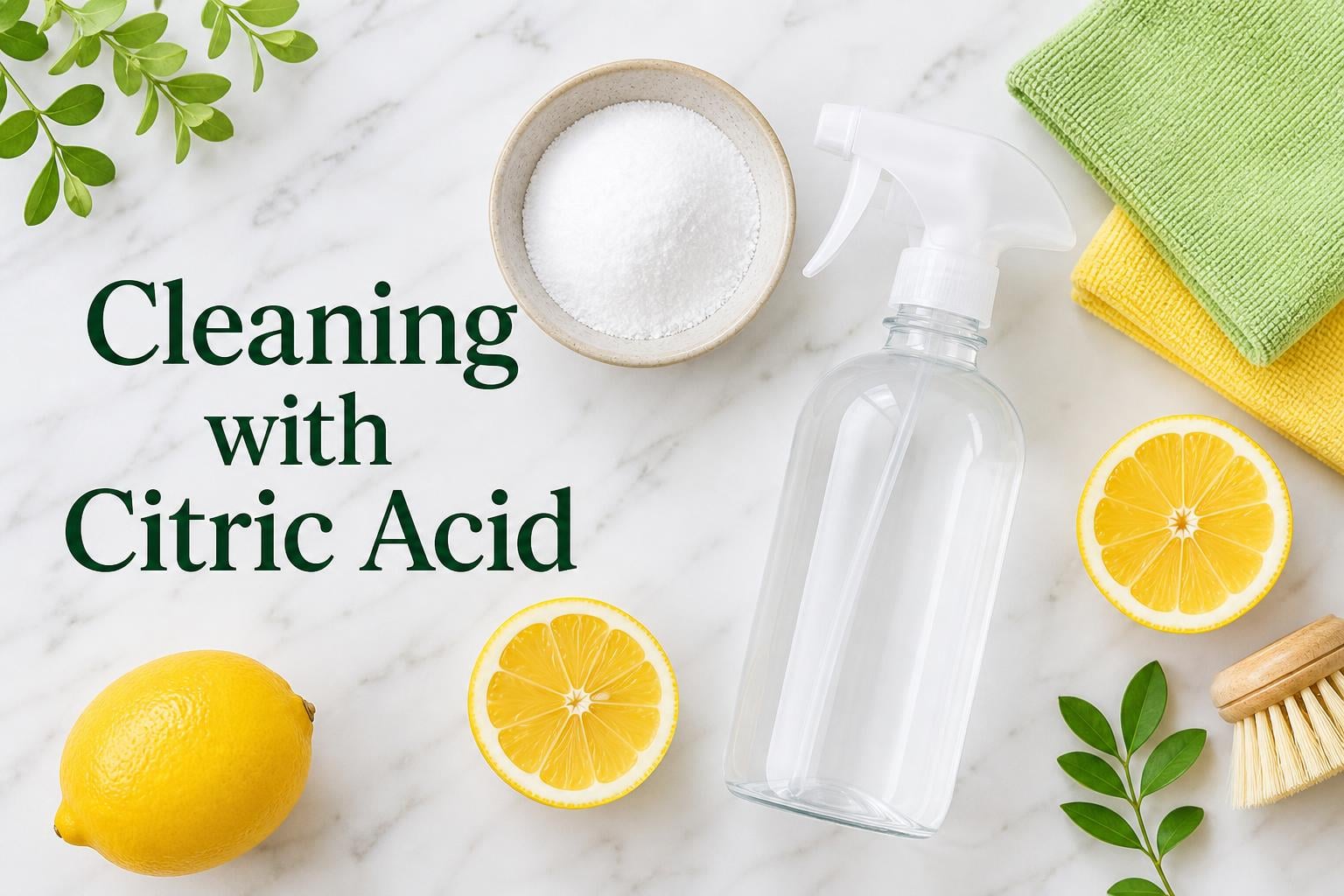
Walk into any zero-waste household in 2026 and you will likely find one ingredient doing the heavy lifting when it comes to grime: a humble bag of white crystalline powder. Cleaning with citric acid has surged in popularity as more people ditch single-use plastic spray bottles and chemical-laden formulas for something simpler, cheaper, and far gentler on the planet. Online communities dedicated to green cleaning have grown exponentially, and threads about this one pantry staple rack up thousands of comments from people who have made the switch permanently.
I have spent years testing natural cleaning methods in my own home, and citric acid powder is the one ingredient I keep rebuying. One experienced cleaner on Reddit mentioned going through five to seven pounds of the crystals a year, and I can honestly say my usage tracks right alongside that. This guide pulls together everything I have learned, from mixing the right concentration for each task to knowing exactly which surfaces to avoid.
By the end of this article, you will know how to prepare multiple citric acid cleaning recipes, descale every mineral-crusted appliance in your kitchen and bathroom, use it as a laundry softener, and steer clear of the surfaces it can damage. I will also break down how it compares to white vinegar, since that question comes up more than any other in cleaning forums.
Here is what I will cover:
Citric acid is a weak organic acid that occurs naturally in citrus fruits, with lemons and limes containing the highest concentrations at roughly five to eight percent by weight. It is the same compound that gives those fruits their signature tart taste. When you squeeze a lemon over a greasy pan and watch the grime loosen, you are watching citric acid in action. The powder form sold for cleaning is typically food-grade and produced industrially through the fermentation of sugarcane or molasses using a fungus called Aspergillus niger.
What makes citric acid so effective as a cleaner comes down to its chemistry. It functions as a chelating agent, which means it binds to metal ions like calcium and magnesium and prevents them from sticking to surfaces. When you see a chalky white buildup on your faucet or inside your kettle, that is calcium carbonate left behind by hard water. Citric acid grabs onto those calcium molecules and dissolves them, lifting the mineral deposit without the need for aggressive scrubbing.
The recommended concentration for household cleaning mirrors what nature already provides: that five to eight percent range found in a fresh lemon. Most cleaning recipes call for one tablespoon of citric acid powder dissolved in one cup of warm water, which lands right in that sweet spot. Stronger solutions work for heavy descaling jobs, but going beyond a ten percent concentration is unnecessary for home use and can increase the risk of surface damage.
Beyond dissolving mineral deposits, citric acid also has antibacterial properties. Research shows it can disrupt bacterial cell walls, which is why many commercial non-toxic disinfectant spray products include it as an active ingredient. It will not sterilize a surface the way bleach does, but for routine household cleaning it reduces bacterial populations significantly while being safe to breathe and handle.
The shift toward citric acid in home cleaning routines is not just a passing trend. People are turning to it for practical reasons that compound over time, from cost savings to health considerations and environmental impact.
Most conventional cleaning products arrive in plastic bottles, contain synthetic fragrances and preservatives, and wash chemicals into the water system that do not break down quickly. Citric acid sidesteps nearly all of those problems. It is fully biodegradable, meaning that once it washes down the drain it decomposes without leaving harmful residues behind. A single bag of citric acid powder replaces dozens of spray bottles, dramatically cutting plastic waste.
From a health standpoint, the absence of volatile organic compounds and artificial fragrances makes citric acid a better choice for anyone with asthma, allergies, or chemical sensitivities. There are no fumes that burn your sinuses or trigger coughing the way ammonia and bleach can. The powder is odorless once dissolved, which is a major selling point for people who cannot stand the smell of vinegar.
It is also worth noting the cost factor. A one-pound bag of food-grade citric acid powder typically costs less than a single bottle of commercial descaler and lasts for months of regular use. For households watching their budget, the savings add up quickly. If you want to explore ready-made options that use similar ingredients, our guide to the best eco-friendly cleaning products covers formulations that include citric acid.
Citric acid excels at tasks that involve dissolving mineral buildup, which accounts for a huge portion of household cleaning challenges. If you live in a hard water area, you already know the frustration of cloudy glassware, crusty showerheads, and kettle elements coated in white scale. Citric acid limescale remover solutions handle these problems faster than almost anything else on the shelf.
Here are the cleaning tasks where citric acid truly shines:
One important thing to understand: citric acid does not evaporate the way vinegar does. When you clean a surface with vinegar, the acetic acid evaporates and leaves very little behind. Citric acid stays on the surface until you rinse or wipe it away, so you need to include a rinse step in your cleaning routine. This is not a downside, just a difference to keep in mind.
One of the best things about switching to citric acid is how simple the preparation is. You do not need a chemistry degree or special equipment. A few common kitchen items and a bag of food-grade citric acid powder are all it takes to create solutions for every cleaning task in your home.
The single biggest mistake people make is using one concentration for everything. Different cleaning tasks require different strengths. Using too weak a solution means more scrubbing, while going too strong risks etching delicate surfaces. Here are the ratios I have refined through years of testing.
All-Purpose Citric Acid Cleaning Solution (5% concentration):
Mix one tablespoon of citric acid powder with one cup of warm water. This is your everyday workhorse solution for wiping down countertops, cleaning glass and mirrors, and general surface maintenance. Pour it into a labeled spray bottle and shake until the crystals fully dissolve. This recipe matches the natural strength of lemon juice and is safe for almost any non-porous surface.
Medium Descaling Solution (8% concentration):
Mix one and a half tablespoons of citric acid powder per cup of warm water. Use this for coffee makers, showerheads, faucet aerators, and glassware with moderate hard water staining. The extra kick speeds up the descaling process without being so strong that it requires special handling precautions.
Heavy-Duty Descaling Paste and Solution (10%+ concentration):
Mix two tablespoons of citric acid powder per cup of warm water for tough limescale in kettles, toilet bowls, and washing machine drums. For a paste that clings to vertical surfaces like shower walls, add just enough water to the powder to form a thick consistency, then apply it directly and let it sit. Always wear gloves when working with solutions at this strength.
Laundry Fabric Softener Solution:
Dissolve one tablespoon of citric acid powder in one cup of warm water and add it to the fabric softener compartment of your washing machine. It softens hard water, helps detergents work more effectively, and leaves clothes noticeably softer without the waxy residue of commercial fabric softeners.
One efficiency tip from experienced cleaners: after you descale a kettle, pour the used citric acid water directly into your toilet bowl and let it sit overnight. You get two cleaning jobs from one batch of solution, which is exactly the kind of waste-reducing trick the zero-waste community loves.
The kitchen is where citric acid earns its keep. Mineral buildup from hard water coats the inside of kettles and coffee makers, reduces the efficiency of dishwashers, and leaves spots on everything that goes through a rinse cycle. Here is how to tackle each appliance.
This is the single most popular use for citric acid in the home, and it could not be simpler. Fill the kettle halfway with water and add two tablespoons of citric acid powder. Bring it to a boil, then let it sit for fifteen to twenty minutes while the acid dissolves the white scale coating the interior. Pour out the solution and rinse the kettle thoroughly with clean water. If the buildup is particularly stubborn, repeat the process with a fresh batch.
You will see the limescale lift away in chunks or dissolve entirely, leaving the heating element looking new. This method works on both electric and stovetop kettles, and it leaves no chemical taste or odor behind the way commercial descalers sometimes do. For more great cleaning tips involving household appliances, our guide on cleaning kitchen fans also covers how citric acid cuts through oily residue.
Coffee makers are notorious for accumulating mineral scale that ruins the taste of your brew and eventually clogs the internal plumbing. Mix one tablespoon of citric acid powder per cup of warm water and pour the solution into the water reservoir. Run a full brew cycle without coffee grounds, then run two more cycles with clean water to flush out any residual acid.
For espresso machines, check your manufacturer’s guidelines first. Some recommend citric acid specifically while others prefer their own descaling tablets, but citric acid is widely considered one of the safest and most effective options. The advantage over vinegar is significant: no lingering smell or taste that takes multiple rinse cycles to eliminate.
Dishwashers accumulate detergent residue, grease, and mineral deposits in their spray arms and filters. Pour a quarter cup of citric acid powder into the bottom of an empty dishwasher and run it on the hottest cycle. The acid strips away the buildup and leaves the interior smelling fresh. Some experienced cleaners on Reddit recommend adding the powder to the detergent compartment rather than the tub for more even distribution.
Doing this once a month keeps your dishwasher running efficiently and extends its lifespan. If you have never cleaned your dishwasher this way before, expect a surprising amount of residue to wash out during that first treatment.
Microwaves collect food splatter and hardened grease that is tedious to scrub. Fill a microwave-safe bowl with one cup of water and one tablespoon of citric acid powder. Microwave on high for three to four minutes until the solution boils and the steam coats the interior. Let it sit for five minutes with the door closed so the steam can penetrate the grime, then wipe the interior clean with a microfiber cloth. The loosened food wipes away with minimal effort.
Stainless steel appliances, sinks, and range hoods benefit from a light citric acid solution. Spray the all-purpose concentration onto the surface and wipe with a microfiber cloth in the direction of the grain. Citric acid removes water spots and fingerprints while restoring the natural shine of the metal. Always follow with a dry cloth to prevent water marks, since the acid itself does not evaporate.
Cloudy glassware is usually caused by hard water mineral deposits, not poor washing. Soak glasses in a warm citric acid solution (one tablespoon per cup of water) for ten to fifteen minutes, then rinse and dry. Ceramic dishes with baked-on stains respond well to the same soak. The acid is gentle enough that it will not scratch or etch these materials, but it dissolves the mineral layer causing the cloudiness.
For burnt-on food in stainless steel or enamel cookware, sprinkle a layer of citric acid powder over the affected area and add just enough warm water to cover. Bring it to a simmer on the stove for five to ten minutes. The acid loosens the carbonized food so it lifts away with a sponge instead of requiring steel wool. This method works on stainless steel and enamel but should not be used on cast iron or aluminum.
Bathrooms are ground zero for hard water stains, soap scum, and mineral deposits. Citric acid tackles all three without the lung-burning fumes of traditional bathroom cleaners.
Pour a solution of two tablespoons of citric acid powder dissolved in two cups of warm water directly into the toilet bowl, making sure to coat the sides. Let it sit for at least thirty minutes, or ideally overnight for tough hard water rings. The next morning, scrub with a toilet brush and flush. For especially stubborn rust or mineral stains, sprinkle dry citric acid powder directly onto the stain and let it sit before scrubbing.
This method is particularly effective for dark or black bathroom fixtures where hard water stains are highly visible. One Reddit user keeps a salt shaker filled with citric acid powder specifically for this purpose, sprinkling it on stains as they appear.
Mineral-clogged showerheads reduce water pressure and create uneven spray patterns. Fill a small plastic bag with a citric acid solution (two tablespoons per cup of warm water), position it over the showerhead so the nozzle is submerged, and secure it with a rubber band or zip tie. Leave it for one to two hours, then remove the bag and run the shower to flush. Calcium deposits dissolve during the soak and wash away easily.
The same technique works on faucet aerators. If the aerator is removable, unscrew it and soak it in a small bowl of citric acid solution for the same amount of time. This simple maintenance restores water flow and prevents the need to replace fixtures prematurely.
Grout lines between tiles trap soap scum, mold, and hard water minerals. Apply a citric acid paste (powder mixed with just enough water to form a thick consistency) directly to the grout lines and let it sit for fifteen minutes. Scrub with an old toothbrush or a grout brush, then rinse with clean water. This method is effective on ceramic and porcelain tile but must not be used on natural stone tiles, which I cover in the safety section below.
Glass shower doors develop a cloudy film from soap scum and hard water that regular cleaners struggle to remove. Spray the medium descaling concentration directly onto the glass, let it sit for five minutes, then wipe with a microfiber cloth and rinse. For accumulated buildup, make a paste and apply it to the worst areas, letting it dwell for ten minutes before scrubbing. A non-toxic glass cleaner can be used for routine maintenance between deeper citric acid treatments.
Commercial fabric softeners coat fabrics in a thin layer of synthetic chemicals that reduce absorbency in towels and can irritate sensitive skin. Citric acid offers a natural alternative that softens water, helps detergent work more effectively, and leaves fabrics softer without any residue. Dissolve one tablespoon of citric acid powder in one cup of warm water and pour it into the fabric softener dispenser of your washing machine.
The science behind this is straightforward. Hard water contains calcium and magnesium ions that bind to detergent molecules and reduce their effectiveness. Citric acid acts as a chelating agent, binding to those ions so the detergent can do its job. Cleaner detergent performance means softer, fresher laundry with less product.
This method is especially popular in the zero-waste and cloth diapering communities, where chemical fabric softeners are avoided entirely. For more comprehensive laundry appliance care, our homemade washing machine cleaner guide includes a citric acid recipe for descaling the drum and internal components.
Washing machines build up mineral scale and detergent residue in the drum, pipes, and heating element. Add a quarter cup of citric acid powder directly to the drum of an empty machine and run a hot cycle. The acid dissolves mineral deposits and strips away detergent film, which improves washing performance and can extend the life of the machine.
Do this monthly if you live in a hard water area. Front-loading machines benefit from leaving the door open between cycles to prevent mold, and running a citric acid clean helps eliminate any musty odors that have developed in the rubber seal.
This is the section too many guides skip, and it is the one that saves people from expensive mistakes. Citric acid is an acid, and acids etch certain materials. Using it on the wrong surface can cause permanent damage that no amount of polishing will fix.
If you are unsure whether a surface can handle citric acid, the golden rule is to test a small, hidden spot first. Wait twenty-four hours and check for any changes in color, texture, or shine before proceeding. For sensitive surfaces where citric acid is not appropriate, consider a dedicated non-toxic disinfectant cleaner formulated for those materials.
This question comes up constantly, and the answer requires understanding a bit of chemistry. Mixing citric acid with baking soda creates a classic acid-base reaction that produces carbon dioxide gas, water, and a salt. That bubbling action looks satisfying and can provide a mechanical scrubbing effect, but it also neutralizes the acid. Once the reaction completes, what remains is essentially sodium citrate in water, which has minimal cleaning power on its own.
If you want the descaling power of citric acid, use it alone or mixed only with water. If you want the scrubbing action of baking soda, use it alone as a paste. Using them together wastes the acid and reduces the effectiveness of both ingredients. Some cleaning videos online show dramatic fizzing when the two are combined, but that visual has more to do with entertainment than actual cleaning results.
Mixing citric acid with Dawn dish soap, on the other hand, is perfectly fine. The soap provides grease-cutting surfactants while the acid dissolves minerals, and the two work together without neutralizing each other. A popular DIY tub and shower cleaner combines one tablespoon of citric acid powder, a squirt of Dawn, and two cups of warm water in a spray bottle. This combination is effective on soap scum and grease without the drawbacks of the baking soda reaction.
Never mix citric acid with bleach. Combining acid with bleach can release chlorine gas, which is extremely dangerous. This rule applies to all acids, not just citric acid. Keep your cleaning routines simple and never combine products without verifying their safety first.
This is the most debated question in natural cleaning communities, and the answer depends on what you are trying to accomplish. Both are acids, both dissolve mineral deposits, and both are safer than commercial chemical cleaners. But they have distinct differences that make each better suited for certain tasks.
My recommendation: use both. Vinegar is perfect for quick daily wipe-downs and glass cleaning. Citric acid is the heavy hitter for descaling appliances, tackling hard water stains, and deep cleaning bathroom fixtures. They complement each other rather than competing. For a broader approach to non-toxic cleaning, our guide to green cleaning habits covers how to build a complete routine around natural ingredients.
Finding citric acid powder is easier than most people think, though your options depend on where you shop. Online marketplaces like Amazon carry several brands in sizes ranging from one-pound bags to bulk five-pound containers. Popular brands include Milliard, Spicy World, and Technichem. Look for food-grade labeling to ensure purity.
Health food stores and co-ops often stock it in the baking or canning section, since it is used as a preservative in homemade jams and jellies. Canning supply stores are another reliable source, sometimes offering better prices than online retailers. Restaurant supply stores can be the cheapest option if you want to buy in larger quantities, and experienced cleaners on Reddit recommend checking these before defaulting to Amazon.
For a product formulated with citric acid that comes ready to use, the Blueland cleaning system uses citric acid in its eco-friendly tablets and is worth considering if you prefer the convenience of a pre-measured solution.
No cleaning product is perfect, and honesty about limitations builds trust. Citric acid has a few downsides worth knowing before you commit to using it throughout your home.
None of these limitations are dealbreakers. They simply require awareness and a slightly more deliberate approach to cleaning. The benefits in cost, environmental impact, and effectiveness far outweigh the inconveniences for most households.
Citric acid comes from fruit, but at cleaning concentrations it is potent enough to warrant respect. A few simple precautions keep your cleaning sessions safe.
Treating citric acid with the same caution you would apply to any cleaning agent means you get all the benefits without any of the risks. For surfaces where citric acid is unsuitable, a non-toxic disinfectant spray designed for sensitive materials is a good alternative.
Here is a fast reference for the most common tasks. Print this out and keep it near your cleaning supplies.
Never use citric acid on marble, granite, unsealed natural stone, aluminum, cast iron, or chipped enamel. The acid etches calcium-based stones on contact and causes pitting or discoloration in metals. Always test an inconspicuous area before using it on any unfamiliar surface.
Citric acid is more effective for heavy descaling and is odorless, while vinegar is cheaper, more readily available, and evaporates without needing a rinse. Many people use both: vinegar for daily wipe-downs and glass, citric acid for descaling appliances and tackling hard water stains.
You can safely mix citric acid with water and with Dawn dish soap for a combined grease-cutting and descaling cleaner. Do not mix it with baking soda, as the acid-base reaction neutralizes the cleaning power of both. Never mix citric acid with bleach under any circumstances.
Citric acid does not evaporate like vinegar, so surfaces must be rinsed after cleaning. It can damage natural stone, aluminum, and cast iron. It is not a full-spectrum disinfectant and requires mixing from powder form. Skin and eye protection are needed when handling concentrated solutions.
For an all-purpose spray, use one tablespoon of citric acid powder per cup of warm water. For medium descaling tasks, use one and a half tablespoons per cup. For heavy descaling of kettles and toilet bowls, use two tablespoons per cup. These ratios provide five to ten percent concentration, matching the natural strength of lemon juice.
Citric acid has antibacterial properties and can disrupt bacterial cell walls, which is why it appears in many commercial disinfectant formulations. However, it is not a registered disinfectant and does not eliminate the full range of pathogens that EPA-approved sanitizers do. For surfaces exposed to raw meat or bodily fluids, use a dedicated disinfectant.
Food-grade citric acid powder is available on Amazon from brands like Milliard, Spicy World, and Technichem. Health food stores, canning supply shops, and restaurant supply stores also carry it, often at better prices for bulk quantities. Look for food-grade labeling to ensure purity.
No. Citric acid will etch marble, granite, limestone, travertine, and other natural stone surfaces on contact, leaving permanent dull marks. Use a pH-neutral cleaner specifically designed for natural stone instead.
Cleaning with citric acid has earned its place as one of the most versatile, affordable, and environmentally responsible cleaning methods available in 2026. From descaling kettles and coffee makers to removing stubborn hard water stains in the bathroom, this single pantry ingredient replaces an entire shelf of commercial products. The ability to mix task-specific concentrations means you always have the right strength for the job, whether that is a gentle all-purpose spray or a heavy-duty descaling solution.
The key takeaways are straightforward. Mix citric acid powder with warm water at the right ratio for each task. Always rinse surfaces after cleaning since the acid does not evaporate. Never use it on marble, granite, aluminum, or cast iron. And keep it away from bleach at all times.
If you are just starting your transition to natural cleaning, begin with the all-purpose spray recipe and work your way up to descaling applications. Once you experience how effectively citric acid dissolves mineral deposits without harsh fumes or plastic waste, it is hard to go back. Ready to take the next step? Explore our guide to green cleaning habits for a complete zero-waste cleaning routine, or browse our picks for the best eco-friendly cleaning products if you want ready-made options to complement your DIY solutions.
