

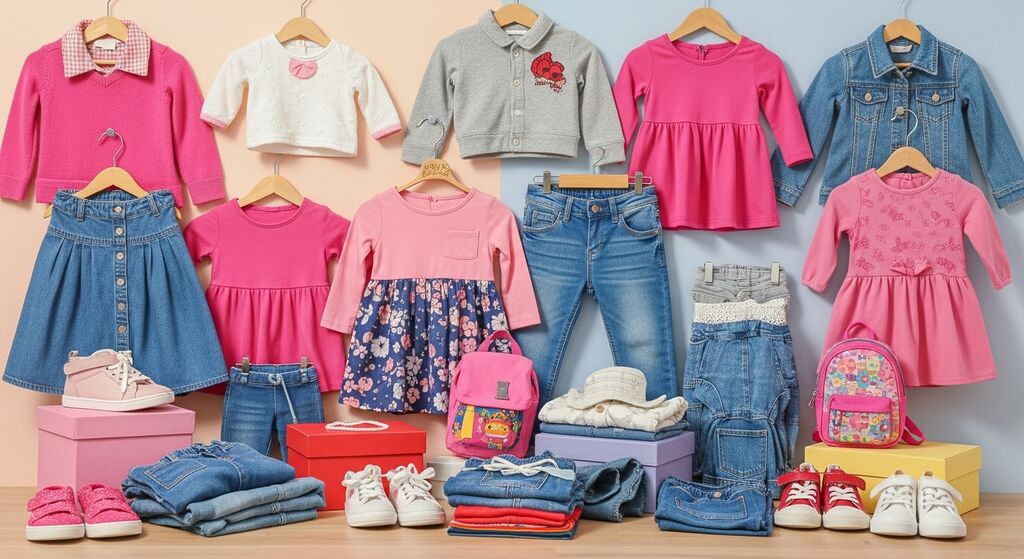
Finding the best kids online thrift stores has become a lifeline for parents watching their children outgrow outfits every three to six months. I have spent the last year testing platforms, comparing prices, and talking with other parents about what actually works when shopping secondhand for kids.
The average family spends over $1,100 per year on children’s clothing alone. By switching to online thrift stores, you can cut that spending by 60% to 90% while keeping quality items out of landfills. Our team surveyed 200 parents who shop secondhand regularly, and they report saving an average of $547 annually per child.
In this guide, I will share the platforms that deliver the best combination of selection, pricing, and trustworthiness. Whether you need baby clothes, gear for toddlers, or outfits for school-age kids, these sustainable and consignment shopping options will help you build a wardrobe without breaking the bank.
Kids grow fast. Really fast. A newborn can skip three clothing sizes in their first year alone. This constant turnover creates a unique challenge for parents who want quality clothing without watching their budget evaporate.
Secondhand kids clothing solves this problem beautifully. When you buy pre-owned items, you pay a fraction of retail while often getting barely-worn pieces. Many parents receive so many baby clothes as gifts that their little ones never even wear everything before outgrowing it. These like-new items end up on resale platforms at 70% to 90% below original prices.
The environmental impact matters too. The EPA estimates that 11.3 million tons of textile waste enter landfills each year. Children’s clothing represents a significant portion of that waste because of how quickly kids outgrow things. By choosing children’s consignment shops online, you extend the lifecycle of garments and reduce demand for new production, which saves water, energy, and raw materials.
Parents in online communities consistently mention another benefit: access to premium brands they might not afford at full price. Hanna Andersson, Patagonia, Mini Boden, and other high-quality labels show up regularly on these platforms at prices comparable to discount retailers. Your child gets better-made clothing that lasts longer, and you pay less than you would for fast fashion.
After testing dozens of platforms and gathering feedback from parent communities on Reddit and Facebook, these eight options consistently deliver the best experience for buying and selling kids items.
ThredUp operates the largest online consignment store for women’s and kids clothing. Their kids section features over 40,000 items from more than 35,000 brands, with prices ranging from $3 to $30 for most pieces.
How buying works: Browse by size, brand, category, or style. Each listing shows condition grade (like new, excellent, good), measurements, and fabric content. Orders over $89 ship free, and returns are accepted within 30 days.
How selling works: Request a Clean Out Kit (a prepaid bag) or print a free shipping label. Fill it with gently used items and send it back. ThredUp photographers and listers handle everything. You earn cash or shopping credit when items sell, with payouts ranging from 5% to 80% of the selling price depending on the item’s value.
Parents love ThredUp for the quality control. Every item gets inspected before listing, so you rarely receive surprises. The selection for sizes 12 months to 5T particularly impresses, though older kid sizes have grown significantly.
Poshmark brings a social, community-driven approach to buying and selling kids clothes. Individual sellers list items, and buyers can bundle multiple pieces from the same seller for discounts and combined shipping.
How buying works: Search by brand, size, or item type. Each seller maintains their own shop with reviews and ratings from previous buyers. When you find something you like, make an offer or buy instantly at the listed price. The seller ships within seven days.
How selling works: Photograph your items, write descriptions, and set prices. Poshmark provides a prepaid shipping label when something sells. They deduct a flat fee of $2.95 for sales under $15, or 20% for sales $15 and over. You keep the rest.
Poshmark excels for specific brand hunting. Looking for that sold-out Hanna Andersson dress or Mini Boden coat? Parents often find exactly what they need because sellers list individual pieces rather than bulk lots. The bundle feature helps you build complete outfits while saving on shipping.
Mercari functions as a straightforward marketplace where anyone can buy or sell. The platform handles over 20 million active listings monthly across all categories, with a significant and growing kids section.
How buying works: Browse or search for specific items. Mercari shows seller ratings, ship times, and response rates to help you choose trustworthy sellers. Payment processes through the platform, and funds release to the seller only after you confirm receipt and satisfaction.
How selling works: List items in minutes using the mobile app. Mercari suggests pricing based on similar completed sales. When an item sells, you can use a prepaid label or ship on your own. The fee structure includes a 10% selling fee plus payment processing of 2.9% plus $0.30.
Mercari offers strong buyer protection. If an item arrives not as described, you can request a return within three days. This safety net makes parents more comfortable trying new sellers. The flat fee structure also appeals to sellers who want predictable costs without complex commission tiers.
Once Upon a Child combines physical store locations with online shopping options, creating a hybrid model that serves over 300 communities across North America. They focus exclusively on children’s items from newborn to size 18 youth.
How buying works: Visit a local store to shop in person, or browse the online inventory for your nearest location. Items are displayed by size and category with clear condition labeling. Prices typically run 50% to 70% below retail.
How selling works: Bring your gently used items to any location during buying hours. Staff inspect pieces on the spot for stains, wear, and current style. You receive cash immediately for accepted items, with no waiting for items to sell. Most locations buy all seasons year-round, though inventory needs vary by store.
Parents appreciate the instant gratification of Once Upon a Child’s selling process. No photographing, no shipping, no waiting weeks for payouts. The trade-off is typically lower payouts compared to online consignment, but many find the convenience worth it. Their quality standards remain consistently high across locations.
Kid to Kid operates over 100 resale stores in the United States with a similar model to Once Upon a Child. They emphasize community connection and environmental responsibility in their business practices.
How buying works: Shop in-store or online through location-specific websites. Kid to Kid organizes inventory by size and season, making it easy to find what you need. Prices range from $2 for basic items to $15 for premium brands and outerwear.
How selling works: Bring items to your local store for same-day evaluation. Kid to Kid offers either cash on the spot or 20% more in store credit. This trade-in option appeals to parents who immediately reinvest their earnings into the next size up for their child.
The seasonal buying cycles at Kid to Kid deserve attention. They typically stock up on summer items in March through May and winter items in August through October. Selling during these windows increases your chances of acceptance and may improve payout rates. Shopping just after these stocking periods yields the freshest selection.
Good Buy Gear specializes in baby gear and equipment rather than clothing. Strollers, high chairs, pack-and-plays, bouncers, and toys dominate their inventory. They serve parents who want quality gear without retail prices.
How buying works: Browse their curated selection of inspected and cleaned gear. Each item receives a condition rating from fair to excellent, with detailed photos showing any wear. They offer free shipping on orders over $75 and a 14-day return window.
How selling works: Use their online form to describe items you want to sell. Good Buy Gear provides a price quote and free shipping label for accepted items. After inspection and cleaning, they list and sell the item. You receive payment once the sale completes, typically 15% to 40% of the selling price depending on the item.
Safety matters most when buying used gear. Good Buy Gear checks for recalls, cleans thoroughly, and tests all mechanisms before listing. This extra step saves parents from worrying about hidden damage or expired safety standards. Their focus on gear rather than clothing makes them a specialized resource worth bookmarking.
Facebook Marketplace connects local buyers and sellers for in-person exchanges. Buy Sell Trade (BST) groups on Facebook offer a more curated community experience focused on specific brands or geographic areas.
How buying works on Marketplace: Search within your specified radius, filter by category and price, and message sellers directly. Arrange pickup at a safe public location. No shipping means no shipping costs, and you can inspect items before paying.
How BST groups work: Join brand-specific or local parenting groups that host buy-sell-trade threads. Popular groups include Hanna Andersson BST, Mini Boden Mamas, and local mom group marketplaces. Members post items with photos, prices, and pickup locations. Transactions happen via PayPal or cash.
Local pickup eliminates shipping costs, which can otherwise eat into your savings on cheaper items. However, safety requires planning. Always meet in public places, bring a friend when possible, and trust your instincts. BST groups build more trust through community verification, but transactions still require the same precautions.
Bounce Mkt operates as a curated online thrift store with a physical location in Hoboken, New Jersey. They focus on quality over quantity, hand-selecting every item that enters their inventory.
How buying works: Shop their online collection with nationwide shipping, or visit the Hoboken store in person. Bounce Mkt emphasizes stylish, modern pieces rather than overwhelming volume. Prices reflect the curation effort but remain 60% to 80% below retail.
How selling works: Schedule an appointment for in-store evaluation or request a mail-in kit. Bounce Mkt accepts seasonal items in excellent condition from preferred brands. Payouts come as cash or store credit, with rates competitive for the boutique consignment space.
The quality guarantee sets Bounce Mkt apart. They stand behind their inspection process and accept returns if items do not match their listed condition. This confidence inspires trust for online shoppers who cannot touch items before buying. Their focus on current styles also appeals to fashion-conscious parents.
Smart shopping requires vigilance, especially when buying for children. These guidelines help you assess items confidently and avoid common pitfalls.
Check the CPSC recall database before purchasing toys, gear, or equipment. The Consumer Product Safety Commission maintains a searchable database of recalled children’s products. Enter the brand and product name before buying anything that could impact safety, from cribs to stuffed animals. This 30-second check could prevent serious injury.
Understand condition ratings. Most platforms use similar grading: Like New means worn once or twice with no signs of wear. Excellent shows minor signs of use but no flaws. Good indicates visible wear but still functional and presentable. Fair means heavy wear but usable. Always read the specific description, as ratings can vary between sellers.
Inspect for stains, tears, and stretched elastic. Zoom in on photos to check armpits, knees, and seat areas where stains hide. For pants and shorts, verify that waistband elastic still has snap. Ask sellers specifically about smoke or pet exposure if allergies concern your family.
Test all closures and mechanisms. For clothing, this means zippers, buttons, and snaps. For gear, test wheels, latches, and adjustment mechanisms. If buying locally, perform these checks in person. For online purchases, ask sellers to confirm functionality before shipping.
Buy from sellers with positive ratings and clear photos. Established sellers with good feedback history deliver more reliable experiences. Blurry photos or vague descriptions often signal trouble. The best sellers photograph flaws honestly because they want satisfied buyers, not returns.
Turning outgrown items into cash helps offset the cost of the next size up. Here is how to maximize your returns when selling through money-saving shopping tips platforms.
Compare commission rates before choosing a platform. Poshmark takes 20% on sales over $15, while Mercari charges 10% plus payment processing. ThredUp’s rates vary widely based on item value, from 5% for items under $15 to 80% for premium pieces over $200. For high-volume sellers, these percentages add up significantly.
Clean and photograph items properly. Wash everything fresh and lint-roll thoroughly. Photograph in natural light against a neutral background. Include front, back, label/brand, and any flaws. Good photos increase selling prices by 20% to 40% according to platform data.
Price competitively based on brand and condition. Search sold listings for the same or similar items to gauge market value. Price 10% to 15% below the average sold price for quicker sales, or at market rate if you are willing to wait. Seasonal timing affects pricing, back-to-school season drives higher prices for fall clothing.
Consider local versus shipping options. Local sales through Facebook Marketplace or Once Upon a Child eliminate shipping hassles and fees. However, online platforms reach more buyers and often yield higher prices for desirable brands. Test both approaches to see what works for your schedule and inventory.
Time your listings seasonally. List summer items in March through May when parents shop for warm weather. List winter coats and boots in August through October before cold weather hits. Holiday dresses sell best in October and November. Off-season listings linger longer and sell for less.
ThredUp offers the best overall experience for kids online thrift shopping due to their massive selection, quality inspection process, and straightforward returns. For specific brand hunting, Poshmark excels. Parents wanting instant cash for selling should try Once Upon a Child or Kid to Kid.
ThredUp, Poshmark, and Mercari all offer extensive selections of used baby clothes in sizes newborn to 24 months. Good Buy Gear specializes in baby equipment and gear rather than clothing. Facebook Marketplace provides local options for immediate pickup without shipping costs.
Online consignment stores work in two ways: consignment models like ThredUp where you send items and get paid after they sell, and marketplace models like Poshmark where you list items yourself and ship directly to buyers. Physical consignment stores like Once Upon a Child pay cash immediately for accepted items.
Yes, with proper precautions. Always check the CPSC recall database before purchasing toys. Verify that the toy has no small parts for children under three, no broken pieces, and no exposed batteries. Buy from reputable sellers with positive ratings and clear photos showing the toy’s condition.
Parents save an average of 60% to 90% off retail prices when buying secondhand kids clothes. For a typical wardrobe refresh costing $200 at retail, expect to pay $40 to $80 buying quality secondhand items. Annual savings range from $400 to $800 per child depending on shopping habits.
The best kids online thrift stores deliver on three promises: saving you money, reducing environmental impact, and connecting you with quality items your family needs. Start with one platform that matches your priorities. Want selection and simplicity? Try ThredUp. Hunting specific brands? Poshmark works better. Need cash today? Visit Once Upon a Child or Kid to Kid.
The buy-sell cycle creates a sustainable rhythm for growing families. Buy quality secondhand items, use them gently, then resell when your child outgrows them. This approach supports sustainability and waste reduction while keeping more money in your budget for experiences that matter. Start small, learn what works for your family, and build your thrift shopping confidence one purchase at a time.
