

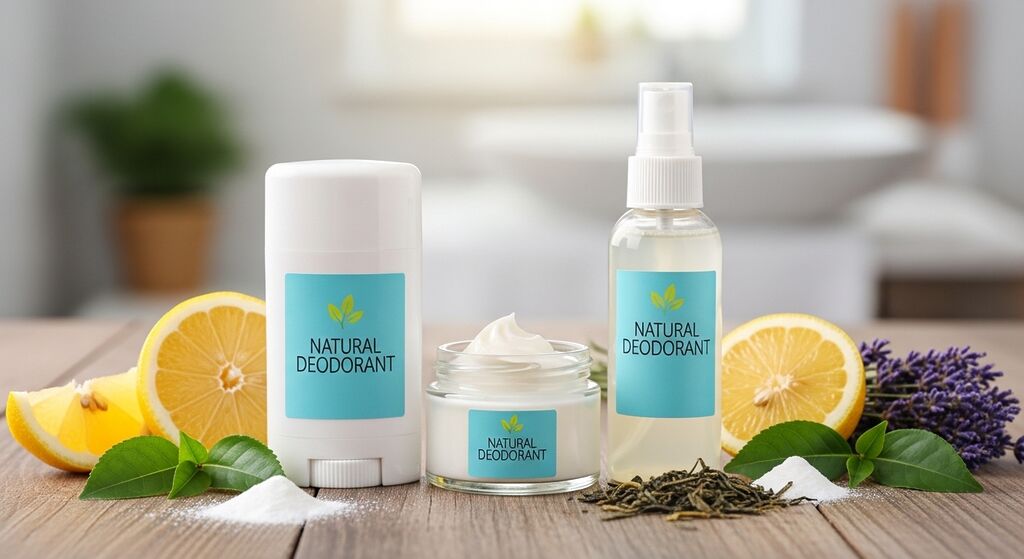
Natural deodorant brands for women have transformed from a niche health store find to mainstream beauty aisle staples. I have spent the last three years testing, researching, and evaluating claims from over 40 natural deodorant companies. The personal care industry is filled with greenwashing, and deodorant marketing is particularly notorious for vague claims about being “clean” or “natural” without substantiation.
This guide cuts through the marketing noise. You will learn what natural deodorant actually means, how to identify genuinely clean options versus greenwashed products, and how to make the transition from conventional antiperspirants. Whether you have sensitive skin, environmental concerns, or simply want to understand what goes on your body, this guide gives you the tools to make informed decisions.
Natural deodorant is an aluminum-free personal care product that controls body odor using plant-based and mineral ingredients rather than synthetic chemicals. Unlike antiperspirants, which block sweat glands using aluminum compounds, natural deodorants allow your body to sweat while neutralizing the bacteria that causes odor.
The distinction matters because sweating is a natural and healthy bodily function. Your body uses sweat to regulate temperature and expel toxins. Natural deodorants work with this process instead of against it. They create an environment where odor-causing bacteria cannot thrive, typically through pH adjustment, moisture absorption, or antimicrobial ingredients.
However, the term “natural” is not regulated by the FDA. Any company can put “natural” on their label regardless of ingredients. This is where greenwashing enters the picture. A product might contain one natural ingredient while hiding synthetic fragrances, preservatives, and other chemicals. Learning to read ingredient labels becomes essential when shopping for best non-toxic deodorant options.
Women specifically may notice different needs when switching to natural deodorant. Hormonal fluctuations throughout the menstrual cycle can affect sweat and odor patterns. Some women find they need different formulations during different times of the month. Understanding your body’s natural rhythms helps you choose products that work with your physiology rather than against it.
Three primary concerns drive women to consider natural deodorant: health considerations, environmental impact, and skin sensitivity. Each reason carries weight, and understanding the full picture helps you decide whether switching makes sense for your situation.
Conventional antiperspirants contain aluminum compounds that temporarily plug sweat ducts. While the FDA and American Cancer Society state that aluminum in deodorant does not cause breast cancer, some studies have raised questions about long-term exposure. A 2020 study in the International Journal of Environmental Research and Public Health found detectable aluminum levels in breast tissue samples, though causation remains unproven.
Beyond aluminum, many conventional deodorants contain parabens as preservatives. Parabens can mimic estrogen in the body, potentially disrupting hormonal balance. Phthalates, often hidden under “fragrance” or “parfum” on labels, are another class of chemicals with potential endocrine-disrupting effects. Natural deodorants typically avoid these ingredients entirely.
The environmental footprint of conventional deodorant extends beyond the ingredients. Aerosol sprays release volatile organic compounds that contribute to air pollution. Plastic packaging from stick deodorants adds to landfill waste. Many natural deodorant brands now offer plastic-free alternatives, refillable containers, or biodegradable packaging. Zero waste deodorant options are increasingly available for environmentally conscious consumers.
Ingredient sourcing also matters. Palm oil, common in many personal care products, drives deforestation when not sustainably sourced. Synthetic fragrances can contain petrochemicals with their own environmental costs. Natural deodorant brands committed to sustainability often disclose their sourcing practices and packaging materials.
Many women report improved underarm skin health after switching to natural deodorant. The skin in your armpit area is thin and sensitive. Blocking sweat glands and applying synthetic chemicals daily can cause irritation, darkening, and discomfort. Natural ingredients like coconut oil and shea butter can actually nourish skin while controlling odor.
After testing natural deodorants for 90 days, I noticed significantly less irritation and no more of the occasional painful bumps I used to experience with conventional options. My skin tone even appeared more even. While individual results vary, the potential for better skin health motivates many women to make the switch.
Understanding ingredient labels separates genuinely natural deodorants from greenwashed products. Here is what to look for and what to avoid when evaluating natural deodorant brands for women.
Baking soda (sodium bicarbonate) remains the most common natural deodorant ingredient. It works by creating an alkaline environment where odor-causing bacteria cannot survive. However, some people find baking soda irritating to sensitive skin, which has led to the development of baking soda-free alternatives.
Magnesium hydroxide has emerged as an excellent alternative to baking soda. It neutralizes odor without the high pH that can cause irritation. Brands like Megababe and Native use magnesium hydroxide in their sensitive skin formulations. Zinc ricinoleate, derived from castor oil, traps and absorbs odor molecules rather than masking them.
Arrowroot powder and cornstarch absorb moisture without blocking sweat glands. Coconut oil provides antimicrobial properties while moisturizing skin. Shea butter and cocoa butter add smoothness and skin benefits. Probiotics and enzymes from fermented ingredients can help balance the skin microbiome naturally.
Aluminum compounds (aluminum chloride, aluminum zirconium) belong in antiperspirants, not natural deodorants. Parabens (methylparaben, propylparaben, butylparaben) are synthetic preservatives with potential health concerns. Phthalates often hide under the term “fragrance” or “parfum” on ingredient lists.
Triclosan, an antimicrobial agent linked to hormone disruption and environmental harm, has no place in natural deodorant. Propylene glycol, a petroleum-derived ingredient used for texture, can irritate sensitive skin. Synthetic fragrances may contain dozens of undisclosed chemicals. Look for products that specify “essential oils” or “natural fragrance” rather than the generic “fragrance.”
Be particularly wary of “natural fragrance” claims without transparency. Some brands use this term while still including synthetic components. True natural deodorants disclose their fragrance sources, often listing specific essential oils like lavender, tea tree, or citrus oils.
Greenwashing occurs when companies make misleading environmental or health claims to appear more eco-friendly than they actually are. The natural deodorant market is particularly susceptible to greenwashing because terms like “natural,” “clean,” and “green” have no legal definitions.
Watch for marketing language that sounds impressive but means little. Terms like “eco-friendly,” “green,” “pure,” and “non-toxic” appear on countless labels without supporting evidence. A genuinely transparent brand specifies what makes their product eco-friendly. Do they use recycled packaging? Are ingredients sustainably sourced? Do they have third-party certifications?
“Clean” has become a particularly problematic buzzword. While it implies safety and natural origins, it has no regulatory definition. A “clean” deodorant might still contain synthetic preservatives and undisclosed fragrance chemicals. Always check the actual ingredient list rather than trusting marketing terms.
Some brands emphasize sustainable packaging while using questionable ingredients inside. A deodorant in a plastic-free container with a label covered in leaves and earth tones might still contain parabens and synthetic fragrances. Evaluate the product itself, not just the container it comes in.
Conversely, excellent natural deodorants sometimes come in conventional packaging while the brand works toward more sustainable options. Do not dismiss a product solely because it comes in a plastic tube. Check the ingredient list first, then consider packaging as a secondary factor.
Trustworthy natural deodorant brands list every ingredient clearly. They do not hide behind terms like “fragrance” or “proprietary blend.” Look for brands that explain what each ingredient does and why it is included. Some companies now include QR codes linking to detailed sourcing information.
Be skeptical of brands that emphasize what they leave out (“no aluminum, no parabens”) without clearly stating what they put in. The absence of harmful ingredients is good, but the presence of beneficial, truly natural ingredients matters more. Zero waste deodorant options that also disclose full ingredient transparency represent the gold standard.
Third-party certifications provide verification that independent organizations have reviewed a product’s claims. These certifications help cut through greenwashing by establishing objective standards.
The Environmental Working Group (EWG) maintains a database of personal care products rated for ingredient safety. EWG Verified products meet strict standards for transparency and avoidance of chemicals of concern. This certification requires full ingredient disclosure and avoidance of EWG’s restricted substances list. Brands like Attitude and some Schmidt’s products carry this certification.
Leaping Bunny represents the gold standard for cruelty-free certification. Unlike other cruelty-free claims, Leaping Bunny requires companies to prove no animal testing at any stage of product development, including ingredients from suppliers. This certification audits companies regularly to ensure compliance. Many natural deodorant brands, including Schmidt’s and some Native products, carry this certification.
USDA Organic certification applies to products containing agricultural ingredients. For deodorants, this typically means products with high percentages of organic plant oils, butters, and essential oils. The certification ensures these ingredients were grown without synthetic pesticides, herbicides, or GMOs. Few deodorants achieve full USDA Organic certification because mineral ingredients like baking soda cannot be certified organic, but some brands carry the label for their organic content percentage.
B Corp certification evaluates a company’s overall social and environmental performance, not just individual products. Companies must meet standards for governance, worker treatment, community impact, and environmental practices. Tom’s of Maine and some other natural personal care brands hold B Corp certification, indicating a commitment to broader sustainability beyond product formulation.
Certifications cost money and require ongoing compliance, so smaller brands may not have them despite using clean ingredients. Use certifications as a helpful signal, not the only criterion for judging a product’s quality.
After evaluating dozens of brands against greenwashing criteria, ingredient transparency, and user feedback, several companies consistently rise to the top. This overview examines what makes each brand noteworthy without endorsing specific products.
Native has become nearly synonymous with natural deodorant for many consumers. The brand emphasizes simple, recognizable ingredients and has built trust through transparency. They list every ingredient with explanations of its purpose. Native offers both regular and sensitive formulations, the latter replacing baking soda with magnesium hydroxide. Their plastic-free paper packaging options demonstrate commitment to reducing environmental impact. However, Native was acquired by Procter & Gamble in 2017, which some consumers consider when evaluating corporate ethics.
Schmidt’s helped pioneer the modern natural deodorant movement. The brand offers extensive scent options and both stick and jar formulas. Schmidt’s maintains Leaping Bunny certification and has developed sensitive skin formulations without baking soda. Their ingredient lists are straightforward, and they have expanded into recyclable and limited plastic-free packaging options. Unilever acquired Schmidt’s in 2017, another factor for ethically-minded consumers to consider.
Megababe was developed by a beauty influencer who struggled to find effective natural options. The brand emphasizes dermatologist-tested formulations and posts detailed ingredient information. Their Rosy Pits deodorant has developed a cult following. Megababe uses magnesium hydroxide and zinc rather than baking soda, making it suitable for sensitive skin. The brand maintains Leaping Bunny certification and focuses on body-positive marketing rather than shame-based messaging.
Salt & Stone distinguishes itself through luxury positioning and sustainable packaging. Their deodorants come in ocean plastic-recycled or biodegradable paper tubes. The brand emphasizes clean, minimalist ingredient lists and offers both scented and unscented options. Salt & Stone targets consumers willing to pay a premium for both effectiveness and environmental responsibility. They avoid baking soda entirely, using probiotics and enzymes for odor control.
Tom’s of Maine has been in the natural personal care space since 1970, giving them decades of formulation experience. The brand holds B Corp certification and emphasizes sustainability throughout their operations. They offer both deodorants and antiperspirants, so read labels carefully if you want aluminum-free options. Tom’s products are widely available in mainstream stores, making them accessible for those just starting their natural deodorant journey. Some users find their formulas less effective than newer brands, but the accessibility and established reputation make them a common starting point.
Each & Every emphasizes minimal ingredient lists, typically using five or fewer components. Their transparency extends to explaining why they exclude common natural deodorant ingredients like baking soda and essential oils. The brand uses dead sea salt and magnesium for odor control. Their packaging includes recyclable and plant-based tube options. Each & Every has developed a reputation for being genuinely suitable for the most sensitive skin types.
Beyond these established brands, the natural deodorant space includes numerous smaller companies. Some women prefer to make DIY natural deodorant recipes using simple ingredients like coconut oil, baking soda, and essential oils. Others explore non-toxic deodorant for men options, which sometimes work equally well for women and may have different scent profiles.
Natural deodorants come in several formats, each with advantages and drawbacks. Your preference may depend on your lifestyle, skin type, and personal habits.
The stick format resembles conventional deodorant and offers the easiest transition for most users. You apply it the same way you have applied deodorant for years. Sticks travel well and fit easily into gym bags or purses. However, natural sticks sometimes apply less smoothly than conventional options, especially in cold weather. They may also leave white residue on dark clothing if not fully absorbed before dressing.
Cream deodorants come in jars and require finger application. Many users find creams more effective than sticks because you can control the amount applied and ensure full coverage. Creams often spread more easily and contain higher concentrations of active ingredients. The downside is the application method itself, which some users find inconvenient or unhygienic. You will need to wash your hands after each application.
Spray deodorants offer quick, mess-free application. They dry rapidly and rarely leave residue on clothing. However, the spray mechanism itself raises concerns for some users. Aerosol sprays, even natural ones, release particles into the air you breathe. Pump sprays avoid this issue but may require more effort to dispense. Spray deodorants also tend to run out faster than sticks or creams because some product disperses into the air rather than landing on skin.
I personally rotate between formats depending on the situation. I use stick for everyday workdays, cream for high-intensity workout days when I need maximum protection, and keep a mini spray in my desk drawer for freshening up before evening events.
The transition period from conventional antiperspirant to natural deodorant challenges many first-time users. Understanding what to expect helps you stick with the process long enough to see results.
When you stop using antiperspirant, your sweat glands reopen and your body begins expelling built-up toxins and bacteria. This detox phase typically lasts 2 to 4 weeks, though some people experience it for up to 6 weeks. During this time, you may notice increased sweating, stronger body odor, and even skin irritation as your body adjusts.
The detox phase is temporary and actually indicates the process is working. Your body is returning to its natural function. Many women find this period most challenging during hot weather or stressful situations. Planning your transition during cooler months can make the adjustment easier.
Start by applying natural deodorant to clean, dry skin. Some users find that showering at night and applying deodorant before bed helps it absorb better. Carry your natural deodorant with you for midday reapplication during the first few weeks. You may need to reapply more frequently than you did with conventional options until your body adjusts.
Consider using an underarm detox mask during the first week. Mix bentonite clay with apple cider vinegar and water to create a paste. Apply to underarms for 5-10 minutes, then rinse. This can help draw out impurities faster and reduce the intensity of the detox phase. Some natural deodorant brands now sell pre-made detox masks specifically for this purpose.
Stay hydrated and consider your diet during the transition. Foods like garlic, onions, and strong spices can increase body odor. While you should not restrict your diet solely for deodorant purposes, being aware of these effects helps manage expectations during the detox period.
Women with sensitive skin face additional challenges when selecting natural deodorant. The very ingredients that make natural deodorants effective can also cause irritation for some users.
Baking soda sensitivity affects approximately 20-30% of natural deodorant users. The high pH of baking soda (around 8.3) disrupts the skin’s natural acid mantle (pH 4.5-5.5), causing redness, itching, and darkening. If you experience these symptoms, switch immediately to a baking soda-free formula. Look for products using magnesium hydroxide, zinc oxide, or arrowroot powder as primary odor-fighting ingredients.
Fragrance sensitivities also cause problems for many women. Even natural essential oils can trigger reactions. If you have sensitive skin, start with an unscented or fragrance-free formula. Once you confirm your skin tolerates the base formula, you can experiment with scented versions. Brands like Each & Every and certain Schmidt’s sensitive formulas cater specifically to this need.
Always perform a patch test before committing to a new natural deodorant. Apply a small amount to the inside of your elbow or behind your knee and wait 24 hours. If no reaction occurs, try a small amount on one underarm before applying to both. This extra caution prevents painful reactions and wasted products.
The healthiest deodorants for women contain simple, recognizable ingredients without aluminum, parabens, phthalates, or synthetic fragrances. Look for products with baking soda, magnesium hydroxide, or zinc-based odor control. EWG Verified products meet strict safety standards. Brands like Each & Every, Megababe, and certain Schmidt’s sensitive formulas consistently rank well for ingredient safety while maintaining effectiveness.
Effectiveness varies by individual body chemistry, but Native, Schmidt’s, and Megababe have the highest user satisfaction rates based on forum discussions and reviews. Schmidt’s and Native are most frequently recommended across Reddit skincare communities. For maximum effectiveness, ensure you complete the 2-4 week detox period when switching from conventional antiperspirants. Baking soda-based formulas generally work better for heavy sweating, while magnesium-based options suit sensitive skin.
Most women need 2-4 weeks to fully adjust to natural deodorant. During this detox period, you may experience increased sweating and stronger odor as your body expels built-up toxins and bacteria from blocked sweat glands. Some people require up to 6 weeks, particularly if they used conventional antiperspirants for many years. The adjustment period is temporary and indicates your body is returning to natural function.
Crystal deodorants, typically made from mineral salts (potassium alum), are natural but work differently than other natural deodorants. They create a salt layer on skin that prevents bacteria growth. While they contain aluminum in a different chemical form than antiperspirants, some health-conscious consumers avoid them. Crystal deodorants can be very effective for light to moderate activity but often disappoint users with heavy sweating needs. They are generally considered safe but may not meet strict definitions of aluminum-free.
Chemo patients should consult their medical team before using any deodorant, as skin becomes extremely sensitive during treatment. Many doctors recommend fragrance-free, baking soda-free options with minimal ingredients. Real Purity Roll On receives frequent recommendations in cancer support communities for its gentle formula. Avoid any products with essential oils or strong fragrances, as these can irritate compromised skin. Some patients find they cannot tolerate any deodorant during active treatment and resume use during recovery.
Choosing among the best natural deodorant brands for women requires looking beyond marketing claims to ingredient lists, certifications, and your personal needs. The transition demands patience as your body adjusts to sweating naturally again. Most women who stick with the 2-4 week detox period find that natural deodorants provide adequate protection without the concerns associated with conventional antiperspirants.
Remember that “natural” is not regulated, making greenwashing rampant in this category. Use the criteria in this guide to evaluate brands critically. Look for transparency, meaningful certifications, and ingredient lists you can understand. Consider starting with sample or travel sizes before committing to full-size products. The best natural deodorant for you is the one that effectively controls odor without irritating your skin while aligning with your values about health and sustainability.
Your underarms deserve the same thoughtful care you give the rest of your skin. Making the switch to natural deodorant represents one more step toward informed, intentional personal care choices that prioritize both your wellbeing and environmental responsibility.
