
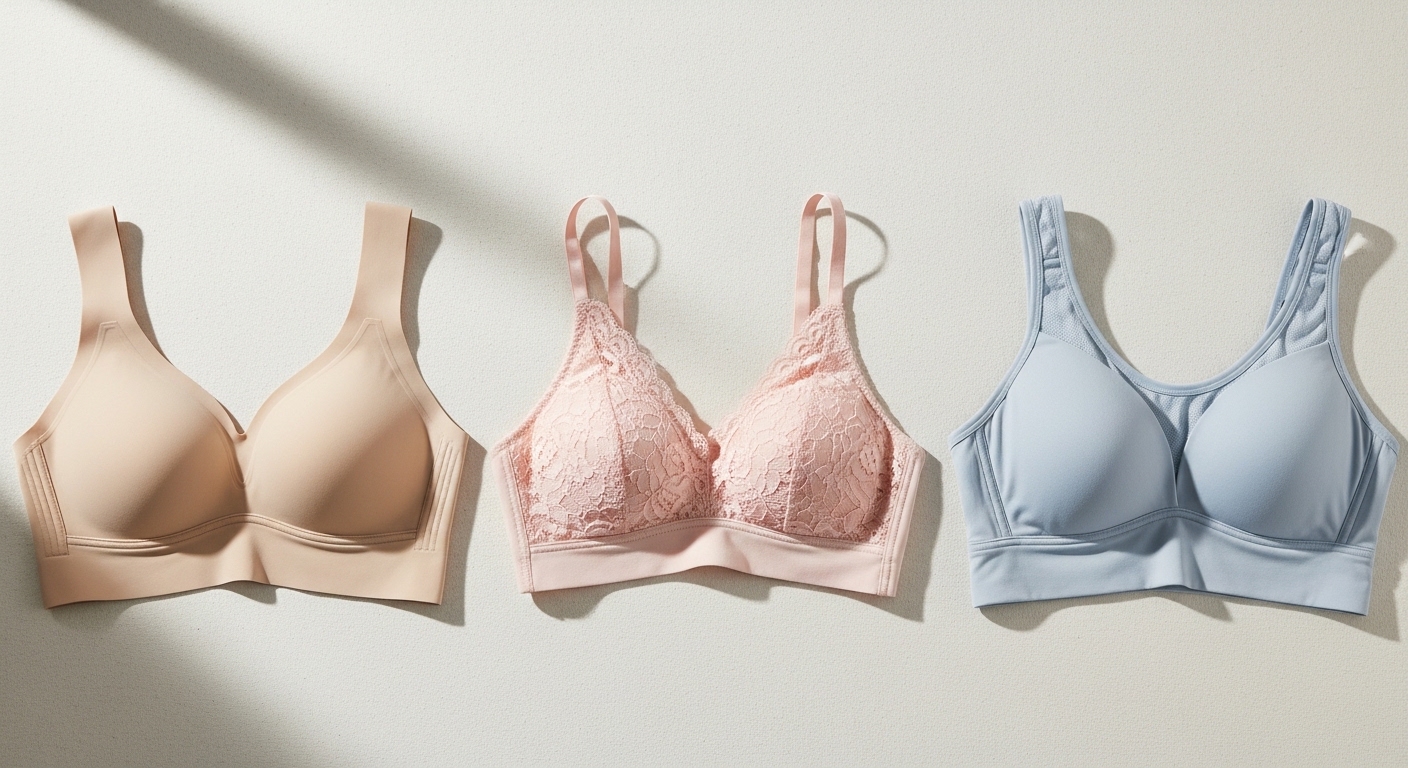
Finding the best gentle bra brands that are completely plastic-free can feel like searching for a needle in a haystack. Most conventional bras contain polyester, nylon, spandex, and synthetic elastics that can irritate sensitive skin and contribute to microplastic pollution with every wash. After researching dozens of sustainable lingerie companies and reading countless reviews from women with skin allergies and environmental concerns, I have identified the brands that truly deliver on both comfort and sustainability.
Plastic-free bras use only natural fibers like organic bamboo clothing alternatives, organic cotton, hemp, Tencel, and natural rubber elastic. These materials breathe better against your skin, biodegrade naturally at end-of-life, and eliminate the risk of chemical exposure from synthetic fabrics. Whether you are dealing with eczema, textile dermatitis, or simply want to reduce your environmental footprint, switching to natural fiber bras is one of the most impactful changes you can make in your wardrobe.
In this guide, I will walk you through the top plastic-free bra brands available 2026, explain what certifications to look for, and share practical advice on finding the right fit for your body. I have also included care instructions to help your natural fiber bras last longer and tips for identifying truly sustainable options versus greenwashing.
Here are the four brands that consistently rise to the top based on material quality, customer reviews, and genuine sustainability credentials:
1. The Very Good Bra – The only fully compostable bra available, cradle-to-cradle certified, and designed to return safely to the earth. Made from tree-rubber elastic, organic cotton, and cellulose thread.
2. Pansy – California-made organic cotton bras that are 100% compostable. These are wireless, comfortable, and designed with minimalism in mind.
3. Organic Basics – Danish brand offering Tencel Modal bras with excellent European craftsmanship. Great for everyday comfort with a modern aesthetic.
4. Julie May – Specifically designed for sensitive skin and eczema sufferers, using certified organic cotton and silk with natural rubber elastic.
Let me take you through each brand in detail, including what makes them special, the materials they use, and real user feedback from the sustainable fashion community.
The Very Good Bra stands alone as the only bra designed to be fully compostable at end-of-life. Australian founder Steph Devine launched this brand after discovering that even “organic” bras contained synthetic elastic and dyes that prevent biodegradation.
What makes this bra truly revolutionary is the tree-rubber elastic derived from natural rubber trees rather than petroleum-based synthetic elastic. The fabric is GOTS-certified organic cotton, and even the thread is plant-based cellulose rather than polyester. When you are done with the bra, you can cut it up and add it to your compost heap or bury it in soil where it will safely decompose within months.
Users consistently report that The Very Good Bra fits remarkably well without looking like “grandma’s drawers” – a common concern with plastic-free options. The wireless design provides gentle support through a combination of double-layered cups and strategic seaming rather than underwires or synthetic padding.
Sizing runs from 30A to 42E, making it accessible to many body types though not the most inclusive on this list. The bras come in basic skin-tone colors and black, keeping the focus on function and biodegradability over fashion statements.
The main drawback is price – at around $95 per bra, this is an investment piece. However, when you consider that most conventional bras cannot be recycled and sit in landfills for centuries, the cost-per-wear and environmental impact make this a worthwhile purchase for the eco-conscious consumer.
Pansy was founded in California with a simple mission: create the world’s most comfortable organic cotton underwear and bras that can return to the earth when worn out. The brand offers one fully compostable bra style that has become a cult favorite in the zero-waste community.
The Pansy bra is made from 90% organic cotton and 10% spandex – wait, you might think that contains plastic. Actually, Pansy has reformulated to use natural rubber elastic and plant-based fibers for their fully compostable line. Be sure to check that you are ordering from their compostable collection rather than their standard organic line if 100% plastic-free is your goal.
The design is intentionally simple: a wireless pullover style with adjustable straps and no hooks or hardware. This makes it ideal for sleeping, lounging, or everyday wear when you want light support without restriction. The organic cotton is incredibly soft and gets more comfortable with each wash.
Sizing is somewhat limited, typically covering XS through XL. The pullover style means the band is stretchy rather than adjustable, which works well for standard sizes but may not provide enough support for larger busts during high-activity days.
What users love most about Pansy is the brand’s transparency about their supply chain. Everything is made in California using domestically sourced organic cotton, reducing transportation emissions and supporting local workers.
Organic Basics brings Scandinavian design sensibility to sustainable lingerie. Their bras consistently receive praise for being both environmentally responsible and genuinely comfortable for all-day wear.
The standout material here is TENCEL lyocell, a fiber made from sustainably sourced wood pulp in a closed-loop process that recycles 99% of the solvent used. Tencel is softer than cotton, more breathable than synthetic fabrics, and naturally moisture-wicking. Combined with organic cotton and natural rubber elastic, these bras offer excellent performance without plastic.
The brand holds multiple certifications including GOTS, OEKO-TEX Standard 100, and is a certified B Corporation, meaning they meet rigorous standards for environmental and social responsibility.
Organic Basics offers several styles including wireless bralettes with removable padding, triangle bras, and soft-cup options. The aesthetic is minimalist and modern, appealing to women who want sustainable underwear that also looks sophisticated.
Sizing runs from XS to XXL, covering approximately 30A to 40DD depending on style. Users particularly appreciate that the bands are snug enough to provide support without being restrictive, a common complaint with wireless bras.
Pricing is mid-range at $45-65 per bra, making this brand more accessible than The Very Good Bra while maintaining high standards for materials and ethics.
If you have eczema, psoriasis, or textile dermatitis, Julie May should be at the top of your list. This UK-based brand was specifically created for people with sensitive skin conditions who struggle to find underwear that does not trigger reactions.
Julie May bras use a combination of GOTS-certified organic cotton and peace silk (cruelty-free silk harvested after moths have emerged from cocoons). The elastic is natural rubber wrapped in organic cotton, eliminating skin contact with any synthetic materials.
The brand is unique in offering styles with silk-lined cups, which creates a barrier between your skin and any potential irritants while providing a luxurious feel. This makes their bras particularly popular among chemotherapy patients, those with autoimmune-related skin conditions, and anyone whose skin has become sensitized to synthetic fabrics.
Forum discussions consistently mention Julie May as a lifesaver for those who had given up on finding comfortable bras. One user reported being able to wear a bra for a full workday for the first time in years after switching to this brand.
The sizing is UK-based but ships internationally, covering 32B through 40G in most styles. Prices range from $60-85 per bra, reflecting the specialized materials and small-batch production.
Rawganique has been producing chemical-free clothing since 1997, long before sustainable fashion became trendy. Their bras are made from a combination of organic hemp and organic cotton, offering one of the most durable natural fiber options on the market.
Hemp is naturally antimicrobial, incredibly strong, and becomes softer with each wash without losing its shape. Mixed with organic cotton, it creates a fabric that can withstand years of regular wear while remaining gentle against sensitive skin.
Rawganique offers several bra styles including sports bras, bralettes, and camisoles with built-in support. All items are handmade in their European atelier or USA workshop, ensuring fair wages and quality control.
The brand is particularly transparent about their chemical-free process – no dyes, no bleach, no formaldehyde, and no synthetic additives whatsoever. Their bras come in natural cream and brown colors from the unbleached fibers.
Sizing is generous, covering XS through 3XL in most styles. The hemp fabric does require a break-in period – it feels stiff when new but softens significantly after several washes.
Simply Merino takes a unique approach by using organic merino wool for their bras, making them ideal for temperature regulation and moisture management. Wool might seem counterintuitive for underwear, but merino is incredibly soft, non-itchy, and naturally odor-resistant.
Their wool bras contain no synthetic fibers – just pure merino wool with natural rubber elastic bands. Wool actively wicks moisture away from skin, keeping you dry and comfortable in both warm and cool conditions. This makes Simply Merino bras particularly popular among outdoor enthusiasts and those who run warm.
Size inclusivity is a strength here, with options extending to 3XL and custom sizing available upon request. This addresses one of the major pain points in the plastic-free bra market, where plus-size options are often limited.
Care does require hand-washing or gentle wool cycle with wool-specific detergent, but users report that the bras need washing far less frequently than cotton options due to wool’s natural antimicrobial properties.
One of the most common requests in sustainable lingerie forums is for padded bras without plastic. Blue Canoe answers this need with organic cotton bras featuring removable natural latex padding.
Made in the USA from organically grown cotton, Blue Canoe bras use natural rubber elastic and organic cotton thread. The padding is natural latex foam derived from rubber trees rather than petroleum-based foam, and it can be removed if you prefer an unpadded look.
The brand offers both wireless and underwire options – rare in the plastic-free space. The underwire bras use coated metal underwires with organic cotton casing, providing structured support for those who need it.
Styles range from basic t-shirt bras to lacy bralettes, offering more aesthetic variety than many competitors. Colors include black, white, natural, and seasonal limited editions.
Users consistently mention Blue Canoe as a solution for those transitioning from conventional bras to natural options, as the styles feel familiar and provide comparable support and shaping. However, several reviews note that the support level is minimal compared to traditional bras, making these best suited for smaller to medium bust sizes.
Earth and Elle operates on a slow fashion model, creating sustainable bras and underwear only when ordered. This eliminates waste from overproduction and allows for extensive customization.
Their bras use organic cotton, bamboo viscose, and Tencel in various combinations, all with natural rubber elastic. The made-to-order approach means you can request specific adjustments to band or strap length, making this an excellent option for those with non-standard sizing needs.
Size range is exceptional, covering 28A through 46H with the ability to customize further. This directly addresses the forum pain point about difficulty finding plastic-free bras for small band-large cup combinations like 28D or 30G.
The brand is based in Canada and ships internationally, though shipping times are longer than mass-produced alternatives due to the made-to-order process. Expect 2-3 weeks from order to delivery.
Earth and Elle also offers a take-back program for their bras at end-of-life, ensuring proper composting or recycling rather than landfill disposal.
Switching to plastic-free bras offers significant health advantages, particularly for those with sensitive skin or chemical sensitivities. The skin on our chest and torso is thin and absorbent, making it especially vulnerable to irritation from synthetic fabrics.
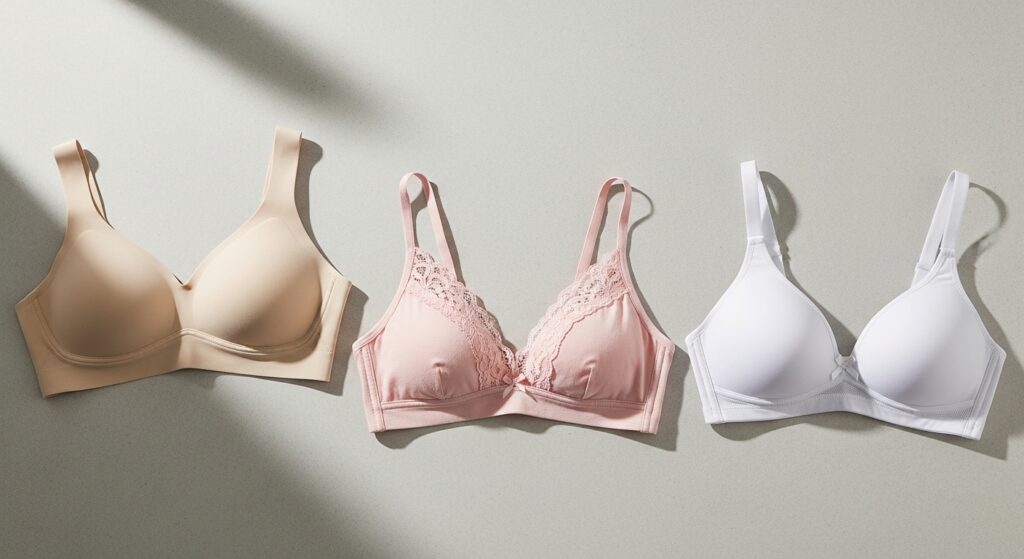
Textile dermatitis is a form of contact dermatitis caused by fabrics or chemicals in clothing. Synthetic materials like polyester and nylon are common triggers, along with formaldehyde resins used to make fabrics wrinkle-resistant. Symptoms include itching, redness, and rash in areas where the fabric touches skin.
Plastic-free bras eliminate these triggers entirely. Organic cotton, hemp, and Tencel are naturally hypoallergenic and free from the chemical finishes used on conventional fabrics. Users with eczema and psoriasis report significant improvement after switching to natural fiber bras, with some able to discontinue steroid creams they had used for years.
Julie May, mentioned earlier, was specifically founded by someone with textile dermatitis after conventional bras caused severe reactions. Their silk-lined options provide an additional barrier for the most sensitive skin.
Natural fibers breathe in ways synthetics cannot match. Cotton and Tencel absorb moisture and allow air circulation, keeping skin dry and comfortable. Synthetic fabrics trap heat and moisture against skin, creating an environment where bacteria and yeast can proliferate.
This breathability is particularly important during exercise, hot weather, or for those who experience night sweats. Simply Merino’s wool bras excel here, actively managing moisture and temperature to keep you comfortable in varying conditions.
Many synthetic fabrics contain or are treated with endocrine-disrupting chemicals including BPA, phthalates, and flame retardants. These chemicals can be absorbed through skin and have been linked to hormonal imbalances, reproductive issues, and other health concerns.
GOTS-certified organic cotton and other natural fibers are grown and processed without these chemicals. The OEKO-TEX Standard 100 certification specifically tests for harmful substances, providing additional assurance for health-conscious consumers.
The environmental case for plastic-free bras is compelling. Conventional lingerie contributes to pollution at every stage of its lifecycle, from petroleum extraction for synthetic fibers to microplastic shedding during washing to centuries in landfills at disposal.
Every time you wash a synthetic bra, tiny plastic fibers break off and flow into waterways. A single load of laundry can release millions of microfibers, which eventually reach oceans and enter the food chain. Studies have found microplastics in drinking water, seafood, and even human blood.
Plastic-free bras eliminate this pollution source entirely. Natural fibers like cotton, hemp, and Tencel biodegrade in water and soil rather than persisting as microplastics. When a hemp bra sheds fibers during washing, those fibers simply decompose.
Conventional bras are essentially unrecyclable. The combination of metal hooks, synthetic fabric, foam padding, and elastic makes them impossible to process through standard textile recycling. Most end up in landfills where they will remain for hundreds of years.
Plastic-free bras offer multiple end-of-life options. Natural fiber bras without synthetic components can be composted in home or industrial composting systems. Brands like The Very Good Bra are designed specifically for this cradle-to-cradle lifecycle. Even if composting is not available, natural fibers will biodegrade in landfill much faster than synthetics, though composting is always preferable.
Some brands including Earth and Elle offer take-back programs where they handle proper disposal or recycling of worn-out bras, ensuring nothing goes to waste.
When evaluating sustainability claims, look for these third-party certifications:
GOTS (Global Organic Textile Standard) – The gold standard for organic fibers, covering environmental and social criteria throughout the supply chain. GOTS certification ensures organic content, bans harmful chemicals, and requires fair labor practices.
OEKO-TEX Standard 100 – Tests for harmful substances in textiles, ensuring products are safe for human health. This certification does not guarantee organic or sustainable production, but confirms the final product is free from toxic chemicals.
B Corporation – Certifies companies that meet high standards for social and environmental performance, accountability, and transparency. Organic Basics is B Corp certified.
Cradle to Cradle – Evaluates products for circular economy principles including material health, recyclability, and biodegradability. The Very Good Bra holds this certification.
For more on building an eco-conscious wardrobe, check out our guide to zero waste activewear brands that complement your sustainable lingerie choices.
Not all natural fiber bras are created equal. Here is what to evaluate when shopping for plastic-free options:
Organic Cotton – Soft, breathable, and widely available. Look for GOTS certification to ensure it is truly organic. Grows softer with washing but can stretch out over time.
Tencel (Lyocell) – Made from wood pulp in a closed-loop process. Softer than cotton, excellent moisture management, and drapes beautifully. More expensive but very durable.
Hemp – Extremely strong, antimicrobial, and becomes softer with wear. Requires break-in period. Excellent for those wanting maximum durability.
Merino Wool – Temperature regulating, moisture-wicking, and odor-resistant. Requires gentle care but needs less frequent washing. Ideal for active lifestyles.
Silk – Luxuriously smooth and hypoallergenic. Expensive and delicate but unmatched for sensitive skin comfort. Look for peace silk for cruelty-free options.
Truly plastic-free bras use natural rubber elastic derived from rubber trees rather than synthetic elastane or spandex. Natural rubber elastic is biodegradable and gentler on skin but may lose elasticity faster than synthetics if exposed to heat or oils.
Some brands use organic cotton bands with minimal elastic for a looser fit. These are the most comfortable for lounging but provide less support for active days.
Plastic-free bras generally offer light to medium support. The absence of underwires and synthetic molded cups means they will not provide the same lift and shaping as conventional bras. For many women, this is a feature rather than a bug – the comfort trade-off is worth it.
If you need more support, look for:
– Double-layered cups for additional structure
– Wide bands that distribute weight
– Racerback styles that anchor the bra firmly
– Underwire options from brands like Blue Canoe
For high-impact activities, you may still need a conventional sports bra or look for specialized wool sports bras from Simply Merino.
Proper care extends the life of plastic-free bras significantly. Natural fibers respond differently to washing than synthetics, so adjust your routine accordingly.
Step 1: Hand wash or use a gentle cycle in a mesh laundry bag. Natural elastic degrades faster with aggressive washing.
Step 2: Use cold or lukewarm water. Hot water shrinks natural fibers and damages rubber elastic.
Step 3: Choose mild, biodegradable detergent without enzymes or brighteners. Harsh chemicals break down natural fibers faster.
Step 4: Air dry flat or hanging. Never put natural fiber bras in the dryer – heat destroys elastic and shrinks cotton.
The 3 bra rule is a practical approach to bra rotation that extends the lifespan of each bra while ensuring you always have clean options available. Here is how it works:
You need three bras for regular rotation: one to wear, one in the wash, and one ready to wear next. This system allows each bra to rest between wears, which lets the elastic recover and prevents premature stretching from continuous wear.
Rotate through your collection so no single bra is worn two days in a row. Natural elastic especially benefits from this rest period. With proper rotation and care, a quality plastic-free bra should last 2-3 years or longer.
Store bras flat or hanging rather than folded or crumpled to maintain cup shape. Avoid storing in plastic containers which can trap moisture; breathable cotton storage bags are ideal.
One of the biggest challenges in the plastic-free bra market is finding options for non-standard sizes. Forum discussions consistently highlight frustration with limited size ranges, particularly for plus-size women and those with small band-large cup combinations.
Here is what each brand offers to help you find your match:
The Very Good Bra: 30A to 42E. Best for standard proportions, limited options for very small bands or large cups.
Earth and Elle: 28A through 46H with custom sizing available. Best for non-standard sizes and custom adjustments.
Simply Merino: XS through 3XL in most styles. Excellent for plus sizes.
Rawganique: XS through 3XL. Generous sizing with some styles offering 4XL.
Julie May: 32B through 40G (UK sizing). Good range for medium to fuller busts.
Organic Basics: XS through XXL (approximately 30A to 40DD). Moderate range with consistent European sizing.
Wireless bras fit differently than underwire styles. The band provides most of the support, so it should feel snug but not tight when fastened on the loosest hook. If the band rides up in back, it is too loose.
The cups should fully contain breast tissue without spillage or gaping. Many wireless styles compress slightly rather than encapsulate, which is normal but should not create uniboob or discomfort.
Straps should stay in place without digging in. If straps constantly slip, the band is likely too loose or the cup shape does not match your breast shape.
If standard sizes never seem to fit right, consider Earth and Elle’s made-to-order service. You provide your measurements and any specific fit concerns, and they customize the bra accordingly. This costs slightly more but solves fit problems that off-the-rack bras cannot address.
The Very Good Bra is widely considered the best non-toxic bra available 2026 because it is the only fully compostable option made entirely from natural materials including organic cotton, tree-rubber elastic, and cellulose thread. For those with sensitive skin conditions, Julie May offers silk-lined organic cotton bras specifically designed for eczema and textile dermatitis sufferers.
The healthiest bra to wear is one made from natural, organic fibers without synthetic materials. Look for GOTS-certified organic cotton, Tencel lyocell, or hemp bras with natural rubber elastic. These materials breathe better against skin, eliminate exposure to chemical finishes and microplastics, and reduce the risk of skin irritation and allergic reactions. Wireless designs also improve lymphatic drainage and comfort.
Many plastic surgeons recommend wireless bras made from soft, breathable natural fibers during post-surgical recovery. Brands like Julie May are specifically recommended for patients with sensitive skin or those recovering from surgery because their silk-lined organic cotton bras minimize irritation while providing gentle support. Always follow your specific surgeon’s recommendations for compression and support levels during healing.
The 3 bra rule is a rotation system to extend bra lifespan: you need one bra to wear, one in the wash, and one ready to wear next. This rotation allows natural elastic to recover between wears, prevents premature stretching, and ensures you always have clean options available. Following this rule, a quality plastic-free bra can last 2-3 years with proper care.
Plastic-free bras can provide adequate support for large breasts depending on the design, though they work differently than conventional underwire bras. Look for features like double-layered cups, wide bands, racerback styles, and full-coverage designs. Brands like Earth and Elle offer custom sizing up to 46H, and Simply Merino accommodates plus sizes. Support comes from band snugness and cup construction rather than underwires.
To verify a bra is truly plastic-free, check the materials list for 100% natural fibers like organic cotton, hemp, Tencel, wool, or silk. The elastic should be described as natural rubber or tree-rubber, not spandex, elastane, or Lycra. Look for GOTS or OEKO-TEX certifications which prohibit synthetic content. Contact the brand directly if materials are unclear – truly plastic-free companies are transparent about their components.
Finding the best gentle bra brands that are plastic-free requires looking beyond conventional lingerie stores to specialty sustainable brands. The eight companies reviewed here – The Very Good Bra, Pansy, Organic Basics, Julie May, Rawganique, Simply Merino, Blue Canoe, and Earth and Elle – each offer unique approaches to natural fiber lingerie that prioritizes both human health and environmental responsibility.
Whether you are seeking relief from skin sensitivities, wanting to reduce microplastic pollution, or simply prefer the breathability of natural fibers, switching to plastic-free bras is a meaningful change. Start with one bra from a brand that matches your priorities – compostability, sensitive skin focus, size inclusivity, or everyday comfort – and build your collection from there using the 3 bra rule.
Pair your new sustainable bras with sustainable underwear options and non-toxic workout clothes for a fully eco-friendly foundation wardrobe. Your skin and the planet will thank you.
