

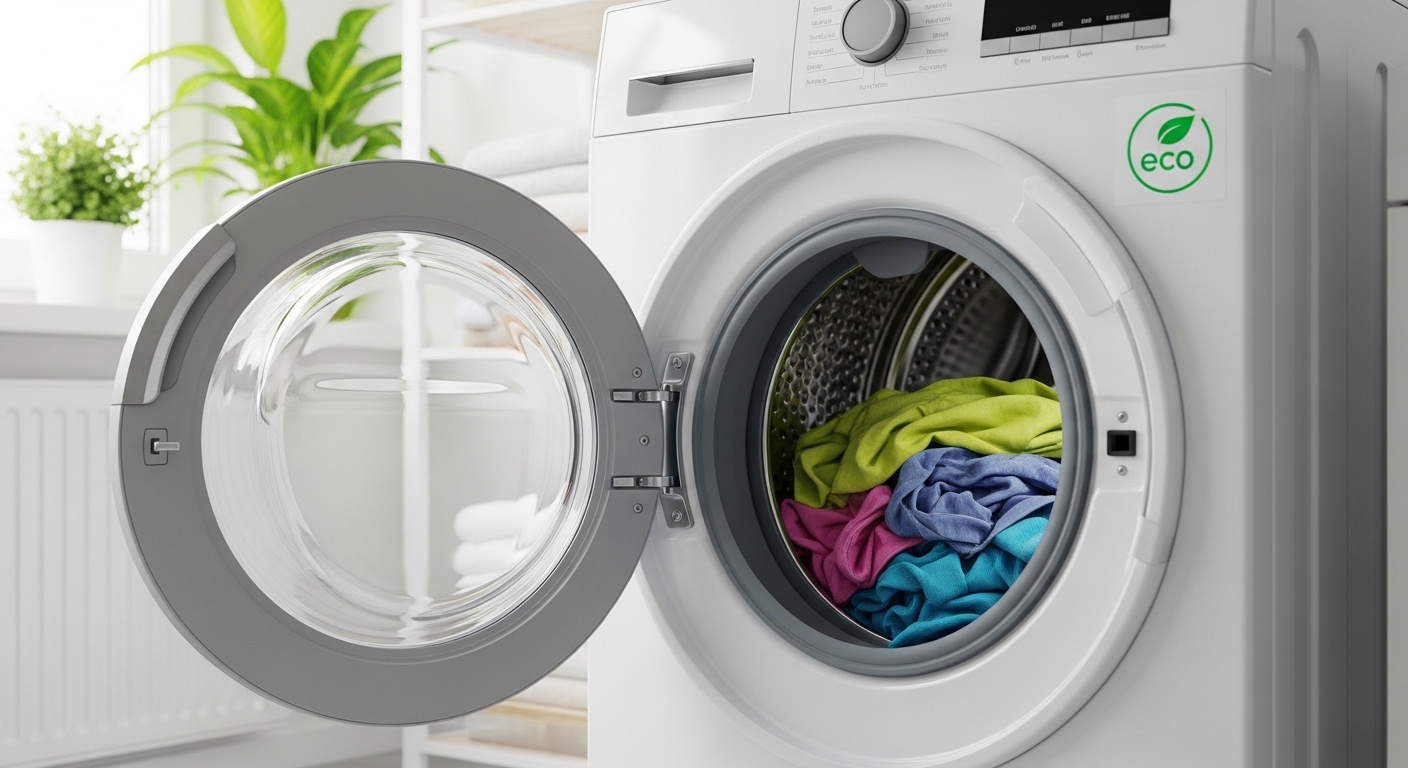
Choosing the best eco-friendly washing machine brands can reduce your household’s environmental footprint by thousands of gallons of water and hundreds of kilowatt-hours annually. Laundry appliances account for approximately 14% of home energy bills, making them one of the most impactful appliances to upgrade with sustainability in mind. After analyzing sustainability reports, third-party certifications, and real-world reliability data, I have identified the washing machine manufacturers that genuinely prioritize environmental responsibility over greenwashing marketing.
Not all brands marketed as eco-friendly deliver on their promises. Some manufacturers slap green labels on standard machines while continuing practices that harm the environment. Others invest in genuine innovations like heat pump technology, recycled materials, and ethical supply chains. This guide cuts through the marketing noise to help you identify truly sustainable washing machine brands and avoid common greenwashing traps.
Truly eco-friendly washing machine brands excel across four key areas: energy efficiency, water conservation, sustainable manufacturing, and product longevity. Energy Star certification serves as the baseline standard, but the best brands go significantly beyond minimum requirements with A-rated efficiency across most of their product lines.
Energy Star certified washers use about 20% less energy and 30% less water than standard models. The most efficient models earn the Energy Star Most Efficient designation, representing the top tier of certified products. Look for the Modified Energy Factor (MEF) rating, which measures energy efficiency per cubic foot of capacity. Higher MEF numbers indicate better efficiency, with the best eco-friendly models scoring above 3.0.
The CEE Tier rating system provides additional clarity. Tier 1 represents basic Energy Star compliance, while Tier 3 and 4 models offer exceptional efficiency. Several brands now offer lines where over 75% of models achieve A-rated efficiency, including Samsung, Blomberg, Hisense, Siemens, and Whirlpool according to Ethical Consumer’s 2026 analysis.
Water efficiency matters as much as energy efficiency, especially in drought-prone regions. The Water Factor (WF) rating measures gallons of water used per cubic foot of capacity. Standard washers typically have WF ratings between 6.0 and 9.0, while high-efficiency models achieve 3.0 or lower. The best eco-friendly washing machines use sensor technology to automatically adjust water levels based on load size, preventing waste from partial loads.
Environmental impact extends beyond the use phase. Eco-conscious brands incorporate recycled plastics in drum construction, use conflict-free minerals in electronics, and manufacture using renewable energy. Miele and Bosch lead in this area with published sustainability reports detailing carbon-neutral manufacturing goals and circular economy initiatives. Some brands now offer washing machines with recycled ocean plastic components, directly addressing marine pollution.
The most sustainable washing machine is the one you do not need to replace. Brands that design for repairability with readily available parts and clear service documentation earn higher eco-credentials. Miele advertises 20-year lifespans for their machines, while most conventional brands design for 7-10 year replacement cycles. Right-to-repair policies and comprehensive warranty coverage indicate brand confidence in product durability.
Based on third-party ratings, sustainability commitments, and reliability data, these washing machine brands stand out for genuine environmental responsibility. Each profile includes specific eco-credentials, notable innovations, and reliability information to inform your decision.
Samsung leads the industry with over 75% of their washing machine models achieving A-rated energy efficiency, according to Ethical Consumer’s comprehensive brand analysis. Their Bespoke AI washers feature a Less Microfiber cycle that reduces microplastic pollution by up to 54%, addressing one of laundry’s hidden environmental impacts. Samsung has committed to using recycled materials in all home appliances by 2030 and currently incorporates recycled ocean-bound plastics in select models.
Their AI-powered washing technology automatically detects load size, fabric type, and soil level to optimize water and energy use for each cycle. Smart sensors prevent over-washing, extending garment life while reducing resource consumption. Samsung washers consistently earn Energy Star Most Efficient designation across multiple model lines, with some units consuming as little as 85 kWh annually.
Reliability data from Consumer Reports member surveys places Samsung in the top tier for brand dependability, with lower service rates than many competitors. Their 10-year warranty on direct drive motors demonstrates confidence in long-term durability. Samsung also provides detailed sustainability reports verified by third-party auditors, adding transparency to their environmental claims.
LG has manufactured Energy Star certified washers for over two decades, earning consistent recognition for efficiency innovations. Their TurboWash 360 technology uses five jets to clean loads thoroughly in under 30 minutes while maintaining water and energy efficiency. This addresses a common complaint about eco-friendly cycles, that they take too long for busy households.
The company’s commitment to sustainability includes carbon-neutral manufacturing goals and extensive use of recycled steel and plastic in appliance construction. LG washers feature advanced load sensing that adjusts water levels precisely, preventing the waste common in machines that use preset water volumes regardless of load size.
Consumer Reports reliability data ranks LG among the most dependable washing machine brands with fewer repair needs than industry averages. Their inverter direct drive motors carry 10-year warranties, and the company maintains extensive parts availability for repairs. LG also participates in appliance recycling programs that properly dispose of old machines and recover reusable materials.
Miele stands apart for designing washing machines with 20-year service lifespans, significantly reducing replacement frequency and embodied environmental impact. Their German manufacturing facilities run on renewable energy, and the company publishes detailed lifecycle assessments for major appliances. While Miele machines carry premium price tags, their total cost of ownership often proves lower than budget brands requiring earlier replacement.
The brand’s patented honeycomb drum design protects fabrics while enabling efficient cleaning at lower temperatures. This extends clothing life while reducing energy consumption, addressing both direct and indirect environmental impacts of laundry. Miele’s automatic load recognition uses sensors to determine precise water and detergent needs for each load.
Miele consistently scores among the highest-rated brands in Ethical Consumer’s sustainability rankings, with strong performance on energy efficiency, supply chain ethics, and environmental reporting. Their commitment to repairability includes comprehensive service documentation and long-term parts availability. For consumers prioritizing longevity and genuine sustainability over upfront cost, Miele represents the gold standard.
Bosch manufactures some of the most water-efficient washing machines available, with several models using under 13 gallons per load compared to 20+ gallons for conventional machines. Their EcoSilence drive reduces energy consumption while operating at lower noise levels than traditional motors. Bosch has committed to carbon-neutral operations across their manufacturing footprint and extensively uses recycled materials in appliance construction.
The brand’s SpeedPerfect option reduces cycle times by up to 65% without sacrificing cleaning performance or efficiency. ActiveWater technology uses multiple sensors to determine exact water needs, preventing the overuse common in less sophisticated machines. Bosch washers consistently earn Energy Star Most Efficient designation and high ratings from European energy efficiency programs.
Reliability data positions Bosch as a top-tier brand with lower-than-average repair rates. Their 10-year motor warranties and comprehensive parts availability support long service lives. Bosch also scores well on ethical manufacturing assessments, with strong policies on conflict minerals and worker rights throughout their supply chain.
Electrolux emphasizes sustainable materials and manufacturing transparency in their washing machine lines. The company publishes annual sustainability reports tracking progress toward carbon-neutral manufacturing and circular economy goals. Several Electrolux models incorporate recycled plastics and feature designs optimized for recycling at end-of-life.
Their LuxCare wash system uses intelligent temperature controls and precise water management to clean effectively while minimizing resource use. Electrolux also offers steam cleaning options that reduce the need for high-temperature washes, saving energy while sanitizing effectively. The brand’s Perfect Steam technology releases steam from the bottom of the drum to lift stains without pre-treatment chemicals.
Consumer Reports testing consistently rates Electrolux washers highly for cleaning performance and energy efficiency. The brand maintains reasonable parts availability and offers competitive warranty coverage. While not as prominently recognized for sustainability as Miele or Samsung, Electrolux delivers solid eco-credentials at mid-range price points accessible to more households.
Whirlpool matches Samsung and other leaders with over 75% of their washing machine models achieving A-rated energy efficiency. The company has invested heavily in load sensing technology across their product lines, ensuring even budget-friendly models use water efficiently. Whirlpool’s EcoBoost option lowers water temperatures and extends cycle times to save energy while maintaining cleaning performance.
The brand emphasizes American manufacturing with facilities powered increasingly by renewable energy. Whirlpool participates in extensive appliance recycling programs and designs machines for disassembly and material recovery. Their sustainability reporting includes detailed metrics on manufacturing waste reduction and water stewardship.
Reliability surveys position Whirlpool as a consistently dependable brand with extensive service networks ensuring repair access. Parts availability remains strong for older models, supporting the extended service lives that maximize environmental value. For budget-conscious consumers seeking proven eco-friendly performance, Whirlpool offers accessible entry points into efficient washing technology.
GE has significantly expanded their Energy Star certified washing machine offerings, with multiple models earning Most Efficient designation. Their UltraFresh Vent system prevents mold and odor buildup without energy-intensive hot water cleaning cycles, maintaining hygiene efficiently. GE’s SmartDispense technology automatically releases the precise detergent amount needed, preventing waste from over-dosing.
The brand has committed to sustainable manufacturing with renewable energy goals and waste reduction programs. GE appliances incorporate recycled materials where possible and participate in take-back programs for end-of-life recycling. Their Microban antimicrobial technology extends product life by preventing deterioration from mold and bacteria.
Consumer Reports data shows GE washers perform reliably with improving efficiency metrics across recent model years. The brand offers competitive warranties and maintains reasonable parts availability. GE represents a solid choice for consumers seeking recognized eco-friendly performance from an established American manufacturer.
Beko distinguishes itself by manufacturing washing machines containing recycled materials, including drums made from recycled plastic bottles and components incorporating industrial waste streams. The Turkish brand has earned recognition in European sustainability rankings for these material innovations. Their RecycledTub technology transforms waste plastic into durable washing machine drums without sacrificing performance.
The company’s AquaTech feature replaces vigorous drum movements with gentle water action, cleaning effectively while reducing fabric wear and energy consumption. Beko washing machines consistently achieve high energy efficiency ratings in EU testing programs and are expanding their Energy Star certified offerings in North American markets.
While less established in some markets than Samsung or LG, Beko offers competitive reliability and growing service networks. Their focus on recycled materials addresses the embodied environmental impact often overlooked in appliance sustainability discussions. For consumers prioritizing circular economy principles, Beko provides distinctive material credentials.
Comparing eco-friendly washing machine brands across key sustainability metrics helps identify the best fit for your priorities. Miele leads the industry with over 90% of models achieving A-rated energy efficiency, while Samsung and Bosch follow closely with 75% and 80% respectively. For water conservation, Samsung and Bosch achieve the lowest usage at 8-12 gallons per cycle compared to the industry average of 19-20 gallons.
All the brands profiled offer 10-year motor warranties, indicating confidence in long-term durability. Samsung distinguishes itself with the innovative Less Microfiber cycle that reduces plastic pollution by up to 54%. Miele’s standout feature is the 20-year design lifespan, significantly reducing replacement frequency. Bosch leads in water management with ActiveWater technology that precisely measures exact needs for each load.
For consumers prioritizing recycled materials, Beko offers RecycledTub technology incorporating ocean-bound plastics. LG’s TurboWash 360 delivers efficiency without the long cycle times common to eco-friendly modes. Whirlpool provides accessible entry points with over 75% A-rated models at competitive price points. Electrolux balances solid eco-credentials with mid-range affordability, while GE brings SmartDispense automation to prevent detergent waste.
Greenwashing in appliance marketing has become increasingly sophisticated, making it harder for consumers to identify genuine eco-friendly washing machine brands. Understanding common greenwashing tactics helps you verify manufacturer claims and choose truly sustainable options.
Watch for terms like eco-friendly, green, or natural without specific certifications backing the claims. Legitimate environmental performance requires third-party verification through Energy Star, EU Energy Label ratings, or ISO environmental management certifications. Brands making sustainability claims should provide detailed sustainability reports accessible on their websites, not just marketing slogans.
Be suspicious of percentage claims without context. A washing machine using 30% less water than a 30-year-old inefficient model represents minimal improvement, while 30% less than current Energy Star standards indicates genuine innovation. Ask what baseline comparisons manufacturers use when claiming efficiency improvements.
Some brands highlight single eco-features while ignoring broader environmental impacts. A washing machine with recycled plastic components manufactured in a coal-powered facility with poor labor practices cannot claim genuine sustainability. Look for comprehensive sustainability reporting covering manufacturing energy, supply chain ethics, and end-of-life recycling programs alongside product efficiency metrics.
Energy efficiency features sometimes create other environmental problems. Extended eco-wash cycles save water and energy but increase fabric wear, shortening clothing lifespans and increasing textile waste. Truly eco-friendly designs balance resource conservation with fabric care, as seen in Miele’s honeycomb drum and Beko’s AquaTech systems.
Carbon neutral manufacturing claims require scrutiny. Some brands achieve neutrality through carbon offset purchases rather than actual emissions reductions, a practice environmentalists criticize as greenwashing. Look for Science Based Targets initiative (SBTi) commitments, which require genuine emissions reductions aligned with climate science rather than offset-dependent neutrality.
Samsung, LG, and Miele have published SBTi-approved targets, demonstrating credible carbon reduction commitments. Brands relying solely on carbon offsets without emissions reduction plans should raise red flags. Check whether manufacturers report absolute emissions reductions rather than just intensity improvements that can mask overall emission increases from production growth.
Be wary of brands introducing new models annually with minor feature changes that encourage premature replacement. Genuine sustainability requires designing for longevity with durable components and long-term parts availability. Research typical service lives and warranty terms, brands confident in product durability offer longer coverage periods.
Check whether manufacturers support right-to-repair legislation or actively oppose it. Brands fighting repair access restrictions typically design for shorter lifespans, undermining sustainability claims regardless of efficiency ratings. Miele’s 20-year design lifespan and comprehensive parts availability exemplify genuine commitment to product longevity over replacement revenue.
Selecting the best eco-friendly washing machine brand requires balancing sustainability credentials with your household’s specific needs and constraints. This decision framework helps prioritize factors that matter most for your situation.
Over-sized washing machines waste water and energy on partial loads, undermining efficiency benefits. Large families washing daily loads benefit from 4.5+ cubic foot capacities, while smaller households often do better with compact 2.3-2.5 cubic foot machines that prevent partial load waste. Consider your typical laundry volume rather than occasional large loads when selecting capacity.
For households with mixed load sizes, brands with excellent load sensing technology like Bosch and Samsung optimize efficiency across various load volumes. Smaller households should also consider whether compact front-loaders or space-efficient full-size models better fit their usage patterns and available space.
Front-loading washing machines consistently outperform top-loaders in water and energy efficiency. They use tumbling action requiring less water than top-loaders that must fill partially to suspend clothes. Energy Star certified front-loaders typically use 45% less energy and 50% less water than conventional top-load agitator machines.
High-efficiency top-loaders without central agitators narrow this gap while offering easier loading for users with mobility limitations. For maximum eco-credentials, front-loaders remain superior, but HE top-loaders from brands like LG and Samsung provide reasonable efficiency with greater accessibility. Avoid traditional agitator top-loaders unless absolutely necessary for specific needs.
Purchase price represents only a fraction of washing machine costs over a typical 10-15 year lifespan. Energy and water costs often exceed the initial purchase price, making efficiency ratings financially significant. Calculate estimated annual operating costs using your local utility rates and claimed efficiency metrics before making decisions based solely on sticker price.
Miele machines cost significantly more upfront but often prove cheaper over their 20-year lifespans due to durability and efficiency. Budget brands requiring earlier replacement generate higher total costs and environmental impact from manufacturing replacement machines. Factor in potential utility rebates for Energy Star Most Efficient models, which can offset premium pricing.
Your washing machine operates within a broader laundry system. Pairing efficient machines with eco-friendly laundry detergents multiplies environmental benefits by reducing chemical pollution. Using zero waste laundry products further reduces packaging waste associated with conventional detergents.
Regular maintenance extends machine life and maintains efficiency. Learn about cleaning your washing machine naturally to prevent buildup that reduces efficiency without harsh chemicals. These practices complement your eco-friendly appliance investment with sustainable usage habits.
The best eco washing machine depends on your priorities, but Miele consistently ranks highest for overall sustainability due to 20-year design lifespans and exceptional efficiency. For microfiber pollution reduction, Samsung Bespoke AI washers with Less Microfiber cycles lead the market. Budget-conscious consumers often find the best balance of efficiency and value in Samsung or LG Energy Star Most Efficient models.
Consumer Reports reliability data identifies Miele, Bosch, and LG as washing machine brands with the lowest repair rates and fewest reported problems. Miele’s extended design lifespans and comprehensive quality control result in exceptional dependability, though at premium prices. For mid-range options, LG and Samsung offer strong reliability with extensive service networks ensuring accessible repairs when needed.
Washing clothes at night can reduce costs if your utility offers time-of-use pricing with lower off-peak rates. However, many utilities charge flat rates regardless of time, making night washing cost-neutral. Some eco-friendly washing machines include delay start features enabling off-peak scheduling when time-of-use pricing applies. Check your utility rate structure to determine whether timing adjustments offer actual savings.
Miele produces the most energy-efficient washing machines with over 90% of models achieving A-rated efficiency and industry-leading kWh consumption per cycle. Samsung and Bosch follow closely with extensive Energy Star Most Efficient model lineups and innovative water-saving technologies. For pure efficiency metrics, European energy label ratings show Miele, Blomberg, and Bosch leading the industry.
Energy Star washing machines typically save $35-50 annually on utility bills compared to standard models, recovering any price premium within 3-5 years. The environmental benefits add significant value beyond cost savings, with certified machines using 20% less energy and 30% less water. Given 10-15 year typical lifespans, Energy Star certification almost always delivers positive returns on investment.
Eco-friendly washing machines save approximately 6-10 gallons per load compared to conventional models, totaling 3,000-5,000 gallons annually for average households. High-efficiency front-loaders using 8-13 gallons per cycle contrast sharply with traditional agitator machines consuming 19-20 gallons. These water savings prove especially valuable in drought-prone regions or areas with high water costs.
Quality eco-friendly washing machines should last 10-15 years with proper maintenance, with premium brands like Miele designed for 20-year service lives. Longevity depends on build quality, usage patterns, and maintenance adherence. Choosing brands with 10-year motor warranties and strong parts availability supports extended service lives that maximize both environmental and economic value.
Choosing the best eco-friendly washing machine brands requires looking beyond marketing claims to verify genuine sustainability commitments. Energy Star certification serves as a baseline, but truly eco-conscious brands demonstrate environmental responsibility through sustainable manufacturing, ethical supply chains, and products designed for longevity. Samsung, LG, Miele, and Bosch lead the industry with verified efficiency innovations and transparent sustainability reporting.
Your choice of washing machine brand impacts environmental footprints for over a decade through both direct resource consumption and embodied emissions from manufacturing. By selecting manufacturers committed to repairability, efficiency, and genuine emissions reductions rather than greenwashing, you support the transition toward sustainable appliance industries. Combine your efficient machine with other eco-friendly home practices for maximum household sustainability impact.
