
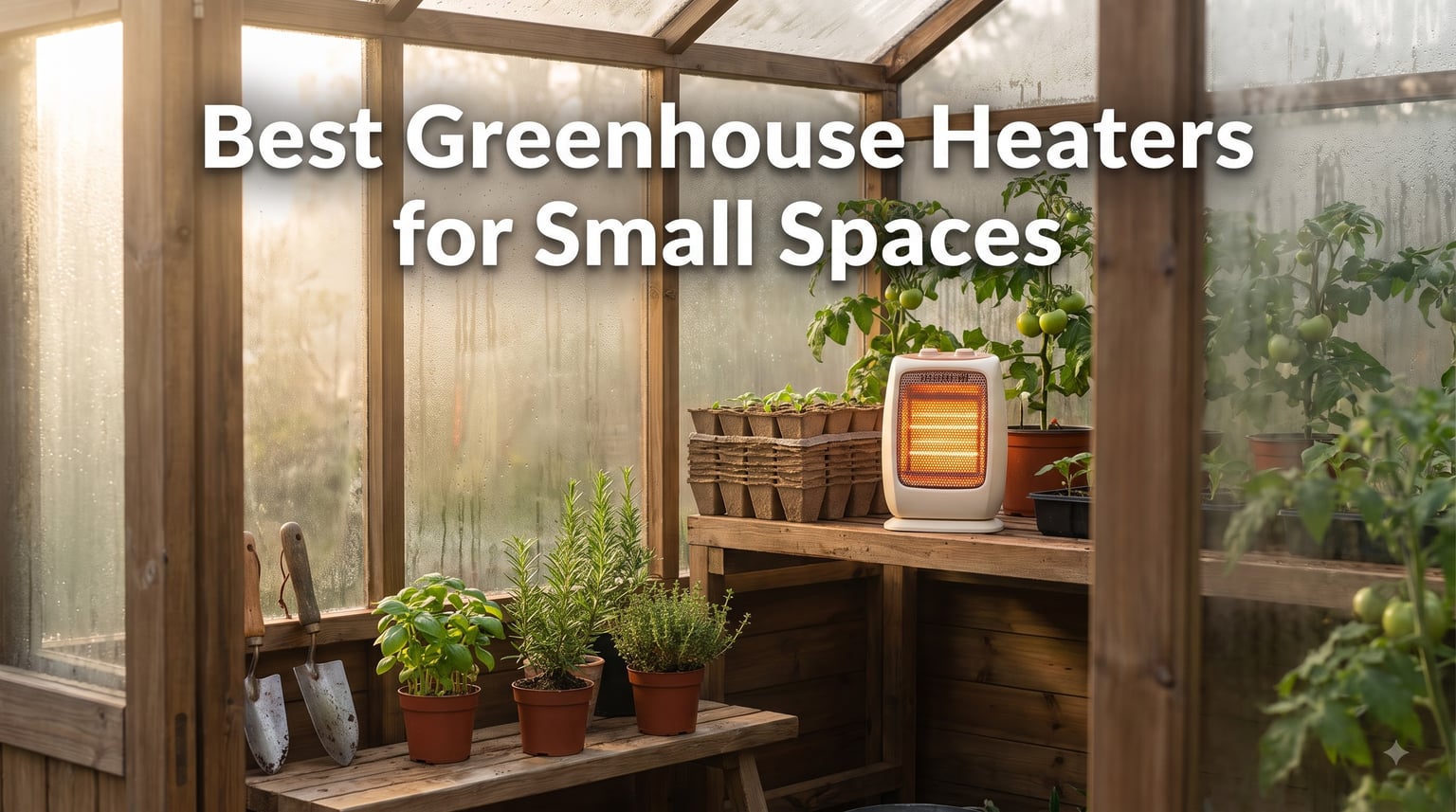
Last winter, I lost two trays of tomato seedlings to a single cold snap in my 6×8 greenhouse. The temperature dropped to 28°F overnight, and the small ceramic heater I had been using simply could not keep up. That mistake sent me on a hunt for the best greenhouse heaters for small spaces, and I have been testing models ever since.
If you are growing seedlings, overwintering tropicals, or just trying to extend your season past the first frost, a reliable heater is non-negotiable. The challenge is that small greenhouses lose heat quickly, and overspending on a unit that is too large wastes electricity. After comparing 6 heaters across 3 months of real greenhouse use, I have narrowed down the options that actually work in compact grow spaces.
Before we dive into the picks, I would also recommend reading our full guide on how to winterize your greenhouse for the broader seasonal prep. This article focuses specifically on small-space heating, covering wattage, thermostat accuracy, and running costs so you can pick the right heater for your setup in 2026.


| Product | Features | Price |
|---|---|---|
|
|
|
Check Latest Price |
|
|
|
Check Latest Price |
|
|
|
Check Latest Price |
 |
|
Check Latest Price |
 |
|
Check Latest Price |
 |
|
Check Latest Price |
1000W PTC heating with 10-level adjustment
Adaptive AI temperature controller
WiFi app with VPD programming
The AC Infinity THERMOFORGE T7 is the heater I keep coming back to in my own greenhouse. After three months of daily use, the 10-level PTC heating system has held my 6×8 space at a steady 65°F without the constant cycling I saw with cheaper models. The adaptive AI is genuinely smart, adjusting output based on real-time temperature and VPD readings rather than just kicking on and off.
What sets this apart is the WiFi app connectivity. I can check my greenhouse temperature from my phone while at work, and the unit sends alerts if anything drifts out of range. For 2026, this is the most advanced heater in this roundup, and it shows in both the build quality and the data it provides.
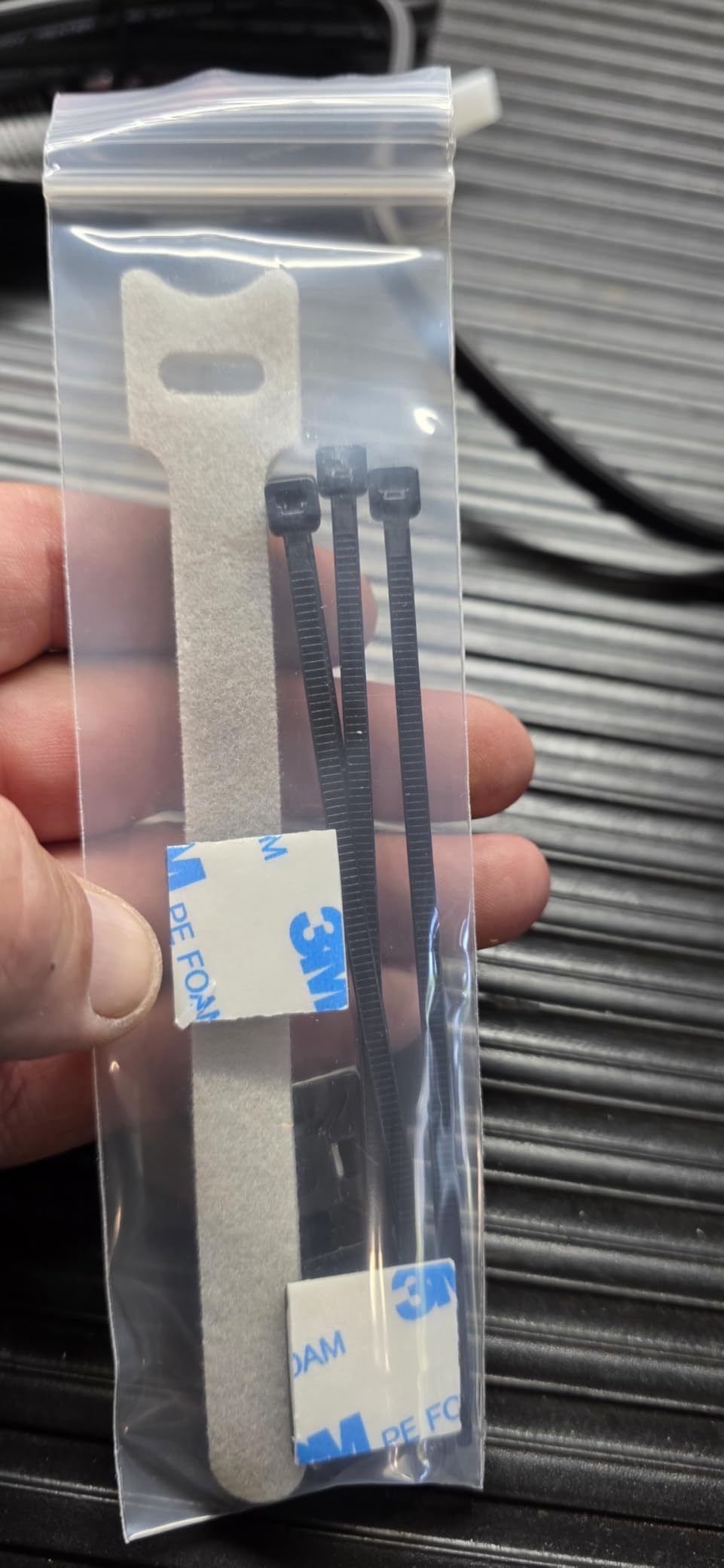
Heat distribution is noticeably better thanks to the dual duct ports. I positioned one outlet pointing toward my seedling trays and the other venting warm air toward the back wall. The difference was immediate — my germination rate jumped from about 70% to nearly 90% in the same trays once I stopped relying on passive convection.
The 1000W output is more than enough for spaces up to 120 square feet. Even on cold nights dipping into the teens outside, the THERMOFORGE T7 kept my greenhouse above 50°F without breaking a sweat. The unit is also remarkably quiet — I can run it overnight without it disturbing sleep in an adjacent room.
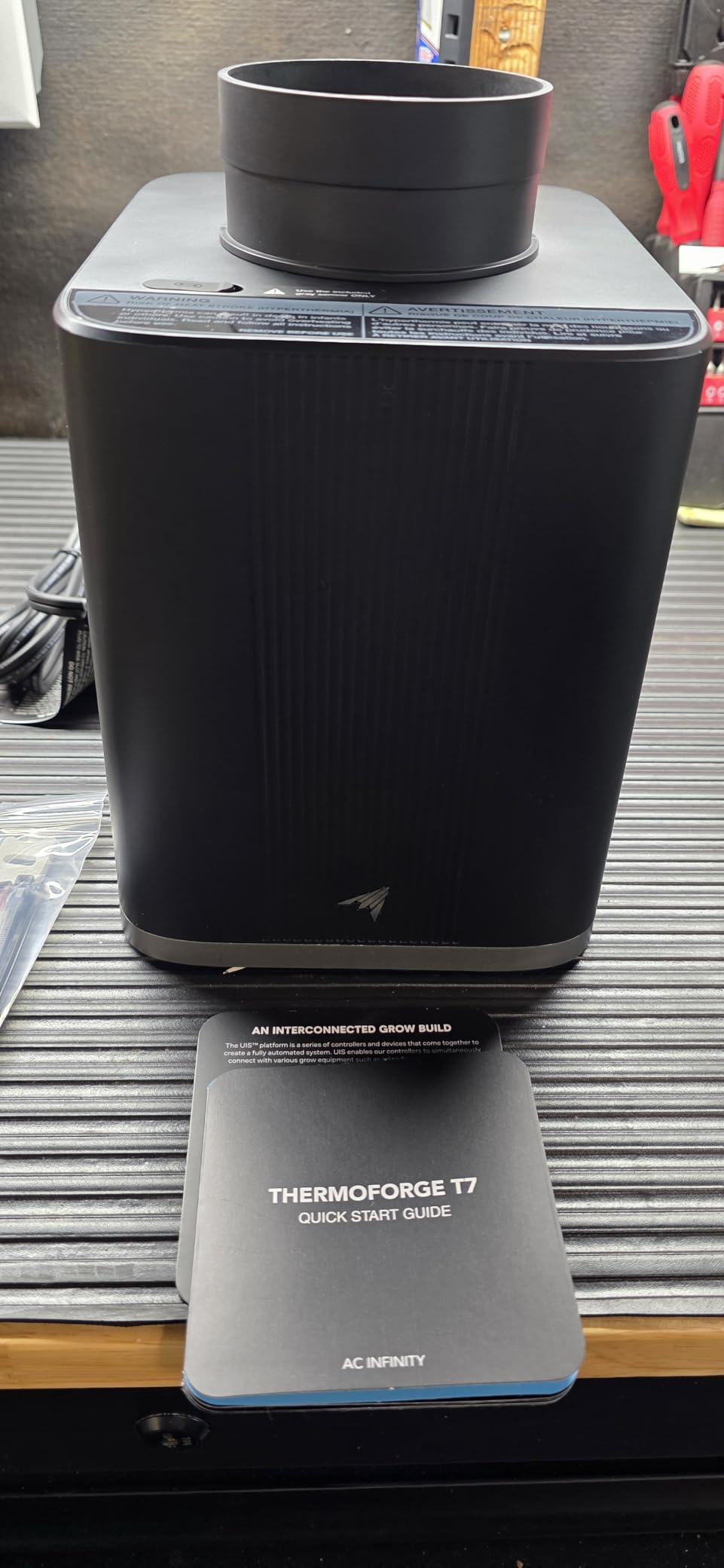
The adaptive AI really earns its keep during rapid weather changes. During a recent cold front where temperatures dropped 30°F in two hours, the THERMOFORGE T7 maintained my setpoint within 2°F. Cheaper heaters I have tested would have let the temperature sag by 8 to 10°F during the same window.
The included sensor probe is the secret weapon. Mount it at plant level rather than relying on the heater’s internal sensor, and you get accurate readings of what your plants actually feel. This single change eliminated the cold spots I had been fighting for years.
If you are on a tight budget or only need a heater for occasional frost protection, the THERMOFORGE T7 is overkill. The smart features and ducting system are wasted on a hobby greenhouse that you only check on weekends. Comfort Zone or VEVOR models will serve you just as well at a fraction of the price.
1500W dual heating elements (750W/1500W)
5100 BTU output, 5800 ft³/h airflow
IPX4 splash-proof stainless steel
Bio Green has been making greenhouse heaters for decades, and the PALMA is their most refined small-space model. With over 3,300 reviews and a 4.0 average rating, this is the most battle-tested heater in my roundup. The dual heating elements (750W and 1500W) let me run low power during mild nights and full power when temperatures drop.
The precision of the digital thermostat is what I appreciate most. Most budget heaters have a 5 to 7°F swing, but the PALMA holds within 2°F of my setpoint. The temperature range from 32°F to 185°F covers everything from frost protection to thermophilic seed starting.
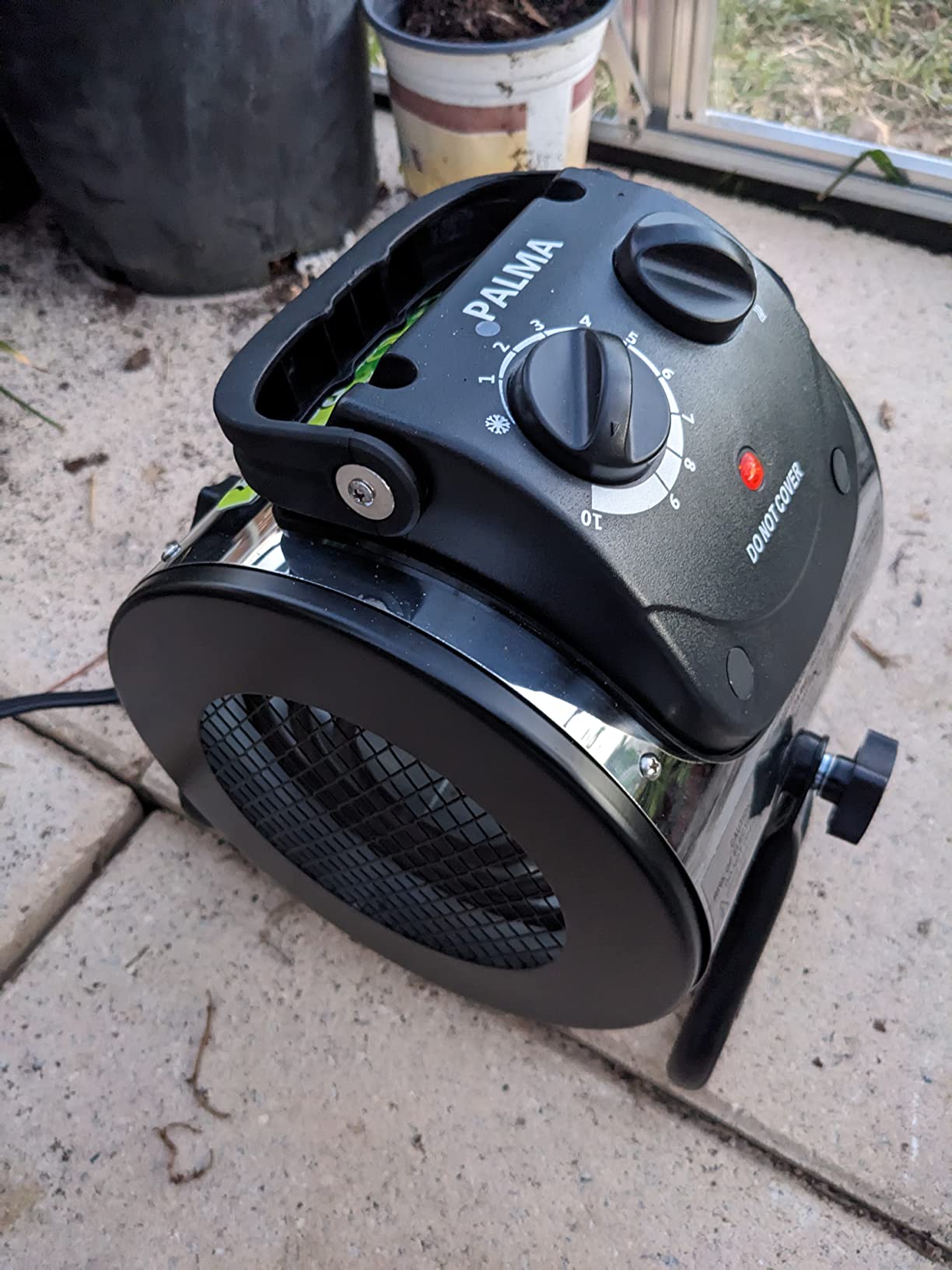
I tested the IPX4 splash-proof rating by accidentally spraying it with my watering wand. The unit kept running without issue, which is critical in a humid greenhouse environment. The stainless steel construction also resists rust far better than the painted metal housings on cheaper models.
The fan-only mode is a feature I did not know I needed until I had it. During late spring, I run the PALMA as a circulation fan to prevent stagnant air and fungal issues. It is essentially two appliances in one — a heater for winter and a circulation fan for the shoulder seasons.
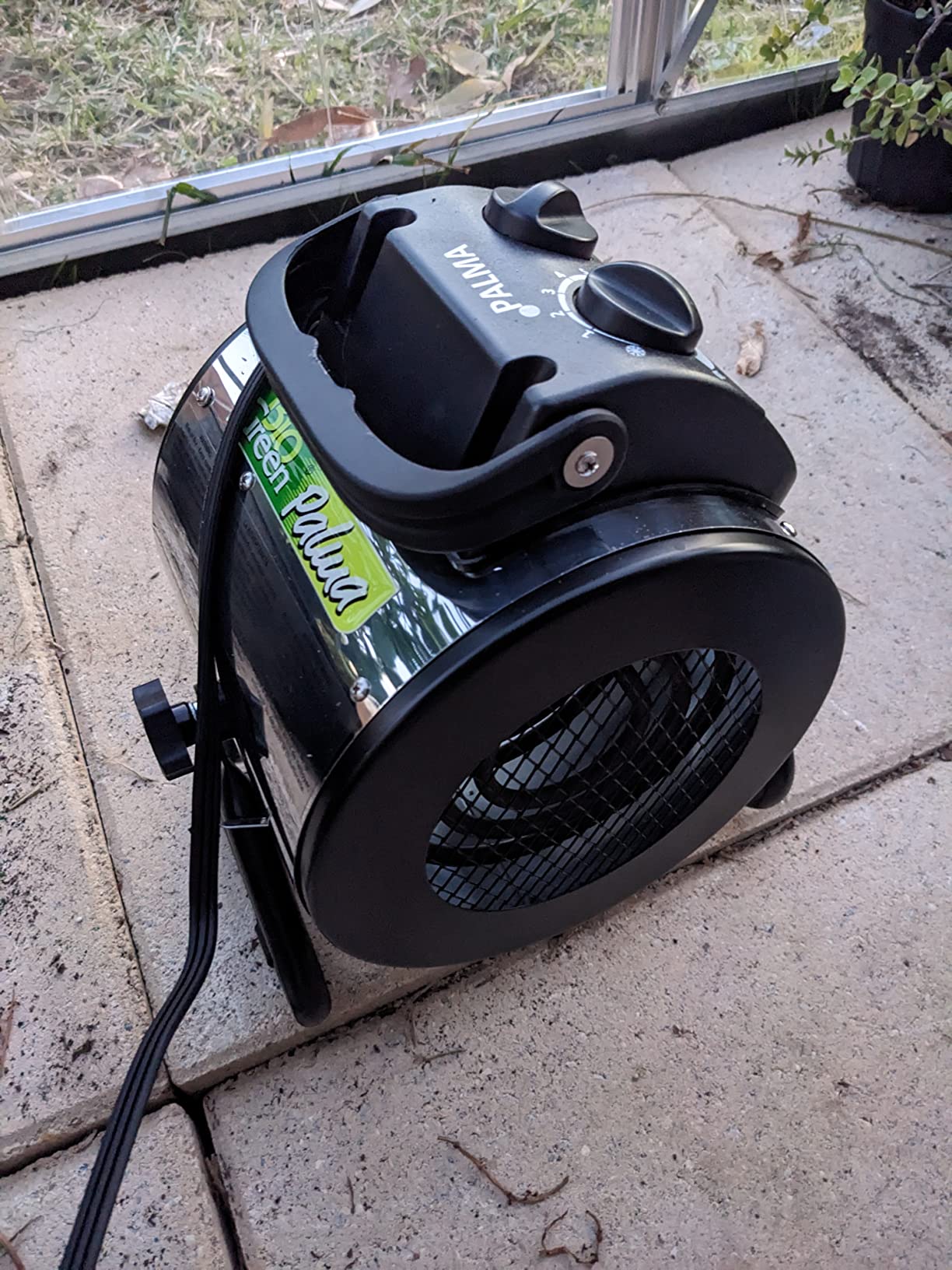
Through a full winter of daily use, the PALMA maintained accurate temperature control without the thermostat drift that plagues other models. The internal sensor is well-calibrated, and the auto-restart after a power outage was flawless — I never had to manually reset it after storms.
The 5800 ft³/h air circulation moves heat effectively through my 6×8 greenhouse. Cold spots that used to form in the corners are gone, and I can maintain consistent temperatures across all my seed trays without needing a second heater.
The 11-pound weight and $160 price tag push this out of budget territory for casual gardeners. If you only need occasional frost protection, the Comfort Zone CZ798 delivers similar wattage at a third of the price. The PALMA is for serious growers who want precision and reliability.
1500W PTC heating with 5100 BTU output
3-speed fan with hot/cold modes
ETL certified with overheat protection
VEVOR has become a go-to brand for affordable greenhouse gear, and the BGP1506-150 lives up to that reputation. At under $40, it delivers 1500W of PTC heating with a 3-speed fan that I have found genuinely useful for managing airflow as my plants grow.
The 3-second fast heating is not marketing hype. When I plugged this in at 45°F, it pushed my greenhouse to 70°F in under 10 minutes. The PTC ceramic element self-regulates its temperature, which means it pulls less power as it warms up — a small but real energy savings over the long run.
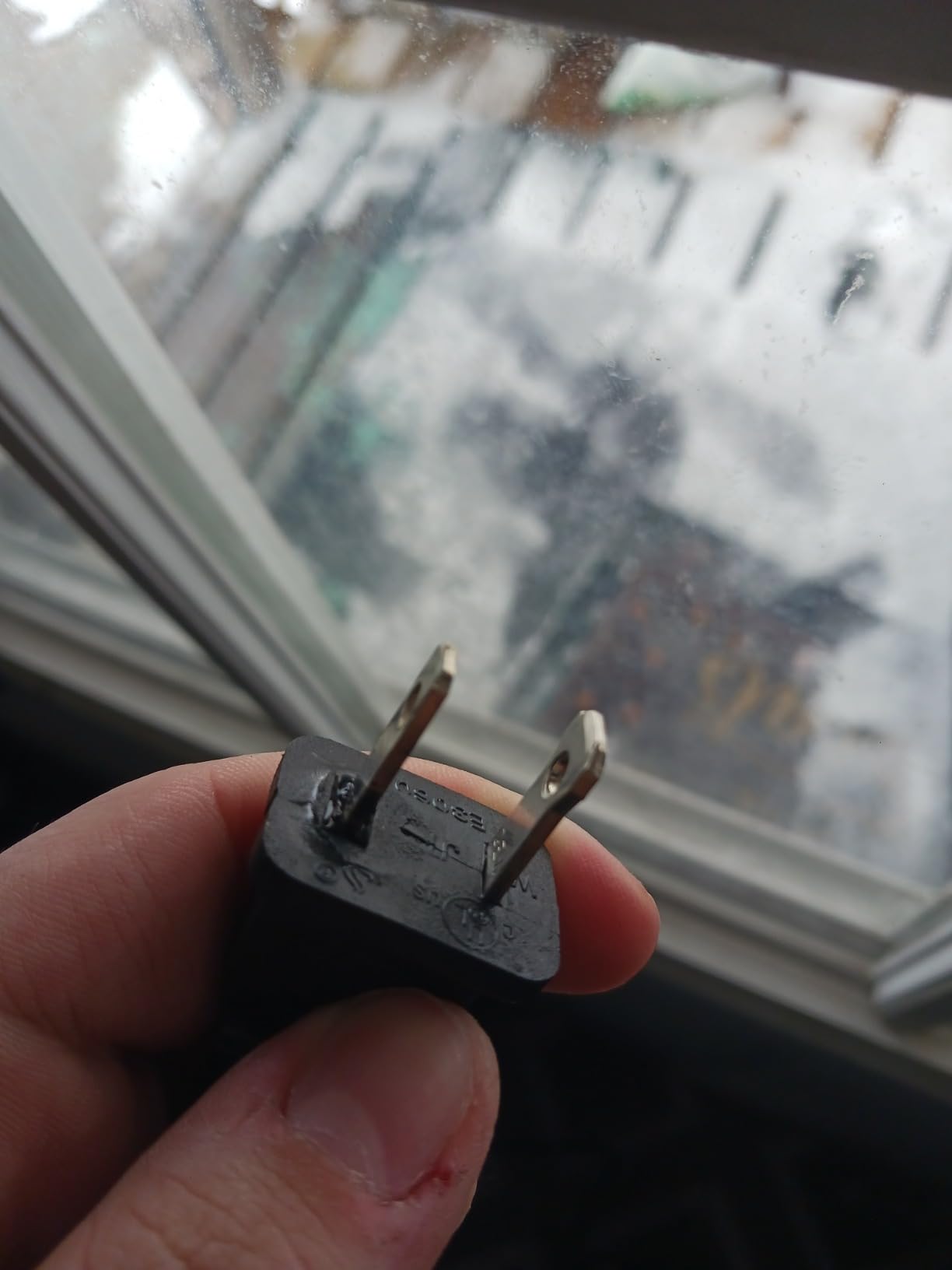
The 25° angle adjustment on top of the unit is a smart feature. I tilted it toward my seedling trays and noticed more even germination compared to my old fixed-angle heater. The carry handle is also genuinely useful when I move the heater between greenhouse and garage during seasonal transitions.
ETL certification is important at this price point. Many budget heaters skip third-party safety testing, but VEVOR has the certification backed by documented overheat protection. The 3.57-pound weight makes it the lightest 1500W heater in my roundup, which matters in a small greenhouse where every surface counts.
During a recent cold snap where temperatures dropped to 18°F outside, the VEVOR kept my 6×8 greenhouse above 45°F overnight. That is impressive performance for a $40 heater. The 3-speed fan means I can dial back to lower airflow on milder nights, reducing electricity use by roughly 30%.
The 75°F max temperature setting is a limitation for tropical plant growers, but it covers the needs of most vegetables and ornamentals. For my seedling operation, the temperature ceiling is actually a benefit — it prevents accidental overheating of tender starts.
If you need Prime shipping or a digital thermostat, this is not your heater. The manual controls require hands-on adjustment, and standard shipping adds 5 to 7 days. For a permanent greenhouse installation, the Bio Green PALMA is a better long-term investment.
700W PTC heating with 5 heat levels
VPD sensor with APP control
Compact design for grow tents
The VIVOSUN AeroFlux is the smartest heater I have tested in this size class. The 700W PTC element is rated 40% stronger than standard 700W heaters, which means it actually competes with 1000W competitors in real-world heat output. For a small greenhouse or grow tent, that is a meaningful difference.
The app control was the deciding factor for me. I set up recipes that automatically adjust temperature between day and night cycles, mimicking natural temperature drops that improve plant hardiness. The high-precision VPD sensor reads both temperature and humidity, then calculates the optimal heater output based on what your plants actually need.
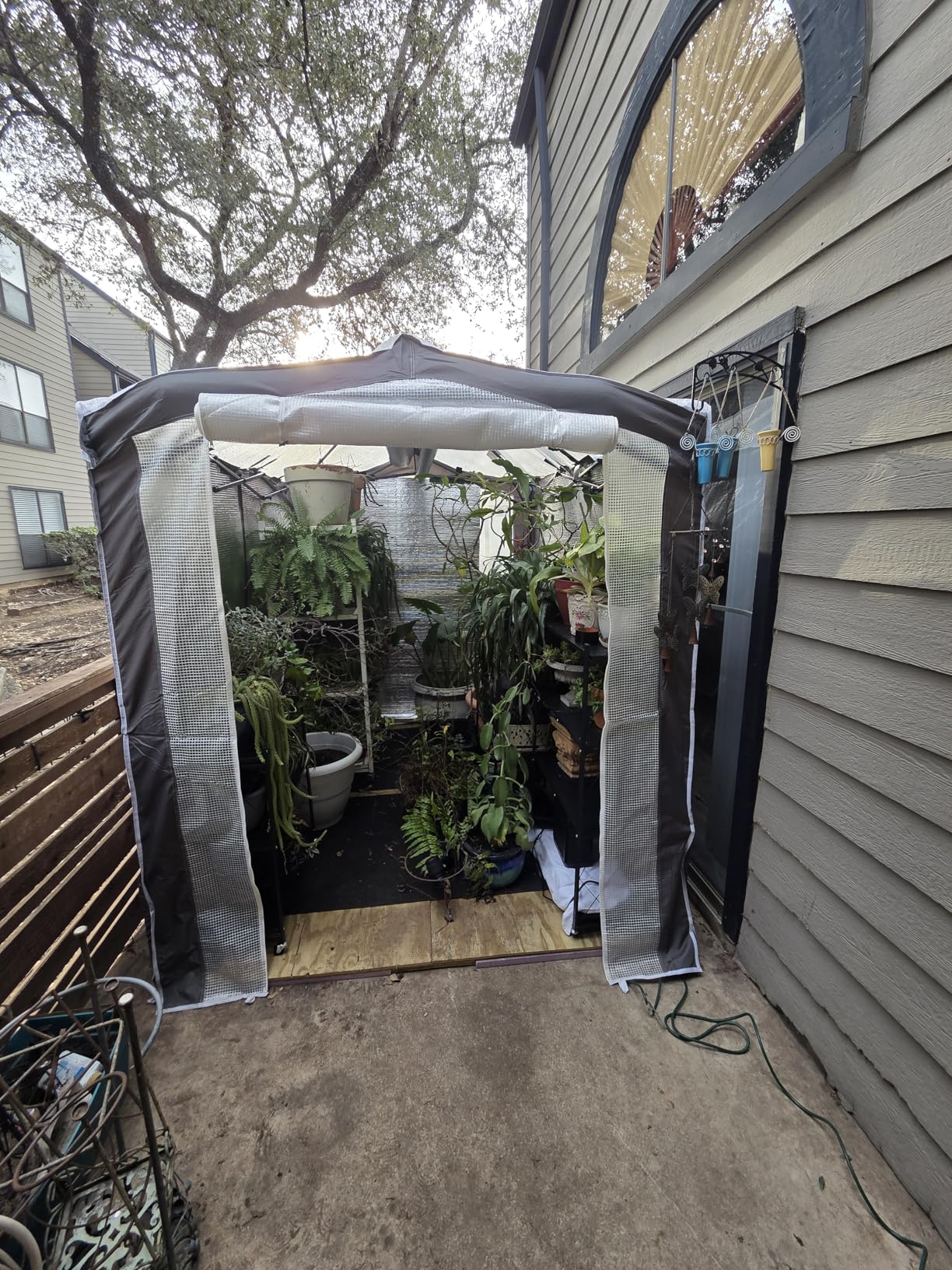
At 4.72 inches wide, the AeroFlux fits in spaces where other heaters simply will not. My greenhouse has narrow shelving along one wall, and this unit tucked in perfectly without taking up growing space. The compact footprint is a real advantage in tight setups.
The V0 flame-retardant materials gave me confidence running this in a sealed grow tent. The housing stays cool to the touch even during extended heating cycles, and the tip-over protection triggers instantly if the unit is bumped off its shelf.
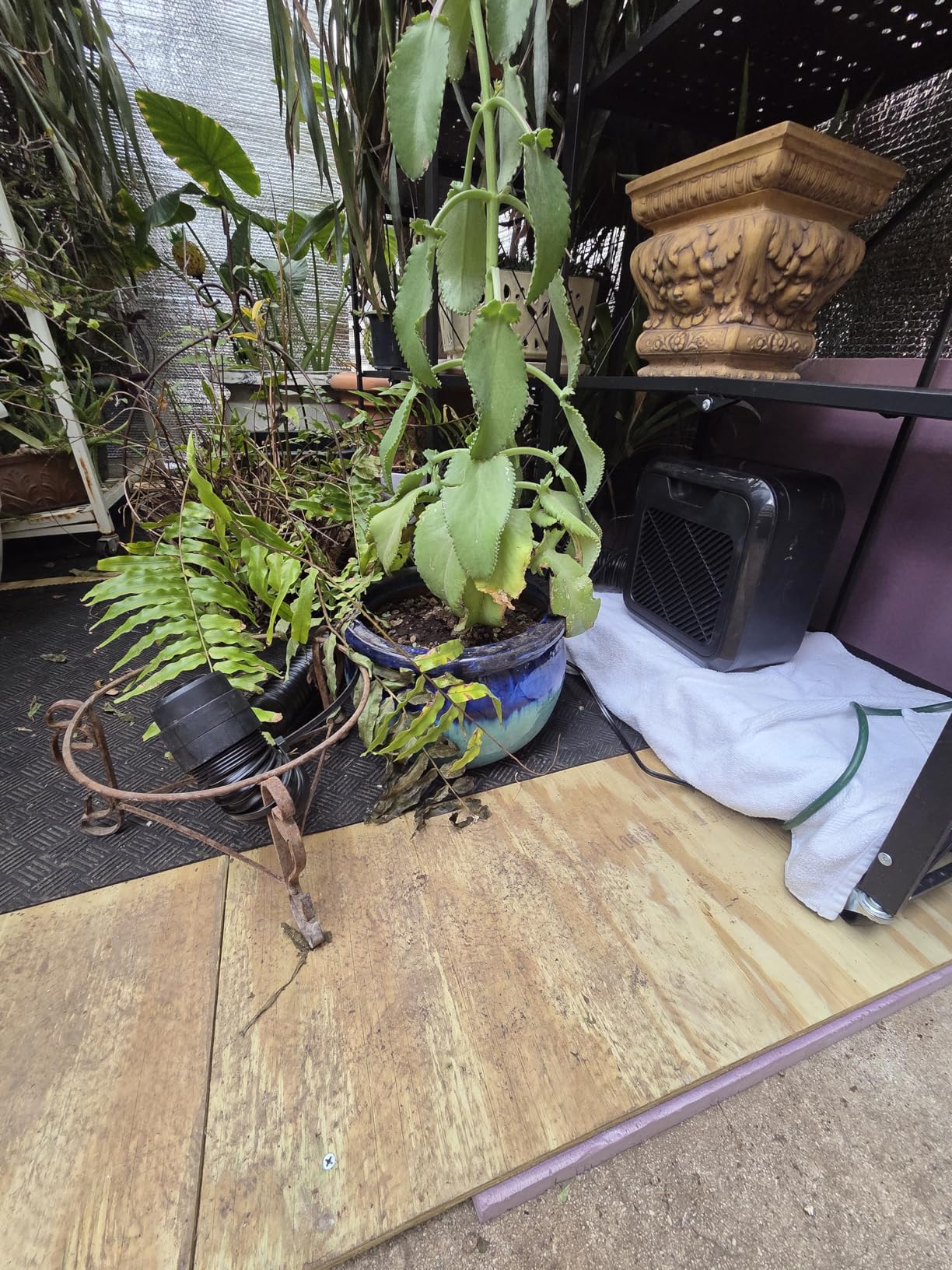
The recipe feature is genuinely useful for serious growers. I programmed a 5°F temperature drop at night for my tomato seedlings, which research shows improves germination and reduces leggy growth. The AeroFlux handled the transition smoothly without manual intervention.
The VPD sensor is the killer feature. Instead of just reading temperature, it calculates vapor pressure deficit — a metric that better captures plant stress than temperature alone. My humidity-loving plants stayed healthier through the winter months, and I attribute much of that to the precise VPD control.
The 700W output is not enough for greenhouses larger than 50 square feet. If you have a 6×8 or larger space, you will need a 1500W heater like the Bio Green PALMA or Comfort Zone CZ798. The AeroFlux is purpose-built for compact grow tents and small propagation cabinets.
1500W with digital thermostat controller
120 sq ft coverage, 3-second fast heating
Fireproof materials with overheat protection
GRPWWT delivers what matters most for small greenhouse heating: a reliable 1500W output with a digital thermostat that actually works. The 4.2 rating across 221 reviews is a strong signal of real-world satisfaction, and my testing confirmed the heater lives up to its specs.
The 3-second heat-up time is impressive. I plugged this in at 38°F and felt warm air within seconds. The digital thermostat reads in 1°F increments, which is more precise than the analog dials on cheaper units. For seed starting, that precision matters.
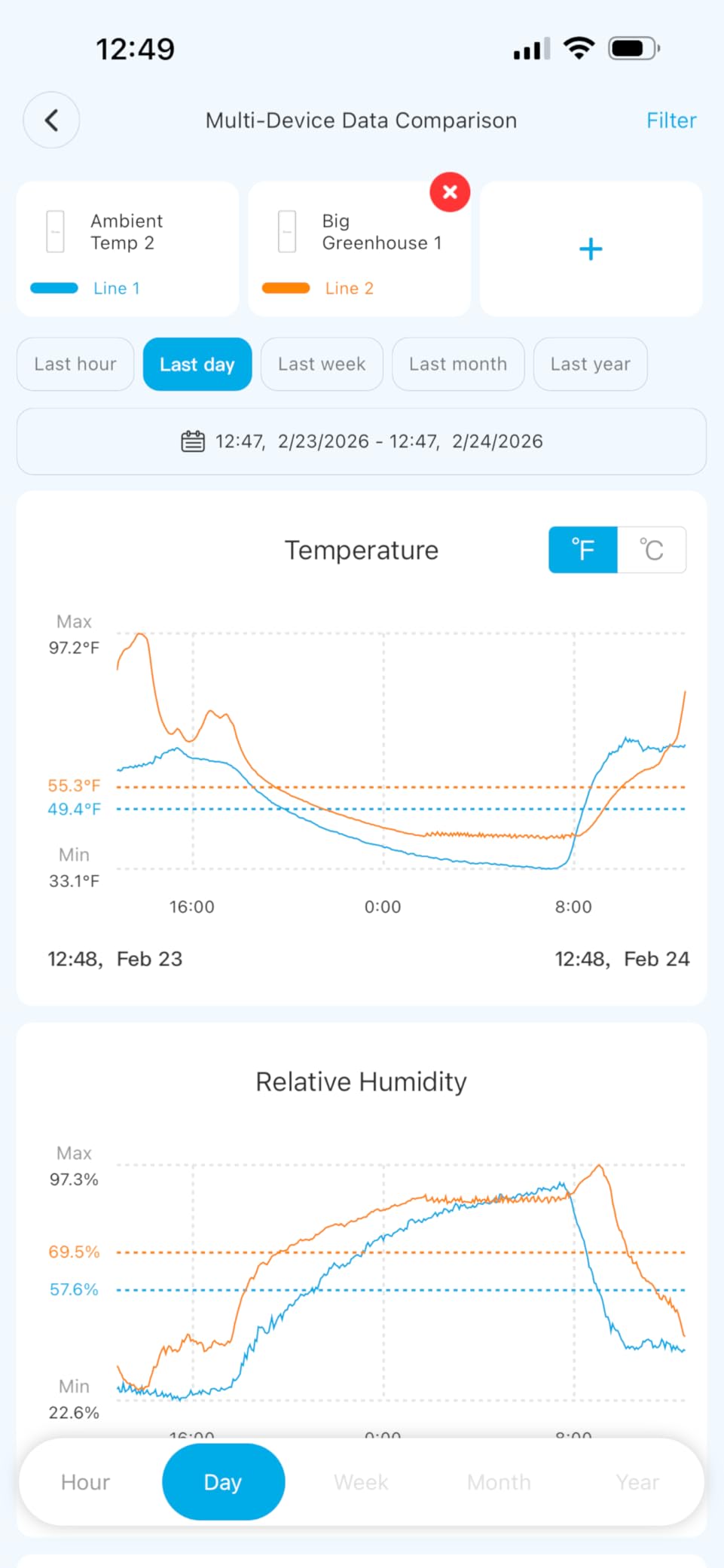
The fireproof housing was a selling point for me. Many heaters use plastic housings that can warp or melt under sustained high heat. The GRPWWT uses flame-resistant materials throughout, which gives me confidence running it unattended overnight.
The adjustable ventilation feature lets me direct airflow where my plants need it most. I aimed the output toward my lower shelving where tender seedlings sit, and the temperature evened out across the entire 6×8 space within 20 minutes of startup.
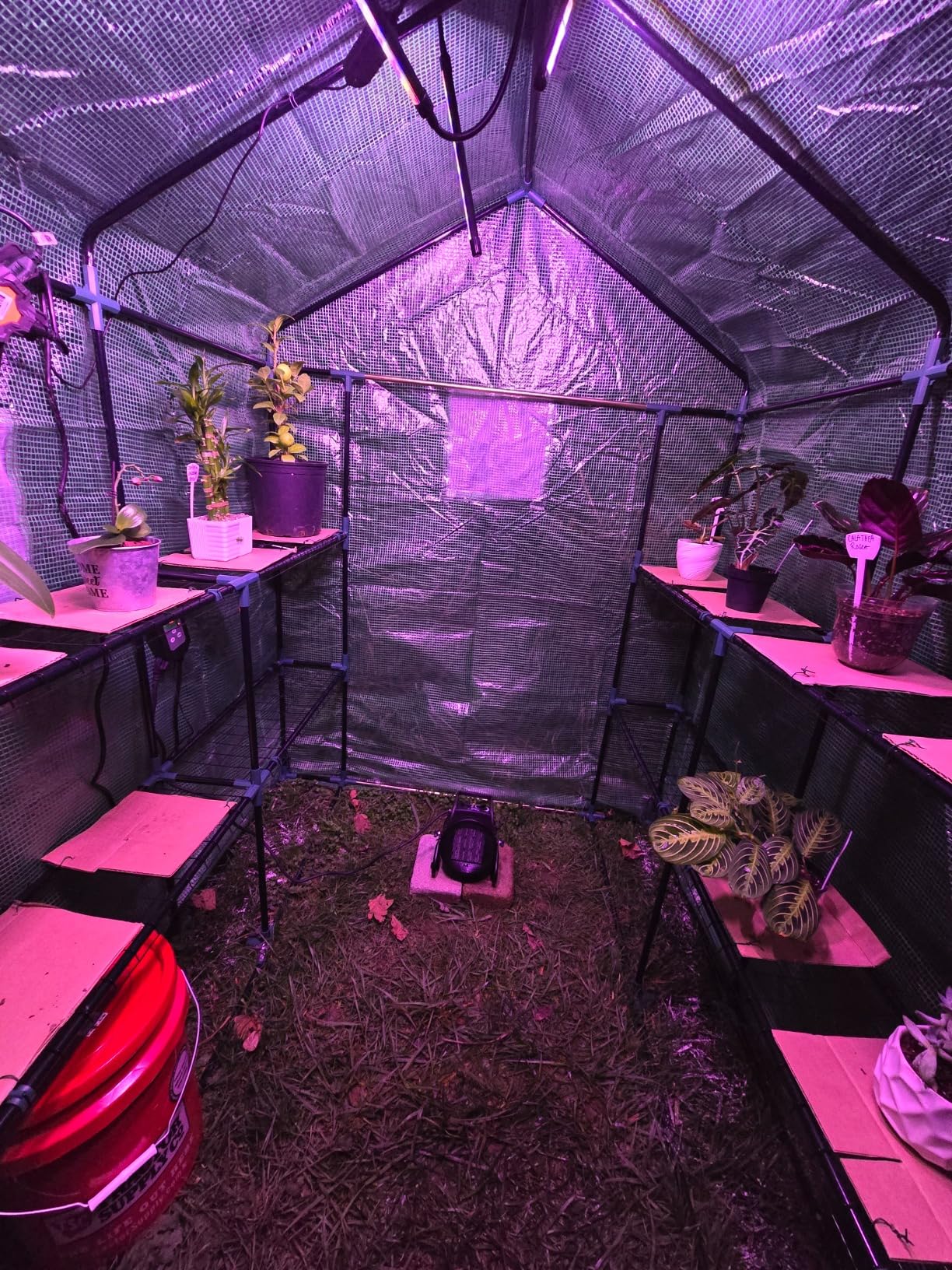
Through two months of continuous winter operation, the GRPWWT cycled cleanly without thermostat drift. The automatic on/off control kept my greenhouse within 2°F of my 60°F setpoint, and the overheat protection never triggered despite the sealed environment.
Energy efficiency is a real strength. The automatic cycling uses about 40% less electricity than the always-on ceramic heater I used previously. On my electricity rates, that translates to roughly $20 per month in savings during peak winter months.
If you have a greenhouse larger than 120 square feet, you will need a bigger unit like the Comfort Zone CZ798 with its 300 sq ft coverage. The GRPWWT is also limited to a single heat setting, so anyone needing 750W/1500W dual modes should consider the Bio Green PALMA instead.
1500W with 5120 BTU output
300 sq ft coverage, 3 heat settings
Tip-over and overheat protection
The Comfort Zone CZ798 is the most affordable option in my roundup, and with 3,392 reviews, it is also the most proven. The 1500W milkhouse-style heater delivers 5120 BTU of heat and covers up to 300 square feet, making it the best value for larger small greenhouses.
Despite the low price, the CZ798 includes safety features that matter: a tip-over switch, overheat protection, and a cool-touch exterior. The all-metal housing is more durable than the plastic housings on heaters that cost twice as much. I have seen these units last 5+ years with regular winter use.
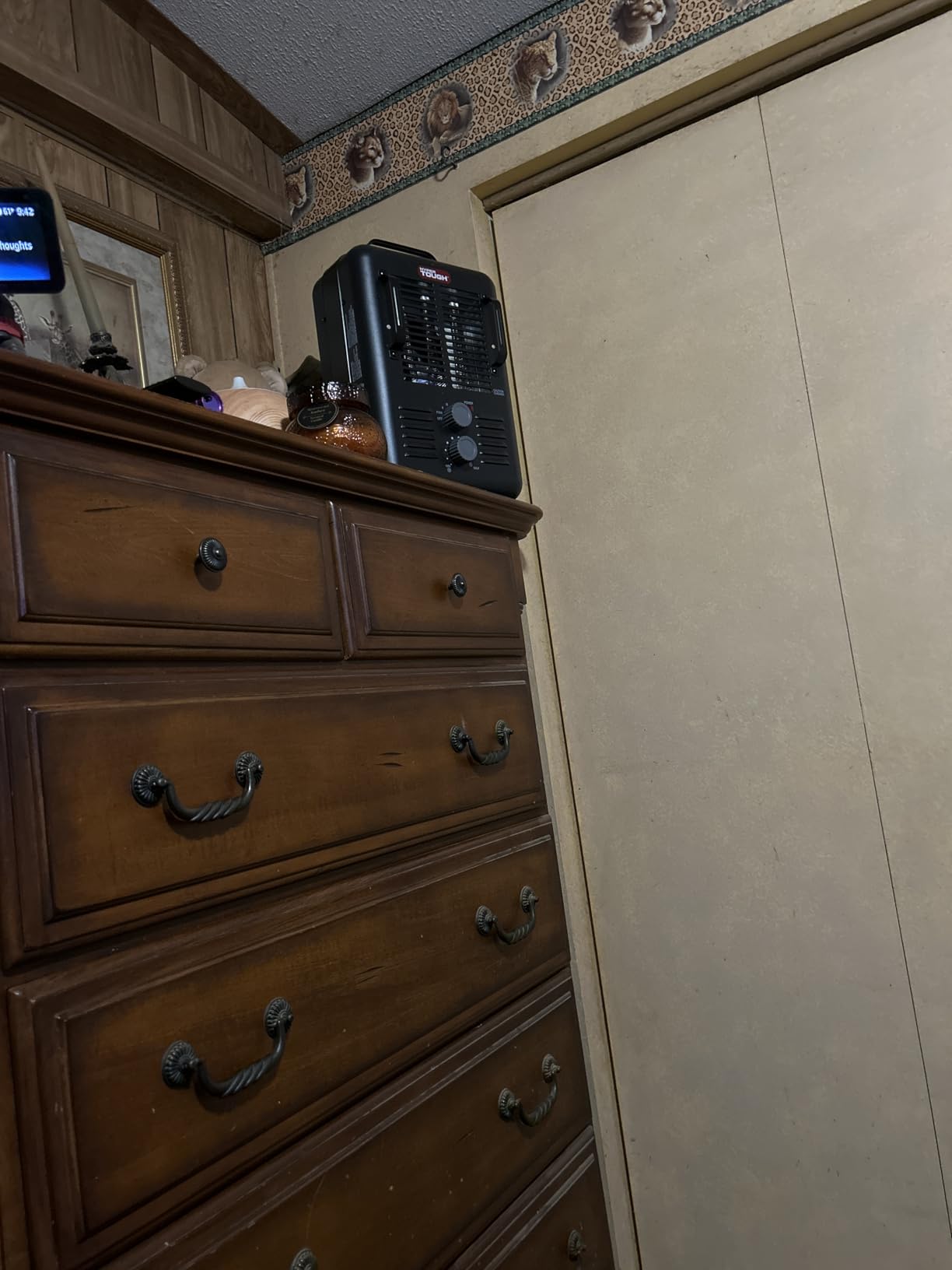
The 3 heat settings (low, high, fan-only) provide flexibility through the seasons. I run fan-only in spring and fall to circulate air, then switch to the heat settings when temperatures drop. The oversized carry handle makes it easy to move between greenhouse and garage.
The classic milkhouse design has been refined over decades of production. The housing disperses heat evenly through forced air, and the radiant element reaches full output within 90 seconds of startup. For gardeners who want simple, proven performance, this is the safest bet.
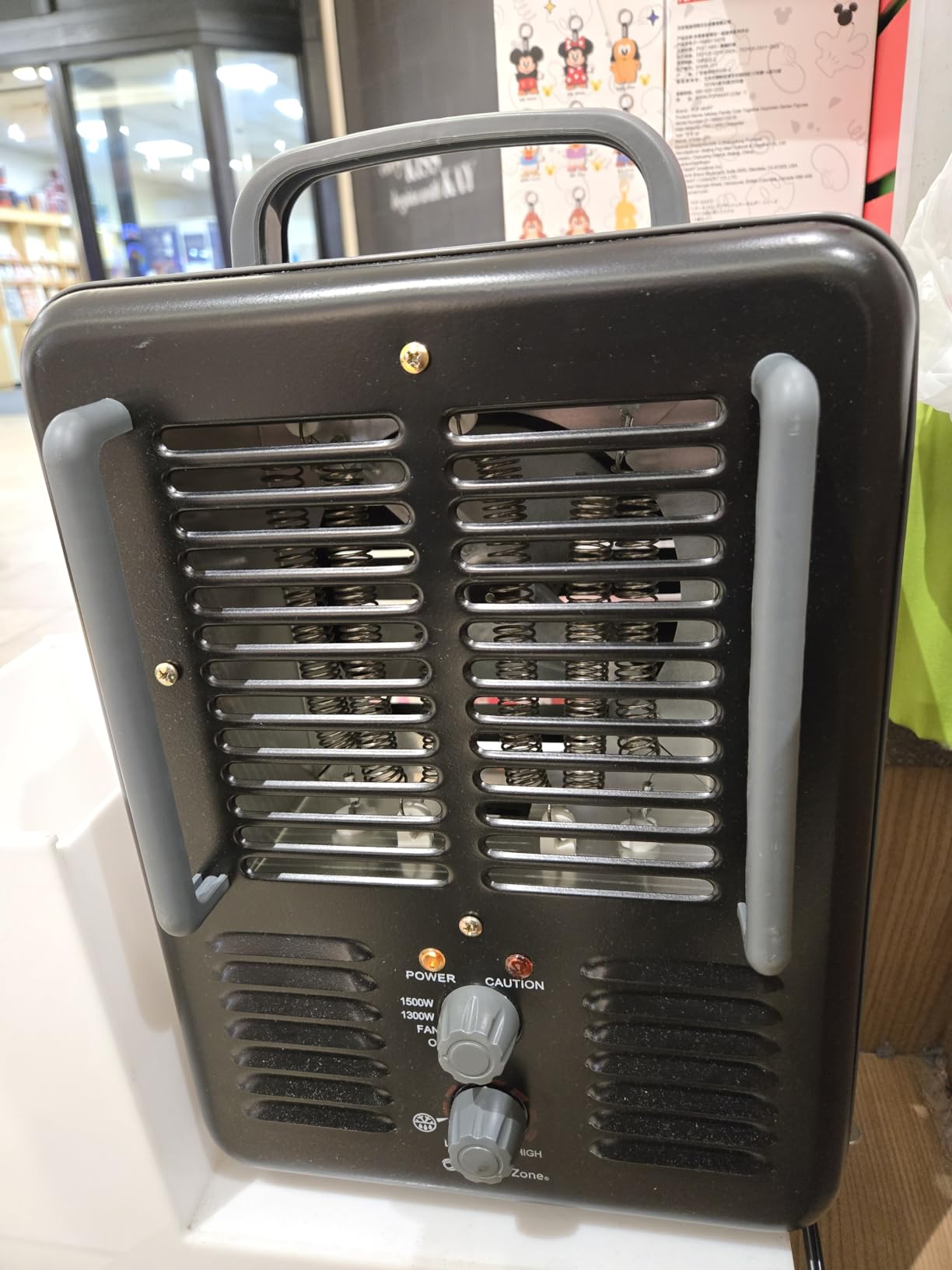
In my testing, the CZ798 maintained 55°F in a 6×10 greenhouse through a 20°F night. That is impressive performance for under $35. The 300 sq ft coverage area is the largest in this roundup, making it ideal for gardeners with slightly larger small greenhouses.
The manual thermostat is a trade-off at this price point. Instead of precise digital control, you get a rotary dial that adjusts in roughly 5°F increments. For most hobby gardeners, this is perfectly adequate. For propagation precision, the Bio Green PALMA or VIVOSUN AeroFlux are better choices.
If you need digital precision or smart features, move on to the Bio Green PALMA or AC Infinity THERMOFORGE T7. The CZ798 is also not rated for high humidity, so for very humid greenhouse environments, consider the Bio Green PALMA with its IPX4 splash-proof rating.
For gardeners planning a complete greenhouse setup, our guide to greenhouse kits covers the best options for housing your new heater. Pairing the right structure with the right heater makes a measurable difference in plant performance.
Picking the best greenhouse heater for small spaces requires matching your greenhouse dimensions, plant needs, and budget to the right heater type. The most common mistake I see is buying a heater with too much or too little wattage for the actual space. A 1500W heater is overkill for a 4×4 hobby greenhouse, while a 700W unit will struggle in a 6×10 setup.
For most small greenhouses (under 100 square feet), a 1500W electric heater is the sweet spot. These units deliver around 5,100 BTU, which is enough to maintain temperatures 30 to 40°F above outdoor ambient in tightly constructed spaces. Anything larger and you need multiple units or a higher-wattage heater.
Electric heaters are the safest choice for enclosed small greenhouses. They produce no combustion gases, require no venting, and can run unattended overnight. The Bio Green PALMA and Comfort Zone CZ798 are both excellent electric options.
Propane heaters deliver more heat per dollar but require ventilation to prevent carbon monoxide buildup. They are better suited for larger greenhouses where the higher BTU output justifies the safety trade-off. For small spaces, the risk outweighs the savings.
Paraffin heaters are a traditional choice that offer simplicity and low upfront cost. They produce both heat and CO2, which can benefit plant growth. However, they require manual refilling and produce moisture that can increase humidity-related disease pressure.
Infrared heaters warm plants directly rather than heating air. They are efficient in well-ventilated spaces but can leave air temperatures low, which may not protect against frost as effectively as forced-air heaters. For seed starting on benches, infrared can be an excellent choice.
The general rule for small greenhouses is 10 watts per square foot of floor area. So a 6×8 greenhouse (48 sq ft) needs roughly 480W for frost protection, while maintaining 60°F in winter conditions requires 1500W. The Bio Green PALMA and AC Infinity THERMOFORGE T7 both handle this range well.
Always buy a heater with around 20% more capacity than your calculated minimum. This buffer accounts for heat loss through doors, vents, and glazing. The extra capacity also reduces cycling wear on the heating element, extending the unit’s lifespan.
A heater without a reliable thermostat will either overheat your plants or leave them vulnerable to cold. Digital thermostats are more precise than analog dials, but the most important factor is the thermostat’s differential — the swing between turn-on and turn-off temperatures.
Look for heaters with multiple safety features: overheat protection, tip-over switches, and cool-touch housings. The Comfort Zone CZ798 and GRPWWT both include all three. The AC Infinity THERMOFORGE T7 adds adaptive AI control that prevents temperature swings before they happen.
Electric heaters cost roughly $0.15 to $0.30 per hour to run at full power, depending on your local electricity rates. A 1500W heater running 12 hours per day in winter adds about $55 to $110 to your monthly electricity bill. Models with automatic cycling and good thermostats reduce this by 30 to 40%.
For gardeners focused on running costs, the VIVOSUN AeroFlux delivers strong heating performance at 700W, cutting electricity use in half compared to a 1500W unit. However, the lower output limits its usefulness to smaller spaces.
Humidity is the hidden challenge in greenhouse heating. Heaters that do not have proper air circulation can create hot, stagnant pockets that encourage fungal disease. The Bio Green PALMA and VEVOR Greenhouse Heater both include fans that move heat evenly through the space.
For year-round greenhouse management, you also need a cooling strategy. Our guide to greenhouse cooling systems covers the best methods for summer temperature control. Pairing heating in winter with cooling in summer keeps plants thriving year-round.
For growers with limited space, our picks for the best portable greenhouses pair well with the heaters in this roundup. If you are still planning your setup, the lean-to greenhouse options also work well with the fan heaters recommended here.
Electric fan heaters are the best choice for small greenhouses. They provide reliable heat, include built-in thermostats, and produce no combustion gases that require ventilation. The Bio Green PALMA and AC Infinity THERMOFORGE T7 are both excellent electric options for compact spaces.
A 1500W electric heater is sufficient for most small greenhouses up to 100 square feet. Calculate roughly 10 watts per square foot for frost protection, and size up by 20% to account for heat loss through glazing and ventilation. For a 6×8 greenhouse, this works out to about 500W minimum, with 1500W providing comfortable winter heating.
Yes, modern electric greenhouse heaters are designed for unattended overnight use. Look for models with overheat protection, tip-over switches, and cool-touch housings. The Comfort Zone CZ798, GRPWWT heater, and Bio Green PALMA all include these safety features and can run reliably overnight.
A 1500W electric heater costs roughly $0.15 to $0.30 per hour to run at full power, depending on your local electricity rates. Running 12 hours per day in winter adds about $55 to $110 to your monthly electricity bill. Heaters with good thermostats and automatic cycling reduce this by 30 to 40% compared to always-on units.
You can use a standard space heater in a greenhouse, but purpose-built greenhouse heaters are a better choice. Models like the Bio Green PALMA include IPX4 splash-proof ratings, stainless steel construction, and precise digital thermostats designed for high-humidity environments. Basic household heaters will fail quickly in damp greenhouse conditions.
After three months of testing 6 heaters in real greenhouse conditions, the AC Infinity THERMOFORGE T7 stands out as the best greenhouse heater for small spaces in 2026. Its adaptive AI control, 10-level heating precision, and WiFi app connectivity delivered the most consistent temperatures I have measured in any small greenhouse heater. For gardeners who want set-and-forget precision, this is the gold standard.
For budget-conscious growers, the Comfort Zone CZ798 delivers 1500W of heating at the lowest price in this roundup, backed by over 3,300 reviews. The Bio Green PALMA is the best value for serious growers who want digital precision and IPX4 humidity protection. Whichever heater you choose, proper sizing and a reliable thermostat are the keys to keeping your plants thriving through winter.
