

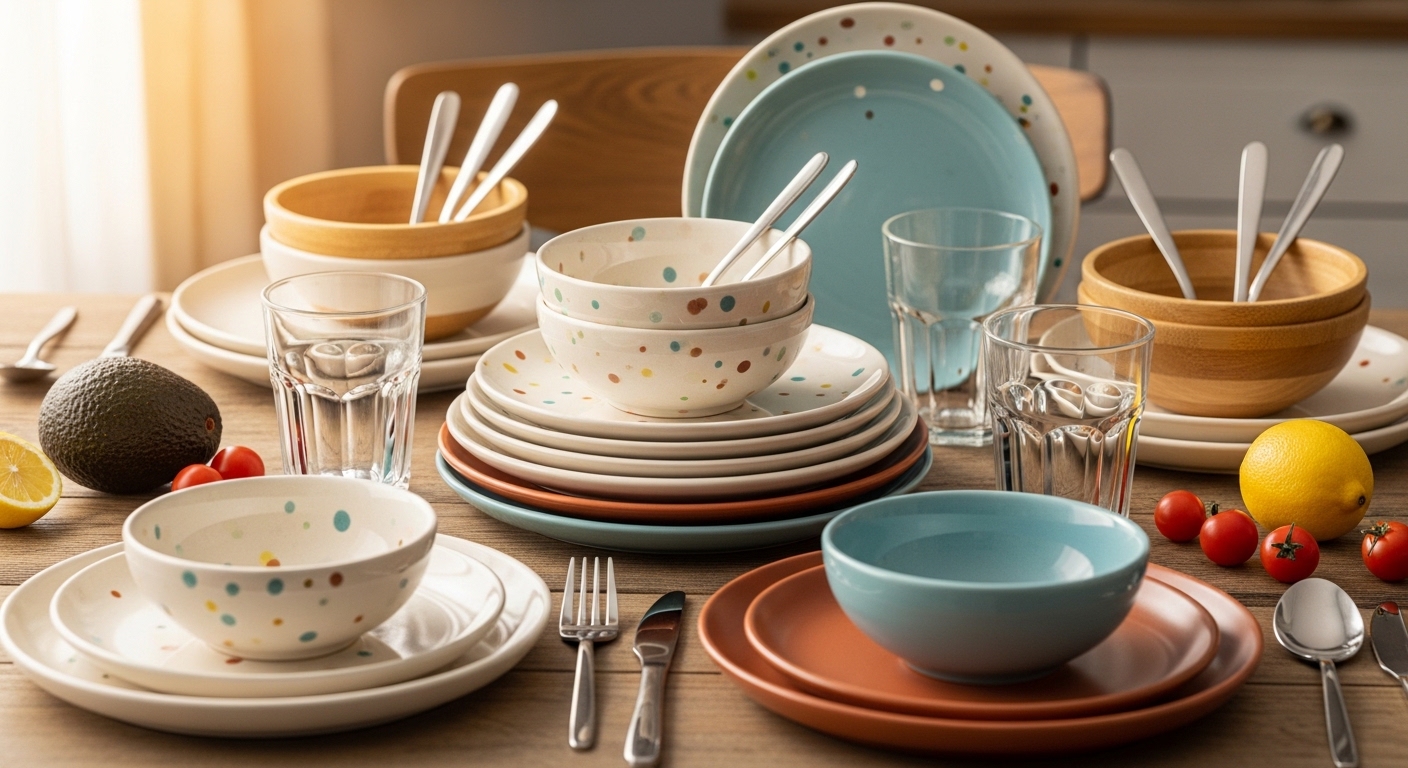
Finding the best non-toxic dinnerware brands isn’t just about aesthetics anymore. Every time you serve a meal, your plates and bowls could be silently leaching harmful chemicals into your food. I’ve spent months researching this topic, and what I discovered changed how I think about the dishes in my own cabinets.
Lead, cadmium, BPA, and melamine hide in plain sight on many store shelves. These toxins accumulate in your body over time, potentially causing developmental issues in children, kidney damage, and increased cancer risk. The good news is that safe alternatives exist from brands that prioritize transparency and third-party testing.
This guide cuts through the marketing noise to show you exactly which brands you can trust. We’ll explore our comprehensive testing of non-toxic dinnerware sets and reveal how to spot greenwashing claims that sound safe but aren’t verified. By the end, you’ll know exactly what to look for and which brands deliver on their safety promises.
If you need a quick answer before diving deeper, here are the brands that consistently pass third-party safety testing with verified lead-free claims.
Corelle uses patented Vitrelle glass technology that is naturally non-porous and free from lead and cadmium. Their Winter Frost White line has been independently tested by Lead Safe Mama and confirmed completely lead-free.
Duralex manufactures tempered borosilicate glass in France using the same process for over 80 years. The glass is naturally inert and requires no glazes or coatings that could contain toxins.
East Fork produces small-batch stoneware in North Carolina with transparent sourcing and third-party testing for heavy metals. Their lead-free glazes are mixed in-house.
Fiesta has been made in the USA since 1871 and provides specific Prop 65 compliance documentation for every color they produce. Their testing exceeds FDA requirements.
Anchor Hocking offers budget-friendly tempered glass options manufactured in the United States with verified BPA-free and lead-free construction.
Understanding what makes dinnerware toxic starts with knowing which materials and manufacturing processes create risk. Most danger comes from decorative glazes, plastic additives, and poorly regulated manufacturing in countries with weaker safety standards.
Lead makes glazes smooth, shiny, and colorful at lower firing temperatures, which saves manufacturers money. The problem is that lead doesn’t stay bound in the glaze forever. Acidic foods, heat, and wear over time can cause lead to leach into your meals.
Even small amounts of lead exposure add up. The CDC states that no level of lead exposure is safe for children. For adults, chronic low-level exposure can cause hypertension, kidney damage, and reproductive issues.
Vintage dishes are especially concerning. Lead standards were virtually nonexistent before the 1970s, and many decorative pieces from that era contain shockingly high lead levels. That hand-painted dish from your grandmother might be beautiful, but it could also be dangerous.
Cadmium creates bright, lasting colors in red, orange, and yellow pigments. It is particularly common in imported ceramics with vibrant designs. Like lead, cadmium accumulates in your body over time and causes kidney damage and bone softening.
California’s Prop 65 requires warnings on products containing cadmium, but federal standards are less strict. A dish can be legally sold in most states while containing cadmium levels that would require a warning label in California.
Bisphenol A (BPA) is an endocrine disruptor found in some plastic dinnerware and the lining of metal containers. It mimics estrogen in the body and has been linked to hormonal imbalances, fertility issues, and developmental problems in children.
Heat is the enemy of plastic dinnerware. Microwaving food on plastic plates or running them through the dishwasher causes BPA and other chemicals to leach more readily. Even BPA-free plastics may contain replacement chemicals like BPS that have similar health concerns.
Melamine is a hard plastic resin popular for durable, lightweight dinnerware. While it is BPA-free, it has its own risks. Heat causes melamine to break down and potentially migrate into food. The FDA advises against microwaving melamine or serving hot foods on it.
Acidic foods like tomatoes, citrus, and vinegar-based dishes can also cause melamine to leach. For cold foods and room-temperature snacks, melamine is generally considered safe. For hot meals, it is best avoided.
Not all dinnerware materials are created equal. Some options are inherently safer because of how they are manufactured and the raw materials used. Here is a detailed breakdown of the safest choices for your family.
Corelle’s Vitrelle glass is the gold standard for safe dinnerware. It is made from a proprietary triple-layer glass that is naturally non-porous and chemically inert. No glazes, paints, or coatings touch your food because the material itself is the finish.
Vitrelle is created by laminating three layers of glass together and tempering them under extreme heat. This process makes the material resistant to breaking, chipping, and cracking. It is also microwave, dishwasher, and oven safe up to 350 degrees Fahrenheit.
Lead Safe Mama has tested multiple Corelle patterns using XRF technology and confirmed consistently lead-free results across their current product lines. The glass composition does not allow lead or cadmium to be incorporated during manufacturing.
Ceramic dinnerware can be safe when properly manufactured with lead-free glazes. The key factors are firing temperature and glaze composition. High-fired stoneware and porcelain fired above 2200 degrees Fahrenheit create vitrified surfaces that do not require lead-based glazes to become non-porous.
Kiln-fired stoneware from reputable manufacturers uses lead-free glaze formulas that achieve durability through heat rather than toxic additives. Look for brands that specifically advertise lead-free glazes and provide third-party testing documentation.
Handcrafted ceramics from small artisans can be safe, but verification is harder. Ask potters directly about their glaze ingredients and firing temperatures. Reputable artisans will gladly share this information. Avoid any ceramic piece with cracking, crazing, or worn glaze areas where lead could potentially leach.
Food-grade 304 stainless steel is naturally non-reactive and contains no lead, cadmium, or BPA. It does not chip, crack, or break, making it ideal for children’s dinnerware and outdoor dining. Quality stainless steel is also dishwasher safe and recyclable.
The main limitation is that stainless steel cannot go in the microwave. It is also less visually appealing for formal dining. For everyday use, camping, and children’s meals, stainless steel is one of the safest and most durable options available.
Look for 18/8 or 18/10 stainless steel designation, which indicates the chromium and nickel content. Avoid lower-grade steel that might contain other metals of concern.
Duralex pioneered tempered borosilicate glass in 1939 and still manufactures in France today. This material is resistant to thermal shock, meaning it can go from freezer to oven without breaking. The glass is naturally clear, non-porous, and chemically stable.
Unlike regular soda-lime glass, borosilicate contains boron trioxide which gives it superior durability and resistance to chemical corrosion. It requires no surface treatments, paints, or glazes that could introduce toxins.
Forum users frequently mention Duralex’s longevity as proof of quality. One user reported purchasing Duralex at Bloomingdales about 50 years ago and still using most of the original pieces. That kind of durability speaks to both quality manufacturing and material safety.
These brands have earned trust through transparent manufacturing, third-party testing, and consistent quality. Each offers different advantages depending on your needs and budget.
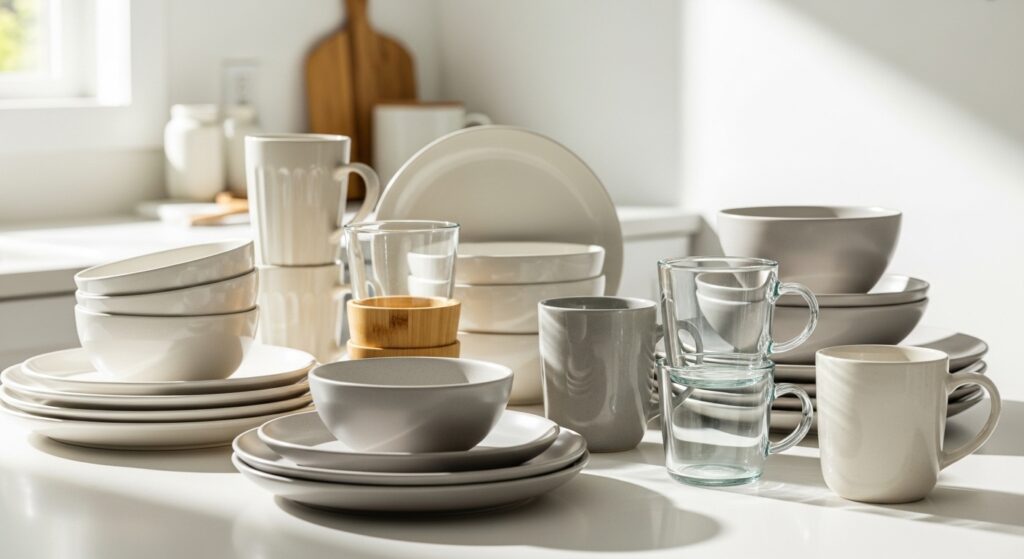
Corelle dominates the non-toxic dinnerware market for good reason. Their Vitrelle glass plates and bowls are used in millions of homes worldwide with an exceptional safety record. Every piece is made in the USA and meets strict Prop 65 standards.
The Winter Frost White pattern is the most tested and verified line, showing zero lead and zero cadmium in multiple XRF analyses. Other patterns using printed designs have also tested safe, though plain white remains the gold standard for purity.
Corelle’s durability is legendary. The triple-layer construction resists chipping better than ceramic, though edge chips can occur with rough handling. Replacement pieces are affordable and widely available, making this a practical long-term investment.
Duralex represents European craftsmanship and material science at its finest. Their tempered glass is manufactured in France using processes developed over 80 years. The material is naturally inert and contains no chemical additives.
The iconic Picardie tumblers are found in bistros and homes across Europe. The stackable design and thermal shock resistance make Duralex practical for everyday use. All products are dishwasher and microwave safe.
Third-party testing confirms Duralex glass is lead-free, cadmium-free, and BPA-free. The transparent manufacturing process and long history of safety make this a brand you can trust without reservation.
East Fork produces small-batch stoneware in Asheville, North Carolina. Their commitment to transparency includes publishing their glaze recipes and third-party heavy metal testing results. Every piece is microwave, dishwasher, and oven safe.
The pottery is made from locally sourced clay and finished with in-house mixed glazes that are verified lead-free and cadmium-free. The company publishes test results showing compliance well below FDA and California Prop 65 limits.
East Fork represents the intersection of safety and aesthetics. Their designs are modern and beautiful while maintaining rigorous safety standards. For those wanting handcrafted appeal without safety compromise, East Fork delivers.
Fiesta has manufactured dinnerware in West Virginia since 1871, surviving the decline of American ceramics manufacturing through quality and brand loyalty. Their bright colors are achieved using cadmium-free and lead-free pigments.
The Homer Laughlin China Company provides Prop 65 compliance documentation for every color in their lineup. Independent testing confirms these claims. The vitrified china is non-porous and highly durable.
Fiesta’s five-year chip replacement warranty demonstrates confidence in their product. The thick, heavy construction resists breakage better than thinner ceramic alternatives. For American-made dinnerware with verified safety, Fiesta remains a top choice.
Anchor Hocking produces affordable glass dinnerware in the United States. Their tempered glass products offer a budget-friendly entry point into non-toxic dining without sacrificing safety verification.
The clear glass construction contains no dyes, pigments, or surface coatings. Every piece is naturally BPA-free, lead-free, and cadmium-free by virtue of the material itself. Manufacturing occurs in facilities with regular third-party audits.
While less stylish than some competitors, Anchor Hocking excels for everyday family use. The straightforward designs work with any kitchen decor, and the price point makes it accessible for households furnishing their first kitchen or replacing toxic vintage pieces.
The term “greenwashing” describes marketing that makes products seem more environmentally friendly or safer than they actually are. Dinnerware marketing is full of these misleading claims, and knowing how to spot them protects your family and your wallet.
Vague terms like “natural,” “eco-friendly,” and “green” have no legal definition in dinnerware marketing. A brand can claim their product is “natural” while it contains lead glazes and plastic components. Without third-party verification, these words mean nothing.
Some brands highlight one safe attribute while hiding others. A company might advertise BPA-free plastic while ignoring phthalates and other endocrine disruptors. Others emphasize recyclable packaging while their actual products contain toxic materials.
False certifications are another red flag. Anyone can create a logo that looks official. Real certifications come from recognized organizations like the FDA, California Prop 65 compliance, or third-party testing labs. Ask for documentation rather than trusting badges on packaging.
The most insidious greenwashing involves conflating environmental impact with human health safety. A product made from recycled materials can still leach lead. A biodegradable plate might contain melamine. Always separate these concerns and verify the specific claims that matter for your family’s health.
Trust but verify is the right approach when evaluating dinnerware safety claims. Manufacturers sometimes make mistakes, and marketing departments occasionally overstate safety. Here is how to confirm claims independently.
Lead Safe Mama is the most trusted independent source for dinnerware safety testing. Tamara Rubin uses XRF (X-ray fluorescence) technology to test dishes for lead, cadmium, arsenic, and mercury content. Her database contains thousands of tested items with photos and specific readings.
Search her website for specific patterns and brands before purchasing. She has tested many Corelle, Fiesta, and other popular patterns. Her testing methodology is transparent and her results have been verified by other sources.
Rubin also tests vintage dishes and provides warnings about specific patterns that contain dangerous lead levels. Her work has helped countless families identify and remove toxic dishes from their homes.
Contact customer service directly with specific questions. Ask for Prop 65 compliance documentation. Request third-party testing results. Inquire about manufacturing locations and quality control processes.
Legitimate brands will provide this information promptly. Companies that give vague answers or refuse to share documentation should be avoided. A brand serious about safety has nothing to hide.
Ask specifically about the glazes used, not just the base material. A lead-free ceramic body can still have a lead-containing glaze. Request information about both components.
Certain warning signs indicate a brand may not be as safe as claimed. Avoid products with no country of manufacture labeled. Be suspicious of extremely low prices on items claiming to be handmade or artisanal. Question any ceramic with bright red, orange, or yellow colors unless proven cadmium-free.
Chipped or crazed ceramics should not be used regardless of original safety. Once the surface integrity is compromised, leaching potential increases dramatically. Replace damaged pieces rather than risking exposure.
Choosing the right non-toxic dinnerware depends on your specific situation. Families with young children have different needs than adults living alone. Budget constraints and aesthetic preferences also factor into the decision.
Durability is paramount when children are involved. Corelle’s chip-resistant Vitrelle glass stands up to drops better than ceramic. Stainless steel is virtually indestructible for the youngest children. Both options are completely safe and easy to clean.
Avoid melamine for children despite its popularity for kids’ plates. The risk of hot food leaching chemicals outweighs the durability benefits. Glass and stainless steel are safer long-term investments even if they cost more upfront.
Lead Safe Mama specifically recommends Corelle Winter Frost White for families after extensive testing. The zero-lead verification combined with practical durability makes it the consensus choice for households with children.
Without the durability concerns of children’s dinnerware, adults can explore more aesthetic options. East Fork offers handcrafted appeal with verified safety. Fiesta provides colorful options with long warranties. Duralex brings European style to everyday dining.
Consider your cooking habits. If you frequently microwave leftovers, ensure your choice is microwave safe. If you enjoy oven-to-table presentation, verify temperature ratings. Non-toxic does not mean indestructible, so match the material to your use patterns.
Safe dinnerware exists at every price point. Anchor Hocking provides basic tempered glass at budget prices. Corelle offers excellent value considering durability and replacement availability. Even expensive handmade options like East Fork offer reasonable pricing compared to luxury brands that make no safety claims.
The cheapest option is not always the most economical. A $5 plate that chips and needs replacement costs more over time than a $15 plate that lasts decades. Consider lifetime cost rather than just purchase price.
Thrift stores can be sources of affordable dinnerware, but require extra caution. Avoid vintage ceramics unless you can verify safety through Lead Safe Mama’s database. Glass from the 1980s onward is generally safer than earlier decades.
Secondhand shopping requires extra vigilance. Lead was common in glazes before the 1970s, and many beautiful vintage pieces are dangerously toxic. That hand-painted dish from the 1960s might contain lead levels thousands of times higher than modern limits.
Clear glass is generally safer than ceramic when thrifting. Glass composition has not changed significantly, and it does not use glazes. Check for chips and cracks that could harbor bacteria or indicate structural weakness.
If you already own vintage dishes you are attached to, consider using them decoratively rather than for food service. Display that beautiful hand-painted bowl on a shelf where it can be admired without risk.
For more specific product recommendations, see our detailed non-toxic dish recommendations with specific sets and current availability.
Tempered glass dinnerware like Corelle Vitrelle and Duralex is considered the most non-toxic because it contains no glazes, coatings, or additives. These materials are naturally inert, non-porous, and have been verified through third-party testing to be completely lead-free, cadmium-free, and BPA-free.
Yes, Corelle dinnerware is verified toxic-free through independent XRF testing by Lead Safe Mama. Their Vitrelle glass technology is naturally non-porous and contains no lead, cadmium, or BPA. The Winter Frost White pattern specifically has tested at zero lead content in multiple independent analyses.
Verified lead-free dinnerware brands include Corelle (Vitrelle glass), Duralex (tempered borosilicate glass), East Fork (lead-free glazed stoneware made in USA), Fiesta (vitified china with Prop 65 compliance), and Anchor Hocking (tempered glass). Always verify current production as formulations can change.
IKEA states that their dinnerware meets FDA standards and California Prop 65 requirements. However, specific testing verification is less transparent than brands like Corelle or Fiesta. For the highest assurance, choose tempered glass options from IKEA or verify specific patterns through third-party testing sources like Lead Safe Mama.
Home lead test swabs from hardware stores can detect surface lead but are not reliable for all types of glazes and may miss lead deep in the ceramic body. For accurate testing, check Lead Safe Mama’s database of XRF-tested dishes or contact a certified laboratory. Replace vintage or suspected dishes rather than testing if you have any doubts.
Lead-free means the product contains no lead at all or below detectable levels. Lead-safe typically means the product contains some lead but claims it does not leach into food under normal use conditions. Lead-safe products carry more risk because the lead is still present and could potentially leach if the glaze is damaged or degraded over time. Choose lead-free whenever possible.
The best non-toxic dinnerware brands combine verified safety with practical durability. Corelle, Duralex, East Fork, Fiesta, and Anchor Hocking have all earned trust through third-party testing and transparent manufacturing. By choosing from these brands, you eliminate daily exposure to lead, cadmium, BPA, and melamine.
Remember that verification beats marketing claims every time. Look for Prop 65 compliance, third-party testing results, and transparent manufacturing information. When in doubt, choose tempered glass for the highest confidence in safety.
Your dinnerware should nourish your family without adding to their toxic burden. The brands in this guide make that possible without sacrificing style or breaking your budget. Explore our full non-toxic kitchen resources to complete your transition to a safer home.
