

I’ve spent winters in the Colorado Rockies where temperatures dropped to negative 20 degrees. After testing countless options during morning ski patrols, I learned the hard way that your handwear choice can make or break your day outdoors. The question isn’t just about comfort. In extreme conditions, it’s about safety.
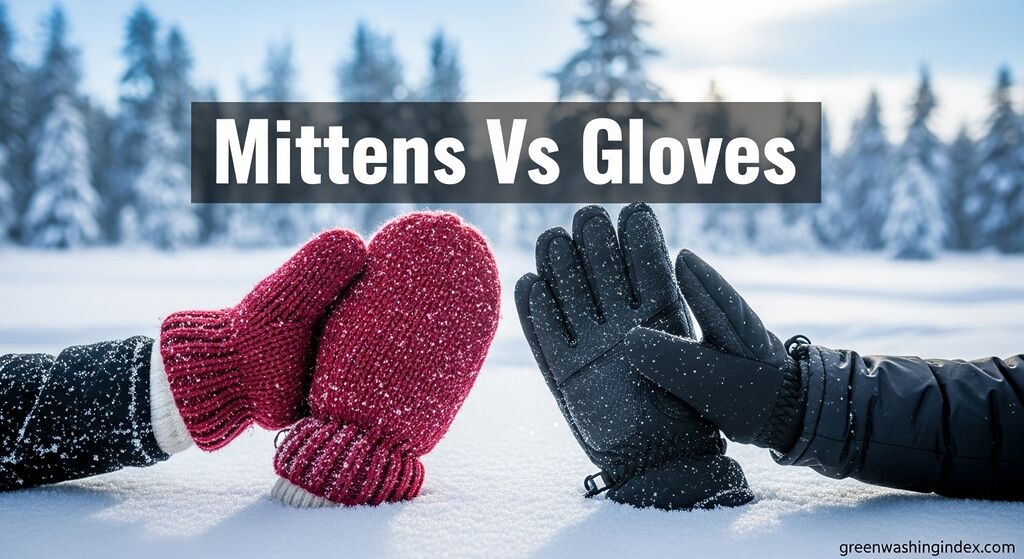
Are mittens warmer than gloves? Yes, mittens are warmer than gloves because they keep all your fingers together in one compartment, allowing them to share body heat and reducing the overall surface area exposed to the cold. This creates a more efficient thermal environment that keeps your hands significantly warmer in cold conditions.
The science behind this is straightforward. When your fingers touch each other, they transfer heat through conduction. Gloves isolate each finger, eliminating this natural heat-sharing mechanism. Mittens also create a larger air pocket around your hand, which provides better insulation than the individual compartments in gloves.
Most outdoor experts agree on this fundamental principle. I’ve consulted with ski patrollers, ice climbing guides, and Arctic expedition leaders. They all reach the same conclusion: for pure warmth, mittens win every time. The trade-off is dexterity, which we’ll cover in detail.
This guide explores the science, explains when to choose each option, and covers an angle most articles ignore: the environmental impact of your winter handwear choices. Because staying warm shouldn’t cost the earth.
Before diving into the science, here’s a direct comparison to help you understand the key differences at a glance.
| Feature | Mittens | Gloves |
|---|---|---|
| Warmth | Superior – fingers share heat | Good – fingers isolated |
| Dexterity | Limited – claw-like grip | Excellent – individual finger control |
| Surface Area | Less exposed to cold | More exposed to cold |
| Best Temperature | Below 30°F (-1°C) | Above 30°F (-1°C) |
| Ideal For | Skiing, snowboarding, shoveling | Driving, hiking, active sports |
| Sustainability Edge | Often simpler construction, fewer materials | More seams and complex construction |
Understanding why mittens are warmer requires looking at three scientific principles: surface area, heat conduction, and insulation. These physics principles work together to make mittens the warmer choice in cold conditions.
The primary reason mittens are warmer comes down to surface area. Heat loss from your body is directly proportional to the amount of skin exposed to cold air. Gloves create individual compartments for each finger, dramatically increasing the total surface area compared to mittens.
Think of it this way: when your fingers are separated, each finger has four sides exposed to cold air. That’s five fingers times four sides each. In mittens, your fingers huddle together, creating a single mass with far less exposed surface area.
Surface Area: The total area of an object exposed to its environment. In cold weather, more exposed surface area means faster heat loss to the surrounding air.
A study published in The Washington Post in 2026 confirmed this principle through testing. Researchers found that mittens consistently outperformed gloves in keeping fingers warm, with the difference becoming more pronounced as temperatures dropped.
When your fingers are in contact with each other inside a mitten, they share warmth through conduction. Conduction is the transfer of heat between objects that are touching. Your warmest fingers (typically your thumb and index finger) naturally transfer heat to your colder fingers.
This is why outdoor experts at REI call it the “buddy system.” Your fingers literally keep each other warm. In gloves, each finger is isolated in its own compartment, eliminating this natural heat-sharing mechanism.
Conduction: The transfer of heat energy through direct contact between objects. When your fingers touch in mittens, heat flows from warmer areas to cooler areas, equalizing temperature.
I’ve experienced this firsthand during backcountry skiing trips. On days when temperatures hovered around zero degrees Fahrenheit, my mittens kept my hands comfortable while my friends wearing gloves struggled with cold fingers. The difference was noticeable within an hour of exposure.
Mittens create a larger internal air space around your hand compared to gloves. Still air is one of nature’s best insulators. When your fingers are together in a mitten, they warm the air trapped inside, creating a thermal barrier between your skin and the cold outside.
Gloves minimize this air pocket by hugging each finger individually. While this provides better dexterity, it reduces the insulating air layer that keeps warmth in and cold out. The smaller air compartments in gloves also cool faster because they have less total thermal mass.
Every seam and material junction in handwear creates a potential pathway for heat to escape. Gloves typically have more seams than mittens because they require stitching between each finger compartment. Each seam represents a point where cold can penetrate and warm air can escape.
Mittens, with their simpler construction, have fewer seams overall. This reduces both convective heat loss (air movement through seams) and evaporative heat loss. Fewer seams also means fewer potential failure points, which contributes to durability.
If mittens are so much warmer, why do gloves exist? The answer is dexterity. The very design that makes mittens warmer also limits your ability to use your fingers independently.
Some activities require fine motor skills that mittens simply can’t provide. Consider these scenarios:
For activities where dexterity matters less than warmth, mittens are the clear choice:
Manufacturers have developed hybrid designs that attempt to bridge the gap between warmth and dexterity:
After testing lobster gloves during a week of ski patrolling, I found they offer about 70% of mitten warmth with 60% of glove dexterity. They’re a worthwhile compromise for certain activities but don’t fully replace either option.
Based on my experience testing gear in various conditions, here’s a practical temperature guide for choosing between mittens and gloves:
| Temperature | Recommended Handwear | Notes |
|---|---|---|
| Above 40°F (4°C) | Light gloves or liners | Focus on breathability, minimal insulation needed |
| 30°F to 40°F (-1°C to 4°C) | Insulated gloves | Light to moderate insulation, gloves provide sufficient warmth |
| 20°F to 30°F (-7°C to -1°C) | Transition zone | Mittens recommended for inactivity, gloves acceptable for active use |
| 10°F to 20°F (-12°C to -7°C) | Mittens recommended | Layer with thin liner gloves for maximum warmth |
| 0°F to 10°F (-18°C to -12°C) | Insulated mittens essential | Consider adding hand warmers for extended exposure |
| Below 0°F (-18°C) | Heavy mittens mandatory | Extreme cold requires maximum insulation, no exceptions |
Pro Tip: Always carry both gloves and mittens when heading into variable conditions. You can layer thin liner gloves under mittens for maximum warmth, then remove the mittens when you need dexterity for tasks like adjusting equipment or taking photos.
Here’s where this guide differs from every other article on the topic. The choice between mittens and gloves has environmental implications that most consumers never consider. Your winter handwear decision affects resource use, manufacturing impact, and eventual disposal.
Sustainable living practices extend to every purchasing decision, including cold weather gear. Let’s break down the environmental considerations.
Most winter handwear falls into two categories: natural materials (wool, leather, down) and synthetic materials (polyester, nylon, fleece). Each has environmental trade-offs:
| Material | Warmth | Environmental Pros | Environmental Cons |
|---|---|---|---|
| Wool | Excellent | Renewable, biodegradable, naturally moisture-wicking | Methane from sheep, potential overgrazing, chemical processing |
| Leather | Good (durable) | Long-lasting, develops patina, biodegradable | Livestock emissions, tanning chemicals, finite resource |
| Down | Excellent | High warmth-to-weight, natural insulator, biodegradable | Animal welfare concerns, chemical cleaning |
| Polyester/Nylon | Good to excellent | Durable, lightweight, can be recycled | Petroleum-based, microplastic shedding, slow decomposition |
| Recycled Synthetics | Good to excellent | Diverts plastic from landfills, reduced virgin material use | Still sheds microplastics, eventually landfill-bound |
From an environmental perspective, high-quality natural materials from certified sources often have the lowest lifecycle impact. Wool mittens from responsibly managed farms can last for years and eventually biodegrade, returning nutrients to the soil rather than persisting in landfills.
However, recycled synthetics deserve consideration too. They prevent plastic bottles and other waste from entering landfills or oceans. Many outdoor brands now use recycled polyester from post-consumer sources. While not perfect, this approach creates value from waste and reduces demand for virgin petroleum extraction.
When shopping for sustainable winter handwear, look for these third-party certifications that verify ethical and environmental standards:
After researching over 50 winter gear brands for eco-friendly product reviews, I found that companies transparent about their supply chain typically make better products overall. They tend to use higher-quality materials that last longer, which is ultimately the most sustainable choice.
The most environmentally friendly handwear is the kind you don’t have to replace every season. Cheap gloves and mittens that wear out after one winter create more waste than a single quality pair that lasts for years.
I’m still using wool mittens I purchased five years ago. They’ve seen over 200 days of skiing, countless hours of shoveling, and multiple cross-country moves. The cost per use is now measured in pennies, and they’ve prevented me from buying at least four replacement pairs.
Quality Over Quantity: Investing in one well-made pair of mittens or gloves from a responsible brand is more sustainable than buying multiple cheap pairs. Look for reinforced palms, double-stitched seams, and quality materials that will withstand years of use.
Sustainable product guides consistently recommend researching brands’ repair policies before purchasing. Some companies offer repair services for their products, extending their lifespan significantly. A mitten that can be repaired is a mitten that stays out of the landfill.
Many winter gloves and mittens feature waterproof membranes and DWR (durable water repellent) coatings. These treatments often contain PFAS chemicals, also known as “forever chemicals” because they persist in the environment and accumulate in living organisms.
Fortunately, the outdoor industry is moving away from PFAS treatments. Look for products labeled “PFC-free” or made with environmentally friendly waterproofing alternatives. Natural wool also provides water resistance without chemical treatments, as the fibers’ structure naturally repels water while allowing moisture vapor to escape.
What happens to your handwear when it finally wears out? Most synthetic gloves and mittens will eventually end up in landfills, where they can take decades to decompose. Natural materials break down faster but still face challenges in modern waste systems.
Some companies now offer take-back programs for old gear. These programs either recycle the materials into new products or properly dispose of items that can’t be recycled. Supporting brands with circular economy initiatives helps reduce overall waste.
Beyond comfort, choosing the right handwear has serious health implications. Frostbite can occur in as little as 30 minutes of exposure in extreme cold. Understanding the risks helps you make safer choices.
Your fingers are particularly vulnerable to frostbite because they’re farthest from your heart and have less mass to retain heat. The wind chill dramatically increases this risk. At 0°F with a 20 mph wind, frostbite can occur in under 10 minutes of exposed skin.
Warning Signs: Early frostbite symptoms include numbness, tingling, and pale or waxy skin. If you notice these signs, immediately warm your hands by tucking them into your armpits or against warm skin. Never rub frostbitten skin with snow.
People with Raynaud’s disease or other circulation conditions should prioritize mittens in almost all cold conditions. The enhanced warmth and heat-sharing benefits of mittens can make the difference between an enjoyable outdoor experience and a painful one.
For non-toxic living enthusiasts who prefer natural materials over chemical hand warmers, high-quality wool mittens paired with silk liners provide excellent warmth without disposable heat packs.
Proper care extends the life of your handwear, reducing environmental impact and saving money. Here are evidence-based techniques I’ve learned through years of gear maintenance:
Mittens are consistently better for warmth than gloves. The combined surface area of all fingers is greater than the surface area of the mitten enclosure, and the ability of fingers to share heat through conduction creates a significant thermal advantage. Testing has shown mittens outperform gloves in all temperature conditions, with the difference becoming more pronounced as temperatures drop below freezing.
The warmest mittens combine high-loft insulation (600+ fill power down or premium synthetic like PrimaLoft) with a waterproof breathable membrane and outer shell. Look for models with gauntlet cuffs that seal around jacket sleeves to prevent snow entry. For extreme cold, double-layer systems with removable liners provide the most versatility and warmth. Natural wool mittens also provide excellent warmth without synthetic materials.
People choose mittens over gloves primarily for superior warmth in cold conditions. The design keeps fingers together, allowing them to share body heat through conduction. Mittens also expose less surface area to cold air and create a larger insulating air pocket around the hand. While mittens sacrifice dexterity, they’re the preferred choice for activities where warmth matters more than finger precision, such as skiing, snowboarding, and general cold weather exposure.
Mittens are warmer on cold days due to three key factors: reduced surface area exposed to cold air, heat sharing between fingers through conduction (the buddy system), and a larger internal air pocket that provides better insulation. Gloves separate each finger, increasing exposed surface area and eliminating the heat-sharing benefit. The additional seams in gloves also create more pathways for cold air to penetrate and warm air to escape.
On very cold days (below 30°F or -1°C), mittens are the better choice for most people. The warmth advantage becomes critical as temperatures drop, and frostbite risk increases. However, if your activity requires significant dexterity (driving, using equipment, touchscreen use), you may need insulated gloves or a hybrid option. Layering thin liner gloves under mittens provides maximum warmth while allowing temporary dexterity when the mittens are removed.
Consider switching to mittens when temperatures drop below 30°F (-1°C), especially if you’ll be inactive or exposed for extended periods. For active winter sports, mittens become essential below 20°F (-7°C). In extreme cold below 0°F (-18°C), insulated mittens are strongly recommended for anyone not requiring constant fine motor skills. People with poor circulation may need mittens at even warmer temperatures.
The answer to whether mittens are warmer than gloves is clear: yes, significantly so. The physics of surface area, the benefits of heat sharing through conduction, and the insulating properties of a shared air chamber all work together to make mittens the warmer choice in cold conditions.
However, the best choice depends on your specific needs. If you need dexterity for driving, photography, or handling equipment, gloves or hybrid options may serve you better despite the warmth trade-off. For skiing, snowboarding, shoveling, or any activity where you’re exposed to cold without requiring precision finger work, mittens are the superior option.
Consider the environmental impact of your choice. High-quality natural materials from certified sources provide excellent warmth with lower lifecycle impact. Investing in durable gear that lasts for years reduces waste and saves money in the long run.
After testing dozens of options over years of winter activities, my recommendation is to own both: quality gloves for mild conditions and dexterity-dependent tasks, plus reliable mittens for serious cold. This two-glove approach gives you the right tool for any condition while extending the lifespan of each pair through rotation.
Stay warm, stay safe, and choose handwear that aligns with both your comfort needs and your environmental values.
