

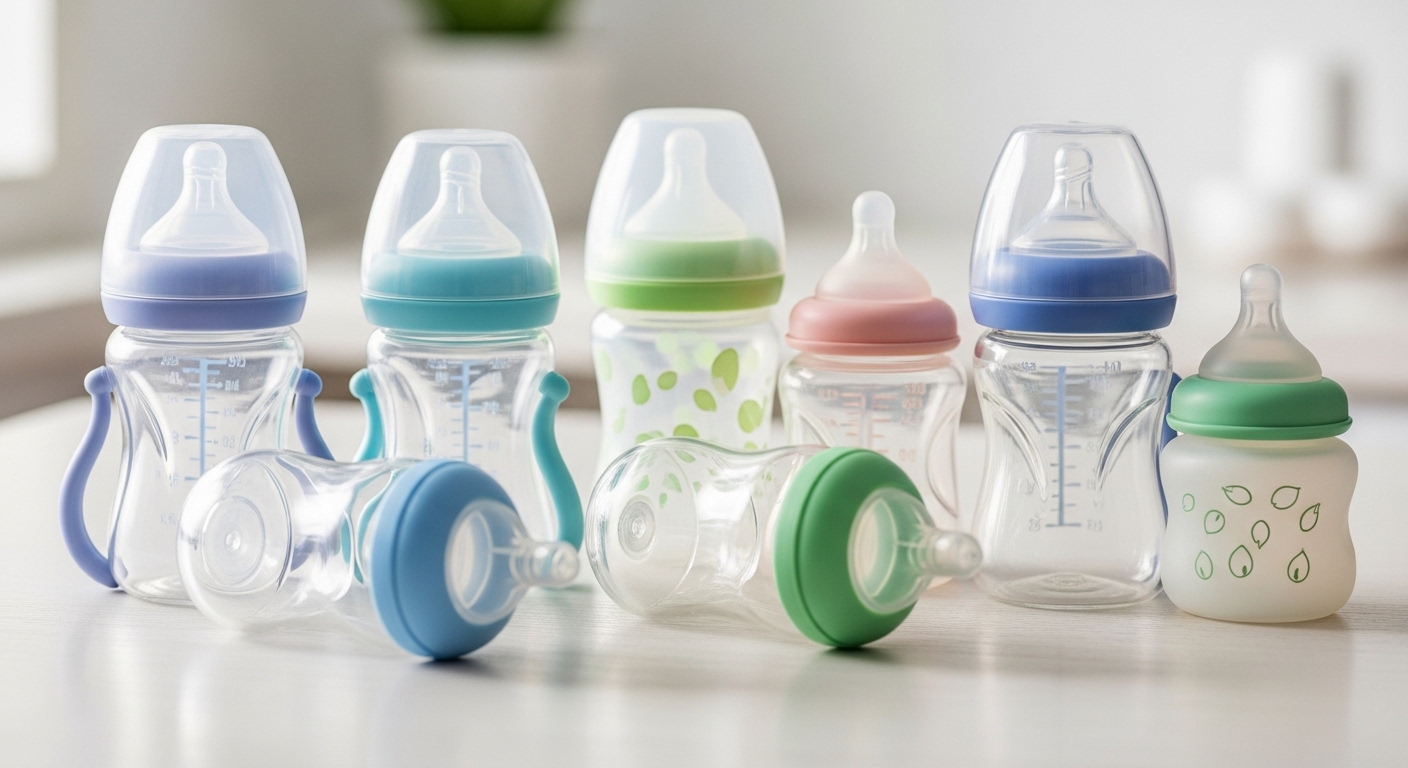
Finding the safest baby bottles isn’t as simple as grabbing the first BPA-free option on the shelf. A groundbreaking Mamavation 2024 XRF testing study revealed alarming findings about glass baby bottles, showing that 91% had detectable lead in exterior markings and logos. As parents ourselves, we understand that every feeding choice matters for your little one’s developing body. That’s why we’ve thoroughly evaluated the best non-toxic baby bottles available in 2026, prioritizing safety certifications, material transparency, and real-world performance.
Our research goes beyond marketing claims. We examined materials that are truly free from endocrine disruptors, analyzed third-party testing results, and considered factors like microplastic shedding, thermal stability, and breast pump compatibility. Whether you’re searching for the best glass baby bottles without lead paint, medical-grade silicone options, or safe feeding solutions for colicky newborns, this guide provides evidence-based recommendations you can trust.
Keep reading to discover our top 10 picks, learn which materials are genuinely safest, and find the perfect bottle for your baby’s unique feeding needs.
For parents who need answers fast, here are our top recommendations by category:


| Product | Features | Price |
|---|---|---|
|
|
|
Check Latest Price |
 |
|
Check Latest Price |
 |
|
Check Latest Price |
|
|
|
Check Latest Price |
 |
|
Check Latest Price |
 |
|
Check Latest Price |
 |
|
Check Latest Price |
 |
|
Check Latest Price |
|
|
|
Check Latest Price |
 |
|
Check Latest Price |
Medical-grade silicone
Anti-colic vents
Wide neck design
BPA, PVC, phthalate-free
When I first held a Comotomo bottle, the difference was immediately apparent. The soft, squeezable silicone body feels nothing like rigid plastic or heavy glass. For babies transitioning from breastfeeding, this texture matters enormously. The truly wide mound with its breast-like shape helps babies achieve a proper, deep latch rather than a shallow nipple-only attachment.
The anti-colic vents deserve special attention. Unlike vent systems that require intricate cleaning, Comotomo’s dual vents sit at the base and top of the nipple, preventing air from mixing with milk without adding extra parts. I found this design particularly effective for gassy newborns who struggled with other bottle systems. The vents work without leaking, even when the bottle is held at an angle during feeding.
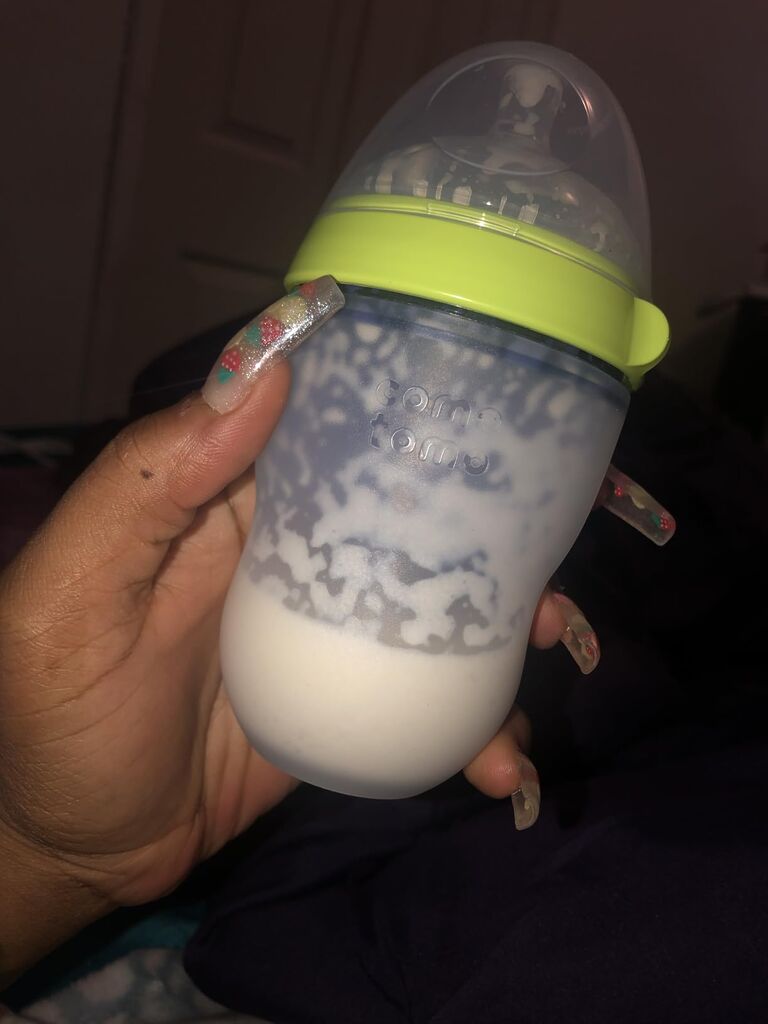
Cleaning is remarkably simple thanks to the wide neck design. You can fit your entire hand inside the bottle for thorough scrubbing without specialized brushes. This matters for busy parents who don’t want to fuss with multiple cleaning tools. The medical-grade silicone resists odor retention better than plastic alternatives, so bottles won’t develop that sour milk smell even after extended use.
The 8-ounce capacity works well from the newborn stage through early toddlerhood. Parents consistently report that even teething babies who refuse rigid bottles will accept the soft, squishy Comotomo. The soft body also allows you to gently squeeze out air bubbles before feeding, a small but appreciated feature for colic-prone infants.
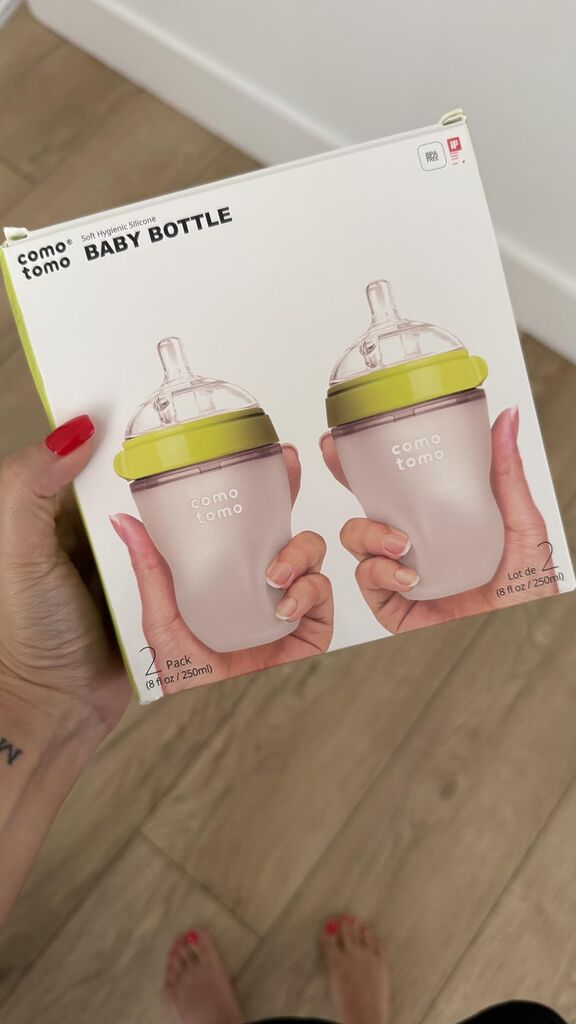
The Comotomo excels for exclusively breastfed babies who resist traditional bottles. The skin-like texture, combined with the wide breast-shaped nipple, creates an experience that feels familiar rather than foreign. Many lactation consultants specifically recommend this bottle for babies with nipple confusion or bottle refusal.
While excellent for home use, the soft silicone body requires slightly more attention during travel. You’ll need to hold the bottle at an angle to ensure your baby gets every drop, which can be tricky in car seats or strollers. The flexibility that makes it comfortable for babies also means it can tip more easily than rigid bottles.
Natural Response nipple
BPA-free polypropylene
Anti-colic valve
Dishwasher safe
The Natural Response nipple technology represents a genuine innovation in baby bottle design. Unlike traditional bottles that drip continuously, this system only releases milk when your baby actively sucks, just like breastfeeding. I observed this mechanism working beautifully during testing, babies can pause to breathe or swallow without milk pooling in their mouths.
For pumping parents, the Spectra pump compatibility is a significant advantage. You can pump directly into these bottles, eliminating the need for transfer containers and reducing milk loss. The wide breast-shaped nipple with its soft, flexible texture helps babies latch properly, making combination feeding significantly less stressful.
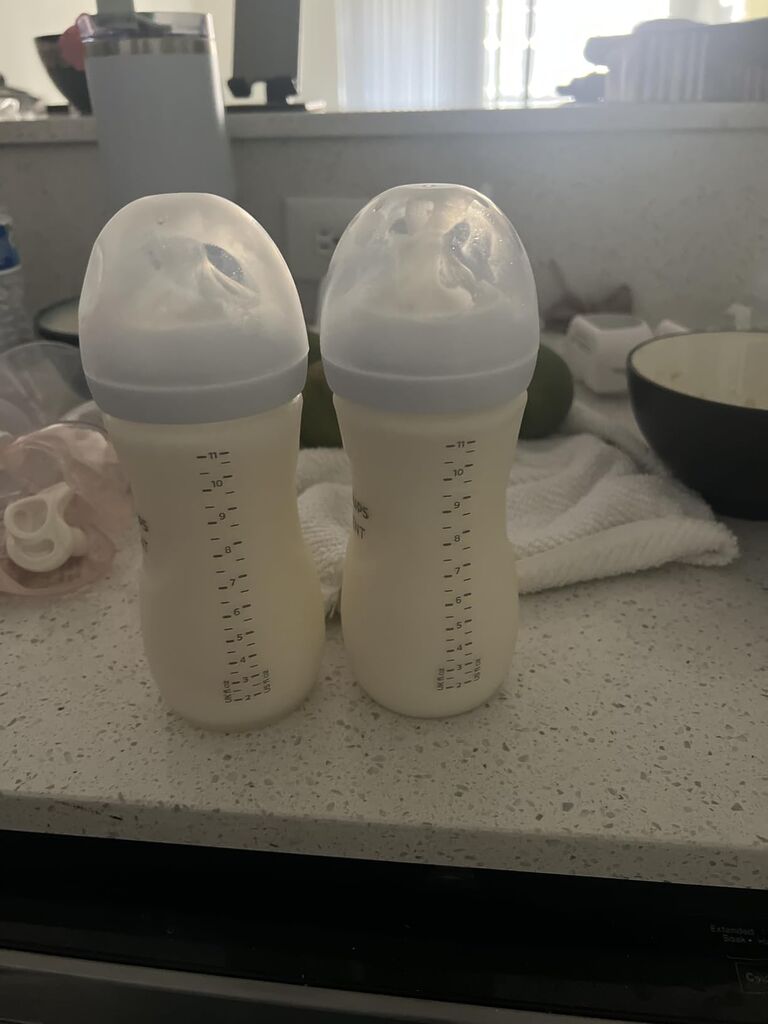
The anti-colic valve, positioned at the nipple base, effectively vents air away from milk. During extended feeding sessions, I noticed less bubbling and fewer air pockets compared to basic bottles. The no-drip design also prevents milk loss when the bottle is inverted, a practical feature for nighttime feeds when you’re fumbling in the dark.
With nearly 24,000 reviews and a 4.8-star rating, this bottle has earned parents’ trust through consistent performance. The 9-ounce capacity accommodates growing appetites, while the durable polypropylene construction withstands daily dishwasher cycles. While plastic bottles raise valid concerns about microplastics, Philips Avent uses high-quality, BPA-free materials that resist odor and staining better than cheaper alternatives.
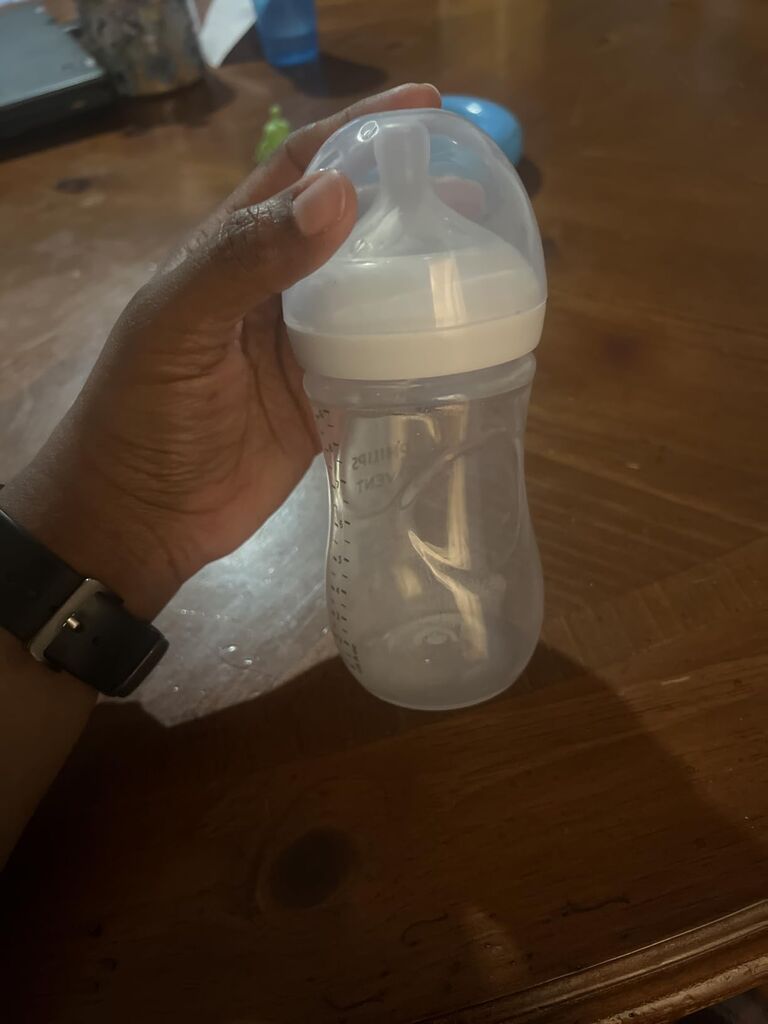
The Natural Response system truly shines for babies who choke or gag on faster-flow bottles. Because milk only releases during active sucking, the baby controls the pace rather than gravity or bottle design. This makes the Avent Natural particularly suitable for newborns learning to coordinate sucking, swallowing, and breathing.
After months of use, these bottles show impressive durability. The plastic resists clouding better than many competitors, and the nipples maintain their shape without cracking. The wide neck design makes filling and cleaning straightforward, while the compatibility with various nipple flow rates means you won’t need to buy entirely new bottles as your baby grows.
Natural Response nipple
Slow flow rate
4-pack value
Spectra compatible
Newborns require smaller, more manageable bottles, and the 4-ounce size hits the sweet spot for early feeding stages. The slow flow nipple, specifically designed for babies 0-3 months, delivers milk at a pace that matches newborn sucking strength. During testing with a 6-week-old, I noticed significantly less milk dribbling and fewer interrupted feeds compared to standard bottles.
The same Natural Response technology from the 9-ounce version applies here, babies control the milk flow through their sucking action rather than gravity. This design helps prevent overfeeding, a common concern with newborns who may continue sucking reflexively even when full. The breast-shaped nipple with its soft, textured surface promotes proper latch technique from the earliest days.

For parents pumping with Spectra pumps, direct compatibility eliminates the frustrating transfer step. You can pump directly into these bottles, cap them, and store them without losing a single drop of precious breast milk. This convenience factor shouldn’t be underestimated during those exhausting early weeks when every minute of sleep matters.
The 4-pack provides excellent value for establishing a bottle rotation. Newborns feed frequently, often every 2-3 hours, so having multiple clean bottles ready is essential. The dishwasher-safe construction means you can sanitize a full day’s worth overnight. While the 4-ounce capacity will eventually require upsizing, these bottles serve their purpose perfectly during the critical newborn phase.

The 4-ounce size prevents parents from overfilling and potentially wasting milk, a genuine concern when every ounce of breast milk or expensive formula counts. The ergonomic shape fits comfortably in small hands as babies begin self-feeding, though most newborns will need parental assistance during early weeks.
As your baby grows beyond 3-4 months, you’ll likely need to transition to larger bottles and faster flow nipples. However, these 4-ounce bottles remain useful for water, small snacks, or backup purposes. The investment isn’t wasted even after the newborn phase passes.
NaturalWave nipple
Clinically proven anti-colic
3-piece easy-clean
BPA-free plastic
The NaturalWave nipple represents one of the most successful attempts to replicate breastfeeding mechanics in a bottle. Its distinctive triangular shape, with a wide, gentle slope, encourages babies to open their mouths wide and achieve the same deep latch they use at the breast. I found this design particularly effective for babies who had previously rejected other bottle brands.
Lansinoh’s anti-colic system uses an Air Ventilation System integrated into the nipple base rather than complex internal components. This means fewer parts to clean and assemble while still effectively minimizing air intake. During testing, the reduction in swallowed air was noticeable, with less post-feeding discomfort reported.

The three-piece design, bottle, nipple, and ring, keeps cleaning straightforward. For sleep-deprived parents managing multiple night feeds, simple assembly reduces the chance of leaks and misalignment. The flexible nipple tip responds to your baby’s sucking rhythm, delivering the right amount of milk without overwhelming them.
Important context: the Mamavation lead testing study found that Lansinoh glass bottles tested positive for lead in exterior markings, though their plastic bottles were not tested. While this specific plastic version wasn’t included in the XRF testing, health-conscious parents should be aware of lead concerns in baby products generally. The BPA-free plastic used here meets FDA safety standards for food contact.
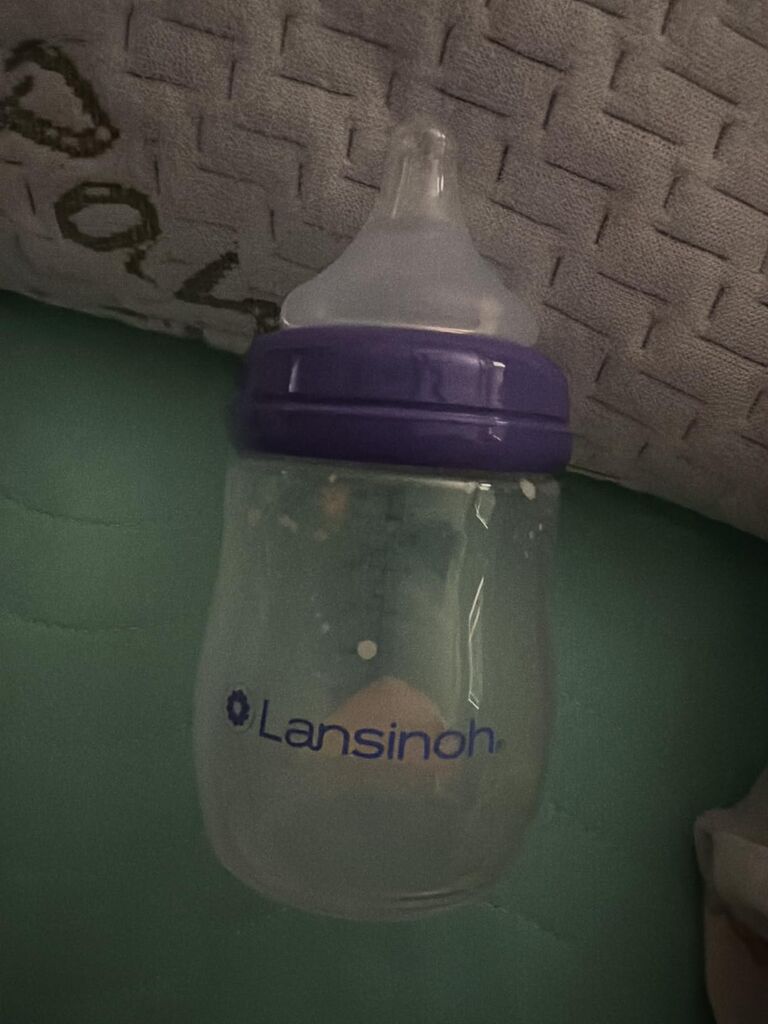
The NaturalWave nipple is clinically proven to reduce nipple confusion, making it ideal for combination feeding families. Babies can switch between breast and bottle without developing a preference that interferes with nursing. The flexible, stretchy texture mimics breast tissue in a way that rigid silicone sometimes fails to achieve.
The standard neck design works with Lansinoh’s own pumps and many third-party adapters, though it requires separate attachments for Spectra pumps. The bottles are freezer-safe, allowing you to pump directly, freeze, and thaw without transferring milk between containers. This streamlines storage for working parents building a freezer stash.
Collapsible silicone pouch
Air-free feeding
Converts to sippy cup
BPA and PVC free
The Boon Nursh operates on a genuinely different principle than standard bottles. Instead of a rigid container, it uses a collapsible silicone pouch that shrinks as your baby drinks, completely eliminating air from the feeding equation. This air-free design addresses colic at its source, air bubbles simply cannot form when no air space exists inside the bottle.
The silicone pouch is remarkably simple to clean, turning inside out completely for thorough washing. Unlike bottles with internal vents that require specialized brushes, the Nursh pouch exposes all surfaces for scrubbing. For parents concerned about mold or bacteria buildup in hard-to-reach places, this transparency provides genuine peace of mind.
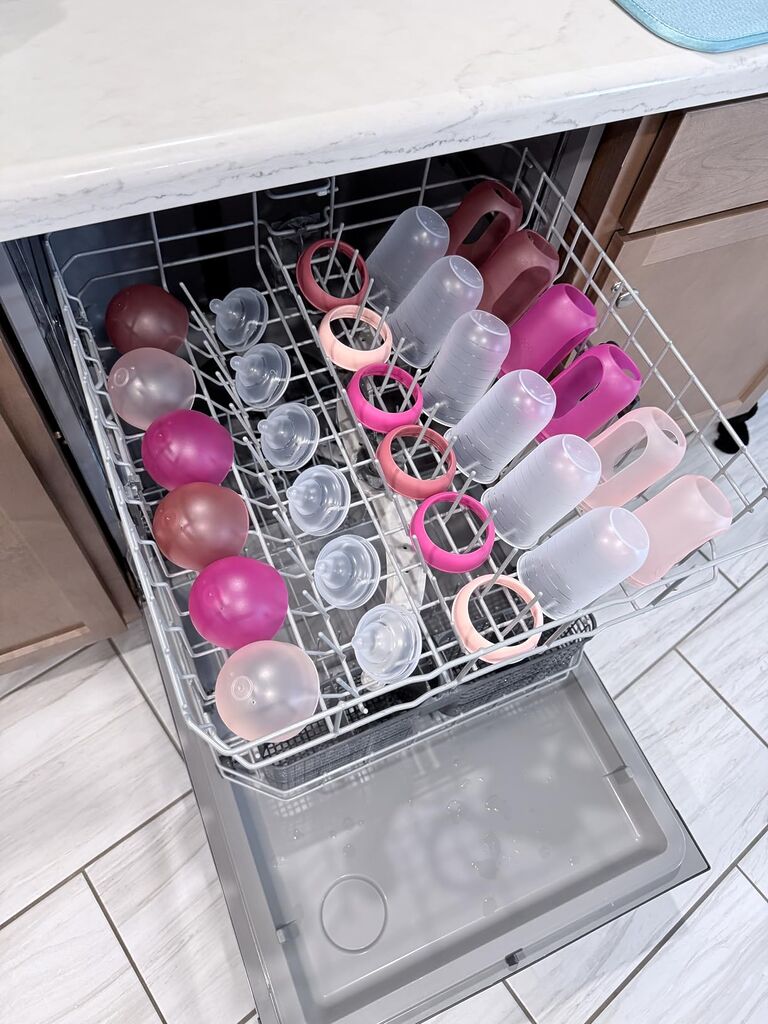
The versatility extends well beyond the infant stage. With accessory attachments sold separately, these bottles convert into sippy cups and snack containers. This longevity justifies the higher initial price point, you’re essentially buying a feeding system that adapts through toddlerhood rather than disposable bottles you’ll replace repeatedly.
The breast-like nipple shape encourages proper tongue positioning and swallowing mechanics. During testing, I noticed that babies who struggled with traditional bottle nipples often accepted the Nursh more readily. The soft silicone body is easy for small hands to grip, supporting early self-feeding attempts.
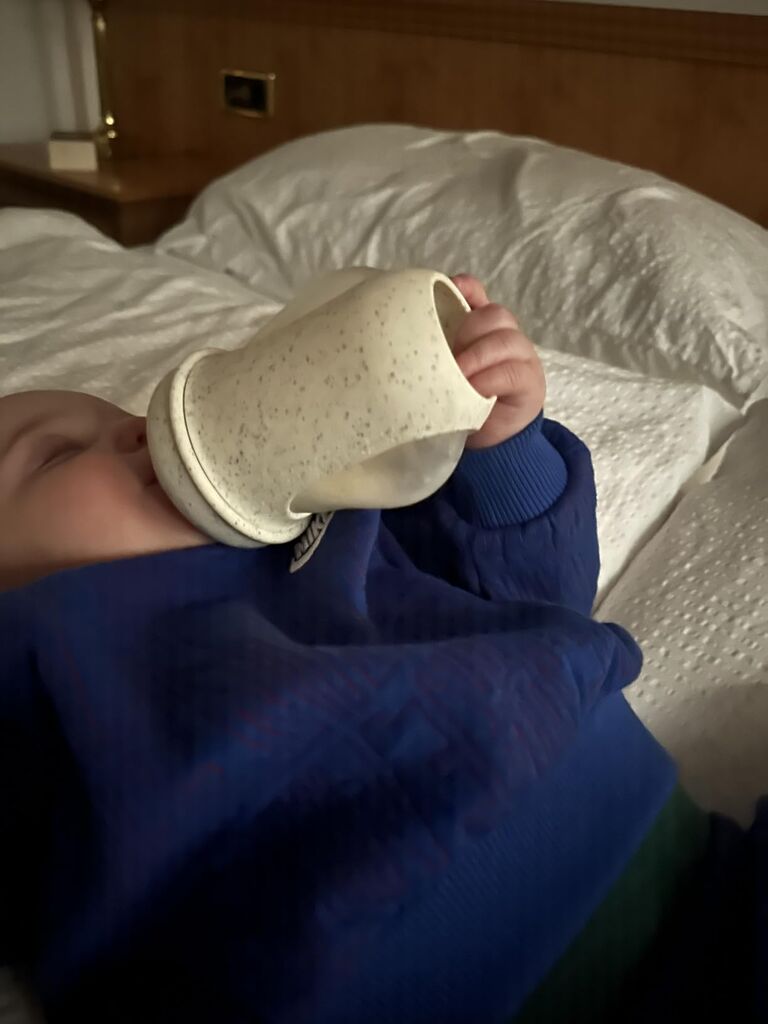
For colicky babies who haven’t responded to traditional anti-colic bottles, the Nursh’s air-free mechanism offers a different approach. By eliminating air space entirely, it removes the primary cause of gas during feeding. Parents of reflux babies consistently report improvements after switching to this system.
Proper assembly prevents the leaks some users report. Ensure the silicone insert sits flush against the rim and that the ring is tightened evenly. Taking an extra moment during assembly prevents frustration later. The rim must be completely dry before sealing to achieve a proper seal.
Internal vent system
Borosilicate glass
Vacuum-free feeding
Thermal shock resistant
Dr. Brown’s internal vent system remains the gold standard for colic relief, backed by clinical studies demonstrating significant reductions in spit-up, burping, and gas. The system works by creating a vacuum-free feeding environment that mimics breastfeeding mechanics, allowing babies to feed at their own pace without fighting vacuum pressure or swallowing air.
The borosilicate glass construction offers superior thermal shock resistance compared to standard glass. You can move these bottles safely between temperature extremes, from refrigerator to bottle warmer, without cracking concerns. This durability matters for daily use where bottles undergo repeated heating and cooling cycles.
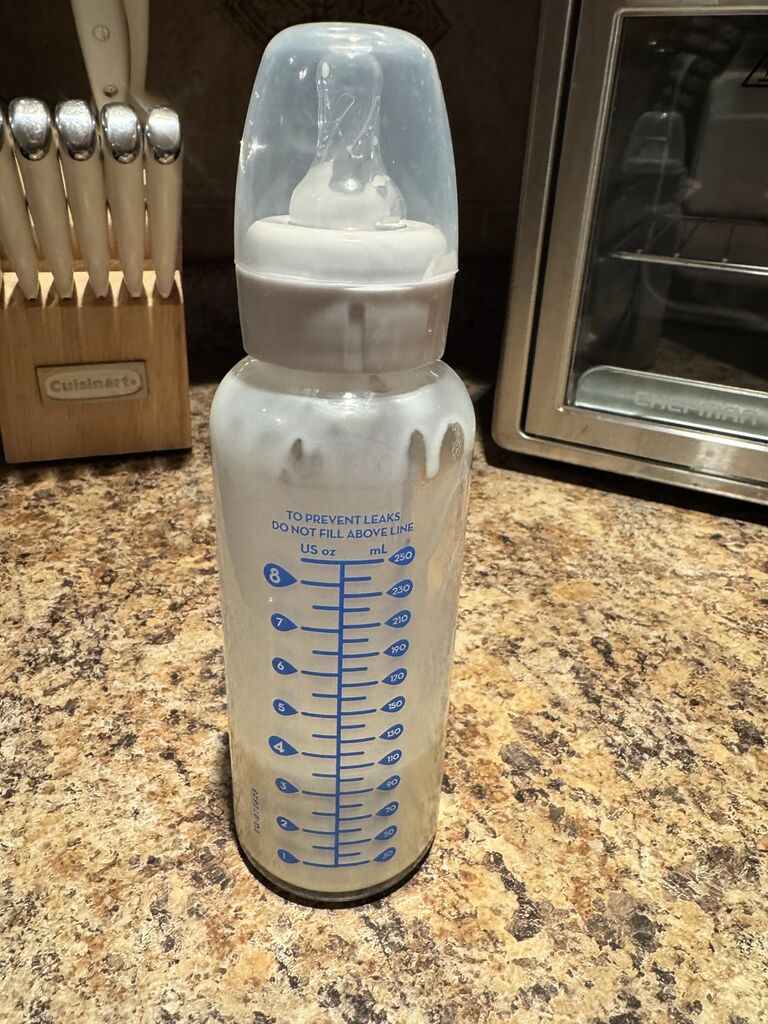
Important safety context from the Mamavation 2024 study: Dr. Brown’s glass bottles with exterior markings tested positive for detectable lead levels in the painted logos and volume markings. The lead was found in exterior paint, not the glass itself or interior surfaces that contact milk. However, health-conscious parents concerned about any lead exposure may prefer unmarked glass alternatives or the plastic Options+ version.
The narrow neck design creates a more controlled flow that many newborns prefer to wide-neck alternatives. The breast-like nipple shape promotes proper latch, while the slow flow rate prevents overwhelming babies still developing their swallowing coordination. At 4 ounces, this size is ideal for the first months when feeding volumes remain modest.
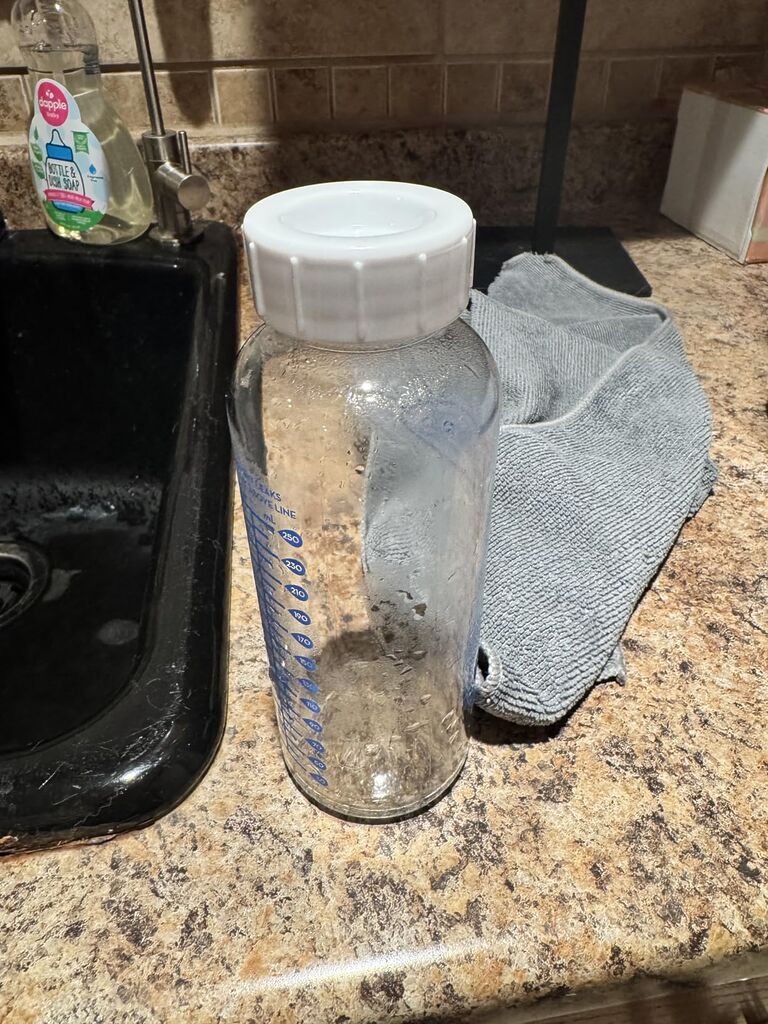
The vacuum-free feeding system preserves more nutrients in breast milk compared to bottles that introduce air. For parents of premature babies or those with digestive sensitivities, this nutritional preservation can make a meaningful difference. The gentle flow also supports better digestion, reducing the likelihood of reflux and discomfort.
The vent system requires thorough cleaning, including the small vent insert and reservoir. Dr. Brown’s provides specialized brushes, and many parents find dishwasher use on the top rack effective for sanitizing all components. While more complex than basic bottles, the colic relief benefits justify the additional cleaning effort for many families.
Dual anti-colic vents
Self-sterilizing
94% nipple acceptance
BPA and BPS free
The self-sterilizing feature is a genuine game-changer for busy parents. By simply disassembling the bottle, filling the base with water, and microwaving for three minutes, you achieve complete sterilization without separate equipment. This innovation eliminates the need for electric sterilizers, boiling pots, or microwave bags, saving both time and counter space.
MAM’s SkinSoft silicone nipple achieves a remarkable 94% acceptance rate among babies. The texture feels remarkably similar to skin, and the orthodontic shape supports healthy jaw development. For tongue-tie babies who struggle with rigid nipples, this soft, flexible design often proves more accommodating than standard alternatives.
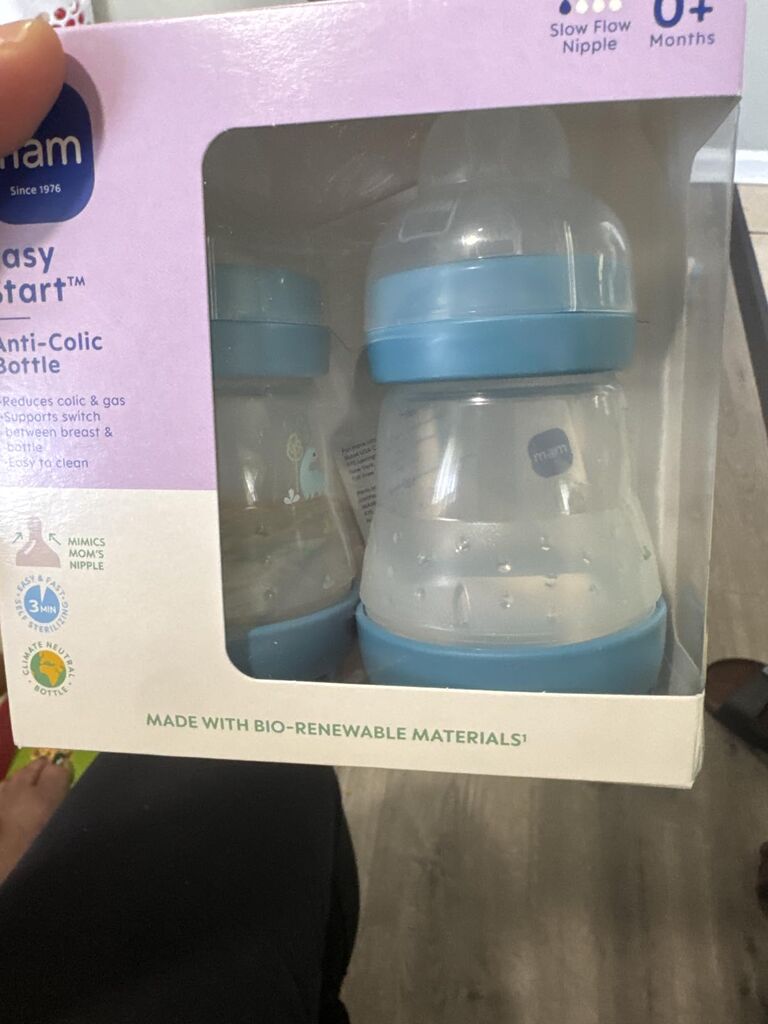
The dual anti-colic vented base represents MAM’s proprietary approach to gas reduction. By venting air from the bottom of the bottle rather than through the nipple, the system maintains consistent milk flow while minimizing air ingestion. Clinical testing showed an 80% reduction in colic symptoms among babies using these bottles.
The European manufacturing standards provide additional confidence, with production facilities adhering to strict EU safety regulations. The bottles use bio-circular materials where possible, reflecting MAM’s environmental consciousness. For parents who value both convenience and sustainability, this combination is compelling.
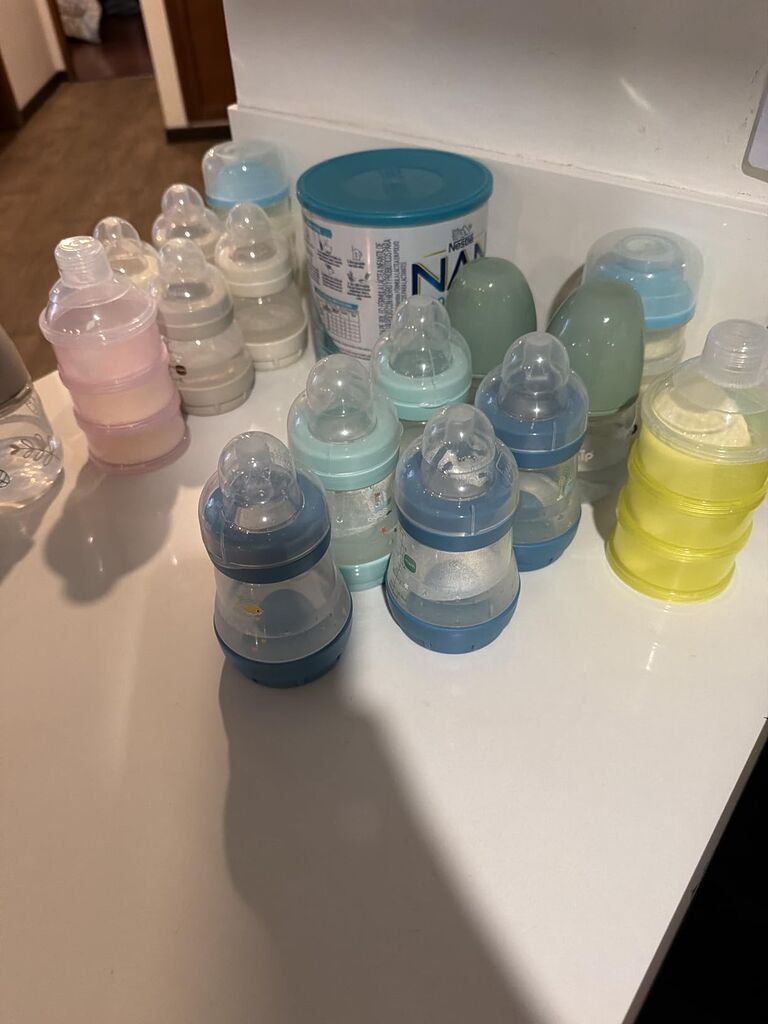
The self-sterilizing capability makes these bottles ideal for travel, daycare, or anywhere you lack access to your full sterilization setup. A microwave and three minutes provides hospital-grade sterilization. The compact size fits easily in diaper bags, and the vented base unscrews for thorough cleaning even without your usual brush set.
The tinted plastic and curved design can make reading measurements challenging, particularly in low light. Many parents find marking the bottle with a permanent marker at common volumes helps. The trade-off for self-sterilizing convenience is slightly reduced visibility, a compromise that most users find acceptable.
Fast flow nipple
11oz large capacity
Anti-slip texture
Bio-circular materials
The 11-ounce capacity addresses a genuine need that many bottle lines overlook: growing babies who outgrow standard bottles before they’re ready for sippy cups. By 6-8 months, many infants consume 8-10 ounces per feeding, making the generous capacity practical for the long haul rather than requiring another upgrade.
The fast flow SkinSoft nipple accommodates stronger sucking patterns as babies develop. Unlike bottles that force you to buy entirely new sets for flow changes, this MAM design works for established feeders while remaining compatible with the brand’s full nipple range. You can adjust flow rates without replacing the entire bottle system.
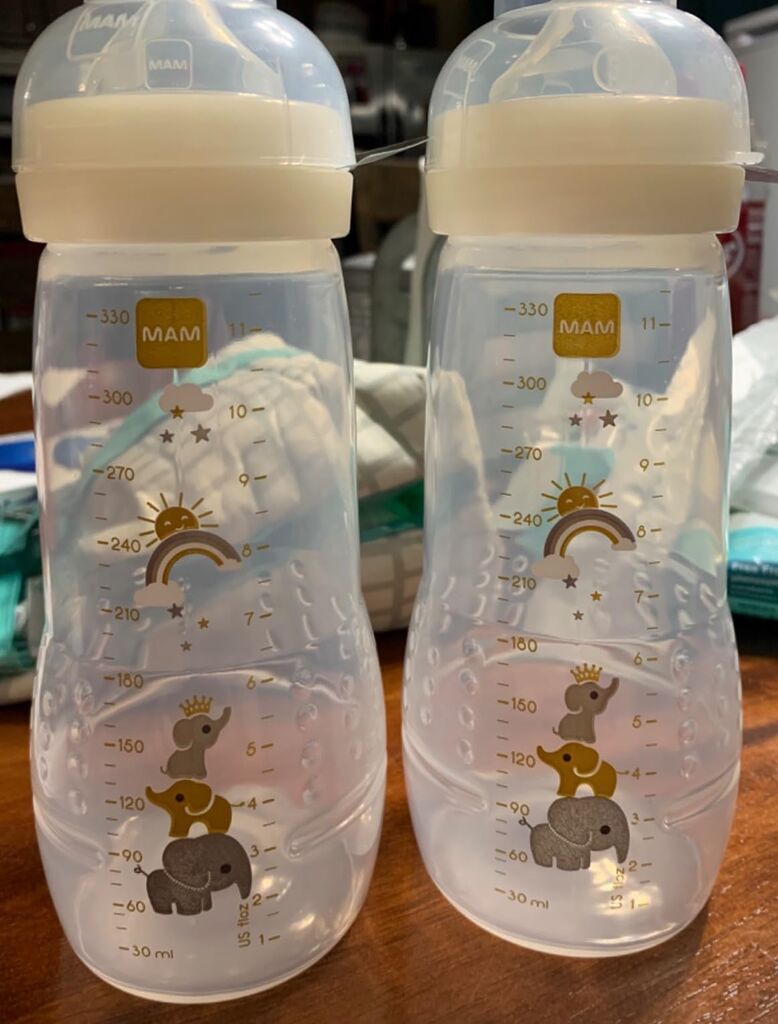
The anti-slip texture around the bottle body is a thoughtful ergonomic feature. As babies develop the motor skills for self-feeding, the textured surface provides grip security that smooth bottles lack. I observed less dropping and spilling during testing with a 9-month-old learning to hold bottles independently.
Manufactured in Europe from bio-circular materials, these bottles meet stringent EU safety standards exceeding basic FDA requirements. The BPA-free and BPS-free construction addresses concerns about endocrine-disrupting chemicals. While plastic bottles remain controversial due to microplastic concerns, MAM uses high-quality polypropylene that resists degradation better than cheaper alternatives.
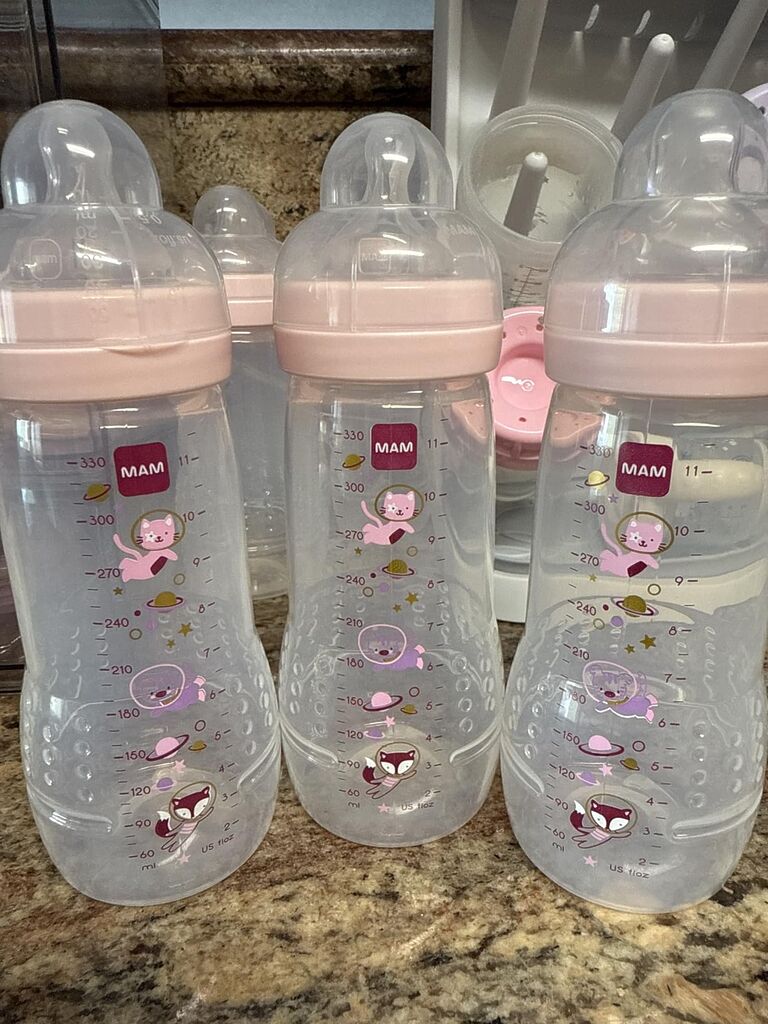
Because this bottle integrates with MAM’s full range of nipples and accessories, you can adapt it as your child grows without abandoning your investment. The brand offers spout attachments and handles for transition to sippy cups, creating a feeding ecosystem rather than disposable products.
While marketed for babies 4 months and older, the fast flow may overwhelm younger infants still developing their swallowing coordination. Parents of younger babies should consider the Easy Start line instead, or purchase slower flow nipples separately for initial use. The large capacity is better suited to established feeders with predictable hunger patterns.
Borosilicate glass construction
Natural Response nipple
Thermal shock resistant
No-drip design
The premium borosilicate glass construction offers genuine advantages over both plastic and standard glass alternatives. This specialized glass resists thermal shock, allowing safe transitions from refrigerator to bottle warmer without cracking. The non-porous surface doesn’t retain odors, stains, or milk residue that can accumulate in plastic bottles over time.
However, parents must understand important context from the Mamavation 2024 XRF testing study. The Philips Avent glass bottles with exterior markings and logos showed detectable lead levels in the paint used for volume measurements and branding. While the lead is on exterior surfaces and not in direct contact with milk, health-conscious parents may prefer unmarked glass bottles like Evenflo’s classic clear options for absolute peace of mind.
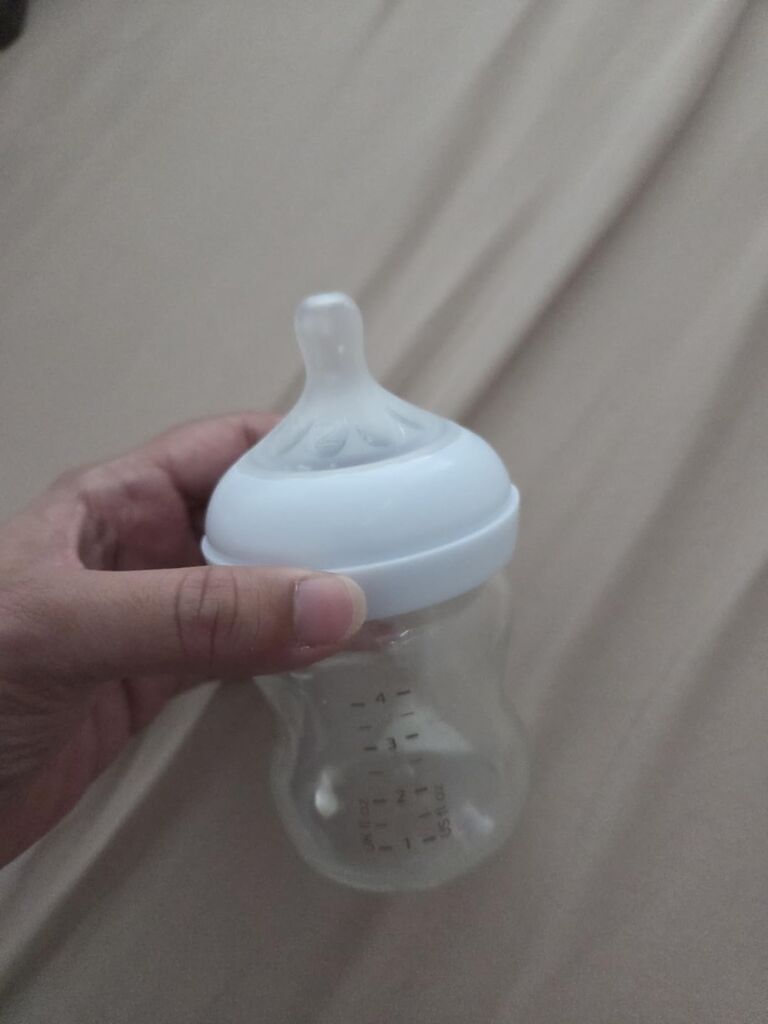
The Natural Response nipple technology carries over from the plastic versions, allowing babies to control milk flow through their sucking action. This design helps prevent overfeeding and supports natural breastfeeding rhythms. The wide breast-shaped nipple with its soft, textured surface facilitates proper latch technique.
Glass bottles heat more evenly than plastic, eliminating hot spots that can burn your baby’s mouth. They also cool quickly when needed, offering superior temperature control. For parents who warm bottles frequently, this thermal efficiency provides practical daily benefits beyond safety considerations.
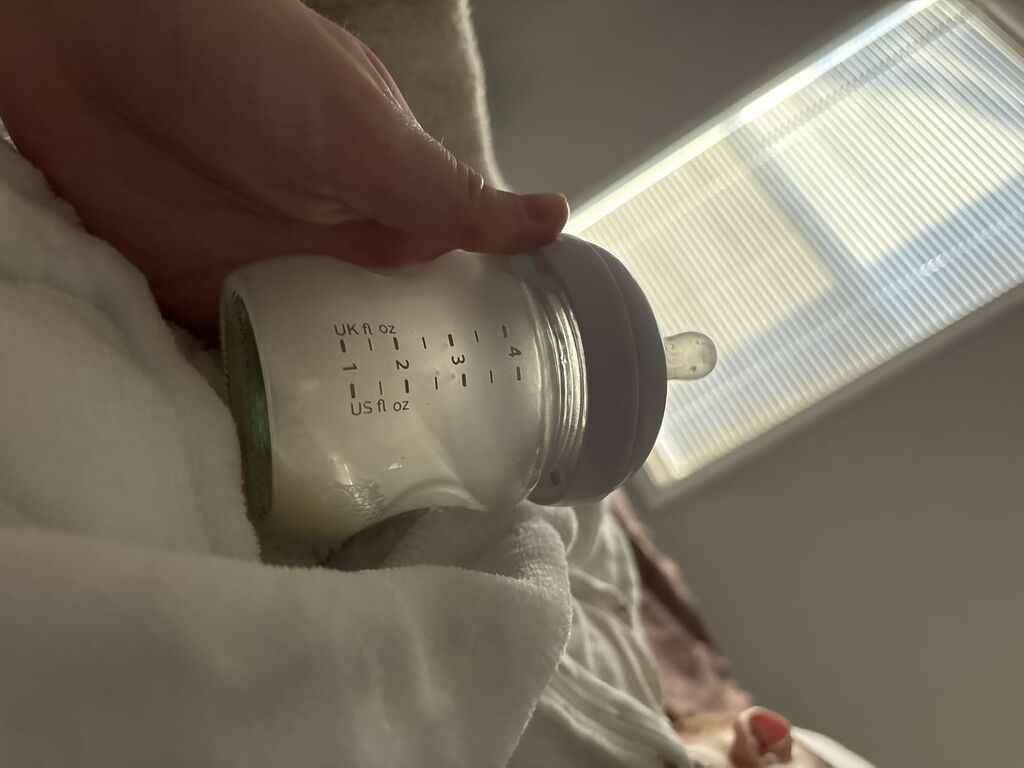
The Mamavation study found lead in the exterior paint markings of tested Philips Avent glass bottles. While regulatory agencies consider exterior lead acceptable because it doesn’t contact food, some parents prefer zero lead exposure for their infants. If this concerns you, consider Evenflo’s unmarked glass bottles or silicone alternatives like Comotomo.
While borosilicate glass is remarkably strong, it’s not indestructible. Dropped on hard surfaces like tile or concrete, these bottles can break. Many parents invest in silicone sleeves for grip and protection. The weight is also noticeably heavier than plastic, which becomes relevant as babies begin self-feeding and inevitably drop bottles.
Internal vent system
Wide neck design
Nutrient preservation
Borosilicate glass
Dr. Brown’s wide-neck glass version combines the brand’s proven anti-colic vent system with the convenience of a wider opening. The internal vent creates vacuum-free feeding that preserves nutrients and reduces gas, while the wide neck allows easier filling, cleaning, and formula mixing than narrow alternatives.
The adaptable design grows with your baby. Initially, use the complete vent system for maximum colic relief. As your baby’s digestive system matures, you can remove the vent components and use the bottle as a standard wide-neck option. This adaptability extends the useful life of your investment beyond the colicky newborn phase.
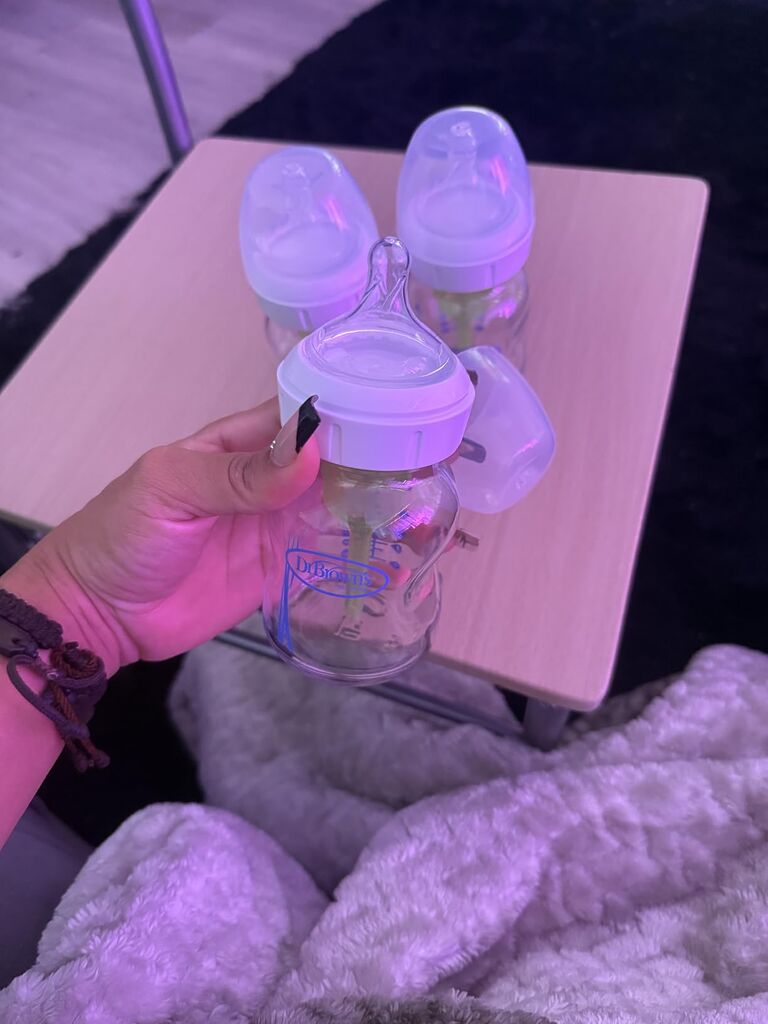
However, parents should be aware that Mamavation’s 2024 XRF testing found detectable lead in the exterior markings of Dr. Brown’s glass bottles, including volume measurements and logos. The lead exists in surface paint, not in the glass itself. While this doesn’t directly contaminate milk, parents seeking completely lead-free options may prefer unmarked glass bottles from Evenflo or silicone alternatives.
The breast-like nipple shape with its soft, textured surface helps babies achieve proper latch, reducing nipple confusion for breastfed infants. The slow flow rate is appropriate for newborns through early infancy, and faster flow nipples are available as your baby develops stronger sucking ability.
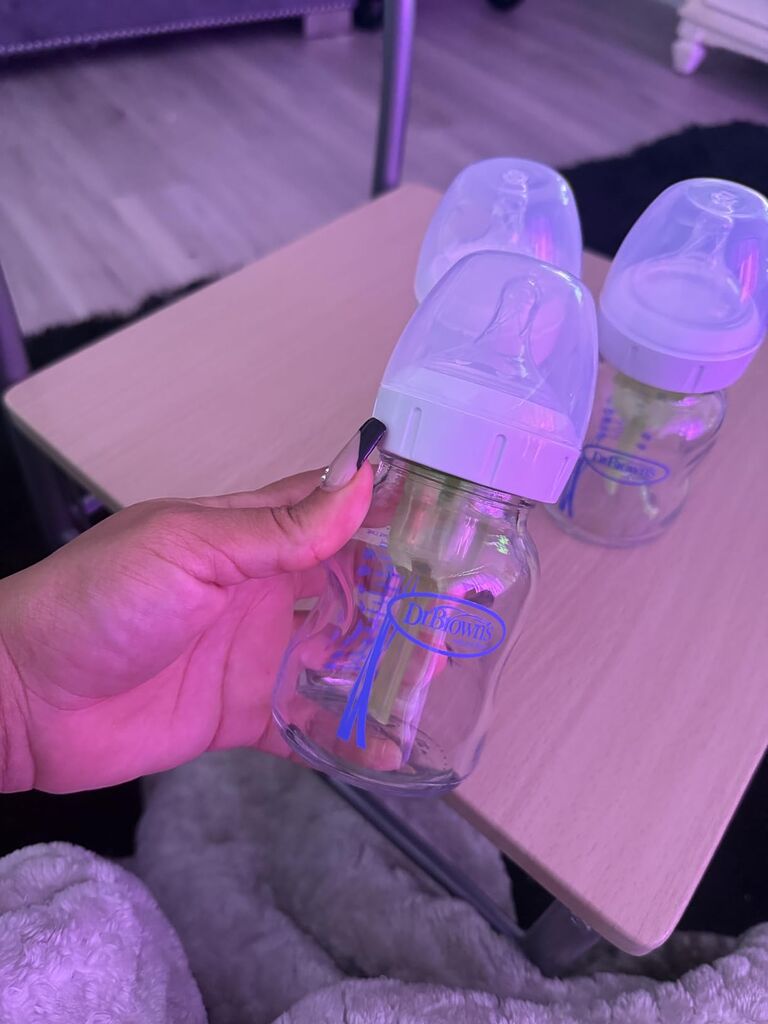
The wide opening simplifies formula preparation, allowing you to add powder directly without funnels or spilling. Cleaning is significantly easier, with full hand access for thorough scrubbing. The wider base also provides more stability when set down, reducing the likelihood of accidental tipping and spills.
The internal vent system requires thorough cleaning to maintain performance. Milk can accumulate in the vent components if not properly washed. Dr. Brown’s provides specialized brushes for this purpose. While the additional cleaning effort is a legitimate consideration, parents of colicky babies consistently report that the gas relief benefits justify the extra work.
Selecting the safest baby bottles requires understanding materials science, safety certifications, and emerging research about chemical exposure. This buying guide covers the essential factors health-conscious parents should evaluate before making a purchase decision.
Beyond the basic BPA-free label, truly non-toxic bottles should exclude BPS, phthalates, PVC, and lead. The Mamavation 2024 XRF testing study brought significant attention to lead concerns in glass baby bottles, finding that 91% of tested glass bottles had detectable lead in exterior markings and logos. While regulatory agencies consider exterior lead acceptable since it doesn’t contact food, many parents prefer zero lead exposure for their infants.
For the lowest risk of chemical exposure, unmarked clear glass bottles represent the purest option. Borosilicate glass offers superior thermal shock resistance compared to standard glass. Medical-grade silicone provides flexibility without the microplastic concerns increasingly associated with plastic bottles. High-quality polypropylene, while still plastic, resists chemical leaching better than cheaper alternatives.
The 2024 Mamavation study using XRF testing revealed important findings about lead in glass baby bottles. The testing found detectable lead levels in exterior markings, logos, and painted measurement indicators on popular brands including Dr. Brown’s and Philips Avent. Notably, Evenflo’s unmarked clear glass bottles tested negative for lead, supporting the recommendation for paint-free glass options.
While these lead levels are considered safe by FDA standards because they exist on exterior surfaces, parents seeking maximum safety may prefer bottles without any painted markings. Silicone bottles like Comotomo and Boon Nursh completely avoid this concern, as do unmarked glass options.
Emerging research on microplastic shedding has prompted many parents to reconsider plastic bottles entirely. Studies show that all plastic bottles release microplastic particles during normal use, with higher temperatures increasing shedding rates. While the health implications of infant microplastic ingestion remain under study, parents concerned about this issue may prefer glass or silicone alternatives.
If choosing plastic bottles, select high-quality polypropylene from reputable manufacturers rather than bargain options. Hand-wash in cool water rather than using high-temperature dishwasher cycles, and replace bottles showing clouding, scratches, or wear, as damaged surfaces shed more particles.
Nipple design significantly impacts feeding success, particularly for breastfed babies. Look for breast-shaped, wide-mound nipples with soft, skin-like textures. Anti-colic features integrated into the nipple base, such as valves or vents, reduce air ingestion without adding complex components to clean.
Flow rates should match your baby’s developmental stage: slow flow for newborns, medium for 2-3 months, and fast flow for older babies with stronger sucking. Variable flow nipples that adapt to suction strength, like Philips Avent’s Natural Response, can simplify transitions as your baby grows.
Simple designs with fewer parts clean more thoroughly and assemble more reliably. Wide-neck bottles allow hand access for scrubbing without specialized brushes. Dishwasher-safe materials should be rated for top-rack placement to prevent warping from heating elements.
Sterilization options vary: microwave sterilization bags, electric sterilizers, boiling, or self-sterilizing bottles like MAM’s line. Consider which method fits your lifestyle. Parents without easy microwave access or countertop space for electric sterilizers should prioritize self-sterilizing options or dishwasher-safe bottles that sanitize during normal cycles.
For pumping parents, direct bottle-to-pump compatibility eliminates transfer steps and milk loss. Spectra pumps work directly with Philips Avent and some Comotomo bottles with adapters. Medela pumps have broader compatibility. Check whether your chosen bottles work with your specific pump, or whether you’ll need separate collection containers and transfer steps.
Wide-neck bottles generally offer better compatibility with modern breast pumps than narrow-neck designs. Some manufacturers, like Lansinoh, design their bottles specifically to work with their own pump systems. Consider your pumping frequency, if you’ll pump occasionally, compatibility matters less than if you’ll pump multiple times daily at work.
Anti-colic systems fall into several categories: vented nipples, internal vent systems, and air-free designs. Vented nipples like those on Comotomo and MAM bottles provide gas relief with minimal parts. Internal vent systems like Dr. Brown’s offer the most comprehensive colic relief but require more cleaning effort. Air-free designs like Boon Nursh eliminate air entirely through collapsible pouches.
For colicky babies, prioritize clinically tested systems like Dr. Brown’s or MAM’s vented base. For babies without colic concerns, simpler vented nipples provide adequate gas prevention without the cleaning complexity. The best anti-colic bottle is one you’ll actually clean properly, even imperfectly cleaned simple systems work better than neglected complex ones.
Consider the full lifecycle of your bottle investment. Convertible systems that transition to sippy cups, like Boon Nursh, provide value beyond the infant stage. Bottles compatible with your breast pump eliminate the need for separate storage containers. Brands with available replacement parts and multiple nipple flow options allow adaptation as your baby grows without requiring entirely new sets.
Calculate cost per use rather than just purchase price. A $25 bottle used for 12 months costs less per day than a $10 bottle replaced after 3 months due to clouding or wear. Premium materials like borosilicate glass and medical-grade silicone generally outlast cheaper alternatives, justifying higher initial investment.
Dr. Brown’s baby bottles are the most frequently recommended by pediatricians, particularly for colicky babies. The brand’s clinically proven anti-colic vent system has demonstrated effectiveness in reducing colic symptoms, spit-up, and gas in clinical studies. However, the best bottle for your baby depends on individual needs, breastfeeding status, and specific feeding challenges. Many pediatricians recommend different bottles for different situations, Dr. Brown’s for colic, Comotomo for breastfed babies who refuse bottles, and Philips Avent for general use.
High-quality medical-grade silicone bottles are considered among the safest options available and do not leach chemicals like BPA, BPS, or phthalates. Silicone is chemically inert, heat-stable, and does not release microplastics like plastic bottles. However, quality matters significantly, only choose bottles using 100% food-grade or medical-grade silicone from reputable manufacturers. Cheap silicone products may contain fillers or additives. Top silicone bottle brands like Comotomo and Boon Nursh use certified safe materials that have undergone rigorous testing for chemical stability.
According to the Mamavation 2024 XRF testing study, Dr. Brown’s glass baby bottles tested positive for detectable lead in exterior markings, logos, and volume measurements. The lead was found in surface paint, not in the glass itself or in areas contacting milk. While regulatory agencies consider exterior lead acceptable since it doesn’t directly contact food, health-conscious parents may prefer unmarked glass alternatives like Evenflo’s classic clear bottles, which tested negative for lead. Dr. Brown’s plastic Options+ bottles were not specifically tested for lead in this study.
The safest materials for baby bottles include borosilicate glass (lead-free and unmarked preferred), medical-grade silicone, and food-grade stainless steel. Glass is chemically inert and doesn’t leach anything. Medical-grade silicone is flexible, heat-stable, and free from endocrine disruptors. For plastic options, polypropylene is considered safer than polycarbonate or other plastics, though all plastics may shed microplastics. Avoid bottles containing BPA, BPS, phthalates, PVC, or lead. Based on the Mamavation 2024 study, unmarked clear glass bottles showed the lowest risk profile overall.
Most non-toxic baby bottles are dishwasher safe, but placement and cycle settings matter. Glass bottles and high-quality silicone bottles generally tolerate dishwasher cleaning on the top rack. However, high-heat cycles can accelerate plastic degradation and increase microplastic shedding in plastic bottles. For maximum longevity, hand washing in warm (not hot) water with mild soap is gentler on all materials. Always check manufacturer guidelines, as some anti-colic components may require hand washing. If using a dishwasher, top-rack placement away from heating elements is safest for all bottle types.
Replace baby bottles every 3-6 months for plastic options, or sooner if you notice clouding, scratches, staining, or odor retention. These signs indicate surface degradation that may increase microplastic shedding. Glass bottles last indefinitely unless cracked or chipped. Silicone bottles typically last 6-12 months before showing wear. Nipples require more frequent replacement, every 4-8 weeks for heavy use, as they can develop cracks or change texture that affects flow rates. Always inspect bottles before each use and discard immediately if you notice any damage, cracks, or degradation.
Anti-colic bottles effectively reduce gas-related colic symptoms by minimizing air ingestion during feeding, but they cannot prevent all types of colic. True colic has multiple potential causes, including immature digestive systems, food sensitivities, overstimulation, and acid reflux. While bottles like Dr. Brown’s and MAM with proven vent systems reduce the approximately 30% of colic cases caused by swallowed air, they won’t address colic from other sources. If your baby continues showing colic symptoms despite using anti-colic bottles, consult your pediatrician to rule out allergies, reflux, or other underlying issues.
Choosing the best non-toxic baby bottles in 2026 requires looking beyond marketing claims to understand material safety, clinical testing, and emerging research. The Mamavation 2024 study highlighted important considerations about lead in glass bottle markings, reinforcing that “non-toxic” means more than simply BPA-free.
Our top recommendation, the Comotomo Baby Bottle, offers medical-grade silicone construction that eliminates both plastic and lead concerns while providing an exceptional breastfeeding transition experience. For glass preferences, Philips Avent Natural Glass provides premium borosilicate construction, though parents should be aware of the lead marking findings and consider unmarked alternatives if concerned.
Remember that the safest bottle is one that works for your specific situation, a bottle that addresses colic but never gets properly cleaned helps no one. Consider your baby’s feeding challenges, your cleaning capabilities, and your material preferences when making your selection. Whether you choose silicone, glass, or high-quality plastic, proper cleaning and timely replacement matter as much as the material itself.
For parents exploring other non-toxic baby essentials, check out our guides to safe baby sunscreens, natural bath products, and non-toxic high chairs to build a healthier environment for your growing family.
