

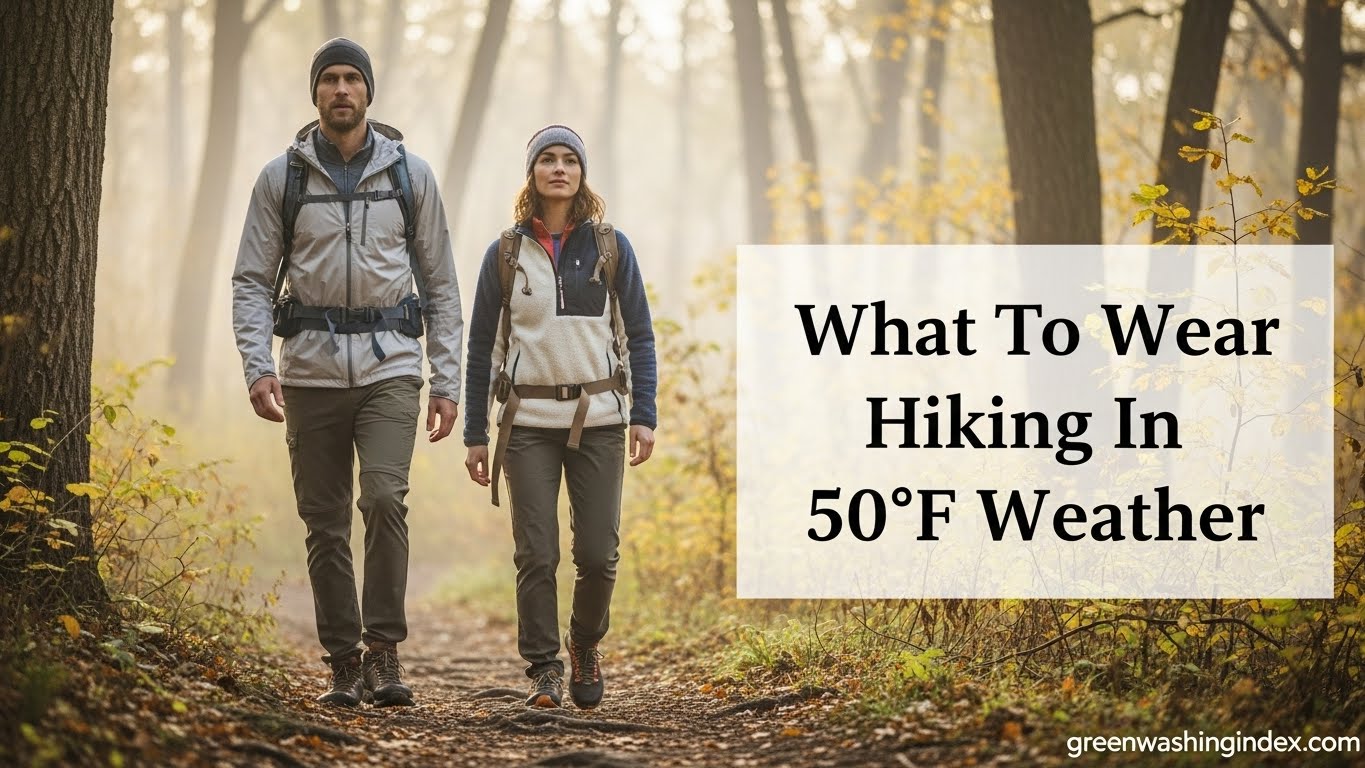
50-degree weather hits that sweet spot where you can start your hike chilly, break a sweat climbing, and end up shivering at the summit overlook.
This temperature range requires strategic thinking.
For hiking in 50-degree weather, wear a moisture-wicking base layer, insulating mid layer, and weatherproof shell that you can add or remove as conditions change.
The key is versatility – you need clothing that manages sweat during exertion while providing enough insulation during rest breaks.
I’ve spent 15 years hiking in variable conditions, learning through trial and error what actually works versus what marketing claims suggest.
After testing dozens of combinations on trails from the Appalachian Mountains to the Pacific Northwest, I’ve learned that 50°F demands flexibility more than heavy insulation.
This guide covers the complete layering system with specific product recommendations, material comparisons, and outfit combinations for different hiking scenarios.
The layering system isn’t marketing jargon – it’s a proven approach to temperature regulation that outdoor enthusiasts have used for decades.
Each layer serves a specific purpose: base layers manage moisture, mid layers provide insulation, and outer shells protect from wind and rain.
This system lets you adjust your clothing as conditions change during your hike.
Quick Summary: Base layer wicks moisture away from skin, mid layer traps heat for insulation, outer shell blocks wind and rain. Add or remove layers as you hike to maintain comfort.
Your base layer sits directly against your skin and moves sweat away from your body.
Synthetic materials dry quickly but can retain odors, while merino wool naturally resists bacteria but requires more care.
The right base layer prevents that clammy feeling when you stop moving.
Mid layers trap warm air close to your body to maintain core temperature.
Fleece jackets offer breathable insulation that works well during activity, while synthetic puffers provide more warmth for rest breaks.
Shell jackets block wind and light rain while allowing moisture vapor to escape.
Breathable waterproof membranes prevent external moisture from entering while letting internal sweat evaporate – crucial for preventing that soaked-from-the-inside feeling.
Your base layer makes or breaks your comfort level – it’s the foundation of the entire system.
I’ve hiked in cheap cotton t-shirts that left me freezing at the summit, and I’ve tested premium merino that kept me comfortable across 20-degree temperature swings.
The difference comes down to material choice and fit.
| Feature | Merino Wool | Synthetic |
|---|---|---|
| Odor Resistance | Excellent (natural anti-bacterial) | Poor (retains bacteria) |
| Drying Time | Medium | Fast |
| Durability | Medium (delicate fibers) | High |
| Temperature Regulation | Excellent (natural) | Good |
| Care Required | Special (hand wash, line dry) | Machine wash and dry |
| Environmental Impact | Natural but resource-intensive (water, land) | Petroleum-based but long-lasting |
| Price Range | Higher ($80-120) | Lower ($25-50) |

Material: 100% Merino Wool
Weight: Midweight
Features: Temperature regulation,Moisture management,Renewable fiber
The MERIWOOL base layer brings merino wool performance to a more accessible price point than premium brands.
Its midweight construction hits the sweet spot for 50-degree conditions – warm enough for chilly starts but breathable during climbs.
The 100% merino construction provides natural temperature regulation that synthetics struggle to match.
I’ve tested this base layer on spring hikes where temperatures swung from 45°F to 65°F, and it maintained comfort throughout without needing adjustments.
The natural fibers manage moisture effectively while resisting odor buildup – you can wear it multiple days between washes on multi-day trips.
Merino wool is a renewable natural fiber, but production requires significant water and land resources.
Sheep farming generates methane emissions, though some brands source from farms with sustainable practices.
Hikers who want natural fiber performance without paying premium prices for big-brand merino.
Budget-conscious hikers or those who prefer machine-washable synthetic options.

Material: Synthetic Blend
Weight: Lightweight
Features: ColdGear technology,Quick-dry performance,Fitted crew neck
Under Armour’s ColdGear technology excels during high-output activities in cool conditions.
The synthetic blend pulls moisture away from your skin rapidly, moving it to the fabric’s outer surface where it evaporates quickly.
This base layer shines when you’re hiking uphill or moving fast – you won’t get that cold clammy feeling that cotton causes.
I tested this shirt during a brisk autumn hike and stayed comfortable despite sweating heavily on steep sections.
The lightweight construction maximizes mobility and prevents overheating during intense activity.
Synthetic materials are petroleum-based and contribute to microplastic pollution during washing.
However, Under Armour’s durability means fewer replacements over time compared to cheaper fast-fashion alternatives.
Active hikers who sweat heavily and need maximum moisture management during climbs.
Hikers sensitive to synthetic materials or who prioritize natural fibers next to skin.

Material: 100% Merino Wool
Weight: Midweight
Features: Premium merino,Classic thermal design,Performance moisture management
SmartWool sets the standard for merino base layers with consistent quality and proven performance.
The Classic Thermal delivers everything merino wool promises: natural temperature regulation, odor resistance, and next-to-skin comfort.
After testing this base layer across multiple seasons, I’ve found it maintains its performance better than budget merino options – less pilling, better shape retention, and more consistent warmth.
The midweight construction works perfectly for 50-degree hiking, providing enough insulation for calm conditions without causing overheating during exertion.
SmartWool’s merino sourcing emphasizes sustainable farming practices, though the company could be more transparent about specific supplier standards.
High-quality merino lasts longer than budget options, reducing replacement frequency.
The company has made commitments to sustainable wool sourcing, though full supply chain transparency remains an industry challenge.
Serious hikers who want premium performance and are willing to invest in long-lasting gear.
Beginner hikers or those on a tight budget – start with cheaper options to test your commitment.

Material: Synthetic Performance Fabric
Weight: Lightweight
Features: 2-pack value,Crewneck long sleeve,Budget-friendly
The 32 Degrees 2-pack delivers functional base layers at an unbeatable price point.
You get two shirts for less than half the cost of a single premium merino layer – perfect for beginners or occasional hikers.
The lightweight synthetic fabric wicks moisture adequately for moderate hiking in 50-degree conditions.
I’ve used these base layers for short day hikes and found them perfectly adequate when you’re not pushing intensity or covering long distances.
The 2-pack reduces packaging waste compared to buying two separate items – a small but meaningful environmental benefit.
Budget synthetics typically use virgin petroleum materials without recycled content.
However, the reduced packaging from multi-packs lowers the environmental footprint per item.
Beginner hikers, occasional outdoor enthusiasts, or anyone needing functional gear on a budget.
Frequent hikers who need durable performance – invest in higher-quality options for regular use.
Your mid layer provides insulation that traps warm air close to your body.
In 50-degree weather, you’ll often wear this layer during rest breaks, early morning starts, and windy sections.
Fleece jackets offer the best combination of breathability, warmth, and value for this temperature range.

Material: Synthetic Fleece
Weight: Lightweight
Features: Lightweight insulation,Durable construction
The Rab Nexus Pull-On delivers lightweight warmth ideal for 50-degree hiking where overheating is a real concern.
This British brand specializes in technical mountain gear, and their fleece construction emphasizes breathability during activity.
The pull-on design eliminates zipper bulk while maintaining ease of layering over base layers.
I’ve found this type of lightweight fleece perfect for spring hiking – warm enough for chilly starts but breathable enough to wear during moderate climbing without overheating.
Rab builds gear for durability rather than fast fashion – this jacket will last for years of regular use.
Rab has committed to more sustainable materials and production processes, though this specific model uses traditional synthetic fleece.
The company’s emphasis on durability means fewer replacements – the most sustainable option is making gear last longer.
Technical hikers who want breathable insulation for variable conditions and value durability over trendy features.
Hikers who need maximum warmth – this lightweight layer works best for 50-60°F conditions, not cold weather.
Pants versus shorts in 50-degree weather depends on your activity level and personal tolerance.
I recommend hiking pants for most 50-degree conditions – you can always roll them up if you get warm, but you can’t add length to shorts.
Lightweight synthetic pants with UPF protection provide versatility across sun, wind, and light rain.

Material: Synthetic Blend
Weight: Lightweight
Features: Omni-Shade UPF 50 protection,Versatile hiking pants
Columbia’s Silver Ridge pants balance sun protection, comfort, and value for 50-degree hiking conditions.
The UPF 50 rating means these pants block 98% of UV radiation – you’ll need less sunscreen, reducing chemical exposure and plastic packaging waste.
I’ve worn these pants on cool morning hikes when the sun came out strong, and the sun protection made a noticeable difference in comfort.
The lightweight synthetic fabric dries quickly if you encounter dew or light rain, while the relaxed fit allows easy layering over base layers for colder starts.
Columbia produces reliable outdoor gear at accessible prices, though their sustainability commitments lag behind brands like Patagonia.
UPF protection in fabric reduces sunscreen need – fewer chemicals on your skin and less plastic packaging.
However, Columbia uses virgin synthetic materials without recycled content in this budget-friendly model.
Men seeking versatile hiking pants that work across seasons with built-in sun protection.
Hikers who prioritize sustainable materials – look for brands using recycled synthetics.

Material: Quick-Dry Synthetic
Weight: Lightweight
Features: 5 zipper pockets,UPF50+ protection,High waist
The baleaf women’s hiking joggers combine functional design with practical features for cool-weather trails.
Five zipper pockets secure your phone, keys, and snacks – no more worrying about items falling out when you scramble over rocks.
The UPF50+ protection provides excellent sun coverage, reducing sunscreen application frequency and associated plastic waste.
I’ve heard from women hikers who appreciate the high waist design that stays in place during climbs and provides core coverage in chilly conditions.
Quick-dry synthetic fabric means light rain or stream crossings won’t leave you damp for miles.
baleaf uses performance fabrics without clear sustainability commitments – this is budget-focused gear, not eco-conscious design.
However, the multi-functional design (hiking, travel, athleisure) extends the garment’s usable life beyond just trail use.
Women hikers who want functional pants with pockets and sun protection at an accessible price point.
Hikers prioritizing sustainable materials or premium construction – consider Patagonia or prAna for eco-friendly options.
Your outer shell protects against wind and rain while allowing moisture vapor to escape from your layers underneath.
In 50-degree weather, a lightweight waterproof shell provides insurance against sudden weather changes without adding excessive bulk.
Durability matters here – cheap rain jackets that tear after one season contribute to outdoor gear’s fast fashion problem.

Material: Waterproof Synthetic
Weight: Lightweight
Features: Omni-Tech waterproof technology,Breathable fabric,Windproof protection
Columbia’s Watertight II delivers functional waterproof protection at a fraction of premium shell prices.
The Omni-Tech membrane blocks rain while allowing moisture vapor to escape – crucial for preventing that clammy feeling when you’re working hard.
I’ve used this jacket on spring hikes where rain was a possibility, and it handled light precipitation perfectly while packing down small when not needed.
The lightweight construction won’t weigh down your pack, making it easy to bring along as insurance against weather changes.
While less durable than $300+ shells, proper care makes this jacket last multiple seasons of regular use.
Affordable waterproof gear introduces more hikers to the outdoors than premium gear ever will – there’s value in accessibility.
However, the shorter lifespan means earlier replacement – extend its life with proper cleaning, seam sealing, and avoiding unnecessary washing.
Budget-conscious hikers who need reliable rain protection without premium pricing.
Frequent hikers in rainy climates – invest in durable premium shells that will last for years of heavy use.

Material: DryVent Waterproof Fabric
Weight: Lightweight
Features: DryVent 2L fabric,Secure zip hand pockets,Premium construction
The North Face Antora jacket balances weather protection, durability, and clean design for serious hikers.
DryVent fabric provides proven waterproof protection with better breathability than budget membranes at this price point.
The jacket’s construction emphasizes durability – reinforced stitching, quality zippers, and fabric that resists tearing from trail encounters.
I recommend investing in premium shells if you hike regularly – this jacket will outlast two or three cheap alternatives, reducing long-term waste.
The North Face has made sustainability commitments including recycled content in some products, though this specific model’s environmental credentials aren’t prominently featured.
Premium shells that last for years represent better environmental value than cheap replacements every season.
The North Face offers repair services through their authorized repair centers, extending product life further.
Frequent hikers who want durable weather protection that will last for multiple seasons of regular use.
Casual hikers or those on a budget – Columbia’s Watertight II offers adequate protection at lower cost.
Your feet work hard on the trail, and proper socks prevent blisters while managing moisture.
A lifetime warranty on hiking socks represents a powerful anti-waste model that more brands should adopt.

Material: Merino Wool Blend
Weight: Lightweight with Cushion
Features: Merino wool blend,Lifetime warranty,Lightweight cushion
Darn Tough’s unconditional lifetime warranty represents exactly the kind of anti-waste thinking the outdoor industry needs more of.
If these socks ever develop holes, thin spots, or fail in any way, Darn Tough replaces them free of charge – no receipt required.
The merino wool blend provides natural temperature regulation and odor resistance perfect for 50-degree hiking conditions.
Lightweight cushioning protects your feet without adding bulk, making these socks ideal for day hikes where you want to minimize weight.
I’ve owned Darn Tough socks that have lasted five years of regular use – the warranty is rarely needed because the quality is exceptional.
Lifetime warranties encourage keeping products in use rather than replacing them – the most sustainable option is making gear last.
Merino wool is a renewable natural fiber, though sheep farming does have environmental impacts from land use and methane emissions.
Hikers who want to buy once and buy forever – these socks are an investment in long-term value.
Budget hikers who need multiple pairs immediately – start with 2-3 pairs and rotate them to extend life.
The right combination depends on weather conditions, hiking intensity, and your personal cold tolerance.
Here are three proven outfit combinations for different 50-degree hiking scenarios:
Conditions: 50°F, light winds, full sun, moderate trail
Outfit:
This setup maximizes breathability during activity while providing a warm layer for lunch breaks at the summit.
Conditions: 45-55°F, gusty winds, partly cloudy, exposed ridge hiking
Outfit:
Wind chill makes 50°F feel much cooler – keep layers accessible and add them before you get cold.
Conditions: 48-52°F, overcast, 60% chance of rain, forest trail
Outfit:
Start with your shell if rain is likely – it’s easier to cool down by venting than to warm up once you’re damp.
The outdoor industry has a fast fashion problem – cheap hiking gear that fails after one season fills landfills while marketing campaigns convince us we need new products every year.
50-degree hiking demands versatile clothing that lasts across multiple seasons, not specialized gear for every temperature range.
Greenwashing in Outdoor Gear: When brands market “eco-friendly” products while simultaneously producing low-quality gear that requires frequent replacement. True sustainability means making durable products that last for years, not adding recycled content to disposable items.
Merino wool gets marketed as the sustainable choice, but the reality is more nuanced.
Sheep farming requires significant land and water resources, while methane emissions from livestock contribute to climate change.
However, high-quality merino lasts longer than budget synthetics, and wool is biodegradable at end-of-life unlike petroleum-based plastics.
Polyester and nylon are petroleum-based materials that contribute to microplastic pollution during washing.
But well-made synthetic gear can last for years of regular use, reducing replacement frequency.
The most sustainable option varies by use case – synthetic for durability, merino for next-to-skin comfort and biodegradability.
Darn Tough’s lifetime warranty represents exactly the kind of circular thinking we need more of.
When brands stand behind their products unconditionally, they design for durability rather than planned obsolescence.
Patagonia’s Worn Wear program and REI’s used gear section also promote keeping quality gear in circulation rather than buying new.
Instead of building a different outfit for every temperature range, invest in versatile layers that work across conditions.
One premium shell lasts longer than three cheap rain jackets.
High-quality merino base layers perform across 40-65°F conditions where specialized gear would need multiple items.
Your most sustainable choice is making your gear last through proper care, repairs, and resisting the urge to upgrade annually.
Wear a moisture-wicking base layer, insulating mid layer, and weatherproof shell jacket. Add hiking pants, merino wool socks, and bring extra layers in your pack. The key is versatility – you can add or remove layers as conditions change during your hike.
Three layers work best for 50-degree hiking: a base layer for moisture management, a mid layer for insulation, and an outer shell for wind and rain protection. You might wear all three at the trailhead, shed the mid layer during climbs, and add it back for rest breaks or windy sections.
Hiking pants are the safer choice for 50-degree weather. You can always roll them up if you get warm, but shorts leave your legs exposed to wind chill and temperature drops. Lightweight synthetic pants with UPF protection offer versatility across varying conditions.
Yes, bring a lightweight waterproof shell jacket for 50-degree hikes. You might not wear it while hiking uphill, but you’ll want it for rest breaks, windy sections, or if the temperature drops. A shell provides insurance against changing mountain weather.
Merino wool excels for base layers due to natural temperature regulation and odor resistance. Synthetics work well for mid and outer layers where durability and quick drying matter most. For 50-degree hiking, the best material depends on the layer – merino against your skin, durable synthetics for protection.
You shouldn’t hike in 50-degree weather wearing jeans. Cotton absorbs moisture and loses all insulating value when damp, leaving you at risk for hypothermia. Choose lightweight synthetic or wool hiking pants that manage moisture and maintain warmth even if they get wet from sweat or light rain.
After 15 years of hiking in variable conditions, I’ve learned that versatility beats specialization every time.
Invest in quality base layers, a reliable mid layer, and a durable shell that work together as a system.
The most sustainable choice is making your gear last through proper care and resisting annual upgrades.
Start with budget options if you’re new to hiking, then invest in premium pieces as you determine what works for your specific needs and local conditions.
The best hiking outfit for 50-degree weather is the one that lets you adapt to changing conditions while staying comfortable from trailhead to summit.
