

I’ve spent years exploring underground passages across North America, and the number one mistake I see new cavers make? Wearing cotton. After watching a beginner shiver uncontrollably in a 52-degree cave because their jeans were soaked, I learned this lesson the hard way. Proper caving clothing isn’t about comfort—it’s about survival. caves maintain a constant 50-55°F temperature year-round, and the wrong clothing choices can turn an amazing adventure into a dangerous situation.
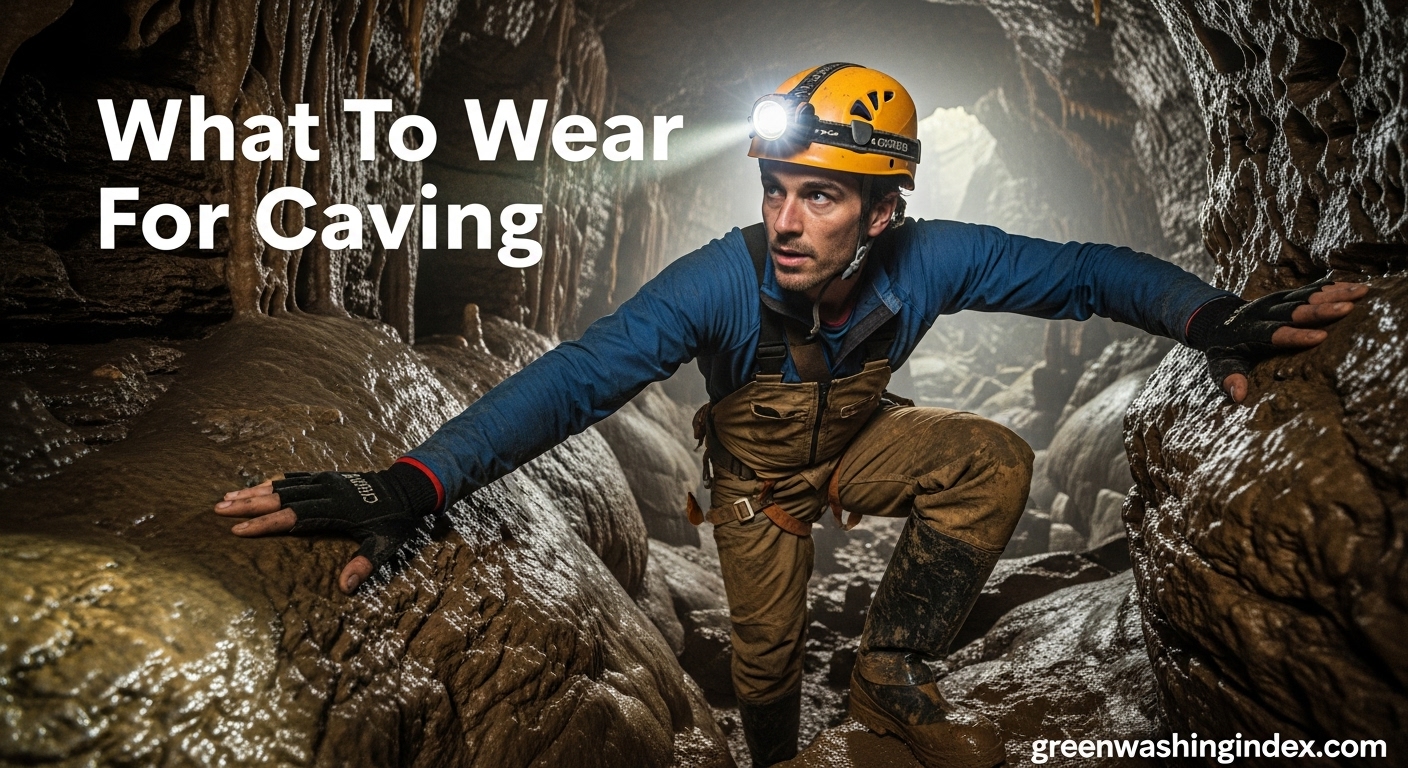
Wear synthetic layers, a durable outer layer, sturdy boots with ankle support, knee pads, gloves, and a helmet with headlamp for caving. Never wear cotton—when wet, it loses all insulating value and puts you at risk of hypothermia. The key is layering moisture-wicking synthetic fabrics under abrasion-resistant outer protection designed for crawling and climbing.
In this guide, I’ll break down exactly what to wear for caving based on my experience and input from experienced cavers across the National Speleological Society. We’ll cover the layer system, why cotton kills, wet cave versus dry cave clothing, and how to build a functional caving outfit whether you’re a beginner or looking to upgrade your gear.
If you’re heading out on your first caving trip tomorrow and need the basics, here’s what I recommend:
This is the rule that can save your life underground: never wear cotton. Not your underwear, not your socks, not your t-shirt. Here’s why cotton is so dangerous in caves:
WARNING: Cotton Kills Underground
I’ve seen cotton-clad cavers start shivering within 30 minutes of entering a wet cave. The scary part? Hypothermia symptoms include confusion and poor decision-making—exactly when you need to be thinking clearly to exit safely.
The layer system isn’t just outdoor industry jargon—it’s a proven approach to temperature regulation that works underground. Most caves sit at a constant 50-55°F regardless of surface weather. This means you’ll be cool but not freezing, as long as you manage moisture and maintain insulation.
Your base layer’s job is to pull sweat away from your skin. I recommend synthetic materials like polypropylene or polyester blends. These fabrics don’t absorb moisture—they transport it outward where it can evaporate or move to outer layers.
For sustainable options, several companies now offer recycled synthetic base layers that perform just as well as virgin materials. Consider synthetic hiking shirts designed to breathe while protecting from abrasion.
The mid layer traps warm air close to your body. Fleece is the caver’s standard for good reason—it’s warm even when damp, breathes well, and doesn’t restrict movement. I prefer a medium-weight fleece pullover for most caving conditions.
Fleece jackets provide excellent warmth-to-weight ratio and allow full range of motion for crawling and climbing. If you’re exploring sustainable fleece jackets, look for options made from recycled polyester that offer the same performance with less environmental impact.
Your outer layer takes the abuse. It needs to withstand sharp rocks, mud, friction from crawling, and constant contact with rough surfaces. This is where coveralls or dedicated caving suits shine.
For dry caves, durable work clothes can suffice. For wet or muddy caves, you’ll want purpose-built protection. Some cavers opt for waterproof outer shells over their layers, while others prefer integrated caving suits.
Beyond the basic layering system, specific items deserve attention. These are the pieces that can make or break your caving experience.
| Factor | Coveralls/Caving Suit | Separate Layers |
|---|---|---|
| Mud Protection | Excellent—keeps mud off everything | Fair—mud penetrates gaps |
| Ventilation | Limited—can get hot | Good—adjust layers as needed |
| Cost | $40-150 for coveralls, $200+ for suits | Can use existing clothes |
| Bathroom Breaks | Difficult—full removal needed | Easy |
| Durability | High—purpose-built materials | Variable—depends on clothes |
For beginners, I recommend starting with separate layers you already own. If you catch the caving bug, invest in a quality pair of coveralls or a dedicated caving suit. PVC-coated or Cordura-reinforced suits offer superior abrasion resistance for serious exploration.
What goes next to your skin matters. Synthetic or wool underwear is non-negotiable—many companies make performance boxer briefs and briefs specifically for active use. Trust me, cotton underwear is a nightmare when wet.
Socks deserve equal attention. Your feet will be in wet, abrasive conditions. I recommend cushioned wool or synthetic socks that provide both insulation and padding. Moisture-wicking wool socks maintain warmth even when wet and provide cushioning in high-friction areas. Bring a fresh, dry pair for the ride home.
Your hands take constant abuse underground. I’ve seen raw, bloody hands from cavers who skipped gloves. You need protection that allows dexterity for handling gear, climbing, and navigating tight spaces.
I keep two pairs in my cave pack—a lightweight pair for dry passages and neoprene for wet sections. Your hands are your primary tools underground; protect them accordingly.
Your footwear choice affects every move you make underground. After seeing twisted ankles and lost footwear, I’ve developed strong opinions on caving boots.
Caving boots need four things: ankle support, aggressive tread, durability, and comfort. You’ll be walking on uneven, slippery surfaces while carrying weight. A rolled ankle underground is a serious emergency.
Dedicated caving boots exist, but quality hiking boots work well for beginners. Just avoid Gore-Tex in wet caves—the waterproof membrane actually traps water inside once it exceeds its saturation point.
Never wear tennis shoes, running shoes, or anything with soft, flexible soles. These offer zero ankle support and zero traction on wet surfaces. I once saw a caver slip repeatedly in smooth-soled fashion “boots”—a dangerous situation on a muddy climb.
Also avoid expensive boots for your first trips. Caving destroys footwear through mud, water, and abrasion. Start with an older pair of hiking boots and upgrade once you’re committed to the sport.
Clothing keeps you comfortable, but safety gear keeps you alive. These items aren’t optional—they’re standard equipment for anyone entering wild caves beyond show-cave walkways.
You will bump your head underground. Maybe once, maybe fifty times. Low ceilings, projecting rocks, and unexpected obstacles make head protection mandatory. A climbing or caving helmet with a chin strap is essential—it won’t protect you if it falls off when you need it.
Caving Helmet: A specifically designed helmet with mounting points for headlamps, impact protection for rock strikes, and a chin strap to keep it in place during crawling and inverted positions.
I’ve had my helmet save me from serious head injury multiple times. Once, a slip on a muddy slope sent me backward into a rock shelf—my helmet took the impact instead of my skull. Don’t cave without one.
The golden rule of caving lighting: carry three independent sources. If your primary fails, you have backup. If your backup fails, you have emergency backup.
Your headlamp should be helmet-mounted for hands-free operation. Caving requires both hands for climbing, crawling, and balance. A handheld light is insufficient as your primary source.
After your first cave trip, your knees will tell you why pads are essential. Crawling, knee-walking, and resting on rocky surfaces destroy unprotected joints. I recommend soft, flexible pads that stay in place during movement.
Elbow pads are equally important for low passages and side-squeezes. Combined with knee protection, they make hours of crawling bearable rather than painful.
Your clothing strategy changes dramatically based on cave conditions. A dry horizontal cave requires different preparation than a wet vertical system with mandatory swimming.
| Item | Dry Cave | Wet Cave |
|---|---|---|
| Base Layer | Light synthetic or wool | Midweight synthetic or wool |
| Mid Layer | Fleece pullover | Fleece with thermal properties |
| Outer Layer | Durable pants and shirt | PVC or Cordura caving suit |
| Lower Body | Work pants or coveralls | Waterproof rain pants or wetsuit bottoms |
| Footwear | Hiking boots | Draining boots or wellies with neoprene socks |
| Gloves | Light work gloves | Neoprene or waterproof gloves |
| Additional | Standard safety gear | PVC suit or wetsuit for prolonged immersion |
For caves with extended swimming or deep wading, a wetsuit becomes necessary. I use a 3mm wetsuit for water temperatures above 50°F and 5mm for colder water. The key is balancing thermal protection with mobility—you’ll still need to climb and crawl in the suit.
PVC-coated caving suits offer a middle ground for wet but not fully submerged caving. They shed water and mud while providing basic insulation. Many experienced cavers prefer these for general wet cave exploration.
Cavers are uniquely connected to underground environments—many of us are passionate about protecting these fragile ecosystems. Choosing sustainable gear aligns with conservation values and reduces your environmental impact.
Many outdoor companies now produce gear from recycled materials without sacrificing performance. Recycled polyester, often made from plastic bottles, performs identically to virgin material while diverting waste from landfills. When building your caving outfit, look for sustainable gear options that prioritize recycled content and responsible manufacturing.
Merino wool deserves special mention—it’s a renewable, biodegradable fiber that naturally resists odors and regulates temperature. While more expensive than synthetics, merino base layers offer excellent performance with a smaller environmental footprint.
The most sustainable gear is gear that already exists. Thrift stores are goldmines for caving clothing—old work pants, heavy-duty shirts, and even coveralls can often be found for under $20 total. I’ve built entire beginner outfits from thrift store finds that worked perfectly for introductory trips.
Used caving gear occasionally appears on club forums or gear exchanges. Quality boots, helmets, and even suits can be purchased secondhand, extending their lifecycle and reducing manufacturing demand.
Repairing gear rather than replacing it saves money and resources. Small tears in coveralls can be patched with heavy-duty fabric repair tape. Reinforced knee areas can be re-stitched. Zippers can be replaced. I’ve extended the life of favorite caving suits by years through basic repairs.
Proper cleaning also extends gear life. Rinse mud from clothing before it dries—once embedded, abrasive grit destroys fabric fibers faster. Use cold water and mild soap to avoid degrading waterproof treatments. Air dry away from direct sunlight to prevent material breakdown.
After years of caving and guiding newcomers, I’ve seen the same mistakes repeated. Learn from others’ errors instead of making them yourself.
For your first caving trip, wear synthetic long underwear, a fleece pullover, durable pants or coveralls, hiking boots with ankle support, wool socks, knee pads, gloves, and a helmet with headlamp. Most importantly, avoid all cotton clothing. Bring a complete change of clothes for after the trip.
Jeans are poor caving attire for several reasons: cotton denim loses insulation when wet, restricts movement when wet, and offers no abrasion resistance. If jeans are your only option, layer synthetic long underwear underneath and accept they’ll likely be ruined by mud and cave conditions.
Cotton absorbs and holds moisture, loses all insulating value when wet, and pulls heat away from your body 25 times faster than air. In 50-55°F caves, wet cotton clothing can lead to hypothermia within two hours. Synthetic and wool materials maintain insulation even when damp, making them the safe choice for underground exploration.
Wear hiking boots or work boots with ankle support and aggressive tread for deep lugs. The boots should have high-cut ankles for stability and durable soles for traction on wet surfaces. Avoid tennis shoes, running shoes, or anything with smooth soles. For wet caves, boots that drain water are ideal.
Most caves maintain a constant temperature between 50-55°F year-round regardless of surface weather. Dress for cool, damp conditions rather than outdoor temperatures. Layer moisture-wicking base layers under insulating mid-layers, adding a protective outer shell for abrasion resistance.
A wetsuit is necessary for caves with prolonged swimming or deep wading in water below 60°F. For mostly dry caves with occasional puddles or shallow water, waterproof outer layers like PVC suits or rain gear suffice. Choose wetsuit thickness based on water temperature—3mm for 50°F+, 5mm for colder water.
Carry three independent light sources every time you enter a cave. Your primary should be a helmet-mounted headlamp with 500+ lumens. The secondary can be another headlamp or powerful flashlight. Always keep a small emergency light in your pocket as backup redundancy.
Cavers wear climbing or caving-specific helmets with chin straps. The helmet protects against low ceilings, falling rocks, and impacts during slips. It must have mounting points for headlamps and a secure retention system to stay in place during crawling and inverted positions.
After exploring caves across the country and helping dozens of newcomers gear up, here’s my honest advice: start simple and upgrade as needed. Your first few trips can be completed with thrift store clothes, borrowed gear, and basic equipment from an outdoor store. As you gain experience and commit to the sport, invest in quality items that will last.
The caving community values function over fashion, safety over style, and experience over equipment. Join a local grotto—the National Speleological Society’s chapters offer mentorship, gear recommendations, and often shared equipment for beginners. Experienced cavers would rather see you in safe, borrowed gear than dangerous, brand-new equipment.
Remember: caves have been here for millions of years and will be here for millions more. There’s no rush. Take time to learn, dress appropriately, and progress at your comfort level. The underground world rewards those who approach it with respect, preparation, and proper clothing.