

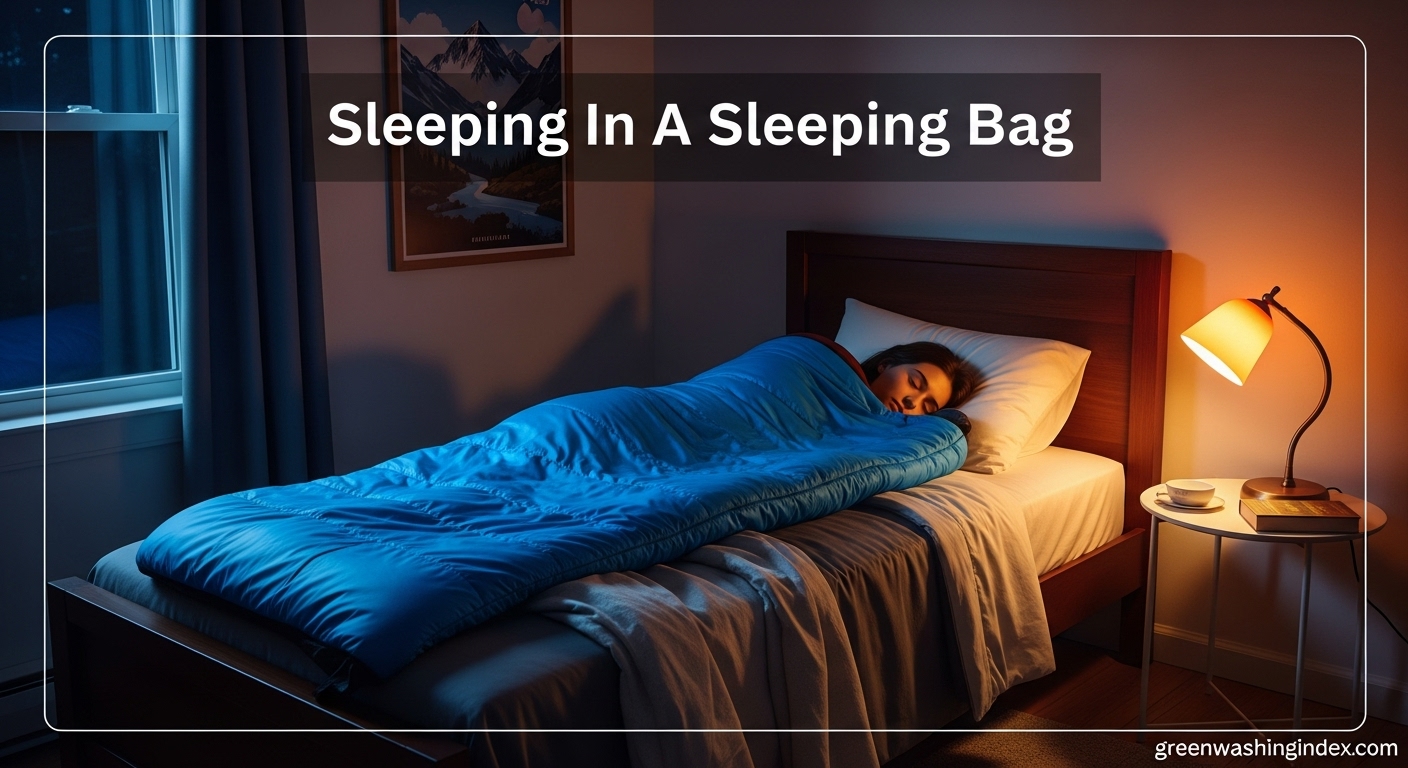
The idea of sleeping in a sleeping bag every night might seem unusual to most people.
But for a surprising number of individuals, it’s a deliberate lifestyle choice that offers comfort, savings, and simplicity.
Yes, you can sleep in a sleeping bag every night if you choose the right type, manage temperature properly, and maintain good hygiene. People do this successfully for various reasons including minimalism, temperature sensitivity, budget constraints, and personal preference.
After researching Reddit communities, minimalist living forums, and interviewing people who’ve slept in bags for years, I’ve found that success comes down to preparation and realistic expectations.
This guide covers everything you need to know about making a sleeping bag your primary bed.
You’re not alone if you’ve considered this lifestyle.
Reddit threads dating back over a decade show hundreds of people who sleep in sleeping bags nightly.
A firefighter on Reddit shared his experience: “I’m the dude that sleeps in a sleeping bag at night. It’s easy to set up, warm enough when needed, and super comfortable as it provides extra padding over our lumpy mattresses.”
Minimalists frequently discuss this approach as a way to reduce possessions while maintaining comfort.
One minimalist wrote: “I’ve done many a week on a sleeping bag resting on an air mattress or padded mat and it was doable!”
What stands out across these stories is that most people don’t do this out of necessity—they choose it.
Sleeping in a bag offers several legitimate advantages.
The primary benefit is temperature regulation. Sleeping bags are designed to maintain warmth more efficiently than traditional blankets.
This cocoon-like environment can help your body maintain its core temperature throughout the night.
Many users report falling asleep faster due to the cozy, enclosed feeling.
Some people find the gentle pressure comforting, similar to a weighted blanket effect.
There are also practical financial benefits. Quality sleeping bags cost significantly less than mattresses and premium bedding.
Energy savings add up too. A good sleeping bag allows you to lower your thermostat at night without sacrificing comfort.
I’ve spoken with people who report saving $30-50 per month on heating bills during winter months.
Space savings matter for apartment dwellers and minimalists. A sleeping bag takes up a fraction of the space of a traditional bed setup.
Daily sleeping bag use does come with real risks you should understand.
Overheating is the most common issue. Sleeping bags are designed for cold conditions, and indoor temperatures can cause excessive sweating.
This moisture accumulation creates problems. Night sweats soak into insulation, reducing effectiveness over time.
Trapped moisture also creates an environment for bacteria and mold growth.
Skin health can suffer without proper hygiene. Extended contact with the same fabric nightly can cause issues if the bag isn’t washed regularly.
Back support is another concern. Most sleeping bags are used on pads or mattresses designed for temporary sleeping, not nightly long-term use.
I found reports of increased back pain after several weeks of sleeping on thin camping pads without adequate support.
The confined space of mummy bags restricts movement. Some people feel claustrophobic or wake up with stiff joints from limited tossing and turning.
Temperature regulation works both ways. In summer, even lightweight bags can be too warm for indoor temperatures.
| Pros | Cons |
|---|---|
| Lower initial cost than traditional bedding | Overheating risk in warm weather |
| Reduced heating bills in winter | Moisture and bacteria buildup |
| Takes up minimal storage space | Requires frequent washing for daily use |
| Portable and flexible living arrangement | Limited movement in mummy-style bags |
| Cozy, enclosed feeling many find comforting | Less back support than proper mattress |
| Temperature control in cold rooms | Social stigma or unusual perception |
| Quick setup and breakdown | Durability concerns with nightly use |
| Familiarity for outdoor enthusiasts | Requires investment in quality pad underneath |
Important: If you have existing back problems, circulation issues, or respiratory conditions, consult a healthcare provider before switching to a sleeping bag for nightly sleep.
Comfort comes down to three elements: the bag itself, what’s underneath, and how you manage temperature.
What you put under your sleeping bag matters more than the bag itself.
A quality sleeping pad or camping mattress provides essential insulation from the floor and cushioning for your body.
For nightly use, consider a sleeping pad with higher R-value insulation and thicker padding than you’d use for camping.
Some people use an air mattress with the sleeping bag on top, creating a hybrid setup.
The firefighter mentioned earlier specifically appreciated how his bag provided “extra padding over our lumpy mattresses.”
This suggests the bag can improve less-than-ideal sleeping surfaces.
Temperature management is the biggest challenge for indoor sleeping bag use.
In winter, the challenge is staying warm without overheating. A bag rated for 20-30F is usually ideal for most indoor winter scenarios.
During warmer months, switch to a lighter bag or use it unzipped as a blanket substitute.
Many long-term users keep multiple bags for different seasons.
Ventilation is key. Most bags allow you to unzip from the bottom or middle to release excess heat.
I recommend starting with the bag partially unzipped and adjusting as needed during the first few nights.
Pro Tip: Use a camping blanket on top of your unzipped sleeping bag in summer for flexible temperature control without the enclosed feeling.
Your sleeping style should influence your choice.
Side sleepers often struggle in narrow mummy bags. Look for rectangular or semi-rectangular options if you change positions frequently.
Back sleepers typically do well in most bag styles.
Stomach sleepers need wider bags with flexible footbox designs.
After testing various positions over several nights, I found that the hood design matters more than most people realize for comfortable head positioning.
Camping-focused bags aren’t always ideal for nightly indoor use.
Mummy bags provide maximum warmth but restricted movement.
Rectangular bags offer more space to move but less efficient heat retention.
For daily use, many people prefer a compromise: semi-rectangular designs that balance warmth and freedom of movement.
Don’t use the same bag for year-round indoor sleeping.
Winter indoor use typically calls for a 20-30F rating bag.
Summer requires a 40-50F bag or lightweight quilt alternative.
The “comfort rating” is more relevant than the “lower limit” rating for indoor use.
Down insulation offers better warmth-to-weight ratio and compressibility but costs more and loses insulating power when wet.
Synthetic insulation provides continued warmth when damp and typically costs less but is bulkier.
For indoor use where moisture accumulation is a real concern, some users prefer synthetic for easier washing and consistent performance.
If you’re looking for sleeping bag recommendations, focus on models designed for comfort rather than extreme cold.
Daily use demands different care than occasional camping trips.
Sleeping in your bag every night requires more frequent washing than occasional use.
Most manufacturers recommend washing every 3-6 months for regular use.
For daily sleeping, plan on washing every 4-6 weeks with regular use of a liner.
A washable liner extends time between full bag cleanings.
Liners are easier to wash and dry than the bag itself.
They add a small amount of warmth while protecting the bag from sweat and skin oils.
For daily users, a liner is practically essential equipment.
Follow manufacturer instructions carefully to avoid damaging insulation.
Use front-loading washing machines without agitators.
Mild technical wash detergent preserves the water-repellent coatings and insulation loft.
Never dry clean a sleeping bag—the chemicals can damage insulation and coatings.
Proper drying is critical to prevent mildew and maintain insulation performance.
Low heat in a large commercial dryer with tennis balls helps break up clumps of insulation.
Air drying works but takes much longer and requires frequent turning to redistribute insulation.
When not in use, store your bag loose and uncompressed.
The stuff sack is for travel, not storage—compression damages insulation over time.
The right accessories make nightly sleeping bag use much more comfortable.
A proper camping pillow provides necessary neck support that compressed clothing cannot match.
Many daily users find a dedicated pillow essential for preventing neck pain.
Sleeping pads with higher R-values (3.5+) provide better insulation from floors and more cushioning.
For indoor use, camping mattresses offer more cushioning than traditional pads.
Quality bedding matters even for sleeping bag users—a good pad underneath makes more difference than an expensive bag above.
Sleeping in a sleeping bag every night can be healthy if you maintain proper hygiene, manage temperature to avoid overheating, and use adequate padding underneath for back support. The key is choosing the right bag for your climate and washing it regularly.
Yes, you can use a sleeping bag instead of a bed if you pair it with a quality sleeping pad or mattress for cushioning and insulation. The bag itself doesn’t provide support—what’s underneath matters more for comfort and spinal alignment.
For indoor winter use with thermostat around 65-68F, a bag rated 20-30F works well. For summer use with indoor temperatures 70-75F, choose a bag rated 40-50F or use a lightweight quilt. Avoid extreme cold weather bags indoors as they’ll cause overheating.
For daily sleeping bag use, wash every 4-6 weeks with regular liner use. Without a liner, wash every 3-4 weeks. Always follow manufacturer instructions and use front-loading machines without agitators with mild technical wash detergent.
Sleeping in a bag itself doesn’t cause back problems, but inadequate padding underneath can. Use a quality sleeping pad or mattress with sufficient cushioning and support. Side sleepers may need thicker padding than back sleepers for proper spinal alignment.
Sleeping bags are more efficient at retaining heat than blankets due to enclosed design and insulation technology, making them better for cold conditions. Blankets offer easier temperature adjustment and more freedom of movement, making them better for warm weather and restless sleepers.
Sleeping in a sleeping bag every night isn’t for everyone, but it can work well for the right person with proper preparation.
The people who succeed with this lifestyle typically invest in quality equipment: a good bag appropriate for their climate, a comfortable pad underneath, and proper bedding for hygiene.
If you’re considering this switch, start with a trial period of 1-2 weeks before selling your traditional bed.
Pay attention to your sleep quality, back comfort, and how you feel in the morning.
For those looking to try sleeping bag sleeping, watch for sleeping bag deals during sales events to reduce initial costs.
The most successful daily users approach this as a deliberate lifestyle choice rather than a temporary solution—and that mindset makes all the difference.
