
Standing at the top of the mountain with wind whipping your face, the last thing you want to worry about is your eyes. I’ve spent 15 winters skiing across Colorado, Utah, and British Columbia, and I’ve learned that eye protection isn’t optional—it’s essential.
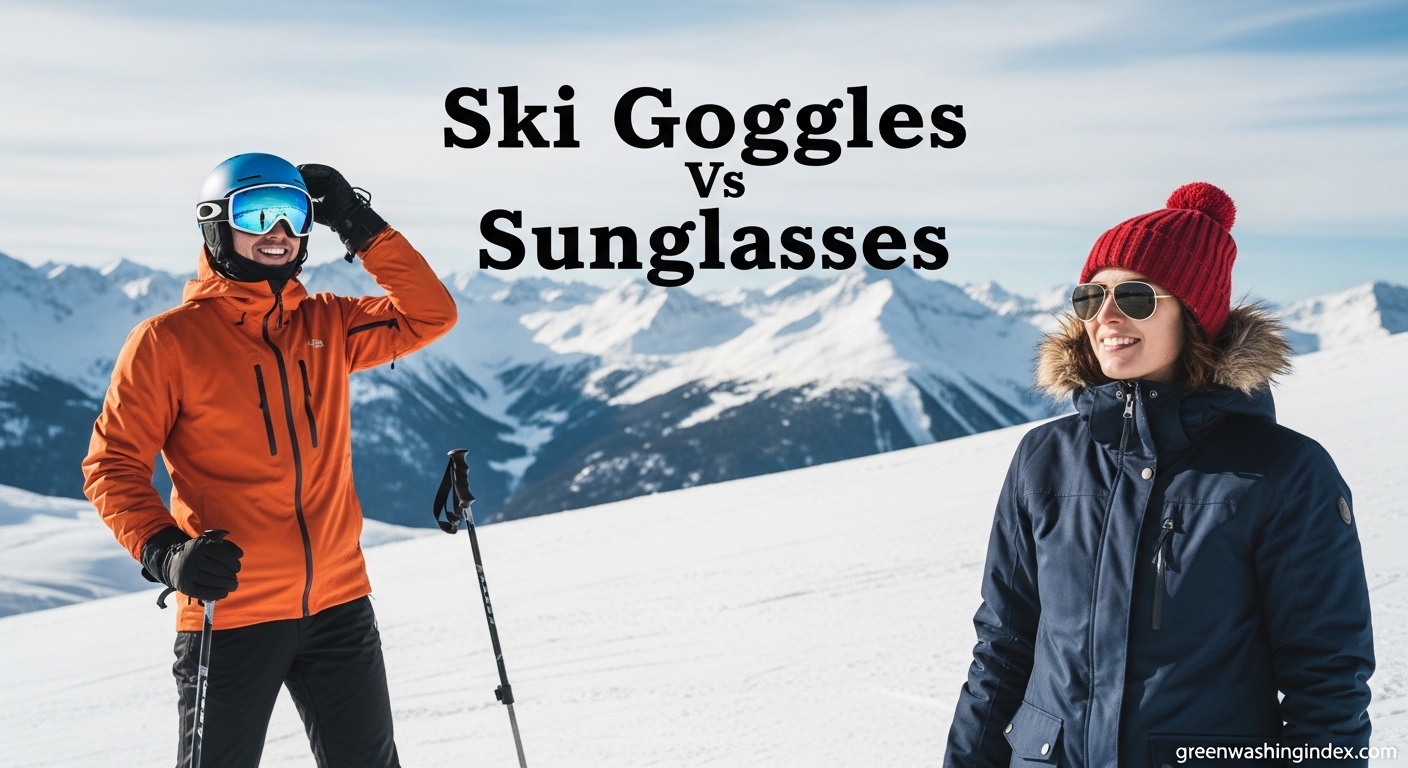
Ski goggles provide superior protection for harsh conditions while sunglasses excel on calm, sunny days. Choose goggles for snow, wind, or cold temperatures. Choose sunglasses for cross-country touring or bluebird resort days.
After testing dozens of options and skiing in conditions ranging from blinding blizzards to perfect bluebird days, I’ve found that having both in your quiver is ideal. But if you’re just starting out or upgrading your winter sports equipment, understanding the differences will save you money and frustration on the mountain.
Here’s what you need to know to make the right choice for your skiing style.
Let me break down the key differences immediately so you can see why each option serves different purposes:
| Feature | Ski Goggles | Ski Sunglasses |
|---|---|---|
| Eye Coverage | Full seal around face | Partial coverage |
| Wind Protection | Excellent – complete seal | Limited – gaps around frame |
| Fog Resistance | Built-in ventilation, double lens | Prone to fogging in cold |
| Field of View | 180+ degrees peripheral | Standard forward vision |
| Helmet Compatible | Yes – designed for integration | Sometimes – depends on frame |
| Best Conditions | Snow, wind, cold, variable light | Sunny, calm, mild temps |
| Price Range | $30-300 | $20-400+ |
| Stay Secure During Falls | Yes – elastic strap | No – may fall off |
Ski goggles are purpose-built for mountain environments. They use a foam seal that creates a barrier against wind, snow, and cold air. I’ve worn goggles in -20F conditions at Jackson Hole and never felt eye discomfort.
The sealed design means no air gaps. Wind can’t reach your eyes from any angle. This matters when you’re skiing 40 mph and wind chill drops temperatures into dangerous territory. Snow can’t sneak in either, even during face plants in powder.
Important: UV radiation increases 4-5% per 1,000 feet of elevation. At 10,000 feet, UV is 40-50% stronger than sea level. Snow reflects up to 80% of UV rays. Without protection, you risk snow blindness (photokeratitis)—a painful condition that feels like sand in your eyes and can temporarily blind you for 24-48 hours.
Modern goggles use spherical or cylindrical lenses with advanced coatings. Spherical lenses curve horizontally and vertically, offering better peripheral vision and reducing optical distortion. Cylindrical lenses curve only horizontally, providing a simpler design at lower cost.
Anti-fog technology has improved dramatically. Double-lens construction creates a thermal barrier, while ventilation ports circulate air. High-end goggles from brands like Oakley and Smith use hydrophilic coatings that actively absorb moisture before fog can form.
Goggles integrate seamlessly with helmets. Most models feature strap clips that prevent the dreaded “gaper gap” between goggle and helmet. I’ve tested ski helmets with goggle integration and proper compatibility makes a huge difference in comfort.
If you ski primarily at resorts, encounter variable weather, or want maximum protection, goggles are the clear winner. Check out our guide to the best sustainable ski goggles for eco-conscious options that don’t compromise performance.
Ski sunglasses serve a different purpose. They’re designed for sunny, calm conditions when full protection isn’t necessary. I regularly wear sunglasses for spring skiing at Alta or touring in the Wasatch backcountry.
The advantage is freedom. No foam against your face. No strap messing up your hair. Better airflow prevents that sweaty feeling goggles can create on warm days. For cross-country skiers generating significant body heat, this breathability matters.
Ski-specific sunglasses differ from standard shades. They feature wraparound frames, larger lenses, and rubber grips that prevent slipping. Models like Julbo’s Montana or Recoil are specifically designed for snow sports with photochromic lenses that adapt from category 2 to 4 light transmission.
Photochromic technology is impressive. I’ve skied from dark morning shadows to bright noon sun with lenses that adjusted seamlessly. One pair handles the entire day. No swapping lenses. No carrying extra gear in my ski backpacks for touring.
VLT (Visible Light Transmission): The percentage of light that passes through the lens. Lower VLT (5-15%) works for bright sunny days. Higher VLT (40-70%) performs better in low light and overcast conditions. Photochromic lenses adjust VLT automatically based on UV exposure.
For backcountry touring, sunglasses excel. You’re moving slower, generating body heat, and often transitioning between skinning up and skiing down. Easy on, easy off. No fogging during strenuous climbs. Better peripheral awareness for spotting avalanche terrain.
Based on my experience skiing diverse conditions across North America, here’s my decision framework:
Quick Summary: Most skiers need goggles for 70-80% of conditions and sunglasses for 20-30%. Beginners should start with goggles. As you gain experience and develop preferences for specific activities (like backcountry touring), sunglasses become a valuable addition to your quiver.
Price varies significantly based on features and technology. Here’s what to expect at different tiers:
| Tier | Goggles Range | Sunglasses Range | What You Get |
|---|---|---|---|
| Budget | $30-60 | $20-50 | Basic UV protection, simple lenses, limited durability |
| Mid-Range | $60-150 | $50-150 | Better optics, some anti-fog, decent ventilation |
| Premium | $150-300 | $150-400+ | Advanced lenses, photochromic, superior durability |
Mid-range options offer the best value for most skiers. You get essential features without paying for professional-grade technology. Budget goggles from brands like OutdoorMaster perform surprisingly well, though lens quality and durability won’t match premium options.
The ski industry produces significant waste, and eyewear contributes to the problem. Most goggles and sunglasses use plastic frames, synthetic foam, and chemical coatings that don’t biodegrade.
Some brands are addressing this responsibly. Smith uses recycled materials in their goggle frames. Julbo offers frames made from bio-based materials. Bollé has introduced eco-friendly packaging and manufacturing processes.
Pro Tip: Durability is sustainability. A single pair of premium goggles that lasts 5+ years has less environmental impact than three pairs of budget goggles replaced annually. Look for repairable designs, replaceable lenses, and brands with take-back programs or recycling initiatives.
When shopping, consider brands offering replacement lenses. Scratched lenses don’t mean new frames. Extending product life reduces waste and saves money long-term.
Choose ski goggles for most conditions involving snow, wind, or cold temperatures below 25F. Ski sunglasses work best on sunny, calm days above freezing when you’re skiing at lower speeds or doing backcountry touring.
Sunglasses are acceptable for skiing on sunny, calm days with mild temperatures above freezing. They’re popular among cross-country skiers and backcountry tourers who generate body heat. Avoid sunglasses when it’s snowing, windy, or extremely cold.
Goggles are essential for resort skiing in most conditions. They protect against wind, snow, UV radiation, and cold. At minimum, start with a good pair of goggles. Add sunglasses later if you develop interest in cross-country or backcountry skiing on calm, sunny days.
Ski goggles use a foam seal and elastic strap to create a windproof barrier around your eyes. They offer full face protection, superior fog resistance, and helmet integration. Sunglasses provide partial coverage with open airflow, making them lighter and more comfortable in warm conditions but less protective.
Wear ski goggles when it’s snowing, windy, below 25F, or when skiing at resort speeds. Goggles are essential for beginners who fall frequently, snowboarders who ride sideways, and anyone skiing treed terrain where branches might contact your face.
Yes, ski goggles provide superior safety. The sealed design protects against wind, snow debris, and branches during falls. Goggles stay secure during crashes while sunglasses can fly off. The foam cushioning also adds impact protection if you hit your face.
After hundreds of days on snow, my recommendation is straightforward: start with goggles, add sunglasses later. A quality pair of mid-range goggles ($80-120) handles 80% of skiing conditions. As you develop specific interests like backcountry touring or spring skiing, sunglasses become a worthwhile addition.
The best choice depends on honest assessment of your skiing style. If you primarily ride resort lifts in variable conditions, goggles are essential. If you’re drawn to cross-country skiing or human-powered backcountry adventures, sunglasses will see more use.
Many experienced skiers eventually own both. I carry goggles on most days and switch to sunglasses during long tours or perfect spring corn cycles. Understanding the differences helps you invest wisely and stay comfortable regardless of what the mountain throws at you.