

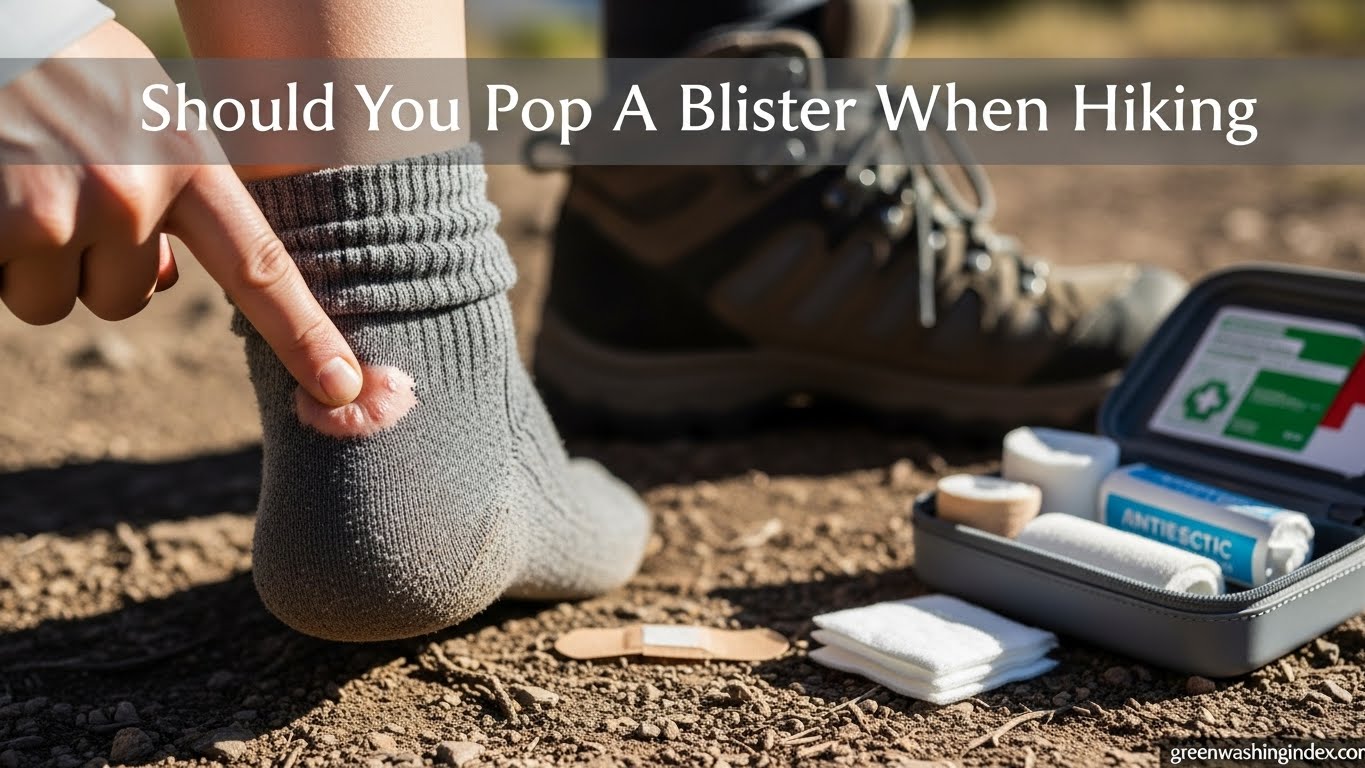
Generally, you should NOT pop a blister when hiking. The intact skin creates a natural barrier against infection and the fluid inside cushioning your damaged tissue.
However, hiking reality sometimes forces exceptions. If a blister is painful, large, or preventing you from walking safely, you can drain it using a sterile method.
I learned this lesson the hard way on a 40-mile section of the AT. After ignoring a hot spot for two hours, I had a blister the size of a quarter on my heel. I popped it improperly and spent the next three days nursing an infection that almost ended my hike.
That mistake cost me $150 in emergency gear replacements and three days of hiking time. Now I treat hot spots immediately and know exactly when and how to drain safely when necessary.
Intact blisters are nature’s bandages. The fluid inside provides cushioning and the overlying skin protects raw tissue from bacteria.
According to the American Academy of Dermatology, intact blisters heal faster and have significantly lower infection rates than popped ones. The skin flap acts as a biological dressing that your body carefully created.
Serum Fluid: The clear liquid inside a blister is actually beneficial. It contains nutrients and proteins that promote healing while protecting the damaged skin beneath.
Most friction blisters will reabsorb on their own within 24-48 hours. The fluid gradually goes back into your body as new skin forms underneath.
Sometimes you have no choice. I’ve had blisters that made every step feel like walking on broken glass, especially when boot pressure was unbearable.
You should consider draining a blister when:
Quick Summary: Leave small blisters alone. Only drain large or painful ones that prevent safe walking. Never drain blood blisters without medical guidance.
Never drain a blood blister. The blood indicates deeper tissue damage, and popping increases infection risk significantly.
If you must drain, follow this sterile procedure carefully. I’ve used this method dozens of times over 15 years of backpacking without incident.
Pro Tip: After draining, keep the blister area dry and clean. Change your dressing at least daily, or sooner if it gets wet or dirty. Most drained blisters heal within 3-5 days with proper care.
I’ve seen hikers make mistakes that turned minor blisters into major problems. Here are the most dangerous practices:
Whether you popped a blister or left it alone, monitor for infection. This becomes critical on multi-day trips when you’re far from medical care.
Warning: If you notice infection signs spreading, especially red streaks moving up your leg, seek medical attention immediately. Foot infections can become serious quickly.
Signs of infection include:
If you see any of these signs, clean the area thoroughly, keep it covered, and get to a doctor as soon as possible. Foot infections can escalate quickly in the backcountry.
The best blister treatment is never needing one. After my AT ordeal, I became obsessed with prevention and have gone 50+ miles on consecutive days without a single blister since.
Hot spots are your early warning system. That burning, stinging sensation means friction is damaging your skin layers. Stop immediately and address it.
For prevention, I tape known problem areas before I even start hiking. My heels and pinky toes get preemptive Leukotape on every multi-day trip. This five-minute routine has saved me from countless blisters.
Proper hiking apparel and hiking shirts matter too – moisture management is key since wet skin blisters faster. Sweat-wicking clothing keeps your whole body drier, including your feet inside boots.
Boot break-in cannot be rushed. I once made the mistake of wearing new boots on a 20-mile day trip. By mile 12, I had five blisters on each foot. Now I never take new footwear beyond 10 miles without short test hikes first.
Most blister care products rely on synthetic materials and generate plastic waste. As conscious hikers, we can make better choices while still protecting our feet.

Type: Blister treatment kit
Contents: Moleskin, wipes, tape, benzoin
Weight: 2.1 ounces
Packaging: Waterproof pouch
The Adventure Medical Kits Blister Medic provides a comprehensive solution covering both prevention and treatment. Having all necessary supplies in one compact, waterproof package is convenient for day hikes.
Sustainability-wise, this kit has concerns. The waterproof pouch is plastic and not recyclable in most areas. The antiseptic and benzoin tincture come in single-use plastic packets that generate waste.
However, the kit offers an eco-friendly strategy: keep the pouch and refill it with bulk supplies. Buy larger quantities of eco-friendly moleskin, organic cotton bandages, and natural antiseptic to refill your kit. This reduces packaging waste significantly over time.
At 2.1 ounces, it’s light enough for daypacks for hiking without weighing you down. I recommend this kit for newer hikers who haven’t assembled their own blister care system yet.
Conventional blister care generates considerable waste. Between single-use wipes, plastic packaging, and disposable products, a typical hiker’s first aid kit contains a lot of plastic.
Here are sustainable alternatives I’ve discovered through years of experimentation:
The most sustainable approach is prevention. Products that prevent blisters inherently reduce the need for treatment supplies, which means less waste overall.
These camping gear essentials make excellent gifts for hikers who care about their environmental footprint. Consider assembling a custom eco-friendly blister kit for the outdoor enthusiasts in your life.
Your footwear choices matter more than any treatment product. I’ve found that proper sock selection and fit eliminate 80% of blister issues before they start.
Wear moisture-wicking socks next to your skin. Merino wool is ideal – it naturally resists bacteria, manages moisture, and cushioning without synthetic materials. Some hikers use double-layer sock systems with a synthetic liner and wool outer sock.
Boot fit should allow for foot swelling. Your feet expand up to a full size during long hikes. If your boots feel perfect in the store, they’re probably too tight for trail conditions.
Lacing techniques can relieve pressure points. Use heel-lock lacing for heel slipping, skip eyelets over sensitive areas, or try window lacing to reduce pressure on the top of your foot.
Consider swapping to backpacking backpacks with better load transfer – heavier packs increase foot pressure and blister risk. Proper pack fit and load distribution affect your feet more than most hikers realize.
Treat blisters during hiking by first cleaning the area. If the blister is intact and not painful, leave it alone and cover with a blister pad or moleskin. If it’s painful and must be drained, sterilize a needle with heat or alcohol, make small punctures at the edge, drain gently, apply antibiotic ointment, and cover with a bandage. Never remove the skin flap as it protects the raw tissue underneath.
You generally should not pop blisters from walking. The intact skin and fluid inside provide natural protection and cushioning for damaged tissue. Popping increases infection risk and typically slows healing. Only drain a blister if it’s painful enough to affect your walking, likely to rupture on its own, or you have many miles remaining and cannot avoid continued friction.
No, blisters do not heal better if you pop them. Intact blisters heal faster and have lower infection rates because the overlying skin acts as a natural bandage. The fluid inside provides cushioning that protects damaged tissue. When you pop a blister, you remove this protective barrier and introduce bacteria that can cause infection. Let blisters heal naturally whenever possible.
Signs of an infected blister include redness spreading around the area, increased warmth in surrounding skin, swelling beyond the original blister, pus or cloudy fluid drainage, increased pain after initial improvement, and red streaks extending from the blister. Systemic signs like fever or chills indicate serious infection requiring immediate medical attention. Infected blisters need professional care and possibly antibiotics.
For long hikes, focus on prevention by taping known problem areas before starting. Address hot spots immediately by stopping, cleaning the area, and applying tape or moleskin. Carry a complete blister kit with antiseptic, moleskin, and tape. If you must drain a blister on trail, use sterile technique and keep it covered with a clean dressing. Change dressings daily and monitor for infection signs throughout your trip.
You can hike with a blister depending on severity. Small, painless blisters can be covered and you can continue hiking normally. Painful blisters may require drainage, proper dressing, and possibly adjusting your gait or taking breaks. Large or infected blisters should end your hike – continuing can worsen the injury and introduce serious complications. Always prioritize healing over completing mileage. A foot injury can end more than just one trip if not treated properly.
After years of hiking experience and mistakes, my approach is simple: prevent whenever possible, intervene carefully when necessary, and always respect the body’s healing process.
Stop at the first sign of a hot spot. That five-minute break can save your trip. Carry a blister kit on every hike, even short ones. The ounce of prevention is literally worth the pound of cure when it comes to foot care.
Choose products with sustainability in mind. Longer-lasting products like Leukotape reduce waste over time. Refill your kit pouches instead of buying new pre-packaged kits. Consider natural alternatives when available.
Remember that foot injuries can have lasting effects. Taking care of your feet isn’t just about today’s hike – it’s about protecting your ability to enjoy the outdoors for years to come.
Disclaimer: This article provides general information and is not medical advice. Severe or infected blisters should be evaluated by a healthcare professional. If you have diabetes, circulation problems, or other medical conditions, consult your doctor before treating blisters.