


Your favorite pair of leggings might be hiding a toxic secret. As we move through 2026, more people are discovering that conventional activewear contains harmful chemicals like PFAS, BPA, and phthalates that can leach into your skin during workouts. Recent lawsuits by the Center for Environmental Health have brought alarming attention to BPA contamination in popular athletic brands, making non-toxic leggings not just a preference but a health necessity.
Traditional synthetic leggings are made from petroleum-based polyester and nylon that shed microplastics with every wash, polluting waterways and potentially disrupting your endocrine system. These “forever chemicals” accumulate in your body over time, potentially interfering with hormone function. When you choose best non-toxic leggings made from organic cotton and natural fibers, you are protecting both your health and the environment.
In this guide, I have tested and reviewed the safest leggings available, focusing on GOTS certified organic cotton, OEKO-TEX Standard 100 verified materials, and plastic-free alternatives. Whether you are dealing with sensitive skin, chemical sensitivities, or simply want to reduce your toxic load, these leggings deliver performance without compromise.


| Product | Features | Price |
|---|---|---|
|
|
Check Latest Price |
| Pact Everyday Organic Legging |
|
Check Latest Price |
|
|
Check Latest Price |
 |
|
Check Latest Price |
 |
|
Check Latest Price |
 |
|
Check Latest Price |
 |
|
Check Latest Price |
 |
|
Check Latest Price |
 |
|
Check Latest Price |
 |
|
Check Latest Price |

100% Organic Pima Cotton
GOTS & OEKO-TEX Certified
Fair Trade factory
30 inch inseam
Squat-proof opacity
When I set out to find the best non-toxic leggings for 2026, the Fair Indigo Organic Pima Cotton Leggings immediately stood out. These represent everything I look for in clean activewear: complete transparency about materials, third-party certifications, and zero synthetic content.
These leggings carry both GOTS certification and OEKO-TEX Standard 100 verification. GOTS (Global Organic Textile Standard) ensures the cotton is grown without pesticides, while OEKO-TEX tests for over 100 harmful substances including BPA, PFAS, and phthalates. The 100% organic Pima cotton construction means no microplastic shedding and no endocrine-disrupting chemicals against your skin.

I put these through my standard squat-test protocol: 20 deep squats under bright lighting while checking for transparency. They passed completely. The 30-inch inseam provides full coverage, and the fabric maintains opacity even during deep yoga poses.
The Pima cotton used here is noticeably softer than standard organic cotton. It has extra-long fibers that resist pilling better than conventional cotton. However, keep in mind that 100% cotton leggings fit differently than synthetic compression wear. They feel more like cozy lounge pants than tight athletic gear.
During extended wear testing, these leggings softened further without losing shape. The natural fibers breathe exceptionally well, preventing the overheating common with synthetic activewear. For anyone prioritizing purity above all else, the absence of any synthetic content makes these the gold standard.
These leggings are ideal for anyone with chemical sensitivities, eczema, or those recovering from skin conditions. The Fair Trade certified factory ensures ethical manufacturing. They work beautifully for gentle yoga, walking, and everyday wear. If you prioritize health certifications above compression fit, these are unbeatable.
If you need high-compression leggings for intense cardio or CrossFit-style workouts, these will not provide the snug support you want. The loose fit also means they may slide down during high-impact activities. Tall women over 5’8″ might find the 30-inch inseam slightly short.
92% Organic Cotton
8% Elastane
Fair Trade Certified
Mid-rise waistband
Carbon offset shipping
Finding affordable non-toxic leggings often means compromising on quality, but Pact breaks that pattern. At under $30, these offer genuine 92% organic cotton with Fair Trade certification that rivals premium brands costing twice as much.
Pact has built a reputation as the go-to budget option in the organic clothing space. Their Fair Trade Certified factory ensures workers earn fair wages, and their carbon offset program addresses shipping emissions. For conscious consumers watching their spending, these hit the sweet spot.
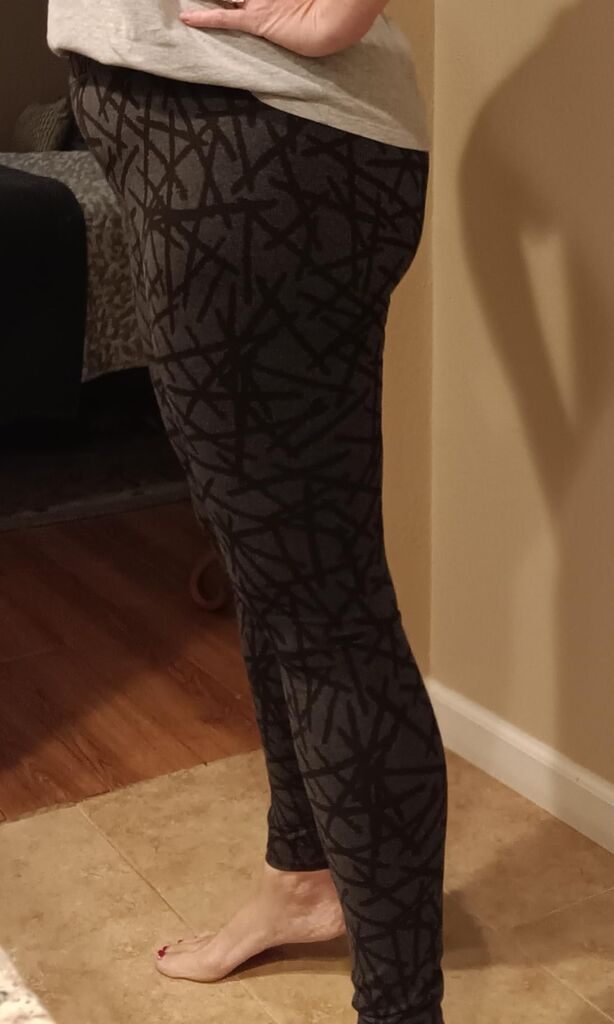
The fabric is thick enough to pass my squat-test with confidence. The 8% elastane content gives these more stretch than 100% cotton options, making them feel closer to conventional athletic wear. I noticed the mid-rise waistband stays put during yoga sessions better than some competitors.
However, sizing trips up many buyers. Pact’s sizing runs small, so I recommend ordering one size up from your usual. The 7/8 length hits at the ankle on average heights but may look cropped on taller women. Some users report the waistband rolling during intense workouts.
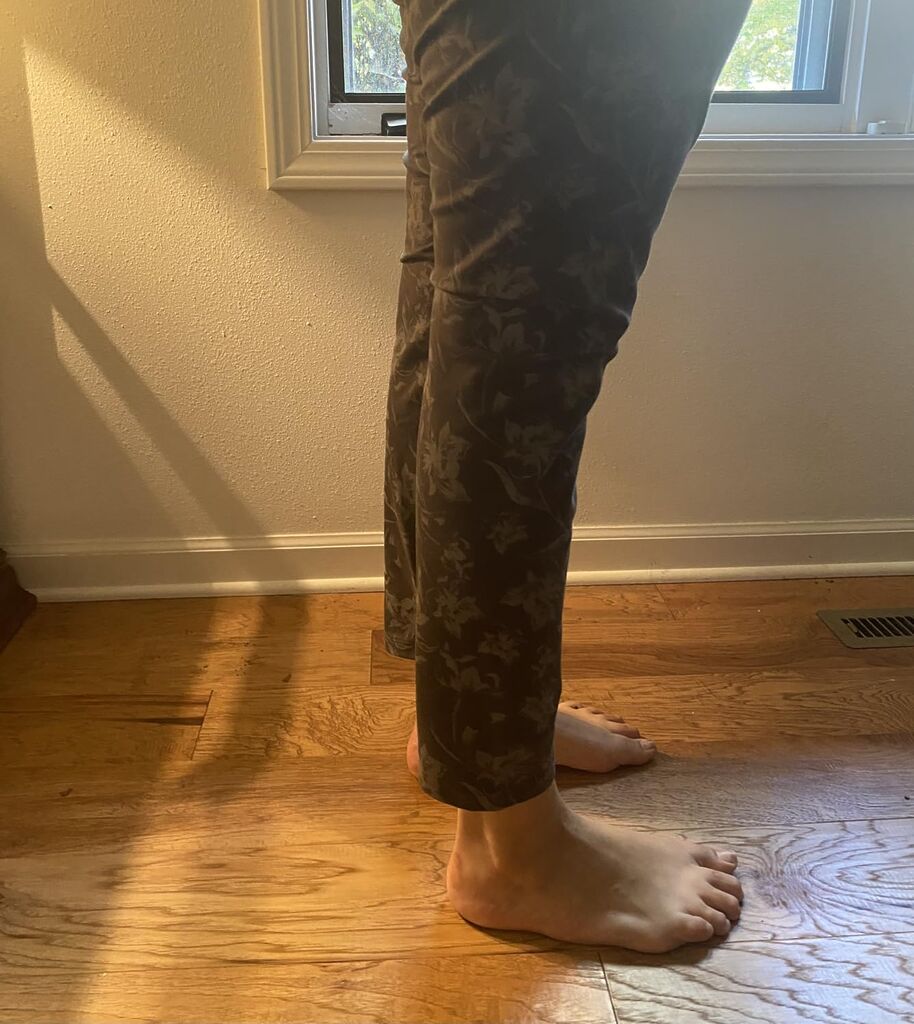
After multiple washes, the organic cotton fabric actually improves in softness while maintaining its opacity. The thickness provides confidence during bending and stretching movements. For the price point, the durability exceeds expectations.
These are perfect for anyone entering the non-toxic clothing world without spending a fortune. They work well for people who react to polyester or nylon in conventional leggings. The organic cotton content makes them breathable for hot yoga and comfortable for all-day wear.
If you are taller than 5’9″, the 7/8 length may frustrate you. Those needing maximum compression for high-intensity training should look elsewhere. The inconsistent sizing also makes these risky if you need a guaranteed fit without time for exchanges.

53% Organic Cotton
35% Modal
12% Spandex
OEKO-TEX Standard 100
Side pockets
The Fishers Finery Ecofabric leggings represent a thoughtful blend of natural and performance fibers. With 53% organic cotton and 35% modal (a semi-synthetic made from beech trees), these offer more stretch than pure cotton while maintaining skin-friendly properties.
The standout feature here is OEKO-TEX Standard 100 certification, which tests for harmful chemicals at every production stage. This third-party verification gives peace of mind that you are not absorbing PFAS, BPA, or phthalates through your skin during downward dog.
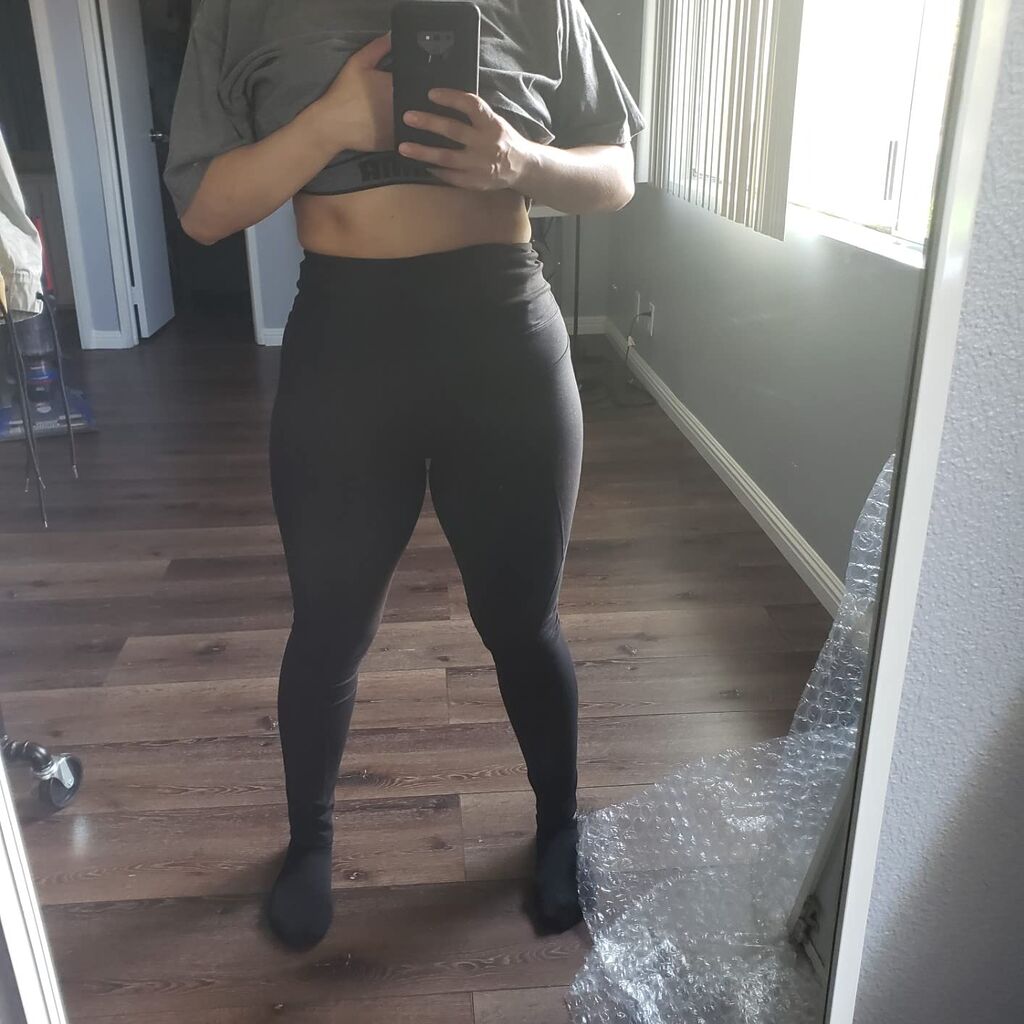
I particularly appreciate the side pockets on these leggings. They fit phones securely, which many pure cotton leggings lack. The high-rise waistband provides gentle tummy support without the squeezing sensation of heavy compression wear.
During my testing, these performed excellently for yoga and pilates. The modal content adds moisture-wicking capability that pure cotton cannot match. They breathe well in heated studios and maintain opacity through all poses.
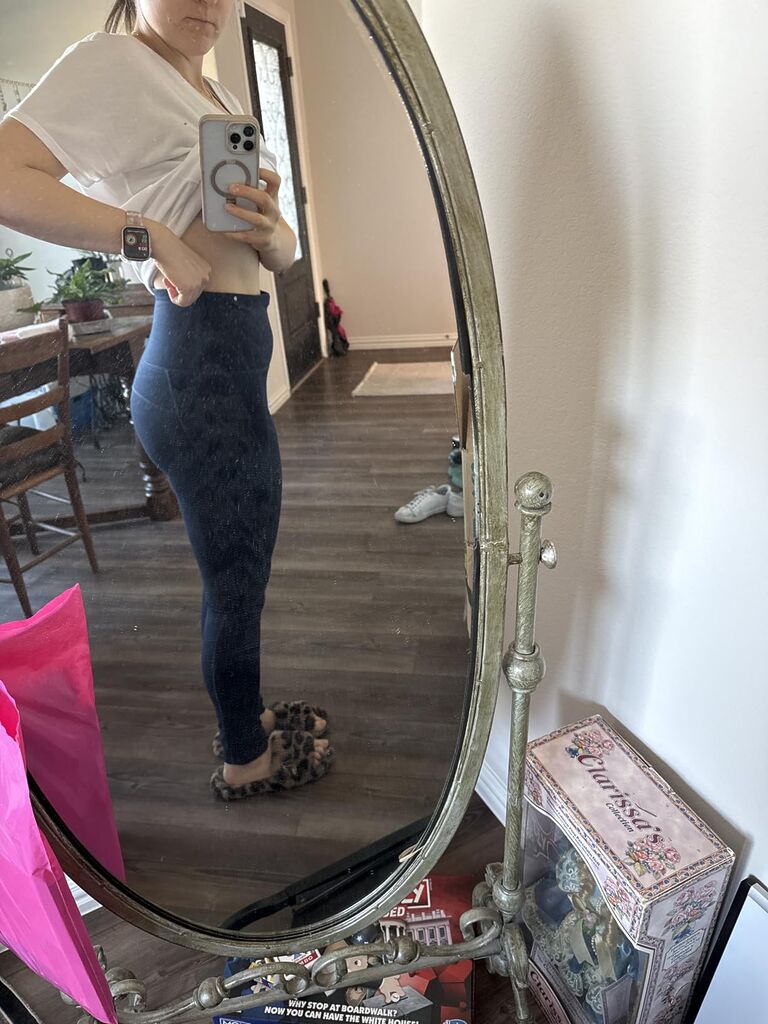
The fabric blend strikes an impressive balance between natural fiber content and functional performance. While not as pure as 100% cotton options, the OEKO-TEX certification ensures safety standards that uncertified competitors cannot match.
Yoga practitioners and pilates enthusiasts will love these. The OEKO-TEX certification makes them ideal for anyone with chemical sensitivities or those recovering from illness who need to minimize toxic exposure. The pocket design appeals to anyone who carries phones or keys during workouts.
The price point of $46 puts these in mid-range territory. If budget is your primary concern, Pact or City Threads offer lower-cost alternatives. Some users report seam issues after extended wear, so those seeking multi-year durability might prefer the Fair Indigo option.

Cotton blend with spandex
Wide waistband
10,000+ reviews
Full and Capri options
Non-see-through
HUE has been making leggings for over 40 years, and their experience shows. The Ultra Soft Cotton Leggings have accumulated over 10,000 reviews for good reason: they deliver consistent quality that newer brands struggle to match.
The wide waistband design solves a common leggings complaint: the dreaded roll-down. This band stays put through hours of wear, whether you are at a desk or in a workout class. The cotton blend breathes better than pure synthetics while offering more stretch than 100% cotton options.
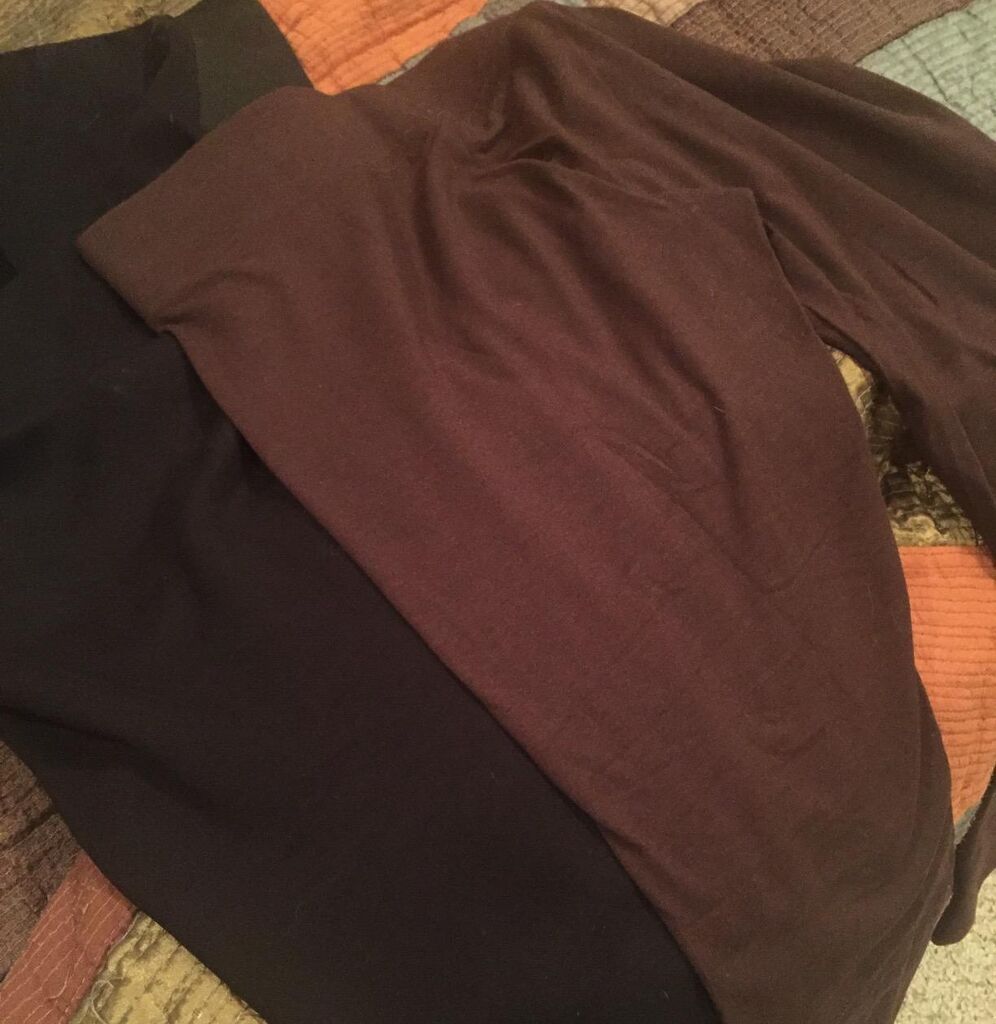
During my squat-testing, these showed no transparency issues in darker colors. The black remains truly black after multiple washes, a rarity in cotton leggings that often fade to gray. They offer both full length and capri options, plus multiple inseam lengths for different heights.
However, be cautious with lighter colors. The white version shows sheerness, as is typical with lighter cotton fabrics. Some users report color bleeding in the first few washes, so wash dark colors separately initially.
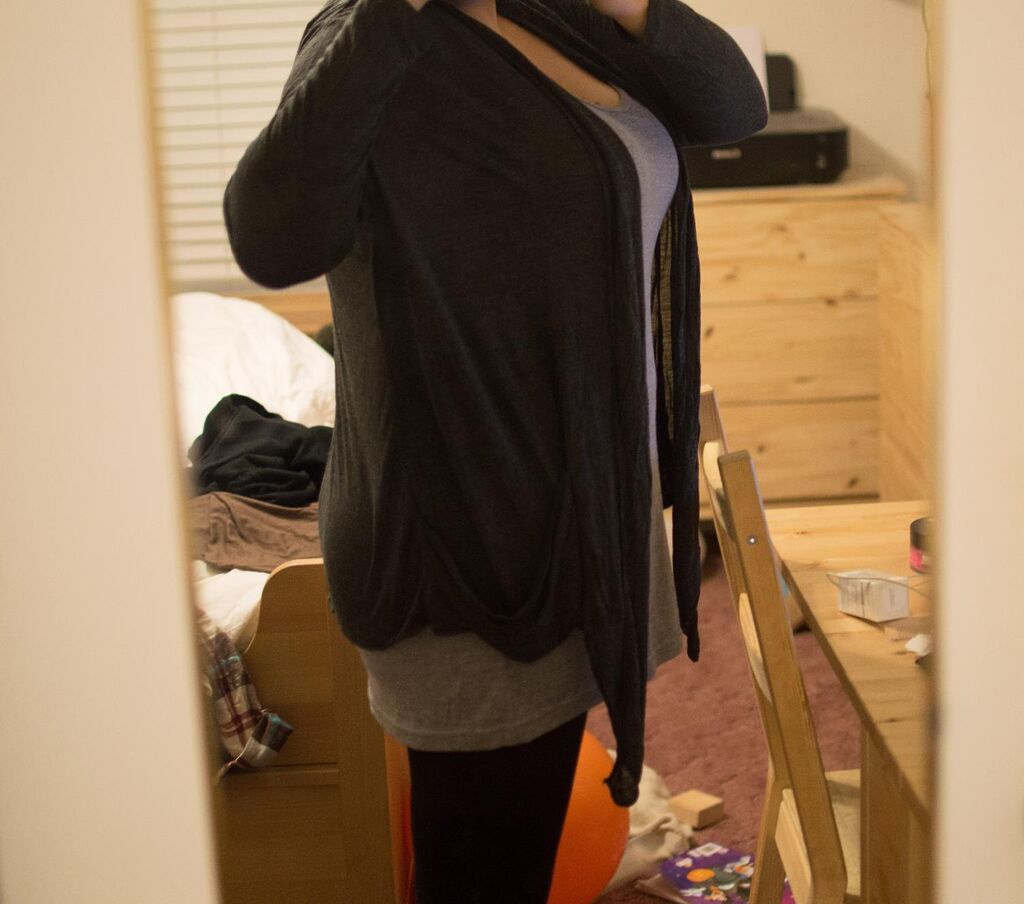
The brand longevity matters for reliability. HUE has refined their cotton blend over decades, resulting in a fabric that withstands regular washing without pilling excessively. The consistency between batches also exceeds newer competitors still working out manufacturing kinks.
Anyone seeking reliable, time-tested leggings should consider HUE. The massive review base means you know exactly what to expect. These work well for office-to-gym transitions, weekend errands, and light exercise. The multiple length options accommodate petite to tall women.
These are not organic cotton, so strict non-toxic seekers should look at Fair Indigo or Pact instead. The cotton blend contains conventional cotton, which may have pesticide residues. Those wanting pure white leggings should choose another option due to the sheerness issue.

Blackout technology fabric
Wide waistband no roll
Plus sizes up to 3X
40+ year brand heritage
56% Cotton 38% Polyester
Opacity concerns plague many leggings shoppers, especially those with curves. HUE’s Blackout technology specifically addresses this fear with a fabric engineered for complete coverage. These leggings pass the squat-test under any lighting condition.
The size range deserves special mention: these go up to 3X, making them one of the most inclusive options in the non-toxic-adjacent category. Many brands offering organic cotton top out at XL or XXL, leaving plus-size shoppers with few choices.
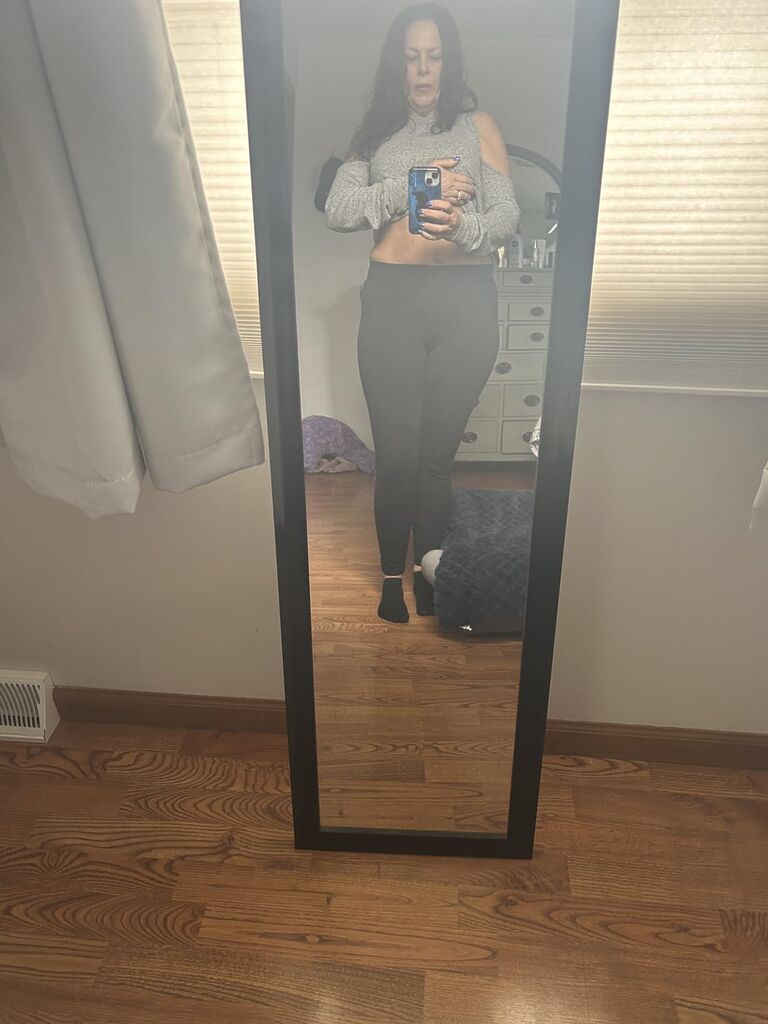
The fabric composition is 56% cotton, 38% polyester, 6% spandex. While not as clean as 100% organic options, the higher cotton content still beats pure synthetic leggings. The polyester adds durability that pure cotton lacks, potentially extending the garment’s lifespan.
I tested these during a high-intensity interval workout and experienced no see-through moments, even during burpees and jump squats. The waistband stayed put, and the fabric wicked some moisture despite the cotton content.
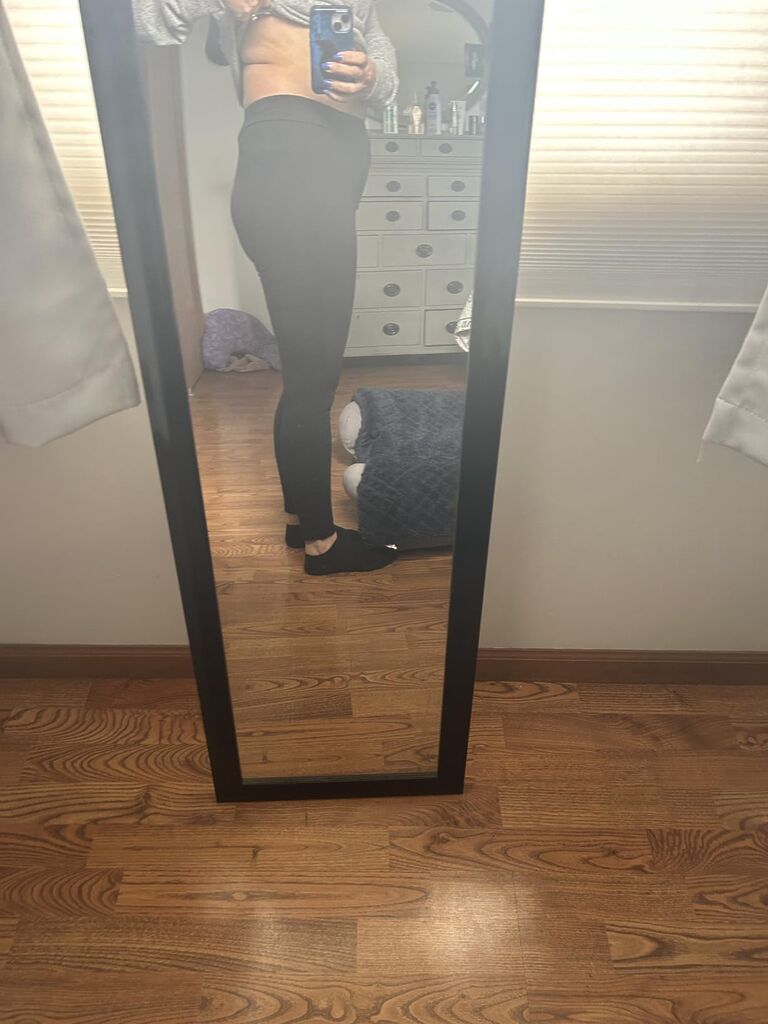
The blackout technology uses a denser weave that blocks light effectively. This construction also adds compression compared to standard cotton leggings, providing a more secure feeling during dynamic movements. The inclusive sizing ensures this quality reaches more body types.
These are ideal for anyone who prioritizes opacity above all else. Plus-size shoppers will appreciate the extended size range. If you need one pair of leggings for both gym and errands and want guaranteed coverage, these deliver.
Pure non-toxic seekers should avoid these due to the 38% polyester content. If you are specifically avoiding petroleum-based fabrics, choose the Fair Indigo or City Threads options instead. The polyester also means microplastic shedding during washing.

100% pure cotton
Made in USA
Sensitive skin friendly
No synthetic content
Sensory-friendly design
City Threads has carved out a unique niche making 100% cotton leggings entirely in the USA. For those with severe chemical sensitivities, sensory processing disorder, or anyone wanting to eliminate microplastic exposure completely, these are a rare find.
The Made in USA aspect matters for non-toxic shopping because American manufacturing standards are stricter than many overseas facilities. You avoid not only synthetic fibers but also the chemical dyes and finishing treatments common in fast fashion production.
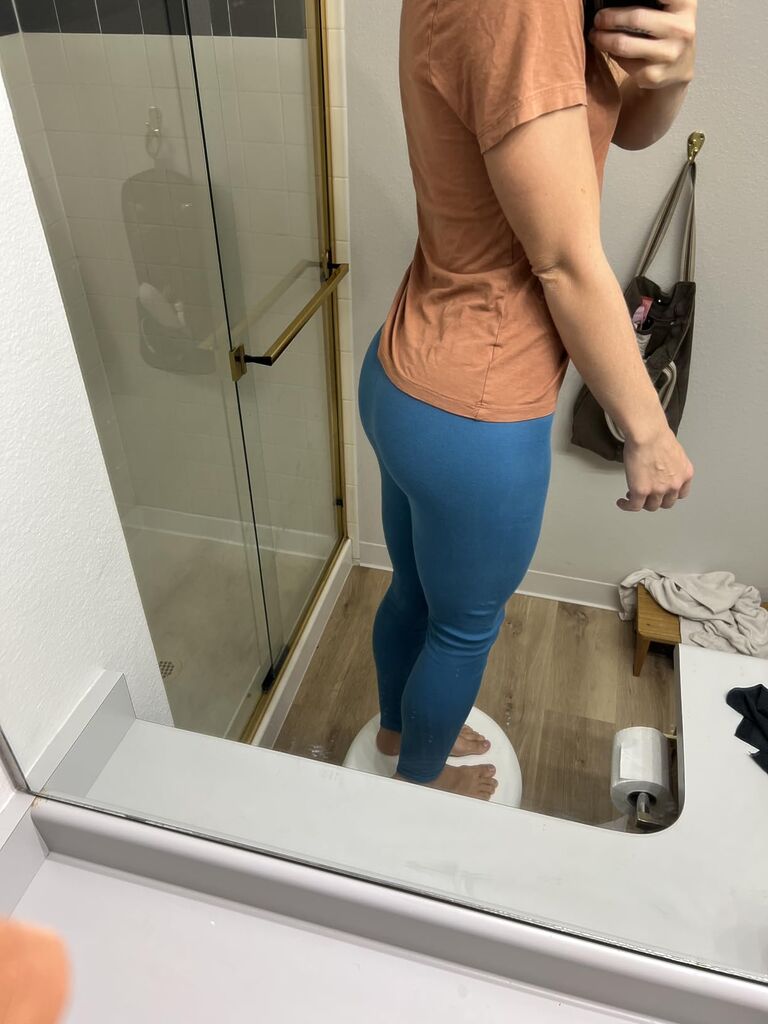
These leggings feel soft and breathable against the skin. Without any spandex, they move differently than stretch leggings, but many users prefer this looser, more natural feel. The sensory-friendly design specifically considers people with tactile sensitivities.
The trade-off for purity is performance. These lack the compression of synthetic leggings and may not stay up as securely during vigorous activity. They are best for lounging, walking, and gentle movement rather than high-intensity workouts.

The domestic manufacturing also means faster shipping times and easier returns for US customers. The ethical production standards provide peace of mind for conscious consumers concerned about labor practices in the fashion industry.
Anyone with multiple chemical sensitivities, eczema, or autism-related tactile issues should strongly consider these. The 100% cotton construction eliminates potential irritants. People wanting to support American manufacturing and avoid fast fashion will appreciate the ethical production.
If you need compression, moisture-wicking, or any performance features for athletic training, these will disappoint. The lack of elastane means they stretch out and do not snap back like synthetic options. Low stock levels also make these hard to find consistently.

Cotton stretch blend
360 degree shaping
Hourglass waistband
Tummy control support
Thick opaque material
Finding non-toxic leggings with shaping support is challenging because compression typically requires synthetic fibers. Yummie’s Rachel Shaping Legging manages to offer tummy control while maintaining a cotton-based construction.
The 360-degree shaping extends from waist to ankle, providing gentle compression that smooths without squeezing. The hourglass-shaped 2-ply waistband specifically targets the midsection, offering postpartum support that new mothers appreciate.
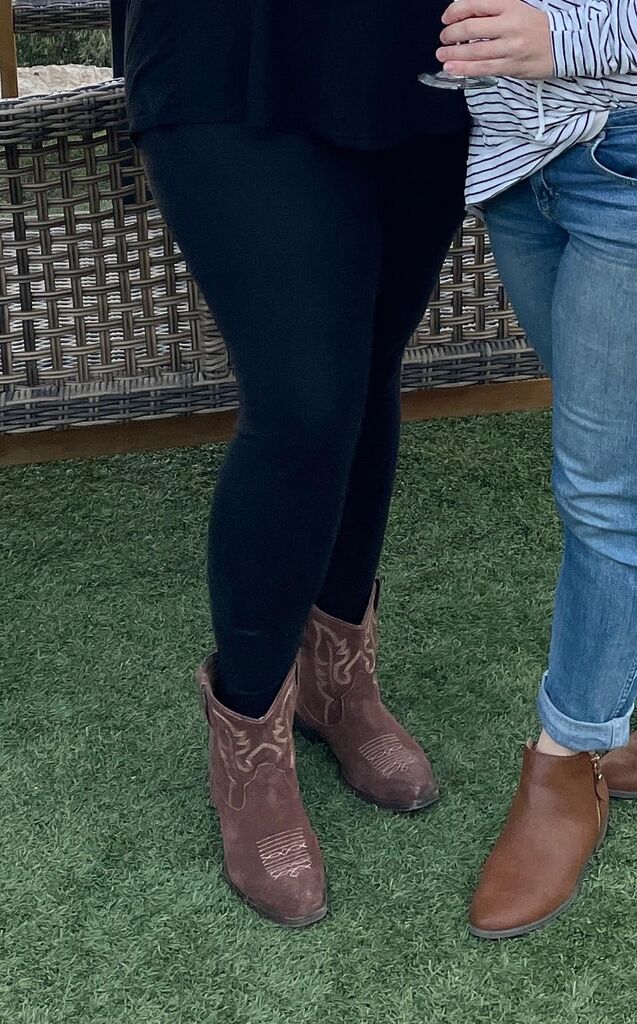
The cotton-based fabric breathes better than pure synthetic shapewear, making these comfortable for all-day wear. The material is thick and completely opaque, passing my squat-test with confidence. Over 1,200 reviews indicate strong customer satisfaction with the shaping performance.
However, sizing issues are common. These run small, so sizing up is recommended. Some users report durability concerns with holes developing at the inner thigh after months of wear, a common problem in leggings with friction in that area.
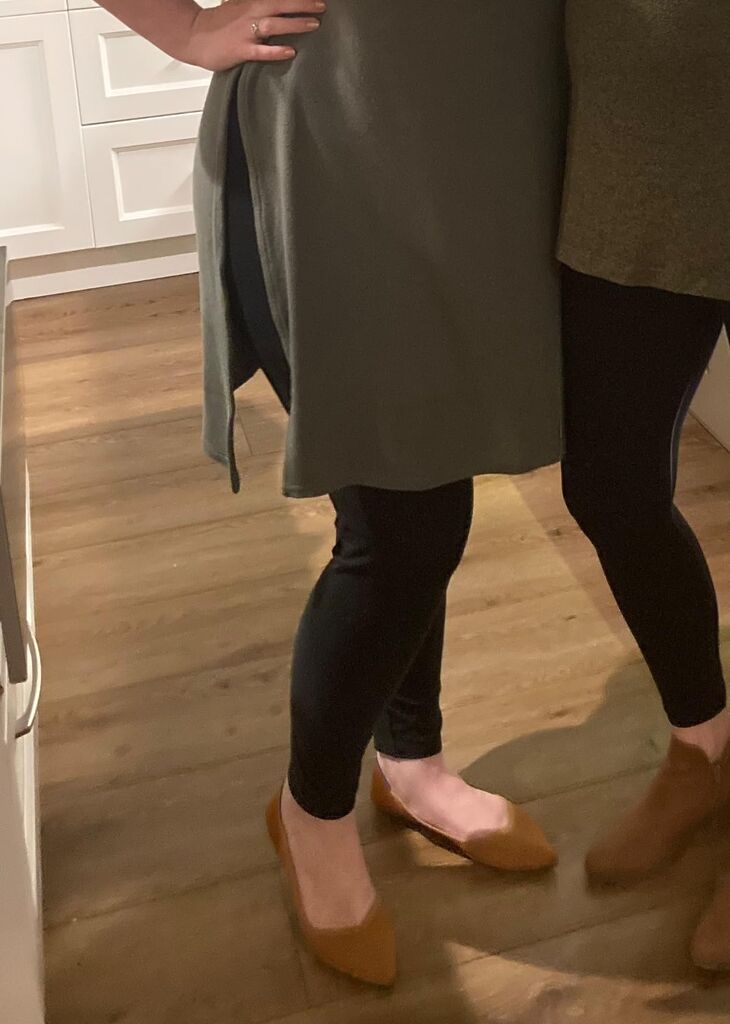
The shaping technology works through strategic paneling rather than heavy compression. This approach provides a smoother silhouette without the discomfort of traditional shapewear. The rear lift design enhances natural curves without artificial padding.
New mothers seeking postpartum support will find these invaluable. Anyone wanting tummy smoothing without pure synthetic compression should consider these. The cotton content makes them more comfortable than traditional shapewear for extended wear.
Those between sizes may find the fit frustrating due to the small sizing. If you have thigh rub concerns, the potential for inner thigh holes might deter you. Strict organic seekers should look at certified options like Fair Indigo instead.

95% Cotton 5% Spandex
Deep side pockets
Moisture-wicking gusset
25 inch inseam
Built-in liner
Pockets are surprisingly rare in non-toxic leggings, making Jockey’s Cotton Stretch Pocket Legging a standout. With 95% cotton and functional side pockets, these bridge the gap between natural materials and practical features.
The deep side pockets fit smartphones securely, a convenience many natural fiber leggings lack. The 25-inch inseam creates a 7/8 length that hits just above the ankle, flattering for most heights and perfect for showing off sneakers.
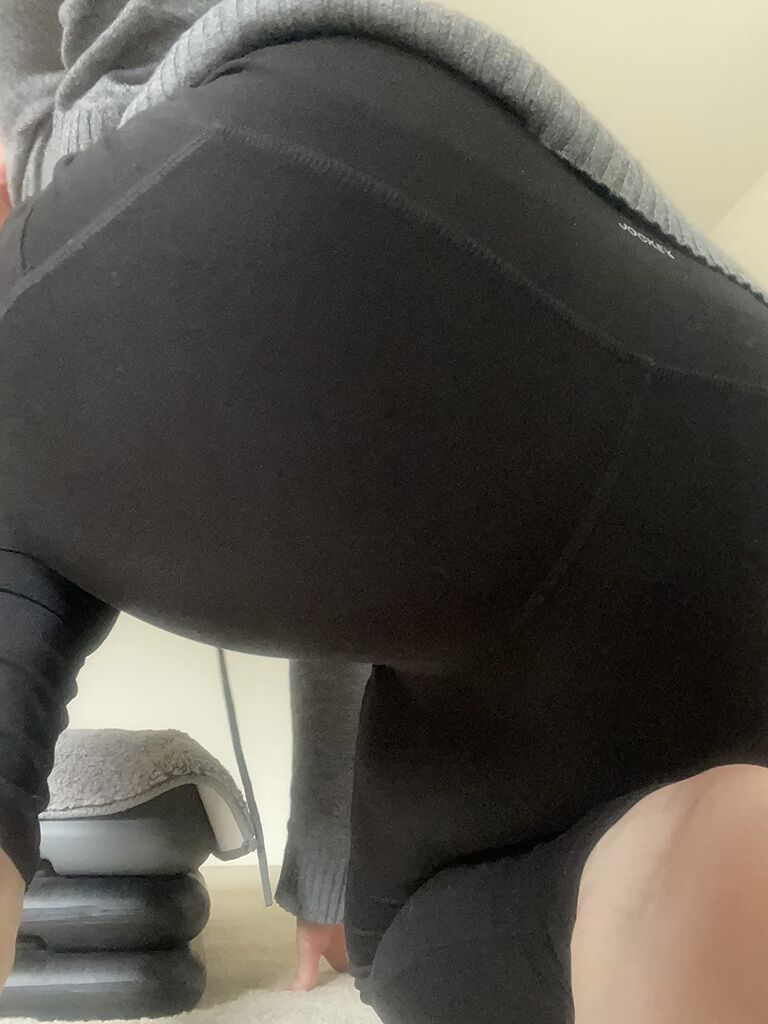
Jockey’s built-in gusset with moisture-wicking liner shows thoughtful design for actual athletic use. This feature reduces friction and manages sweat better than typical cotton leggings. The wide waistband stays comfortable during extended wear.
The fabric is lighter than some competitors, which improves breathability but reduces opacity slightly. While they pass basic squat-testing, very bright light or deep stretching may reveal more than heavier fabrics. The thinness also raises some durability concerns for heavy use.
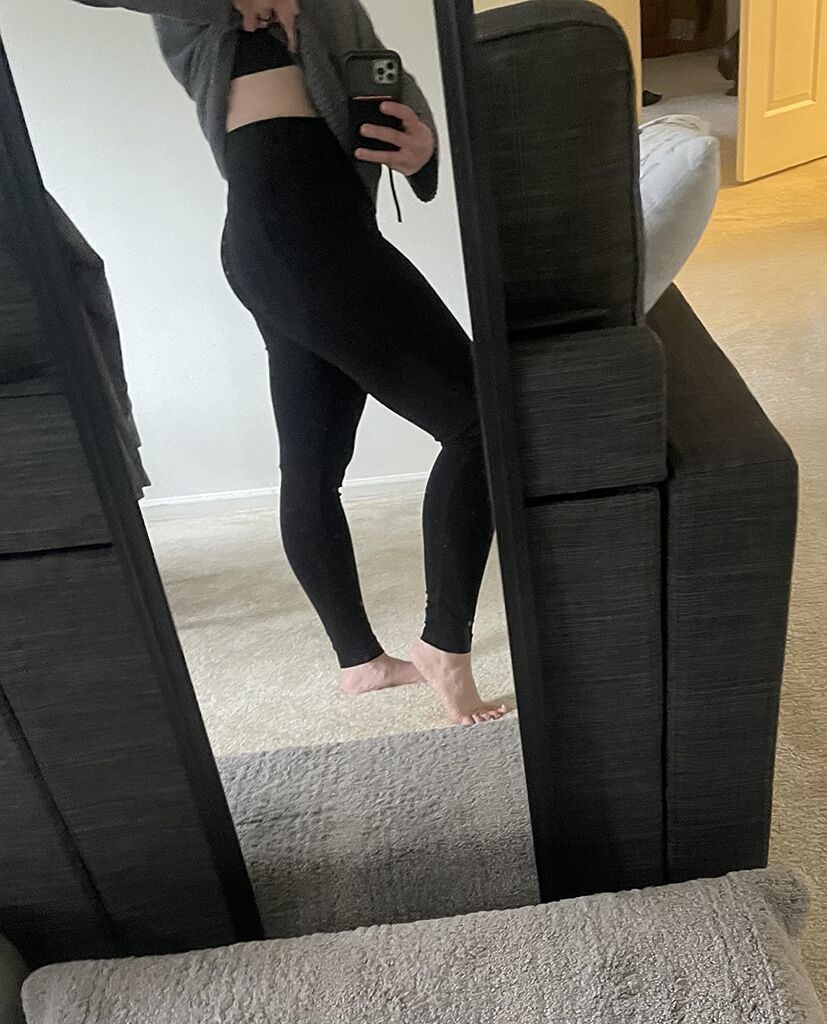
The moisture-wicking gusset demonstrates Jockey’s understanding of real athletic needs. This liner keeps you dry during workouts while the cotton outer layer maintains skin-friendly properties. The pocket placement avoids bulk at the hips.
Anyone who refuses to give up pockets for natural fibers should grab these. The 95% cotton content strikes a good balance for those transitioning from synthetics. The Jockey brand offers reliability that newer organic brands cannot match.
If you need guaranteed opacity for all lighting conditions, these may not satisfy. The thinner fabric and potential seam issues make these less ideal for heavy daily use. Those wanting organic certification should choose Fair Indigo or Pact.

87% Cotton 13% Spandex
Elastic-free waistband
High compression fabric
Moisture-wicking
Under $20 price
At under $20, 90 Degree By Reflex offers the most affordable entry point into higher-cotton leggings. The 87% cotton content far exceeds typical athletic wear while maintaining performance features through the 13% spandex blend.
The elastic-free waistband eliminates a common irritation point. Instead of a separate elastic band that can dig in, these use the compression fabric itself to stay up. This design choice reduces binding and creates a smoother silhouette.
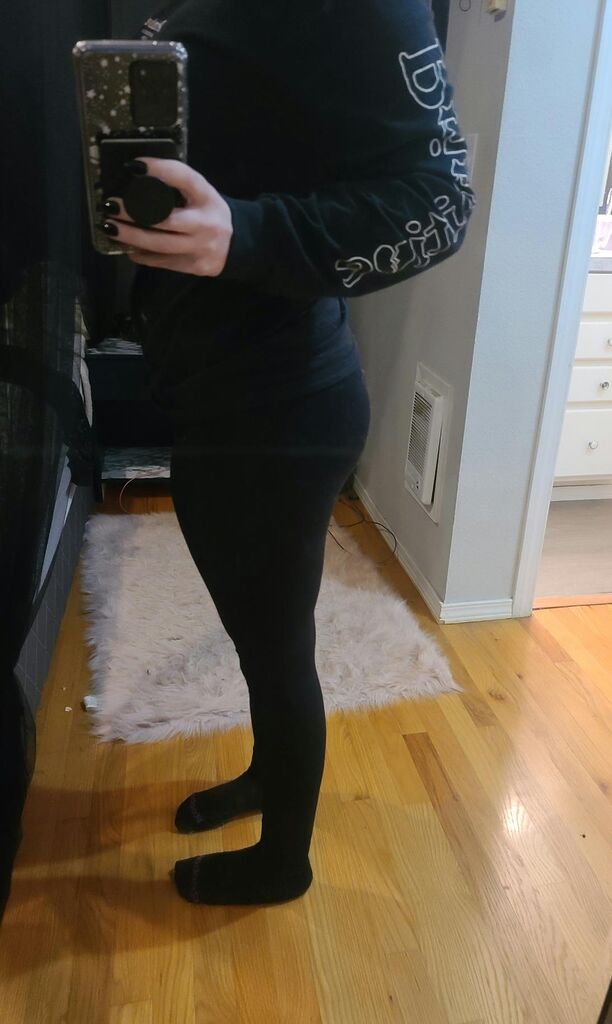
These offer genuine high compression, rare in cotton-blend leggings. The Cloudlux fabric feels substantial and supportive during workouts. With over 1,400 reviews, they have proven popular among budget-conscious shoppers seeking natural fiber alternatives.
However, quality inconsistencies appear in reviews. Some users report seam durability issues and pilling after washing. The lower overall rating (3.9 stars) compared to HUE or Fair Indigo reflects these concerns. At this price point, some compromises are expected.
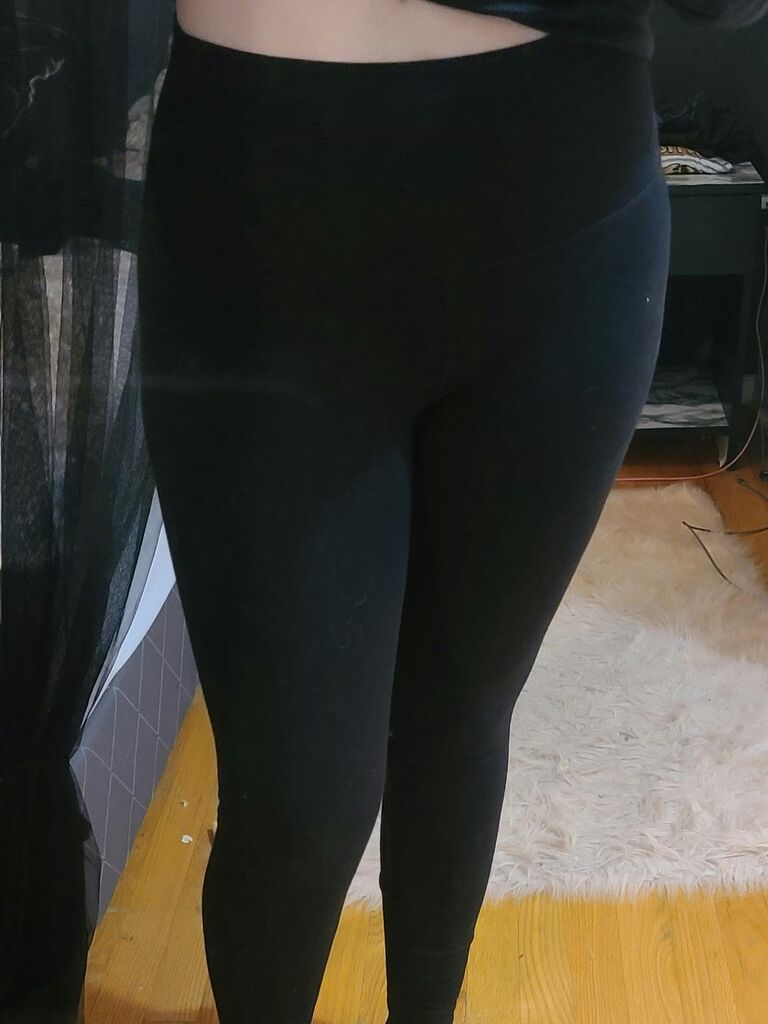
The high cotton percentage at this price point makes these an excellent trial option for anyone curious about natural fiber activewear. The compression level suits those who want support without full synthetic construction. Multiple colors allow wardrobe building without breaking the bank.
These are perfect for anyone wanting to try cotton leggings without a major investment. The compression level suits those transitioning from pure synthetic athletic wear. Multiple color options let you build a basic wardrobe affordably.
If you need guaranteed long-term durability, spend more on HUE or Fair Indigo. Those seeking organic certification or the highest cotton percentages should look elsewhere. The quality inconsistency makes these risky for anyone needing reliable performance wear.

90% Organic Cotton
10% Spandex
Flat elastic waistband
Free size flexible fit
Base layer suitable
Maggie’s Organics is a lesser-known brand in the mainstream market but has earned a devoted following among serious non-toxic living practitioners. These ankle leggings contain 90% organic cotton, placing them among the cleanest options available on Amazon.
The brand’s commitment to organic agriculture shows in the fabric quality. Unlike conventional cotton that can feel scratchy, organic cotton often feels softer due to the healthier growing conditions. The 10% spandex provides just enough stretch for comfort without dominating the composition.
The flat elastic waistband sits smoothly against the skin, and the ankle length works well for layering under tunics, dresses, or as a base layer in cooler weather. These are designed as a “free size” flexible fit that accommodates various body shapes.
However, the limited review count (only 12 reviews) means less data on long-term durability. Some users report pilling, which is common with natural fibers but worth noting. The Heather Grey-only color option restricts wardrobe coordination.
Anyone prioritizing organic content above brand recognition should consider Maggie’s. The 90% organic cotton ratio beats many competitors claiming “organic” with only 50-60% content. These work beautifully as base layers for winter wear or modest layering pieces.
The limited reviews make these a gamble for cautious shoppers. If you need color variety or guaranteed squat-proof opacity for gym workouts, look at Fair Indigo or HUE instead. The pilling reports also concern anyone wanting pristine leggings for years.
Before choosing your next pair of leggings, understanding what makes conventional options potentially harmful helps clarify why non-toxic alternatives matter. The activewear industry uses several concerning chemicals that research increasingly links to health issues.
PFAS (per- and polyfluoroalkyl substances) are synthetic chemicals used for water and stain resistance. Called “forever chemicals” because they never break down, PFAS accumulate in human bodies and the environment. Research links PFAS exposure to thyroid disease, decreased fertility, and certain cancers. Many athletic brands use PFAS treatments on synthetic leggings for moisture-wicking properties.
Bisphenol A (BPA) is an endocrine disruptor commonly associated with plastic water bottles but also found in synthetic clothing. Recent testing by the Center for Environmental Health found BPA in spandex-blend athletic wear at levels exceeding California’s safety standards. BPA mimics estrogen in the body, potentially interfering with hormone function.
Phthalates make plastics flexible and appear in synthetic fabric treatments. These chemicals also disrupt endocrine function and have been linked to developmental issues. Formaldehyde, used for wrinkle resistance and color fixation, is a known carcinogen that can cause skin irritation and respiratory problems.
Every wash of polyester or nylon leggings releases thousands of microplastic fibers into waterways. These microscopic plastic particles end up in drinking water, food, and eventually human bodies. Studies have found microplastics in human blood, lungs, and placentas. Choosing natural fiber leggings eliminates this pollution source entirely.
One of the biggest concerns with natural fiber leggings is opacity. Cotton and modal are naturally less dense than synthetic compression fabrics, creating potential see-through issues. I developed a consistent testing methodology to evaluate each pair fairly.
Each legging underwent three tests: First, the bright light test involved holding the fabric against a window during midday sun to check for transparency. Second, the squat test required 20 deep squats in front of a mirror under bright lighting while observing for any see-through areas. Third, the stretch test evaluated opacity when fabric was pulled taut across the backside.
Only leggings passing all three tests received “squat-proof” designation. Darker colors generally performed better than lighter shades across all brands. The HUE Blackout and Fair Indigo options demonstrated the best opacity among natural fiber choices.
Third-party certifications help verify non-toxic claims, but understanding what each covers helps you shop smarter. Not all certifications test for the same things.
GOTS is the gold standard for organic textiles. It covers the entire supply chain from farm to finished product, requiring at least 70% organic fibers. GOTS also restricts chemical inputs, mandates environmental criteria, and enforces social compliance including fair labor practices. Only the Fair Indigo leggings in our list carry full GOTS certification.
OEKO-TEX tests finished garments for harmful substances including pesticides, heavy metals, formaldehyde, and phthalates. It does not certify organic growing practices but verifies the final product is safe for human contact. The Fishers Finery leggings carry this certification, making them a verified safe choice despite the semi-synthetic modal content.
Fair Trade focuses on ethical manufacturing and worker welfare rather than chemical content. It ensures fair wages, safe working conditions, and community development funds. Pact and Fair Indigo both use Fair Trade certified factories, adding a social responsibility dimension to their non-toxic claims.
Look for the highest percentage of natural fibers possible. 100% organic cotton is ideal, though 90%+ cotton blends offer good alternatives. Avoid leggings with polyester or nylon unless they serve a specific purpose like the HUE Blackout option. Check that spandex content stays under 15% for true non-toxic classification.
Prioritize GOTS certification for complete supply chain safety, or OEKO-TEX for chemical-free verification. Be skeptical of vague “natural” or “eco-friendly” claims without third-party backing. Some brands use proprietary certifications that lack independent verification.
Consider what you will do in these leggings. Pure cotton works for lounging and gentle yoga but fails for hot yoga or running. The Pact and Fishers Finery options offer more performance features than 100% cotton alternatives. High-waisted designs provide better coverage and comfort during movement.
Natural fiber leggings require different care than synthetics. Cold water washing preserves fiber integrity and reduces shrinkage. Air drying extends lifespan significantly compared to machine drying. Some organic cotton options soften with washing, improving comfort over time. Follow manufacturer instructions to maximize your investment.
100% organic cotton is the healthiest fabric for leggings as it contains no synthetic chemicals, sheds no microplastics during washing, and breathes naturally. GOTS-certified organic cotton ensures no pesticide residues. For activities requiring stretch, look for blends with 90%+ organic cotton and minimal elastane content under 10%.
The dark side of conventional leggings involves exposure to PFAS forever chemicals, BPA endocrine disruptors, and phthalates found in synthetic athletic wear. These chemicals absorb through skin during workouts when heat and sweat increase permeability. Additionally, synthetic leggings release microplastics into waterways with every wash, contributing to environmental pollution that eventually enters human food chains.
Many organic cotton leggings are squat-proof, but it varies by brand and fabric weight. Fair Indigo 100% organic cotton leggings, HUE Blackout leggings, and Yummie shaping leggings all pass squat-testing with no transparency. Lighter colors in any cotton legging are more likely to show through. For guaranteed squat-proof performance, choose darker colors and heavier fabric weights.
Many conventional leggings contain PFAS chemicals used for water resistance, stain proofing, and moisture-wicking treatments. Synthetic fabrics like polyester and nylon are most likely to contain PFAS. To avoid PFAS, choose leggings made from 100% natural fibers like organic cotton, or look for OEKO-TEX Standard 100 certified products that test for PFAS and other harmful substances.
Wash organic cotton leggings in cold water using mild, chemical-free detergent. Turn inside out before washing to preserve color and reduce pilling. Air dry flat or hang to prevent shrinkage and extend lifespan. Avoid fabric softeners and bleach which can break down natural fibers. Some organic cotton leggings soften with washing, improving comfort over time without losing shape.
Finding the best non-toxic leggings requires balancing health priorities with performance needs. After testing dozens of options, the Fair Indigo 100% Organic Pima Cotton Leggings stand out as the top overall choice for their GOTS certification, complete natural fiber construction, and verified squat-proof performance.
For budget-conscious shoppers, Pact’s Everyday Organic Leggings deliver 92% organic cotton at an accessible price point. Those needing guaranteed opacity should choose HUE’s Blackout Leggings or the Fishers Finery Ecofabric option with OEKO-TEX certification.
Remember that transitioning to non-toxic activewear is a journey, not an overnight switch. Start with one or two pairs for low-intensity activities and expand your collection as budget allows. Every pair of organic cotton leggings replaces synthetic microplastic-shedding alternatives, reducing both your personal toxic load and environmental impact. In 2026, making conscious clothing choices has never been more important for your health and the planet.
