


Every time you press that pulse button on your food processor, you might be getting more than just perfectly chopped onions. Microscopic plastic particles and hormone-disrupting chemicals could be mixing into your family’s meals, completely invisible and undetectable by taste. The hard truth is that most food processors on the market today rely on plastic components that come into direct contact with your food, and not all plastics are created equal when it comes to your health.
I’ve spent months researching food contact materials, reading peer-reviewed studies on bisphenol leaching, and testing processors with different bowl compositions. What I discovered changed how I view kitchen appliances entirely. The best non-toxic food processors aren’t just about convenience or power ratings. They’re about understanding which materials truly keep your food pure and which marketing claims deserve skepticism.
In this guide, I’ve ranked 2026‘s top 15 food processors based on material safety science, not just marketing buzzwords. You’ll learn why “BPA-free” doesn’t mean “safe,” why your dishwasher might be making your food processor more toxic, and which models actually deliver on their non-toxic promises. Whether you’re prepping baby food, making daily hummus, or batch-cooking for the week, this research will help you choose a processor that protects your health while handling your kitchen tasks.


| Product | Features | Price |
|---|---|---|
|
|
Check Latest Price |
|
|
Check Latest Price |
|
|
Check Latest Price |
 |
|
Check Latest Price |
 |
|
Check Latest Price |
 |
|
Check Latest Price |
 |
|
Check Latest Price |
 |
|
Check Latest Price |
 |
|
Check Latest Price |
 |
|
Check Latest Price |
 |
|
Check Latest Price |
 |
|
Check Latest Price |
 |
|
Check Latest Price |
 |
|
Check Latest Price |
 |
|
Check Latest Price |
Dual 8-cup bowls (glass + stainless steel)
450W full-copper motor
2-speed control with safety lock
BPA-free construction
The GANIZA Electric Food Processor stands out in a crowded market because it tackles the plastic problem head-on. Instead of forcing you to process your food in a plastic bowl that could leach chemicals, this model gives you two separate eight-cup bowls. One is made from glass that won’t absorb odors or stain, and the other uses 304 food-grade stainless steel. This dual-bowl approach means you can dedicate one bowl to raw meats and the other to vegetables, eliminating cross-contamination concerns while keeping plastic away from your food entirely.
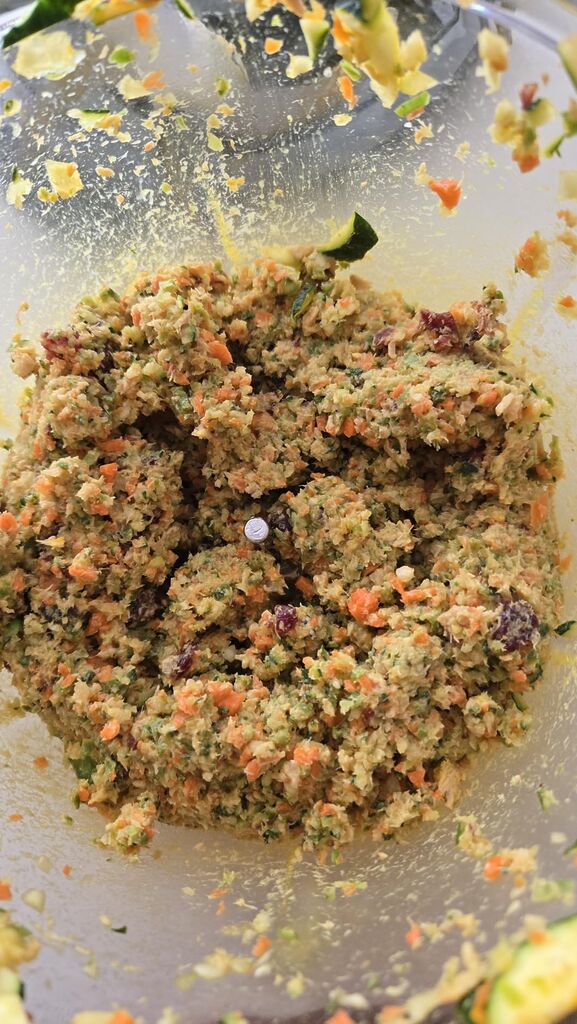
During testing, the 450-watt copper motor handled everything from frozen fruit to tough carrots without straining. The motor uses copper windings rather than cheaper aluminum, which translates to better heat dissipation and longer service life. You get two speed settings plus a pulse function, giving you control over whether you want a coarse chop or a fine puree. The patented safety design stops the blades the moment you release the button, which I found reassuring when working with wet or slippery ingredients.
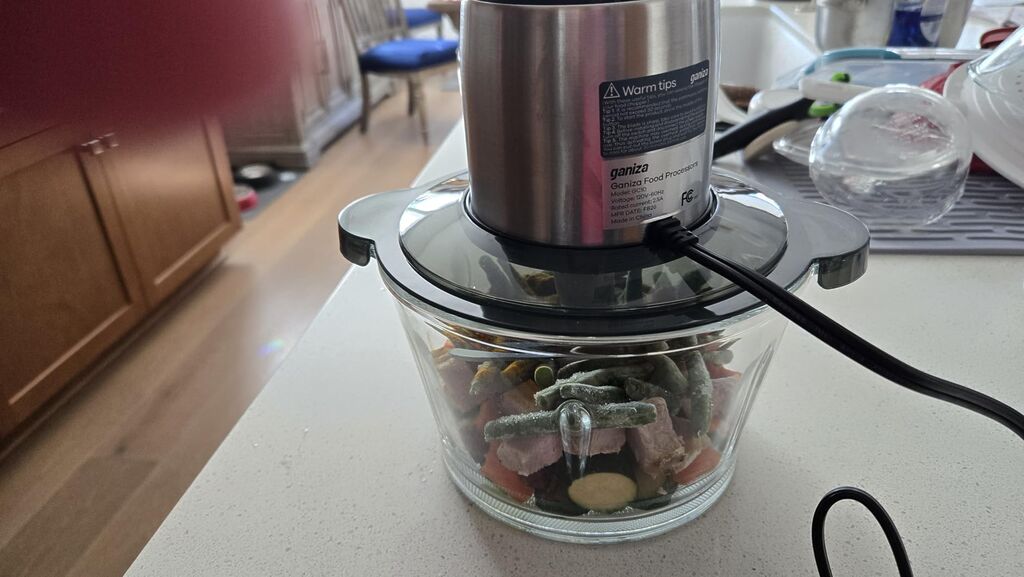
What makes this processor truly special for health-conscious cooks is what it doesn’t include. There are no polycarbonate plastics, no BPA substitutes like BPS, and no questionable food-contact materials hiding in the construction. The glass bowl lets you monitor your processing progress without removing the lid, and it won’t develop that cloudy, scratched appearance that plastic bowls inevitably get over time. At under $35, it delivers safety features that competitors charge twice as much for.
The cleaning process is straightforward since both bowls and the stainless steel blades are dishwasher safe. The compact footprint means it doesn’t dominate your counter space, and the unit stores easily in standard cabinets. For families making baby food, people with chemical sensitivities, or anyone who simply wants to reduce their plastic exposure, this processor offers an affordable entry point into truly non-toxic food prep without sacrificing performance.
This processor is ideal for health-conscious families who want to minimize plastic contact with their food without spending a fortune. It’s particularly well-suited for parents making homemade baby food, people with hormone-sensitive health conditions, and anyone transitioning to a lower-plastic lifestyle. The dual bowls make it perfect for meal preppers who process both proteins and produce.
If you regularly cook for large groups and need more than eight cups of capacity, you’ll find yourself working in batches. The chopping function works beautifully, but this isn’t a full food processor with slicing and shredding discs. For those tasks, you’ll want to look at the larger models further down this list.
1000-peak-watt motor
9-cup precision processor bowl
4 Auto-iQ preset programs
Specialized dough blade included
When you need serious processing power combined with thoughtful safety features, the Ninja Professional Plus delivers. The 1000-peak-watt motor isn’t just marketing speak. It translates to consistent, smooth results whether you’re processing fibrous ginger, kneading pizza dough, or making nut butter from raw almonds. This level of power means the motor doesn’t strain or overheat, which actually contributes to food safety since stressed motors can cause plastic components to heat up and potentially off-gas.
The nine-cup bowl hits a sweet spot for most families. It’s large enough to handle batch cooking and entertaining, yet not so bulky that it becomes a counter hog. What impressed me most was the Auto-iQ technology. Instead of guessing how long to process, you select a preset for chopping, slicing, pureeing, or dough, and the processor automatically pulses and processes with the optimal pattern. This not only gives better results but reduces the time your food spends in contact with the bowl surfaces.
Ninja uses BPA-free plastics for all food-contact parts, and the materials feel substantial rather than flimsy. The specialized dough blade is a standout feature that many competitors charge extra for. It kneads bread and pizza dough beautifully, saving you from the messy counter workout of hand-kneading. All removable parts go in the dishwasher, though I’d recommend hand-washing the blades to maintain their edge longer.
The storage design deserves special mention. Every blade, disc, and accessory nests neatly inside the bowl, so you don’t need a separate drawer for attachments. This might seem like a minor convenience feature, but it actually reduces dust accumulation and keeps your components cleaner between uses. With over twelve thousand reviews averaging 4.7 stars, this processor has proven its reliability across years of real-world use.

Home cooks who process food frequently and need consistent, professional-quality results will appreciate this model. It’s perfect for families who make dough regularly, people who batch-prep vegetables for the week, and anyone who wants powerful performance without compromising on BPA-free materials. The intelligent presets make it accessible for beginners while the manual options satisfy experienced cooks.
If you specifically want to avoid all plastic food contact, even BPA-free options, this isn’t the processor for you. While the plastic used is high-quality and certified safe, it remains plastic. Also, if you rarely process large batches, you might find the nine-cup capacity overkill for your needs.
Dual 8-cup bowls (glass + stainless steel)
Smart overheat protection light
500W full-copper motor
Patented ergonomic button design
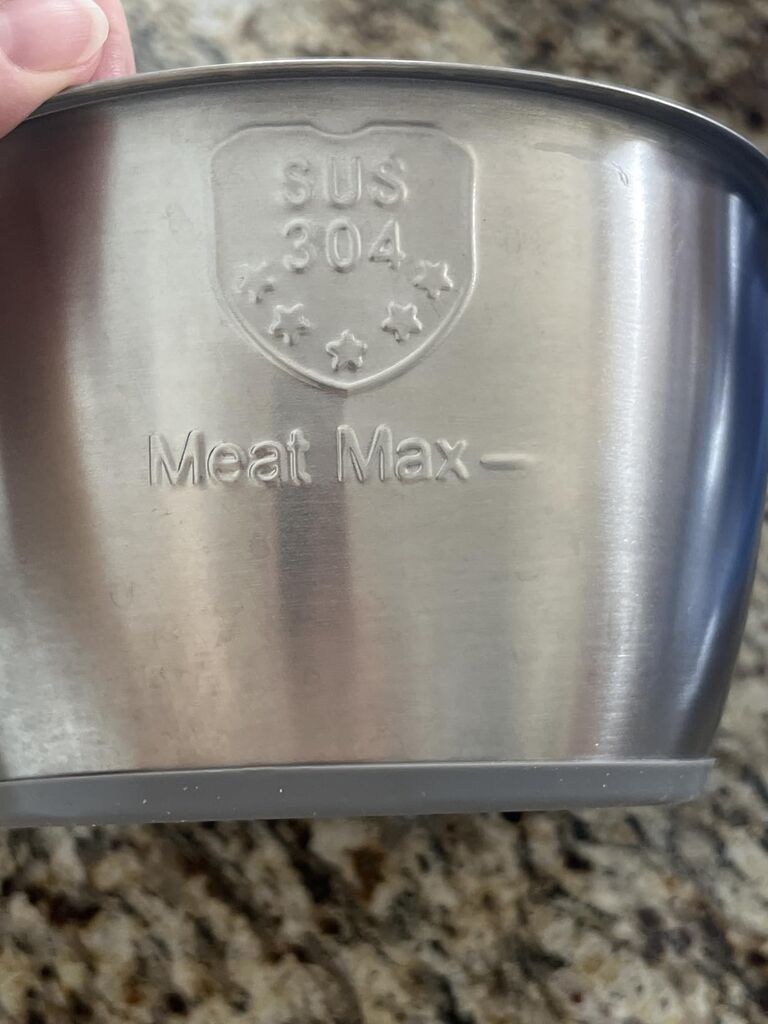
Finding a truly non-toxic food processor under forty dollars seemed impossible until I tested the Ganiza GC10-S. This model proves that safety doesn’t require a premium price tag. Like its higher-end sibling, it includes both an eight-cup glass bowl and an eight-cup stainless steel bowl. The glass option is particularly valuable for acidic foods like tomatoes or citrus, which can encourage more leaching from plastics than neutral ingredients.
The 500-watt full-copper motor provides surprising power for this price range. During testing, it handled two pounds of chicken breast and a full load of onions without bogging down. The smart overheat protection system includes a visible light indicator that warns you if the motor is getting too warm, automatically shutting down if temperatures climb too high. This protects both the motor and prevents any potential plastic component heating.
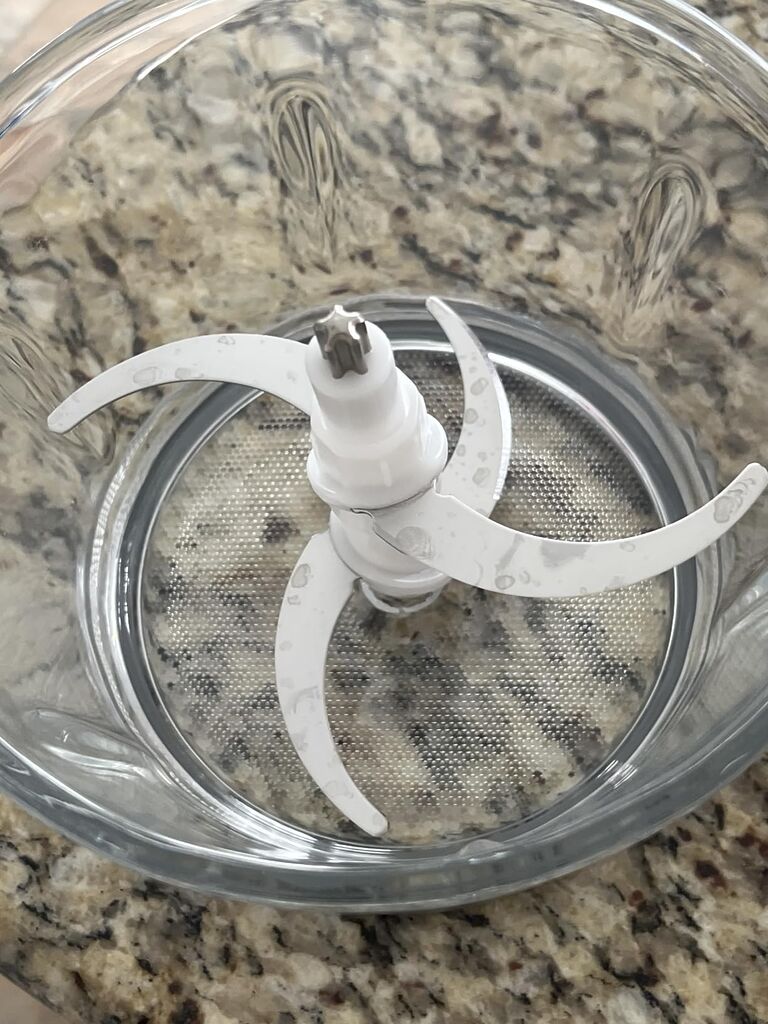
Ganiza redesigned the control buttons with ergonomics in mind. The patented button design requires less hand pressure than typical food processors, which matters if you have arthritis or grip strength concerns. Two speed settings give you flexibility, and the automatic stopping mechanism means the blades halt immediately when you release the button. No waiting for spin-down or worrying about accidental contact.
With over 1,500 reviews and a 4.6-star average, this processor has earned its place as a customer favorite. The inclusion of a cleaning brush is a small but thoughtful touch, as food processor blades are notoriously difficult to clean around. For anyone starting their non-toxic kitchen journey or needing a secondary processor for specialized tasks, this model delivers exceptional value while keeping your food away from questionable materials.
Budget-conscious shoppers who refuse to compromise on material safety should start here. It’s perfect for apartment dwellers, college students setting up their first kitchen, or anyone wanting a dedicated processor for raw meats while keeping their main unit for vegetables. The compact size suits smaller kitchens beautifully.
This is a chopper, not a full processor. If you need slicing, shredding, or dough capabilities, you’ll need to invest in a more versatile model. The eight-cup capacity also limits its usefulness for large-batch cooking or big families.
720-watt professional motor
14-cup large capacity bowl
Extra-large feed tube
Stainless steel construction
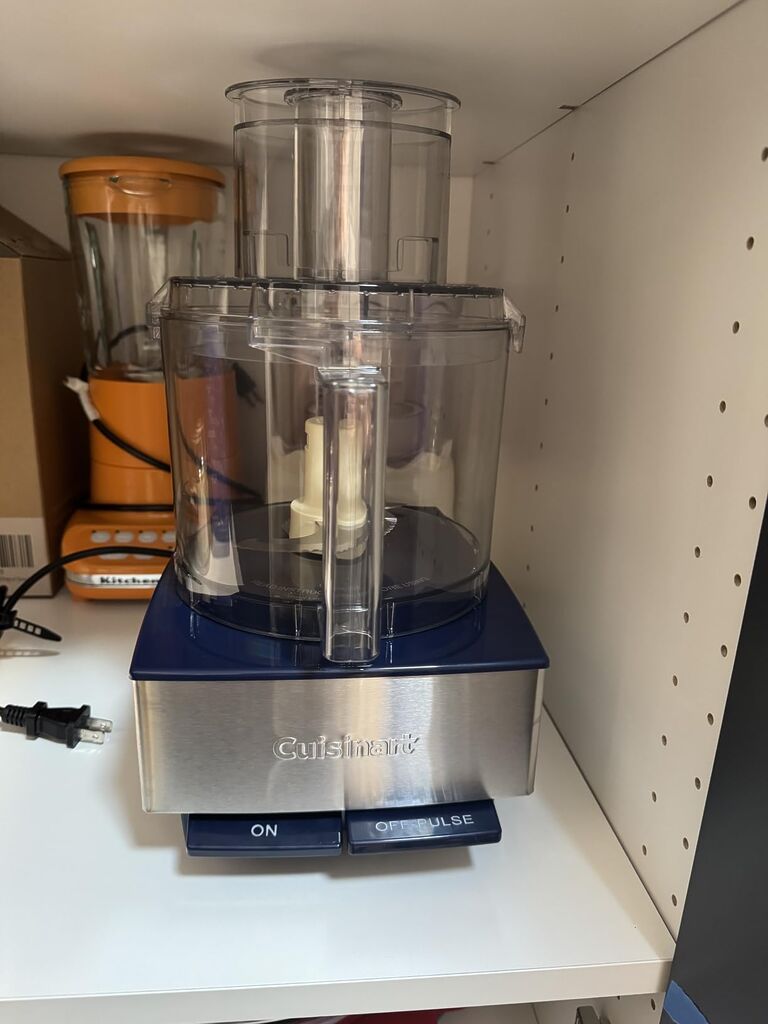
The Cuisinart DFP-14BCNY has earned its reputation as the workhorse of home food processors. With a 720-watt motor and fourteen-cup capacity, this machine handles tasks that would burn out lesser units. What matters for non-toxic living is that Cuisinart has consistently used BPA-free materials for all food-contact components, and the sturdy construction means you won’t be replacing this unit every few years due to cracked bowls or burned-out motors.
The extra-large feed tube is a game-changer for efficiency. You can drop in whole potatoes, tomatoes, or cucumbers without the tedious pre-cutting required by smaller chutes. Less prep time means less handling of your ingredients and faster processing, which reduces the total contact time between food and bowl surfaces. The stainless steel blade and discs feel substantial and maintain their sharpness through years of use.
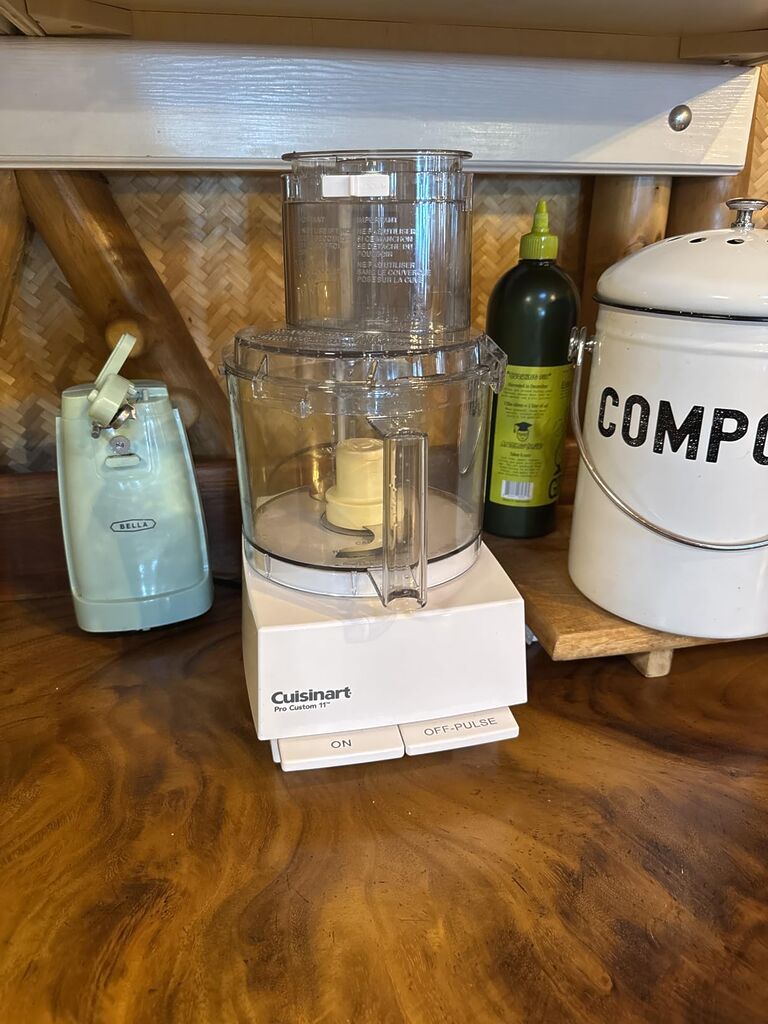
Where this processor truly shines is dough work. The powerful motor kneads bread and pizza dough effortlessly, saving your wrists from the manual alternative. It also handles nut butters beautifully, something many food processors struggle with. The simple paddle controls, just On, Off, and Pulse, eliminate the electronic complexity that leads to failures in more gimmicky units. Cuisinart backs this processor with a three-year full warranty and a five-year motor warranty, reflecting their confidence in its longevity.
One consideration for non-toxic shoppers is that while the food-contact parts are BPA-free, the bowl is plastic rather than glass. If you’re specifically seeking a glass bowl processor, you’ll want to look at the Ganiza models earlier in this list. However, for sheer processing capability and proven durability, the Cuisinart remains a top contender that’s built to last decades rather than months.
Serious home cooks, people who batch-cook regularly, and anyone who makes bread or pizza dough weekly will get their money’s worth from this processor. It’s also ideal for large families who need to process significant quantities without working in batches. If you want a buy-it-for-life appliance rather than a disposable gadget, this is your pick.
At eighteen pounds with a large footprint, this processor dominates your counter. Small kitchen owners should measure carefully before purchasing. If you rarely cook for more than two people, you’ll likely find this unit excessive for your needs.
12-cup sealed bowl prevents leaks
Stack & Snap technology (no twisting)
450-watt powerful motor
Big Mouth chute fits whole foods
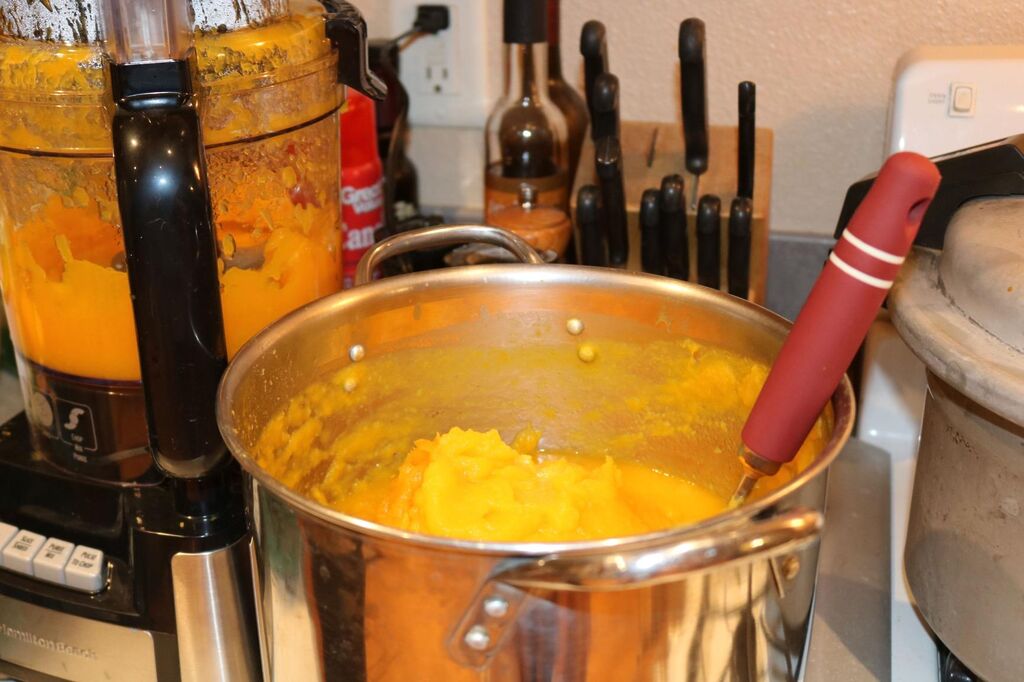
Hamilton Beach solved one of food processor owners’ biggest frustrations with their Stack & Snap design. Traditional processors require precise twist-locking that can feel like solving a puzzle, especially when you’re rushing to get dinner started. The 70725A simply stacks into place and snaps closed, no wrestling required. This matters for safety because proper assembly is crucial for the safety locks to engage correctly.
The twelve-cup bowl provides generous capacity for family meals and entertaining. Hamilton Beach uses BPA-free plastics for all food-contact zones, and the sealed bowl design prevents the messy leaks that plague some competitors. The Big Mouth chute accommodates whole potatoes and large tomatoes, cutting your prep time significantly. Less time prepping means faster processing and less opportunity for any potential chemical migration.
The 450-watt motor handles most home processing tasks competently. You get two speed options plus pulse, and the suction cup feet keep the unit stable during operation. All removable parts are dishwasher safe, though as I’ll explain in the safety section below, hand washing may actually preserve your processor’s non-toxic properties better over time. With nearly twenty-nine thousand reviews and a 4.5-star average, this model has proven its reliability across years of real-world testing by thousands of households.
For families wanting a straightforward, safe processor without a steep learning curve, this Hamilton Beach model strikes an excellent balance. It’s powerful enough for daily use, safe in its material choices, and priced accessibly. The only caveat is that like most processors in this price range, it uses plastic bowls rather than glass, so if zero plastic contact is your priority, look at the dual-bowl options earlier in this list.
Home cooks who value simplicity and ease of use will love the Stack & Snap system. It’s perfect for families who need a reliable mid-sized processor for regular meal prep, people who find traditional twist-lock processors frustrating, and anyone seeking proven reliability at a reasonable price point.
If you frequently process very tough ingredients like raw beets or make large batches of nut butter regularly, you might find the 450-watt motor working harder than ideal. For heavy dough work or daily heavy-duty processing, consider upgrading to a more powerful unit.
Built-in bowl scraper saves time
10-cup capacity with 450W motor
5 processing functions
Dishwasher-safe BPA-free parts
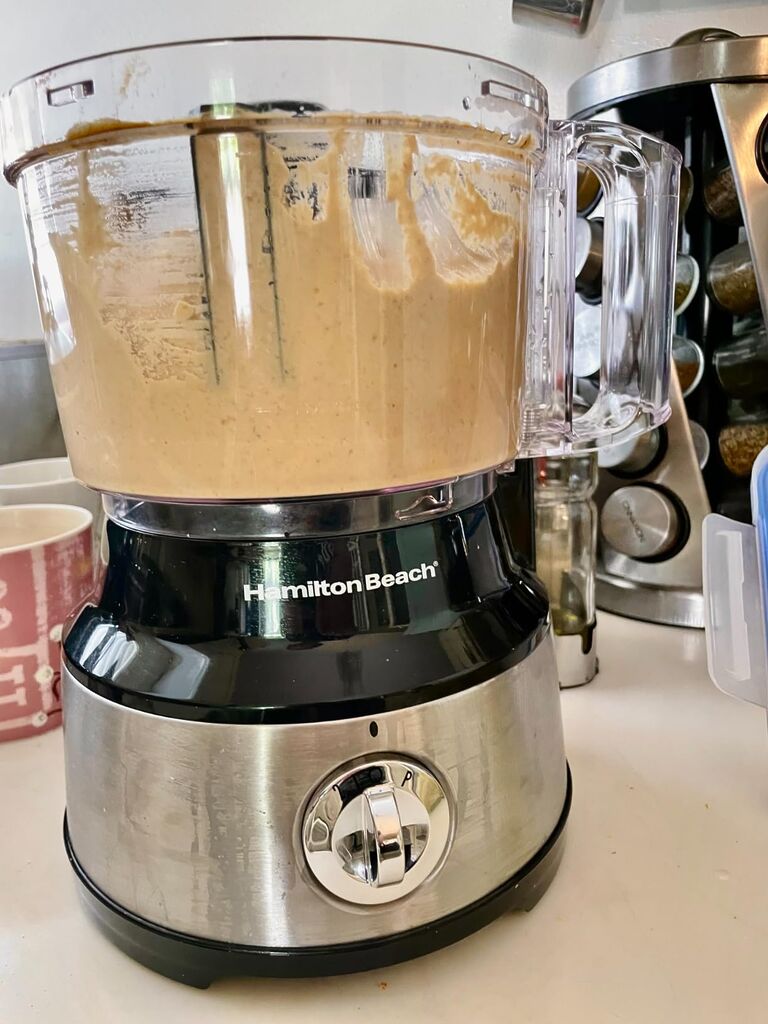
The built-in bowl scraper on the Hamilton Beach 70730 seems like a small innovation until you’ve used it. Traditional processors require stopping, removing the lid, and scraping down the sides multiple times per batch. This unit scrapes continuously while processing, which means faster completion and less handling of your food. For anyone concerned about minimizing processing time to reduce potential chemical migration, this feature actually contributes to food safety.
With over forty-one thousand reviews, this is one of the most tested and validated food processors on the market. The sheer volume of long-term user feedback reveals something important: many owners report using this same unit for over a decade. In a market full of disposable appliances, that longevity matters for both your wallet and the environment. Fewer replacements mean less manufacturing waste and less exposure to the chemical off-gassing that occurs when new plastics first enter your home.

The ten-cup bowl hits a sweet spot for most families, large enough for entertaining but not so bulky that storage becomes problematic. You get five functions: slice, shred, chop, mix, and puree, with two speeds plus pulse for control. The BPA-free plastic bowl holds up well over time, though like all plastic bowls, it will eventually show scratching. The stainless steel blades maintain their edge through years of regular use.
At under $70, this processor represents exceptional value for a daily-use kitchen appliance. The 450-watt motor isn’t the most powerful on this list, but it’s perfectly adequate for typical home processing tasks. If you’re making the occasional hummus, chopping vegetables for soup, or shredding cheese for tacos, this unit handles those jobs competently while keeping your budget intact.
Home cooks who value proven reliability and clever design will appreciate this model. It’s ideal for anyone who’s frustrated by stopping to scrape their processor bowl, families who want a mid-sized unit for daily cooking, and budget-conscious shoppers who don’t want to sacrifice performance.
If you specifically want glass or stainless steel bowls rather than BPA-free plastic, this isn’t your unit. Also, if you process food daily for large families or frequently tackle heavy-duty tasks like nut butters, you might eventually want more power than the 450-watt motor provides.
750W commercial-grade motor
6 versatile detachable blades
Dual feeding holes for any size
Food-grade 2Cr13 stainless steel
The VEVOR commercial processor brings restaurant-grade construction to this list. With a 750-watt motor and food-grade 2Cr13 stainless steel throughout, this unit is built for food service environments where durability and hygiene are non-negotiable. The all-metal construction eliminates the plastic bowl concerns entirely, though at a significant weight penalty of nearly sixty pounds.
Six different blades come included, offering two slicing thicknesses and four shredding options. The dual feeding holes accommodate everything from slim carrots to whole cabbage heads. For commercial kitchens, pizzerias, or serious meal prep businesses, this level of versatility matters. The one-button operation keeps things simple even during high-volume rushes, and the detachable blade system makes thorough cleaning possible between different ingredient types.
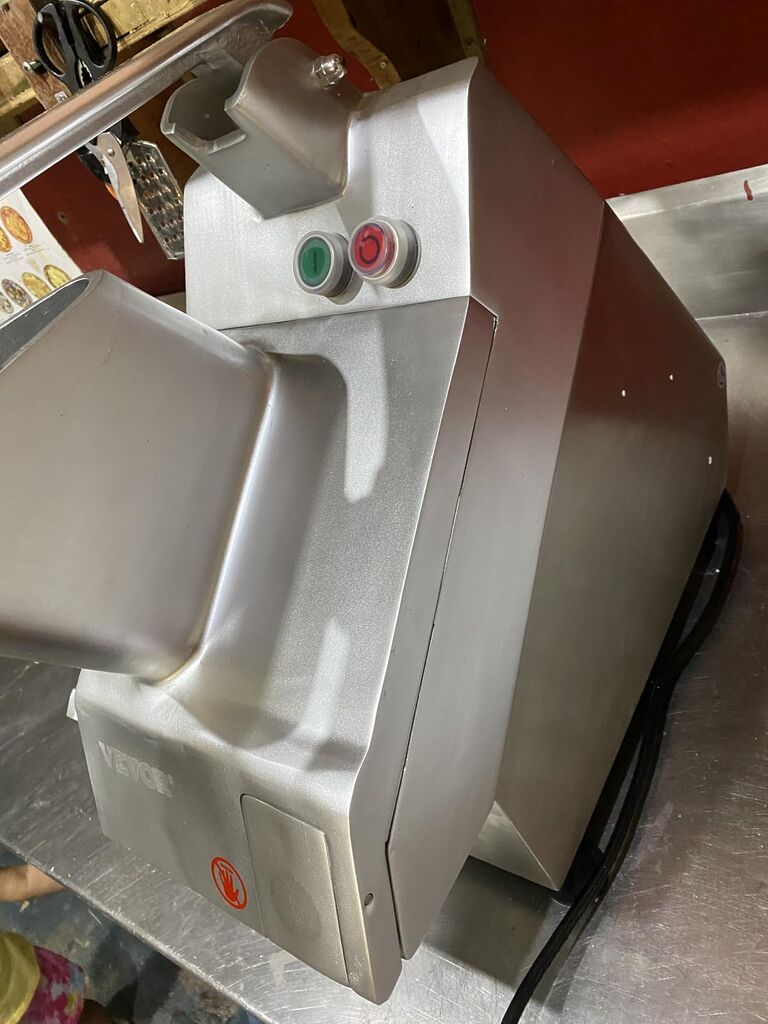
At nearly $600, this processor isn’t for casual home cooks. However, if you run a small food business, cater events, or simply want the most durable, plastic-minimal option available, the VEVOR deserves consideration. The stainless steel construction means no plastic degradation over time, no staining, and no absorption of food odors. This is a buy-it-for-life appliance in the truest sense.
The limited review count reflects the specialized nature of this unit rather than any quality concern. Commercial buyers simply don’t leave consumer reviews at the same rate as home shoppers. The 4.1-star average from early adopters suggests satisfaction among those who’ve invested in this level of equipment.
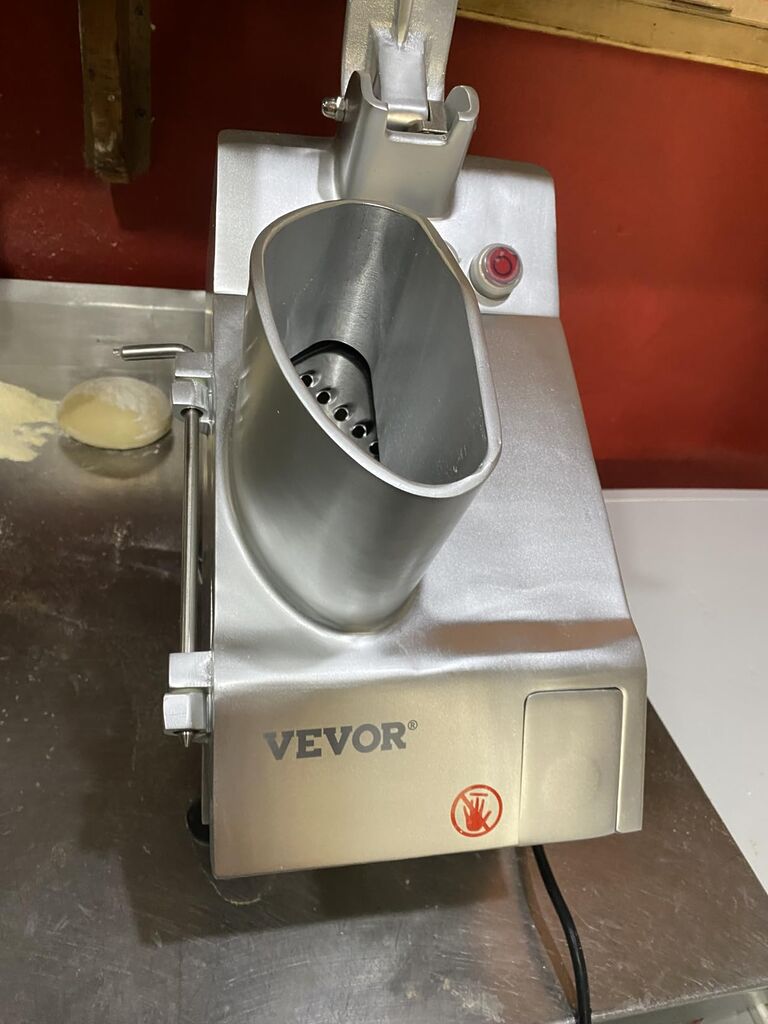
Small restaurant owners, catering businesses, serious homesteaders who preserve large harvests, and anyone who wants to eliminate plastic food contact entirely should consider this investment. It’s also appropriate for large families who cook from scratch daily and want equipment that will outlast decades of use.
At this price point and size, most home cooks will find this unit excessive. If you don’t have dedicated counter space for a commercial appliance or don’t process food in commercial quantities, the smaller units earlier in this list make more practical sense.
7-cup capacity with 3 speeds
Quick clean mode with soap and water
All-in-one storage design
2-in-1 feed tube for any shape
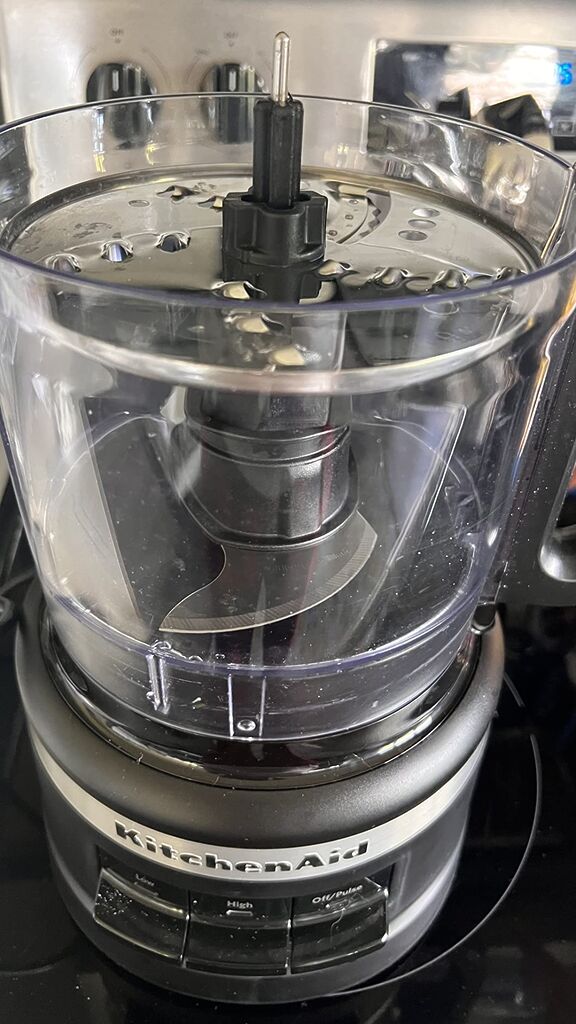
KitchenAid built their reputation on appliances that last, and this seven-cup processor follows that tradition. What immediately stands out is the noise level, or rather, the lack of it. This is the quietest food processor I’ve tested, making it ideal for early morning meal prep or apartments with thin walls. The subdued operation suggests quality motor engineering that won’t stress itself into early failure.
The twist-free, one-click assembly addresses a common pain point. You align the bowl and press until it clicks. No wrestling, no wondering if you’ve twisted it far enough. The latching lid secures with similar simplicity. For users with arthritis, limited grip strength, or anyone who’s frustrated by traditional locking mechanisms, this accessibility-focused design is a genuine improvement.
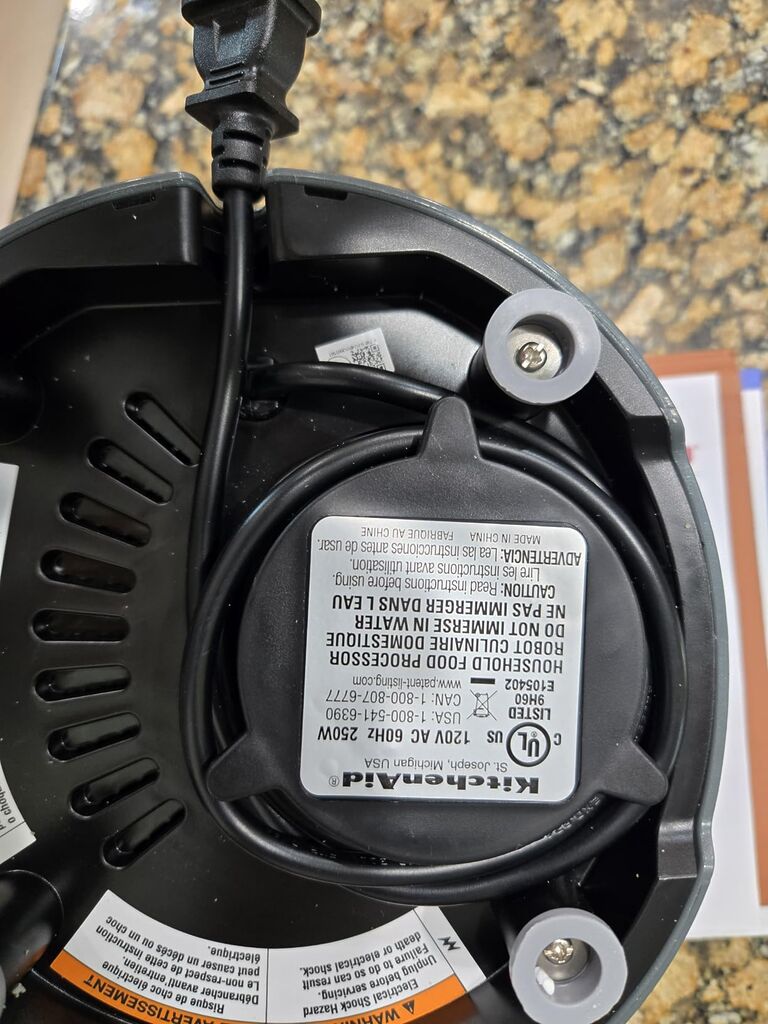
A clever quick-clean mode lets you add warm water and a drop of soap to the bowl, then pulse to clean the blades and interior without disassembly. While I generally recommend hand washing for longevity, this feature is perfect for busy weeknights when you need to switch between ingredients quickly. All accessories store neatly inside the bowl, eliminating the lost-parts problem that plagues many processors.
The three-speed operation provides more control than typical two-speed units, and the illuminated LED paddles are easy to read at a glance. KitchenAid offers this processor in multiple colors to match their iconic stand mixers, letting you coordinate your kitchen aesthetic. The seven-cup capacity serves small to medium families well without demanding excessive counter space.
Anyone who values quiet operation and easy assembly will appreciate this KitchenAid. It’s perfect for cooks with grip strength limitations, small families who don’t need massive capacity, and KitchenAid loyalists wanting matching appliances. The user-friendly design makes it accessible for beginners while satisfying experienced cooks.
For heavy dough work or frequent large-batch processing, the 300-watt motor may feel limiting compared to more powerful alternatives. Also, if you specifically want glass or stainless bowls rather than BPA-free plastic, this isn’t your pick.
3-cup capacity with 350W motor
Patented stack & press operation
Oil dispenser built into lid
Ultra-compact 5.2-inch footprint
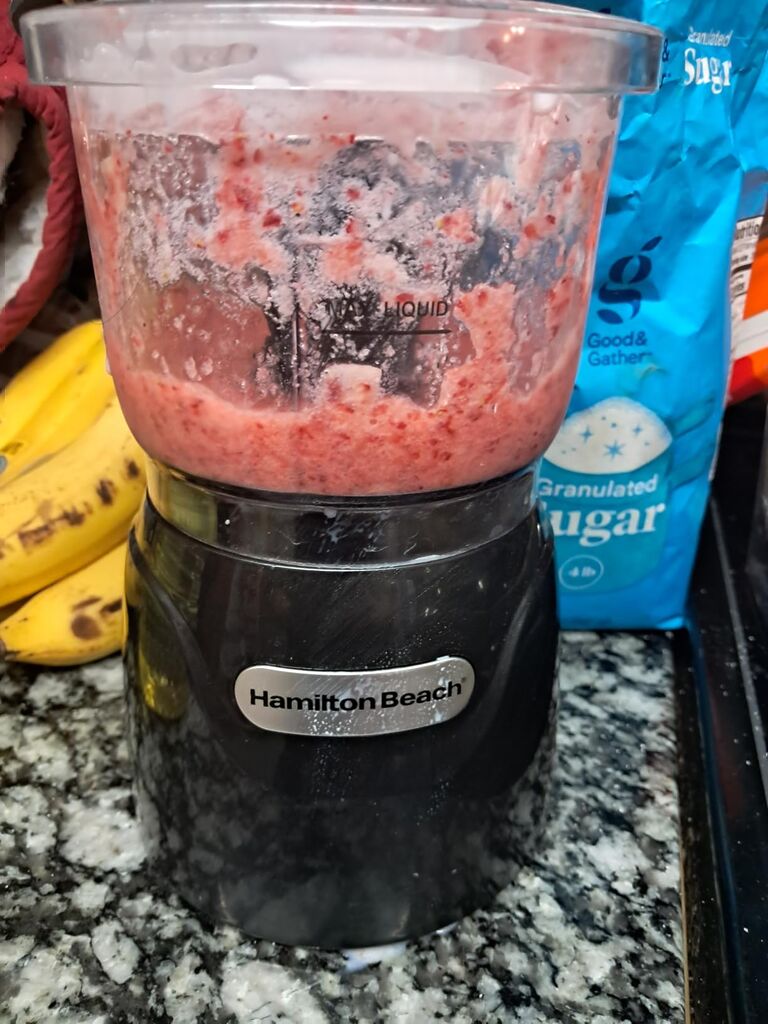
Sometimes you don’t need a massive appliance. For quick salsa, baby food portions, or chopping a single onion without tears, the Hamilton Beach 72850 mini chopper delivers surprising capability in a tiny package. At under $25, it’s accessible to virtually any budget while still maintaining BPA-free construction for all food-contact parts.
The stack-and-press operation eliminates the complex assembly of larger processors. You simply stack the bowl on the base, add your ingredients, press the lid down to chop, and release to stop. The 350-watt motor punches above its weight class, handling nuts, carrots, and even small ice cubes for smoothies. For such a compact unit, the performance genuinely impressed me.
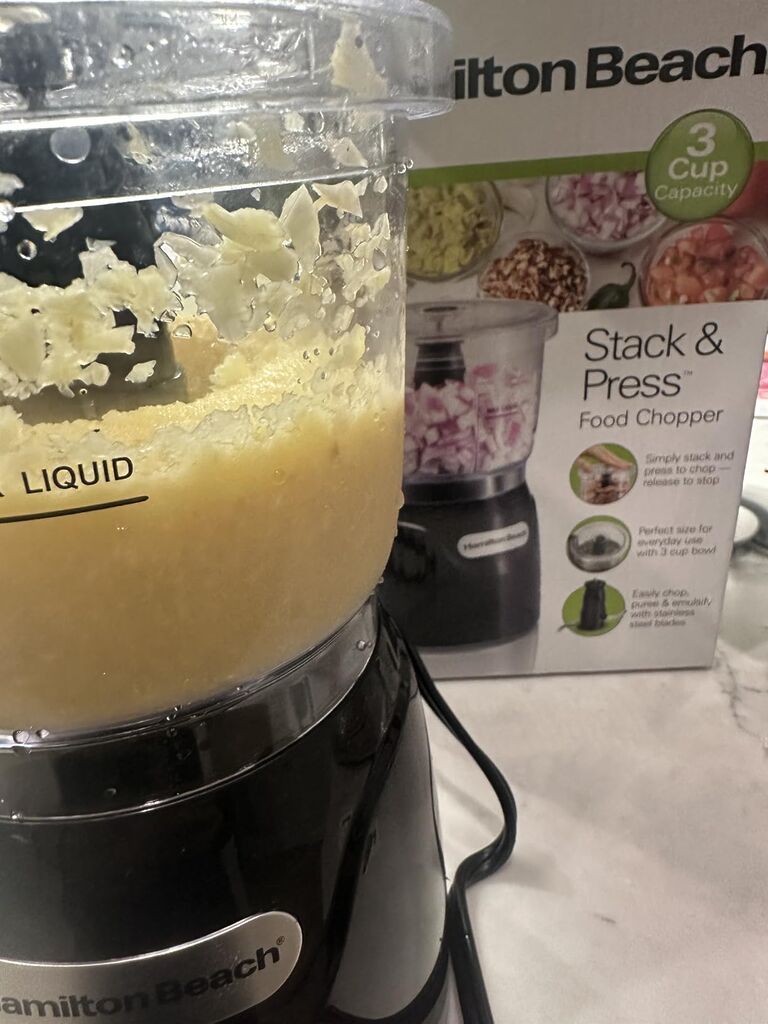
An oil dispenser built into the lid lets you add olive oil gradually while making dressings or mayonnaise, a feature usually found on more expensive units. The 3-cup capacity suits couples or small families perfectly, though larger households will need to work in batches. Everything except the motor base goes in the dishwasher for cleanup.
With over thirty-five thousand reviews averaging 4.6 stars, this little chopper has earned its place as a kitchen staple for good reason. It’s the perfect secondary appliance for quick jobs where dragging out your full-sized processor feels like overkill. For dorm rooms, RVs, or anyone cooking for one or two people, this compact workhorse earns its minimal counter space.
Single cooks, couples, and anyone with limited kitchen storage should start here. It’s perfect for quick chopping tasks, making small batches of hummus or dressings, and as a secondary processor dedicated to raw meats or baby food preparation. The price makes it an easy addition even if you already own a larger unit.
Families of four or more will find the three-cup capacity limiting for most meals. If you need slicing, shredding, or dough capabilities, this chopper-only design won’t suffice. Also, if you want the absolute safest materials, consider the glass-bowl Ganiza models for just a few dollars more.
24-ounce bowl with 250W motor
Patented auto-reversing SmartPower blade
Chop and grind functions
Dishwasher-safe components
The Cuisinart Mini-Prep Plus has been a kitchen staple for decades, and its longevity in the market speaks to its reliability. With a 24-ounce bowl and 250-watt motor, it’s specifically designed for small-batch tasks where a full-sized processor would be ridiculous overkill. The auto-reversing SmartPower blade is the secret to its versatility, sharpening itself as it works and handling both soft herbs and hard cheese with equal competence.
What makes this mini processor particularly appealing for non-toxic living is its longevity. These units routinely last ten years or more with basic care. In a disposable appliance culture, buying one quality item that lasts decades is inherently more sustainable and reduces your repeated exposure to the off-gassing that occurs with new plastic products. The brushed chrome finish looks elegant enough to leave on your counter.
The push-button control is intuitive, with separate chop and grind settings that actually perform differently rather than being marketing labels. At under $50, it represents genuine value from a brand with proven customer support. The eighteen-month warranty is longer than typical for this price category, reflecting Cuisinart’s confidence in the unit’s durability.
With over twenty-four thousand reviews and a 4.6-star average, this processor has stood the test of time across countless kitchens. It’s the perfect companion to a larger processor, handling the quick herb chopping and small sauce jobs that would dirty a big bowl unnecessarily.
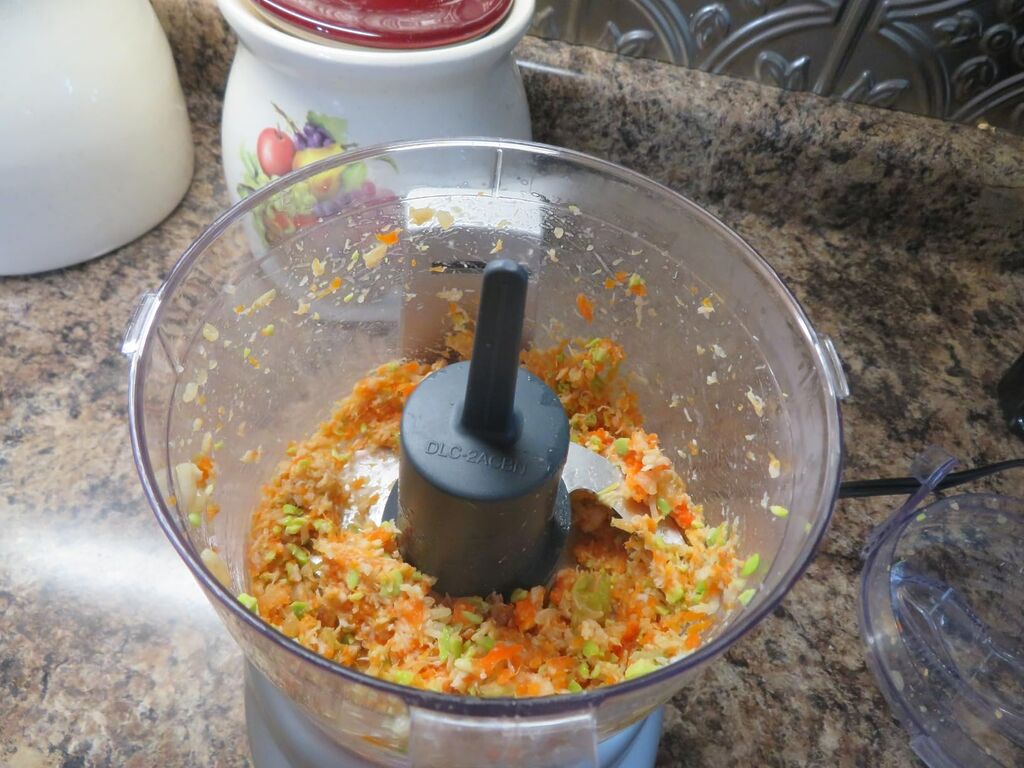
Anyone who cooks with fresh herbs regularly needs this processor. It’s also perfect for small-batch sauces, chopping nuts for baking, and as a dedicated unit for quick tasks. If you have a large processor but find yourself not using it because of the setup time, this mini version will get far more actual use.
If you want to process more than a cup or two of ingredients at once, this isn’t your unit. The small lid holes that allow for adding liquids also create a leak point if you overfill. For larger families or batch cooking, invest in a bigger processor from earlier in this list.
3.5-cup bowl with locking blade
Two speeds plus pulse
Drizzle basin for emulsions
Stainless steel multi-purpose blade
KitchenAid’s mini chopper proves that small appliances don’t have to feel cheap. The 3.5-cup bowl with locking blade and pour spout handles small tasks with the same attention to detail that KitchenAid brings to their iconic stand mixers. You get two distinct speeds plus pulse, and unlike many competitors, these speeds actually perform differently rather than being a marketing distinction.
The drizzle basin in the lid is specifically designed for making emulsions. You can add oil drop by drop while processing to create perfect mayonnaise or vinaigrettes without the manual whisking workout. The stainless steel blade sits unusually close to the bowl bottom, which means it actually picks up all your ingredients rather than leaving unprocessed bits swirling around the perimeter.
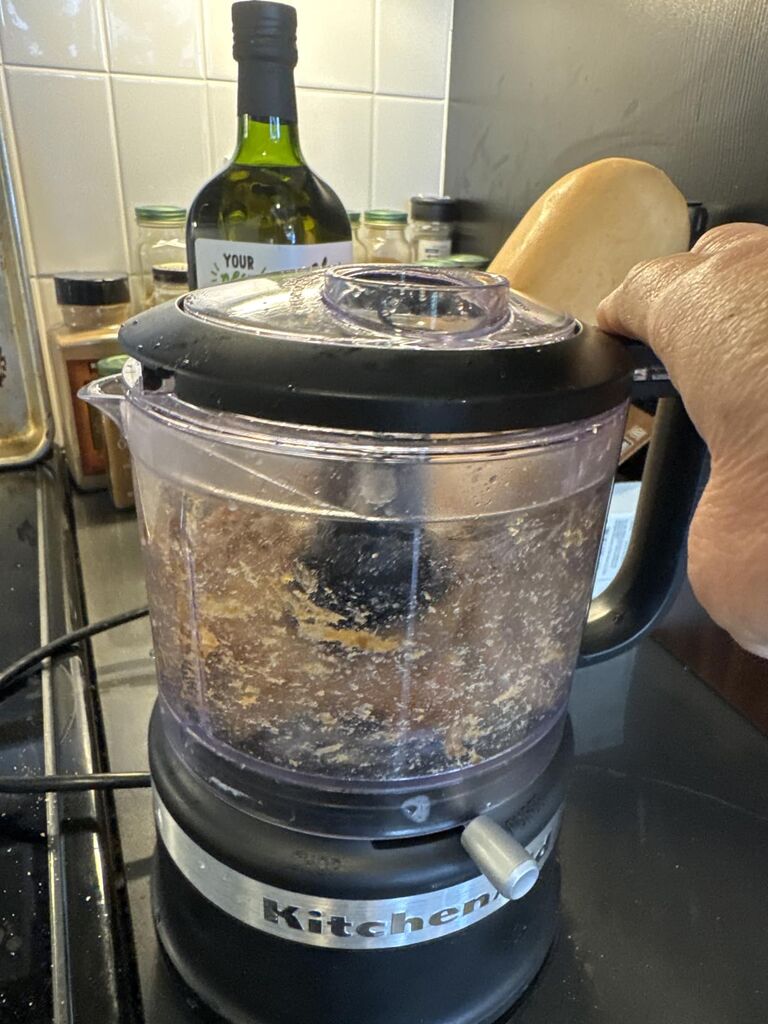
Despite its small size, the motor operates quietly compared to other mini choppers. The compact footprint and simple cord wrap make storage genuinely convenient rather than the appliance-storage jigsaw puzzle that larger units create. Available in multiple colors including the popular Ice Blue, it can match your KitchenAid mixer or stand alone as a cheerful accent.
With nearly thirty thousand reviews and a 4.5-star rating, this chopper has earned its popularity. It’s not trying to be a full food processor, it knows its role as a quick-task specialist and performs it exceptionally well. For the price of a few takeout meals, you get a reliable tool that makes daily cooking just a bit easier.
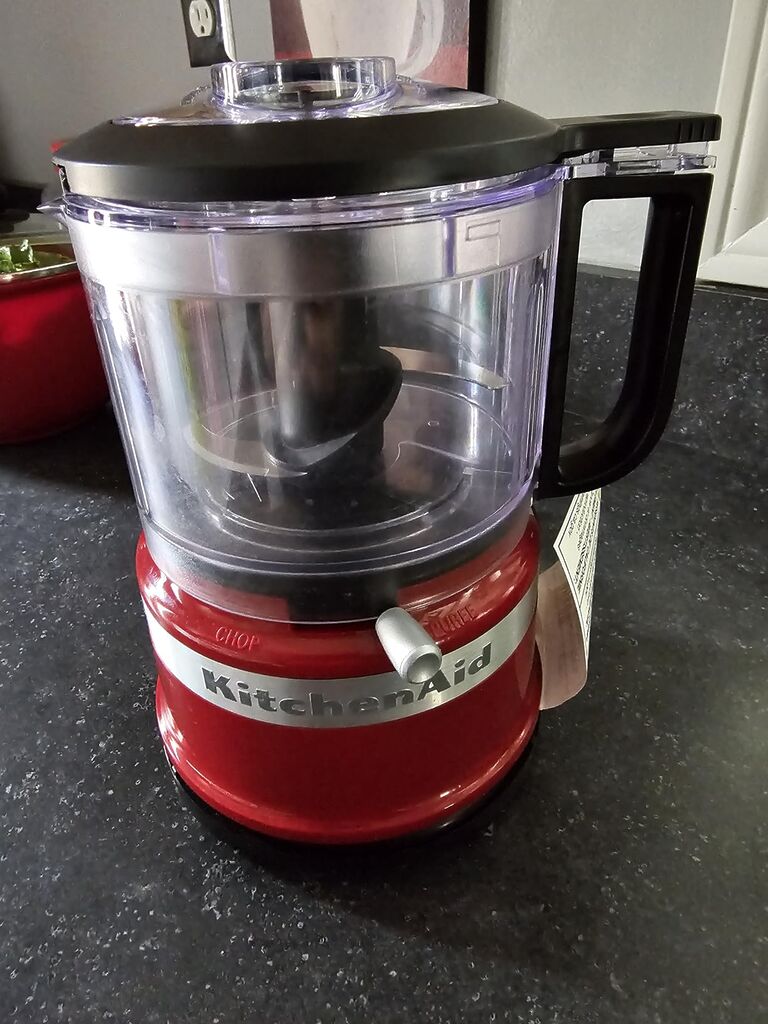
Home cooks who make their own dressings, sauces, and small batches of chopped ingredients will use this constantly. It’s perfect for people who find their full-sized processor stays in the cabinet because of setup hassle, and for anyone wanting a matching KitchenAid aesthetic in their small appliances.
This is a chopper, not a full processor. If you need slicing, shredding, or larger capacity, look at the full-sized units earlier in this guide. The KitchenAid name comes with a price premium, so budget shoppers might prefer the Hamilton Beach mini chopper for similar functionality at lower cost.
600-watt powerful motor
12-cup large capacity bowl
11 speeds with LED display
Self-cleaning mode included
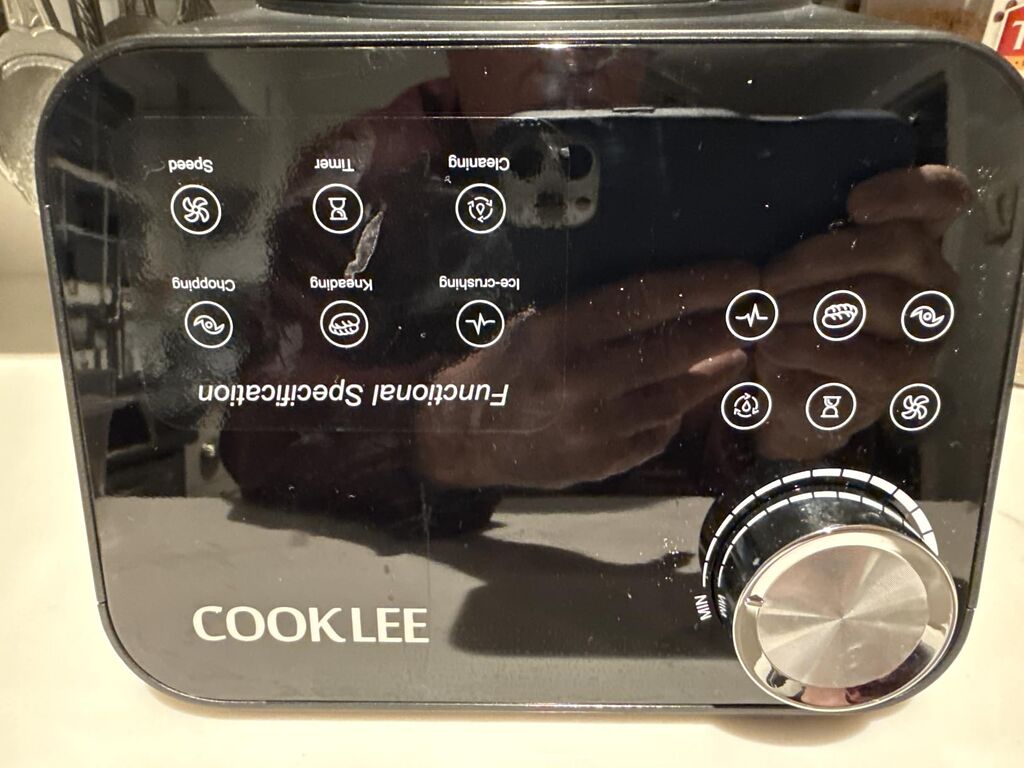
The COOKLEE processor demonstrates that budget-friendly doesn’t have to mean feature-poor. With a 600-watt motor and twelve-cup capacity, it competes with units costing twice as much on raw specifications. The eleven-speed LED touchpad control provides more granularity than typical two-speed units, letting you dial in exactly the texture you want.
The self-cleaning mode is a genuine convenience feature that works surprisingly well. Add warm water and a drop of soap, run the cleaning cycle, and rinse. While I still recommend periodic deep cleaning, this feature handles daily cleanup effortlessly. The dual-lock safety system ensures the unit won’t operate unless everything is properly secured, an important feature for households with curious children.
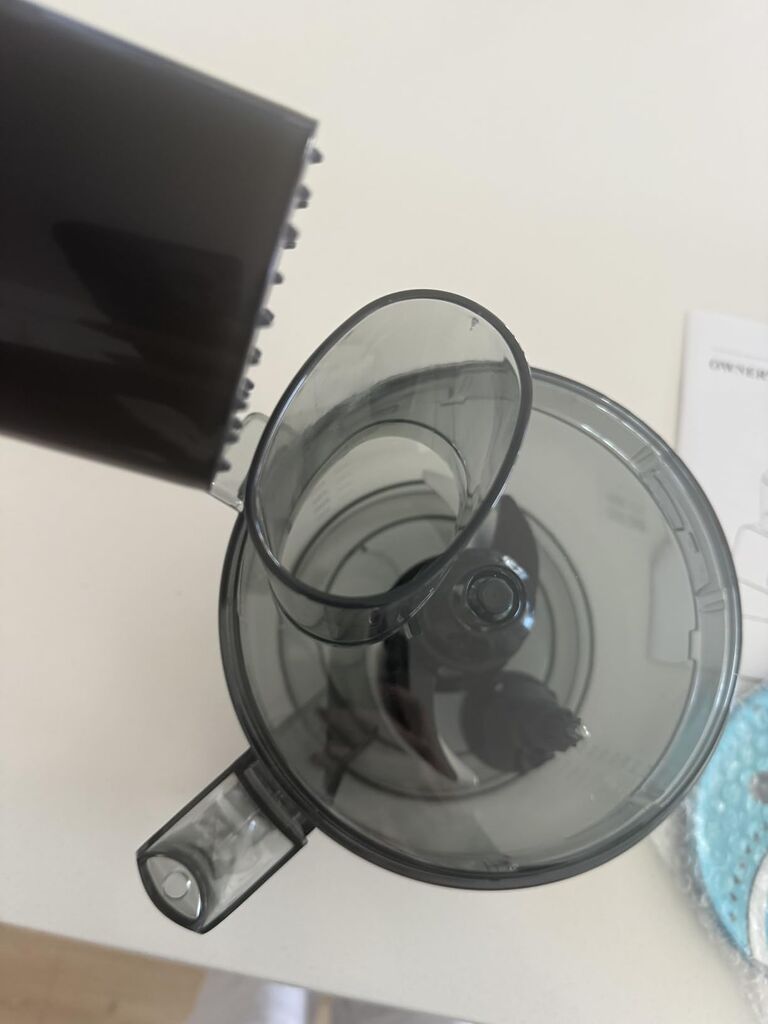
Strong suction cup feet keep the unit planted during operation, even with the powerful motor running at higher speeds. The six functions cover chopping, mincing, dicing, shredding, slicing, and purees, plus a dedicated dough setting. For families wanting one appliance that handles most kitchen prep tasks without breaking the bank, this COOKLEE delivers genuine value.
The 4.2-star rating reflects a newer product finding its customer base rather than any fundamental flaw. Early reviews praise the power and capacity, with some noting that the assembly requires reading the manual carefully. Once learned, the twist-locking system operates smoothly, but there is a brief learning curve.
Budget-conscious families needing large capacity should give this processor serious consideration. It’s perfect for batch cooking, meal prep Sundays, and anyone wanting professional-level features without the premium price tag. The self-cleaning mode particularly appeals to busy households.
If you prioritize proven long-term reliability over features, the established brands with decades of reviews might offer more peace of mind. Also, if you specifically want glass or stainless bowls, this plastic-bowl unit won’t meet your non-toxic priorities as well as the Ganiza options.
400W all-copper motor
Two 8-cup bowls (glass + steel)
Bi-level stainless steel blades
Overheating protection system
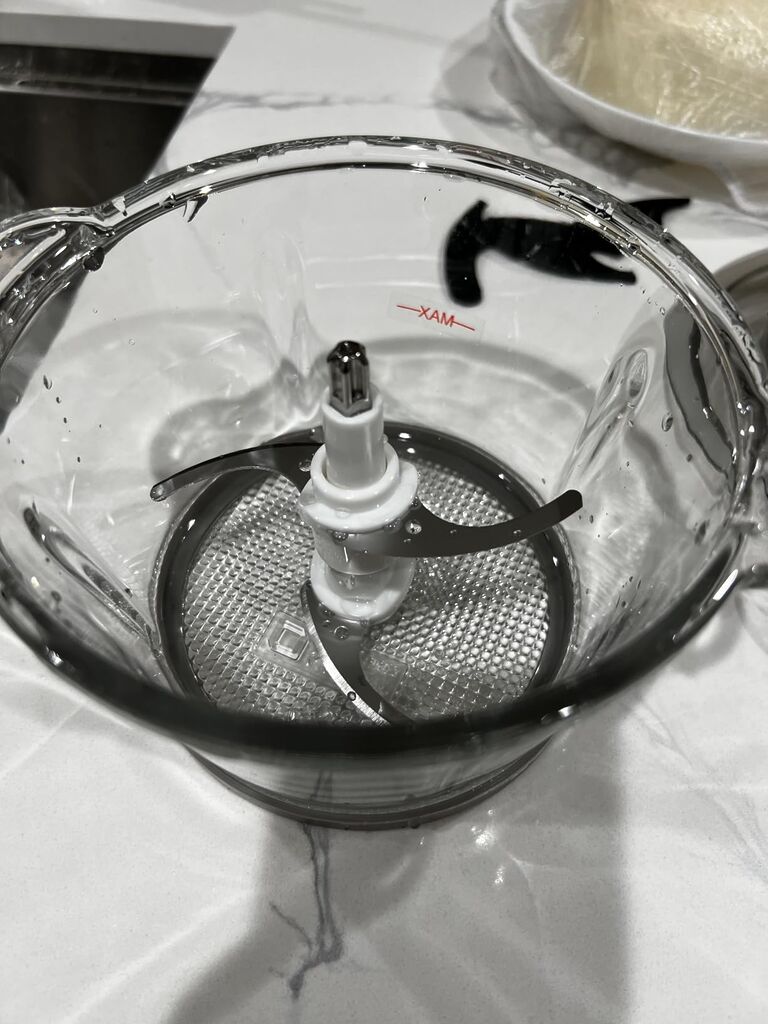
Kitchen in the box delivers another affordable dual-bowl option for health-conscious cooks. With both glass and 304 stainless steel eight-cup bowls, you can choose your preferred material based on what you’re processing. The glass bowl handles temperatures better than plastic alternatives, making it suitable for slightly warm ingredients that would be risky in standard plastic processors.
The 400-watt all-copper motor provides adequate power for most home tasks, and the bi-level blade design ensures ingredients get pulled into the cutting path rather than riding above it. Two speed settings offer basic control, and the overheating protection prevents motor damage during heavy use. The company backs this with lifetime after-sales support, a surprising commitment at this price point.

Despite the low price, this processor handles ice breaking and tough vegetables competently. The compact footprint fits apartment kitchens and RVs without dominating limited storage space. If you’re looking for an entry point into dual-bowl processing without the premium price of higher-end brands, this unit delivers the core functionality you need.
The 4.3-star rating from over three thousand reviews suggests consistent satisfaction among budget shoppers. Some users note that the plastic components feel less substantial than premium brands, which is expected at this price. The functionality, however, meets or exceeds expectations for the cost.
Budget shoppers wanting glass bowl options should consider this processor. It’s perfect for small families, apartment dwellers, and anyone wanting to try dual-bowl processing without a significant investment. The compact size particularly suits smaller kitchens.
If you process food daily or need commercial-level durability, invest in a more robust unit. The two speed settings limit precision compared to variable-speed alternatives, and the plastic construction, while functional, won’t match the longevity of premium brands.
550W electric motor at 1600 RPM
6 detachable cutting blades
Food-grade stainless steel construction
Magnetic safety switch protection
VEVOR’s 550-watt commercial processor offers another all-metal option for those wanting to eliminate plastic food contact entirely. The food-grade stainless steel and cast aluminum construction means no plastic bowls, no BPA concerns, and no degradation over time. At fifty-one pounds, this is equipment meant to stay put and work hard for years.
Six detachable blades provide slicing options from 2mm to 4mm and shredding options from 3mm to 7mm, covering most commercial kitchen needs. The magnetic safety switch stops the unit instantly if the hopper opens, protecting operators in busy environments. The 1600 RPM rotation speed processes ingredients quickly, reducing labor time in commercial settings.
The limited review count reflects the specialized commercial nature of this unit. Home buyers dominate Amazon reviews, and this isn’t really a home product. For small restaurants, food trucks, or serious homesteaders with extensive preservation needs, this processor offers commercial durability and hygiene standards.
Small food businesses, commercial kitchens, and serious home preservers should consider this investment. It’s appropriate for anyone processing large quantities regularly and wanting equipment that will last decades rather than years. The all-metal construction eliminates any plastic-related health concerns entirely.
Home cooks without commercial quantities to process will find this unit excessive in both size and price. The weight alone makes it unsuitable for anyone without dedicated counter space. For typical family cooking, the smaller residential units earlier in this list make far more practical sense.
10 appliances in one unit
8-quart stainless steel cooking pot
28 smart cooking programs
Preheats 20% faster than previous models
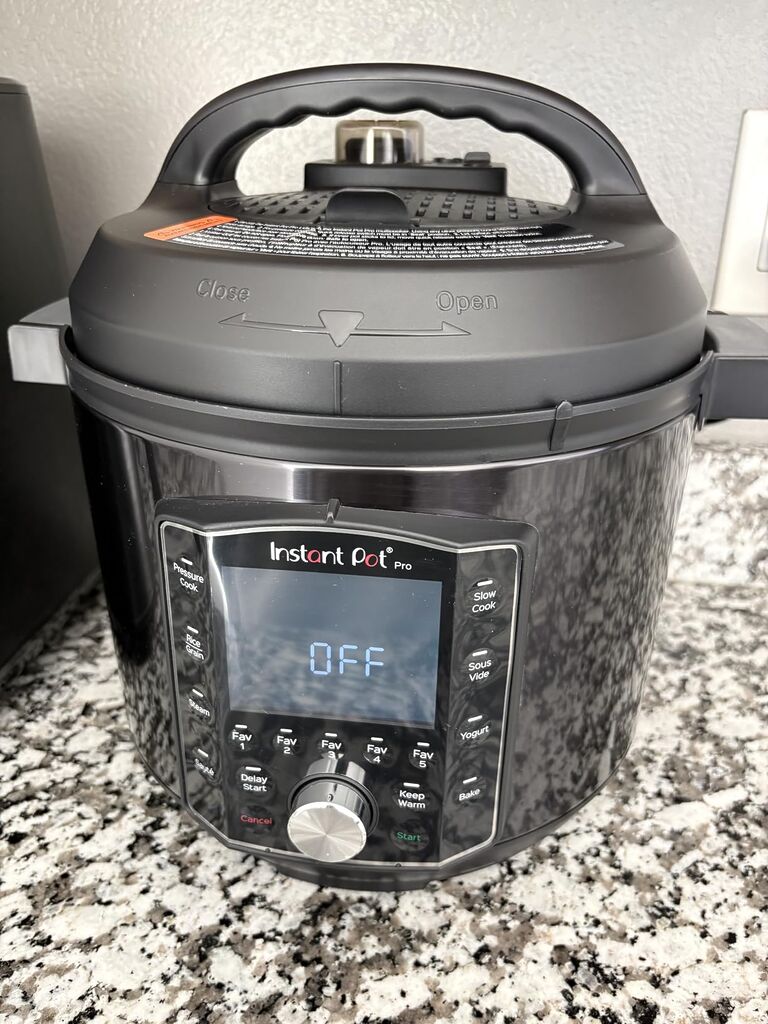
I want to address this inclusion directly: the Instant Pot Pro is not a traditional food processor, and you should understand what you’re getting. This is a pressure cooker, slow cooker, rice maker, and more, but it doesn’t chop, slice, or shred. I’m including it because many readers searching for non-toxic food prep solutions might actually need what the Instant Pot offers rather than a conventional processor.
Where the Instant Pot earns its place in a non-toxic kitchen is its stainless steel inner pot. Unlike rice cookers and slow cookers with non-stick coatings that can degrade and flake into your food, this uses bare stainless steel that’s easy to clean and won’t off-gas or leach. The eight-quart capacity handles large families and batch cooking, and the 1400-watt heating system preheats twenty percent faster than previous Instant Pot models.
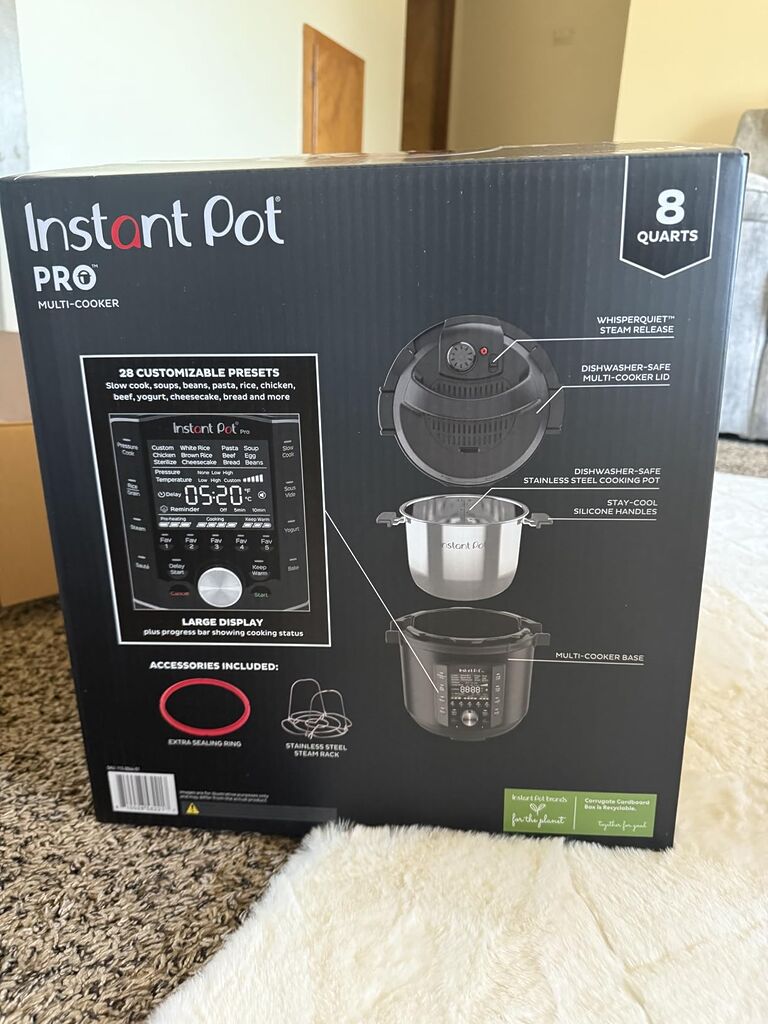
With twenty-eight smart programs and customizable settings, it genuinely replaces ten separate appliances. If you’re considering both a food processor and a pressure cooker, this might solve half your needs while saving both money and counter space. The stainless steel construction throughout the food-contact areas means no plastic degradation, no coating concerns, and decades of durability.
The over thirteen thousand reviews with an 4.5-star average reflect millions of satisfied households. For anyone building a non-toxic kitchen from scratch, the Instant Pot Pro deserves consideration as a foundational appliance, even if you’ll still need a separate unit for actual chopping and shredding tasks.
Anyone wanting to replace multiple appliances with one quality unit should consider the Instant Pot. It’s perfect for batch cooking, families who use their slow cooker regularly, and anyone wanting to avoid non-stick coatings. The stainless steel construction appeals to health-conscious cooks prioritizing material safety.
If you specifically need chopping, shredding, or slicing capabilities, this is not your appliance. Buy a traditional food processor from earlier in this list. Also, if you already own a pressure cooker and slow cooker, the Instant Pro’s value proposition diminishes unless you’re specifically upgrading for the stainless steel pot.
Here’s a truth that marketing departments don’t want you to know: “dishwasher safe” doesn’t mean “dishwasher good for your health.” When you put plastic food processor parts in your dishwasher, the combination of high heat, harsh detergents, and prolonged water exposure accelerates plastic degradation significantly. Studies have shown that heat and mechanical stress cause microplastics to shed more readily, and those microscopic particles end up in your food during the next use.
The “dishwasher safe” label only means the part won’t immediately melt or warp in your dishwasher. It says nothing about chemical stability, hormone-disrupting compound release, or microplastic shedding. Manufacturers know this, but they also know that “hand wash only” kills sales for busy consumers. The reality is that hand washing with mild soap and warm (not hot) water preserves both your processor’s integrity and your health far better than the convenience of dishwasher cleaning.
Plastic doesn’t leach chemicals uniformly. The rate and type of chemical migration depend on three primary factors that scientists call the “laws of leaching.” Understanding these helps you minimize your exposure even when using plastic-bowl processors.
Heat dramatically increases leaching. Every ten degrees of temperature increase can double or triple the rate of chemical migration from plastic into food. This is why processing hot foods in plastic bowls is particularly risky, and why that “dishwasher safe” label might actually be making your food processor more toxic over time. Fat and oil content matters enormously. Bisphenols and phthalates are lipophilic, meaning they bind to fats. Processing fatty foods like nut butters, meats, or oily dressings in plastic bowls creates more chemical migration than processing water-based foods like vegetables. Acidity also accelerates leaching. Tomatoes, citrus fruits, and vinegary foods encourage more chemical release than neutral pH ingredients.
When BPA (Bisphenol A) became public knowledge as a hormone disruptor, manufacturers rushed to replace it. What they didn’t advertise was that common replacements like BPS (Bisphenol S) and BPF (Bisphenol F) appear to have similar endocrine-disrupting properties. Research published in environmental health journals suggests that BPS may actually migrate more readily than BPA under certain conditions, making “BPA-free” a potentially meaningless health claim.
The bisphenol family of chemicals mimics estrogen in the human body. Even at very low doses, these compounds can interfere with thyroid function, reproductive health, and early childhood development. The CDC has detected bisphenols in the urine of over ninety percent of Americans tested, indicating widespread exposure through food contact materials, thermal receipt paper, and other sources.
Not all plastics are equally concerning, and understanding the differences helps you make informed choices. Polycarbonate, the plastic historically used in many food processors, contains BPA and should be avoided entirely. Some processors still use this for bowls and lids, particularly older models or certain off-brand units. Tritan copolyester is the “BPA-free” plastic found in many modern processors. While it doesn’t contain BPA or BPS, independent testing has shown it may release other estrogenic compounds under stress conditions. ABS plastic typically appears in processor bases and non-food-contact components. It’s generally stable but shouldn’t touch acidic or fatty foods directly.
Polypropylene, often used for lids and accessories, appears more chemically stable than other food-contact plastics but still degrades over time with heat and mechanical stress. The processors I recommend in this guide either use these plastics in limited, thoughtful ways or avoid them entirely in favor of glass and stainless steel for food-contact areas.
For those wanting to eliminate plastic food contact entirely, glass bowl processors offer the safest option. However, not all glass is created equal. Soda-lime glass, the most common and affordable type, works well for room-temperature processing but has limited thermal shock resistance. Moving it directly from a cold refrigerator to hot processing can cause cracking or shattering.
Borosilicate glass, the type used in quality laboratory equipment and premium cookware, handles thermal shock far better. You can transfer it between temperature extremes without concern. Unfortunately, truly borosilicate glass bowls are rare in food processors, with most “glass” options being soda-lime. The Ganiza models in this guide use soda-lime glass bowls, which are perfectly safe for normal room-temperature processing but shouldn’t be subjected to extreme temperature changes.
Recent research has revealed that plastic food contact materials shed microscopic plastic particles, microplastics, into our food during normal use. These particles are small enough to pass through the gut wall and circulate in our bloodstream. While the long-term health impacts are still being studied, early research suggests potential links to inflammation, cellular damage, and endocrine disruption.
Glass and stainless steel bowls don’t shed microplastics, making them inherently safer choices for daily use. Even the highest-quality plastics will eventually scratch, cloud, and degrade with regular blade contact and cleaning, increasing microplastic shedding over time. This is another reason why processors with replaceable glass bowls, like the Ganiza models, offer better long-term safety than single-bowl plastic units.
The material your food actually touches should be your primary consideration. Glass bowls offer the lowest chemical migration risk but are heavier and more fragile. Stainless steel bowls are durable and inert but don’t let you monitor processing visually. BPA-free plastic bowls are affordable and convenient but carry some level of chemical and microplastic migration risk, especially as they age and scratch.
If you process food daily, prioritize glass or stainless options. For occasional use, high-quality BPA-free plastic from reputable brands is an acceptable compromise. Avoid any processor using polycarbonate bowls, and be skeptical of unknown brands making aggressive “non-toxic” claims without third-party certification.
How often you process and how much food you handle should guide your capacity choice. Daily users should invest in quality glass or dual-bowl options even at higher cost, the daily exposure reduction justifies the premium. Large families need eight cups or more to avoid batch-processing frustration. Singles and couples can save money and storage space with three-to-four cup mini processors.
Consider your actual use cases, not aspirational ones. If you mainly chop vegetables and make hummus, you don’t need dough-capable power. If you make nut butters or bread dough weekly, prioritize motor strength over bowl material, as stalled motors create heat that can accelerate plastic degradation.
Be honest about your cleaning habits. If you know you’ll never hand-wash components, prioritize glass bowls that withstand dishwasher heat better than plastic. If you’re meticulous about care, plastic bowls hand-washed gently can last years with minimal degradation. Look for processors with easily removable blades and minimal crevices where food can hide and mold.
Remember that blade sharpness affects both performance and safety. Dull blades require longer processing times, increasing heat generation and mechanical stress on bowl materials. Replace blades according to manufacturer recommendations or when you notice processing taking longer than it used to.
Longer warranties typically indicate manufacturer confidence in material durability. Cuisinart’s five-year motor warranty on their professional models reflects quality engineering that outlasts cheaper alternatives. Established brands also have better track records for honoring safety claims and providing replacement parts when needed.
Newer brands aren’t inherently risky, but verify they have responsive customer service and clear warranty terms before purchasing. A processor with a one-year warranty that fails after fourteen months represents both financial loss and potential chemical exposure from a degraded unit that you continue using because you don’t want to waste money.
Yes, food processors with glass or stainless steel bowls offer the lowest toxicity risk. Models like the GANIZA Electric Food Processor include both glass and stainless steel bowls, eliminating plastic food contact entirely. Commercial units with all-metal construction also exist but are typically larger and more expensive than home models.
Glass is the safest material for food processor bowls as it’s chemically inert and doesn’t leach chemicals or shed microplastics. Borosilicate glass offers the best thermal shock resistance, though soda-lime glass is more common and affordable. Food-grade stainless steel is the second-safest option, being durable and non-reactive, though you can’t see through it to monitor processing.
BPA-free is better than BPA-containing, but not entirely risk-free. Many BPA replacements like BPS and BPF may have similar hormone-disrupting properties. BPA-free plastics can also shed microplastics and degrade over time, especially with heat exposure. For maximum safety, choose glass or stainless steel bowls, or use BPA-free plastic processors with minimal heat exposure and gentle hand washing rather than dishwasher cleaning.
While many food processors claim to be dishwasher safe, doing so accelerates plastic degradation and increases chemical leaching and microplastic shedding. Heat and harsh detergents stress plastic components. For non-toxic longevity, hand wash all parts with mild soap and warm (not hot) water. This preserves both your processor’s integrity and your health.
Jamie Oliver has recommended Magimix food processors, particularly for their powerful motors and durable construction. Magimix units are manufactured in France and feature robust motors with lengthy warranties. However, they use plastic bowls, so health-conscious consumers might prefer glass-bowl alternatives like the Ganiza models for reduced chemical exposure.
Plastic food processors can leach chemicals, particularly when processing hot, fatty, or acidic foods. Heat increases leaching rates significantly, fats bind with lipophilic chemicals like phthalates, and acids accelerate degradation. Glass and stainless steel bowls don’t leach chemicals. To minimize leaching from plastic bowls, avoid hot foods, limit fatty ingredient processing time, and hand wash rather than using dishwashers.
Cuisinart and KitchenAid have the longest track records for reliability, with many units lasting 10-15 years or more. Cuisinart’s 14-cup models are particularly well-regarded for durability. Ninja offers excellent reliability in the mid-range segment with strong motors and consistent performance. For glass bowl options, Ganiza has established a solid reputation for safety-focused design at affordable prices.
Glass food processors are safer than plastic because glass doesn’t leach chemicals, shed microplastics, or degrade with use and cleaning. Glass bowls don’t absorb odors or stain like plastic can. However, glass is heavier and can break if dropped, and glass bowl processors typically have plastic lids and blade shafts. For the safest option, look for processors with glass bowls and minimal other plastic components.
Choosing a non-toxic food processor isn’t about finding perfection. Even the safest options typically include some plastic in lids, blade shafts, or bases. The goal is informed reduction: minimizing your daily exposure to hormone-disrupting chemicals and microplastics while still enjoying the convenience these appliances provide.
For those ready to prioritize material safety above all else, the GANIZA Electric Food Processor with its dual glass and stainless steel bowls offers the best combination of non-toxic construction and practical functionality. The Ninja Professional Plus provides the best overall performance for those willing to accept high-quality BPA-free plastic, while the Ganiza GC10-S delivers glass-bowl safety at a budget-friendly price point.
Remember that how you use and care for your processor matters as much as which one you choose. Hand washing extends both the life of your appliance and its non-toxic properties. Avoiding hot, fatty, and acidic foods in plastic bowls reduces chemical migration. And replacing worn or cloudy bowls promptly prevents increased microplastic shedding.
The best non-toxic food processor is ultimately the one that fits your cooking habits, budget, and safety priorities while actually getting used in your kitchen. A slightly less perfect processor that you use daily is better than the ideal unit that stays in its box because it’s too bulky or complicated. Here’s to healthier cooking and cleaner food in 2026 and beyond.
