

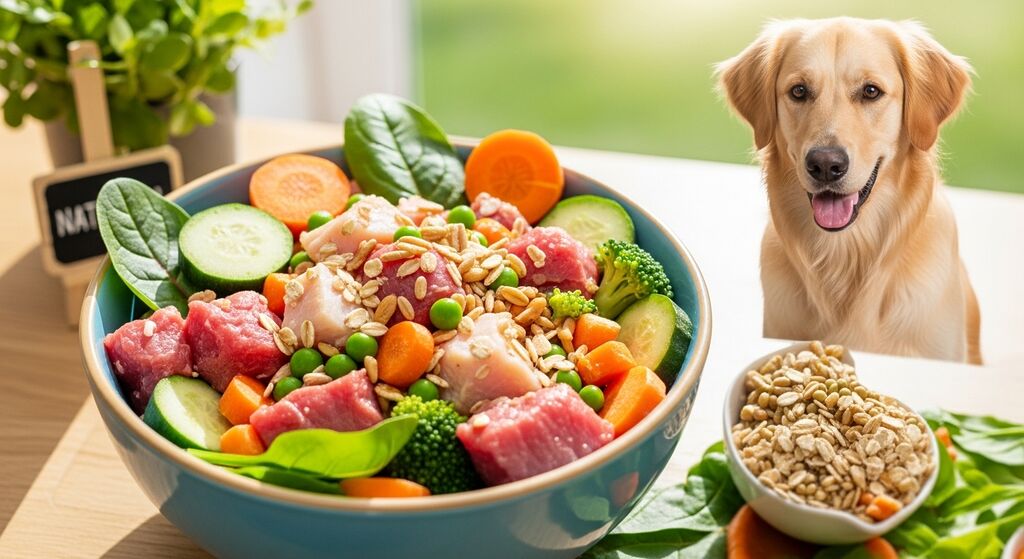
As pet parents, we want nothing but the best for our dogs, and their diet is a critical part of their well-being. With countless dog food options available, choosing a safe, nutritious brand can be overwhelming. That’s why we’ve compiled a detailed list of the 15 best natural and non-toxic dog food brands for 2025.
This comprehensive guide explores why non-toxic dog food matters, highlights harmful ingredients to avoid, explains how to read labels, and provides in-depth insights into each top brand.
We’ll also share practical tips for transitioning your dog to a new diet, discuss the safety of homemade food, compare wet and dry options, and address how to choose the right food for your dog’s specific needs. By the end, you’ll be equipped to make informed decisions to keep your furry friend healthy and happy.
Non-toxic dog food is crafted without harmful chemicals, artificial preservatives, colors, or flavors. It often features natural ingredients, minimally processed to retain nutritional value. Organic dog food adheres to stricter standards, using ingredients grown without synthetic pesticides, fertilizers, or genetically modified organisms (GMOs).
According to the Association of American Feed Control Officials (AAFCO), natural dog food must be derived solely from plant, animal, or mined sources, free from chemically synthetic processes. This is why it is imperative to choose the right dog food formulated for the breed (see this dog food guide for Golden Retrievers, for example).
Reading a dog food label can feel confusing, but it’s important for understanding what’s in your dog’s food and whether it meets their nutritional needs. Here’s a simple breakdown to help you confidently read and interpret dog food labels:
This section shows the minimum or maximum percentages of key nutrients:
Compare this with your dog’s needs (puppies, active dogs, seniors, etc. have different requirements).
Look for a statement like:
“This food is formulated to meet the nutritional levels established by the AAFCO Dog Food Nutrient Profiles…”
This means it meets basic nutritional standards. It should also state whether it’s for:
Avoid labels that say “for intermittent or supplemental feeding only” – these aren’t complete meals.
These are general recommendations based on weight. Adjust based on your dog’s activity level, age, and health. Always start small and monitor weight changes.
Want help comparing specific dog foods? I can break down ingredients and nutrition labels for you.

Every dog has unique nutritional requirements based on breed, size, age, activity level, and health conditions. Here’s how to tailor your choice:
Consulting a veterinarian is crucial to ensure the chosen food meets your dog’s specific needs.
Below is a curated list of 15 brands that excel in providing natural, non-toxic dog food, based on their ingredient quality, safety standards, and reputation. Each brand is detailed with its price range, main ingredients, notable features, and official website where available.
| Brand Name | Price Range | Main Ingredients | Notable Features | URL |
|---|---|---|---|---|
| The Honest Kitchen | From $6.99/lb | Beef, turkey, duck, chicken, oats, barley, carrots, eggs, flaxseed, broccoli, pumpkin, apples | Vet-recommended, human-grade, no GMOs, no fillers | The Honest Kitchen |
| The Farmer’s Dog | From $2.80/day | Human-grade meat, broccoli, carrots, Brussels sprouts | Vet-developed, AAFCO-compliant, eco-friendly packaging | The Farmer’s Dog |
| Just Food For Dogs | From $76.99/7.8 lbs | Fish, sweet potato, lamb, brown rice, ground beef, green beans | USDA-approved, preservative-free, gluten-free | Just Food For Dogs |
| Dr. Marty Dog Food | $59.95/16 oz | Turkey, beef, salmon, duck, beef liver, flaxseed, sweet potato, egg, apple, blueberry | Freeze-dried raw, no artificial preservatives | Dr. Marty Pets |
| Ollie | From $1.00/meal | Beef, chicken, turkey, lamb, pork, fruits, vegetables, grains | Vet-formulated, human-grade, made in USA | Ollie |
| Nom Nom | From $3.00/meal | Ground turkey, brown rice, eggs, carrots, spinach | Fresh, grain-inclusive, 36% protein | Nom Nom |
| Open Farm | Starts at $3/meal | Animal welfare certified meats, wild-caught fish | Sustainably sourced, no growth hormones or antibiotics | Open Farm |
| Diamond Naturals | Varies | Chicken, chicken meal, brown rice, barley, white rice | Grain-inclusive, 29% protein, budget-friendly | Diamond Naturals |
| Orijen | Varies | Turkey, chicken, turkey giblets, herring, salmon | Grain-free, 43% protein, high-protein | Orijen |
| Canidae | Varies | Chicken, chicken meal, sweet potatoes, peas, garbanzo beans | Grain-free, 31.1% protein, senior-friendly | Canidae |
| Answers Pet Food | From $6.38/lb | Raw meat, organic fermented vegetables | USDA organic, Certified Humane, grain-free | Answers Pet Food |
| Big Country Raw | From $15.99/4 lbs | Beef, bison, chicken, lamb, fish, duck, pork, quail, turkey, organic fruits | Pasture-raised, eco-friendly packaging | Big Country Raw |
| Carna4 | From $33.17/3 lbs | Fresh chicken, eggs, organic sprouted barley seed, wild salmon, vegetables | Low glycemic, low gluten, AAFCO-compliant | Carna4 |
| Darwin’s Pet | $14.95/10 lbs (starter) | Free-range meats, organic vegetables | Ethically sourced, no fillers or hormones | Darwin’s Pet |
| Dr. Mercola | From $79.97/12 lbs | Chicken, beef | Dehydrated, non-GMO, soy-free, gluten-free | Dr. Mercola |
The Honest Kitchen uses human-grade ingredients in its dehydrated meals, which are cold-pressed and roasted to preserve nutrients. Their recipes avoid GMOs, fillers, and artificial preservatives, making them ideal for dogs with sensitivities. The brand is vet-recommended and B-certified, emphasizing ethical production.
The Farmer’s Dog delivers fresh, pre-portioned meals made with human-grade meat and vegetables. Vet-developed and AAFCO-compliant, it’s perfect for tailored nutrition. The eco-friendly packaging adds to its appeal for environmentally conscious pet parents.
Just Food For Dogs offers fresh frozen and pantry-fresh options with USDA-approved ingredients. Their preservative-free recipes are customizable for specific health needs, such as allergies or weight management, and are gluten-free.
Dr. Marty Dog Food provides freeze-dried raw meals crafted by a renowned veterinarian. The gentle freeze-drying process retains nutrients, making it ideal for raw diet enthusiasts. It contains no artificial preservatives, ensuring a clean diet.
Ollie offers fresh and gently baked meals with human-grade ingredients. Vet-formulated and free from fillers, it’s suitable for dogs of all ages. The brand’s USA-made recipes are designed to meet AAFCO standards.
Nom Nom delivers fresh, grain-inclusive meals with high-quality turkey and vegetables. With 36% protein, it supports active dogs. The brand’s focus on whole foods and custom vitamins makes it a strong choice for senior dogs or those with specific dietary needs.
Open Farm focuses on sustainability and animal welfare, offering meals with certified meats and sustainably sourced fish. Free from growth hormones and antibiotics, it’s ideal for large breeds and eco-conscious pet parents.
Diamond Naturals provides affordable, grain-inclusive dry food with real chicken and wholesome grains. With 29% protein, it’s suitable for all life stages and offers excellent value for budget-conscious pet parents.
Orijen’s grain-free recipes are packed with 43% protein from turkey, chicken, and fish, making them ideal for high-energy dogs. However, due to the FDA’s grain-free warning, consult your vet before choosing this brand.
Canidae’s grain-free dry food uses chicken and sweet potatoes, with 31.1% protein, making it a good choice for senior dogs or those with grain sensitivities. Its limited ingredient formula reduces the risk of allergies.
Answers Pet Food uses raw meat from pastured animals and organic fermented vegetables. Certified Humane and USDA organic, it’s a top choice for raw diets, free from grains and fillers.
Big Country Raw provides raw and cooked options with human-grade meat. Their pasture-raised ingredients and eco-friendly packaging make it a favorite for environmentally conscious pet parents.
Carna4’s recipes feature fresh chicken, wild salmon, and organic sprouted seeds. Gently baked for easy digestion, they’re low glycemic and AAFCO-compliant, suitable for dogs with sensitive stomachs.
Darwin’s Pet offers raw and cooked meals with free-range meats and organic vegetables. Minimally processed and free from fillers, it’s ethically sourced and ideal for health-conscious pet parents.
Dr. Mercola’s dehydrated meals are non-GMO, soy-free, and gluten-free. Vet-formulated, they’re great for dogs with food sensitivities or allergies, offering a clean, nutrient-rich diet.
Here’s a Detailed Non-Toxic Dog Food Guide to help pet owners make safe, nutritious, and informed choices for their furry companions. ????
Since 2018, the FDA has investigated a potential link between grain-free diets and dilated cardiomyopathy (DCM), a serious heart condition in dogs. The investigation initially focused on foods containing peas, lentils, other legume seeds, or potatoes as main ingredients replacing grains.
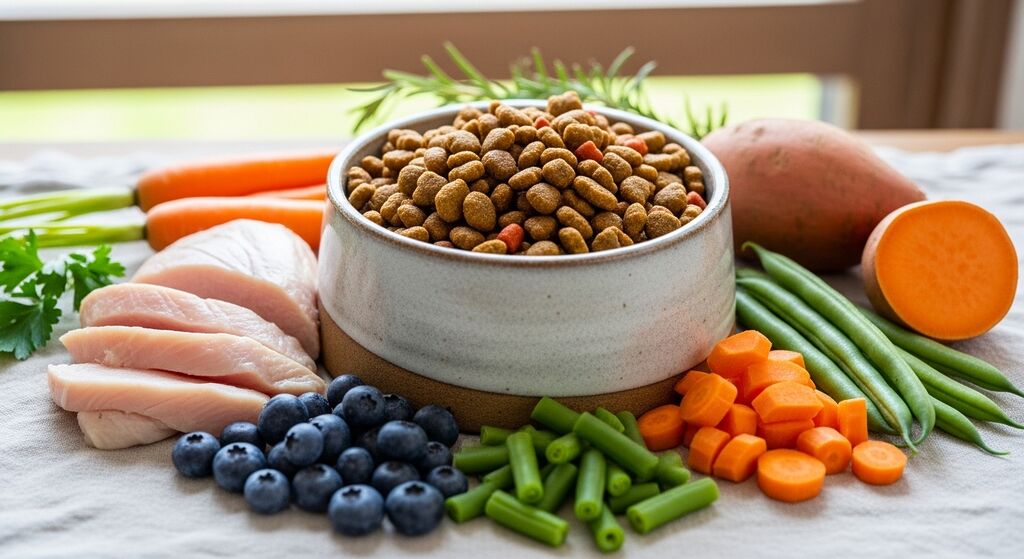
While the exact cause remains under study, the pattern suggests that certain formulations may affect taurine metabolism or bioavailability in some dogs. Golden Retrievers, Doberman Pinschers, and Great Danes appear particularly vulnerable, though cases have occurred across all breeds.
If you currently feed grain-free food, consider these precautions:
Many of the brands in our list offer both grain-free and grain-inclusive options. The Honest Kitchen, Open Farm, and CARNA4 specifically provide ancient grain or whole grain alternatives that avoid the BEG (Boutique, Exotic ingredient, Grain-free) diet characteristics under scrutiny.
Your dog’s health depends heavily on what they eat. Unfortunately, many commercial dog foods may contain ingredients that are toxic, unhealthy, or of low nutritional value. Long-term exposure can lead to problems like allergies, digestive issues, organ damage, or even fatal poisoning.
| Toxic Ingredient | Why It’s Harmful |
|---|---|
| BHA, BHT, Ethoxyquin | Artificial preservatives linked to cancer and kidney issues |
| Propylene Glycol | Used in antifreeze; causes anemia in dogs |
| Artificial colors (e.g. Red 40) | Can cause hyperactivity and allergic reactions |
| Meat by-products | May contain non-meat animal parts and 4D meats (dead, dying, diseased, or disabled) |
| Corn syrup or added sugars | Causes obesity, diabetes, and dental decay |
| Wheat, Corn, Soy (fillers) | Common allergens; provide minimal nutritional value |
| Rendered fats | Can become rancid and are hard to digest |
Building a diet around wholesome, recognizable ingredients provides the foundation for your dog’s long-term health. These nutrient-dense foods deliver bioavailable vitamins, minerals, and macronutrients that support every system in your dog’s body.
| Healthy Ingredient | Why It’s Good for Dogs |
|---|---|
| Real meat (chicken, beef, lamb, fish) | Source of complete protein for muscles and immunity |
| Whole vegetables (sweet potato, carrots, peas) | Rich in fiber, antioxidants, and vitamins |
| Whole grains (brown rice, oatmeal) | Provide energy and improve digestion |
| Healthy fats (salmon oil, flaxseed) | Promote a shiny coat and brain health |
| Blueberries, pumpkin, spinach | Superfoods with anti-inflammatory and digestive benefits |
| Organ meats (liver, heart, kidney) | Dense in B-vitamins, iron, and essential fatty acids |
| Fermented foods (kefir, sauerkraut) | Support gut microbiome and immune function |
| Bone broth | Collagen for joints and glycine for digestion |
Certain ingredients deserve special recognition for their exceptional nutritional density. Blueberries contain anthocyanins that protect brain function in aging dogs. Pumpkin provides both soluble and insoluble fiber that regulates digestion. Spinach delivers lutein for eye health and iron for oxygen transport.
Coconut oil offers medium-chain triglycerides that provide quick energy and support cognitive function in senior dogs. Turmeric, when paired with black pepper, delivers curcumin’s powerful anti-inflammatory effects that may help dogs with arthritis or allergies.
Beyond ingredient quality, third-party testing for contaminants separates truly safe foods from those merely marketed as natural. The Clean Label Project has tested thousands of pet foods for heavy metals, pesticides, and plasticizers, revealing significant variation between brands.
Look for brands that publish test results for:
Brands like The Honest Kitchen, Open Farm, and Nom Nom regularly test for these contaminants and publish results. This transparency comes with higher prices but provides peace of mind that you’re not inadvertently feeding your dog industrial pollutants.
Making your own dog food ensures full control over ingredients. But always consult your vet or a pet nutritionist before transitioning to homemade meals exclusively. Dogs have specific requirements for calcium, phosphorus, vitamins, and amino acids that are difficult to meet without careful planning.
This simple recipe provides a balanced meal when supplemented with a canine multivitamin:
Mix all ingredients thoroughly. Cool completely before serving. Store leftovers in an airtight container in the refrigerator for up to three days, or freeze portions for longer storage. This recipe makes approximately two meals for a 30-pound dog.
The biggest risk of homemade feeding is nutritional imbalance over time. Dogs fed only muscle meat without organ meats, bones, or supplementation develop deficiencies in calcium, iodine, zinc, and vitamins. Consider using a base mix like Dr. Harvey’s Canine Health that provides the nutritional framework while you supply the protein.
For those committed to fully homemade meals, work with a veterinary nutritionist to formulate recipes specific to your dog’s age, weight, and health status. Websites like BalanceIt.com offer recipe formulation services that ensure AAFCO compliance.
Recognizing the symptoms of food poisoning or toxic ingredient exposure can save your dog’s life. While mild digestive upset sometimes occurs with any diet change, certain symptoms indicate serious problems requiring immediate veterinary attention.
Not all toxic reactions happen immediately. Long-term exposure to low-grade toxins like artificial preservatives or pesticide residues can manifest as:
If you suspect your dog has consumed something toxic, contact your veterinarian immediately or call the ASPCA Animal Poison Control Center at (888) 426-4435. Time is critical for many toxins, and early intervention significantly improves outcomes.
When evaluating any dog food brand, run through this checklist to ensure you’re making the safest choice:
The safest and healthiest dog foods use human-grade ingredients, undergo third-party testing for contaminants, and carry AAFCO nutritional adequacy statements. Our top recommendations include Nom Nom for fresh meals, The Honest Kitchen for dehydrated options, and The Farmer’s Dog for subscription-based fresh feeding. Look for brands with transparent sourcing and no artificial preservatives.
Freeze-dried raw and air-dried foods typically contain the fewest chemicals because they don’t require high-temperature processing or artificial preservatives. Brands like Dr. Marty Nature’s Blend, ZIWI Peak, and Stella & Chewy’s use minimal processing and natural preservation methods. Fresh refrigerated foods like Freshpet also avoid chemical preservatives.
The FDA is investigating a potential link between grain-free diets and dilated cardiomyopathy (DCM) in dogs. While not all grain-free foods are problematic, those containing peas, lentils, or potatoes as main ingredients may pose risks for some dogs. Consult your veterinarian, especially if you have a breed prone to heart issues. Consider grain-inclusive alternatives from brands like Open Farm or The Honest Kitchen.
Avoid artificial preservatives (BHA, BHT, ethoxyquin), artificial colors, propylene glycol, corn syrup, and vague ingredients like “meat by-products” or “animal digest.” Also watch for common fillers like corn, wheat, and soy that provide minimal nutrition. Choose foods with named protein sources like “chicken meal” rather than generic “meat meal.”
Human-grade dog food uses ingredients and manufacturing facilities that meet FDA standards for human food consumption. This means the ingredients are edible by humans and processed in USDA-inspected facilities. The Honest Kitchen, The Farmer’s Dog, Nom Nom, and Just Food For Dogs all produce human-grade pet foods with higher safety standards than conventional feed-grade options.
Transition gradually over 7-10 days to prevent digestive upset. Start with 75% old food and 25% new food for days 1-3. Move to 50/50 for days 4-6. Then 25% old and 75% new for days 7-9. By day 10, you can feed 100% new food. Watch for vomiting, diarrhea, or loss of appetite and slow the transition if these occur.
Watch for persistent vomiting, bloody diarrhea, lethargy, seizures, difficulty breathing, pale gums, or collapse. Chronic exposure to low-quality food may cause skin irritation, dull coat, low energy, increased thirst, or behavioral changes. Contact your veterinarian immediately if you suspect food poisoning or toxic exposure.
Fresh dog food typically contains fewer preservatives and more bioavailable nutrients than highly processed kibble. However, quality varies significantly. High-quality kibble from brands like Orijen or Open Farm can outperform low-quality fresh foods. The best choice depends on your budget, storage capabilities, and your dog’s specific health needs. Both formats can provide complete nutrition when properly formulated.
Choosing a natural and non-toxic dog food brand represents one of the most significant health decisions you make for your pet. The 15 brands listed here offer safe, high-quality options free from harmful ingredients, catering to various dietary needs, budgets, and feeding philosophies.
By reading labels carefully, avoiding risky additives, understanding the grain-free debate, and consulting your veterinarian, you can make informed choices that support your dog’s long-term well-being. Whether you opt for the vet-formulated fresh meals from Nom Nom, the human-grade dehydrated options from The Honest Kitchen, or the budget-friendly natural formula from Diamond Naturals, your dog will benefit from cleaner, more nutritious ingredients.
Remember that every dog is unique. What works perfectly for one may not suit another. Pay attention to your dog’s coat condition, energy levels, stool quality, and enthusiasm at mealtime. These daily observations provide the most accurate feedback on whether your food choice truly serves your best friend’s health.
For more ways to care for your pet sustainably, explore our guide to zero waste pet products and browse our full non-toxic living category for additional tips on creating a healthier home environment for your entire family.
