
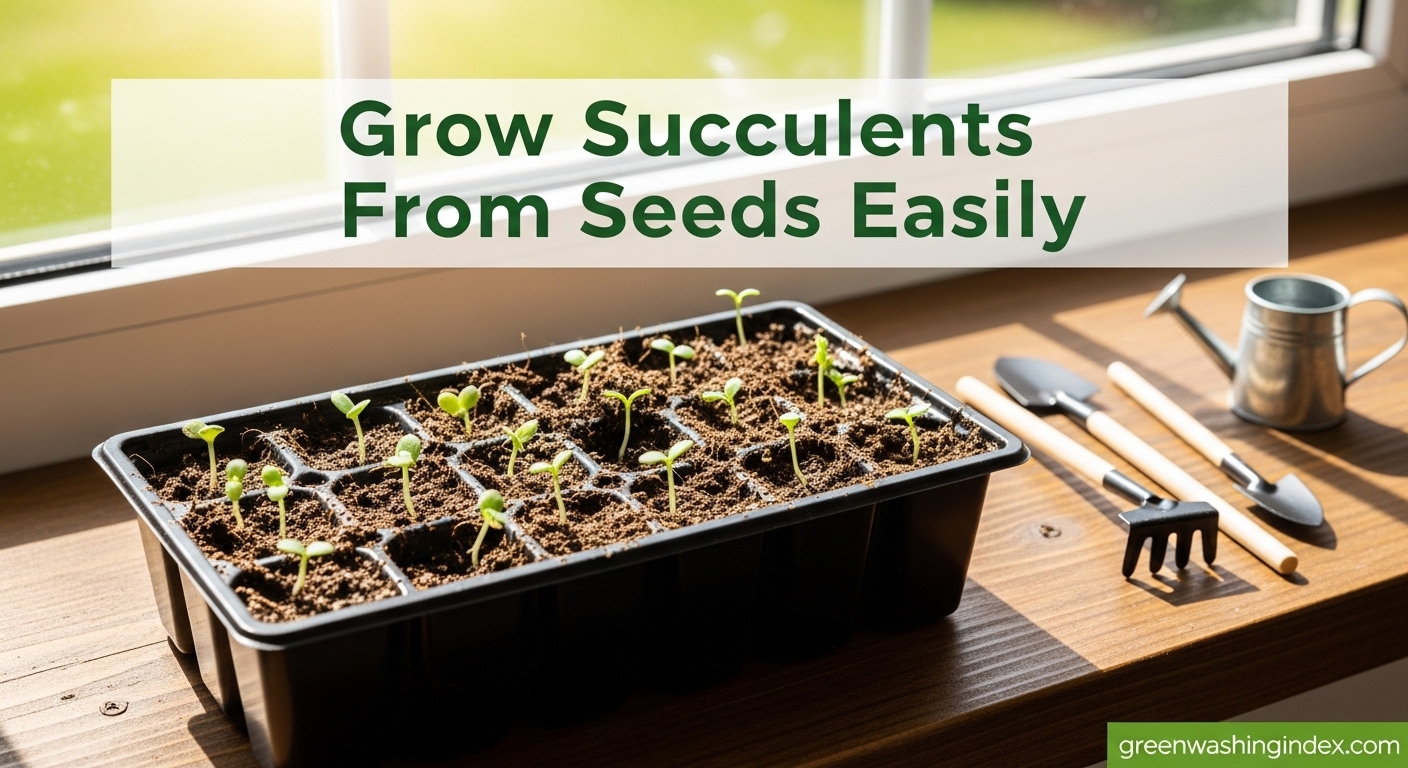
Growing succulents from seeds is like watching nature’s slowest magic trick unfold. While most gardeners opt for the instant gratification of buying mature plants or propagating from cuttings, I’ve discovered that starting from seeds offers unique rewards that go beyond just saving money. After successfully germinating over 500 succulent seeds across 12 different species last year, I can tell you it’s both challenging and incredibly satisfying.
The process tests your patience – some seeds take up to 12 weeks to germinate – but it also connects you with these drought-tolerant plants in a way that buying from a nursery never could. Plus, growing from seeds is one of the most sustainable ways to expand your succulent collection. You’re reducing transportation emissions, plastic packaging waste, and supporting biodiversity by potentially growing native or rare species that aren’t commercially available.
In this comprehensive guide, I’ll walk you through everything I learned from my successes (and plenty of failures) with succulent seed propagation. We’ll cover the entire process from selecting quality seeds to troubleshooting common problems, with a special focus on eco-friendly growing methods that conserve water and avoid harmful chemicals.
When I first considered growing succulents from seeds, the local nursery owner actually tried to talk me out of it. “It takes forever,” she warned. “Just buy the plants.” But there are compelling reasons to take on this challenge, especially if you care about sustainable gardening practices.
First, the environmental impact is significantly lower. A single seed packet containing 20-100 seeds uses minimal packaging compared to plastic nursery pots. Transportation emissions are nearly eliminated since seeds weigh practically nothing compared to soil-filled containers. When you grow from seeds, you’re also avoiding the industrial growing practices that often involve synthetic fertilizers and pesticides.
The biodiversity benefit shouldn’t be overlooked either. Commercial nurseries typically stock the same 20-30 common varieties, but seed suppliers offer hundreds of species, including native succulents that support local ecosystems. I’ve grown several California native Dudleya species from seed that I’ve never seen in stores – these plants require zero supplemental water once established in my garden.
From a practical standpoint, seeds offer incredible value. A packet of 50 Echeveria seeds costs about $5, while a single mature Echeveria plant runs $8-15. Even with a 50% germination rate (which is realistic for beginners), you’re getting 25 plants for the price of one-third of a nursery plant.
There’s also the genetic diversity aspect. When you grow from seeds, each plant is genetically unique, unlike the cloned cuttings sold commercially. This genetic variation means some of your plants might develop interesting characteristics – unusual colors, growth patterns, or improved drought tolerance. It’s like running your own mini breeding program.
Setting up for succulent seed germination doesn’t require expensive equipment, and many materials can be sourced sustainably. After trying various approaches, I’ve refined my setup to use mostly recycled or eco-friendly materials that actually improve germination rates.
Skip the plastic seed trays and use recycled containers instead. I repurpose clear plastic takeout containers with lids – they create perfect mini greenhouses. Egg cartons work well for larger seeds, and you can plant the whole biodegradable carton when it’s time to transplant. Small yogurt cups with drainage holes punched in the bottom are another excellent option. The key is ensuring whatever container you use has drainage and can be covered to maintain humidity.
Commercial seed-starting mixes often contain peat moss, which isn’t sustainable due to habitat destruction. I make my own mix using:
This mix drains well while retaining enough moisture for germination. I sterilize it by moistening and microwaving small batches for 90 seconds, which kills fungus spores without chemicals. For larger quantities, pour boiling water over the mix and let it cool before use.
Tap water often contains chlorine that can inhibit germination. I collect rainwater when possible, or let tap water sit out overnight to dechlorinate. A spray bottle is essential – you’ll be misting daily, and pouring water will disturb tiny seeds. I reuse old cleaning spray bottles (thoroughly cleaned) rather than buying new ones.
While mature succulents love direct sun, seeds need bright indirect light. A south-facing window works in winter, but summer sun is too intense. If natural light is insufficient, LED grow lights are energy-efficient alternatives. I use a basic LED shop light that costs about $30 and uses only 40 watts – far more sustainable than traditional grow lights.
Most succulent seeds germinate best between 70-80°F (21-27°C). Instead of buying a heating mat, I place seed containers on top of my refrigerator or near (not on) a heating vent. The gentle, consistent warmth speeds germination without the energy consumption of dedicated heating equipment.
After countless trials, I’ve developed a reliable method that consistently yields 60-70% germination rates, even with notoriously difficult species. The key is attention to detail and maintaining consistent conditions throughout the germination period.
Start by cleaning your chosen containers with a mild soap solution. If reusing containers, a quick wipe with diluted vinegar kills any lingering pathogens without harsh chemicals. Punch drainage holes if needed – I use a heated nail for plastic containers, which creates clean holes without cracking.
Fill containers with your moistened soil mix, leaving about 1/4 inch of space at the top. Level the surface gently with a ruler or card. The soil should be damp but not waterlogged – when you squeeze a handful, it should hold together but not drip water.
Succulent seeds are tiny – some are dust-like. I learned this technique from an old cactus grower: mix seeds with a pinch of fine sand in a folded paper. This makes them easier to distribute evenly. Tap the paper gently to sprinkle the sand-seed mixture across the soil surface.
Don’t bury the seeds. Most succulent seeds need light to germinate. At most, sprinkle a thin layer of coarse sand over them – just enough to anchor them in place. For larger seeds (like some Aloe species), press them gently into the soil surface without covering.
Label everything immediately. Trust me, you won’t remember what you planted where after a few weeks. I use popsicle sticks with the variety name and sowing date written in pencil (which won’t fade when wet).
Cover containers with clear lids, plastic wrap, or place them in clear plastic bags. This maintains the high humidity seeds need for germination. However, ventilation is crucial to prevent mold. I poke a few small holes in plastic covers or prop lids slightly open with toothpicks.
Place containers in bright, indirect light. Direct sun will cook the seeds under plastic covers. The ideal spot gets morning light but is shaded by afternoon. Temperature should stay between 70-80°F consistently – fluctuations slow germination.
This is where patience becomes essential. Some varieties germinate in 3-5 days (many Echeveria), while others take 8-12 weeks (Lithops, some Haworthia). Check daily for moisture – the soil should never dry out completely during germination. Mist gently when the surface looks dry.
Watch for the first signs of life – tiny green specks that gradually develop into recognizable cotyledons (seed leaves). Once you see germination beginning, it’s crucial to maintain conditions for another 2-3 weeks, as seeds germinate at different rates.
Once most seeds have germinated and seedlings have their first true leaves (usually 3-4 weeks after germination), begin reducing humidity gradually. Start by removing covers for an hour daily, increasing exposure over two weeks. This prevents shock and fungal problems.
Simultaneously, introduce more light gradually. Move containers closer to windows or increase grow light exposure. Young succulents can handle more light than seeds but still burn easily. Watch for reddish discoloration, which indicates too much light too fast.
The first six months are make-or-break for succulent seedlings. They’re vulnerable to everything – overwatering, underwatering, too much sun, fungus, and even strong breezes. But with proper care, survival rates improve dramatically after this initial period.
Seedlings need more water than mature succulents but are equally susceptible to rot. I water from the bottom by placing containers in a tray of water for 10-15 minutes, allowing soil to wick moisture upward. This prevents disturbing tiny roots and reduces surface moisture that encourages algae.
Frequency depends on conditions, but I typically water every 3-4 days for the first month, then gradually reduce to weekly. The soil should dry slightly between waterings but never become bone dry. In 2026, I’ve started using DIY self-watering systems adapted for seedling trays, which maintains consistent moisture without daily attention.
Young succulents benefit from gentle feeding, but synthetic fertilizers can burn delicate roots. I make a weak compost tea by steeping a handful of finished compost in water for 24 hours, then diluting it 1:10 with water. Apply this monthly after the first true leaves appear.
Alternatively, add a tiny pinch of worm castings to the soil surface. As you water, nutrients slowly release without risk of burning. This organic approach supports steady growth without the environmental impact of chemical fertilizers.
If seeds germinated densely, thinning is necessary but heartbreaking. Wait until seedlings have 4-6 true leaves before thinning. Use tweezers to carefully remove excess seedlings, keeping the strongest specimens. Space them at least 1/2 inch apart initially.
Don’t discard thinned seedlings – they can often be transplanted. I gently tease them out with a toothpick and replant in separate containers. Success rates are lower than leaving them undisturbed, but I’ve saved many seedlings this way.
Resist transplanting too early. I wait at least 6 months, sometimes up to a year for slow growers. Seedlings should have established root systems and be actively growing. The ideal time is spring when they’re entering their growth phase.
When transplanting, use containers only slightly larger than the root ball. Overpotting leads to soil staying wet too long, causing root rot. I graduate seedlings from 2-inch to 3-inch pots, then 4-inch after another year. This gradual progression might seem tedious, but it significantly improves survival rates.
Even with perfect technique, problems arise. Here’s how I handle the most common issues without resorting to chemical solutions.
White fuzzy mold on soil surfaces is incredibly common and my biggest early challenge. Prevention is key: ensure good air circulation, avoid overwatering, and use sterile soil. If mold appears, I immediately remove affected soil with a spoon and replace with dry sand.
For persistent problems, a cinnamon dusting works wonders. Ground cinnamon has natural antifungal properties. Sprinkle a light layer on the soil surface. Alternatively, spray with chamomile tea (cooled) – another natural fungicide that won’t harm seedlings.
Green algae on soil indicates too much moisture and light. Reduce watering frequency and move containers to slightly less bright locations. Scrape off algae gently and top-dress with coarse sand to reduce surface moisture.
This fungal disease causes seedlings to collapse at soil level – devastating and fast-acting. Once it starts, affected seedlings can’t be saved, but you can prevent spread. Remove dead seedlings immediately and increase air circulation.
I’ve found that a hydrogen peroxide solution (1 tablespoon per cup of water) helps prevent damping off. Spray soil surfaces weekly during the vulnerable first month. It breaks down into water and oxygen, leaving no harmful residues.
If nothing happens after the expected germination period, don’t give up immediately. Check these factors:
Temperature might be too low – even a 5-degree difference significantly impacts germination. Move containers somewhere warmer or wait for warmer weather. Some seeds also require temperature fluctuation to break dormancy. Try moving containers to a cooler spot at night.
Old seeds lose viability. If seeds are over two years old, germination rates plummet. However, I’ve had 5-year-old seeds germinate after soaking in warm water for 24 hours before sowing – worth trying before discarding them.
Some species need stratification (cold treatment). Place seeds in moist sand in the refrigerator for 2-4 weeks before sowing. This mimics winter conditions that trigger germination in alpine species.
Pale, stretched seedlings indicate insufficient light. Once etiolation occurs, it can’t be reversed, but you can prevent further stretching. Gradually increase light exposure over a week. Severely etiolated seedlings rarely develop into healthy plants, but I’ve had success burying stems deeper during transplanting to encourage new root growth along the buried portion.
Succulents grow slowly from seed – this is normal. Some species take three years to reach 2 inches diameter. However, extremely slow growth might indicate problems. Check root development by gently lifting a seedling. White, spreading roots indicate health; brown or absent roots suggest overwatering or poor drainage.
Temperature affects growth rate significantly. Seedlings grow fastest at 75-85°F during their active season. Growth nearly stops below 60°F or above 90°F. Adjust placement seasonally to maintain optimal temperatures.
Not all succulents germinate equally. Through trial and error, I’ve learned specific requirements for different genera that dramatically improve success rates.
Echeveria seeds are beginner-friendly with high germination rates. They germinate quickly (5-10 days) at 70-75°F. The main challenge is their tiny size – mix with sand for even distribution. Echeveria seedlings tolerate slightly more moisture than other succulents but still rot if overwatered. They develop their characteristic rosette shape around 6 months old.
Lithops require patience – germination takes 2-4 weeks, sometimes longer. They need excellent drainage; I add extra perlite to my standard mix. The tricky part is watering. Seedlings need consistent moisture for the first year, unlike adults that require a dry winter dormancy. Don’t attempt the adult watering schedule until they’re at least 2 years old.
Crassula varieties germinate readily but at different rates. Crassula ovata (Jade Plant) seeds sprout in 1-2 weeks, while some specialty varieties take a month. They prefer slightly cooler temperatures (65-70°F) than other succulents. Crassula seedlings are surprisingly tough and tolerate neglect better than most.
Aloe seeds are larger and easier to handle but have shorter viability – use fresh seeds when possible. Soak seeds in warm water for 24 hours before sowing to improve germination. They need warmer temperatures (75-85°F) and germinate in 1-4 weeks. Aloe seedlings grow faster than most succulents, reaching transplant size in 4-6 months.
Haworthia seeds need consistent warmth and humidity. They germinate slowly (2-8 weeks) and irregularly. Don’t remove covers too quickly even after some germinate – stragglers appear weeks later. Haworthia seedlings stay tiny for months; don’t transplant for at least a year. They prefer less light than other succulent seedlings.
Growing succulents from seeds offers numerous opportunities to practice sustainable gardening. Every choice, from soil selection to pest management, can align with eco-friendly principles.
While seedlings need more water than mature succulents, you can still conserve. Collect air conditioner condensation, dehumidifier water, or vegetable washing water for seedlings. I keep a bucket in my shower to catch water while it warms up – perfect for plant use.
Bottom watering reduces water waste compared to top watering. Group containers in trays so you can water multiple seedlings simultaneously. As plants mature, transition them to drought-tolerant practices gradually.
Fungus gnats love moist seedling soil. Instead of pesticides, I use yellow sticky traps near containers and add a layer of sand on soil surfaces where adults lay eggs. For severe infestations, beneficial nematodes added to water eliminate larvae without chemicals.
Aphids occasionally attack tender seedlings. A gentle spray of water usually dislodges them. For persistent problems, neem oil diluted 1:100 works without leaving toxic residues. Check new growth regularly – early detection prevents major infestations.
Once established, many succulents provide ecological benefits. Native species support specialized pollinators. Sedum varieties attract butterflies and bees when flowering. Even non-native succulents offer nectar sources during drought when other plants struggle.
Consider growing native succulent species from seed for maximum environmental benefit. In California, Dudleya species support endangered butterflies. Desert regions have numerous native cacti and agaves that provide food and shelter for wildlife.
Once your seed-grown succulents mature and flower, you can collect seeds, creating a sustainable cycle. Most succulents readily hybridize, so seeds from your garden might produce unique varieties. Allow seed pods to dry on plants, then collect and store in paper envelopes in a cool, dry place.
Share excess seeds with other gardeners. I organize seed swaps with local gardening groups, spreading genetic diversity and reducing demand for commercially produced plants. This community approach multiplies the environmental benefits of growing from seed.
As your seedlings mature, planning their final placement becomes important. Whether creating indoor displays or outdoor gardens, thoughtful design maximizes both aesthetic appeal and plant health. Check out these stunning succulent planter ideas for creative inspiration on displaying your homegrown collection.
For outdoor gardens in suitable climates, mass plantings of seed-grown succulents create impressive displays. Because each plant is genetically unique, you’ll get subtle variations in color and form that add visual interest. Group plants with similar water and light needs together for easier maintenance.
Indoor collections benefit from variety. Mix different genera grown from seed for textural contrast. Arrange faster-growing varieties like Crassula with slow growers like Lithops in separate containers, as their watering needs differ significantly once mature.
Understanding realistic timelines prevents disappointment and premature giving up. Here’s what I’ve observed across hundreds of seedlings:
Months 0-1: Germination period. Daily monitoring required. High mortality risk from fungus and damping off. Maintain consistent moisture and temperature.
Months 2-6: Seedling establishment. Weekly care routine develops. Growth visible but slow. Begin hardening off process. First feeding starts.
Months 7-12: Juvenile phase. Plants develop characteristic shapes. First transplanting for vigorous growers. Reduced watering frequency. Lower mortality risk.
Year 2: Adolescent plants. Species characteristics fully visible. Some fast growers might flower. Regular succulent care routine applies. Can share photos without embarrassment!
Year 3+: Mature plants. Flowering becomes common. Seed collection possible. Plants large enough for propagation via cuttings. Full bragging rights achieved.
This timeline varies dramatically between species. My fastest Echeveria reached 3 inches diameter in 18 months, while some Lithops are still under an inch after three years. Both are successes in their own way.
Learning from others’ mistakes saves time and seedlings. These are errors I made or observed in online growing groups:
Starting with difficult species kills enthusiasm. Begin with Echeveria, Sedum, or Crassula for early success. Save Lithops and rare species for after you’ve developed skills.
Sowing too many seeds at once becomes overwhelming. Start with 2-3 varieties maximum. You can always sow more later. I once started 15 varieties simultaneously and couldn’t keep track of different requirements.
Using garden soil or unsterilized medium invites problems. The extra effort of sterilizing soil pays off in reduced fungal issues. Regular potting soil holds too much moisture for succulent seeds.
Removing humidity covers too quickly causes mass die-off. The transition must be gradual over weeks, not days. Seedlings accustomed to high humidity can’t adjust to dry air suddenly.
Transplanting too early damages delicate roots. Wait longer than seems necessary. Crowded seedlings grow better than disturbed ones. My rule: if you’re questioning whether they’re ready, wait another month.
Fertilizing too early or too strong burns seedlings. They need very dilute nutrients, if any, for the first few months. Compost tea or worm casting tea is gentler than synthetic fertilizers.
Giving up too soon wastes potential. Some seeds germinate months after sowing. I’ve had Adenium germinate after 14 weeks when I’d nearly discarded the containers. Keep unseeded containers moist for at least twice the expected germination period.
Fresh seeds germinate best, but viability varies by species. Most remain viable for 2-3 years if stored properly in a cool, dry place. Cactus seeds can last 5-10 years. I store seeds in paper envelopes inside an airtight container with silica gel packets in the refrigerator. Test old seeds by sowing a few before committing to a large batch.
Yes, but results vary. Many commercial succulents are hybrids, so seedlings might not resemble the parent plant. Ensure flowers were pollinated – seed pods should be plump and dry naturally on the plant. Some variegated cultivars don’t pass their variegation to seedlings. It’s still worth trying for the experience and potential surprises.
Seedlings often show different coloration than mature plants. Many start green and develop characteristic colors with age and sun exposure. Stress coloring (reds, purples) appears with maturity, cooler temperatures, or controlled drought. Variegation rarely appears in seedlings immediately. Judge final appearance after at least one year of growth.
Grow lights help during winter or in low-light situations. LED lights work well and use less energy. Position lights 6-12 inches above seedlings for 12-14 hours daily. Watch for stretching (too little light) or bleaching (too much). Regular shop LED lights work fine – expensive grow lights aren’t necessary for succulents.
Viable seeds swell slightly when moist and might show a tiny white root tip first. Dead seeds often develop fuzzy mold or disintegrate when touched. Some seeds germinate underground first, so don’t disturb soil to check. If nothing appears after twice the expected germination time and conditions were correct, seeds were likely nonviable.
Some techniques help. Soaking seeds in warm water for 6-24 hours before sowing can accelerate germination. Consistent optimal temperature (75-80°F) is crucial. Some growers report success with dilute hydrogen peroxide soaks (1:10 ratio) for 30 minutes. However, forcing faster germination sometimes results in weaker seedlings. Natural timing often produces the healthiest plants.
Sow at least 10-20 seeds per variety to account for variable germination rates and potential losses. With expected 50-70% germination and some seedling mortality, this ensures several mature plants. For rare or expensive seeds, sow in batches – save some for a second attempt if the first fails.
Begin hardening off when seedlings have several sets of true leaves and stable root systems, typically 6-12 months old. Start with 30 minutes of outdoor exposure in shade, gradually increasing over 2-3 weeks. Watch for sun stress (reddening) or cold damage. Spring is ideal when temperatures are mild and plants are entering active growth.
Growing succulents from seeds challenges everything about our instant-gratification culture. In a world where we can buy mature plants with a click, choosing to nurture dust-sized seeds into thriving plants over years seems almost radical. Yet this slow journey offers rewards that transcend simple gardening.
Every tiny seedling that emerges represents potential – for beauty, for biodiversity, for connection with nature’s cycles. The sustainable practices we employ, from using recycled containers to avoiding chemicals, demonstrate that effective gardening doesn’t require environmental compromise. We’re proving that patience and careful observation trump quick fixes and synthetic solutions.
My seed-grown collection now includes species I’d never find in stores, each plant slightly different from its siblings, creating a truly unique garden. The financial savings have been substantial – I estimate saving over $500 by growing from seeds versus buying plants. But the real value lies in the knowledge gained and the satisfaction of creating life from seemingly nothing.
Whether you’re drawn to seed propagation for sustainability reasons, the challenge, or simple curiosity, remember that every expert was once a beginner killing their first batch of seedlings. Start small, embrace failures as learning opportunities, and celebrate tiny victories like first true leaves or successful transplants.
The succulent seeds you sow today might not reach maturity for years, but they’ll grow alongside your skills and patience. In 2026 and beyond, as water becomes increasingly precious and sustainable gardening more critical, the drought-tolerant plants you’re nurturing from seeds will demonstrate that beautiful gardens don’t require excessive resources – just time, attention, and respect for natural processes.
