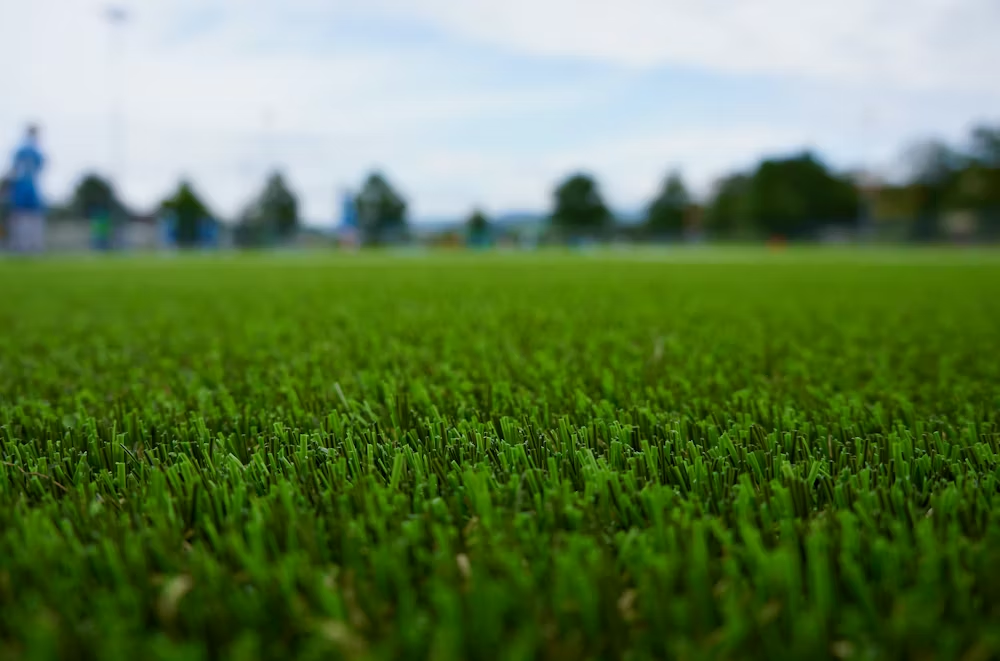


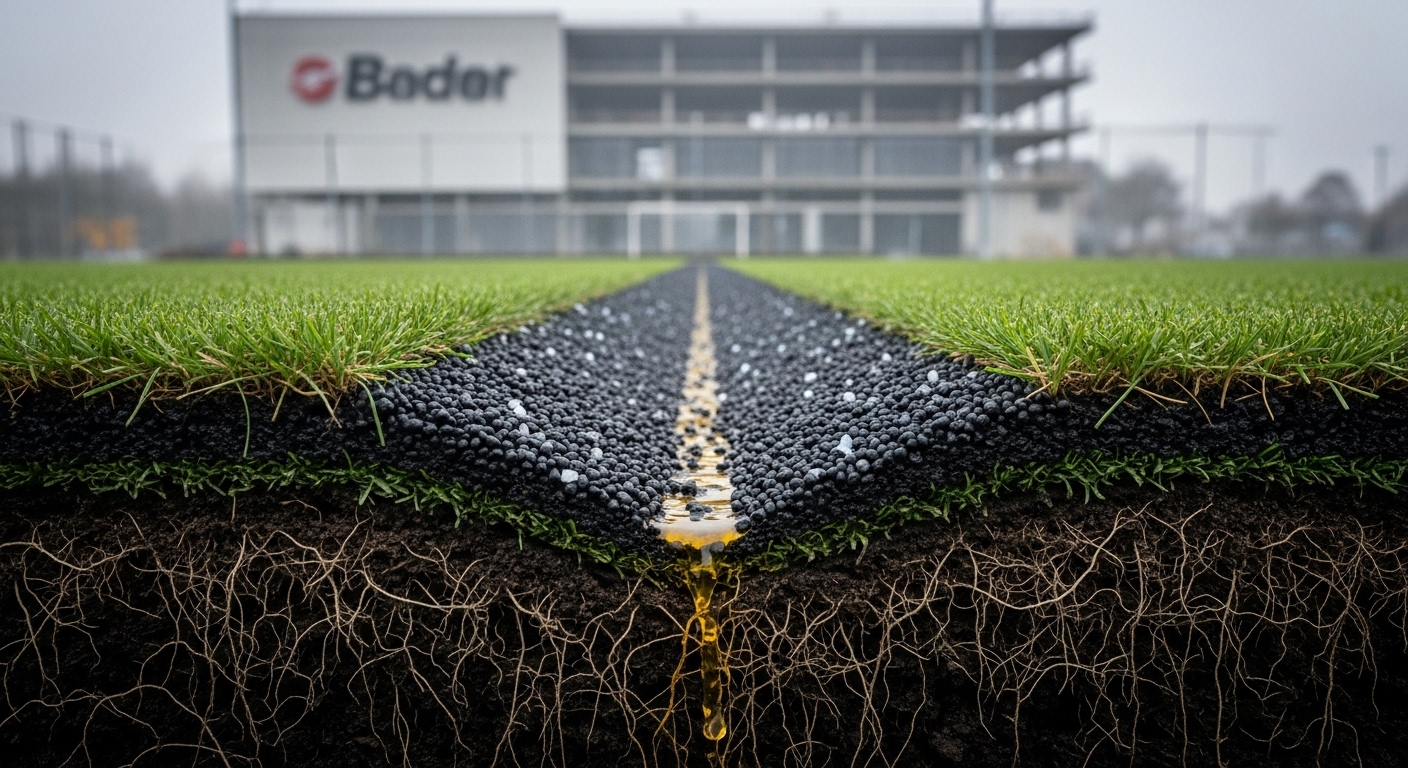
Artificial turf is often marketed as a sustainable alternative to natural grass, promising water savings, reduced maintenance, and long-term durability.
These claims are frequently used to justify large-scale installations by homeowners, businesses, and municipalities seeking environmentally responsible solutions through professional synthetic lawn installation services.
However, behind the polished marketing language, there are environmental tradeoffs that are rarely discussed and even less frequently disclosed.
Artificial turf is primarily made from plastic-based materials such as polyethylene, polypropylene, and nylon. These materials are derived from fossil fuels, and their production is energy-intensive, generating significant greenhouse gas emissions long before the turf is ever installed. This manufacturing phase is rarely included in marketing claims about sustainability.
In addition to raw material extraction, synthetic turf production involves chemical treatments to enhance durability, color retention, and UV resistance. These processes contribute to industrial pollution and may use non-biodegradable additives. The environmental impact of these inputs is often omitted from promotional materials.
Transportation adds another hidden layer of impact. Artificial turf products are often manufactured far from their final installation sites, increasing emissions from global shipping and distribution. These logistics costs undermine claims that turf installations automatically reduce environmental harm.
One of the most underreported issues with artificial turf is heat retention. Synthetic surfaces can reach temperatures far higher than natural grass, especially in sunny conditions, creating localized heat islands. This effect increases surrounding air temperatures and can make outdoor spaces uncomfortable or even unsafe during warm weather.
Higher surface temperatures can increase energy use in nearby buildings as cooling demand rises. In urban environments, this contributes to broader climate challenges rather than alleviating them. Despite this, the impact of heat is rarely addressed in turf marketing narratives.
The heat issue also affects soil health beneath the turf. Elevated temperatures can disrupt microbial activity and prevent natural soil regeneration. Over time, this reduces the land’s ecological function even after turf removal.
As artificial turf ages, it gradually degrades due to exposure to sunlight, weather, and physical wear. This degradation releases microplastics into the surrounding environment. These particles can enter soil systems, stormwater runoff, and eventually waterways.
Microplastics are persistent pollutants that do not decompose naturally. Once released, they accumulate in ecosystems and pose risks to wildlife and, potentially, to human health. Turf brands rarely address this long-term pollution risk in sustainability messaging.
Infill materials used in some turf systems can further compound the problem. Certain infills contain plastic or rubber components that also degrade over time. Together, these elements create an ongoing source of environmental contamination that is difficult to reverse.
Artificial turf has a finite lifespan, typically ranging from eight to fifteen years, depending on use and conditions. When it reaches the end of its usable life, disposal becomes a significant environmental issue. Most turf products are not recyclable through standard municipal systems.
Landfilling is the most common disposal method, where large rolls of synthetic material occupy space and persist for decades. Incineration is sometimes used, but it releases emissions and toxic byproducts that create additional environmental concerns. These realities are rarely mentioned at the point of sale.
Some manufacturers promote limited recycling programs, but these options are not widely accessible or scalable. Without clear end-of-life solutions, artificial turf contributes to the growing problem of plastic waste rather than solving environmental challenges.
The issue is not that artificial turf has no benefits, but that its environmental costs are often oversimplified or ignored. True sustainability requires full lifecycle transparency, including impacts across production, use, and disposal. Without this information, consumers cannot make fully informed decisions.
Greenwashing occurs when marketing highlights selective benefits while concealing meaningful drawbacks. In the turf industry, this often means prioritizing water savings while downplaying emissions, heat impacts, and waste. Addressing these gaps is essential for honest environmental communication.
Consumers, developers, and policymakers increasingly expect evidence-based sustainability claims. Companies that prioritize transparency and data-driven evaluation help move the industry toward more responsible practices. Clear information builds trust and supports better environmental outcomes.
Artificial turf is neither inherently good nor bad for the environment; it is far more complex than many brands suggest. Manufacturing emissions, heat retention, microplastic pollution, and disposal challenges all contribute to a hidden environmental cost that deserves attention. Understanding these factors allows consumers to evaluate sustainability claims more critically and make choices based on full transparency rather than marketing narratives.
