

Have you ever wondered what happens to those bulky old monitors once they’re out of sight? I’m talking about the chunky ones from the past – CRT monitors. These monitors are not just taking up space in our attics, but when tossed away, they could be very harmful to our environment. That’s why “CRT monitors recycling” is not just a phrase; it’s a call to action for all of us who care about our planet’s future.
When we talk about recycling our old CRT monitors, we’re looking at a process that turns potential harm into sustainable practice. Imagine tackling e-waste in a way that saves precious resources and prevents hazardous materials from polluting the earth.
That’s exactly what recycling these electronic relics accomplishes. It ensures toxic substances like lead and phosphorous don’t end up poisoning landfills but instead get treated responsibly.
What You Will Discover Here:
When we look at an old CRT monitor, it’s not just a piece of outdated tech; it’s a call to action for the safety and health of our environment. Recycling these monitors is essential, and I’m here to share why this step is crucial.
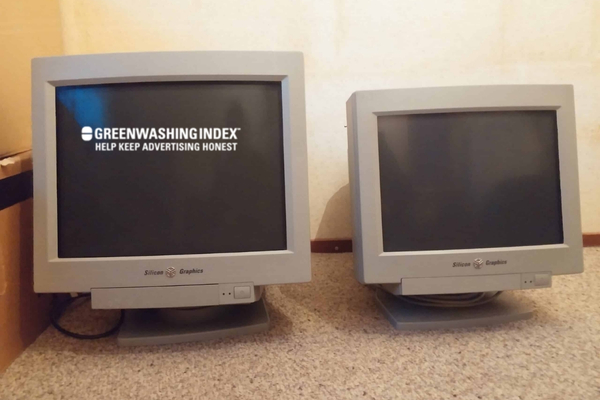
I can’t stress enough how important it is to recycle CRT monitors. Maybe you’re wondering, “What’s the big deal with these old screens?” Let me tell you, it’s a really big deal for our planet.
First off, CRT stands for Cathode Ray Tube. These old-style monitors were all the rage before flat screens took over. But now they’re mostly just junk. The problem is that these chunky monitors have some nasty stuff inside them, like lead and other harmful chemicals.
If we just throw them out, guess where they end up? Yep, in landfills or, worse, dumped in places where they shouldn’t be. Here’s the scary part: when it rains or gets windy, those harmful chemicals can leak out into the ground or air. This means bad news for the soil and water around us because the toxins can get into crops and drinking water. Animals might eat plants with this stuff in them, too, and get sick.
But here’s the real kicker – lead is super dangerous to people as well. We’re talking about serious health problems like brain damage or other issues if kids or adults are around too much of it.
So recycling these bulky beasts of screens isn’t just good; it’s vital to keep our environment clean and healthy.
When I talk about e-waste management, I mean how we handle all electronic junk, which includes recycling CRT monitors right at the top of that list.
In simple words, managing e-waste better makes sure we mess up Earth a lot less than if we didn’t care at all about where our used electronics go after they’re done entertaining us.
So next time you see one of those hefty old CRT monitors sitting by someone’s trash? Think twice about what happens when something so small gets tossed without a thought for its impact on everyone’s home – our very own planet, Earth.
Also Read: Glass Recycling Uncovered: Endless Lifespan Explained!
Recycling CRT monitors is not just about throwing old screens into a bin. It’s a careful process. This process helps protect our planet by taking these old TVs and computer screens apart. We do this so that they don’t harm the environment.
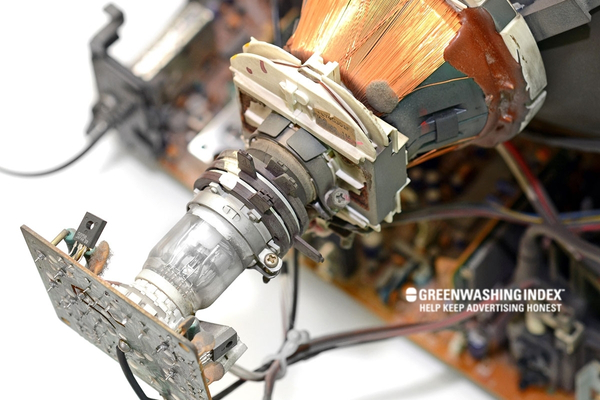
CRT monitor recycling is when we take these old, bulky monitors – maybe you’ve seen them in the past at your grandparent’s house or gathering dust in a garage – and break them down properly. These monitors can’t be thrown away like regular trash because they have bad stuff inside that can hurt our Earth.
When we recycle these monitors, we save useful parts that can be used again. This could be glass, plastic, or metal pieces. By doing this, we make sure less garbage goes into landfills, which helps keep our soil and water clean.
Plus, recycling these monitors means fewer new resources are needed to build new things. This saves energy and cuts down on mining or making plastic from scratch, which is really good for protecting nature.
Think of CRT monitors recycling as giving these old tech pieces a second life while also being kind to our planet!
A typical CRT monitor has a bunch of different bits inside:
Now, here comes the serious part: some elements are not nice stuff
When people talk about e-waste management and sustainable practices, one main goal is to keep hazardous materials from hurting us or animals by staying out of landfills.
That’s why when we recycle CRT monitors, special attention goes to handling these dangerous parts correctly so they don’t mess with Mother Nature! Illustrating how caring for even an outdated piece of electronics through proper recycling can hugely reduce environmental impact makes all this effort worth it!
Also Read: Paper Bags Recycle: A Must-Know Sustainability Guide
Finding where to recycle CRT monitors can be challenging, but I’ve done the research to make it easier for you. As we move through 2026, more options are becoming available, though CRT recycling still requires some effort due to the hazardous materials involved.
The good news: There are several reliable options for CRT monitor disposal. The challenge is that not every recycling center accepts CRTs anymore due to the processing costs involved.
Some of the easiest places to recycle your CRT monitor are major retailers. Here’s what you need to know about each program:
Best Buy is one of the few major retailers that still accepts CRT monitors and TVs. However, there are some important limitations to understand:
Best Buy’s program is available at all their locations nationwide, making it a convenient option for many. You can find your nearest store using their online locator.
Staples has a more limited CRT acceptance policy. Here’s what you should know:
I recommend calling your local Staples store ahead of time to confirm they accept CRT monitors, as policies can vary by location.
Micro Center has locations across many states, but their CRT policy is strict – they do not accept CRT monitors or TVs at their stores.
Other local electronics retailers may have recycling programs, so it’s worth calling around. Local computer shops sometimes accept CRTs for a small fee to help their community.
If you can’t find a convenient retailer option, online locators can help you find certified e-waste recyclers near you:
These locators are especially helpful in rural areas where major retailers aren’t nearby. They connect you with specialized e-waste facilities equipped to handle CRTs properly.
Many communities have designated e-waste recycling centers that accept CRT monitors. These options often include:
Contact your local waste management department to learn what’s available in your area. Some municipalities offer free CRT recycling, while others charge fees similar to private recyclers.
You might be wondering why it’s so hard to find places that accept CRTs. The answer comes down to economics and processing challenges.
CRT recycling is expensive. The glass contains lead and must be processed separately through specialized facilities. The market for recycled CRT glass has shrunk dramatically, making it difficult for recyclers to cover their costs.
This is why many centers that used to accept CRTs for free now charge fees, and some have stopped accepting them entirely. It’s not that they don’t want to help – it’s that the costs of proper CRT disposal can exceed $30 per unit.
One of the most common questions I hear is about the cost of recycling CRT monitors. Unfortunately, free CRT recycling has become rare as processing costs have increased over the years.
Typical CRT recycling fees range from $20 to $40 per unit, depending on your location and the recycler you choose. Here’s a breakdown of common costs:
These fees cover the specialized handling required to safely extract hazardous materials like lead and phosphor. The process requires dedicated facilities and trained workers, which drives up the cost significantly compared to recycling other electronics.
While rare, some free CRT recycling options do exist. Here’s where to look:
Be cautious of anyone offering completely free CRT recycling outside of organized events – legitimate recyclers must charge fees to cover the high costs of proper CRT processing.
Why the fees exist: CRT recycling requires separating leaded glass from other materials, safely extracting toxic phosphor powder, and ensuring proper disposal of hazardous components. These specialized processes cost money, which gets passed along as recycling fees.
Before you head to a recycling center, it’s important to properly prepare your CRT monitor. This ensures safety and makes the recycling process smoother for everyone involved.
One often-overlooked aspect of CRT monitor recycling is data security. While monitors don’t store data themselves, they were often connected to computers that did.
If your CRT has built-in USB ports or any smart features, it could potentially store some user information. For complete peace of mind:
Most CRT monitors don’t require data wiping since they’re purely display devices. However, if you’re recycling the entire computer system together, make sure to properly wipe the hard drive first.
CRT monitors are heavy and fragile – they can weigh 30-60 pounds or more. Here’s how to transport yours safely:
Remember, CRT monitors contain vacuum tubes that can implode if broken. Handle with extra care to avoid accidents and potential exposure to hazardous materials.
When you visit a recycling center, it helps to be prepared. Here’s what to bring:
Call ahead if you’re unsure about requirements. Being prepared saves time and ensures a smooth recycling experience.
When I think about the journey of recycling CRT monitors, it all starts with gathering them correctly. This part is very important because if we don’t collect these old screens the right way, we might not be able to recycle them as well as we should. So here is why the proper collection is so crucial.
CRT monitors have stuff inside them that can be bad for the environment. This includes things like lead and other materials that shouldn’t end up in our soil or water. Here’s what happens when we collect these monitors in an organized way:
Because of these reasons, it’s clear that collecting CRT monitors properly makes a big difference for successful recycling.
After collecting all these old screens comes another important step: moving them safely to where they’ll be recycled. Let me tell you why this is so critical:
CRTs are quite fragile – remember how easily an old TV or computer screen could get damaged? Well, when they break, hazardous substances can leak out. That’s something no one wants! Here are some steps taken during transportation:
Moving these delicate items carefully ensures that potential pollutants stay locked in until experts at recycling facilities can deal with them appropriately without harming our planet.
Every single step here plays a big part in keeping both people and Earth safer from unwanted pollution caused by electronics like CRT monitors left unrecycled!
Also Read: Eco-Friendly Kitchen: 10 Green Living Tips You Can’t Ignore!
Recycling CRT monitors is a step-by-step journey that transforms what is used to show our favorite games and websites into parts for new products. Let’s break down the stages.
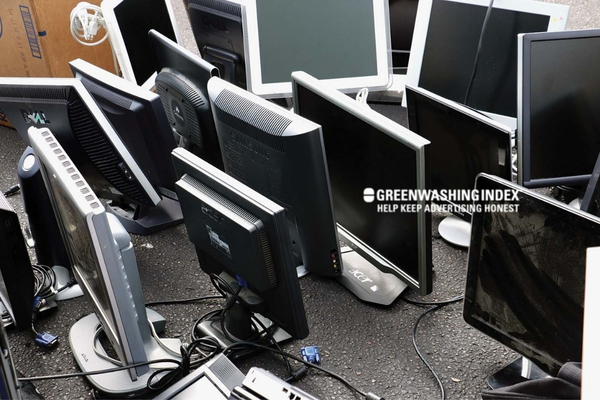
When I get a CRT monitor ready for recycling, it’s like doing surgery. Every piece must be treated with care. Here’s how I would usually break it down:
Each of these steps needs patience and precision—just ripping things apart isn’t an option if you want to do this right and take care of our planet while at it!
When I think about CRT monitors recycling, I know there are dangerous elements inside these old screens. This is why removing them safely is so important. Here’s what I’ve learned about how this works:
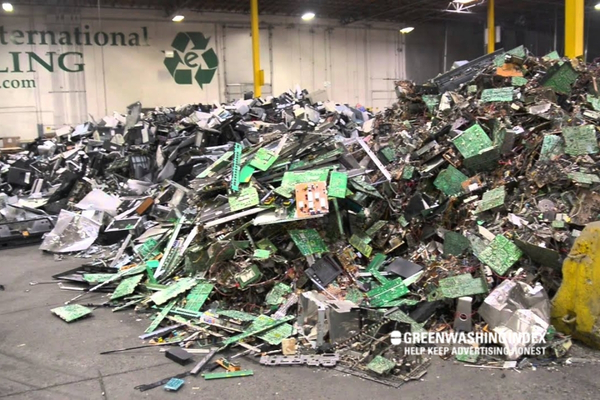
Now, to make sure that harmful stuff like lead or phosphor doesn’t hurt anyone, there’s a special way to take them out from the CRT monitors. Let me explain this method to you in simple steps.
So when you put all those pieces together, take them apart safely + separate bad stuff carefully clean, and no harm is done while recycling! That’s how professionals manage CRT monitors’ recycling without letting any dangerous element cause trouble for us or our planet!
Also Read: Exploring Magazine Recycling: Journey Towards Sustainability
When it comes to recycling CRT monitors, it’s important to do it in a way that is good for our planet. This means using methods that don’t harm the earth. So, how do we recycle these old monitors without hurting the environment? I’ll tell you about some green ways that are used at each step of the recycling process.
In every step above, it’s super important to use less energy and create less waste so we protect our environment dearly.
By following through with eco-friendly methods during CRT monitor recycling processes—from collecting them up until their components find new life—we reduce environmental impact significantly, which ultimately preserves our planet’s health for future generations coming after us!
While recycling is the best option for most CRT monitors, there are some alternatives worth considering depending on your situation. Let me share what I’ve learned about other ways to handle these old displays.
If your CRT monitor still works, donation might be an option. However, this is becoming increasingly difficult as most organizations no longer accept CRTs due to disposal costs.
However, be honest about the condition. Nobody wants a broken CRT that they’ll have to pay to dispose of later. Call ahead before dropping off any donations.
Some creative people have found ways to repurpose CRT monitors rather than recycling them:
Before attempting any reuse project, remember that CRTs contain hazardous materials. Never break the glass tube, and always prioritize safety over aesthetics.
Storage considerations: If you’re keeping a CRT for later reuse, store it in a climate-controlled area away from moisture. CRTs can degrade over time even in storage.
It’s important to understand that CRT disposal is regulated in many states. Throwing away CRT monitors in regular trash is illegal in numerous jurisdictions due to the hazardous materials they contain.
Many states have implemented landfill bans on CRT monitors and other electronics. These states include California, Maine, Massachusetts, Minnesota, New Hampshire, New Jersey, New York, Rhode Island, and Vermont, among others.
What this means for you:
Check your state’s environmental agency website for specific regulations in your area. Even if your state doesn’t have an explicit ban, responsible disposal is always the right choice.
Under federal regulations, CRTs can be classified as hazardous waste due to their lead content. This classification affects how they must be handled and transported.
Certified recyclers follow specific protocols established by the Environmental Protection Agency (EPA) for managing CRT waste properly. This is why using legitimate recyclers is so important – they ensure compliance with all applicable regulations.
Household exemption: Interestingly, CRTs from households are often exempt from some federal hazardous waste regulations, which is why consumers can drop them off at retailers and collection events. However, businesses generating CRT waste must follow stricter disposal requirements.
Recycling old CRT monitors is not just an idea; it’s an action many people around the world are taking to help our environment. I’ve heard about many cases that show how we can do good for our planet. In this bit, I’ll share some real-life successful stories from different parts of the world related to old monitor recycling.
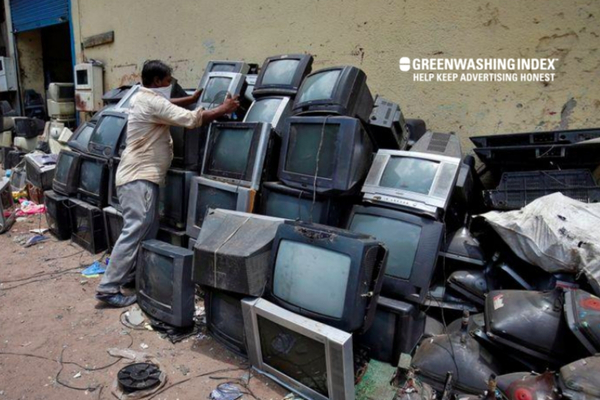
In Japan, they take recycling seriously and have laws that make sure electronic waste gets handled right. The country has a system where they collect old CRT monitors and other electronics and safely break them down. They sort out harmful stuff like lead and make sure it doesn’t harm the earth. Because of this smart system, Japan recycles a huge part of its e-waste every year.
Over in Sweden, there’s a program that teaches kids and adults how to recycle electronics, including CRT monitors. They show everyone why it’s important and how to do it properly. Thanks to these lessons, lots of CRT monitors find new life instead of hurting our landfills.
In California, USA, they’ve got places called e-waste centers where you can take your old gadgets, including CRT monitors, for recycling. They use high-tech ways to carefully take the monitors apart so that almost every piece can be used again or disposed of without hurting nature.
India is home to E-Parisaraa – its first electronic waste recycler that follows all environmental rules strictly when handling things like CRT monitors, which can be really bad for nature if not treated well in their end days. E-Parisaraa makes sure dangerous materials are separated carefully from what can be reused.
In Belgium, we have UMICORE – a world leader who responsibly takes apart electronic waste like CRTs to extract precious metals while keeping the environment safe at the same time!
Each one of these examples shows us how doing something like recycling old CRT monitors is not just important but very much possible when done with care and thought everywhere around our globe!
When you recycle your old monitor, you help prevent harmful chemicals from hurting the environment. This choice also saves useful parts that can be made into new things.
Many electronics like TVs, computers, and phones can go through a recycling process similar to that of monitors. They all can find new life after recycling.
Mostly, yes. A lot of parts within a monitor can either be recycled or used again. Rarely, something might not fit for this, but it’s not common.
Yes, Best Buy accepts CRT monitors and TVs at most locations for a $25 fee per item. They limit households to 2 CRT items per day, and CRT TVs must be under 32 inches diagonally. This is one of the most convenient options available in 2026.
Staples accepts CRT computer monitors for free recycling at most locations, but generally does NOT accept CRT televisions. For computer monitors, they offer both in-store drop-off and mail-in recycling kits for $35-$88. Call your local store to confirm their CRT policy.
CRT recycling typically costs $20-40 per unit. Best Buy charges a flat $25 fee. Local e-waste centers usually charge $10-30. Mail-in recycling through services like Staples costs $35-88 plus shipping. Free options exist during municipal collection events but are becoming increasingly rare.
CRT monitors contain hazardous materials like lead, phosphor powder, and sometimes mercury. When placed in landfills, these toxins can leach into soil and groundwater. Many states have laws banning CRTs from regular trash due to these environmental and health risks. Proper recycling ensures these dangerous materials are handled safely.
Use Earth911.com by entering your zip code and CRT monitors to find nearby recyclers. Call 1-800-CLEANUP for local options. Check your city’s website for e-waste collection events. Best Buy stores nationwide accept CRTs for $25. Local waste management departments can also provide information on authorized CRT disposal facilities in your area.
CRT monitors contain several hazardous substances including lead in the glass funnel (up to 4-8 pounds), phosphor powder coating on the screen, cadmium in internal components, and sometimes mercury. These materials are toxic to humans and the environment, which is why proper recycling through certified facilities is essential rather than disposal in regular trash.
Free CRT recycling exists but is limited. Many cities host free e-waste collection events once or twice per year. Some municipal programs offer free CRT disposal. Best Buy and most private recyclers charge fees due to high processing costs. Check your local government website for upcoming free collection events in your area.
First, remove any cables, stands, or accessories. If the monitor has any smart features or memory, perform a factory reset. Wrap the screen in bubble wrap or a thick blanket. Keep the CRT upright during transport – never lay it flat. Secure it properly in your vehicle. Bring payment for recycling fees and ID if required by the recycling center.
CRT recycling is challenging because the glass contains lead that must be separated using specialized equipment. The process is expensive and lengthy, making it difficult for recyclers to cover costs. This is why many centers charge fees and some have stopped accepting CRTs entirely. The shrinking market for recycled CRT glass has made the situation even more difficult in recent years.
Recycling CRT monitors stands as a beacon of sustainable practice in the rising tide of electronic waste. As an essential part of e-waste management, it harnesses the power of environmental responsibility, converting potential hazards into reusable materials. Through meticulous dismantling and careful extraction of dangerous elements, CRT monitors recycling, which not only protects the environment but also underlines the importance of adopting eco-friendly techniques at each stage.
In 2026, recycling CRT monitors may require some effort and fees, but it’s the responsible choice for protecting our planet. By using the resources available – from major retailer programs like Best Buy to local recycling centers and online locators like Earth911 – we can ensure these hazardous devices don’t end up polluting our environment.
Remember that every CRT properly recycled prevents lead and other toxic materials from entering our soil and water. It preserves valuable resources that can be recovered and reused. And it sets an example for responsible electronics stewardship in an increasingly digital world.
Key Takeaway Points:
