

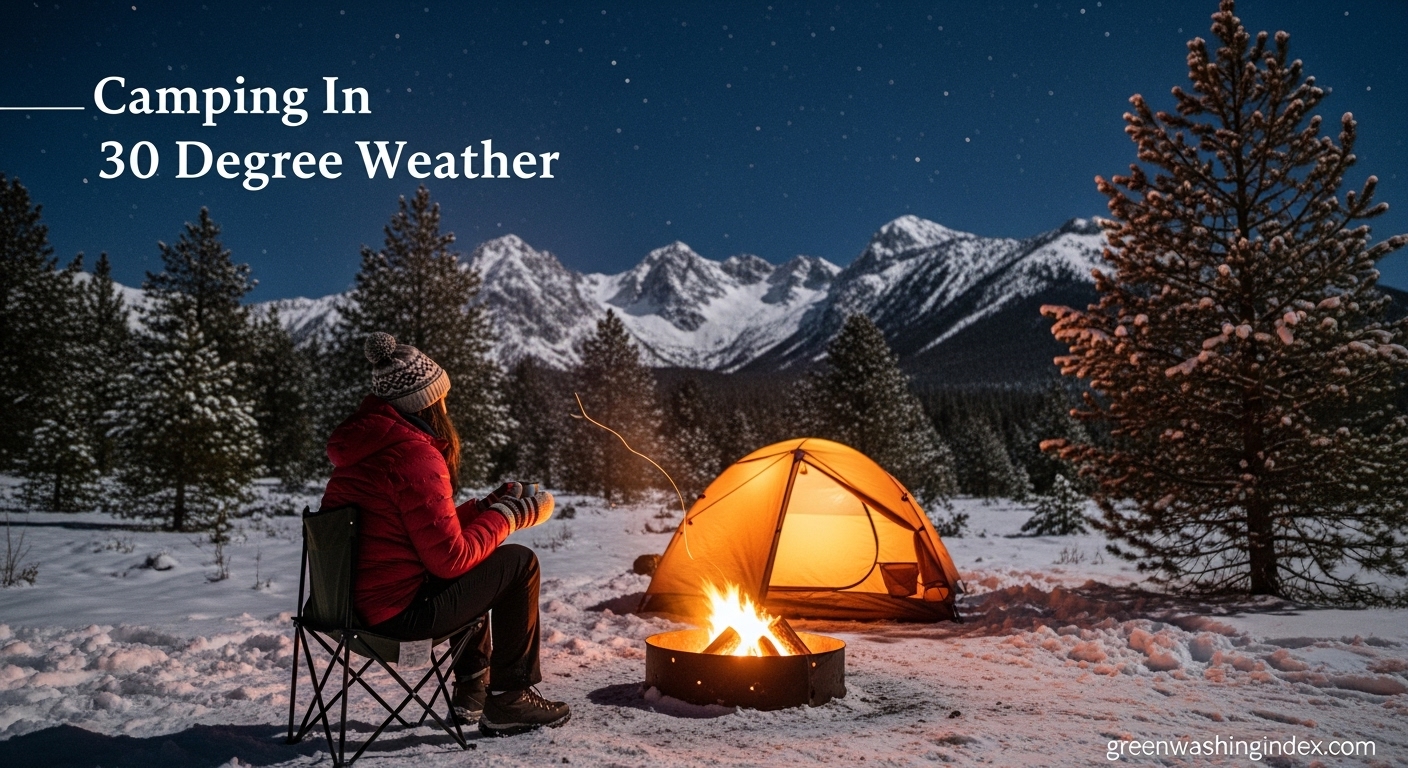
I’ll never forget my first 30-degree camping trip. I shivered through a freezing October night in the Smokies, wearing every piece of clothing I’d brought and still waking up every hour shaking cold. That miserable experience taught me a lesson: camping in 30-degree weather isn’t about suffering—it’s about preparation.
After two decades of camping in every season and learning from countless mistakes, I’ve discovered that 30°F (-1°C) is actually a comfortable camping temperature—if you have the right gear and knowledge. The problem? Most beginners underestimate what they need and overestimate what their summer gear can handle.
No, 30 degrees is not too cold for camping with proper gear and preparation. A quality 0-20°F sleeping bag, insulated sleeping pad with R-value 4+, layered clothing system, and appropriate shelter make cold weather camping comfortable and enjoyable.
In this guide, I’ll share exactly what you need to stay warm, the specific gear that works, and the mistakes that will leave you shivering.
Thirty degrees Fahrenheit equals -1 degree Celsius—just below freezing. This temperature sits right at that threshold where water freezes, frost forms, and unprepared campers get cold. But here’s what most people don’t realize: 30°F weather camping is entirely manageable with the right approach.
30°F Weather: Just below freezing temperature where proper sleep system insulation (bag + pad), layered clothing, and calorie-dense food become essential for comfort and safety.
During shoulder season camping (spring and fall), daytime temperatures often reach 50-60°F while nighttime drops to freezing. This swing catches beginners off guard. You might hike comfortably in a t-shirt all day, then face near-freezing conditions once the sun sets.
I’ve camped in 30-degree weather from Georgia to Oregon, and the key difference isn’t location—it’s preparation. Some of my coldest nights were actually in the Southeast where humidity makes the cold feel more penetrating. Out West, the drier air at the same temperature often feels more comfortable.
For beginners, I recommend starting with car camping before attempting backpacking in cold weather. Having your vehicle nearby provides a safety net and allows you to bring more comfort items without weight concerns. After building confidence with best camping gear essentials, you can transition to lightweight backpacking setups.
Staying warm starts with what you wear. The three-layer system isn’t just marketing—it’s how outdoor enthusiasts have stayed comfortable for decades. Here’s how it works: a moisture-wicking base layer pulls sweat away from your skin, an insulating mid-layer traps heat, and a protective outer shell blocks wind and precipitation.
Quick Summary: Wear a moisture-wicking synthetic or wool base layer, add an insulating fleece or puffy jacket, and top with a waterproof shell. NEVER wear cotton—it retains moisture and makes you cold.
Your base layer might be the most important clothing item you bring. Its job is simple: wick moisture away from your skin. When you sweat (and you will sweat, even in cold weather), that moisture needs to move away from your body. Wet skin loses heat 25 times faster than dry skin.

Material: Base 4.0 warmest
Fit: Compression
Technology: Moisture-wicking
Best for: Extreme cold conditions
I’ve tested dozens of base layers over the years, and the difference between quality and cheap thermal underwear is significant. The Under Armour Base 4.0 represents the warmest option in their lineup, designed specifically for extreme conditions. What makes it effective is the dual-layer fabric that pulls moisture from your skin while trapping warm air close to your body.
For 30°F camping, I recommend having two sets of base layers: one for daytime activity and one dedicated set for sleeping. Never sleep in the same base layers you wore all day—they’re damp from perspiration, even if you don’t feel it. That moisture will make you cold inside your sleeping bag.
Once your base layer is managing moisture, the insulation layer’s job is trapping warm air. This could be a fleece jacket, a synthetic puffy, or a down jacket. Each has pros and cons, but for 30-degree weather, a mid-weight fleece or synthetic puffy works well.

Type: Insulated ski jacket
Features: Waterproof shell,Hooded design,Fully taped seams
Best for: Cold wet conditions
The FREE SOLDIER jacket demonstrates the outer shell approach, combining waterproof protection with built-in insulation. For 30°F camping, this style works well if you expect wet conditions or precipitation. The waterproof exterior keeps rain and snow out while the insulation holds your body heat.
I always bring an extra insulating layer for sleeping. Even with a warm sleeping bag, wearing a dedicated clean puffy or fleece to bed adds significant warmth. The key is having dry layers specifically for sleeping—never wear damp clothes into your bag.
Your outer shell blocks wind and precipitation. In 30-degree weather, wind chill can make a tolerable night feel miserable. A quality rain shell adds 10-15 degrees of perceived warmth simply by stopping wind.
Look for jackets with waterproof ratings (at least 10,000mm) and breathable fabrics. Waterproof-breathable materials like Gore-Tex allow sweat vapor to escape while blocking external moisture. If you’re car camping and weight isn’t a concern, a simple PVC rain jacket works—but you’ll sweat more during activity.
Here’s the truth about sleeping bag temperature ratings: they’re misleading. A 30°F sleeping bag will NOT keep most people comfortable at 30°F. It might keep you alive, but you’ll probably sleep cold.
| Bag Rating | Comfortable For | Not Recommended For | Best Use |
|---|---|---|---|
| 30°F bag | Nights above 45°F | Actual 30°F weather | Summer car camping |
| 20°F bag | 30-40°F nights | Below 25°F | Shoulder season camping |
| 10°F bag | 20-30°F nights | Below 15°F | Cold weather camping |
| 0°F bag | Below 20°F | Above 40°F (too hot) | Winter camping |
Sleeping Bag Temperature Rating: The lowest temperature at which a bag will keep an average sleeper warm (comfort rating) or alive (lower limit). Most campers need a bag rated 20°F colder than expected temperatures for actual comfort.
After years of testing sleeping bags in various conditions, I’ve learned that most people are “cold sleepers”—we feel chillier than the standardized testing assumes. If you sleep cold, run cold naturally, or simply want to be comfortable, subtract another 5-10 degrees from the bag’s rating.

Rating: 0°F temperature
Fit: Up to 6'5\
The Coleman Big Game sleeping bag with its 0°F rating exemplifies the “overkill is better than being cold” philosophy. While it might seem excessive for 30°F weather, having that extra warmth margin means you’ll sleep comfortably instead of shivering. The Sherpa and flannel lining adds a cozy factor that synthetic interiors just can’t match.
I’ve personally used bags rated for 30°F in 30-degree weather and regretted it. That experience in the Smokies taught me to always choose a bag rated 10-20 degrees colder than the expected low. For 30°F camping, that means a 10-20°F bag—or a 0°F bag if you sleep cold like I do.
Here’s what catches most beginners off guard: your sleeping bag’s insulation compresses underneath you, losing almost all its effectiveness. Without proper insulation beneath you, the cold ground sucks heat from your body all night long. This is where sleeping pad R-value becomes critical.
| R-Value | Temperature Range | Insulation Level | Pad Types |
|---|---|---|---|
| R-value 1-2 | Summer (50°F+) | Minimal | Basic air pads |
| R-value 3-4 | 3-season (40-50°F) | Moderate | Self-inflating pads |
| R-value 4-5 | Cold weather (30-40°F) | Good | Insulated air pads |
| R-value 5+ | Winter (below 30°F) | Maximum | Foam pads, winter systems |
R-Value: A measure of sleeping pad thermal resistance—higher R-value means more insulation. R-values are additive, so two R-2 pads combined equal R-4. For 30°F camping, you need R-value 4 or higher.

Type: Insulated air pad
R-Value: High for cold weather
Size: 25x72 wide regular
Features: Pumphouse sack included,Ultralight design
The Big Agnes Rapide SL demonstrates modern insulated pad technology. Unlike traditional air mattresses that provide cushioning but zero warmth, insulated pads like this use internal insulation to achieve R-values suitable for cold weather. At just 25 inches wide, the “wide regular” size offers extra shoulder room that narrow pads lack.
I learned the importance of pad insulation the hard way on a trip where I brought a 20°F sleeping bag but only a thin summer pad. Despite the warm bag, I woke up cold from underneath. Adding a foam pad underneath my air pad solved the problem—R-values are additive, and that combination finally kept me warm.
For 30°F camping, I recommend an R-value of at least 4. You can achieve this with a single insulated pad or by combining a foam pad with an air pad. Two thin pads stacked together often work better than one expensive pad—and they’re more versatile for different conditions.
The short answer: probably not for 30°F weather. A quality 3-season tent works fine for most shoulder-season camping. Four-season tents are designed for extreme conditions—heavy snow loads, high winds, and sub-zero temperatures. Unless you expect these conditions, a 3-season tent with proper setup will serve you well.

Type: 4-season hot tent
Size: 14ft coverage
Feature: Stove jack included
Design: Waterproof flame retardant
Best for: Hammock or ground camping
The Onewind Penumbra represents the next level in cold weather camping—actual heating. The integrated stove jack allows you to safely run a small wood stove inside, raising interior temperature by 20-30 degrees. This is overkill for most 30°F trips but demonstrates what’s possible when camping in extreme cold.
For most campers in 30-degree weather, a standard 3-season dome tent works perfectly when set up correctly. The key is site selection: choose a sheltered spot out of prevailing winds, use a groundsheet footprint underneath, and orient your tent door away from the wind direction.
I’ve spent dozens of nights in 3-season tents during 30°F weather and stayed comfortable. The secret is reducing wind exposure and keeping the tent ventilated enough to prevent condensation while still blocking drafts. A small t rigged as a windbreak on the windward side of your tent makes a surprising difference.
Your body prioritizes keeping your core warm, which means it reduces blood flow to extremities when you get cold. This is why your feet and hands get cold first. Protecting these areas isn’t just about comfort—it’s about safety and maintaining dexterity for camp tasks.
Foot care deserves special attention. Cold, miserable feet can ruin an entire trip. I always bring two types of socks: thick wool hiking socks for daytime use, and a dedicated clean pair of thinner wool socks specifically for sleeping. Never sleep in the socks you wore all day.

Quantity: 5 pairs
Material: Merino wool blend
Features: Thick warm design,Crew length
Best for: Winter camping and hiking
These sellto merino wool socks provide the essential foot protection for cold weather camping. Wool naturally resists odor, manages moisture, and insulates even when slightly damp—critical properties when you’re days away from laundry facilities. Having five pairs means you can rotate fresh socks daily, which makes a huge difference in foot comfort.
For footwear, insulated waterproof boots become essential in 30°F weather. Summer hiking shoes let cold air and moisture seep in, while uninsulated rubber boots conduct cold directly to your feet. You want a boot with some insulation and waterproof protection.

Type: Insulated hiking boot
Features: Waterproof construction,Omni-Grip traction,Leather mesh upper
Best for: Winter hiking and camping
Columbia’s Newton Ridge boots offer waterproof insulation with the traction needed for slippery winter terrain. The Omni-Grip outsole provides grip on icy surfaces where regular hiking boots would slide. I’ve used similar boots on frosty morning hikes and appreciated both the warmth and the confidence on slick ground.
Don’t forget your head and hands. A simple beanie prevents massive heat loss—your head radiates heat like a chimney. For hands, I bring lightweight gloves for around camp and thicker mittens for when temperatures really drop. Mittens keep fingers together, sharing warmth better than gloves.
Here’s something many beginners don’t realize: cold affects stove performance. Canister stoves (the ones with screw-on fuel canisters) struggle in temperatures below 40°F. The pressure inside the canister drops as temperature falls, resulting in weak flames and longer boil times.
For 30°F camping, you have options. Liquid fuel stoves perform reliably in cold weather because the fuel doesn’t rely on vapor pressure. Canister stoves can work if you keep the canister warm—sleep with it in your bag, or warm it in your jacket before use.

Type: Canister stove
Weight: 2.6 ounces ultralight
Features: Wind-resistant design,Flame control
Best for: Backpacking cold weather
The MSR PocketRocket 2 exemplifies why canister stoves remain popular despite cold weather limitations. At just 2.6 ounces, it’s light enough to bring backup options while still delivering reliable performance in mild cold. For 30°F trips, I’ve used this stove successfully by keeping canisters warm and using a windscreen.
Hot food and drinks become more than comfort in cold weather—they’re fuel for your body’s furnace. Calorie-dense meals and warm beverages before bed help your body generate heat through the night. I always bring extra camping stoves for cold weather cooking backup fuel, as cold weather increases fuel consumption.
Safety Warning: Hypothermia can occur in temperatures above freezing, especially if you’re wet or exhausted. Signs include uncontrollable shivering, slurred speech, confusion, and drowsiness. If someone shows symptoms, warm them immediately and seek emergency help if severe.
After guiding dozens of beginners on their first cold weather trips, I’ve learned that safety comes down to awareness. Check weather forecasts before departure—know if precipitation or temperature drops are expected. Tell someone your itinerary and expected return time. Carry emergency communication.
Essential safety items include a basic first aid kit, headlamp with extra batteries (cold drains batteries faster), and emergency blanket. A mylar emergency blanket costs less than $5 and weighs nothing, but it can be a lifesaver if something goes wrong.
Know your limits. If this is your first cold weather camping experience, choose a location near civilization with cell service. After building confidence and refining your gear system, you can venture farther afield. There’s no shame in bailing to a hotel if conditions exceed your preparation—that’s wisdom, not failure.
Quick Summary: For 30°F camping, bring a 0-20°F sleeping bag, R-value 4+ sleeping pad, moisture-wicking base layers, insulation jacket, waterproof shell, warm hat and gloves, wool socks, waterproof boots, and a cold-weather compatible stove.
Wear a 3-layer clothing system: a moisture-wicking base layer (merino wool or synthetic, NEVER cotton), an insulating mid-layer (fleece or down/synthetic puffy jacket), and a waterproof outer shell. Also bring a warm hat, gloves, wool socks, and insulated boots.
You need a sleeping bag rated 10-20°F for comfort in 30°F weather. A 30°F bag is only rated to keep you alive at 30°F, not comfortable. Most campers should get a bag rated 20°F colder than expected temperatures for actual comfort.
No, 30°F is not too cold for camping with proper gear and preparation. Thousands of campers enjoy fall and spring camping in these temperatures safely. Essential gear includes a 20°F sleeping bag, R-value 4+ sleeping pad, layered clothing, and appropriate shelter. Beginners should start with car camping.
You need a sleeping pad with R-value 4 or higher for 30°F camping. R-value measures insulation where higher numbers indicate more warmth. Summer pads (R-value 1-2) are inadequate for cold weather. R-values are additive, so two R-2 pads combined equal R-4.
Technically yes, but you will likely be cold and uncomfortable. A 30°F bag is rated for survival, not comfort. Most people sleep cold and need a bag rated 20°F colder than expected temperatures. Get a 10-20°F bag for comfortable 30°F camping, or add a sleeping bag liner for extra warmth.
Keep feet warm with merino wool socks (not cotton), insulated waterproof boots, and by keeping your feet dry during the day. Bring a dedicated pair of clean, dry socks specifically for sleeping. Consider foot warmers or a hot water bottle at the foot of your sleeping bag for extra warmth.
Yes, a 3-season tent is usually adequate for 30°F weather camping. Four-season tents are designed for extreme conditions with heavy snow and high winds. For 30°F nights, a quality 3-season tent with proper site selection (sheltered from wind) and setup works well for most campers.
Beginners should start with car camping in fall or spring when temperatures drop to 30-40°F at night. Invest in proper sleep system first (20°F bag, R-4 pad), add layered clothing, and choose campsites with mild weather forecasts. Practice setting up gear at home, and always tell someone your itinerary. Build experience gradually.
After two decades of camping in every condition, here’s what I’ve learned: cold weather camping rewards preparation. The difference between a miserable shivering night and a cozy peaceful sleep comes down to three things: a proper sleep system (bag + pad), layered clothing, and protecting your extremities.
Start with your sleep system—that’s your warmth foundation. A 0-20°F sleeping bag and R-value 4+ pad will keep you warm through 30-degree nights. Add quality base layers and an insulating jacket. Protect your head, hands, and feet with wool and waterproof gear.
Most importantly, start small. Choose mild weather for your first cold weather trip. Camp near your vehicle. Build confidence gradually. Before long, you’ll be extending your camping season into those beautiful crisp months when crowds disappear and campgrounds have space.
The gear recommendations in this guide will set you up for success. From the Coleman Big Game sleeping bag for extreme cold protection to the Under Armour Base 4.0 layers for moisture management, investing in quality equipment transforms cold weather camping from ordeal to adventure. Get out there and enjoy the quiet beauty of shoulder season camping.
