
Greenwashing Index Logo

Camping Gear List: The Ultimate Checklist for Every Trip 2026

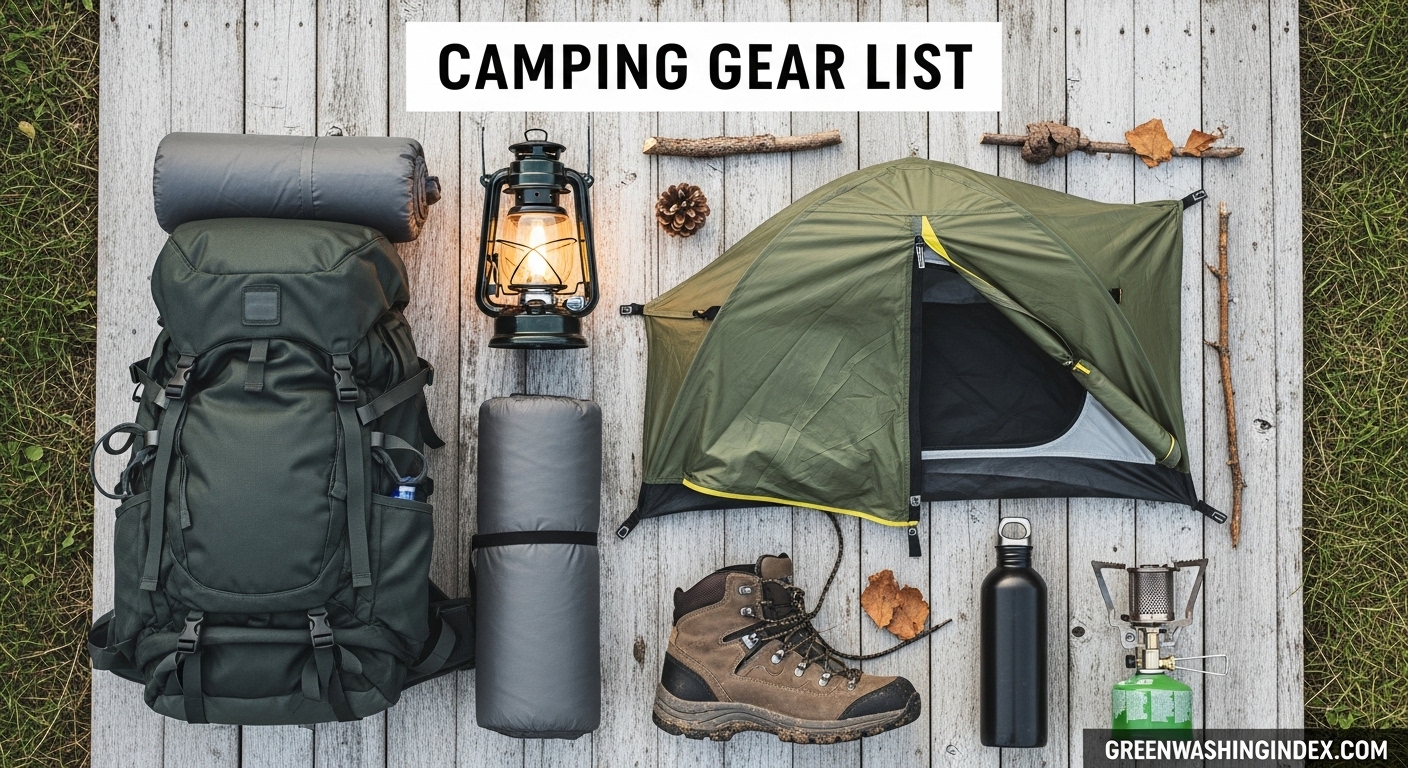
Camping Gear List
Table Of Contents

After 15 years of camping trips ranging from backyard overnights to week-long wilderness expeditions, I’ve learned one lesson the hard way: forgetting a single item can turn an adventure into a miserable experience.

A camping gear list is your blueprint for a successful outdoor experience. This comprehensive checklist prevents forgotten essentials, reduces overpacking, ensures safety preparedness, and helps you enjoy your trip without worrying about missing items.

The complete camping gear list below covers everything from shelter systems to camp kitchen essentials, with a focus on sustainable choices that minimize your environmental impact.

Whether you’re car camping with the family or backpacking solo, this guide adapts to your style. Let’s dive into what you actually need.

The 10 Camping Essentials Every Trip Requires

Before we dive into categories, these are the non-negotiable items that every camper needs regardless of trip type or duration. Missing any of these creates real problems.

  1. Tent or shelter: Your primary protection from elements
  2. Sleeping bag: Temperature-rated insulation for rest
  3. Sleeping pad: Ground insulation and comfort
  4. Headlamp: Hands-free lighting for camp tasks
  5. First aid kit: Basic medical supplies for emergencies
  6. Multi-tool or knife: Essential repairs and food prep
  7. Water treatment: Safe drinking water purification
  8. Fire starter: Matches, lighter, or ferro rod
  9. Extra food: Beyond planned meals for emergencies
  10. Extra clothing: Weather protection layers

These ten items form your safety foundation. Everything else enhances comfort and convenience, but these essentials keep you alive and reasonably comfortable in unexpected situations.

If you’re looking for specific product recommendations, check out our guide to the best camping gear for sustainable options in each category.

Shelter & Sleeping Gear: Your Home Away From Home

Camping Essentials Every Trip Requires

Your sleep system makes the difference between waking refreshed and dragging through your day tired. I’ve spent too many nights shivering in inadequate gear, and trust me, investing in quality shelter pays dividends.

Tent and Shelter Essentials

  • Tent with footprint: Choose capacity for one more person than actual campers
  • Tent stakes: Bring extras – they always disappear
  • Guylines: Pre-cut and labeled for your tent
  • Repair kit: Patch tape for unexpected rips or broken poles
  • Ground tarp: Optional additional floor protection

When selecting a tent, consider your camping style. Car campers can prioritize space and comfort, while backpackers need weight savings above all else.

Look for tents with recycled materials and responsible manufacturing. Many leading brands now use post-consumer recycled fabrics and fluorocarbon-free DWR coatings.

Sleep System Components

  • Sleeping bag: Rated 10-15 degrees below expected low temperature
  • Sleeping pad: Insulation rated by R-value (3+ for three-season camping)
  • Camping pillow: Inflatable or compressible for neck support
  • Sleeping bag liner: Adds warmth and keeps bag clean
  • Blanket: Extra insulation for camp lounging

Your sleeping pad matters more than many beginners realize. It provides crucial insulation from the ground, which steals heat through conduction. Without adequate pad insulation (R-value), even a premium sleeping bag won’t keep you warm.

For specific recommendations on sleeping comfort, explore our guide to camping mattresses and camping pillows that balance comfort with sustainability.

Clothing & Footwear: The Layering System Explained

Cotton kills in the backcountry. I learned this the hard way on a rainy October trip when my cotton jeans stayed wet for 48 hours. The layering system keeps you comfortable across conditions.

The Three-Layer System

  • Base layer: Moisture-wicking synthetic or merino wool next to skin
  • Mid layer: Insulating fleece or wool pullover
  • Outer shell: Waterproof rain jacket and pants

This system lets you adjust as conditions change. Hiking hard? Shed the mid layer. Storm rolling in? Add the shell. It’s versatile and efficient.

Clothing Checklist

  • Underwear: 2-3 pairs moisture-wicking
  • T-shirts: Synthetic or wool base layers (2)
  • Pants/shorts: Quick-dry with pockets (2 each)
  • Fleece jacket: Medium-weight insulation
  • Rain jacket: Waterproof-breathable shell
  • Rain pants: Essential for wet weather camping
  • Swimwear: If swimming or water activities planned

Footwear Essentials

  • Hiking boots or shoes: Broken in before trip
  • Camp shoes: Sandals, crocs, or light sneakers
  • Socks: Merino wool hiking socks (3+ pairs)
  • Gaiters: Optional for mud or debris protection

Never bring brand-new boots on a camping trip. Blisters will ruin your experience. Break in footwear over at least 20 miles of day hikes before trusting them on overnight trips.

Head and Hands

  • Wide-brim hat: Sun protection
  • Warm beanie: Heat retention during cool nights
  • Sunglasses: UV protection, especially around water
  • Gloves: Lightweight liners or warm gloves depending on season

Camp Kitchen: Cooking & Food Storage

Hot food and drinks transform camping from endurance test to enjoyable experience. After a long day of hiking or exploring, nothing beats a hot meal prepared at camp.

Cooking Equipment

  • Camp stove: Canister for backpacking, propane for car camping
  • Fuel canisters: Bring 20% more than estimated need
  • Cookware: Pot or pan sized for your group
  • Utensils: Spork, knife, cooking spoon
  • Plates/bowls: Lightweight, durable options
  • Mugs: Insulated for morning coffee or tea
  • Cutting board: Small, lightweight prep surface

Car campers can go heavier with cast iron dutch ovens and full kitchen setups. Backpackers need every ounce to earn its place in the pack.

For stove options that balance performance with environmental considerations, see our comparison of camping stoves.

Food Storage & Safety

  • Cooler: For car camping, quality insulation matters
  • Bear canister: Required in many national parks and forests
  • Bear bag: Alternative hanging storage system
  • Food sacks: Organized by meal or day
  • Trash bags: Pack it out, every time

Bear safety isn’t just about bears. Raccoons, mice, and other critters will raid poorly stored food. Lock it up tight.

Kitchen Cleanup

  • Biodegradable soap: Campsuds or similar for washing
  • Sponge or scrubber: Dedicated camping use only
  • Dish towels: Quick-dry microfiber
  • Wash basin: Collapsible bucket saves space

Leave No Trace: Wash dishes 200 feet from water sources. Use minimal soap and scatter strained wastewater widely.

Water Management

  • Water bottles: 2-3 liters capacity minimum
  • Water filter: Pump, squeeze, or UV treatment
  • Water treatment tablets: Backup purification method
  • Water bladder: Optional for hands-free hydration

Tools, Lighting & Safety Equipment

These items don’t make the packing highlight reel, but they save the day when problems arise. I’ve used my multi-tool for everything from fixing tent poles to emergency gear repairs.

Tools & Repair

  • Multi-tool: Pliers, knife, screwdrivers, scissors
  • Knife: Dedicated camping blade
  • Duct tape: Wrap around water bottle or trekking pole
  • Repair kit: Tent patches, cordage, safety pins
  • Paracord: 50 feet of versatile utility line
  • Hammer/mallet: For tent stakes, car camping
  • Saw or axe: Firewood processing where permitted

Lighting Solutions

  • Headlamp: Primary light source, hands-free operation
  • Spare batteries: Double what you think you need
  • Camp lantern: Area lighting for cooking and socializing
  • Flashlight: Backup or spotting at distance

LED lighting dominates for efficiency. Solar and hand-crank options eliminate battery waste, aligning with sustainable camping practices.

First Aid & Safety

  • First aid kit: Bandages, antiseptic, pain relievers, blister care
  • Personal medications: Prescription plus any regular needs
  • Lip balm with SPF: Sun and wind protection
  • Sunscreen: Reef-safe formula if swimming
  • Insect repellent: DEET or picaridin based
  • Whistle: Emergency signaling
  • Emergency blanket: Lightweight warmth backup
  • Fire starter backups: Waterproof matches, lighter, ferro rod

Know what’s in your first aid kit and how to use it. Many outdoor stores offer wilderness first aid classes that could save a life.

Personal Items & Hygiene

Staying clean isn’t just about comfort, it’s about health. Proper hygiene prevents issues that cut trips short and keeps your gear functioning properly.

Toiletries Kit

  • Toothbrush and toothpaste: Travel size
  • Biodegradable soap: All-purpose for body, hair, dishes
  • Hand sanitizer: Before eating and after bathroom
  • Toilet paper: Plus a ziplock for packing out used
  • Trowel: For cathole digging where toilets unavailable
  • Wet wipes: Full-body cleanup option
  • Quick-dry towel: Microfiber packs small and dries fast
  • Menstrual products: If applicable, bring extras

All toiletries should be unscented when possible. Scents attract wildlife and bugs. Biodegradable soap still pollutes water sources, use sparingly away from lakes and streams.

Sun and Bug Protection

  • Sunscreen: SPF 30+ applied regularly
  • Sunglasses: UV protection, especially around water or snow
  • Insect repellent: Apply to clothing and exposed skin
  • Head net: For severe bug conditions

Optional Comfort Items (Luxuries That Make a Difference)

These items aren’t essential, but they enhance the camping experience. The line between comfort and overpacking varies by camping style and personal preference.

Camp Comfort

  • Camp chairs: Back support and comfort around fire
  • Hammock: Relaxation and alternative sleeping option
  • Camp table: Prep surface and eating area
  • Extra blankets: For cool evenings around camp

Car campers can bring the full living room setup. Backpackers need to justify every ounce. See our guide to camping chairs and camping blankets for lightweight options that don’t compromise comfort.

Entertainment

  • Books or e-reader: Downtime enjoyment
  • Playing cards: Compact group entertainment
  • Games: Frisbee, ball, travel-sized board games
  • Camera: Capture memories (with spare battery)
  • Binoculars: Wildlife viewing

Tech & Connectivity

  • Phone charger: Car or battery pack
  • Power bank: Extended device charging
  • GPS device: Backup navigation and emergency communication
  • Portable speaker: Keep volume respectful of neighbors

Packing Tips & Organization Strategies

How you pack matters as much as what you pack. Good organization prevents frustration at camp and makes gear accessible when needed.

Organization Systems

  • Packing cubes: Organize clothing by type
  • Ziplock bags: Waterproof organization for small items
  • Dry bags: Critical protection for electronics and sleeping bag
  • Clear bins: Car camping kitchen and food organization

Packing Strategy

  1. Pack by category: Group items by use (kitchen, sleep, clothing)
  2. First-night bag: Keep essentials accessible for camp setup
  3. Heavy items low: Stable pack weight distribution
  4. Frequently used external: Rain layer, water, snacks within reach
  5. Check off as loaded: Use your list systematically

What NOT to Bring

  • Cotton clothing: Stays wet, loses insulation
  • Excess food: Pack exact meals plus small emergency buffer
  • Multiple cooking options: One stove system suffices
  • Furniture for backpacking: Camp chairs stay in the car
  • Valuables: Leave unnecessary jewelry, electronics at home
  • Scented products: Attract bugs and wildlife
  • Fashion over function: Camping is about utility

Pro Tip: Lay out everything before packing. Remove 10% of non-essentials. You’ll still have too much, but it’s a start.

Trip-Specific Considerations

One camping gear list doesn’t fit every scenario. Adjust your packing based on trip type, weather, and duration.

Car Camping vs Backpacking

Item CategoryCar CampingBackpacking
TentLarge, heavy, comfortableLightweight, compact
Sleep SystemThick pad, plush pillowMinimal pad, small pillow
KitchenPropane stove, full cookwareCanister stove, titanium pot
ClothingExtra changes, camp clothesBare minimum, worn layers
FurnitureChairs, table, hammockSitting pad, none

Seasonal Additions

Summer camping: Focus on heat management – light-colored clothing, extra water, bug protection, tarp for shade

Fall camping: Add insulation layers, warmer sleep system, cold-weather gloves and hat

Winter camping: Four-season tent, -20F sleeping bag, two sleeping pads, hand warmers, goggles, heavy boots

Duration Adjustments

Weekend trip: Standard packing list applies, minimal food repetition

Week-long trip: More clothing variety, larger fuel supply, comprehensive repair kit, extended first aid supplies

For extended backpacking trips, consider investing in sustainable backpacking backpacks that balance load-carrying comfort with weight savings.

Solo vs Group Camping

Solo campers carry everything themselves but have total gear control. Group camping distributes weight but requires coordination. Always coordinate shared items like stoves, water filters, and first aid supplies to avoid everyone bringing duplicates.

Quick Reference Checklist

Use this condensed version for final packing checks. Mark each category complete before departure.

SHELTER & SLEEP

  • ☐ Tent with footprint and stakes
  • ☐ Sleeping bag (temperature-rated)
  • ☐ Sleeping pad (adequate R-value)
  • ☐ Pillow and bedding
  • ☐ Repair kit

CLOTHING

  • ☐ Base layers (top/bottom)
  • ☐ Mid-layer insulation
  • ☐ Rain shell (jacket/pants)
  • ☐ Hiking footwear + camp shoes
  • ☐ Wool socks (3+ pairs)
  • ☐ Hat, gloves, sunglasses

KITCHEN

  • ☐ Stove + fuel
  • ☐ Cookware + utensils
  • ☐ Plates/bowls/mugs
  • ☐ Food storage (cooler/bear canister)
  • ☐ Water bottles + treatment
  • ☐ Cleanup supplies

TOOLS & SAFETY

  • ☐ Headlamp + batteries
  • ☐ Multi-tool/knife
  • ☐ First aid kit
  • ☐ Navigation (maps, GPS)
  • ☐ Fire starter (backup)
  • ☐ Duct tape + repair kit

HYGIENE

  • ☐ Toothbrush + toothpaste
  • ☐ Biodegradable soap
  • ☐ Sunscreen + bug repellent
  • ☐ Toilet paper + trowel
  • ☐ Quick-dry towel
  • ☐ Hand sanitizer

Frequently Asked Questions

What should a beginner bring camping?

Beginners should focus on the essentials: a reliable tent, temperature-rated sleeping bag, sleeping pad, headlamp, first aid kit, multi-tool, water treatment method, appropriate clothing layers, and food storage. Rent gear for your first trip to test what suits your style before investing in expensive equipment.

What do I need for my first camping trip?

Your first camping trip requires shelter (tent or borrow/rent), sleeping bag rated for expected temperatures, sleeping pad, clothing layers (no cotton), headlamp, first aid kit, multi-tool, water bottles and treatment, stove and cookware, food, and personal items like sunscreen, bug spray, and toiletries. Start with borrowed or rented gear to determine your preferences before buying.

What should you not forget when camping?

The most commonly forgotten items include: headlamp with fresh batteries, toilet paper, first aid kit, multi-tool or knife, extra layers for unexpected cold, rain gear, matches or lighter (backup), trash bags, and medication. Create a checklist and check off items as you load them to prevent arriving at camp without essentials.

How do I pack for camping?

Pack by category using separate bags or containers: shelter together, sleep system together, kitchen items organized, clothing in packing cubes. Keep frequently used items accessible. Pack heavy items low in your pack for stability. Use your checklist systematically, checking off items as loaded. Do a final review before departure.

What clothes to wear camping?

Wear synthetic or wool clothing in layers: moisture-wicking base layer next to skin, insulating mid-layer (fleece or wool), and waterproof outer shell. Avoid cotton entirely. Bring hiking boots or shoes broken in before the trip, plus camp shoes for comfort. Pack extra socks and underwear. Adjust layers based on expected weather and always bring rain protection.

Final Recommendations

After hundreds of nights camping across every season, I’ve learned that the best camping gear list balances preparation with simplicity. Bring what you need for safety and comfort, but leave behind the excess that clutters your camp and complicates your experience.

Start with the essentials, add comfort items based on your camping style, and always prioritize sustainable gear choices that protect the outdoor spaces we love to explore. Your future self and the planet will thank you.

Leave No Trace isn’t just a principle, it’s our responsibility to keep wild places wild for the next generation of campers. Pack it in, pack it out, and tread lightly.

Afzal Imam

I'm Afzal Imam, a tech enthusiast and electronics specialist with over a decade of experience exploring the latest gadgets and tools that shape our digital world. My journey began with dismantling old radios as a curious teenager, which evolved into a professional passion for understanding and reviewing cutting-edge technology. I've tested hundreds of devices, from smart home systems to professional-grade power tools, always seeking the perfect balance between innovation and practicality. Through my writing, I aim to demystify complex technical specifications and help readers make informed decisions about their tech investments. Whether it's the newest smartphone, a revolutionary DIY tool, or emerging IoT devices, I break down what matters most—real-world performance, value, and how these technologies can genuinely improve daily life. My hands-on approach ensures every review comes from actual experience, not just spec sheets.

Related Articles

Greenwashing Index Logo
Your go-to resource for transparent environmental insights, eco-friendly tips, and genuine product reviews.

Get In Touch

Email us at:
[email protected]
Our Mission:
Empowering you to lead a greener lifestyle, with honest guidance and practical solutions for a cleaner, healthier future.
© 2026 Greenwashing Index. All rights reserved.
Made by GreenWashing Team