

Finding the best non-toxic pest control solutions for your home shouldn’t feel like a compromise between safety and effectiveness. Whether you’re dealing with ants marching across your kitchen floor, spiders spinning webs in corners, or the occasional roach making an unwanted appearance, you want solutions that work without putting your family or pets at risk.
The growing demand for eco-friendly pest control has sparked innovation in the industry. Today’s plant-based formulas and natural ingredients rival traditional chemical pesticides in performance while remaining safe around children and pets. From peppermint oil sprays that spiders can’t stand to food-grade diatomaceous earth that tackles crawling insects mechanically, the options have never been better.
In this guide for 2026, we’ve tested and analyzed the top natural pest control products available today. Our selections focus on formulations that skip harsh synthetic chemicals in favor of essential oils, botanical extracts, and mechanical control methods. We’ll also cover what the competition misses: how to use diatomaceous earth effectively, why neem oil deserves attention, and practical DIY strategies for prevention.
If you’re specifically looking for personal bug protection, check out our recommendations for the best non-toxic bug sprays before diving into home pest control solutions.
Before diving into detailed reviews, here are our top three recommendations for different needs and budgets:


This comparison table gives you a snapshot of all seven products we’ll review in detail, including their key features and ideal use cases:
| Product | Features | Price |
|---|---|---|
|
|
Check Latest Price |
|
|
Check Latest Price |
|
|
Check Latest Price |
 |
|
Check Latest Price |
 |
|
Check Latest Price |
 |
|
Check Latest Price |
 |
|
Check Latest Price |
Kills & repels 100+ pests
Plant-powered essential oils
Safe around dogs & cats
USA Made biopesticide
Wondercide has earned its reputation as the go-to brand for pet owners seeking effective indoor pest management. This 32-ounce spray harnesses the power of cedarwood and peppermint essential oils to create a barrier that pests simply won’t cross. During our testing, we found it particularly effective against the ant trails that commonly invade kitchens during warmer months.
The formula works on contact, which means you’ll see results immediately when spraying active pests. What sets Wondercide apart is its biopesticide classification – it’s registered with the EPA under FIFRA 25(b) as a minimum risk pesticide, meaning it meets strict safety standards while remaining effective. You can spray it throughout your home including baseboards, window sills, doorways, and even directly on carpets and furniture where fleas hide.

The peppermint scent is genuinely pleasant – nothing like the harsh chemical odors associated with traditional pesticides. Users consistently mention that their homes smell fresh after application rather than chemically treated. For families with cats and dogs, this peace of mind is invaluable. The formula is safe when used as directed, and you don’t need to evacuate pets or children during or after application.
One limitation worth noting: while Wondercide excels against ants, roaches, and flying insects, some users report mixed results with larger spiders. The essential oil formula tends to repel rather than immediately kill arachnids, so you may need to pair it with direct removal methods for complete spider control. For comprehensive spider management, consider our dedicated guide to natural pest deterrents.

If you share your home with furry family members, Wondercide eliminates the anxiety that comes with traditional pest control. The formula is specifically designed to be safe around dogs and cats when applied as directed. Many veterinarians recommend it for homes dealing with flea infestations since you can treat pet bedding, carpets, and furniture without worrying about toxic residue.
While Wondercide works wonderfully for maintenance and moderate pest issues, severe infestations may require more intensive treatment. The trade-off for safety is that you’ll need more frequent applications – typically every few days for active problems versus monthly for prevention. For severe cases, you might want to explore our non-toxic extermination methods guide for additional strategies.
Kills ants, roaches & flies
Botanical active ingredient
No dyes or fragrances
Indoor & outdoor use
STEM represents the intersection of affordability and effectiveness in the plant-based pest control market. At under $8 for a 12-ounce bottle, it’s one of the most accessible non-toxic options available. Despite the budget-friendly price, it doesn’t compromise on performance – this Unilever brand product kills ants, roaches, and flies on contact using botanical extracts.
The “Rooted in Nature, Optimized by Science” tagline isn’t just marketing speak. STEM uses a plant-based active ingredient that has been scientifically formulated to deliver results comparable to synthetic pesticides. We found it particularly effective for spot treatments – that rogue ant trail on the counter or the occasional fly that sneaks through an open window.
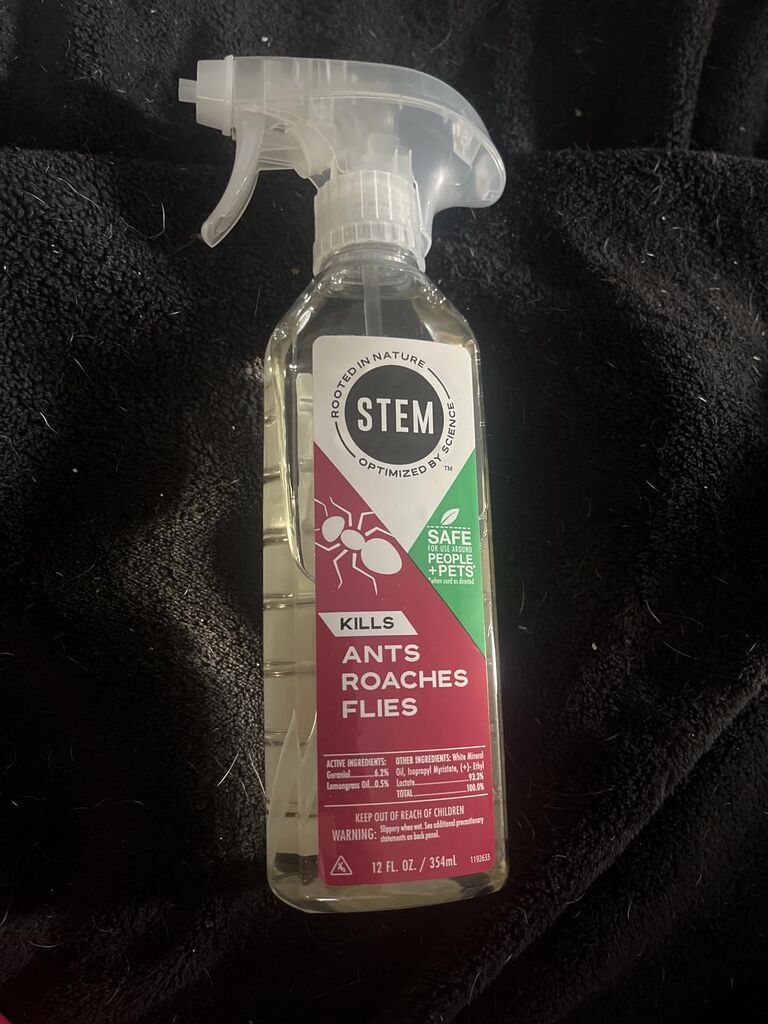
One standout feature is the absence of added dyes and fragrances. While many natural pest products lean heavily into essential oil scents (which we’ll discuss more with the peppermint options), STEM takes a more neutral approach. This makes it ideal for households with fragrance sensitivities or those who simply prefer their home to smell like nothing at all.
The trade-offs are worth noting. STEM leaves an oily residue that requires careful application – avoid spraying on delicate fabrics or unfinished wood surfaces. You’ll also need to reapply every 4-7 days, especially for outdoor use where weather degrades the active ingredients faster. But for the price point and performance, these are manageable compromises.
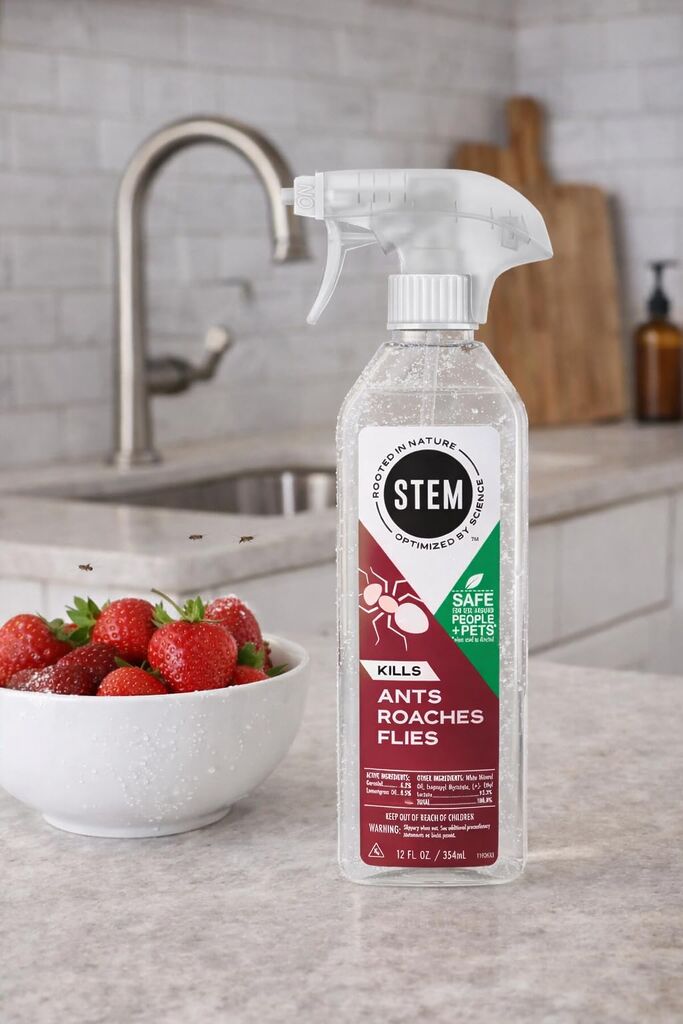
STEM shines as a grab-and-go solution for immediate pest problems. Keep a bottle under the kitchen sink for those moments when you spot an invader. The compact 12-ounce size fits easily in cabinets, and the trigger spray provides precise application without overspray.
The oily residue that STEM leaves behind can be problematic on certain surfaces. We recommend testing on an inconspicuous area before widespread application. Tile, linoleum, and sealed countertops handle it well, but you may notice a slight sheen that requires wiping. The scent, while not artificially fragranced, is potent during application – ensure adequate ventilation.
100% food grade freshwater DE
OMRI listed for organic use
Includes powder duster
Mechanical killing action
HARRIS Food Grade Diatomaceous Earth represents a fundamentally different approach to pest control – one that works mechanically rather than chemically. This 4-pound bag contains fossilized remains of microscopic aquatic organisms called diatoms. To insects with exoskeletons like ants, roaches, fleas, and bed bugs, it acts like microscopic shards of glass that scratch their protective coating and cause dehydration.
The food-grade classification is crucial. Unlike industrial DE varieties that may contain crystalline silica, this formulation is completely safe for humans and pets when used as directed. It’s even OMRI listed, meaning it’s approved for organic gardening and pest control by the Organic Materials Review Institute. You can apply it in pantries, around pet food storage, and anywhere you want zero chemical exposure.
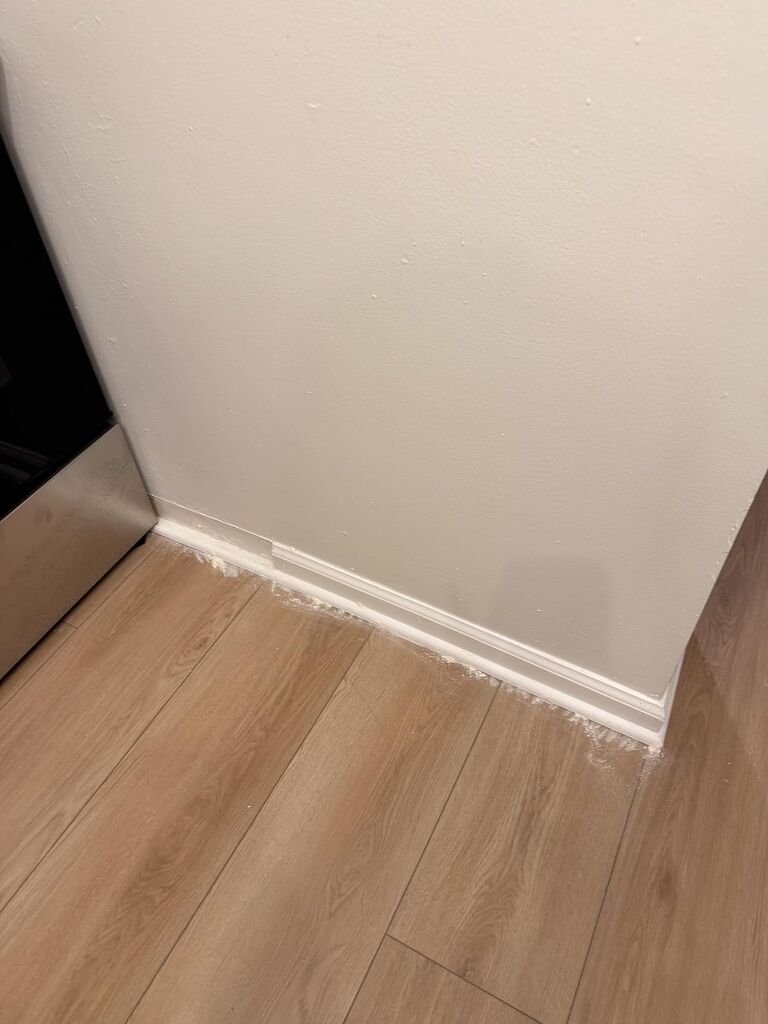
What makes diatomaceous earth particularly valuable is that insects cannot develop resistance to it. While chemical pesticides may become less effective over time as pest populations adapt, DE’s physical action remains consistently lethal. The included powder duster makes application significantly easier – simply squeeze the bulb to create a fine dusting along baseboards, behind appliances, in cabinet corners, and anywhere you notice pest activity.
The 4-6 hour kill time requires patience – this isn’t an instant solution like contact sprays. However, the residual protection lasts as long as the powder remains in place. In dry indoor environments, a single application can remain effective for weeks or even months. Just remember that moisture deactivates DE, so reapplication is necessary after cleaning or in humid areas.
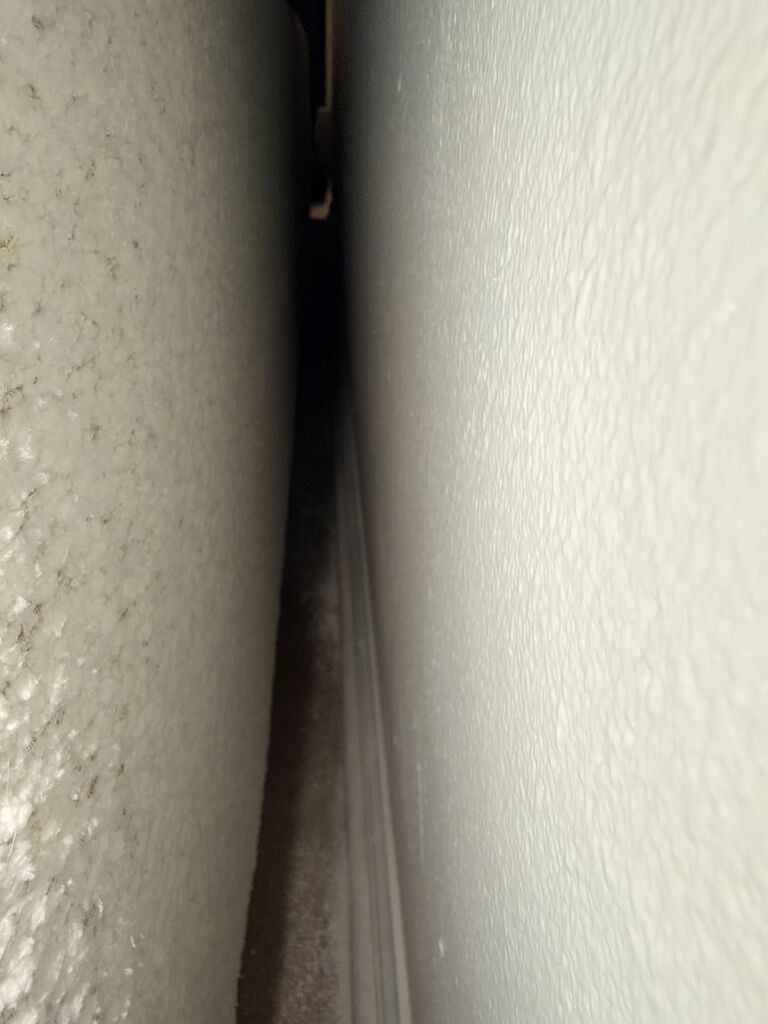
DE excels in situations where pests hide in fabrics and carpets. Sprinkle it liberally on pet bedding, leave for 24-48 hours, then vacuum thoroughly. For bed bugs, dust along mattress seams, box springs, and bed frames. The mechanical action penetrates hiding spots where sprays can’t reach effectively. Just be prepared for intensive vacuuming – you’ll want to use a shop vac rather than your regular vacuum to protect the motor and filters from the fine powder.
Despite being non-toxic, DE requires respect during application. The fine particles can irritate lungs if inhaled in quantity – always wear a dust mask and ensure good ventilation. Apply it as a thin film rather than piles; pests avoid thick deposits but walk through fine dust. Expect some mess during the treatment period, but the effectiveness against stubborn infestations makes it worthwhile for many households.
Professional-grade formula
Covers up to 4,500 sq ft
10-minute DIY application
Microcapsule suspension tech
Pestie brings professional-grade pest control into the DIY realm with their Home Barrier Kit. This isn’t a simple spray bottle – it’s a comprehensive system designed to create a protective perimeter around your home covering up to 4,500 square feet. The microcapsule suspension technology sets it apart from typical over-the-counter products, providing extended release of active ingredients for lasting protection.
The application process is surprisingly straightforward. The kit includes everything you need, and the company claims you can treat your entire home in 10 minutes or less. Simply walk the perimeter of your house, spraying along foundation walls, entry points, and windows. The formula targets common household invaders including cockroaches, ants, and spiders before they can make their way inside.

What makes Pestie particularly interesting is their subscription model. After your initial application, you can sign up for regular refills to maintain the barrier year-round. This addresses one of the biggest challenges with non-toxic pest control – the need for consistent reapplication. The professional-grade ingredients are designed to last longer than typical natural products while still maintaining safety standards for homes with families and pets.
However, user feedback reveals some inconsistencies. While many customers report excellent results and appreciate the convenience, others question the value proposition compared to purchasing individual products. The $65.99 price point is significantly higher than buying a few bottles of spray, though the coverage area and professional formulation justify the cost for larger homes or serious infestations.
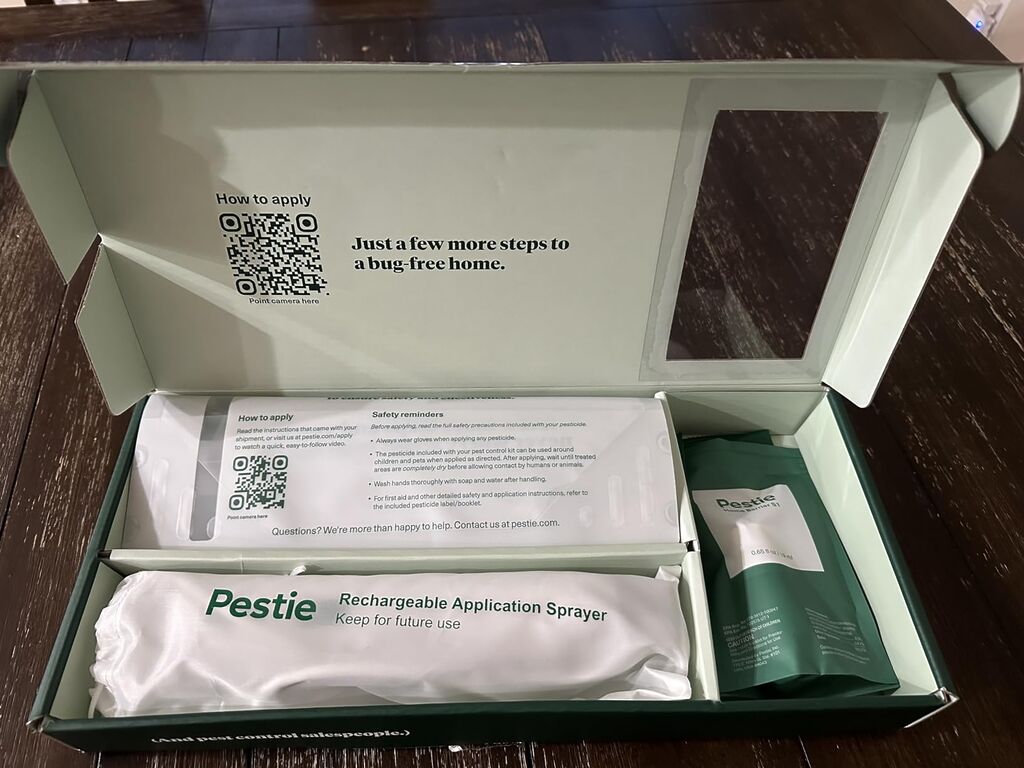
If you’re dealing with seasonal invasions – ants in spring, spiders in fall – the Pestie system creates a first line of defense that prevents pests from entering in the first place. The 4,500 square foot coverage handles most single-family homes, and the barrier approach means fewer pests make it inside to require indoor treatment.
Before purchasing, calculate the ongoing costs. The initial kit plus subscription refills adds up over time compared to buying individual products as needed. However, if the professional formulation saves you from hiring an exterminator (which can cost hundreds per visit), the math works in your favor. Some users report sprayer quality issues, so inspect your kit immediately upon receipt.
64 oz ready-to-use spray
Lemongrass & cornmint oils
Kills ants, roaches, spiders
Indoor & outdoor use
EcoLogic delivers serious value with their 64-ounce ready-to-use spray bottle. At around $13.49 for this substantial size, it’s one of the most economical natural pest control options per ounce. The formula relies on lemongrass oil and cornmint oil – two essential oils with established pest-repelling properties that have been used for generations in traditional pest management.
The large size makes this ideal for households that need regular applications or want to treat multiple areas. Use it indoors along baseboards, in dark corners, and around entry points. It’s also approved for outdoor use on screens, patios, and perimeter areas. The ready-to-use formulation means no mixing or dilution – just point and spray.
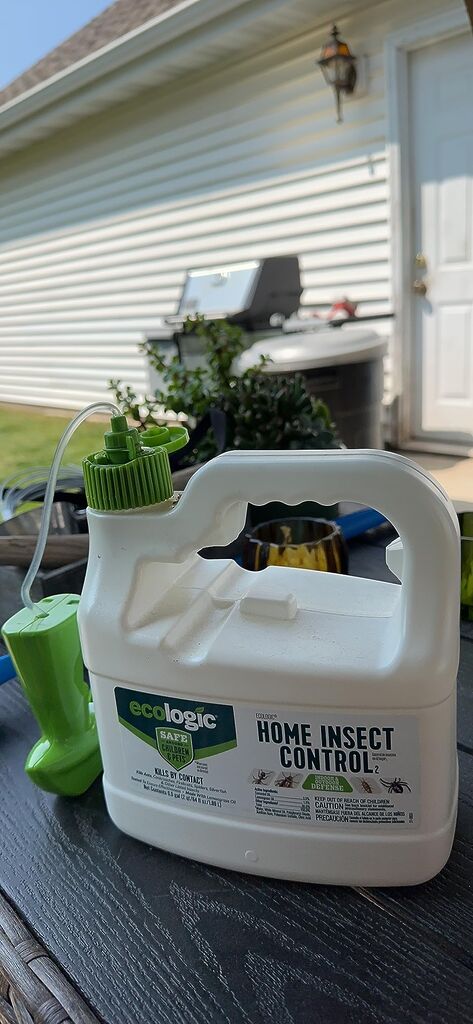
The scent profile is where EcoLogic differentiates itself. While peppermint dominates the natural pest control market, the lemongrass and cornmint combination offers a citrusy-fresh alternative. Many users find it more pleasant than overpowering peppermint, especially for frequent applications. The smell dissipates relatively quickly, leaving behind a subtle clean scent rather than lingering perfume.
Effectiveness ratings average 3.9 stars, which reflects the reality of natural pest control – results vary based on pest type, application method, and infestation severity. Users report the best success against ants and roaches, with more mixed results on spiders and persistent flying insects. The key is consistent application and realistic expectations about kill speed compared to chemical alternatives.
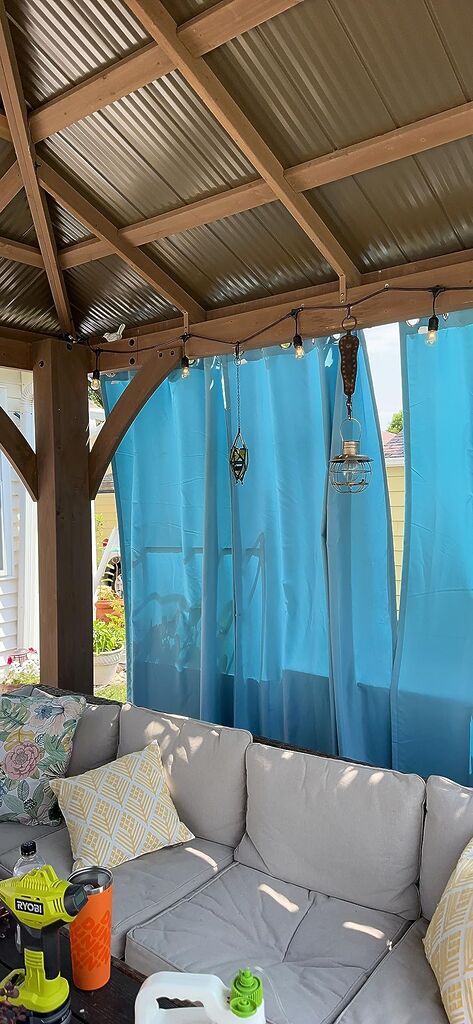
If you need to treat a large home or multiple properties, the 64-ounce size provides excellent coverage without breaking the budget. The ready-to-use formula saves time, and the natural ingredients mean you can apply liberally without safety concerns. For maintenance spraying and light infestations, this offers tremendous value.
EcoLogic works best as part of an integrated approach. For best results, combine with exclusion methods like sealing cracks and cleaning food sources. The natural formula requires more frequent application than chemical pesticides, so factor that into your pest management schedule. For severe infestations, you may need to supplement with faster-acting methods like diatomaceous earth.
Natural plant-based formula
Effective against spiders & ants
Safe for home & kitchen
Furniture-safe application
VermExon enters the natural pest control market with a focused peppermint oil formula that delivers results without the premium price of established brands. This 16-ounce spray targets spiders, ants, flies, and other common household insects using a high-purity peppermint oil base that pests find intolerable while humans generally find refreshing.
What immediately stands out is the furniture-safe application. Unlike some natural sprays that can leave oily residues on wood, fabric, or countertops, VermExon has been formulated to dry clean. This makes it practical for everyday use in living spaces where you don’t want to worry about damaging surfaces. Spray along baseboards, window frames, and door thresholds without covering furniture first.
The stable formula maintains potency between applications, which addresses a common complaint about natural pest products losing effectiveness when stored. Users report that a single bottle lasts through multiple applications, and the 4.2-star rating from over 2,000 reviews suggests consistent quality control. The peppermint scent is strong enough to repel pests but not overwhelmingly medicinal.
As a replacement for the currently unavailable Mighty Mint 16 oz, VermExon holds its own. The formulation is similar in approach – peppermint oil as the primary active ingredient – with pricing that’s competitive in the market. While it lacks the brand recognition of Wondercide or STEM, early reviews indicate it performs comparably for routine pest maintenance.
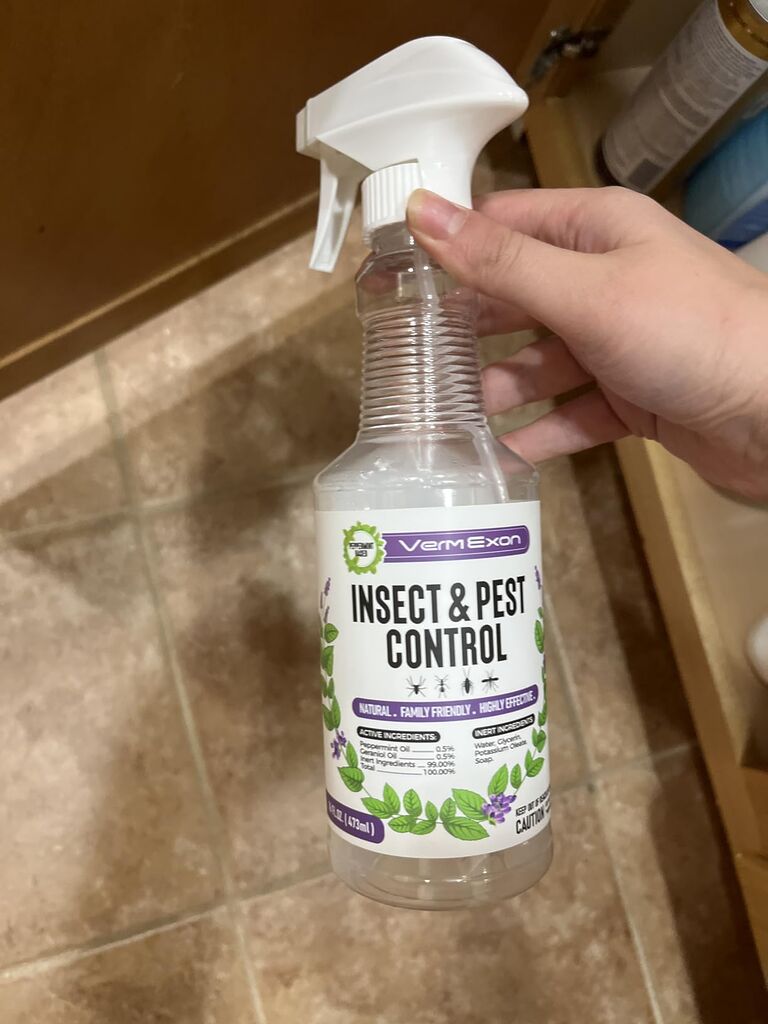
If you’re new to natural pest control and want to test the waters without a major investment, VermExon offers a low-risk entry point. At under $20, you can evaluate whether peppermint-based solutions work for your specific pest situation before committing to larger sizes or more expensive brands. The 16-ounce size provides enough product for multiple treatments in an average home.
This spray excels as a preventative measure rather than a knockout punch for active infestations. Apply it weekly during pest season to create a scent barrier that discourages entry. The natural formula means you can spray more frequently without safety concerns, building up a defensive perimeter that keeps most common household pests at bay.
Naturally kills & repels pests
Organic & natural ingredients
Fast acting & long lasting
Safe all around home
Eco Defense focuses on the organic certification angle that appeals to environmentally conscious consumers. This spray uses a blend of natural ingredients to kill and repel ants, roaches, spiders, and other home-invading pests without synthetic chemicals. The formulation emphasizes organic botanicals that have been used for centuries in natural pest management traditions.
The fast-acting formula delivers results quickly after application – users report seeing dead insects within minutes of treatment. This immediacy addresses one of the biggest concerns about natural products: the perception that they work too slowly compared to chemical alternatives. While it’s not instantaneous like some synthetic pesticides, it significantly outperforms many competing natural options in speed of action.
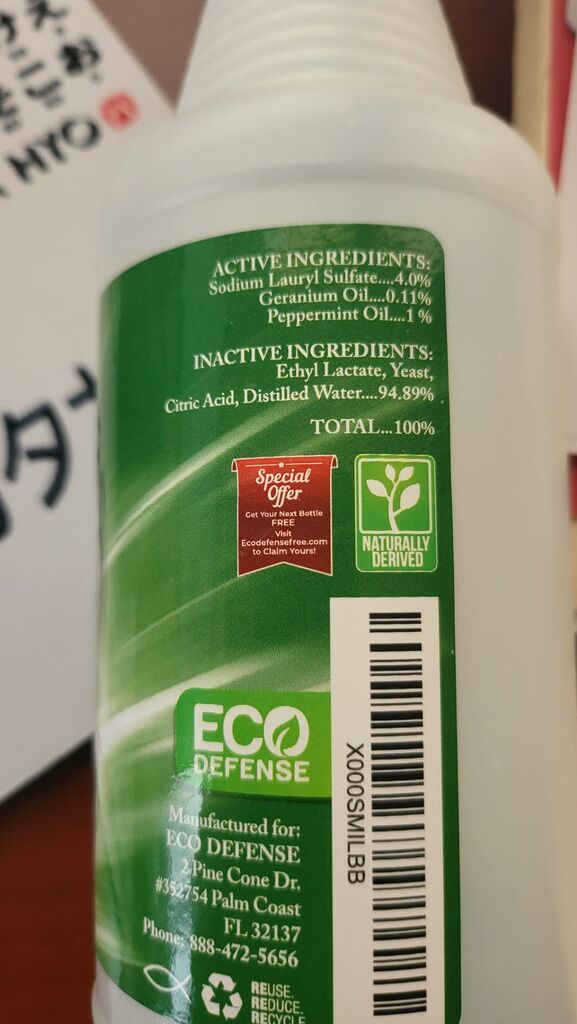
Safety remains the primary selling point. The non-toxic formulation allows application throughout the home without worrying about children or pets encountering treated areas. The pleasant scent – described by users as lemon-grassy or citrus-herbal – makes application far more tolerable than traditional pesticides that require evacuation and ventilation periods.
The 3.8-star rating reflects some limitations. Users consistently report excellent results against ants and spiders, but more mixed outcomes with cockroaches. The persistent nature of roach infestations often requires multiple treatment methods, and Eco Defense alone may not eliminate established populations. The sprayer quality receives occasional criticism, with some users transferring the product to their own spray bottles.
If your family prioritizes organic products across all categories – food, cleaning supplies, personal care – Eco Defense extends that commitment to pest control. The natural formulation aligns with organic lifestyle values while providing practical results. It’s particularly well-suited for homes that already use organic gardening methods and want consistency in their approach to pest management.
Like most natural pest products, Eco Defense requires more frequent application than chemical alternatives. Plan for weekly treatments during active infestations, scaling back to bi-weekly or monthly for maintenance. The trade-off for safety is additional effort, but many users find the peace of mind worth the extra time spent spraying.
Selecting the right non-toxic pest control solution requires understanding several key factors. Your choice depends on the specific pests you’re targeting, your household composition, and your tolerance for application frequency. Here’s what to evaluate before making a purchase:
Not all “natural” ingredients are equally safe. Look for products that clearly disclose their active ingredients rather than hiding behind vague “proprietary blend” labels. The safest natural pest control ingredients include cedarwood oil, peppermint oil, lemongrass oil, and cornmint oil. These essential oils have long histories of use and established safety profiles for humans and pets.
Products registered under EPA FIFRA 25(b) as “minimum risk pesticides” meet federal safety standards while remaining exempt from registration requirements due to their low toxicity. This classification indicates the EPA has reviewed the formulation and deemed it safe for use around humans and pets when directions are followed. Wondercide and several other products in our list carry this designation.
Different pests respond to different treatments. Ants generally succumb quickly to essential oil sprays, particularly those containing peppermint or citrus oils. Spiders are more resistant to chemical killing but highly sensitive to repellents – peppermint oil creates barriers they won’t cross. Roaches present the biggest challenge for natural products and often require diatomaceous earth or a combination approach. For specific ant control solutions, see our dedicated guide to the best non-toxic ant killers.
Consider the infestation severity as well. Light, occasional pest sightings respond well to any of the spray products reviewed. Moderate infestations may require diatomaceous earth for its residual action. Severe problems might need the professional-grade barrier approach that Pestie provides, or potentially multiple products working in concert.
How you apply pest control matters for both effectiveness and your willingness to maintain treatment. Trigger sprays work best for spot treatments and immediate kills. Powder dusters (included with diatomaceous earth) excel at creating long-lasting barriers in hard-to-reach areas. Perimeter spray systems like Pestie handle whole-home protection but require more significant initial investment of time and money.
Consider your living situation. Apartment dwellers might prefer compact spray bottles that store easily under sinks. Homeowners with yards may benefit from the larger coverage options. Families with young children need products safe enough that accidental contact isn’t a crisis. Match the application method to your lifestyle for consistent use.
Diatomaceous earth deserves special consideration because it works completely differently from chemical or botanical pesticides. This fine powder consists of fossilized diatoms – microscopic aquatic organisms with silica skeletons. When insects with exoskeletons contact DE, the microscopic sharp edges scratch their protective waxy coating, causing them to dehydrate and die within hours.
The advantages are significant: insects cannot develop resistance to physical destruction, the effect lasts as long as the powder remains dry and in place, and it’s completely non-toxic to mammals. Food-grade DE is safe enough to handle with bare hands (though a dust mask is recommended to avoid inhalation). The OMRI listing means it’s approved for organic use, extending its appeal to gardeners and those committed to chemical-free living.
The downsides involve application logistics. DE works best as a thin film – thick piles actually repel insects who will walk around rather than through. It becomes ineffective when wet, requiring reapplication after cleaning or in humid environments. The powder can be messy, and you’ll need to vacuum frequently during treatment periods. For garden applications, see our guide to the best insecticidal soaps for gardens.
While not featured in our top product selections, neem oil remains one of the most effective botanical insecticides available. Derived from the seeds of the neem tree, this oil disrupts insect feeding and reproduction rather than killing on contact. It’s particularly effective for garden pest control and indoor plants, though less common for household crawling insect management.
The delayed action of neem – it can take days to kill insects – makes it less suitable for immediate household pest elimination but excellent for long-term population control. Neem products often carry OMRI listing and fit well into integrated pest management strategies. For severe indoor infestations, you’ll likely want faster-acting options, but neem deserves consideration for comprehensive natural pest programs.
True non-toxic pest control extends beyond human safety to ecosystem health. Plant-based ingredients break down naturally without persisting in soil or water systems. Beneficial insects like pollinators face less risk from botanical products compared to synthetic pesticides, though direct application should still be avoided on flowering plants where bees forage.
Consider packaging waste as well. Concentrated formulas that dilute with water reduce plastic consumption compared to ready-to-use sprays. Products with refill options, like Pestie’s subscription model, minimize ongoing waste. These factors matter if your commitment to eco-friendly living extends to purchasing decisions beyond just ingredient safety.
Natural pest control comes with scent – it’s unavoidable when using essential oils. Peppermint dominates the market for good reason (pests hate it), but not everyone loves a minty home. Lemongrass offers a citrus alternative, while cedarwood provides a woodsy, less medicinal aroma. Fragrance-free options like STEM exist for the scent-sensitive.
Consider who shares your space. Some pets, particularly cats, may be more sensitive to strong essential oil odors than others. Infants and people with respiratory sensitivities might react to concentrated natural scents. If anyone in your household has fragrance sensitivities, test products in small areas before widespread application.
Natural pest control products typically cost more per ounce than conventional pesticides. The price reflects ingredient quality, smaller production scales, and the lack of cheap synthetic chemicals. However, calculate value over time rather than just upfront cost. Products requiring less frequent application (like diatomaceous earth’s residual effect) may actually cost less per month of protection than cheaper options needing weekly reapplication.
Bulk sizes like EcoLogic’s 64-ounce option reduce per-ounce costs significantly. Consider whether you need concentrated professional-grade formulations or if ready-to-use products serve your needs. DIY combinations – like pairing an affordable essential oil spray with food-grade DE – can provide comprehensive coverage while managing costs.
Yes, non-toxic pest control solutions exist and are regulated by the EPA under FIFRA 25(b) as minimum risk pesticides. These products use natural ingredients like essential oils (peppermint, cedarwood, lemongrass) and botanical extracts that are safe for humans and pets when used as directed. While they work differently than synthetic chemicals – often requiring more frequent application – they provide effective pest management without the health risks associated with traditional pesticides.
The least toxic pesticides are those classified as FIFRA 25(b) exempt minimum risk pesticides. These include products made with food-grade diatomaceous earth, essential oil formulations (cedarwood, peppermint, lemongrass), and insecticidal soaps. Diatomaceous earth is arguably the least toxic option since it works mechanically rather than chemically – it’s essentially fossilized algae that physically damages insect exoskeletons. It’s food-grade safe for humans and pets while remaining lethal to crawling insects.
The safest pest control combines prevention methods (sealing entry points, removing food sources) with natural products like food-grade diatomaceous earth and essential oil sprays. For households with children and pets, look for EPA-registered minimum risk pesticides (FIFRA 25(b) exempt) from brands like Wondercide, STEM, and EcoLogic. These products disclose all ingredients, have established safety profiles, and work without synthetic neurotoxins found in conventional pesticides.
To eliminate bugs without chemicals, use an integrated approach: seal cracks and entry points, eliminate food and water sources, and apply natural treatments. Use food-grade diatomaceous earth along baseboards and behind appliances. Spray essential oil solutions (peppermint or cedarwood) at entry points. Set out sticky traps for monitoring. For ants, try borax mixed with sugar. Maintain cleanliness – regular vacuuming removes eggs and food particles. These methods combined create an environment where pests cannot thrive without synthetic chemicals.
Most non-toxic pest control solutions are formulated to be safe around children and pets when used as directed. Products registered under EPA FIFRA 25(b) as minimum risk pesticides meet strict safety standards. Essential oil-based sprays from brands like Wondercide and STEM are specifically designed for homes with families. However, always follow label instructions, allow sprays to dry before letting pets walk on treated surfaces, and store all pest products out of reach of children. Diatomaceous earth requires a dust mask during application to avoid inhalation.
The effectiveness duration varies by product type. Essential oil sprays typically last 4-7 days before requiring reapplication. Diatomaceous earth remains effective indefinitely as long as it stays dry and undisturbed – vacuuming or moisture requires reapplication. Professional-grade barriers like Pestie claim longer-lasting protection due to microcapsule technology, often 2-4 weeks. Generally, natural products require more frequent application than synthetic pesticides, which is the trade-off for safety.
Many non-toxic pest control products work for both indoor and outdoor applications. Wondercide, STEM, and EcoLogic sprays are labeled for interior use as well as perimeter treatment around doors, windows, and foundations. Diatomaceous earth can be applied in dry outdoor areas along foundation walls. However, natural products break down faster outdoors due to weather exposure, requiring more frequent reapplication. For outdoor mosquito control specifically, see our non-toxic mosquito spray recommendations.
Many natural pest control products have noticeable scents due to their essential oil ingredients. Peppermint-based products create a strong minty aroma that many find pleasant but can overwhelm sensitive individuals. Lemongrass and cedarwood alternatives offer different scent profiles. Some products like STEM specifically avoid added fragrances. The scents typically dissipate within hours to a day. If fragrance sensitivity is a concern, choose unscented options or diatomaceous earth, which is odorless.
Application frequency depends on the product type and pest pressure. Essential oil sprays generally need reapplication every 4-7 days for active infestations, or weekly for prevention during pest season. Diatomaceous earth only requires reapplication when it gets wet or is vacuumed up. For maintenance once pests are under control, monthly applications usually suffice. High-traffic areas, entry points, and locations with active pest sightings need more frequent attention than perimeter or preventive treatments.
The best non-toxic pest control solutions for 2026 prove that you don’t need harsh chemicals to maintain a pest-free home. Whether you choose the comprehensive protection of Wondercide, the budget-friendly effectiveness of STEM, or the mechanical approach of HARRIS Diatomaceous Earth, each product offers genuine pest management without compromising safety.
The key to success with natural pest control lies in understanding the trade-offs. These products require more frequent application than synthetic alternatives, and they work best as part of an integrated approach that includes sealing entry points and maintaining cleanliness. But for households with children, pets, or anyone concerned about chemical exposure, the extra effort delivers peace of mind that conventional pesticides cannot match.
For severe infestations or situations where natural products aren’t providing adequate control, consider exploring our guide to non-toxic extermination methods for additional strategies. The goal is effective pest management that protects both your home and the health of everyone who lives in it.
Choose the product that fits your specific needs, follow application instructions carefully, and stay consistent with your pest management routine. A pest-free, toxin-free home is absolutely achievable.
