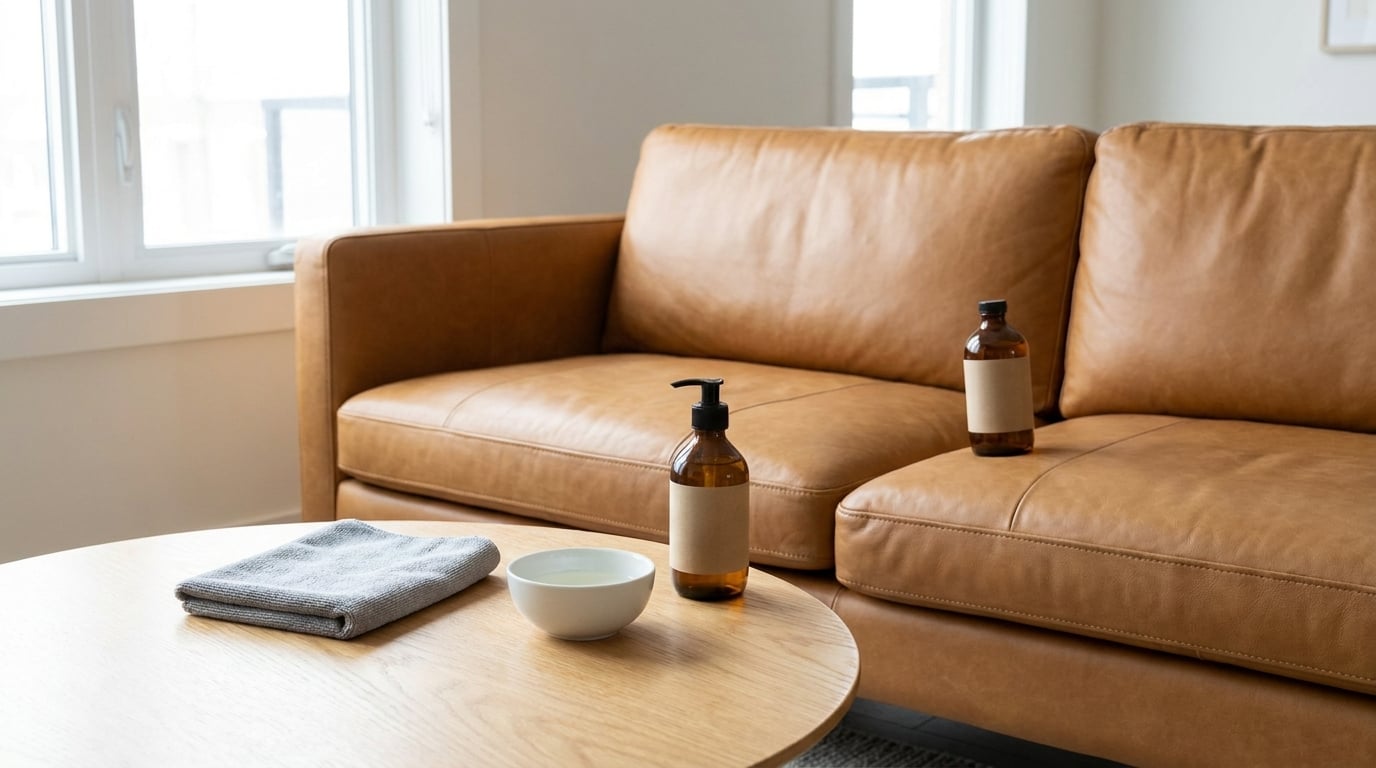


Your furniture might be making you sick. That statement surprised me too when our research team first started investigating indoor air quality three years ago. We spend roughly 90% of our lives indoors, and our furniture releases invisible chemicals into that air every single day.
The average sofa off-gasses volatile organic compounds (VOCs) for months after purchase. Your mattress? It might contain flame retardants linked to hormone disruption. The particleboard bookshelf in your home office could be releasing formaldehyde, a known carcinogen, for years.
This guide covers the best non-toxic furniture brands we have researched and verified. More importantly, we will show you how to identify genuine safe options while avoiding greenwashing traps that waste your money and compromise your health. Whether you are furnishing your first apartment, creating a nursery, or managing chemical sensitivities, this directory gives you the facts you need.
We have organized this guide to work alongside our other eco-friendly home decor resources, so you can build a healthier living space room by room.
Non-toxic furniture starts with the materials. When our team evaluates furniture brands, we look at three core components: what it is made of, how it is held together, and what finishes touch your skin.
Solid wood furniture remains the gold standard for non-toxic construction. It contains no adhesives releasing formaldehyde, requires minimal processing, and lasts decades with proper care. We prefer FSC-certified solid wood when available, ensuring responsible forestry practices back your purchase.
Engineered woods present more concerns. Medium-density fiberboard (MDF), particleboard, and plywood rely on adhesives containing urea-formaldehyde resins. These resins off-gas formaldehyde continuously, particularly during the first two years after manufacturing. California Air Resources Board (CARB) Phase 2 standards and TSCA Title VI regulations limit formaldehyde emissions, but they do not eliminate them entirely.
Some brands use no-added-formaldehyde (NAF) or ultra-low-emitting-formaldehyde (ULEF) resins in engineered woods. These represent better options when solid wood exceeds your budget, though we still recommend prioritizing solid wood for bedrooms and nurseries.
Foam cushions deserve scrutiny. Conventional polyurethane foam contains flame retardants, off-gasses VOCs, and breaks down into dust you breathe. We look for natural latex foam instead, made from rubber tree sap. It offers comparable comfort without chemical concerns.
Fabric choices impact your exposure too. Organic cotton, linen, and hemp avoid pesticide residues and synthetic dye chemicals. Wool upholstery provides natural flame resistance without added chemicals. For leather options, vegetable-tanned varieties avoid the chromium processing linked to respiratory issues.
That beautiful dark stain on your dining table? It might contain VOCs linked to headaches, dizziness, and respiratory irritation. Zero-VOC and low-VOC finishes use water-based or plant-oil formulas that perform beautifully without the health trade-offs.
For DIY enthusiasts, we have tested Rubio Monocoat and Titebond III with excellent results. These products let you finish unfinished solid wood furniture safely at home.
California Technical Bulletin 117-2013 changed the furniture industry. This updated standard allows manufacturers to meet flammability requirements without chemical flame retardants in many cases. Wool, cotton treated with boric acid, and certain construction methods provide natural fire resistance.
Always ask manufacturers directly about flame retardants. If they cannot provide a clear no, assume chemicals are present.
Third-party certifications cut through marketing claims. When we evaluate furniture, these certifications carry the most weight.
GREENGUARD Gold tests for over 360 VOCs with strict emission limits. Products certified at this level meet health-based criteria for sensitive individuals including children and the elderly. We prioritize GREENGUARD Gold certified pieces for bedrooms and nurseries where exposure duration peaks.
The Global Organic Textile Standard (GOTS) certifies organic fiber content throughout the supply chain. The Global Organic Latex Standard (GOLS) does the same for latex products. These certifications require organic raw materials plus restrictions on chemical processing.
OEKO-TEX tests textiles for harmful substances at all processing stages. While not an organic certification, it provides confidence that fabrics touching your skin contain no toxic residues.
Forest Stewardship Council certification tracks wood from forest to finished product. It ensures responsible harvesting, fair labor practices, and chain-of-custody documentation. FSC-certified furniture supports both health and environmental goals.
CertiPUR-US certifies foam made without certain flame retardants, heavy metals, and formaldehyde. CARB II and TSCA Title VI address formaldehyde emissions in composite wood products. While helpful, these represent minimum standards rather than premium health protection.
Understanding what to avoid helps you shop smarter. These chemicals appear regularly in conventional furniture.
Formaldehyde, classified as a known human carcinogen by the International Agency for Research on Cancer, serves as the primary adhesive in particleboard and MDF. It off-gasses continuously, with emissions highest during the first six to twenty-four months. Symptoms include eye irritation, respiratory issues, and skin reactions.
Per- and polyfluoroalkyl substances (PFAS), often called forever chemicals, resist breaking down in the environment and human body. Manufacturers apply them to fabrics for stain and water resistance. Research links PFAS exposure to immune system effects, thyroid disruption, and certain cancers. We specifically seek PFAS-free furniture, particularly for homes with children who spend time close to furniture surfaces.
Organohalogen flame retardants bioaccumulate in human tissue and have been detected in breast milk, blood, and umbilical cord blood. Studies associate them with reduced IQ in children, hormone disruption, and reproductive issues. While regulations have reduced their use, many imported furniture pieces still contain these chemicals.
Volatile organic compounds evaporate at room temperature, releasing into your indoor air. Conventional stains, varnishes, and adhesives contain VOCs including benzene, toluene, and xylene. Off-gassing typically peaks in the first few weeks but can continue for years with certain materials.
After evaluating dozens of manufacturers, these brands consistently meet our standards for material transparency, third-party certifications, and verified low-chemical construction.
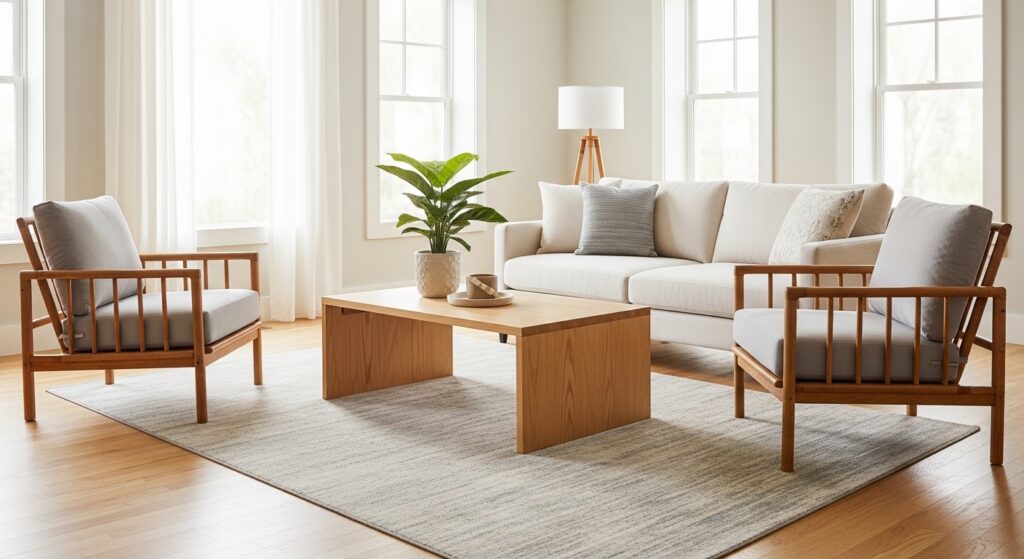
Avocado has built a reputation as the gold standard for verified non-toxic furniture. Every piece carries GREENGUARD Gold certification, ensuring rigorous VOC testing. Their materials include GOTS-certified organic cotton, GOLS-certified organic latex, and FSC-certified solid wood.
Manufacturing happens in their Los Angeles factory using renewable energy. Their furniture line includes bed frames, dressers, nightstands, and the beloved non-toxic couches our readers consistently praise. We particularly recommend Avocado for nurseries and bedrooms given their comprehensive certification portfolio.
Price positioning sits in the premium tier, with sofas starting around $3,000 and bed frames around $1,500. For families prioritizing verified safety and long-term durability, Avocado delivers exceptional value despite the higher initial investment.
Medley offers something rare in the non-toxic furniture space: full customization at mid-premium pricing. Choose your frame material, cushion fill, and fabric across their sofa, sectional, and bed frame collections.
All wood is FSC-certified solid hardwood. Cushions use natural latex or recycled fiber fills. Fabrics include organic options and OEKO-TEX certified textiles. Their construction avoids toxic glues, relying on traditional joinery methods instead.
Their returned section on the website offers significant discounts on open-box items, making Medley more accessible for budget-conscious shoppers. We appreciate their transparency about materials and willingness to answer detailed customer questions. Pricing ranges from $2,000 for armchairs to $4,500+ for sectionals.
Savvy Rest started as an organic mattress company and expanded into furniture with the same rigorous standards. Based in Virginia, they manufacture beds, platform frames, and seating using certified organic materials.
Their furniture carries both GOTS and GOLS certifications. Solid wood construction uses no particleboard or MDF. Finishes rely on zero-VOC plant-based oils. For chemically sensitive individuals, Savvy Rest consistently earns positive reviews in our community feedback.
Prices reflect premium positioning, with bed frames starting around $2,000. Their Arlington platform bed remains particularly popular among readers seeking sturdy, beautiful, and verified non-toxic bedroom furniture.
Sabai Design approaches non-toxic furniture through sustainability and circular design. Their pieces use recycled and plant-based materials including recycled velvet, recycled polyester, and FSC-certified wood.
The modular design allows you to expand or reconfigure pieces as needs change. Their repair program and buyback initiative keep furniture out of landfills. While not carrying as many third-party certifications as Avocado or Savvy Rest, Sabai prioritizes material transparency and responsible sourcing.
Pricing falls in the accessible mid-range, with sofas starting around $1,500. For environmentally conscious shoppers who value flexibility, Sabai offers compelling value without compromising health standards.
Burrow made waves with their modular sofa system designed for urban living and easy assembly. Their sustainability focus includes FSC-certified wood, recycled fabrics, and responsible manufacturing partners.
While Burrow does not emphasize certifications as heavily as some brands on this list, they maintain transparency about materials and prioritize durability over disposable furniture culture. Their direct-to-consumer model keeps prices competitive, with sofas starting around $1,400.
We recommend Burrow for apartment dwellers and those seeking flexible, modern designs without premium price tags. Their washable covers and modular components extend furniture lifespan significantly.
Anabei took a novel approach to non-toxic furniture: eliminate glue entirely. Their steel-frame sofas and sectionals use mechanical fasteners rather than adhesives, removing a major VOC source from the equation.
Fabric covers are removable and washable, extending furniture life and reducing allergen buildup. The steel construction eliminates engineered wood concerns entirely. For families with young children or pets, this washability feature proves invaluable.
Pricing ranges from $1,800 for loveseats to $3,200 for sectionals. While not the cheapest option, Anabei offers unique construction benefits unavailable from traditional manufacturers.
The Futon Shop offers one of the most affordable entry points into non-toxic furniture. Their chemical-free futons, platform beds, and mattresses use organic cotton, wool, and natural latex options.
We appreciate their wide range of firmness options and straightforward construction. Solid wood frames avoid particleboard. Organic mattresses carry proper certifications. For guest rooms, starter apartments, or budget-conscious families, The Futon Shop delivers genuine non-toxic options under $1,000.
Some readers report frame durability concerns over multi-year use, so we recommend them for lighter-use situations or as stepping stones toward premium pieces.
EcoBalanza handcrafts custom organic sofas in Seattle with obsessive attention to material safety. Every component is scrutinized: organic cotton fabrics, natural latex cushions, FSC-certified hardwood frames, and zero-VOC plant-based finishes.
This is boutique furniture at premium prices, with sofas starting around $5,000. For chemically sensitive individuals or those prioritizing the absolute highest material standards, EcoBalanza represents the pinnacle of non-toxic furniture craftsmanship.
Cisco Home operates from Los Angeles, crafting furniture with natural materials and sustainable practices. Their collection spans mid-century to contemporary styles, all built with solid wood, natural fibers, and low-impact finishes.
They emphasize local manufacturing, reducing transportation emissions while supporting craft traditions. Their Living Room collection particularly impresses us for combining style rigor with material integrity. Prices range from $3,000 to $6,000+ for sofas.
Masaya & Co creates handcrafted furniture from reclaimed teak and solid tropical hardwoods. Their reforestation mission plants trees for every piece sold, with over 1.2 million trees planted to date.
The solid wood construction uses traditional joinery without toxic glues. Natural oil finishes enhance the wood grain without chemical concerns. For dining furniture, desks, and accent pieces, Masaya offers beautiful, lasting options around $2,000 to $4,000.
VivaTerra curates sustainable furniture from global artisans, emphasizing reclaimed materials, recycled content, and responsible sourcing. Their collection spans multiple styles and price points, offering accessibility for various budgets.
While certification levels vary across their curated collection, VivaTerra vets partners for environmental and social responsibility. We recommend them for accent pieces, dining furniture, and decor items in the $500 to $2,500 range.
We receive constant questions about mainstream furniture retailers. Here is what our research found.
IKEA has improved significantly. They eliminated flame retardants in most upholstered furniture and comply with strict formaldehyde regulations. However, their reliance on particleboard and engineered woods means continued low-level formaldehyde emissions. We consider IKEA acceptable for budget-constrained shoppers but recommend prioritizing their solid wood options and allowing extended off-gassing time.
West Elm and Pottery Barn offer some certified collections but mixed transparency across their full lines. GREENGUARD-certified pieces exist within their catalogs, but you must verify specific items rather than trusting brand-wide safety.
Room and Board emphasizes American manufacturing and offers some solid wood options. Their transparency about materials exceeds typical big-box retailers, though certification levels vary by product line.
Crate and Barrel carries some sustainable collections but limited certified non-toxic options. We recommend checking individual pieces for GREENGUARD or similar certifications rather than assuming safety.
Ashley Furniture concerns us based on user reports. Multiple chemically sensitive individuals in our community reported severe reactions to Ashley pieces despite flame-retardant-free claims. We recommend avoiding Ashley until they demonstrate improved material transparency.
Greenwashing runs rampant in furniture marketing. As the GreenWashing Index team, we have developed specific criteria to identify genuine sustainability from marketing spin.
Words like eco-friendly, natural, green, and sustainable carry no legal definition. Without third-party verification, these terms mean nothing. We ignore them and look for specific material descriptions and certifications instead.
Be skeptical when brands emphasize one green attribute while hiding others. A sofa marketed as made with organic cotton might still contain toxic foam and flame retardants. Beautiful nature photography and earth-tone packaging often mask conventional chemical construction.
Watch for irrelevant claims too. Recyclable packaging does not make toxic furniture healthy. Carbon-neutral shipping does not eliminate formaldehyde off-gassing.
Always check certification validity independently. Visit GREENGUARD’s product database directly to confirm claims. Ask brands for certification numbers and verify with issuing bodies. Legitimate brands welcome this scrutiny; greenwashers resist it.
When contacting manufacturers, ask specific questions: What adhesives do you use? Are flame retardants present? What finish products coat the wood? Do you use PFAS treatments on fabrics? Brands committed to non-toxic production answer clearly. Evasive responses signal concerns.
Non-toxic furniture carries premium pricing, but strategic approaches make it accessible.
Prioritize bedrooms and nurseries first. You spend eight hours daily breathing near your bed. Children play on floors and nap on furniture. Living room upgrades can follow as budget allows.
Consider IKEA’s solid wood lines as entry points. Their unfinished pine furniture offers affordable foundations you can finish yourself with safe products.
Vintage and secondhand furniture often represents the most affordable non-toxic option. Pieces made before widespread chemical treatments have already off-gassed any concerns. Solid wood antiques provide durable, character-rich options at fraction of retail prices.
Reupholstering vintage frames with organic fabrics and natural latex creates custom non-toxic pieces for less than new premiums. Local upholsterers can transform a $300 solid wood vintage find into a $1,200 custom sofa comparable to $4,000 new options.
Check returned sections on premium brand websites. Medley, Avocado, and others discount open-box items significantly. Floor models at local sustainable furniture stores often sell at 20-40% reductions.
Time purchases around major sales events. Earth Day, Black Friday, and new collection launches often bring meaningful discounts from sustainable brands.
Unfinished solid wood furniture from stores like IKEA, local lumber yards, or online retailers offers affordable starting points. Apply Titebond III for assembly, then finish with Rubio Monocoat or OSMO Polyx for beautiful, food-safe, zero-VOC results.
This approach requires effort but delivers custom, verified non-toxic pieces at mainstream prices.
Different rooms demand different priorities. Our room-by-room guidance helps you allocate budget strategically.
Bedrooms deserve your highest investment in non-toxic furniture. Eight hours of nightly breathing next to your bed frame and mattress creates significant cumulative exposure. Prioritize certified organic mattresses from Avocado, Savvy Rest, or similar brands.
Platform beds eliminate box springs, reducing potential exposure points. Solid wood dressers and nightstands prevent formaldehyde accumulation in enclosed sleeping spaces. Check our recommendations for non-toxic dining tables when furnishing adjacent areas.
Living rooms present challenges because sofas combine multiple material concerns: frame construction, cushion fill, fabric treatments, and fire safety requirements. We recommend starting with our detailed non-toxic couches guide for room-specific sofa recommendations.
High-traffic exposure makes living room furniture worth prioritizing after bedrooms. Consider modular options from Sabai or Burrow that adapt as your needs change, extending useful life and improving long-term value.
Children face disproportionate risks from toxic furniture. Their developing bodies process chemicals differently, and they spend time close to floors and furniture surfaces where dust and residues accumulate.
Floor play creates direct contact exposure. Hand-to-mouth behavior increases ingestion risks. Prioritize Greenguard Gold certification for all nursery furniture. Consider non-toxic play couches for kids as safe activity centers.
We recommend Avocado, Savvy Rest, or EcoBalanza for nursery furniture given their comprehensive certifications and material transparency. Budget alternatives include The Futon Shop or secondhand solid wood pieces refinished safely.
For feeding areas, explore our guide on eco-friendly high chairs to extend non-toxic principles throughout your child’s environment.
The most non-toxic furniture uses solid wood construction, natural latex or organic fill materials, zero-VOC finishes, and carries third-party certifications like GREENGUARD Gold, GOTS, and GOLS. Brands like Avocado, EcoBalanza, and Savvy Rest consistently rank highest for verified material safety.
IKEA has improved significantly by eliminating flame retardants in most upholstered furniture and meeting strict formaldehyde emission standards. However, their extensive use of particleboard and engineered woods means continued low-level formaldehyde off-gassing. Choose their solid wood options when possible and allow extended airing time for any IKEA furniture.
Solid wood furniture without engineered components typically contains no formaldehyde. Brands using FSC-certified solid hardwood throughout their construction, including Avocado, Masaya & Co, and Cisco Home, offer formaldehyde-free options. Always verify that frames, legs, and supports use solid wood rather than veneered particleboard.
Multiple chemically sensitive individuals and health-focused consumers have reported adverse reactions to Ashley Furniture pieces, including headaches, dizziness, and respiratory irritation, despite flame-retardant-free claims. Until Ashley demonstrates improved material transparency and third-party certification, we recommend avoiding their furniture for health-conscious homes.
PFAS-free couches are available from brands like Medley, Avocado, Anabei, and Sabai Design. When shopping, specifically ask manufacturers whether fabrics receive stain-resistant treatments containing PFAS or forever chemicals. Look for untreated natural fabrics, organic cotton, or wool upholstery that relies on natural stain resistance rather than chemical treatments.
Verify non-toxic furniture by checking for third-party certifications like GREENGUARD Gold, GOTS, GOLS, or OEKO-TEX. Review material specifications for solid wood construction, natural latex or organic fills, and zero-VOC finishes. Contact manufacturers directly with specific questions about adhesives, flame retardants, and fabric treatments. Legitimate brands provide detailed, transparent responses.
Creating a non-toxic home does not happen overnight. Start with one room, one piece, one improvement at a time. Prioritize where you sleep, then expand to where you live and play.
The brands in this guide represent verified options we trust after years of research and community feedback. Use them as starting points, but always verify current certifications since manufacturing practices evolve.
Remember that sustainable outdoor furniture matters too. Your patio and garden spaces deserve the same attention to material safety as your interior rooms.
We update this guide regularly as new brands emerge and certifications change. Bookmark this page and check back quarterly for the latest recommendations in your journey toward healthier, truly non-toxic living spaces.
Have questions we did not answer? Our community of health-conscious homeowners shares experiences and recommendations daily. Join the conversation and help others navigate the complex world of non-toxic furniture.
