
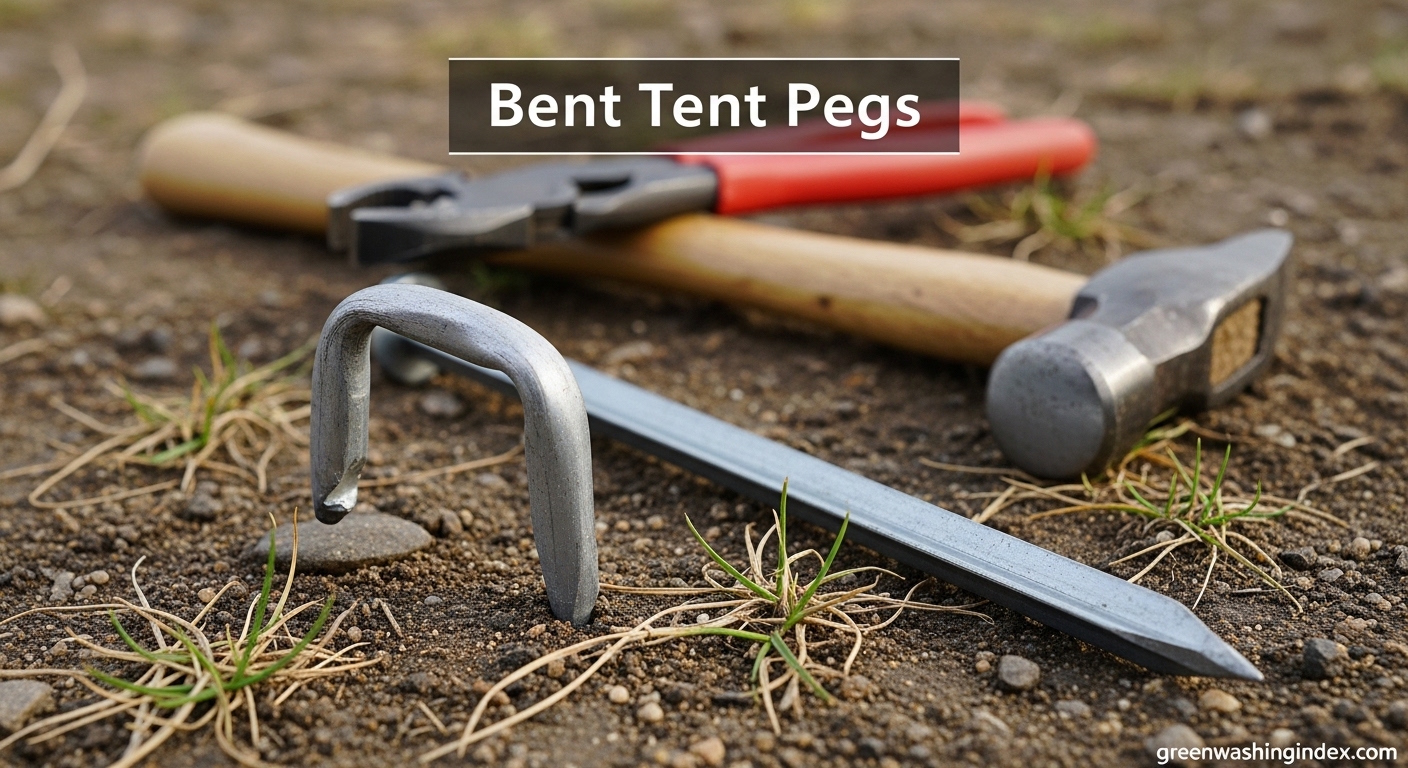
Every camper knows the frustration. You’re setting up camp as dusk approaches, hammering in the last few tent pegs, when suddenly one hits a hidden rock and bends at an impossible angle. Before you toss it in the trash and reach for a spare, consider this: that bent peg has plenty of life left with the right technique.
To fix bent tent pegs: 1) Assess the damage for cracks or severe fatigue, 2) Choose your repair method based on available tools, 3) Straighten gradually using controlled pressure, 4) Test the repaired peg before trusting it in critical guylines. Most aluminum and steel pegs can be restored in under five minutes.
I’ve spent the better part of two decades camping across terrains from Rocky Mountain granite to Appalachian hardpan, and I’ve bent my fair share of pegs. After watching fellow campers casually toss damaged gear into trash bags at campgrounds, I started tracking something interesting: the average set of tent pegs gets replaced after just 2-3 camping trips due to preventable bending damage.
This waste adds up. When you look at sustainable camping gear as a whole, tent pegs represent one of the most repairable items in your kit. Yet they’re also one of the most frequently discarded. The problem isn’t that pegs are disposable—it’s that most campers never learn proper repair techniques.
This guide covers everything you need to know about assessing damage, choosing the right repair method, and knowing when replacement is actually necessary. More importantly, we’ll explore why developing a repair mindset matters for both your wallet and the planet.
Tent pegs bend when applied force exceeds the metal’s yield strength. This happens more often than you’d expect because camping environments present countless hidden obstacles: rocks just beneath the surface, dense root systems, compacted soil, and frozen ground all conspire to deform your stakes.
Not all pegs bend equally. The material makes a tremendous difference. Aluminum 6061-T6, the most common tent peg material, has a yield strength around 40,000 psi. Steel pegs typically exceed 80,000 psi. This means aluminum will deform at roughly half the force required to bend steel.
Installation technique plays a surprisingly large role. I see campers make the same mistake repeatedly: hammering pegs straight into rocky ground at a 90-degree angle. This creates maximum resistance against the entire peg shaft. Proper installation requires angling the peg away from the tent at 30-45 degrees, letting the curved top hook the guyline while the shaft follows the path of least resistance through soil.
Your tent setup also influences peg stress. High winds create enormous tension on guylines—easily exceeding 50 pounds of force per line. A peg anchored in loose soil with poor angle will bend before the line slips. The combination of poor placement and weather stress explains why so many campers experience multiple bent pegs per trip.
Before attempting any repair, examine the peg carefully. Look for cracks, especially at the bend point. Check for signs of previous repairs. If the metal shows visible fatigue lines or feels brittle to the touch, replacement is the safer choice. But for straightforward bends without damage, three methods work reliably.
This method requires only a hammer and a flat surface—perfect for field repairs. I’ve used this technique on countless trips, from backcountry sites to established campgrounds.
The key here is controlled force. Don’t bash the peg wildly. Start with moderate strikes and increase pressure gradually. I’ve seen people turn a slight 30-degree bend into a pretzel by overcorrecting with excessive force.
For home repairs where you have access to tools, a bench vise provides the best control. This is my go-to method for pegs that have severe bends or need precise realignment.
Pro Tip: Wrap the vise jaws with a cloth or use protective pads to prevent marring the peg surface. This preserves the metal’s protective coating and prevents rust formation on steel pegs.
This method gives you maximum control over the straightening process. The vise holds the peg steady while you apply exactly as much force as needed. I prefer this approach for expensive MSR Groundhog or DAC stakes where precision matters.
Aluminum pegs that have been bent multiple times become work-hardened—brittle and resistant to further straightening. Heat treatment can restore some flexibility, but this method requires caution and should only be attempted outdoors with proper ventilation.
The camping community has shared a clever technique involving soap as a temperature indicator. By coating the peg in soap before heating, you create a visual marker: when the soap turns black, you’ve reached approximately 400-450°F—the right temperature for stress relief in aluminum.
Warning: Never overheat aluminum pegs. Above 600°F, aluminum’s structure changes permanently, and the peg will become dangerously weak. The soap turning black is your stop signal—remove from heat immediately.
This method effectively anneals the aluminum, relieving internal stress and making the metal more workable. However, each heating cycle slightly weakens the overall structure. I recommend using heat treatment no more than once per peg.
The material of your tent peg dramatically affects both its bending behavior and repair potential. Understanding these differences helps you choose the right pegs for your needs and set appropriate repair expectations.
| Property | Aluminum 6061-T6 | Steel (Galvanized) | Titanium |
|---|---|---|---|
| Yield Strength | 40,000 psi | 80,000+ psi | 120,000+ psi |
| Weight (7″ peg) | 0.5-0.7 oz | 1.5-2.0 oz | 0.4-0.5 oz |
| Repair Difficulty | Moderate (work-hardens) | Easy (ductile) | Difficult (very hard) |
| Bends Before | 1-2 hard impacts | 3-5 hard impacts | Rarely bends |
| Environmental Impact | High energy, recyclable | Moderate energy, recyclable | Very high energy, recyclable |
Work hardening is the critical concept for aluminum pegs. Each time you bend aluminum back and forth, it becomes harder and more brittle. Think of it like bending a paperclip—it becomes stiffer with each flex until it snaps. This is why aluminum pegs typically survive only 1-2 straightening attempts before they’re too compromised for safe use.
Steel behaves differently. It’s more ductile, meaning it can bend significantly without permanent damage. Galvanized steel pegs like those from Eurmax often survive 3-4 straightening cycles before fatigue becomes a concern. The trade-off is weight—steel pegs weigh nearly three times as much as aluminum equivalents.
Titanium offers the best of both worlds: incredible strength with minimal weight. But titanium’s hardness makes it difficult to straighten once bent. When titanium pegs deform, they often develop micro-fractures that aren’t visible to the naked eye. For this reason, I recommend replacement rather than repair for titanium stakes.
Not every bent peg deserves a second life. Learning to assess damage accurately prevents catastrophic failure during your next trip. I’ve developed a simple decision framework based on hundreds of peg evaluations over the years.
Repair if:
Replace if:
Safety Note: Never use a repaired peg for critical guylines in high-wind conditions. Designate your strongest pegs for primary anchors, and use repaired pegs for secondary lines or vestibole tie-outs where failure is less consequential.
The stakes are higher than you might realize. A failed guyline in 30 mph winds can collapse your tent and damage poles. After witnessing three separate tent failures due to compromised pegs over the years, I’ve become conservative about retirement. When in doubt, the recycling bin beats risking your shelter.
The best repair is prevention. After analyzing why my pegs bent across dozens of trips, I realized most failures were predictable—and preventable. The right peg selection combined with proper technique eliminates 80% of bending problems.
Different ground conditions demand different peg designs. Using the wrong peg for your terrain is like bringing a tennis racket to a baseball game.
I learned this lesson the hard way in Colorado’s alpine zone. My lightweight aluminum pegs were hopeless against the rocky soil at 11,000 feet. After bending half my set on the first night, I improvised with rocks and dead weight. The right pegs would have saved me hours of frustration and prevented the damage in the first place.
Proper installation reduces stress on pegs dramatically. The tent accessories market includes various gadgets, but technique matters more than equipment.
For backpacking equipment where weight is critical, bring one or two heavy-duty steel pegs for critical guylines and use lightweight aluminum for less important anchor points. This hybrid approach saves weight while ensuring reliability where it matters most.
Here’s where the conversation shifts from practical technique to something larger. Every tossed tent peg represents wasted energy, extracted resources, and unnecessary manufacturing emissions. In a world where outdoor gear marketing increasingly touts “sustainability” without substance, the repair-over-replace mindset becomes an act of environmental stewardship.
The numbers tell a compelling story. Manufacturing a single aluminum tent peg requires approximately 150-200 megajoules of energy—the equivalent of burning about 1.5 gallons of gasoline. Multiply that by the average camper’s peg replacement rate, and we’re looking at significant environmental impact for items that can serve for years with proper care.
Aluminum production is particularly energy-intensive. The Bayer process for refining bauxite into alumina, followed by the Hall-Heroult process for smelting aluminum, creates roughly 12-14 tons of CO2 per ton of aluminum. That’s a heavy footprint for a 0.5-ounce peg that gets tossed after a single bend.
Greenwashing: Marketing tactics that make products appear environmentally friendly without meaningful substance. In outdoor gear, “eco-friendly” tent pegs made from virgin aluminum or “sustainable” plastic stakes that won’t actually biodegrade represent common greenwashing practices.
The outdoor industry has a greenwashing problem. You’ll see pegs marketed as “heavy-duty” or “premium” with no data to back up these claims. Some brands advertise “eco-friendly” materials that are simply standard aluminum with green coloring. Others promote “recyclable” packaging while the product itself is designed for early replacement.
True sustainability means extending product life. Repairing a bent peg instead of buying new reduces demand for virgin materials, cuts manufacturing emissions, and keeps functional gear out of landfills. It’s a small act, but these small decisions compound. If every camper extended their peg lifespan by just 50% through proper repair, the collective impact would be substantial.
The camping essentials market would have you believe you need constant gear upgrades. The most sustainable choice is often what you already own, properly maintained. Repair culture challenges the throwaway mentality that outdoor marketing has spent decades cultivating.
When replacement becomes necessary, proper disposal matters. Steel and aluminum pegs are fully recyclable through standard metal recycling programs. Clean off dirt and soil before recycling, and remove any plastic caps or components. Titanium can also be recycled, though its value makes recovery more common in manufacturing than consumer recycling.
Place the peg on a flat surface and strike the bend with a hammer using controlled force. For better control, use a bench vise to secure the peg at the bend point and apply gradual pressure. Always check for cracks before attempting repair, and work slowly to avoid over-correction.
Yes, but with caution. Aluminum work-hardens with each bend, becoming more brittle. You can usually straighten aluminum pegs once or twice before they become too fatigued for safe use. Heat treatment with a soap temperature indicator can help restore flexibility for severely bent pegs.
Repeated bending typically means mismatched pegs for your terrain. Rocky or hard-packed ground requires thicker steel pegs rather than lightweight aluminum. Poor installation technique—driving pegs straight down instead of at an angle—also contributes. High winds with poor guyline placement create excessive tension that bends even quality pegs.
Replace if you see cracks, metal fatigue lines, or if the peg has been repaired multiple times already. Aluminum pegs should be retired after 1-2 repairs due to work hardening. Also replace any peg with damage at the guyline hook, as this is a critical stress point. When in doubt, recycling is safer than risking failure.
Titanium pegs offer the highest strength-to-weight ratio and rarely bend, but they’re expensive. For car camping, galvanized steel pegs from brands like Eurmax offer excellent durability at an affordable price. MSR Groundhog stakes are widely regarded as the best balance of strength, weight, and durability for general camping use.
Match peg type to terrain—steel for rocky ground, aluminum for soft soil. Always drive pegs at a 30-45 degree angle away from the tent rather than straight down. Create pilot holes in rocky areas before driving your peg. Use a rubber mallet instead of a rock or hammer for more controlled force application.
The bent tent peg in your hand represents a choice. You can toss it and buy new—feeding a cycle of waste that the outdoor industry profits from. Or you can spend five minutes with basic tools and extend its useful life by years. This small act of repair is a statement about what matters: resourcefulness over consumption, skill over spending, stewardship over convenience.
I still have aluminum pegs in my kit that I straightened five years ago. They carry the history of every campsite where they’ve held my shelter. Each straightened bend is a reminder that gear doesn’t have to be disposable to be convenient. The most sustainable piece of camping equipment is the one you already own.
The next time you’re wrestling with a bent peg at camp, take the time to fix it properly. Your wallet will thank you. The planet will thank you. And you’ll be keeping alive a tradition of repair that camping was built on.