
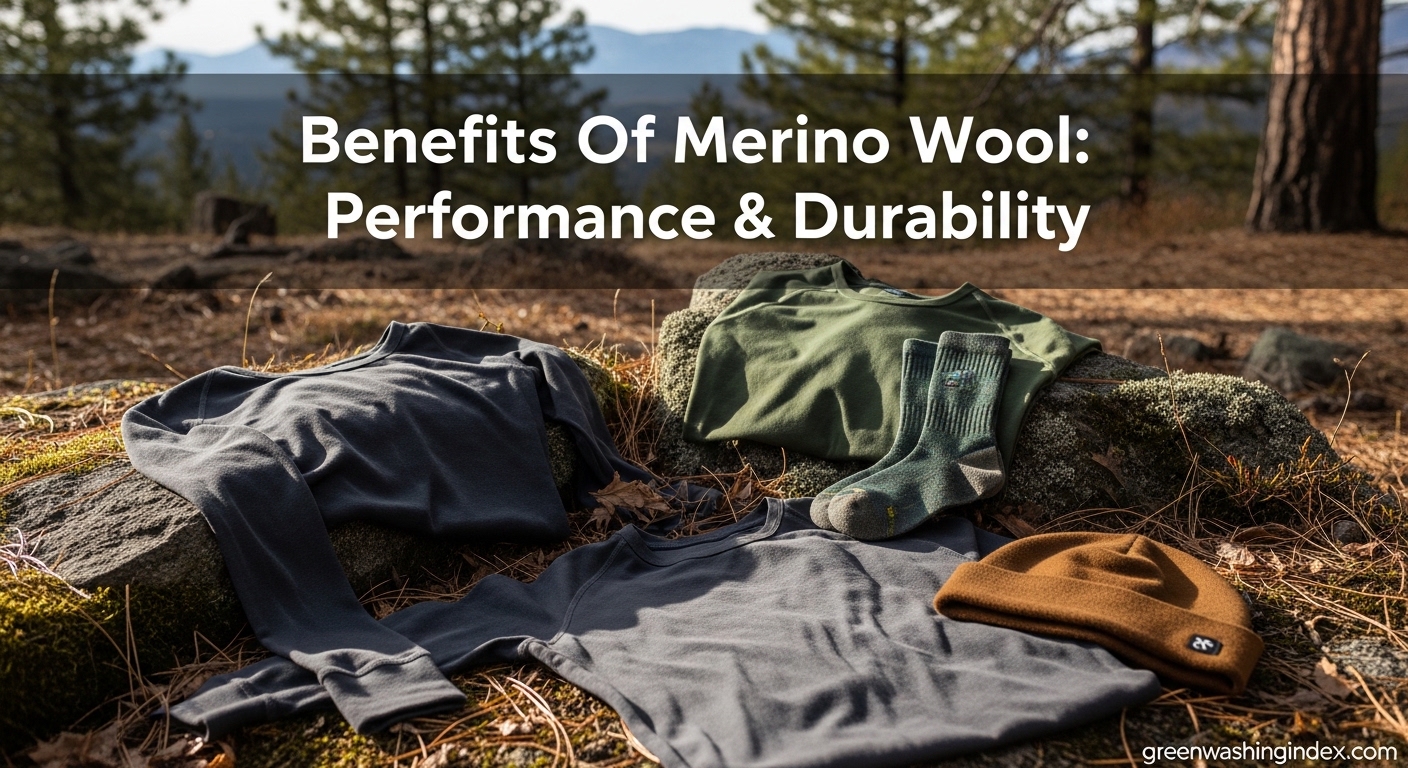
Merino wool is a superfine natural fiber from merino sheep that regulates temperature, resists odors, wicks moisture, and is softer than regular wool while being biodegradable and sustainable.
I’ve spent the past seven years testing performance fabrics for everything from alpine climbing to backpacking across Southeast Asia. After spending thousands on different base layers, I can tell you that merino wool is genuinely remarkable but not the miracle fabric some marketing makes it out to be.
The outdoor community loves merino for good reason. It keeps you comfortable across conditions that would make cotton useless and synthetics smelly. But after watching countless travelers disappointed by holes in elbows or surprised that their merino still smells, I want to give you the honest picture.
In this guide, I’ll walk you through what merino wool actually is, its real benefits, the downsides no one talks about, and how to spot greenwashing in wool industry claims.
Merino wool is a natural fiber produced by merino sheep, originally bred in Spain and now primarily raised in New Zealand and Australia. Unlike regular wool, which can feel prickly against the skin, merino fibers are incredibly fine with a micron count of 15-20 microns compared to 25-40 microns for traditional wool.
To put that in perspective, a human hair is about 50 microns. This extreme fineness is what makes merino soft against bare skin rather than itchy. The microscopic structure of merino fibers is naturally porous and crimped, creating thousands of tiny air pockets that provide insulation while allowing moisture vapor to pass through.
Micron Count: A measurement of fiber diameter in micrometers. Lower numbers indicate finer, softer wool. Ultrafine merino is under 15.5 microns, superfine is 15.6-18.5, while regular wool exceeds 23 microns and feels itchy.
Merino sheep are shorn annually, producing fleece that’s then processed into yarn. The entire process is renewable, with each sheep growing a new fleece each year. However, not all merino is created equal and quality varies significantly based on breed, farming practices, and processing methods.
Research from the Woolmark Company and testing by outdoor enthusiasts worldwide confirm these key advantages:
Temperature regulation works through merino’s unique fiber structure. The crimped fibers trap air for insulation, while the porous structure allows moisture vapor to escape. When you’re hot, sweat evaporates through the fabric, creating a cooling effect. When you’re cold, the air pockets provide insulation.
This thermoregulation happens passively. Your body heat drives the process, and the fabric responds automatically. It’s one reason merino performs well across varying conditions that would require layer changes with other materials.
Pro Tip: Choose merino weight based on your activity and climate. Lightweight (150 gsm) for warm weather, midweight (200-230 gsm) for versatility, and heavyweight (260+ gsm) for cold conditions.
The odor resistance comes from merino’s chemical structure, not magic. Wool fibers can absorb and lock away odor molecules within their structure. The keratin in wool also has natural antimicrobial properties that inhibit bacteria growth.
However, forum discussions reveal that odor resistance is not absolute. Some people still experience armpit odor, especially with heavy sweating. The fibers eventually saturate and need washing. Merino extends time between washes significantly compared to cotton or synthetics, but it doesn’t eliminate washing entirely.
Body chemistry matters too. Some people can wear merino for a week, while others notice odor after two days. Your sweat composition, diet, and microbiome all affect how merino performs for you personally.
After reviewing hundreds of user experiences on Reddit, ultralight forums, and Buy It For Life communities, here’s what marketing materials often gloss over:
Real Talk: I’ve seen users spend $500 on merino wardrobes only to have multiple items develop holes within a year. Merino is genuinely excellent for specific use cases like travel and outdoor activities, but may not be the best investment for daily wear where durability matters more than performance.
Understanding how merino compares to alternatives helps you make informed decisions. Here’s a detailed breakdown:
| Property | Merino Wool | Cotton | Polyester |
|---|---|---|---|
| Odor Resistance | Excellent (3-5 days) | Poor (1 day) | Fair (1-2 days) |
| Moisture Wicking | Excellent (absorbs 30% weight) | Poor (holds moisture) | Good (repels moisture) |
| Temperature Regulation | Excellent (natural) | Fair | Poor |
| Drying Time | Slower | Slowest | Fastest |
| Durability | Fair (holes common) | Good | Excellent |
| Softness | Excellent (low micron) | Excellent | Variable |
| Wrinkle Resistance | Excellent | Poor | Excellent |
| Biodegradable | Yes (6-12 months) | Yes (5-6 months) | No (200+ years) |
| Microplastic Shedding | None | None | Significant |
| Typical Price | High ($80-120) | Low ($20-40) | Low-Mid ($30-60) |
For travel and hiking, merino clearly outperforms cotton. Cotton absorbs moisture and holds it, leaving you wet and chilled. It also develops odors quickly and takes forever to dry. Cotton’s advantage is price and durability, but for performance applications, it’s simply not competitive.
I’ve made the mistake of hiking in cotton t-shirts. One moderate sweat session and you’re uncomfortable for hours. The same hike in merino leaves you surprisingly dry and comfortable. For anyone doing extended outdoor activities, the difference is significant.
Synthetics like polyester and nylon excel in durability and drying speed. They’re cheaper, stronger, and handle abuse better. However, synthetics trap odors quickly, shed microplastics with every wash, and won’t biodegrade.
For short-term use where durability matters, synthetics make sense. But for sustainable clothing choices, merino has clear environmental advantages despite durability limitations. Some outdoor enthusiasts choose merino-synthetic blends to get the best of both worlds.
Regular wool provides excellent insulation but is typically too coarse for next-to-skin wear. Merino’s fine fibers solve the itchiness problem while maintaining wool’s beneficial properties. If you’ve found wool uncomfortably itchy in the past, merino may change your experience completely.
As an organization dedicated to exposing greenwashing, we need to address the exaggerated and sometimes misleading claims in the wool industry. Here are common greenwashing tactics to watch for:
Biodegradability Without Context: Many brands claim merino biodegrades in months without specifying conditions. In landfill conditions without oxygen and microbial activity, biodegradation takes much longer. Honest brands specify soil conditions and acknowledge variability.
Carbon Neutrality Claims: Some brands claim carbon neutrality without third-party verification. Actual carbon footprints vary dramatically based on transportation, processing methods, and farm practices. Look for certified Life Cycle Assessments rather than vague claims.
Natural Fiber Positioning: Positioning wool as inherently eco-friendly ignores processing impacts. Scouring, dyeing, and treatment often use significant chemicals and water. “Natural” doesn’t automatically mean sustainable.
Longevity Exaggerations: Claims that merino lasts “years longer than alternatives” contradict widespread user reports of holes developing within a year. Quality varies, and durability claims should be specific and realistic.
Sustainable fashion requires transparency. When evaluating merino products, look for third-party certifications, specific environmental data, and honest discussion of limitations rather than vague eco-claims.
The sustainability picture is nuanced. Merino has genuine environmental advantages: it’s renewable, biodegradable, and doesn’t shed microplastics. Wool production can support regenerative grazing practices that sequester carbon in soil.
However, sheep produce methane, a potent greenhouse gas. Processing wool requires water and chemicals. Transportation emissions are significant when wool is shipped globally from New Zealand or Australia to manufacturing in Asia and then to markets worldwide.
Mulesing is a practice where strips of skin are removed from around the breech of sheep to prevent flystrike. While it prevents a potentially fatal condition, animal welfare advocates consider it cruel. Mulesing-free merino is available and increasingly common, often certified by organizations like ZQ Merino.
When shopping for ethical merino wool products, look for these certifications:
Proper care extends merino’s lifespan significantly. Here’s a straightforward approach based on Woolmark recommendations and user experience:
Time Saver: Hand washing extends garment life compared to machine washing. If you want your merino to last, occasional hand washing with wool detergent makes a significant difference in longevity.
Merino wool regulates temperature naturally, resists odors for 3-5 days, wicks moisture effectively, is soft against the skin with low micron counts, biodegrades in 6-12 months, provides UV protection, resists wrinkles, and is hypoallergenic for most wearers.
Merino outperforms cotton in temperature regulation, odor resistance, moisture wicking, and quick drying. Cotton wins on price and durability. For outdoor activities and travel, merino is superior. For everyday wear where performance isn’t critical, cotton’s lower cost may make more sense.
Merino is worth the investment for specific use cases like travel, hiking, and outdoor activities where its performance benefits shine. For casual daily wear, the high price may not justify the benefits. Calculate cost per wear: if you use merino frequently for travel or outdoor adventures, the value equation works better than for occasional use.
Merino costs more due to specific sheep breeds, higher production costs, quality grading by micron count, processing challenges, ethical farming practices, and global supply chain logistics. Ultrafine merino under 17.5 microns commands premium prices because only certain sheep produce it.
Merino significantly reduces odor through its chemical structure that traps odor molecules and natural antimicrobial properties. Most people can wear merino 3-5 days between washes. However, body chemistry varies and some people still experience odor, especially with heavy sweating. It’s not magic, but it’s dramatically better than cotton or synthetics.
Yes, lightweight merino (150-200 gsm) performs well in summer. The fiber’s porosity allows moisture vapor to escape, creating evaporative cooling. Many people find merino more comfortable than cotton in hot conditions because it doesn’t cling when damp and regulates temperature more effectively.
Quality merino with low micron counts (under 18.5 microns) is not itchy for most people. Ultrafine merino under 15.5 microns is exceptionally soft. However, sensitivity varies by individual, and some people still find any wool irritating regardless of fineness. If you’ve experienced itchy wool before, merino may be different, but it’s not guaranteed.
Wash merino when visibly soiled or after 3-5 wears depending on activity level. You can extend time between washes by airing garments between uses. For active use, wash after each heavy activity session. For casual wear, many people go 5-7 days between washes. Use cold water and wool-specific detergent.
Merino has genuine sustainability advantages: it’s renewable, biodegradable, and doesn’t shed microplastics. However, sheep produce methane, processing uses water and chemicals, and global supply chains create emissions. It’s more sustainable than synthetics but not impact-free. Look for third-party certifications and transparent brands.
Ethical concerns exist around mulesing, a practice to prevent flystrike that animal welfare advocates oppose. Mulesing-free merino is increasingly available and often certified. Other ethical considerations include sheep treatment, land management, and fair labor practices. Look for RWS, ZQ, or GOTS certifications for verified ethical production.
Merino fibers are much finer (15-20 microns) than regular wool (25-40 microns), making it soft against skin rather than itchy. Merino has better moisture management, temperature regulation, and odor resistance. Regular wool is more durable and cheaper but typically not suitable for next-to-skin wear.
With proper care, merino garments typically last 1-2 years of regular wear. Durability varies significantly by brand, fabric weight, and construction. Heavier weights and blends with nylon last longer. Many users report holes developing in elbows after 6-12 months. Hand washing and proper storage can extend lifespan.
Merino can shrink if washed in hot water or machine dried. Always wash in cold water (below 86degF/30degC) and lay flat to dry. Superwash-treated merino resists shrinkage better but still requires careful care. Following garment care instructions is essential, as shrinkage is not reversible.
Most people with sensitive skin tolerate fine merino well due to low micron counts and reduced chemical processing compared to synthetics. However, lanolin in wool can trigger allergies in some individuals. If you’re sensitive to wool, look for superfine merino (under 17.5 microns) and lanolin-free options.
Mulesing is the removal of strips of skin around the breech of sheep to prevent flystrike, a potentially fatal condition. While it prevents disease, animal welfare advocates consider it painful and cruel. Mulesing-free alternatives include controlled breeding for bare breech areas, crutching, and chemical treatments. Look for ZQ or RWS certification for mulesing-free wool.
Merino wool excels for specific purposes: travel, outdoor activities, and situations where odor resistance and temperature regulation matter. The benefits are real, but so are the limitations. Durability issues and high price mean merino isn’t the right choice for every situation.
If you’re a frequent traveler, backpacker, or outdoor enthusiast, merino is genuinely worth the investment. The performance advantages are significant and noticeable. For casual daily wear, you might get better value from more durable alternatives.
When shopping, look beyond marketing claims. Check for third-party certifications, specific micron counts, and honest discussion of limitations. Quality varies widely, and paying more doesn’t always guarantee better performance.
For those ready to invest in quality merino pieces, check out our guides on sustainable wool sweaters, eco-friendly base layers, and sustainable hiking socks. For broader sustainable fashion options beyond merino, browse our full collection of honest product reviews.