

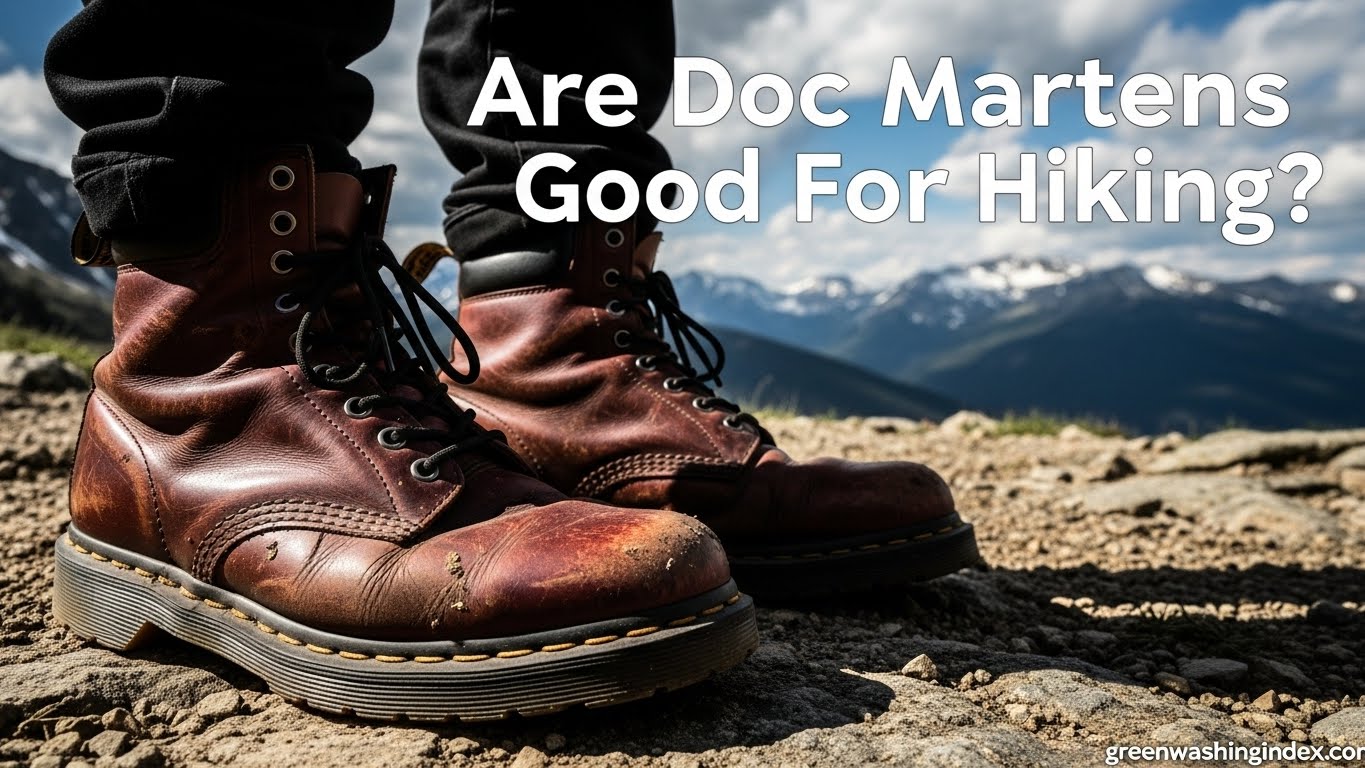
Doc Martens are not good for serious hiking, but they can handle short, flat, dry trails if fully broken-in. For casual woodland walks and urban hiking, well-worn Docs will get the job done. For anything technical, steep, or wet, you need proper hiking footwear.
I’ve spent years testing outdoor gear and analyzing the environmental impact of our purchasing decisions. The question about Doc Martens for hiking comes up constantly in outdoor communities. People already own these iconic boots and want to use what they have rather than buying more stuff. That’s an impulse worth celebrating.
But the honest answer matters too. Your feet deserve the truth about what Docs can and cannot do on trails.
Doc Martens work for short, easy hikes on flat terrain in dry conditions. For serious hiking with elevation changes, rocky trails, or wet weather, they are not suitable. The AirWair soles lack the grip and support that dedicated hiking boots provide. Your Docs will last a decade of city use but might leave your feet miserable after five miles on uneven ground.
Quick Summary: Docs can handle casual woodland strolls under 5 miles if fully broken-in. Avoid technical trails, steep climbs, and wet conditions. Use thick wool socks and consider aftermarket insoles for better comfort.
The hiking community has a gear obsession problem. New hikers show up to forums asking what boots to buy before they’ve walked their first mile. This consumerist approach to outdoor recreation feels wrong to many people. Instead of seeking sustainable hiking gifts or the latest gadgets, more people should consider using what they already own.
I see three main reasons why people ask about Docs for hiking. First, they already own a pair and don’t want to drop $200 on specialized footwear. Second, they appreciate Docs’ legendary durability and want that same toughness on trails. Third, there’s growing awareness that constantly buying new gear conflicts with sustainable living principles.
These are valid concerns. The outdoor industry pushes constant upgrading and specialized equipment for every activity. Sometimes the most environmentally conscious choice is using what you already own, even if it’s not perfectly optimized for the task. If you’re more of a walker than a hiker, you might find some practical options among gifts for walkers that could work with your existing footwear.
Docs aren’t designed for hiking, but they have genuine strengths that translate to trail use. I’ve tested these boots extensively over the years, and certain features genuinely help on easy terrain.
The limitations become obvious quickly when you push Docs beyond flat terrain. I learned this the hard way during a three-mile hike that turned into seven miles of regret.
| Feature | Doc Martens | Hiking Boots |
|---|---|---|
| Weight | ~2 lbs per pair | 1.3-1.8 lbs per pair |
| Traction | Gum rubber, fair on dry | Vibram, excellent on wet |
| Waterproofing | Water resistant only | Gore-Tex options available |
| Break-in Period | 2-3 months | 1-2 weeks |
| Arch Support | Minimal | Molded footbeds |
| Lifespan | 10-20 years | 2-5 years heavy use |
Here’s where this conversation gets interesting. Nobody else in the outdoor space is talking about this, but it matters for anyone concerned about environmental impact.
Doc Martens last 10-20 years with proper care. I know people wearing Docs from the 1990s. The soles can be replaced, leather can be conditioned, and these boots refuse to die. By contrast, dedicated hiking boots typically last 2-5 years of regular use before the soles delaminate, waterproofing fails, or materials degrade beyond repair.
Cost Per Wear Analysis: At $150 for Docs lasting 15 years, your annual cost is about $10. For $200 hiking boots lasting 3 years, you spend $67 annually. The math overwhelmingly favors Docs for long-term ownership, provided you’re not compromising safety.
This longevity has genuine environmental benefits. Manufacturing footwear produces carbon emissions, uses water and chemicals, and creates waste. One pair of Docs lasting 15 years has a smaller footprint than five consecutive pairs of hiking boots across the same period.
The repairability factor matters too. Doc Martens can be resoled multiple times by cobblers. Most modern hiking boots use cemented construction that makes resoling difficult or impossible. When those hiking boots wear out, they become landfill. Your Docs get a new lease on life with fresh soles.
The “use what you have” principle is foundational to sustainable living. If you already own Docs, buying new hiking boots for a few casual hikes per year contradicts low-impact values. The most sustainable choice is often the one you already own. This philosophy applies whether you’re choosing boots for outdoor adventures or considering sustainable travel gifts that will get real use over time.
Docs have their place on certain types of trails. I’ve successfully worn mine in specific conditions without issue. Know the limits before you go.
Safety comes first. Some conditions and terrain types demand proper footwear regardless of sustainability concerns. Know when to leave the Docs at home.
Safety Warning: Never attempt technical hikes in Docs regardless of how broken-in they are. One slip on wet rock or a rolled ankle on uneven ground can end your hike early. Proper footwear is safety equipment, not optional gear.
Online forums are full of Doc Martens hiking stories. After reading through hundreds of Reddit threads and forum discussions, clear patterns emerge.
Success stories follow a predictable formula: fully broken-in boots, short distances, flat terrain, and dry conditions. One Reddit user reported completing a “gentle 5-mile woodland walk” in vintage Docs without issues. Multiple people mentioned wearing Docs to festivals with “lots of walking on grass” and being fine.
Failure stories are equally consistent. New Docs equal blisters—every single time. Someone mentioned “hiking in new Docs was a mistake I won’t repeat” after developing blisters after just two miles. Another user reported slipping on wet rocks and twisting an ankle, concluding “lesson learned.”
The consensus across hiking communities is nuanced. Docs are “better than sneakers, worse than hiking boots” as one user put it. They’ll work for casual use but cannot replace proper footwear for serious hiking. The fashion-first design simply wasn’t meant for technical trails.
Sometimes the sustainable choice is buying the right tool for the job. If you’re planning regular hiking trips, technical trails, or variable conditions, proper hiking footwear becomes a justifiable investment.
Dedicated hiking boots from brands like Merrell, Salomon, KEEN, and Hoka offer features Docs cannot match. Aggressive traction patterns grip wet rock reliably. Waterproof membranes keep feet dry through stream crossings. Structured ankle support prevents rolls on uneven terrain. Molded footbeds provide arch support that Docs lack entirely.
For those ready to invest in proper footwear, we’ve tested and reviewed the best sustainable hiking shoes from brands prioritizing both performance and environmental responsibility. Many use recycled materials, responsible manufacturing, and repairable designs that extend product life.
Consider your hiking frequency honestly. If you hit trails monthly or more, quality hiking boots will enhance your experience and prevent injuries. For occasional casual walks, your Docs might suffice. The key is matching footwear to actual use, not aspirational use.
Sustainable approach shoes offer another option for those wanting a crossover between urban and trail use. They provide better traction than Docs while maintaining city-friendly styling.
Sometimes you hike in what you have. If Docs are your only option, take steps to maximize comfort and safety on the trail.
If you do decide to invest in proper hiking footwear, look for ethical boot deals from reputable brands that stand behind their products with repair services and fair manufacturing practices.
Doc Martens can work as hiking shoes only for short, flat trails in dry conditions. They lack proper traction, ankle support, and waterproofing needed for serious hiking. Use Docs for casual woodland walks under 5 miles, but choose proper hiking boots for technical terrain or longer distances.
Doc Martens become comfortable for long walks only after a 2-3 month break-in period. The AirWair soles provide cushioning, but Docs lack arch support and have minimal breathability. For city walking, well-broken-in Docs work well. For trail walking or distances over 6 miles, dedicated walking or hiking shoes will be more comfortable.
Hiking in new or unbroken-in boots is not recommended. Avoid cotton clothing, denim, flip flops, and fashion sneakers. Doc Martens are not recommended for serious hiking due to poor traction and lack of support. Cotton socks should never be worn for hiking. Always wear wool or synthetic socks, proper footwear, and moisture-wicking clothing suited to the conditions.
Doc Martens are water-resistant but not waterproof. The thick leather sheds light rain and puddle splashes reasonably well. However, prolonged exposure to water, deep mud, or stream crossings will soak through. Once wet, Docs retain water and take days to dry properly. Waterproof hiking boots with Gore-Tex or similar membranes provide far better wet weather protection.
Expect 2-3 months of regular wear before Doc Martens are comfortable enough for hiking. The heel area requires the most break-in time and causes the most initial discomfort. Wear them daily around town, focus on flexible movement, and treat the leather to speed the process. Never hike in new Docs—the blisters will be severe and the experience miserable.
The best hiking shoes depend on terrain and conditions. Merrell Moab, Salomon X Ultra, KEEN Targhee, Hoka Anacapa, and Altra Lone Peak are top-rated options. Trail runners work for fast-paced hiking on smooth trails. Traditional hiking boots provide more support for heavy packs and rough terrain. Choose based on your specific needs rather than generic recommendations.
Doc Martens occupy an interesting middle ground in outdoor footwear. They’re overbuilt for city use and underbuilt for serious trails, yet that versatility is exactly what makes them compelling for certain hikers.
The sustainability angle cannot be ignored. In a world of disposable outdoor gear replaced every few seasons, boots that last 15+ years represent something rare and valuable. The environmental cost of manufacturing one pair of Docs spread over two decades is lower than replacing hiking boots every 3-4 years.
But sustainability cannot override safety. Technical hiking demands proper equipment. Know the limits of your footwear and respect the terrain. Easy woodland walks in well-broken-in Docs? Go for it. Steep climbs with elevation gain and rocky footing? Invest in the right boots for the job.
The most sustainable choice is using what you have within its designed purpose. Sometimes that means Docs on easy trails. Sometimes it means buying quality hiking boots that will last for years of proper use. Either approach beats constantly replacing poorly made gear.
Your feet will tell you when you’ve made the right choice. Listen to them.
