
After a grueling 15-mile hike through the Rockies last summer, my legs felt like lead weights. The descent had been brutal on my quads, and I faced another 20 miles tomorrow. This scenario is familiar to many hikers who push their limits on multi-day adventures or challenging day hikes. Muscle soreness, fatigue, and slow recovery can turn an amazing outdoor experience into a painful ordeal. I’ve spent years testing different approaches to managing hiking fatigue, from nutrition timing to recovery techniques. Compression garments emerged as one topic that kept coming up in my research and conversations with fellow hikers.
Compression pants are good for hiking, particularly for recovery benefits and muscle support during long hikes. They improve blood circulation, reduce muscle fatigue, and help prevent chafing on extended treks. Research shows compression garments work best when used for recovery after hikes or during multi-day backpacking trips rather than as a primary hiking pant. For maximum benefits, wear compression pants in camp or after your hike to aid recovery between consecutive hiking days. The effectiveness is most pronounced for hikers doing multi-day trips or those prone to leg fatigue and muscle soreness.
In this guide, I’ll break down exactly how compression pants work, what the science says about their effectiveness, and when you should (and shouldn’t) use them for hiking. I’ve pulled from peer-reviewed studies, Reddit discussions from experienced hikers, and my own testing to give you a complete picture. You’ll learn the real benefits, the limitations, and how to decide if compression gear deserves a spot in your hiking pack.
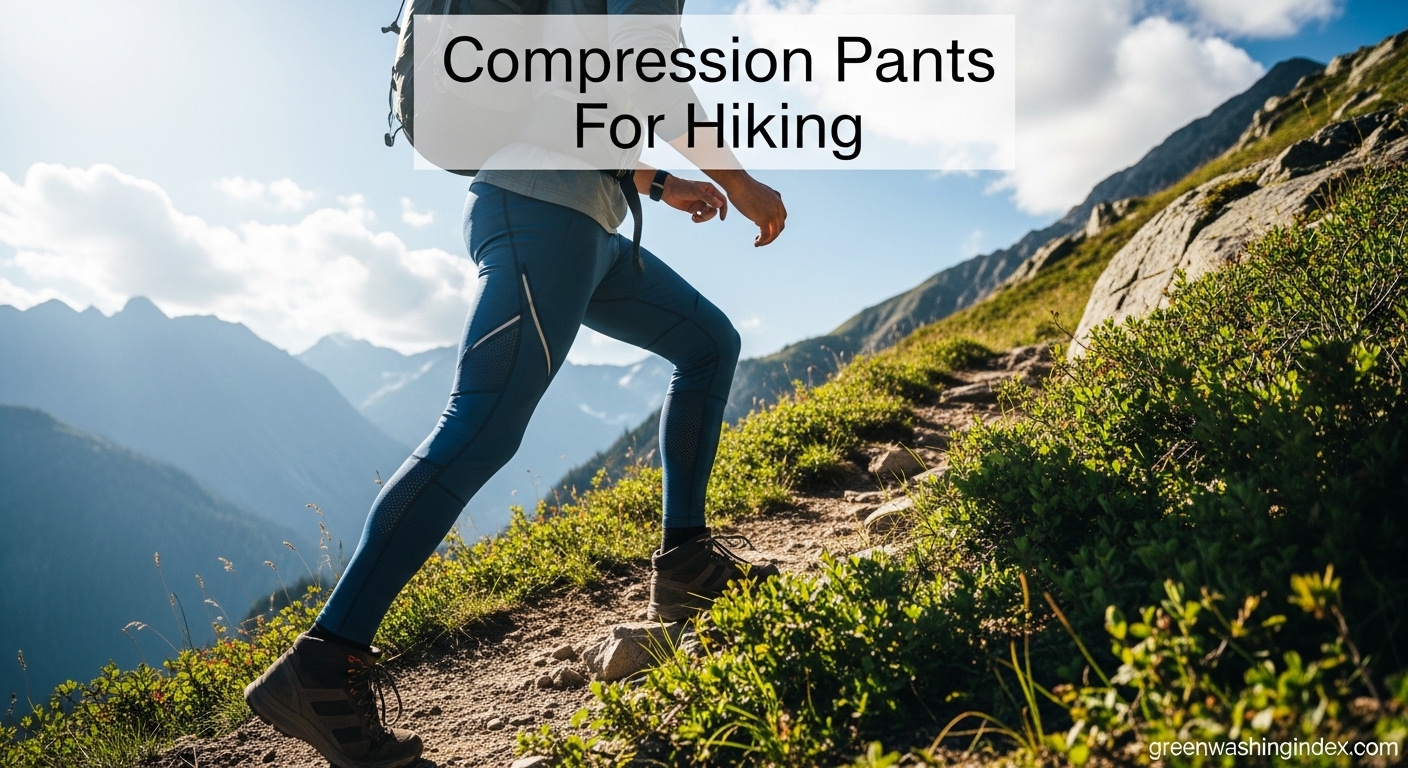
Compression pants are form-fitting garments designed to apply therapeutic pressure to your legs. They’re made from elastic fabrics like spandex, nylon, and elastane that squeeze your muscles with graduated pressure, tighter at the ankles and gradually looser toward the waist. This design helps push blood back toward your heart. Unlike regular leggings or tights that simply fit closely, compression garments are engineered with specific pressure zones and medical-grade compression technology.
Graduated Compression: A compression technique where pressure is strongest at the extremities (ankles) and decreases progressively up the limb. This design helps blood flow back to the heart against gravity.
The compression level is measured in millimeters of mercury, or mmHg. Light compression ranges from 15-20 mmHg, medium compression is 20-30 mmHg, and firm compression exceeds 30 mmHg. For hiking, you’ll typically find light to medium compression in commercially available gear. Medical compression garments for conditions like lymphedema use much higher pressures. Most hiking compression pants fall in the 15-25 mmHg range, providing noticeable support without being uncomfortable during activity.
What makes compression pants different from regular hiking pants? The key distinction is the intentional pressure application. Regular hiking pants prioritize durability, weather resistance, and pockets. Compression pants prioritize circulation and muscle support. Many hikers actually wear compression pants under regular hiking shorts or pants, getting the benefits of compression while maintaining protection from the elements.
| Feature | Compression Pants | Regular Leggings | Hiking Pants |
|---|---|---|---|
| Primary Purpose | Apply therapeutic pressure for circulation | Comfort and coverage | Protection and utility |
| Compression Level | 15-30+ mmHg graduated | Minimal stretch fit | None |
| Material | High spandex/elastane content | Moderate stretch | Canvas, nylon, durable fabrics |
| Key Benefit | Improved blood flow, recovery | Comfort, style | Durability, weather protection |
| Best Use | Recovery, long hikes | Casual wear, light activity | General hiking |
Quick Summary: Compression pants offer four main benefits for hikers: improved circulation reducing leg fatigue, faster recovery between consecutive hiking days, reduced muscle soreness through lactic acid removal, and chafing prevention during long treks. The science supports recovery benefits more strongly than performance enhancement during actual hiking.
The most well-documented benefit of compression garments is enhanced blood flow. Graduated compression helps veins return blood to the heart more efficiently. During hiking, especially on descents, blood can pool in your lower legs. This pooling contributes to that heavy, tired feeling. Compression pants counteract this by providing external pressure that supports your veins’ natural pumping action.
A 2022 study published in Nature Scientific Reports found that compression tights worn after resistance exercise significantly enhanced blood flow and improved recovery markers. The mechanism is straightforward: consistent pressure helps prevent venous distension and maintains better blood velocity back toward the heart. For hikers, this means less leg fatigue and that heavy feeling after long descents.
I’ve noticed this effect personally on steep downhill sections. When wearing compression tights, my legs feel less battered by mile 15 compared to regular hiking pants. The difference isn’t dramatic, but it’s noticeable enough that I now pack compression gear for trips with significant elevation loss.
Compression pants genuinely shine in the recovery department. Multiple studies confirm that wearing compression garments after exercise reduces delayed onset muscle soreness (DOMS). A 2015 review in PubMed Central analyzed multiple studies and concluded that compression garments during recovery from exercise are beneficial for performance recovery and reducing muscle soreness.
Wearing compression garments during recovery from exercise seems to be beneficial for performance recovery and delayed-onset muscle soreness.
– S Beliard et al., PMC 2015
For multi-day backpackers, this is huge. Day 2 soreness doesn’t have to bleed into Day 3 misery. Thru-hikers on forums like Reddit’s r/backpacking have reported wearing compression tights to sleep and noticing improved recovery for consecutive hiking days. The key is wearing them post-hike, not necessarily during the hike itself. I pack two pairs for week-long trips, wearing one pair while the other washes and dries.
During hiking, compression pants can reduce muscle vibration and oscillation. Every step sends shock waves through your leg muscles. Over thousands of steps, this micro-trauma accumulates into fatigue. Compression fabric acts like a supportive sleeve, stabilizing muscles and reducing this vibration.
A 2021 review in PMC noted that compression garments are regularly worn during exercise to improve physical performance and mitigate fatigue responses. The performance boost during actual activity is modest at best, but the fatigue reduction is real. On long hikes, especially technical terrain with uneven footing, I’ve found compression helps me feel less beaten up by trail’s end.
The effect is most noticeable in your quads and calves, which take the most punishment on descents. Hikers with knee issues sometimes report less pain with compression, likely due to improved muscle stabilization around the joint.
This benefit comes up frequently in hiking forums. Compression pants create a smooth, friction-reducing layer against your skin. Under regular hiking shorts or pants, they act like a high-tech base layer that prevents skin-on-skin and skin-on-fabric irritation. Reddit users in r/CampingandHiking consistently mention compression as a chafing solution, sometimes working better than traditional anti-chafe balms.
One Ultralight subreddit user noted they preferred compression shorts under hiking pants because they “prevented chafing better than Bodyglide” and stayed in place better than regular underwear. The above-knee length is key here, longer than boxer briefs but not full tights. This prevents riding up during thousands of steps.
Quality compression pants use moisture-wicking fabrics that pull sweat away from your skin. In cool weather, they provide a lightweight base layer. In warm weather, some versions offer UPF protection and breathable mesh panels. The tight fit means there’s no loose fabric to trap heat or moisture against your skin.
For cold weather hiking, compression adds a thin thermal layer without bulk. I’ve worn compression tights under rain pants on windy ridge crossings and stayed comfortable. For warm weather, look for lightweight, breathable versions specifically designed for hot conditions.
Compression gear isn’t magic, and it’s not right for every situation. Understanding the limitations helps you make informed decisions about when compression pants are worth the weight and cost.
The biggest drawback for summer hiking is heat. Compression pants add a layer that traps warmth, even with breathable fabrics. In temperatures above 70°F, you might overheat wearing full compression tights. Many hikers switch to compression shorts or skip compression entirely in hot conditions. A Reddit user in r/Mountaineering noted that while compression can aid temperature regulation, “constricting blood flow is never good” in extreme heat.
If you hike primarily in summer or desert environments, compression pants might spend more time in your pack than on your legs. Consider compression shorts instead, which provide some muscle support and chafing prevention without full-leg coverage.
Compression fabrics aren’t designed for abrasion resistance. Unlike dedicated hiking pants with reinforced seats and scuff guards, compression pants will snag on brush and rock. Many hikers wear them under shorts or pants for protection. I’ve seen compression tights develop runs and tears after a single bushwhack, rendering the compression effect uneven.
If you hike off-trail or through dense vegetation, expect compression garments to wear faster than regular hiking pants. Plan accordingly by protecting them with an outer layer or accepting they’re consumable items with limited lifespan.
Quality compression pants aren’t cheap, with premium brands running $80-120 for a single pair. Budget options exist but may not maintain consistent compression after repeated washings. For multi-day trips, you’ll need at least two pairs to rotate while washing. This investment adds up quickly compared to a single pair of durable hiking pants.
Compression pants are intentionally tight, which some hikers find uncomfortable or restrictive. The sizing is less forgiving than regular pants. Too loose and you lose the compression benefit; too tight and they’re painful or limit circulation. Finding the right size often requires trying multiple brands, as sizing isn’t standardized across manufacturers.
Some hikers report feeling constricted or self-conscious in the form-fitting design. If you’re hiking with a group and prefer modesty, you might want to wear shorts over compression tights. This adds another layer and complexity to your clothing system.
The key to getting benefits from compression gear is using it at the right time. Here’s when compression pants make sense for hiking:
Compression pants excel on consecutive hiking days. Wear them in camp after arriving, sleep in them overnight, and change into fresh pair in the morning. This routine maximizes recovery benefits while keeping you comfortable on trail. Reddit backpackers consistently report this strategy for reducing day-to-day soreness.
The strongest evidence supports using compression after hiking, not during. If you drive home after a day hike, change into compression tights for the journey. The seated position promotes blood pooling in legs, and compression counteracts this effect. I’ve arrived at destinations feeling significantly less stiff when wearing compression post-hike.
Compression tights work well as a base layer in temperatures below 50°F. They provide warmth without bulk and maintain blood flow to extremities. Layer rain pants or insulated shells over them for complete weather protection. This combination keeps you warm while maintaining mobility and recovery benefits.
For hikes exceeding 10 miles or 3,000 feet of elevation loss, compression can reduce quad pounding on descents. I’ll wear compression tights for the entire hike on big mountain days when my legs will take a beating. The difference is most noticeable that evening and the next morning.
| Scenario | Wear During Hike? | Wear After Hike? | Notes |
|---|---|---|---|
| Multi-day backpacking | Optional | Yes, recommended | Sleep in compression for recovery |
| Day hike under 10 miles | No | Optional | Probably not worth the effort |
| Big mountain day (10+ miles, 3,000+ ft descent) | Yes | Yes | Wear during and after for maximum benefit |
| Hot weather (70°F+) | No | No | Heat buildup risk outweighs benefits |
| Cold weather (under 50°F) | Yes, as base layer | Yes | Layer rain pants over if needed |
Compression garments lose effectiveness if not cared for properly. Wash them after every use on multi-day trips, as sweat and dirt degrade the elastic fibers. Use mild detergent and cold water, avoiding fabric softeners which coat fibers and reduce compression. Air dry only, never use high heat which can break down spandex.
Replace compression pants when they become loose or develop thin spots. Most quality pairs maintain effective compression for 6-12 months of regular use. If you’re not feeling the same squeeze, it’s time for a new pair.
Compression pants and regular hiking pants serve different purposes. Many hikers use both together rather than choosing one exclusively. Traditional hiking pants excel at protection from sun, wind, rain, and abrasion. They feature pockets, durable fabric, and utility-focused designs. Compression pants prioritize circulation and recovery.
Think of compression as a performance layer rather than a replacement for hiking pants. The ideal system often combines both: compression shorts or tights underneath, with hiking shorts or pants over them for protection. This gives you the recovery benefits of compression while maintaining the durability and utility of regular hiking pants. For warm weather, hiking shorts over compression shorts create a comfortable, chafe-free system that breathes well.
Choose compression pants alone for recovery-focused activities, cool weather hikes where you want a base layer, or when weight savings are critical. Choose regular hiking pants for bushwhacking, rough terrain, or when you need pockets and weather protection. Many experienced hikers pack both and switch based on conditions and daily mileage.
Yes, compression pants are beneficial for hiking, especially for recovery and reducing muscle fatigue. They improve blood circulation and help prevent chafing on long hikes. The strongest evidence supports using compression after hiking or during multi-day trips rather than as a standalone hiking pant.
Research consistently shows compression garments reduce delayed onset muscle soreness and speed recovery. A 2015 study found compression worn during recovery improves performance and reduces soreness. For best results, wear compression pants after your hike, in camp, or while sleeping on multi-day trips.
Compression pants are most effective for recovery when worn after hiking. During the hike itself, benefits are modest but include reduced muscle vibration and chafing prevention. For multi-day backpacking, wear them in camp and overnight. For day hikes, change into them afterward for recovery benefits.
Compression pants apply graduated therapeutic pressure measured in mmHg to improve circulation. Regular leggings simply fit closely without intentional compression zones. Compression pants use higher spandex content and are engineered for specific pressure levels, while leggings prioritize comfort and style.
Compression pants reduce but don’t eliminate muscle soreness. Studies show they decrease delayed onset muscle soreness (DOMS) by improving blood flow and removing metabolic waste like lactic acid. You’ll still feel some soreness after intense hikes, but typically less severe and with faster recovery.
Yes, you can hike in compression tights alone, and many hikers do in cool weather. However, they lack durability for rough terrain and offer minimal protection from brush and sun. Most hikers layer shorts or pants over compression tights for protection, or save compression for camp and recovery.
Compression pants are worth it for multi-day backpacking trips, long day hikes with significant elevation change, and hikers prone to leg fatigue or soreness. They’re less essential for short casual hikes in warm weather. The investment makes most sense if you hike regularly and want to improve recovery between outings.
After researching the science, testing gear myself, and learning from experienced hikers, I view compression pants as a recovery tool rather than hiking apparel. They’re not essential, but they provide genuine benefits for the right situations. If you do multi-day backpacking or frequently tackle long, elevation-heavy day hikes, compression gear can make your time on trail more enjoyable and your recovery faster.
Start with a single pair of quality compression tights and experiment. Wear them after your next long hike and note how your legs feel the next day. Try them on a big descent and see if the quad pounding feels reduced. The benefits are subtle but real, and for many hikers, that edge means the difference between dreading Day 3 of a trip and looking forward to it.
Compression pants won’t transform your hiking overnight, but they’re one more tool in the toolkit for staying comfortable on long trails. Combined with proper nutrition, good conditioning, and smart trip planning, they can help you hike farther and recover faster. That’s a win in my book.