
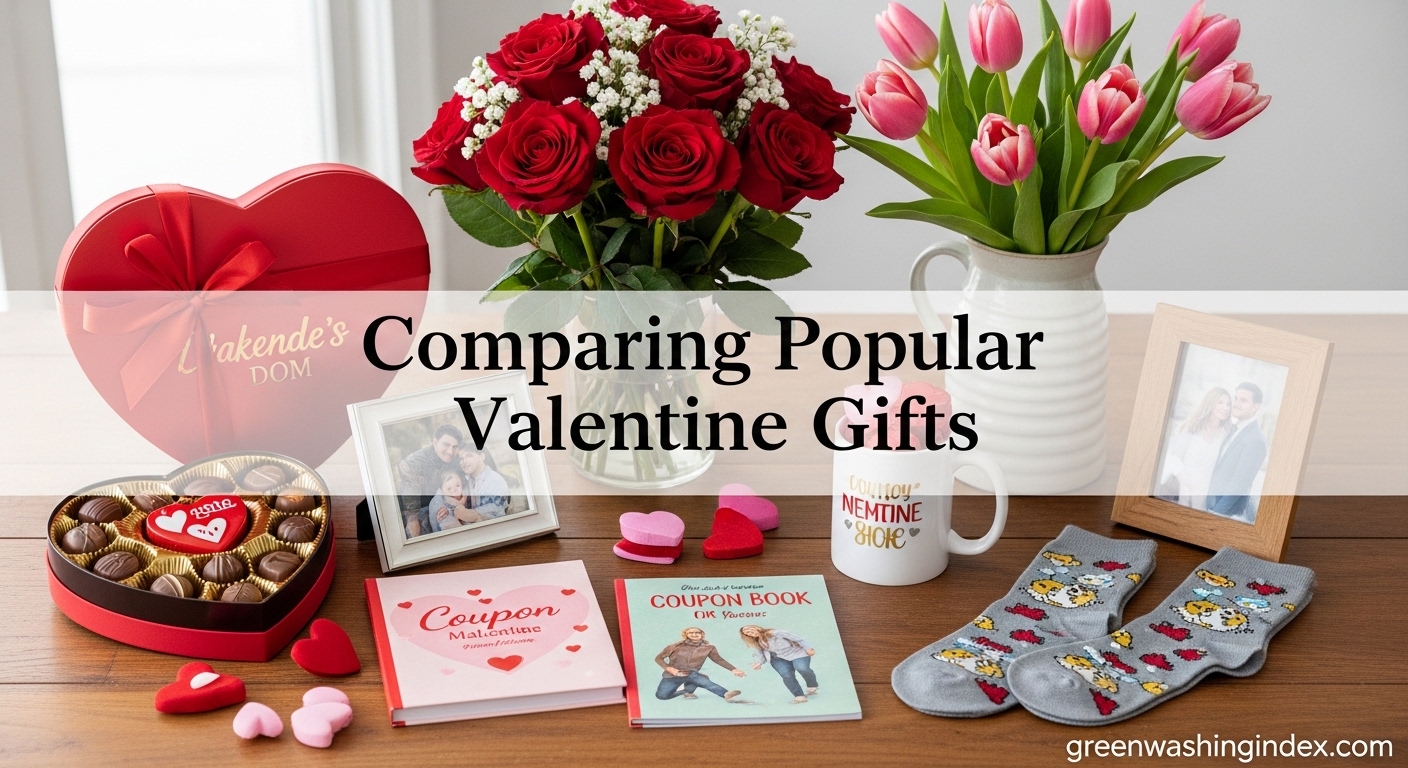
Valentine’s Day creates pressure to find the perfect gift. You want something meaningful that shows you care without crossing lines or creating awkward moments. After analyzing gift trends and real user experiences from forums, I’ve found that the best gift depends on three factors: your relationship stage, your partner’s preferences, and your budget.
The numbers back this up. According to National Retail Federation data, 56% of Valentine’s shoppers buy candy or chocolates, 40-41% purchase flowers, and nearly as many buy greeting cards. But popularity doesn’t equal the right choice for your situation. I’ve seen relationships advance too fast because of overly expensive jewelry, and I’ve witnessed thoughtful $50 gifts create lasting memories.
The best Valentine’s gift depends on your relationship stage. For new relationships, flowers or chocolates ($30-50) show interest without pressure. For dating 6+ months, personalized gifts or experience dates create connection. For long-term partners, meaningful jewelry or shared experiences ($100+) demonstrate commitment and thoughtfulness.
In this guide, I’ll compare every major Valentine’s gift category with honest pros and cons. You’ll learn which gifts work for each relationship stage, what to avoid, and how sustainability factors into your decision. Because the right gift isn’t about spending the most—it’s about showing you actually know them.
| Gift Category | Popularity | Price Range | Sustainability | Best For |
|---|---|---|---|---|
| Flowers | 40-41% | $30-150 | Low | New relationships, traditional romantics |
| Chocolates & Candy | 56% | $10-50 | Medium | Casual relationships, add-on gifts |
| Jewelry | 22-25% | $50-500+ | Low-Medium | Long-term relationships, commitments |
| Experiences | 35-39% | $50-300+ | High | All stages, memory makers |
| Personalized Gifts | Growing | $25-100+ | Medium | Thoughtful gifting, 6+ months dating |
| Self-Care & Wellness | Growing | $30-150 | Medium-High | Practical recipients, stressed partners |
Flowers rank as the second most popular Valentine’s gift with 40-41% of shoppers buying them. Red roses dominate the market, and I’ve seen them work magic in new relationships. They’re traditional, visually stunning, and send a clear romantic message without words.
Quick Summary: Flowers are the safest bet for new relationships but have a significant environmental cost. Imported roses travel thousands of miles with a heavy carbon footprint. Consider local growers or potted plants for a more sustainable option.
Pros:
Cons:
Flower Industry Impact: Most Valentine’s roses are grown in Colombia and Ecuador, flown to Miami, then trucked across the country. This supply chain creates significant carbon emissions. Pesticide use in flower farming also raises worker safety concerns. Look for Fair Trade Certified or locally grown alternatives.
Sustainability Score: 2/10
Cut flowers have one of the highest environmental footprints of any Valentine’s gift. The refrigerated shipping alone creates massive emissions. I’ve found that potted plants or locally grown flowers from farmers markets reduce this impact significantly. Some florists now offer “slow flowers” grown sustainably within 100 miles.
Best For: New relationships (under 6 months), traditional romantics, people who appreciate visual gestures. Avoid giving flowers to partners with pollen allergies or those who’ve explicitly called them wasteful.
Chocolates top the popularity charts at 56% of Valentine’s purchases. They’re affordable, widely available, and tied to romance through centuries of tradition. But I’ve learned that the chocolate industry has serious ethical concerns that most shoppers never consider.
“Most conventional chocolate comes from cocoa farms using child labor and unfair wages. Fair Trade Certified chocolate costs 10-20% more but ensures workers were paid fairly and no children were involved in production.”
Pros:
Cons:
Sustainability Score: 4/10
Conventional chocolate scores poorly due to deforestation, child labor, and unfair farming practices. However, Fair Trade Certified, Rainforest Alliance, or direct-trade chocolate brands significantly improve this score. I’ve found that smaller artisanal chocolatiers often source more responsibly than major brands. Local chocolate shops also reduce shipping impact.
Best For: Casual relationships, add-on gifts combined with other items, partners with sweet tooths. Always check for dietary restrictions first. Look for Fair Trade or organic certifications to align with ethical values.
Jewelry represents 22-25% of Valentine’s purchases but accounts for the highest spending per gift. I’ve seen jewelry transform relationships, and I’ve also seen it create awkward pressure when given too soon. The key is matching the piece to your relationship stage.
Pros:
Cons:
(Save jewelry for 6+ months of dating, unless discussed)
Sustainability Score: 3/10 for mined, 7/10 for lab-grown
Traditional jewelry involves destructive mining practices, significant carbon emissions, and human rights concerns in the supply chain. Lab-grown diamonds and recycled metals offer a much more sustainable alternative. I’ve found that many recipients actually prefer lab-grown when they learn about the mining impact.
Best For: Long-term relationships (1+ years), engaged couples, married partners. Proceed with caution before 6 months of dating. Consider lab-grown diamonds, recycled metals, or artisan jewelry for better sustainability.
Experience gifts cover 35-39% of Valentine’s spending and represent the fastest-growing category. I’ve seen couples cherish concert tickets from 2026 more than any physical gift. Experiences create stories you retell together, building your relationship history.
Popular Experience Gifts:
Experiences create zero physical waste and often support local businesses. The carbon footprint comes primarily from transportation, which you can minimize with local options.
Pros:
Cons:
Sustainability Score: 9/10
Experience gifts are the most sustainable Valentine’s option. Local experiences minimize transportation emissions. Activities like hiking, cooking classes at home, or volunteering together have near-zero environmental impact. I’ve found that experiences often feel more meaningful because they represent invested time together.
Best For: All relationship stages, especially couples who value time together over things. Perfect for partners who’ve expressed they don’t want more “stuff.” Ideal for long-distance relationships when you can plan something special for when you’ll be together.
Personalized gifts represent a growing trend as people seek meaning over mass-produced items. I’ve watched partners tear up over custom photo albums and smiled at engraved jewelry that references inside jokes. These gifts prove you paid attention to what makes them unique.
Popular Personalization Options:
“The best personalized gift connects to something specific—your first date location, their dog’s name, an inside joke only you two understand. Generic engraving like ‘I Love You’ means less than referencing ‘That time we got lost in Nashville and found the best tacos ever.'”
Pros:
Cons:
Sustainability Score: 6/10
Personalized gifts score in the middle because they vary so much. A custom photo book has moderate impact from production and shipping. Locally made personalized items from artisans score much higher than mass-produced custom goods from overseas. The sustainability upside: personalized gifts are less likely to be discarded because of their sentimental value.
Best For: Relationships of 6+ months where you have shared memories and inside jokes. Also excellent for long-term partners who appreciate sentiment. Avoid over-personalization in new relationships where it might feel intense or overwhelming.
Self-care gifts have surged in popularity as people prioritize mental health and stress relief. I’ve found these gifts work exceptionally well for partners who rarely treat themselves or who’ve expressed feeling overwhelmed. A thoughtful self-care gift says “I want you to relax” rather than “I love you” in a romantic way.
Popular Self-Care Gifts:
Greenwashing Alert: Many “natural” beauty and wellness products make unsubstantiated claims about ingredients or benefits. Look for third-party certifications (USDA Organic, Leaping Bunny for cruelty-free, EWG verified) rather than marketing buzzwords like “clean,” “natural,” or “eco-friendly” without verification.
Pros:
Cons:
Sustainability Score: 5/10
The sustainability score varies widely based on the specific gift. Mass-produced bath sets with heavy packaging score poorly. Organic, cruelty-free products in minimal packaging score much better. Spa services support local workers and have minimal waste. I’ve found that smaller brands with transparent ingredient sourcing tend to be both more effective and more sustainable.
Best For: Partners with high stress levels, people who rarely pamper themselves, practical recipients. Avoid skincare or fragrance unless you know their preferences and any sensitivities. Gift cards for choosing their own treatment often work best for spa services.
Cards account for 40% of Valentine’s purchases, and for good reason. A heartfelt card transforms any gift from thoughtful to meaningful. I’ve kept cards from years ago while forgetting the physical gifts that accompanied them. The words you write matter more than anything else.
Pros:
Cons:
Sustainability Score: 5/10
Paper cards have moderate environmental impact from production and can end up in landfills. Recycled paper cards, plantable cards (embedded with wildflower seeds), or digital cards improve this score significantly. I’ve found that plantable cards are especially popular—they’re a gift in themselves that grows into wildflowers.
Best For: Everyone. A handwritten note makes any gift better. For long-distance relationships, a card you’ve mailed in advance shows extra thought. Write something genuine and specific rather than relying on the card’s printed message.
After helping friends navigate Valentine’s shopping for years, I’ve found that most gift anxiety comes from uncertainty about appropriateness. Too much feels overwhelming in a new relationship. Too little feels dismissive after years together. This framework takes the guesswork out of the equation.
Quick Summary: Match your gift to your relationship stage first, then consider budget and personality. New relationships need low-pressure gestures (flowers, chocolate, casual date). Long-term relationships deserve meaningful investment (experiences, quality jewelry, thoughtful personalized gifts). When in doubt, experiences work for every stage.
New Relationship (Under 6 Months)
Keep it casual and thoughtful without creating pressure. I recommend spending under $75 unless you’ve explicitly discussed expectations. Flowers and chocolates are classic for a reason—they show interest without intensity. A nice dinner at a restaurant you’ve mentioned wanting to try strikes the right balance between thoughtfulness and low stakes.
Avoid: Jewelry, expensive gifts, anything with photos of you together, overly intimate items. These can feel overwhelming when you’re still getting to know each other.
Dating 6-24 Months
This is the sweet spot for showing deeper thought without lifetime commitment. I’ve seen some of the most successful gifts in this stage—personalized items that reference shared experiences, experience gifts that create new memories, moderate jewelry that signals you see a future together. Budget typically ranges from $75-200 depending on your finances.
Avoid: Household appliances, anything that implies they should do more chores, generic gift cards without thought, cheap plush toys. These miss the mark on thoughtfulness.
Long-Term/Committed (2+ Years or Living Together)
You know them deeply now, and your gift should reflect that history. I’ve found the most meaningful gifts in this stage either create new experiences together or reference your journey as a couple. Budgets vary widely, but thought matters more than spending. The best gift I ever saw in this category was a custom map showing every significant location in a couple’s relationship—cost under $50, meant everything.
Avoid: Impersonal gifts, anything you haven’t put thought into, items that suggest they need fixing (self-improvement gifts unless requested). After years together, generic is worse than nothing.
Married
Married couples often have the hardest time with Valentine’s gifts because you’ve already exchanged so many meaningful presents. I’ve found that married partners increasingly prefer experiences over things—date nights, weekend getaways, or activities you can enjoy together. Practical gifts they actually want also work well when they’re specifically requested.
Avoid: Household appliances (ever), anything that creates more work for them, gifts that are really for you, last-minute gas station purchases. Married life involves enough logistics—Valentine’s should feel like an escape from daily responsibilities.
After reading through hundreds of forum discussions about Valentine’s gifts gone wrong, certain patterns emerge. Avoid these mistakes and you’re already ahead of most Valentine’s shoppers:
1. Giving Household Chores as Gifts
Vacuums, cleaning supplies, cooking appliances—unless explicitly requested, these send the message that their value comes from doing housework. I’ve seen more Reddit threads from recipients disappointed by practical gifts than any other category. One person’s “thoughtful practical gift” is another person’s “here’s more work for you.”
2. Ignoring Their Stated Preferences
If they’ve said they don’t want anything, believe them—or at least scale down dramatically. If they’ve mentioned hating flowers, don’t buy flowers. I’ve seen partners ignore explicit requests because they thought they knew better, and it never ends well. Listen more than you assume.
3. Over-Gifting in New Relationships
Expensive jewelry, lavish dinners, or over-the-top gestures in the first few months create uncomfortable pressure. I’ve watched relationships end because the gift intensity outpaced the emotional connection. Match your gift to your relationship stage, not your wallet.
4. The Last-Minute Panic Buy
Gas station chocolates, grocery store roses on February 14th at 6 PM, random gift cards—these communicate “I forgot until today” more than “I care.” Planning ahead shows you value them enough to think in advance. Even a week of preparation makes a difference in how gifts are received.
5. Gifts That Are Really For You
Sexy lingerie when they’ve expressed discomfort with it, concert tickets for your favorite band (not theirs), gym memberships when they haven’t expressed interest—these aren’t gifts for them. I’ve seen this mistake repeatedly. The best gift centers on their preferences, not what you wish they wanted.
Money isn’t the measure of a good Valentine’s gift, but it does shape your options. I’ve found memorable gifts at every price point, and the most expensive option isn’t always the most meaningful. Here’s what works best at each budget level:
At this budget, thoughtfulness and personalization are your best strategies. I’ve seen $30 gifts outshine $200 presents because they showed genuine attention to the recipient’s interests.
Best Options Under $50:
Pro Tip: Combine 2-3 smaller items (chocolates + card + single flower) for a thoughtful gift package that feels substantial without breaking your budget.
This budget range opens up significantly more options while remaining accessible. I’ve found this is where most people find the best balance between quality and affordability.
Best Options $50-100:
Pro Tip: At this budget, one meaningful gift beats multiple smaller items. Focus on quality over quantity.
This range allows for substantial gifts that create lasting impact. I’ve found this budget works best for established relationships (6+ months) where deeper investment feels appropriate.
Best Options $100-200:
Pro Tip: Include a heartfelt handwritten letter regardless of what you buy. After seeing what people actually remember years later, the words often mean more than the items.
This budget signals serious commitment and creates memorable experiences. I’ve found that luxury gifts work best when they align with the recipient’s actual interests rather than generic expensive items.
Best Options $200+:
Pro Tip: At higher budgets, check first that the gift aligns with their values and lifestyle. Luxury gifts can create pressure if they’re practical people who’d prefer a thoughtful $50 item.
Chocolates and candy are the most popular Valentine’s gifts, with 56% of shoppers purchasing them according to National Retail Federation data. Flowers follow closely at 40-41% of purchases, and greeting cards are purchased by 40% of Valentine’s shoppers. These three categories have dominated Valentine’s spending for decades due to their traditional associations with romance and wide availability.
The five top Valentine’s gift categories by purchase percentage are: 1) Candy and chocolates (56%), 2) Flowers (40-41%), 3) Greeting cards (40%), 4) Evening out or experiences (35-39%), and 5) Jewelry (22-25%). This data comes from the National Retail Foundation’s annual Valentine’s consumer survey. While these are the most purchased, they aren’t necessarily the best choice for every relationship stage or recipient preference.
Household appliances and cleaning supplies consistently rank as the least desired Valentine’s gifts according to forum discussions and surveys. Items like vacuums, toasters, and cleaning products communicate that the recipient’s value comes from doing housework rather than being loved. Other commonly disliked gifts include cheap plush toys, generic gift cards without thought, and anything that implies chores or household work.
The best Valentine’s gift depends on three factors: relationship stage, recipient preferences, and your budget. For new relationships (under 6 months), flowers, chocolates, or casual dinners work best without creating pressure. For dating 6-24 months, personalized gifts and experiences show deeper thought. For long-term relationships, meaningful jewelry or shared experiences demonstrate commitment. When in doubt, experiences create memories without clutter and work well at any relationship stage.
Spend what fits your budget and feels appropriate for your relationship stage. General guidelines: under $50 for new relationships, $50-100 for dating 6-24 months, $100-200 for long-term relationships, and $200+ for committed partnerships or marriages. However, thoughtfulness matters more than spending. I’ve seen meaningful $30 gifts outshine expensive presents that showed little consideration for the recipient’s actual interests.
Eco-friendly Valentine’s gifts absolutely are worth considering, especially as awareness grows about the environmental impact of traditional options. Cut flowers have a significant carbon footprint from shipping, conventional chocolate often involves unethical labor practices, and jewelry mining creates environmental damage. Sustainable alternatives include local flowers, potted plants, fair trade chocolate, lab-grown or recycled jewelry, and experience gifts which create zero waste. Many recipients now specifically prefer ethical options.
After comparing every major Valentine’s gift category, one truth stands out: the best gift shows you actually know them. Expensive jewelry means nothing if it’s not their style. Chocolates fall flat if they’re avoiding sugar. The most successful gift I ever witnessed was a $15 framed ticket stub from a couple’s first concert—simple, meaningful, and specifically about them.
Consider sustainability where you can. Experience gifts create memories without waste. Fair Trade chocolate ensures workers were treated ethically. Local flowers reduce carbon emissions compared to shipped roses. These small choices align your gift with values that increasingly matter to recipients in 2026.
Most importantly, match your gift to your relationship stage. Don’t let jewelry marketing pressure you into expensive commitments before you’re ready. Don’t let Valentine’s hype convince you that spending equals caring. Write a genuine card. Choose something that reflects their actual interests. Plan ahead so your gift feels considered rather than last-minute.
The right Valentine’s gift isn’t about hitting a price point or following tradition perfectly. It’s about showing that in a world full of people, you see and value the specific person they are. Everything else is just details.