

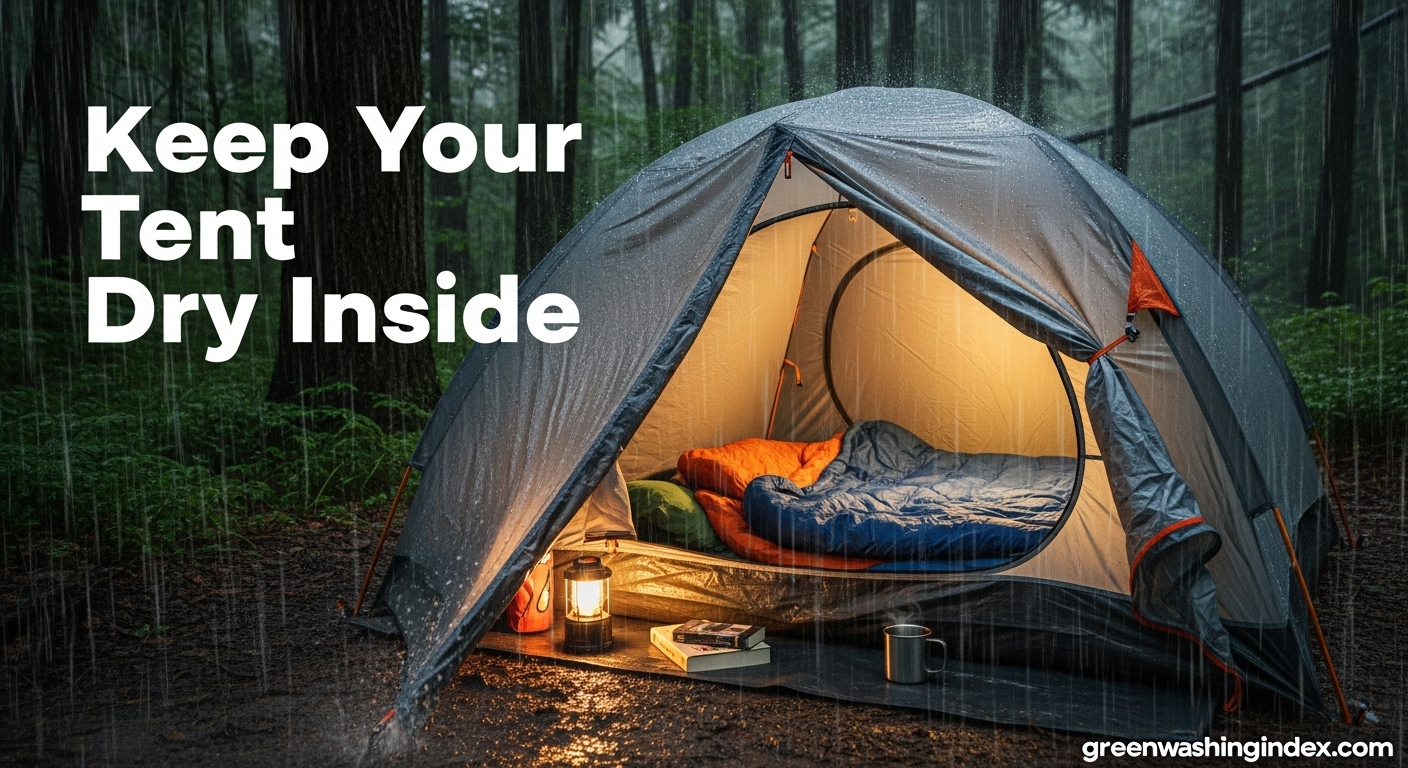
I’ll never forget waking up at 3 AM in the Great Smoky Mountains to discover my sleeping bag soaked through. The worst part? It wasn’t even raining.
After 15 years of camping and countless damp mornings, I’ve learned that keeping your tent dry inside comes down to understanding condensation. The average person releases about 1 liter of water vapor each night just by breathing. That moisture has to go somewhere.
Here’s the complete guide to keeping your tent dry inside, based on real camping experience and the science behind what makes tents wet.
Tent condensation occurs when warm, humid air inside your shelter hits the cooler tent walls or rainfly. The moisture condenses into water droplets, similar to how water beads up on a cold soda can on a hot day.
Most campers confuse condensation with leaks. Condensation appears as widespread moisture across walls and ceiling. Leaks concentrate in specific spots and happen even when conditions wouldn’t normally cause condensation.
The science is straightforward. Your body heat warms the air inside your tent. This warm air holds more moisture. When it contacts the cooler fabric surface, the air temperature drops and can’t hold as much water vapor. The excess moisture releases as liquid droplets.
Dew Point: The temperature at which air becomes saturated with water vapor and condensation begins to form. When air temperature drops to the dew point, humidity reaches 100% and excess moisture condenses on surfaces.
Several factors determine how much condensation you’ll experience. Temperature difference between inside and outside matters greatly. Higher humidity levels increase moisture potential. Lack of airflow prevents moist air from escaping. Ground moisture can wick up through tent floors. The presence of wet items inside adds moisture continuously.
You cannot completely eliminate condensation. It’s a natural physics process. But you can minimize it significantly through proper preparation and smart habits.
Where you set up camp matters more than most campers realize. I’ve seen the exact same tent stay bone-dry in one location and soak everything in another just 50 yards away.
Look for elevated ground. Cold air flows downhill and settles in valleys and depressions. This cold air creates the perfect surface for condensation to form. Higher ground stays warmer and experiences less moisture settling.
Avoid setting up right next to water. Lakes, ponds, and streams release moisture constantly. Camp at least 200 feet away when possible. I learned this the hard way during a week-long trip when my campsite 20 feet from a lake resulted in nightly dampness despite perfect ventilation.
Tree canopy is your friend. Many campers avoid trees due to lightning concerns, but the canopy provides two benefits. It shelters your tent from direct cooling of the rainfly, and it keeps the ambient temperature more stable. Less temperature difference means less condensation.
Check the ground before pitching. Look for signs of previous flooding or water pooling. Rocky, well-drained sites perform better than flat meadows where water collects.
Ventilation is the single most effective condensation prevention strategy. The MSR team, who manufacture some of the most tested tents on the market, consistently emphasize that airflow is the primary solution.
Open every vent your tent has. This seems counterintuitive in cold or rainy weather, but it’s essential. Stale air inside your tent reaches saturation quickly. Moving air carries moisture away before it can condense.
I’ve camped in freezing conditions with vents fully open and stayed drier than when I sealed everything tight trying to stay warm. The moisture buildup from closed vents creates far more discomfort than slight drafts.
Position tent doors to capture any breeze. Even light winds of 2-3 mph make a significant difference. If your tent has multiple doors, open them to create cross-ventilation. The airflow path through your tent carries moist air out.
Roll back your rainfly partially during clear weather. This exposes mesh ceilings and maximizes airflow. Even a partial roll-back helps significantly. Just remember to secure it properly if weather changes.
Single-wall tent users need to be extra vigilant. Without the airspace between inner and outer layers, these designs require constant airflow. Consider models with extensive mesh panels or strategic vent placement.
How you set up your tent dramatically affects condensation management. A poorly pitched tent creates pockets of stagnant air where moisture accumulates.
Stake out your rainfly tautly. The fly should form a separate shell around your tent body, not rest against it. This airspace allows moisture to form on the fly rather than dripping onto you. I’ve seen countless campers with sagging rainflies wondering why their gear is wet.
Use all guy lines provided by the manufacturer. They pull the rainfly away from the inner tent. Most people skip the optional lines to save time, but these 5 minutes of setup prevent hours of dampness later.
Angle your tent into the wind if possible. This encourages airflow through vents rather than creating pressure zones that block ventilation. Head or foot orientation can make a surprising difference.
Double-wall tents create natural condensation management when pitched correctly. The inner body breathes while the rainfly catches the moisture. Proper setup maintains the gap between these layers. Touching the inner tent walls transfers water, so keep gear centered.
Every item you bring inside your tent is either releasing or absorbing moisture. Smart gear management prevents you from creating your own humidity problems.
Never store wet gear in the sleeping area. Wet boots, rain jackets, and soaked clothing release massive amounts of moisture as they dry. Use your vestibule or create a covered area outside with your rainfly. This is where wearing breathable rain gear during the day pays off – less moisture absorbed into your clothing means less released inside your tent at night.
Change into dry clothes before sleeping. Damp hiking clothes from the day continue evaporating moisture all night. I keep dedicated sleeping clothes in a waterproof stuff sack to guarantee they stay dry regardless of conditions.
Keep your backpack outside or in the vestibule. Backpacks absorb moisture throughout the day and release it slowly. The fabric and foam padding act like moisture sponges.
Avoid cooking in or near your tent entrance. Steam from cooking contains tremendous moisture. Even boiling water for coffee creates enough vapor to saturate your tent air. Cook at least 10 feet away from your shelter.
Resealable food containers reduce moisture compared to wrappers. Fresh fruits and vegetables release moisture as they sit. Consider this when packing for longer trips.
Ground moisture constantly works against you. Proper ground barrier usage stops this hidden moisture source from saturating your sleeping area.
Use a footprint or ground tarp under your tent. This protects your floor and provides a moisture barrier. However, size matters. Your ground cloth should be slightly smaller than your tent floor, not larger.
Reddit camping forums consistently report better results with tarps placed inside rather than outside. When outside, the tarp can collect rain that channels under your tent. An interior tarp contains any ground moisture that makes it through.
Consider a cot for raised sleeping. Cots get you off the ground entirely, eliminating ground contact. They also allow airflow beneath you. This is particularly effective in humid environments.
Choose campsites with natural drainage. Rocky or sandy soils drain faster than packed dirt. Pine needle beds provide insulation and some moisture barrier compared to bare earth.
Different tent designs handle condensation differently. Understanding these differences helps you choose the right shelter and use it effectively.
Double-wall tents generally perform better for condensation management. The inner body breathes while the rainfly sheds moisture. This design creates a natural condensation collection system. Air between the layers carries away moisture before it reaches you.
Single-wall tents require more active ventilation management. Without the dual-layer system, all moisture forms on the interior surface. These work best with constant airflow and often feature strategic vent placement. Some waterproof rooftop tents handle this differently with their elevated design and specialized ventilation systems.
| Feature | Condensation Benefit | Best Conditions |
|---|---|---|
| Double-wall design | Separates moisture layer from sleeping area | All conditions |
| Large mesh panels | Maximizes airflow and breathability | Bug season, clear weather |
| Apex vents | Allows warm moist air to escape at highest point | All weather |
| Multiple doors | Creates cross-ventilation options | Breezy conditions |
| Vestibule storage | Keeps wet gear away from sleeping area | Rainy conditions |
Some modern designs include features specifically for condensation management. Apex vents at the tent’s highest point allow warm air to escape naturally. Tension ridges on rainflies prevent sagging and maintain airflow channels.
When shopping for waterproof tents, prioritize ventilation features over waterproof ratings. All quality tents are waterproof. Not all handle condensation well.
Small items in your pack make a big difference in moisture management. These inexpensive additions often determine whether you wake up dry or damp.
A pack towel is essential. Microfiber camping towels absorb many times their weight in water. Use it to wipe down condensation from walls before it drips. A quick wipe before sleeping prevents significant moisture accumulation.
Dry bags keep critical items bone-dry regardless of conditions. Your sleeping bag, extra clothes, and electronics should always be in waterproof sacks. Even in a dry tent, accidents happen and condensation can surprise you.
Moisture absorber packets help in extreme conditions. These silica gel or desiccant packets absorb ambient moisture. Place a few around your tent interior for particularly humid nights.
A small battery fan makes a surprising difference. Even minimal airflow prevents condensation from forming. Clip-on tent fans run for hours and weigh just ounces. Consider humidity-resistant lighting and battery options that won’t fail in damp conditions.
Pro Tip: I’ve tested dozens of moisture management strategies over 15+ years of camping. The combination of proper ventilation plus a pack towel for wiping down walls has been the most reliable approach across all conditions and tent designs.
Different seasons present unique condensation challenges. Adjust your approach based on when and where you camp.
Summer brings high humidity and warm temperatures. Focus on airflow above all else. Open every vent possible. Consider sleeping with the rainfly partially or fully removed if no rain is forecast.
Morning dew creates massive moisture loads. Your tent will be wet in the morning regardless of prevention. Plan time to shake off your rainfly and dry it before packing.
Summer storms bring rapid temperature changes. Ventilate before the storm hits when possible. The sudden temperature drop before rain causes immediate condensation.
Fall creates perfect condensation conditions. Cool nights meet warmer ground, creating massive temperature differentials. Campsite selection becomes critical in fall.
Leaves and vegetation on the ground hold moisture. Clear your site before pitching. Pine needles provide better drainage than fallen leaves.
Day-night temperature swings are most extreme in fall. Expect heavier condensation than summer. Plan for longer drying times in the morning.
Winter condensation freezes rather than drips. Frozen moisture on walls can fall as “snow” when you move inside. This freezes your gear and creates dangerous conditions.
Ventilation remains essential even in extreme cold. Many winter campers seal their tents trying to stay warm. This creates massive ice buildup and dangerous conditions.
Single-wall tents are common in winter for weight savings. These require constant vigilance. Brush off ice crystals before they accumulate heavily.
Winter camping demands the best camping gear essentials designed for cold conditions. Four-season tents handle ice buildup better than three-season models.
You don’t need expensive gear to manage condensation effectively. These low-cost solutions work remarkably well.
Charcoal briquettes absorb moisture naturally. Place a few in a sock or breathable container near tent corners. Replace daily. This old trick from the StackExchange camping community actually works.
Kitty litter in a breathable bag serves the same purpose. Clay-based litters absorb ambient moisture effectively. Use non-clumping, unscented varieties.
Rice works in a pinch. Fill a sock with uncooked rice and place it in high-moisture areas. Replace daily as it absorbs moisture.
A basic plastic tarp serves multiple purposes. Use it under your tent as a footprint. String it up as an additional rain fly. Create a covered gear storage area. A single 8×10 tarp costs under $15 and solves numerous problems.
Clothesline cord allows you to dry gear outside your tent. String it between trees and hang wet items. This keeps moisture out of your sleeping area entirely.
Plastic zipper bags provide cheap waterproofing. Use them to protect critical items like matches, electronics, and extra clothing. They cost pennies compared to dedicated dry bags.
Sometimes prevention fails and you wake up to a damp tent. Here’s exactly what to do to salvage your situation.
Time Saver: During multi-day trips, dry your tent during lunch breaks. A 20-minute shake and setup in the sun prevents moisture accumulation over several days. This simple habit kept my gear dry during a rainy week in Olympic National Park.
If everything is soaked and you’re miserable, remember that this is temporary. The sun will come out, your gear will dry, and you’ll have a story about the night your tent turned into a sauna.
Condensation happens when warm, humid air inside your tent hits the cooler tent fabric. The air cools and can’t hold as much moisture, so water droplets form on the surface. Each person releases about 1 liter of water vapor per night through breathing, creating the perfect conditions for condensation.
You cannot eliminate condensation completely, but you can minimize it significantly. Camp on higher ground away from water sources. Open all vents and windows to create airflow. Keep wet gear outside your sleeping area. Pitch your rainfly tautly to maintain airspace between layers. Change into dry clothes before bed.
During rain, the temperature difference between inside and outside increases dramatically. Your body heat warms the tent interior while rain cools the rainfly. This creates perfect conditions for condensation. Additionally, rain increases ambient humidity and prevents proper ventilation, both of which worsen moisture buildup.
Yes, you should keep vents open even in cold weather. Closed vents trap moisture inside, leading to condensation that makes everything wet. Wet gear loses insulating properties and makes you colder than slight drafts would. The moisture buildup from closed ventilation causes more discomfort than the cold air entering through vents.
A ground tarp or footprint helps, but only if sized correctly. The tarp should be slightly smaller than your tent floor. If it extends beyond the tent edges, it can collect rain that channels underneath. An interior tarp works even better, containing any ground moisture that penetrates the floor.
Your sleeping bag gets wet from condensation dripping from tent walls or from moisture transferring when the bag touches wet fabric. Touching tent walls causes water to transfer to your sleeping bag. Condensation that forms overhead eventually drips down. Keeping your bag centered and wiping walls before bed prevents most problems.
After hundreds of nights camping across every season, I’ve learned that condensation management is more about habits than gear. The campers who stay driest aren’t necessarily those with the most expensive tents. They’re the ones who understand moisture, ventilate properly, and manage their gear intentionally.
Start with the checklist at the top of this article. Master those basics before worrying about advanced techniques. Proper site selection and ventilation solve 80% of condensation problems.
Remember that some moisture is inevitable. The goal isn’t a perfectly dry tent, but a comfortable sleeping experience. A slightly damp wall is fine. A soaked sleeping bag is not.
Get out there and practice these techniques. Your first few trips might involve some trial and error. That’s part of learning. Each night you spend observing how your tent handles moisture will make you better for the next adventure.
