

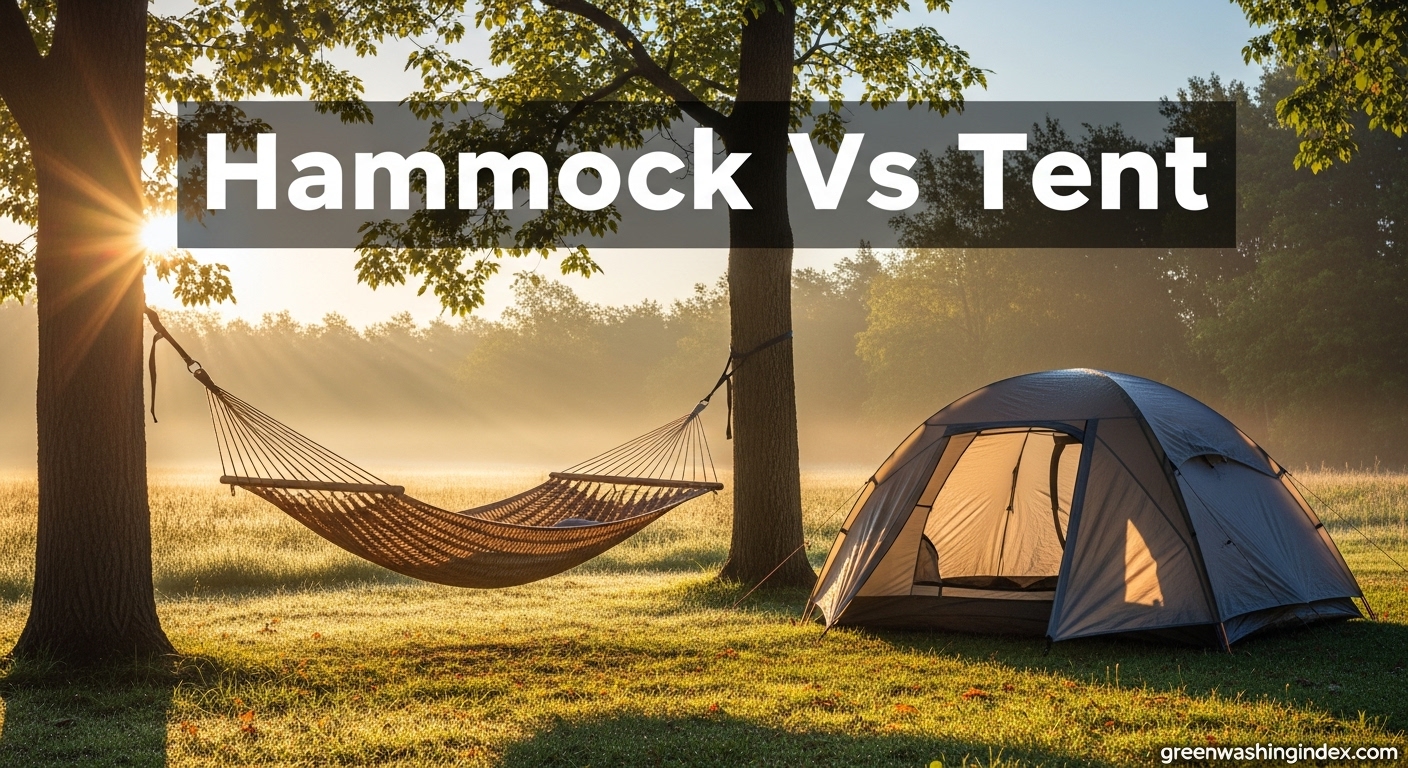
After spending three years switching between tents and hammocks across different terrains, I’ve learned this choice isn’t about one being universally better. The right shelter depends entirely on where you camp, how you sleep, and what matters most to you in the outdoors.
I’ve spent nights freezing in a poorly insulated hammock and others waking up with back pain on rocky ground in a tent. Both systems have saved trips and both have miserable memories attached. The difference came down to matching the shelter to the conditions instead of forcing one approach everywhere.
So which is better: hammock or tent? Hammocks excel in forested terrain with rocky or uneven ground, offering superior comfort and lighter weight for wooded environments. Tents win for open areas, above-treeline camping, harsh weather protection, and group camping where versatility matters more than specialized comfort.
In this guide, I’ll break down exactly how each system performs across the factors that actually matter: sleep quality, weather protection, setup difficulty, weight, terrain flexibility, and cost. You’ll learn which scenarios favor each system and what gear you actually need to get started.
Before diving into the details, here’s how these shelter systems stack up across the key factors that campers care about most:
| Factor | Hammock Camping | Tent Camping |
|---|---|---|
| Comfort | Zero-gravity feel, no pressure points, excellent for back sleepers | Familiar flat surface, better for side/stomach sleepers |
| Sleep Quality | Superior once properly setup; many report best outdoor sleep ever | Consistent but depends on ground quality; can be rough on uneven terrain |
| Setup Requirements | Needs two suitable trees 10-15 feet apart; steeper learning curve | Needs relatively flat ground; stakes and poles; easier for beginners |
| Weather Protection | Good with proper tarp; exposed beneath requires underquilt for cold | Excellent enclosed protection; better wind and cold weather performance |
| Terrain Flexibility | Excels on rocky, sloped, wet, or uneven ground; useless above treeline | Works anywhere with space; struggles on rocky or extremely uneven terrain |
| Weight | Ultralight setups 2-2.5 lbs; typical setups 2.5-3.5 lbs complete | Ultralight tents 1-2 lbs; typical backpacking tents 2-4 lbs |
| Packability | Compresses small; no poles to deal with | Poles add bulk; footprint can be awkward |
| Bug Protection | Integrated bug nets work excellently | Built-in floor and mesh provide full enclosure |
| Storage Space | Minimal; gear stored outside or on suspension | Vestibules and interior space for gear |
| Entry Cost | $150-250 for complete setup | $100-200 for quality starter setup |
| Learning Curve | Steeper; proper hanging angle and insulation technique matter | Shallower; more intuitive setup process |
| Group Camping | Challenging; each person needs suitable trees | Easy; shared vestibules and common areas |
Sleep quality might be the biggest differentiator between these two shelter systems. After reading through hundreds of forum discussions on Reddit and hammock forums, one theme emerges consistently: most hammock converts report dramatically better sleep once they dial in their setup.
A common sentiment from the camping community: “The quality of my sleep in a hammock is light years better than in a tent.” Another user put it more directly: “A hammock is the only way I’ve ever slept through a night while camping.”
This isn’t marketing hype. Hammocks eliminate the biggest comfort killer in tent camping: the ground. Even with the best best camping gear and sleeping pads, you’re still sleeping on dirt, rocks, and roots. Your hips sink, your spine conforms to whatever terrain you found, and pressure points build throughout the night.
Hammocks create a zero-gravity sleeping position that many find instantly comfortable. You’re suspended off the ground, so no rocks dig into your back. No moisture seeps through from below. Your spine can align naturally when you lie diagonally across the fabric rather than straight down the center.
That diagonal lie is key. New hammock campers often sleep straight like a banana and wake up with back pain because their spine is curved. The proper technique is to lie at a slight angle, which flattens the hammock and lets you sleep nearly flat. Most people figure this out after a night or two, but it’s not immediately obvious to beginners.
Underquilt: An insulation layer that hangs beneath a hammock to prevent convective heat loss. Unlike sleeping pads compressed beneath you in a hammock, underquilts hang lofted and maintain their insulating ability.
Hammocks aren’t universally more comfortable. Side sleepers and stomach sleepers often struggle in hammocks. The curved fabric creates a confinement that some find restrictive, and changing positions during the night requires more effort than simply rolling over in a tent.
Tents also offer a psychological comfort for many. The enclosed space feels more familiar and secure. You can sit up, change clothes easily, and move around without worrying about balance. For anyone with claustrophobia or balance concerns, a tent provides a more traditional sleeping environment that feels safer.
Many campers with chronic back issues find relief in hammocks because the zero-gravity position reduces pressure on the spine. However, this isn’t universal. Some back conditions worsen from the curved position, and the diagonal sleeping technique doesn’t work for everyone.
If you have existing back problems, test both systems before committing. A local outfitter might let you try a display hammock, or you could start with budget gear to experiment before investing in premium equipment.
Setup difficulty affects your camping experience more than you might expect. After a long day of hiking or paddling, the last thing you want is a frustrating shelter setup in fading light.
Tents have a more straightforward learning curve. Find flat ground, clear away rocks and sticks, lay out the footprint, assemble the poles, attach the tent body, stake it out, and add the rainfly if needed. Most people can set up a familiar tent in under five minutes after a few practice runs.
Hammock camping requires more technique. You need two healthy trees or anchor points the right distance apart. The straps need to be positioned at roughly head height when you’re sitting in the hammock. The hang angle matters critically. Too flat and you sag uncomfortably with strained back; too steep and you feel like you’re being swallowed.
The ideal hang angle is about 30 degrees from horizontal. Most beginners hang too flat, which creates uncomfortable pressure on the back and makes the hammock unstable. Get the angle right, and the hammock cradles you comfortably.
Setup time for hammocks varies wildly with experience. My first attempts took twenty minutes of fiddling. Now I can be hung with rainfly deployed in about three minutes when conditions are good. Bad tree spacing adds time. Rain or darkness complicates everything regardless of system.
Setting up in rain reveals another difference. With a tent, you can attach the rainfly before staking out the body, keeping the interior relatively dry. With a hammock, you’re exposed during the entire process unless you set up your tarp first and work underneath it.
Experienced hammock campers learn to deploy the rainfly first, then hang the hammock underneath. This adds a step but keeps you dry. Tent campers have similar techniques, but the freestanding nature of many tents provides some inherent advantages for awkward setups.
Weather protection might be the biggest practical differentiator between these systems. Tents have the advantage here by design.
A properly setup tent with a good rainfly sheds water reliably. The waterproof floor keeps groundwater out. The vestibule creates a protected entry and storage space. You can enter and exit during rain without getting soaked if you’re careful.
Hammocks handle rain differently but still effectively when equipped properly. A good rainfly deployed at the right angle keeps you dry. The challenge is entry and exit. You’re exposed when getting in and out unless your tarp is large enough to create a porch area. Staying dry during rain requires more practice with hammocks.
Cold weather reveals the hammock’s main weakness. In a tent, your sleeping pad insulation works efficiently because compressed air beneath you still separates you from the cold ground. In a hammock, your body weight compresses the sleeping pad against the hammock fabric, rendering it nearly useless.
This is why underquilts exist. They hang beneath the hammock, maintaining loft and insulation efficiency. Without an underquilt in cold weather, convective heat loss from beneath will leave you freezing regardless of how good your sleeping bag is.
For three-season camping, a hammock with underquilt performs well. But for serious cold or winter conditions, tents generally provide better temperature retention with less specialized knowledge required.
Tents, especially double-wall designs with proper guylines, handle wind well when staked correctly. Low-profile tents cut through wind rather than catching it. The enclosed space blocks drafts completely.
Hammocks are more exposed to wind. A good rainfly deployed with proper tension provides decent protection, but air circulates more freely around a suspended shelter. In severe wind, the swaying motion that some find relaxing becomes potentially problematic and can affect sleep quality.
Where you plan to camp matters enormously in this decision. This is where hammocks truly shine and where they become completely useless.
Rocky ground? Hammock doesn’t care. Sloped terrain? Bring it on. Muddy, wet, or uneven ground? The hammock hangs above it all. This terrain independence is why many backpackers and paddlers prefer hammocks. You can camp in places that would be miserable or impossible with a tent.
Kayak campers love hammocks because finding suitable shoreline campsites with flat ground is challenging. Hammock campers simply find two trees and hang. Thru-hikers appreciate the ability to camp in less-than-ideal terrain when established sites are full or unavailable.
But the requirement for suitable trees is absolute. Above treeline, in deserts, in young forests without mature trees, a hammock becomes worthless gear. You simply cannot use it regardless of how perfect your setup technique might be.
Tents work anywhere you have space. Alpine zones above treeline? No problem. Desert camping? Works fine. Open prairie, beach camping, established campgrounds with designated sites. Tents are the more versatile option overall because they aren’t dependent on specific natural features.
The tent disadvantage becomes apparent on terrible ground. Rocky, root-covered, or severely sloped terrain makes for miserable tent camping. You’re sleeping on whatever bumps and irregularities exist. Clearing a suitable tent site might require significant work, which violates Leave No Trace principles if you’re disturbing the site.
The weight question is more nuanced than marketing suggests. The absolute lightest tent setups are lighter than hammock setups. A sub-2-pound ultralight tent like the Big Agnes Copper Spur HV UL beats most hammock systems on pure weight.
But typical tent setups are heavier than typical hammock setups. A complete hammock system with hammock, straps, rainfly, and underquilt typically runs 2.5-3.5 pounds. Many backpacking tents fall in the 3-4 pound range without adding the weight of a footprint.
The real-world difference often comes down to specific gear choices. Weight-conscious campers can build very light systems with either approach. Ultralight tents generally win by a few ounces, but the difference is small enough that other factors usually matter more.
Starting fresh with either system requires investment. Let’s break down the complete gear lists and realistic costs.
A functional hammock camping system requires these components:
Total entry cost: $150-350 for a complete three-season setup. Budget options exist, but cheap hammock gear often fails when you need it most.
A functional tent camping system requires:
Total entry cost: $150-500 depending on tent quality. Good entry-level tents exist from reputable brands like REI, MSR, and Big Agnes. The floor and bug protection are integrated, which simplifies purchases compared to hammock systems.
Both systems have durable options that last years with proper care. Hammock suspension wears over time and needs replacement. Tent floors develop holes and zippers fail eventually. Rainflies for either system need replacement after extended UV exposure.
The most cost-effective approach for many campers is starting with a quality tent since it works everywhere. You can always add a hammock later for specific terrain types if you find yourself camping often in hammock-friendly environments.
Instead of declaring a winner, let’s match each system to the scenarios where it excels. This is how experienced campers actually make the decision.
I personally choose a hammock for most of my solo backpacking trips in the Southeast. The terrain is rolling and wooded, rocks are common, and the humidity makes ground camping less pleasant. The hammock keeps me off the damp ground and lets me camp in spots that would require extensive site clearing for a tent.
For my family camping trips and any alpine adventures, I bring a tent. The flexibility to camp anywhere regardless of trees, the better weather protection, and the familiar sleeping arrangement for less experienced campers makes tents the obvious choice. Looking for gifts for backpackers? A quality tent or hammock setup are both excellent options for outdoor enthusiasts.
Many experienced outdoor enthusiasts own both systems and choose based on the specific trip. Some even bring a hammock as a luxury camp chair when tent camping. The hammock sets up in minutes at camp for lounging and reading, then you sleep in the tent at night.
This hybrid approach gives you the best of both worlds: the comfort and terrain flexibility of hammocks with the weather protection and versatility of tents. It adds weight and cost, but for dedicated outdoor enthusiasts, the flexibility is worth it.
Both shelter systems can be used responsibly with proper technique. Leave No Trace principles apply regardless of your shelter choice.
Hammocks can damage trees if straps are too narrow or hung without protection. Always use wide tree straps at least 1 inch wide. Avoid trees with thin, fragile bark. Check local regulations. Some areas prohibit hammocks due to tree damage from irresponsible campers.
Tents impact the ground through soil compression and vegetation damage. Use established sites when available. Clear tent sites of debris rather than scraping the ground clean. Avoid trenching around tents, which leaves lasting scars on the landscape.
Both systems should be set up at least 200 feet from water sources. Neither should ever be attached to dead trees or unstable branches. Respect local regulations and specific site restrictions, which increasingly include hammock bans in high-use areas.
Hammocks typically provide better sleep quality for back sleepers due to the zero-gravity position and elimination of ground pressure points. However, side and stomach sleepers often prefer tents. Most hammock converts report dramatically improved sleep after learning proper diagonal lying technique, but comfort ultimately depends on personal preference and sleep position.
Not necessarily. Ultralight tents can weigh 1-2 pounds, which is lighter than most complete hammock setups. However, typical hammock systems (2.5-3.5 lbs including hammock, straps, rainfly, and underquilt) are often lighter than standard backpacking tents (3-4 lbs). The lightest option overall is an ultralight tent, but hammocks compete favorably against mid-range tents.
Tents generally provide better warmth in cold conditions. The enclosed space traps heat more effectively, and sleeping pads maintain insulation efficiency when compressed against the ground. Hammocks suffer from convective heat loss beneath you unless equipped with an underquilt. For cold weather camping, tents are easier to keep warm with less specialized knowledge.
Tents are generally easier for beginners to set up correctly. They require flat ground and basic pole assembly. Hammocks need two suitable trees the right distance apart and proper hanging angle (about 30 degrees). Once mastered, hammock setups can be very fast, but the learning curve is steeper. Weather complicates both systems, but tents offer more protection during setup.
Yes, winter hammock camping is possible with proper equipment. You need an underquilt rated for expected temperatures, a cold-rated sleeping bag, and a properly configured rainfly or tarp. The challenge is preventing convective heat loss from beneath. Tents are easier for winter camping since enclosed space retains heat better and sleeping pads work efficiently on the ground.
Yes, you need insulation beneath you in a hammock. Your body weight compresses a sleeping pad against the hammock fabric, reducing its effectiveness. An underquilt works better because it hangs lofted beneath the hammock and maintains insulation. In summer, a pad might suffice. In cold weather, an underquilt is essential for warmth.
After testing both systems across dozens of trips and varying conditions, here’s my honest take: neither shelter is universally better. The hammock vs tent debate persists because both systems have legitimate strengths and neither dominates every scenario.
If you’re starting fresh and can only invest in one system, begin with a quality tent. The versatility to camp anywhere, easier learning curve, and better weather protection make tents the more practical all-around choice. You’ll never be stuck without suitable trees or caught in terrain where your shelter simply doesn’t work.
Once you have experience and know your typical camping environments, consider adding a hammock for specific situations. Rocky terrain in wooded areas? Hammock becomes your go-to. Above treeline alpine trip? The tent comes along. Many experienced outdoor enthusiasts end up owning both and choosing based on the specific conditions of each adventure.
The best shelter is the one that matches where you camp, how you sleep, and what conditions you expect to encounter. Choose based on your actual needs rather than marketing hype or internet debates. Happy camping.
